

The Rhodopes: A Complete Travel Guide to Bulgaria's Mystical Mountains
In this guide▾
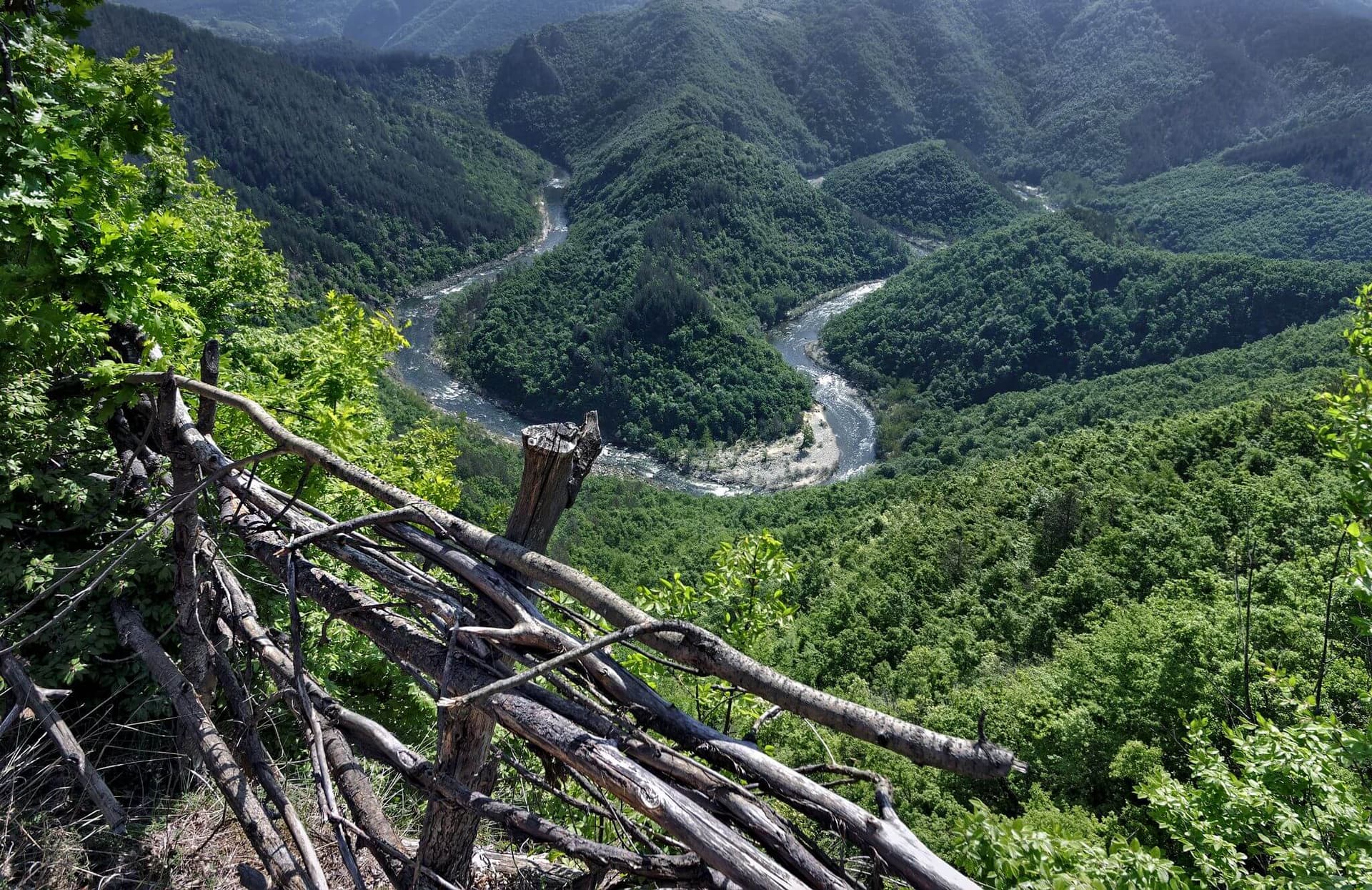
Every Bulgarian will tell you the same thing: the Rhodopes are different. Rila and Pirin are higher, the Balkan Range is longer — but the Rhodopes are the mountains people describe with the word magic. This is the mythical home of Orpheus, the singer who charmed the underworld, and it takes about a day here to understand why the legend chose these hills: mist rolling through spruce forests, marble gorges hiding underground waterfalls, stone arches the size of cathedrals, and villages where bagpipes are still taught at school.
It's also Bulgaria's largest mountain range by area — nearly a seventh of the country — and one of its least touristed. This guide covers the whole of it: the west with its gorges, caves and ski slopes, the east with its Thracian rock cities and reservoirs, plus food, itineraries and the practicalities of getting around.
📍 Orientation: One Name, Two Very Different Mountains
The Rhodopes stretch across southern Bulgaria along the Greek border, and everything makes more sense once you know they split in two:
- The Western Rhodopes — higher (topping out at Golyam Perelik, 2,191 m), darker, greener. Spruce forests, karst gorges, caves, ski slopes and the classic villages. This is where most first-time visitors go, with Smolyan and Pamporovo at the center. At the range's far western edge, above the Mesta valley, sit the stone villages of Kovachevitsa and Leshten — covered in our Gotse Delchev guide.
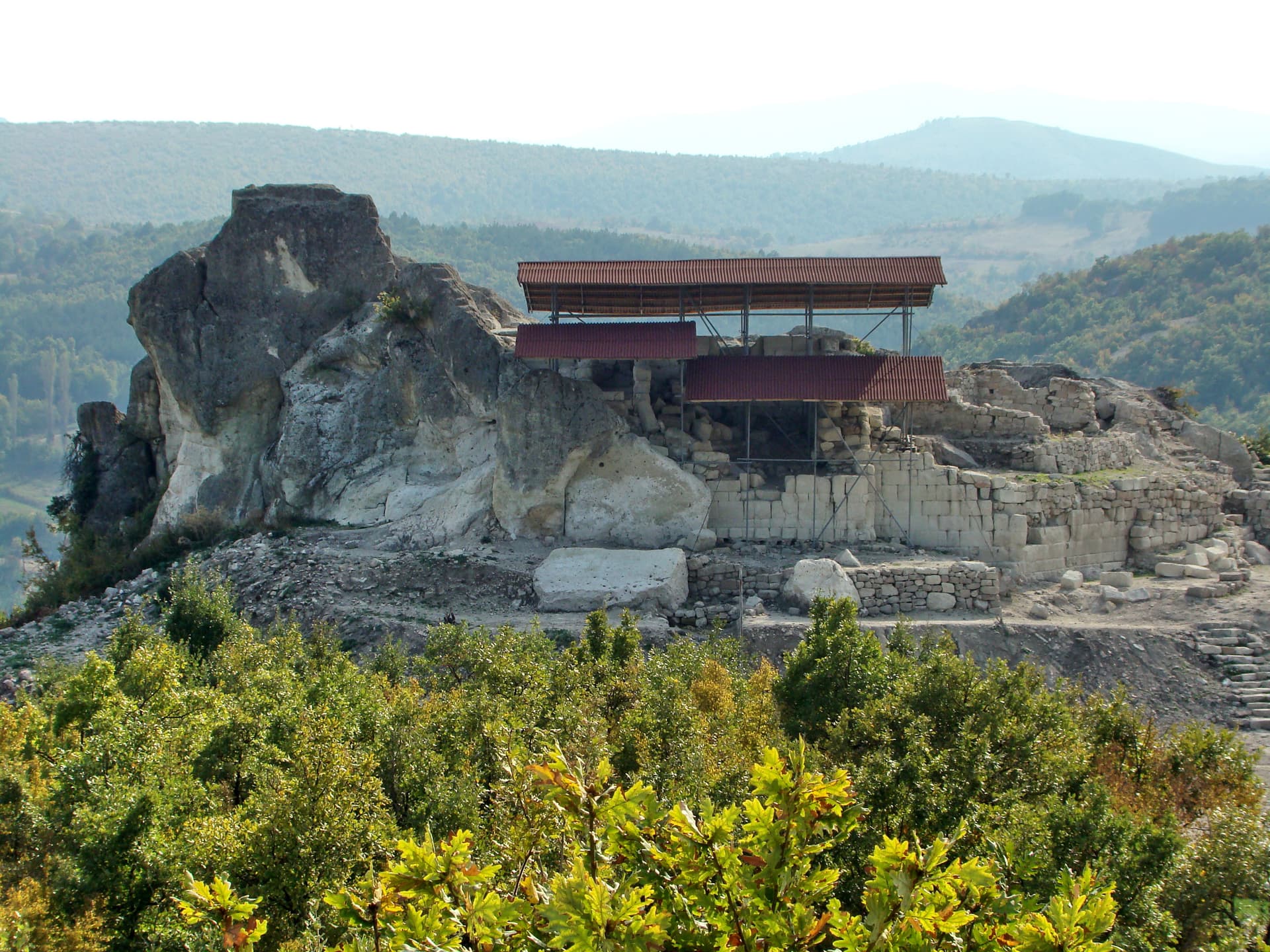
- The Eastern Rhodopes — lower, sunnier, wilder. Rounded volcanic hills around Kardzhali, meandering reservoirs on the Arda River, vultures overhead, and the greatest concentration of Thracian rock sanctuaries in Bulgaria, crowned by Perperikon.
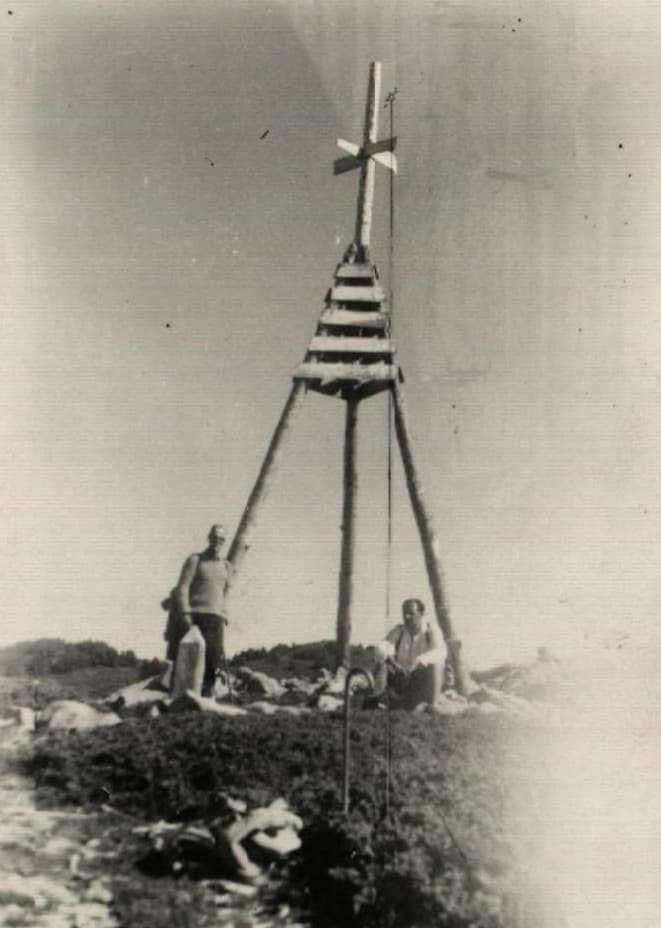
Unlike Bulgaria's alpine ranges, the Rhodopes are old and rounded — mountains you settle into rather than conquer. Their gentleness is exactly the appeal: this is walking, village and slow-travel country, and the country's best year-round mountain destination.
🚗 Getting There & Around
Plovdiv is the gateway. Bulgaria's second city sits right at the foot of the range, and the main road south winds up the Chepelare valley to Pamporovo and Smolyan in around two hours. Coming from Sofia, count on 3.5–4 hours to Smolyan.
| From | To | Distance | Driving time |
|---|---|---|---|
| Plovdiv | Smolyan | ~100 km | ~2 hours |
| Sofia | Smolyan | ~240 km | ~3 h 45 min |
| Plovdiv | Devin | ~90 km | ~1 h 45 min |
| Plovdiv | Kardzhali | ~95 km | ~1 h 30 min |
| Sofia | Velingrad | ~130 km | ~2 hours |
A car is close to essential. The joy of the Rhodopes is scattered across dozens of villages, gorges and viewpoints that buses reach rarely or not at all. Roads are scenic, winding and slower than the distances suggest — plan by hours, not kilometers.
By public transport: buses run from Plovdiv and Sofia to Smolyan, Devin, Zlatograd and Kardzhali, and they're fine for reaching a base town — just not for exploring from it. One lovely exception in the far west: the Septemvri–Dobrinishte narrow-gauge railway, Bulgaria's slowest and most charming train, which climbs through Velingrad and past Avramovo, the highest railway station in the Balkans.
🏔️ The Western Rhodopes: The Classics
Smolyan & the Smolyan Lakes
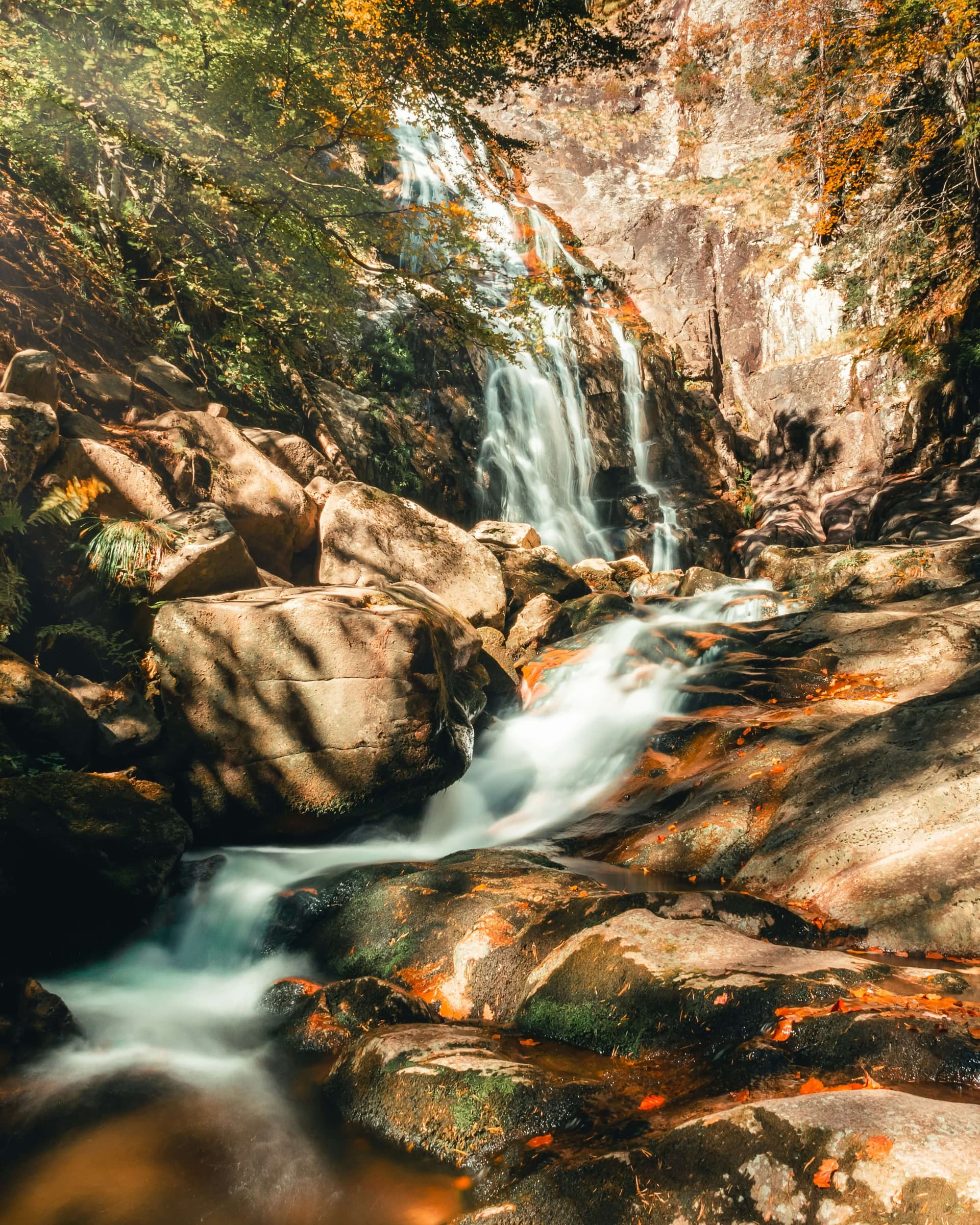
Bulgaria's highest regional capital (around 1,000 m) stretches for kilometers along the Cherna River beneath dramatic cliffs. It's the natural capital of the Rhodopes and the most practical base for the region: a fine historical museum, Bulgaria's largest planetarium, and the string of Smolyan Lakes on the plateau above town, backed by the crags of the Orpheus Rocks. On the south-western edge of town, the Canyon of Waterfalls eco-trail climbs past some 46 forest cascades. The road up to the lakes keeps going to Pamporovo, making the two an easy pairing.
Pamporovo & the ski side of the range
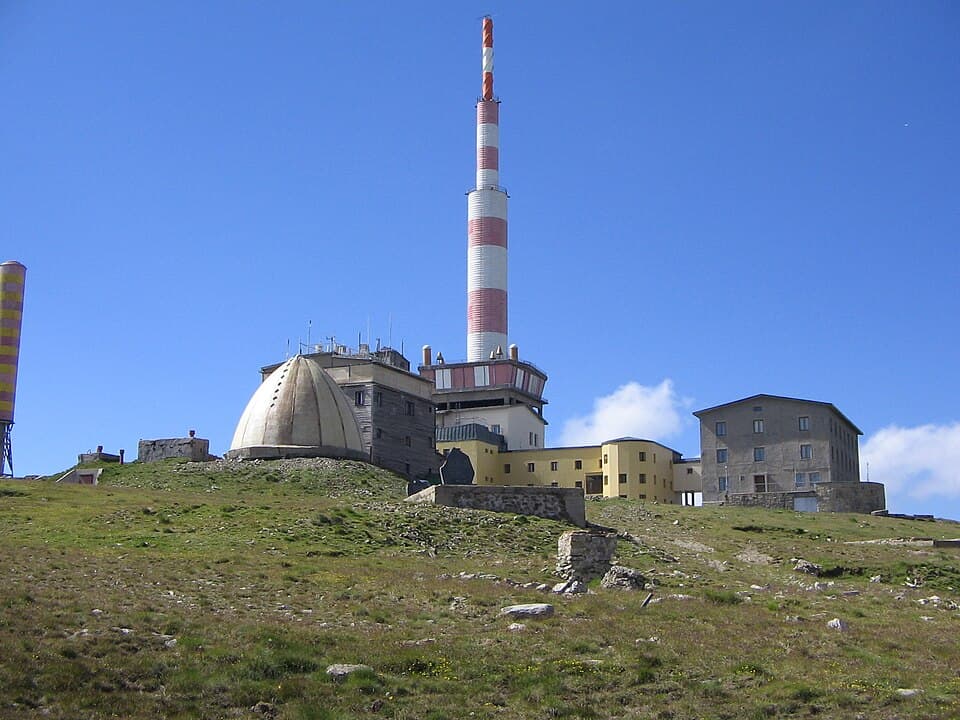
One of Bulgaria's big three ski resorts — and thanks to its southern latitude and mild climate, the sunniest of them. In summer it converts into a hiking and mountain-biking base, with the TV-tower viewpoint on Snezhanka peak surveying the whole green sweep of the range. For how it stacks up against the competition in winter, see our Borovets vs Bansko vs Pamporovo comparison, and for the broader season our guide to Bulgaria in winter.
Shiroka Laka
Shiroka Laka is the Rhodope village of postcards: whitewashed stone-roofed houses stacked above a stream, humpback bridges, and a national school of folk arts where children learn the kaba gaida — the deep-voiced Rhodope bagpipe. Come on the first Sunday of March and you'll catch Pesponedelnik, one of Bulgaria's most authentic kukeri (mummer) festivals. It sits conveniently on the road between Devin and Smolyan.

Trigrad Gorge & the Devil's Throat Cave
The Trigrad Gorge is the single most dramatic sight in the Rhodopes. The road to Trigrad squeezes between marble walls hundreds of meters high, and at the gorge's tightest point the Trigradska River simply vanishes underground into the Devil's Throat Cave (Dyavolskoto Garlo) — thundering down the highest underground waterfall in the Balkans before re-emerging downstream. Legend says this is where Orpheus descended into the underworld to retrieve Eurydice. The visit, down a long staircase into the roaring "Hall of Thunder," is short but unforgettable. Our dedicated Trigrad Gorge & Devil's Throat guide covers this wild corner in depth.
Yagodina Cave & the Eagle's Eye
One valley west of Trigrad, the Buynovo Gorge — Bulgaria's longest — leads to Yagodina Cave, one of the country's longest cave systems, with a beautifully lit tourist route through curtains of stalactites and cave pearls. High above it, the Eagle's Eye (Orlovo Oko) viewing platform, reached by 4x4 or a stiff hike, hangs over the gorge with one of the great panoramas of Bulgaria.

The Wonderful Bridges (Chudnite Mostove)
At 1,450 m in the Chernatitsa ridge, a river swallowed an entire marble cave system and left behind two colossal natural arches — the larger one nearly 45 m high. Walking under them feels like visiting a ruined cathedral built by water. They headline our roundup of Bulgaria's natural wonders and pair well with the road between Plovdiv and Smolyan.
Devin & Velingrad: the spa towns
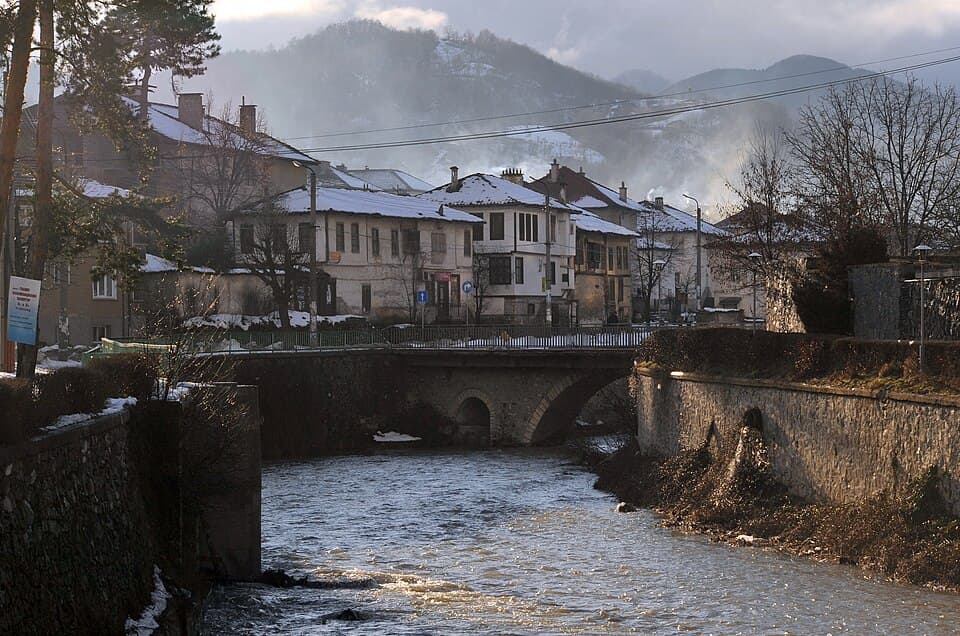
The Western Rhodopes bubble with thermal water. Devin is the quieter of the pair — a small town on the Devinska River known across Bulgaria for its bottled mineral water, with spa hotels and a lovely riverside eco-trail — a weekend there is in our Devin and Zlatograd guide. Velingrad, on the range's northwestern edge, styles itself the "SPA capital of the Balkans" with dozens of thermal pools and hotels — our Velingrad spa weekend guide has the full two-day plan. Both feature in our spa and thermal springs guide — and both are the perfect antidote to a few days of gorge-scrambling.
Zlatograd
Zlatograd — Bulgaria's southernmost town, a few kilometers from the Greek border — keeps an ethnographic complex of working workshops — weavers, potters, goldsmiths, a water-driven fulling mill — around cobbled lanes and a genuinely lived-in old quarter. It's the natural last stop before (or first stop after) a border hop toward the Aegean. How to pair it with Devin for a spa weekend is in our Devin and Zlatograd guide.
🏛️ The Eastern Rhodopes: Thracians, Reservoirs & Vultures
Perperikon
The blockbuster. An entire ancient city carved into a rocky hilltop near Kardzhali — streets, staircases, cisterns, a palace and altars, all cut straight into the stone across thousands of years, from the Bronze Age through Thracians, Romans and Byzantines. Ancient sources connect it with a great oracle of Dionysus. It's the most impressive archaeological site in the Bulgarian interior, and pairs naturally with the tomb culture in our Valley of the Thracian Kings guide.

Tatul & Belintash
Two more rock sanctuaries for those hooked by Perperikon: Tatul, a striking pyramid-topped tomb complex long associated with the cult of Orpheus, and Belintash, a lonely plateau of carved niches and steps with wide views over the Western Rhodope foothills — one of Bulgaria's favorite "mystical" sites.
The Kardzhali reservoirs & the Arda River
The Arda River loops through the Eastern Rhodopes in a chain of long, fjord-like reservoirs — Kardzhali and Studen Kladenets — with kayaking, boat trips and some of the best birdwatching in Bulgaria: this is griffon vulture country, one of the species' last Balkan strongholds.
Stone curiosities & the Devil's Bridge
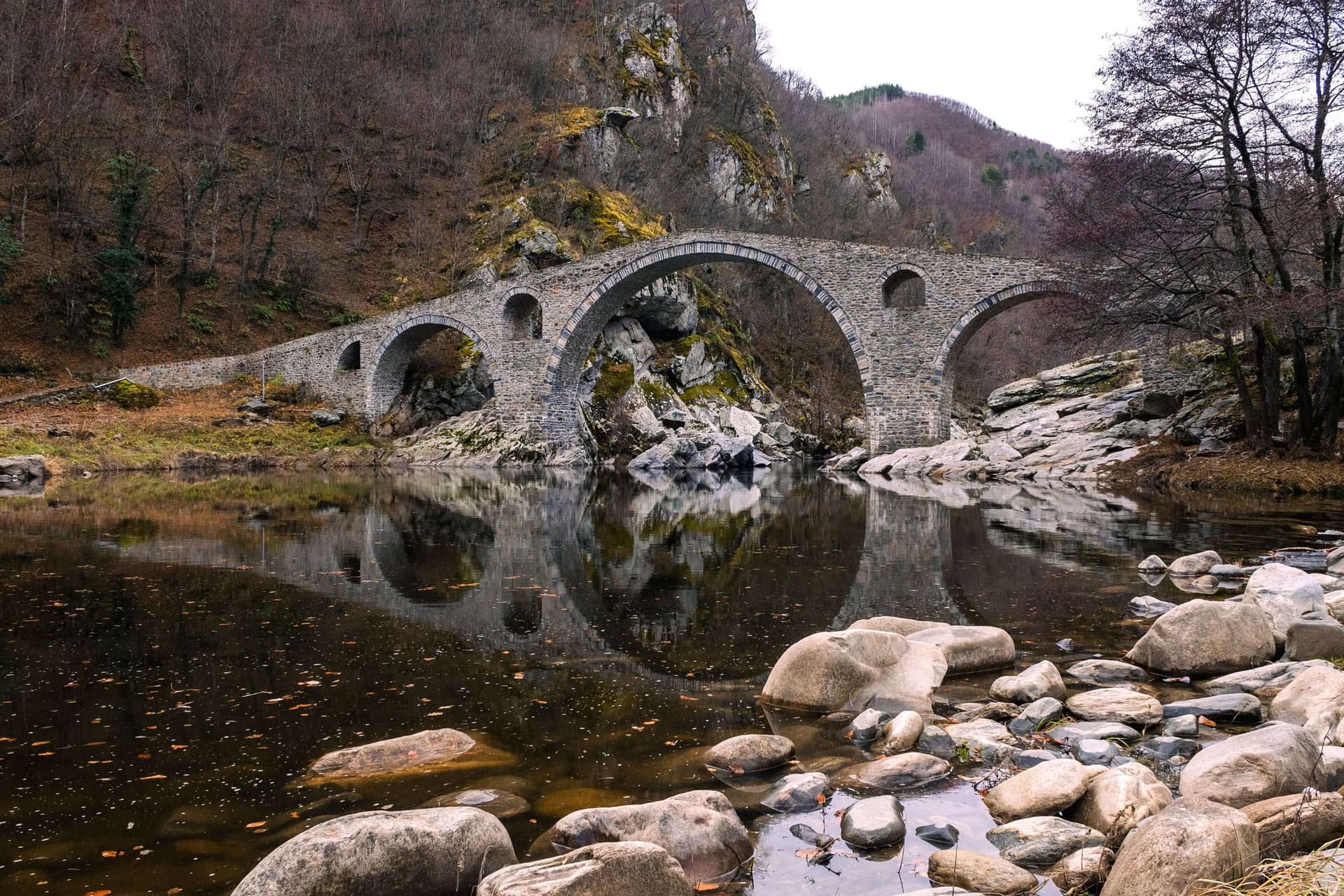
The volcanic east is studded with geological oddities: the Stone Mushrooms near Beli Plast, pink-stemmed and improbably perfect, and the Stone Wedding near Kardzhali, a petrified "procession" of white rock figures. Back in the river valleys near Ardino, the elegant 16th-century Devil's Bridge (Dyavolski Most) arches over the young Arda — the most beautiful old bridge in Bulgaria, wrapped in its own devilish legends.
🍲 What to Eat: Bulgaria's Heartiest Table
Rhodope food is mountain food — slow, rich and built around potatoes, dairy and the wood stove:
- Patatnik — the region's signature: grated potatoes, onion, eggs and cheese slow-cooked into a crusty, savory cake. Order it everywhere; every mehana's version is different.
- Smilyan beans — giant, creamy beans grown only in the Smilyan valley near Smolyan, served as a thick stew. The village even holds an annual bean festival.
- Katmi — thick village pancakes with homemade jam or white cheese, the classic Rhodope breakfast.
- Klin — a local banitsa layered with rice and nettles or spinach.
- Cheverme — whole lamb slowly spit-roasted over embers; the festival and celebration dish of the region.
- Wild everything — mushrooms in September, herbs all summer, forest berries, mountain tea. Rhodope honey and homemade yogurt round out any table.
Wash it down with local herbal teas — or plan a detour toward the wine country further west via our Melnik wine guide.
🗺️ Suggested Itineraries
The long weekend (3 days, Western classics): Plovdiv → Wonderful Bridges → Smolyan (night) → Smolyan Lakes & Shiroka Laka → Devin (night) → Trigrad Gorge, Devil's Throat & Yagodina Cave → back via Batak and Velingrad.
The full traverse (6–7 days, west + east): Days 1–3 as above, then continue: Zlatograd's ethnographic complex → Kardzhali (night) → Perperikon, Tatul and the Stone Mushrooms → Devil's Bridge near Ardino → Studen Kladenets reservoir for vultures → return north via Haskovo or loop back to Plovdiv.
The slow week (spa + villages): Base in Devin or Velingrad, day-tripping to gorges and villages with a thermal pool waiting every evening. The Rhodopes reward exactly this pace.
Several stops here also appear in our hidden gems of Bulgaria roundup — the Rhodopes are that list's spiritual home.
🗓️ When to Go
- May–June: everything green and loud with birdsong; wildflower meadows; gorges at full flow. Arguably the best window.
- July–August: high villages stay cool while the rest of Bulgaria swelters — a genuine summer refuge. Expect Bulgarian holidaymakers around Pamporovo and Devin.
- September–October: mushroom season, golden forests, empty trails. The photographer's pick.
- December–March: ski season in Pamporovo and Mechi Chal above Chepelare; snowed-in villages at their most atmospheric. Gorge roads occasionally close after heavy snow.
The Rhodopes' mild climate is the whole point: there is no bad season here, only different ones.
💡 Practical Tips
- Drive defensively and unhurriedly — roads are narrow, winding and shared with logging trucks and the occasional herd.
- Book cave visits around opening hours — the Devil's Throat and Yagodina run guided entries on a schedule; check current times locally, especially off-season.
- Carry cash — small-village mehanas and guesthouses don't always take cards.
- Stay in family guesthouses — the region's real accommodation currency; dinner is usually homemade and enormous.
- Combine west and east only with a car and at least five days; otherwise pick one half and do it properly.
Orpheus knew what he was doing when he chose these mountains. Take the winding road south from Plovdiv, follow the mist into the gorges, and keep exploring Bulgaria's wild south with Mestala.com.
This guide covers 24 places
Want more Mestala in your Google results?
Add mestala.com as a preferred source and our guides will show up more often when you search. Requires a Google account.
Frequently Asked Questions
Where are the Rhodope Mountains and how do you get there?▾
The Rhodopes spread across southern Bulgaria along the Greek border, covering about a seventh of the country — Bulgaria's largest mountain range by area. Plovdiv is the main gateway: the road south reaches Pamporovo and Smolyan in about two hours. For the Eastern Rhodopes and Perperikon, head for Kardzhali instead. A car is strongly recommended, as buses between the scattered villages are infrequent.
What are the Rhodopes famous for?▾
The Rhodopes are the mythical birthplace of Orpheus and Bulgaria's most atmospheric mountains — deep gorges like Trigrad, caves like the Devil's Throat and Yagodina, natural rock arches at the Wonderful Bridges, the ancient Thracian rock city of Perperikon, timeless villages like Shiroka Laka, and a famously hearty local cuisine of patatnik and Smilyan beans.
How many days do you need in the Rhodopes?▾
A long weekend of three days covers the Western Rhodope highlights — Smolyan, Shiroka Laka, Trigrad Gorge and the Devil's Throat, plus Yagodina Cave. Five to seven days lets you add the Wonderful Bridges, a spa stay in Devin or Velingrad, and a swing east to Perperikon and the Kardzhali reservoirs. The distances are modest but the winding mountain roads are slow.
When is the best time to visit the Rhodopes?▾
The Rhodopes are Bulgaria's mildest mountains and genuinely work year-round. Late spring through early autumn is ideal for hiking, gorges and caves; September brings mushroom season and golden forests; winter turns Pamporovo into one of Bulgaria's three big ski resorts. Even in August the high villages stay pleasantly cool.
Are the Rhodopes good for hiking?▾
Yes — but differently from Rila and Pirin. Instead of bare alpine ridges, the Rhodopes offer rolling forested ridges, karst gorges, canyon viewpoints like the Eagle's Eye above Yagodina, and village-to-village walks. The highest summit, Golyam Perelik (2,191 m), is gentle by Bulgarian standards, which makes the range perfect for relaxed walking holidays and families.
What food is the Rhodopes region known for?▾
Rhodope cuisine is Bulgaria's heartiest: patatnik (a slow-cooked potato-and-cheese dish), giant Smilyan beans grown in a single valley near Smolyan, katmi pancakes, klin banitsa, wild mushrooms and herbs, and cheverme — whole spit-roasted lamb reserved for celebrations. Village mehanas serve all of it beside a wood stove.
You might be interested in
Botev Peak & Raysko Praskalo: Hiking the Central Balkan
How to hike Botev Peak (2,376 m), the highest summit of the Balkan Mountains, from Kalofer — past Raysko Praskalo, the highest waterfall in the Balkans.

Cherni Vrah: Hiking Vitosha's Summit from Sofia
How to hike Cherni Vrah (2,290 m), the summit of Vitosha above Sofia — the route from Aleko, bus 66, the lifts that still run, difficulty, and season.
Malyovitsa: Rila's Most Iconic Day Hike
How to hike Malyovitsa (2,729 m), the cradle of Bulgarian mountaineering in northern Rila — the route from the resort and hut, parking, difficulty and season.
Climbing Musala: Bulgaria's & the Balkans' Highest Peak
How to climb Musala (2,925 m), the highest peak in Bulgaria and the Balkans: the Borovets gondola, the route, huts, distances, season and what to pack.