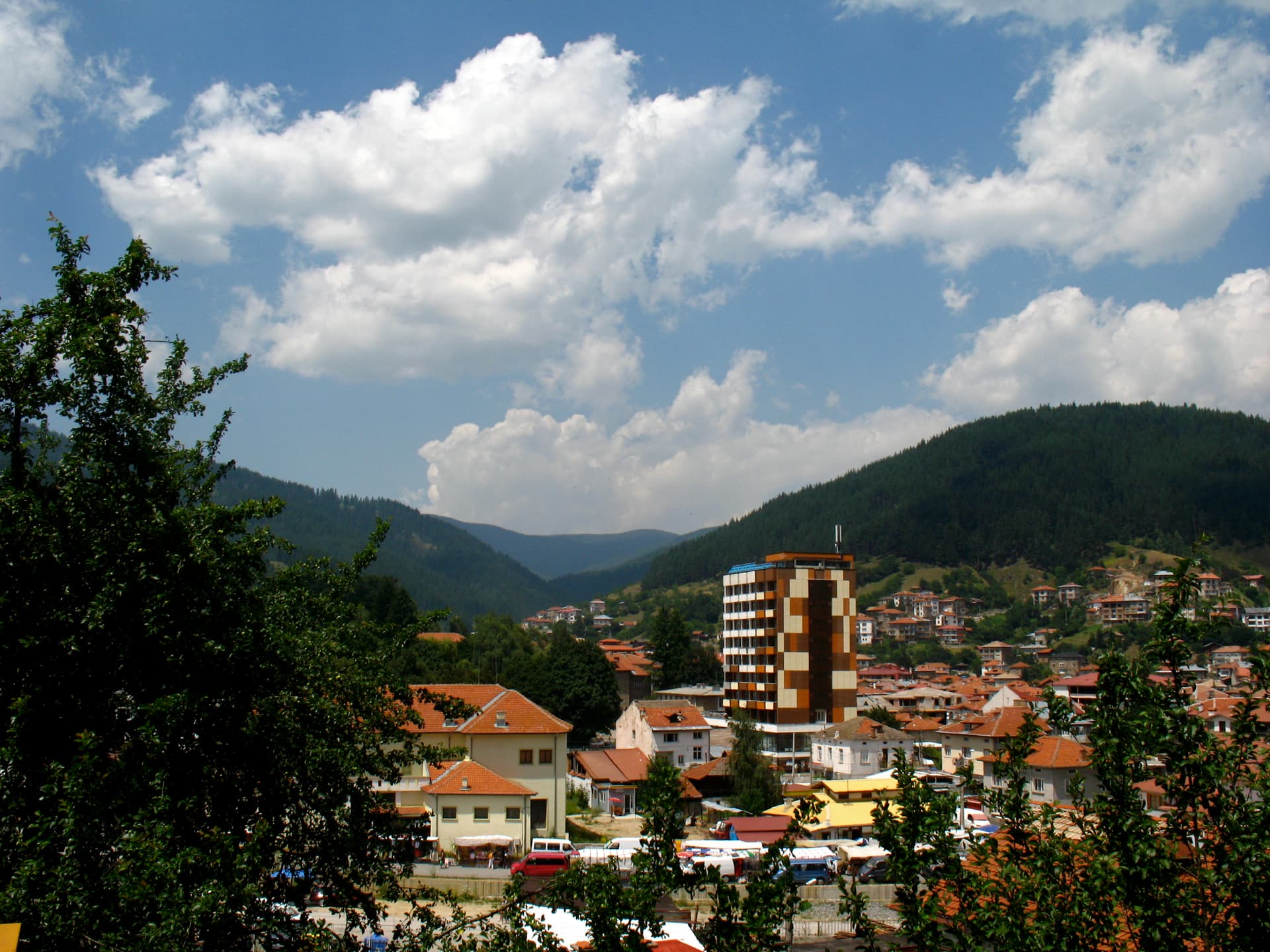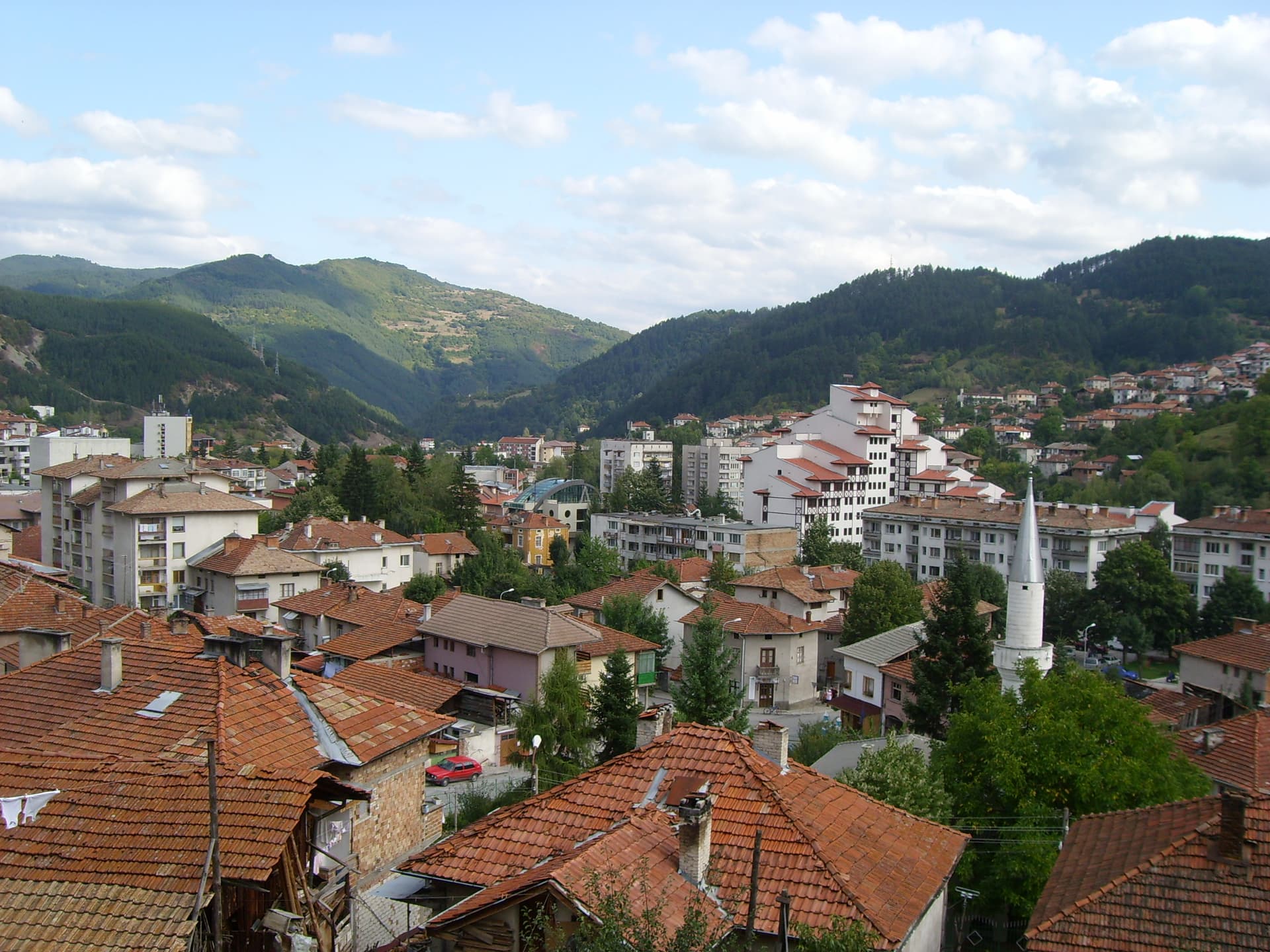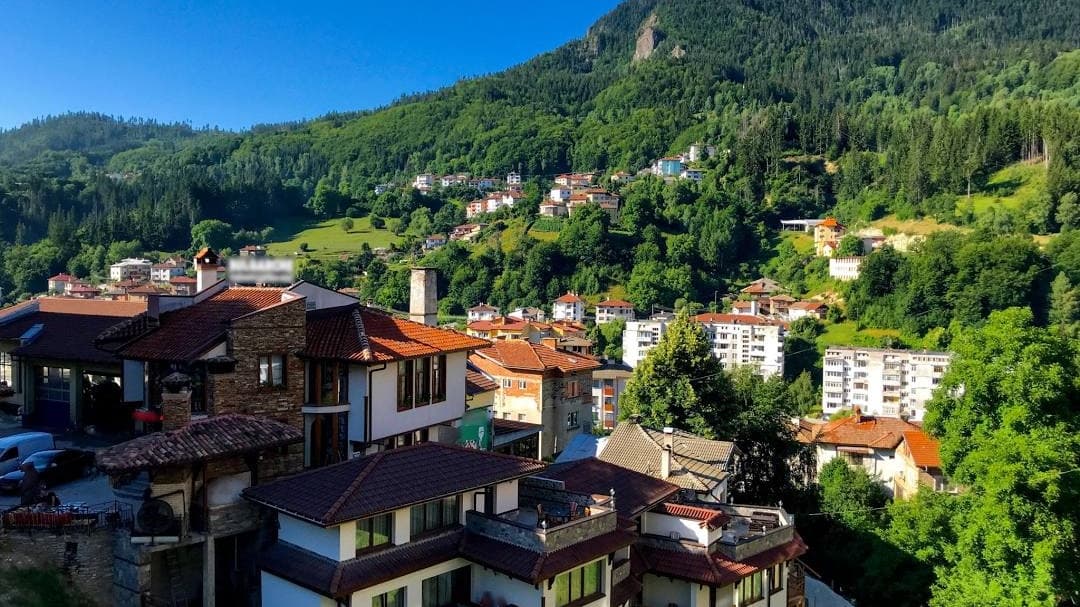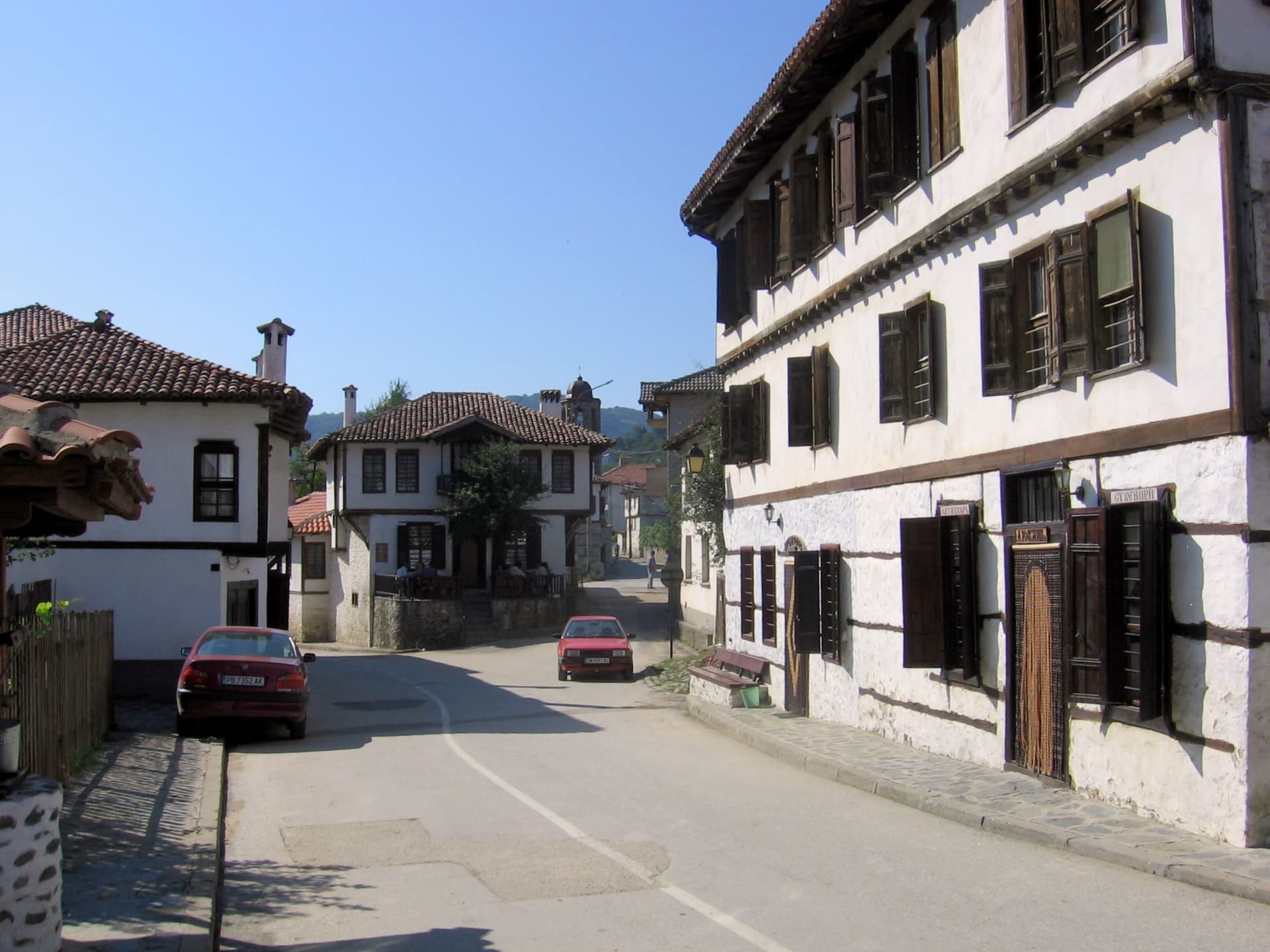
Zlatograd is the southernmost town in Bulgaria: 5,481 inhabitants (NSI, end of 2025) in Smolyan province, in the Varbitsa valley in the Eastern Rhodopes, at 521 m. It lies 60 km from Smolyan, about 300 km from Sofia, and 6 km from the Zlatograd – Thermes crossing into Greece, opened on 15 January 2010.
From Sofia, go via Plovdiv – Asenovgrad – Smolyan (about 282 km) or via Haskovo – Kardzhali (about 370 km). Buses run from the Rodopi bus station in Plovdiv, and from Smolyan and Kardzhali. Across the border the road continues to Xanthi.
Allow at least half a day for the old quarter and the workshops.
Until 1934 the town was called Daradere. It is linked with the outlaw Delyo Voyvoda of the late 17th century. The song "Izlel e Delyo haydutin", sung by Valya Balkanska, is on the Voyager Golden Record of 1977.
The Cheverme feast every May. The Delyo days, 20–24 September.

Smolyan region
18.4 km away
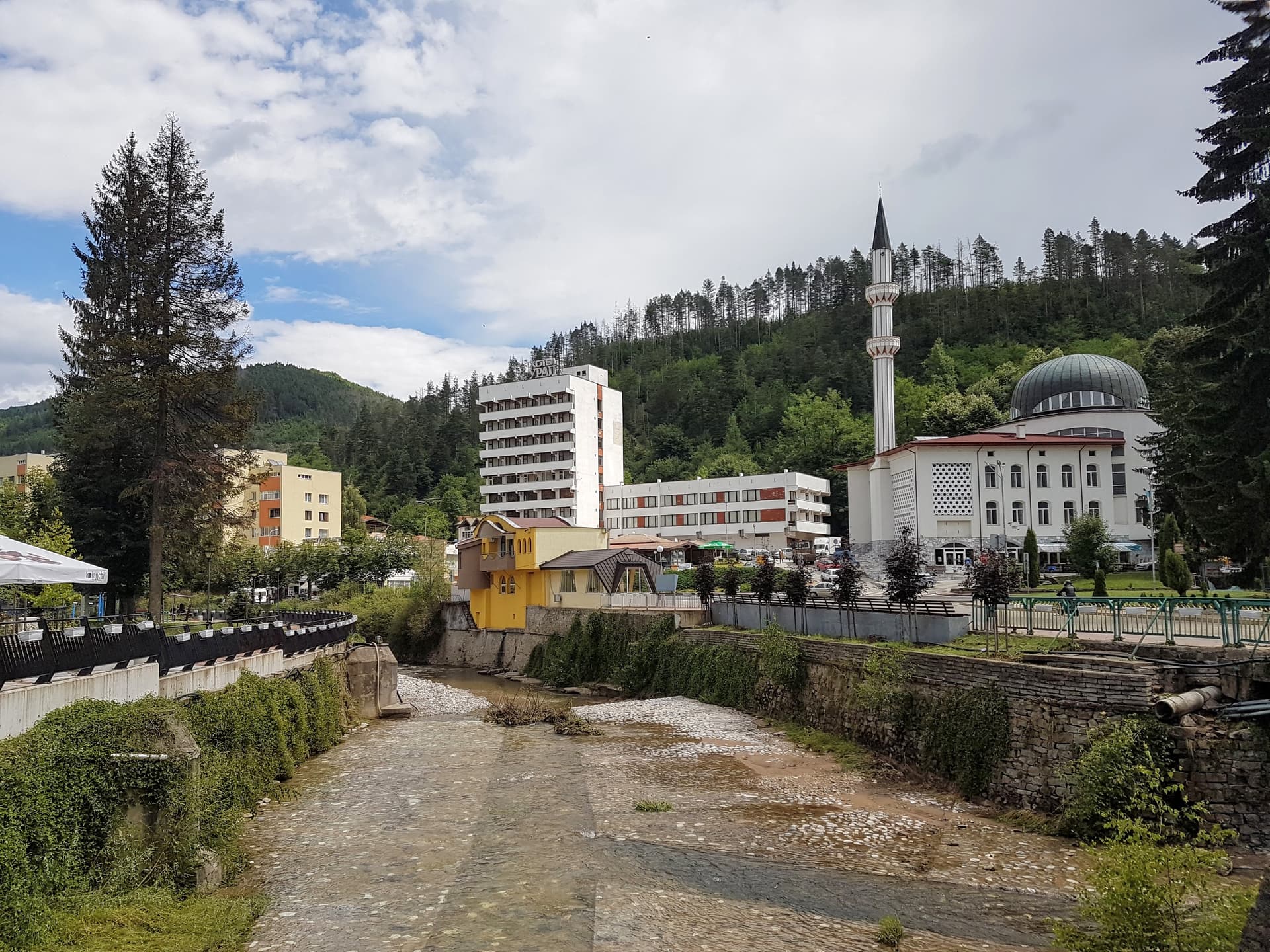
Smolyan region
18.4 km away
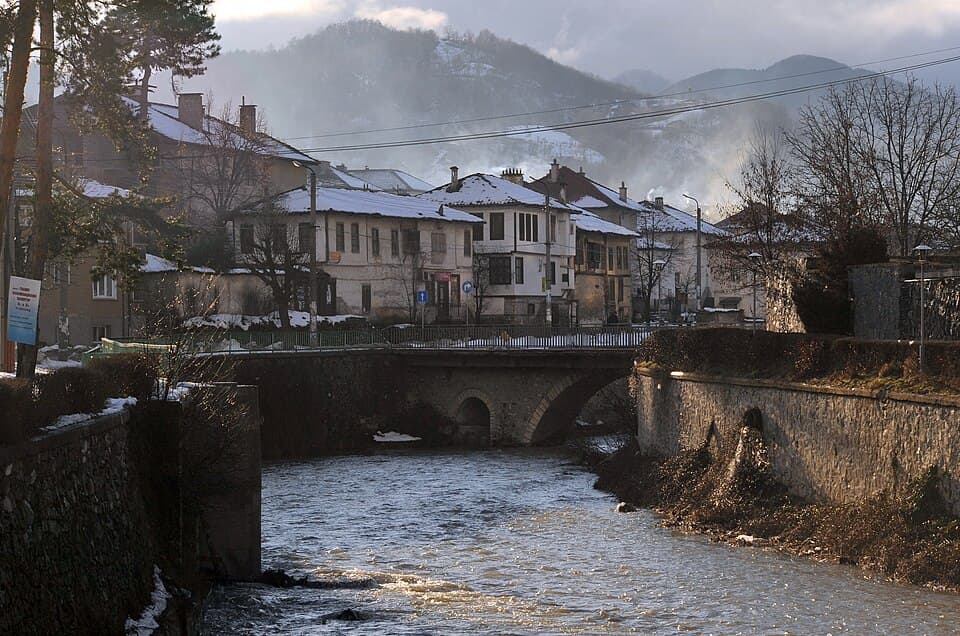
A Rhodope spa weekend: Devin's mineral water and the Struilitsa eco-trail, Zlatograd's ethnographic complex and Revival quarter, with Trigrad and Yagodina nearby.
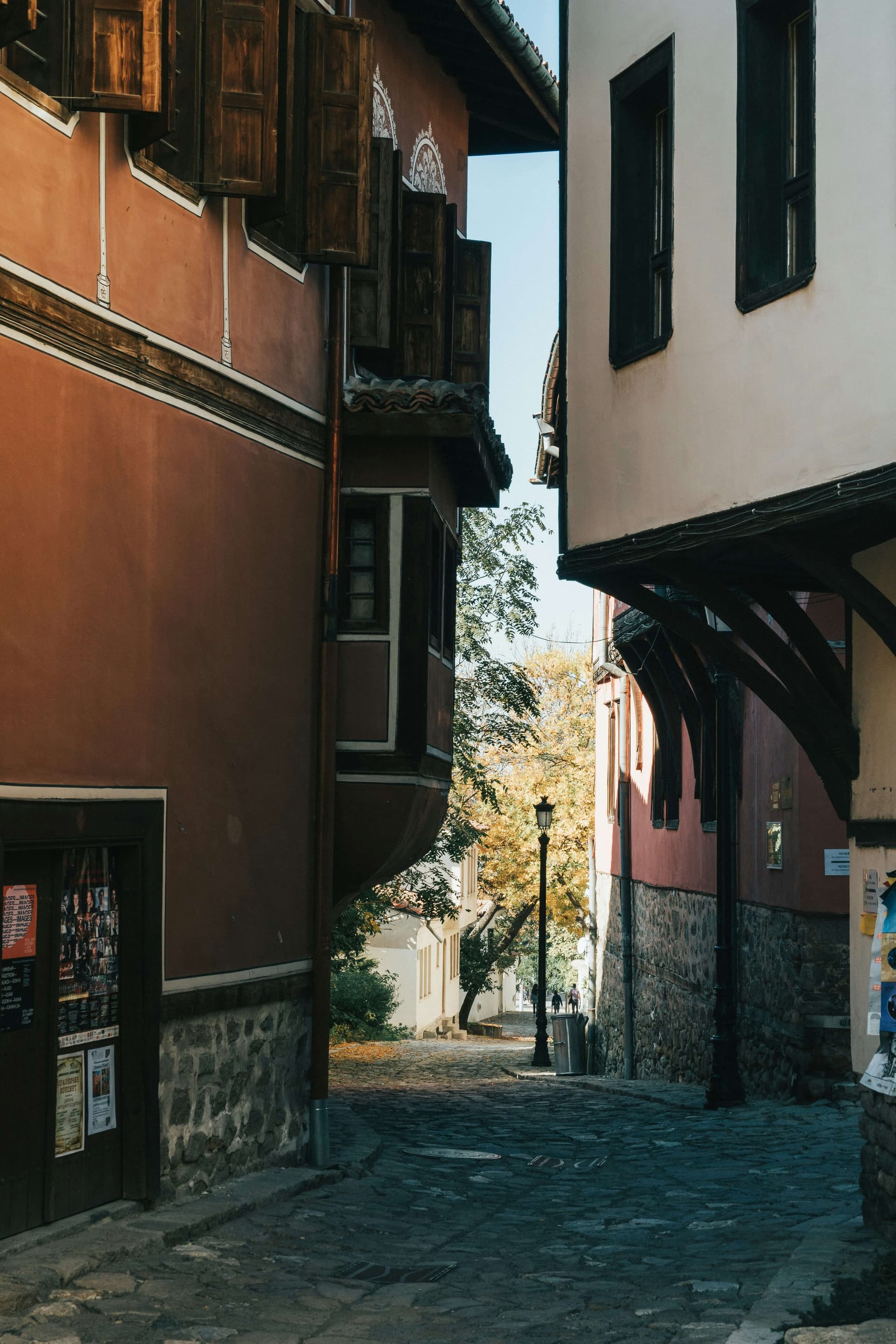
8 overnight getaways from Plovdiv: spa towns, Rhodope villages and caves, Troyan and skiing — with drive times, transport and what is open in winter.
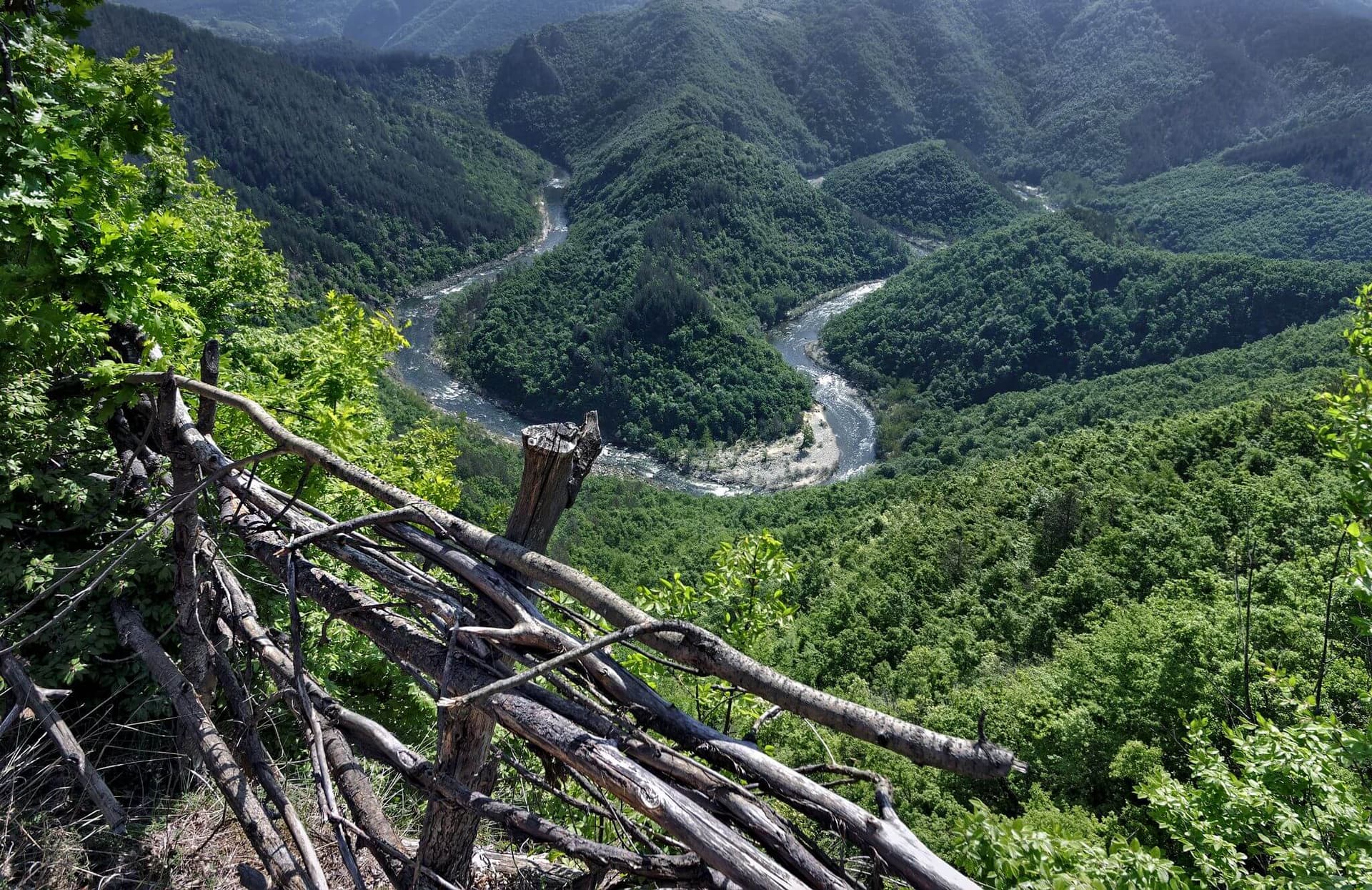
Everything you need to plan a Rhodope Mountains trip: Smolyan, Pamporovo, Trigrad Gorge, Shiroka Laka, Perperikon, caves, spa towns, food, itineraries and when to go.
Zlatograd is located in Smolyan, Bulgaria.
Zlatograd is most easily reached by car. Use the coordinates above to navigate, or open the location in OpenStreetMap or your preferred maps app for turn-by-turn directions. Public transport options vary by region — for remote destinations a rental car gives the most flexibility.
Zlatograd can be visited year-round, but late spring (May–June) and early autumn (September–October) offer the most pleasant weather and fewer tourists. Summer is the busiest season; winter is the quietest, with shorter daylight and possible cold weather.
Bulgarian settlements typically reward unhurried walking — historic centres, churches and monasteries, local markets, and family-run restaurants serving regional dishes. Larger towns often have museums and seasonal cultural events. The local tourist information centre is a good first stop for current opening hours and what's on.