MestalaMestala
HomePlacesMapTripBlogAboutFAQ
EN|БГ

Discover Bulgaria with Mestala.

AboutFAQLicensePrivacy
Tatul Sanctuary
LandmarksKardzhali

Tatul Sanctuary

HomePlacesLandmarksTatul Sanctuary
Coordinates: 41.54180, 25.54542View on OpenStreetMap

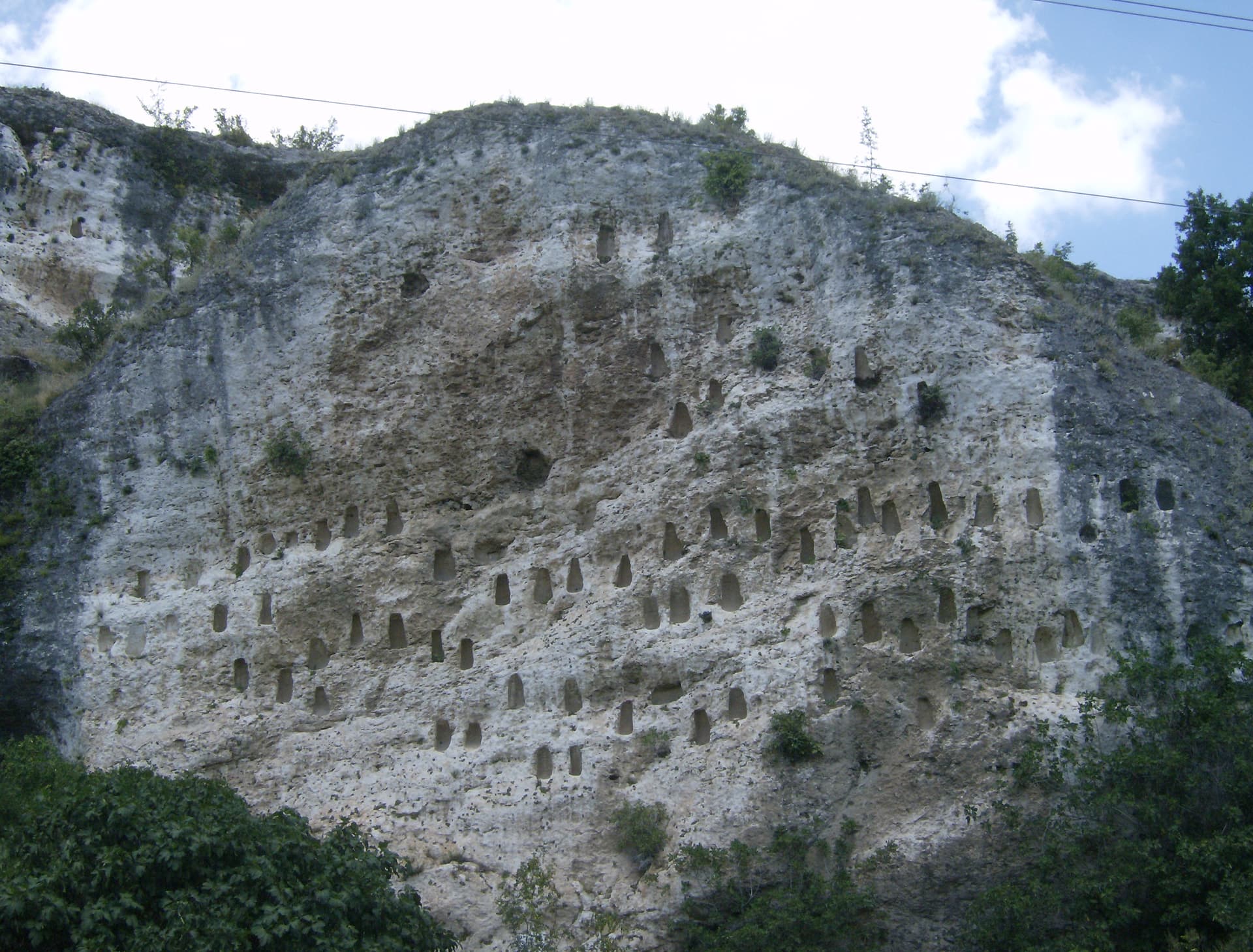
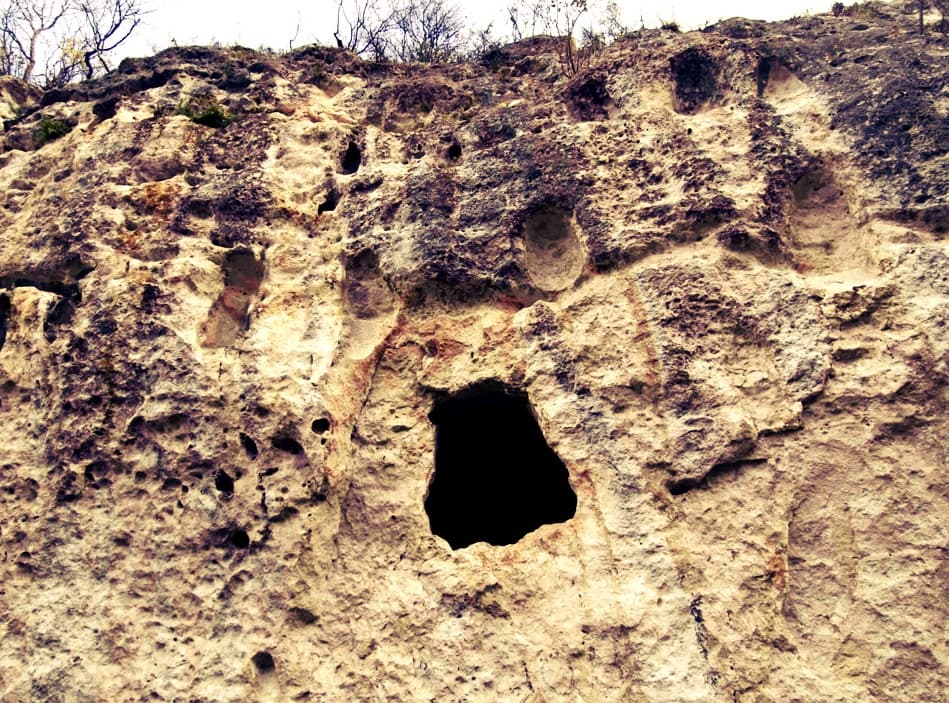
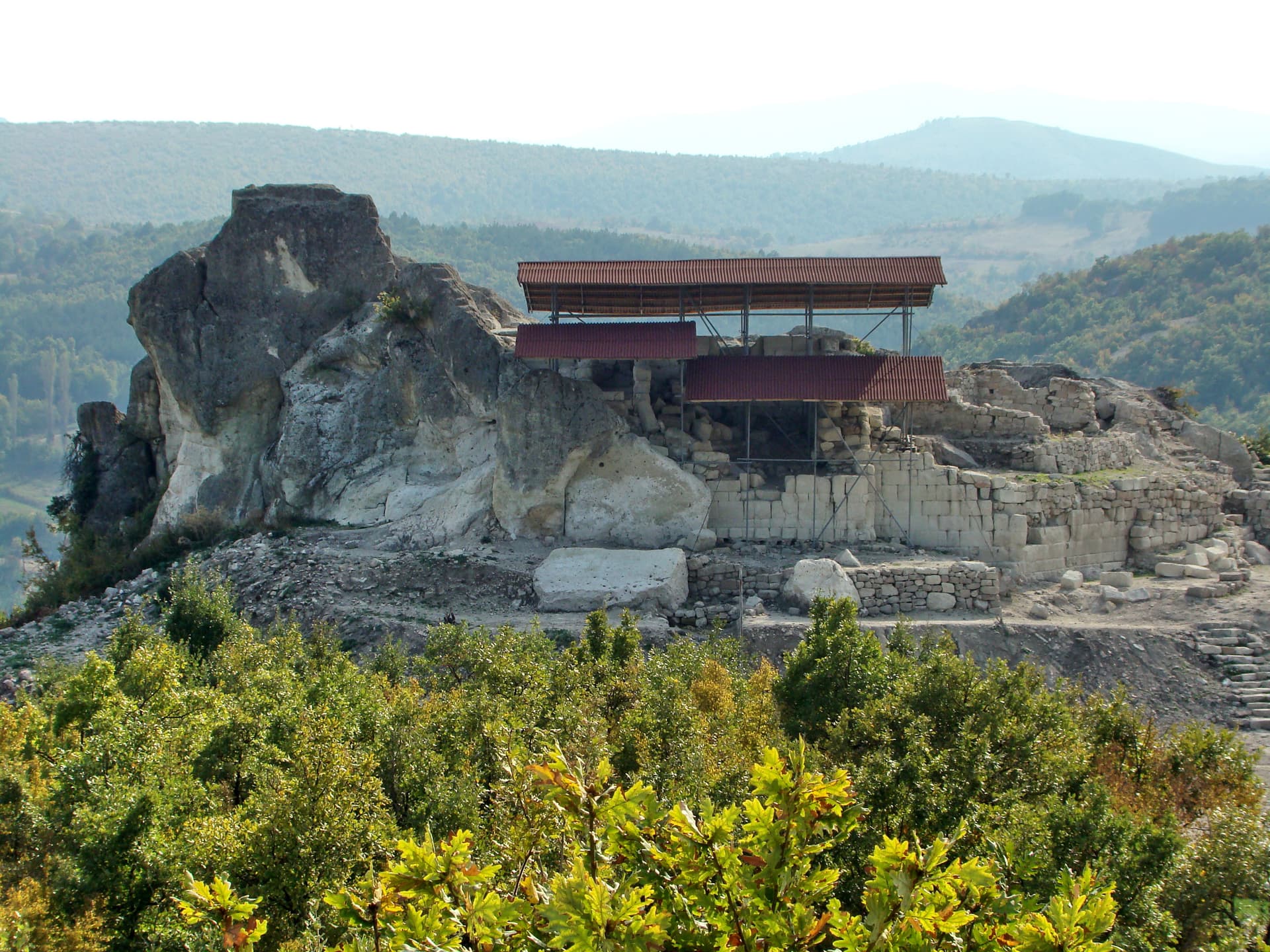
The Tatul Rock-Cult Complex (locally known by the Turkish name Kaya Bashi — “Stone Head”) is one of the most ancient, mystical, and deeply intriguing megalithic monuments on the Balkan Peninsula and worldwide. Nestled in the Eastern Rhodope Mountains, it lies just 200 meters from the village of Tatul and about 15 km from the town of Momchilgrad in the Kardzhali District. The site is a magnificent temple complex carved entirely from a single colossal monolith, crowned by a unique truncated pyramid-sarcophagus that has no parallel in global archaeology. Archaeological & Historical Evolution Discovered in 1933 by local researcher Nikola Ivanov and subsequently studied by leading Bulgarian archaeologists (including Vasil Mikov, Ivan Balkanski, and later Dr. Nikolay Ovcharov between 2004 and 2009), Tatul boasts an extraordinary chronological timeline spanning over 5,000 years of continuous religious and human activity: - Late Eneolithic (Late 5th – Early 4th Millennium BC): The earliest traces of ritual activity, evidenced by prehistoric clay fragments found in the deepest layers of the site. - Bronze Age (18th – 11th Century BC): The first golden era of the sanctuary. During this period, the rock pyramid and the tombs were carved into their signature shapes. Archaeologists have unearthed over 30 sacrificial clay altars, along with hundreds of cult objects, such as clay idols, spindle whorls, bronze tools, and solar symbols. Imported pottery from Mycenae, the Aegean Islands, and Asia Minor proves that Tatul was a highly regarded pilgrimage site in the ancient Mediterranean. - Hellenistic & Roman Eras (3rd Century BC – 4th Century AD): A massive defensive wall of perfectly cut stone blocks (quadrae) was erected, and a monumental temple was built, whose stone walls still stand to an impressive height of 6 meters. In the 3rd century AD, the site was converted into a fortified Roman villa belonging to a wealthy local aristocrat. This estate was burned down during the Gothic invasions of the Rhodopes ($267 – 269$ AD) and later rebuilt in a simpler form. - Hellenistic & Roman Eras (3rd Century BC – 4th Century AD): A massive defensive wall of perfectly cut stone blocks (quadrae) was erected, and a monumental temple was built, whose stone walls still stand to an impressive height of 6 meters. In the 3rd century AD, the site was converted into a fortified Roman villa belonging to a wealthy local aristocrat. This estate was burned down during the Gothic invasions of the Rhodopes ($267 – 269$ AD) and later rebuilt in a simpler form. The Orpheus and King Rhesus Hypothesis One of the most fascinating aspects of Tatul's history is the hypothesis formulated in the 1980s by the renowned Bulgarian Thracologist Prof. Ivan Venedikov. He suggested that this megalithic hilltop was a sanctuary dedicated to the legendary musician, priest, and king Orpheus. According to the ancient writers Conon and Pausanias, the mortal remains of Orpheus were gathered in an urn and placed high upon a rock. Thracians believed that upon his death, the priest-king became a semi-deity (an anthropodaemon) — a mediator between the gods and mankind. His remains had to be sheltered from the direct sun within a tomb, yet placed as close to the heavens as possible. The burial rite at Tatul differs completely from the traditional Thracian practice of burying rulers under earthen mounds (tumuli). Here, at the very peak of the 4.5-meter-high and 6-meter-wide truncated pyramid, is a custom-carved irregular tomb (1.87 m long) featuring a distinct step designed to hold a heavy stone lid. This sarcophagus, along with a secondary lower tomb and numerous carved niches, represents an elite Thracian hero-cult, which scholars also associate with the mythical Thracian King Rhesus, who ruled the Southern Rhodopes and perished in the Trojan War. Key Features to Explore: - The Rock-Cut Pyramid featuring the main tomb at the top and the secondary lower sarcophagus. - The Sacred Well (Pithos): A deep, rock-cut cistern plunging more than 2 meters into the stone. - The Carved Rock Systems: A complex network of channels, steps, niches, ritual platforms, and sharapanas (ancient rock-cut wine presses used for making sacred wine). - The Ancient Fortress Wall and the monumental ruins of the 6-meter-tall Hellenistic temple.

Nearby Places

Studen Kladenets Reservoir
Lakes

Studen Kladenets Reservoir

Kardzhali

10.5 km away

Momchilgrad
Settlements

Momchilgrad

Kardzhali

11.4 km away

Yumruk Kaya
Mountains

Yumruk Kaya

Kardzhali

12.0 km away

Kovan kaya
Caves

Kovan kaya

Haskovo

16.9 km away

More to explore

Devil's Bridge
Landmarks

Devil's Bridge

Kardzhali

Stone Wedding
Landmarks

Stone Wedding

Kardzhali

Perperikon
Landmarks

Perperikon

Kardzhali

Yumruk kaya
Landmarks

Yumruk kaya

Kardzhali

Read more in our travel guides

The Rhodopes: A Complete Travel Guide to Bulgaria's Mystical Mountains

The Rhodopes: A Complete Travel Guide to Bulgaria's Mystical Mountains

Everything you need to plan a Rhodope Mountains trip: Smolyan, Pamporovo, Trigrad Gorge, Shiroka Laka, Perperikon, caves, spa towns, food, itineraries and when to go.

14 July 202611 min read

Frequently asked questions

Where is Tatul Sanctuary located?

Tatul Sanctuary is located in Kardzhali, Bulgaria.

How do I get to Tatul Sanctuary?

Tatul Sanctuary is most easily reached by car. Use the coordinates above to navigate, or open the location in OpenStreetMap or your preferred maps app for turn-by-turn directions. Public transport options vary by region — for remote destinations a rental car gives the most flexibility.

What is the best time to visit Tatul Sanctuary?

Tatul Sanctuary can be visited year-round. Spring and autumn offer the most pleasant conditions for exploring, with mild temperatures and fewer crowds. Summer is ideal for photography and longer day trips; winter visits are possible but weather can limit access at some sites.

What should I know before visiting Tatul Sanctuary?

Most natural landmarks in Bulgaria are freely accessible and open year-round, though some sites have entrance fees or require a guide. Wear sturdy footwear and bring water, as the terrain can be uneven. Respect any protective barriers and stay on marked paths to preserve the site.