

Getting Around Bulgaria: Airports, Buses, Trains & Car Rentals
In this guide▾
Bulgaria is a compact, affordable, and easy-to-navigate destination once you understand its transport infrastructure. The country features four international airports, a comprehensive intercity bus network, scenic railway routes, and budget-friendly car rentals.
This guide provides a complete overview of traveling around the country — from airport arrivals and intercity connections to vignettes and city transit.
✈️ International Airports in Bulgaria & Transfers
Bulgaria is served by four primary international airports. Choosing the right airport depends on your intended regional itinerary.
1. Sofia Airport (SOF)
The main entry point to the country, situated 10 km east of downtown Sofia.
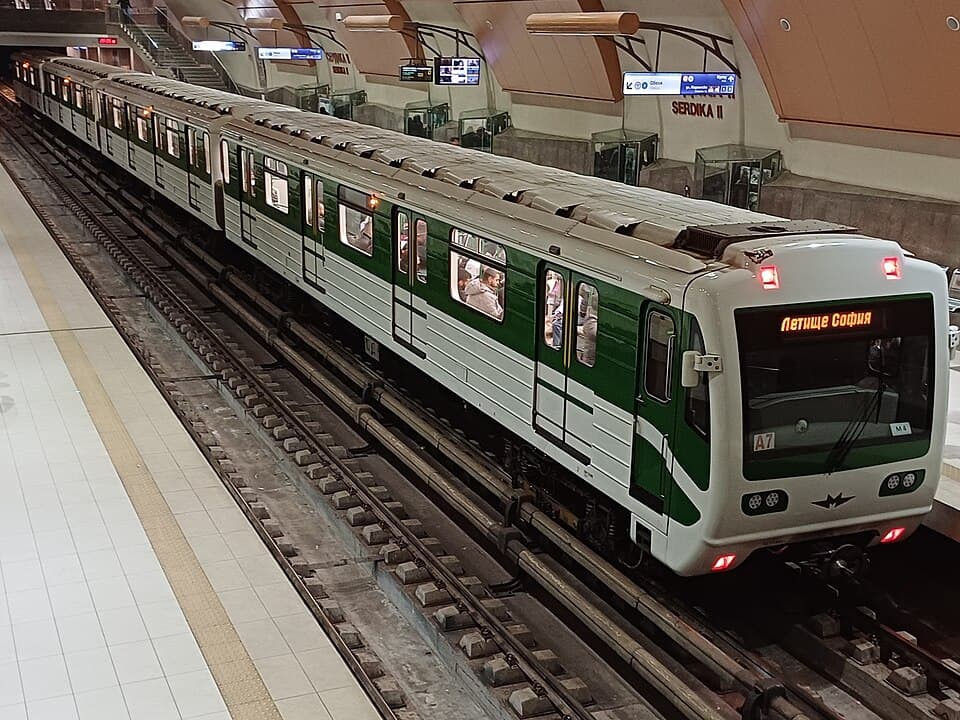
- Metro Connection: Metro Line 4 departs directly from Terminal 2, reaching the city center (Serdika Station) in roughly 20 minutes for about €0.80.
- Terminal 1: Take the free inter-terminal shuttle bus to Terminal 2 for the metro, or board public bus No. 84.
- More Info: Read our detailed Sofia Airport transfer guide.
2. Varna Airport (VAR)
The primary gateway for the northern Black Sea coast, located 8 km west of Varna.
- Public Bus: Bus Line No. 409 connects the terminal with Varna city center and continues out to Golden Sands resort.
- More Info: Explore our Varna Airport transfer guide.
3. Burgas Airport (BOJ)
Serves the southern Black Sea coastline — including Burgas, Sunny Beach, Nessebar, and Sozopol.
- Public Bus: City bus No. 15 reaches Burgas South Bus Station, while regional bus No. 10 travels directly to Nessebar and Sunny Beach from the Sarafovo stop.
- More Info: Check out our Burgas Airport transfer guide.
4. Plovdiv Airport (PDV)
A smaller airport located 12 km from Plovdiv, utilized primarily for low-cost and seasonal ski charters. Read our Plovdiv Airport guide.
🚌 In Burgas: For moving around Burgas itself, see our guide to getting around Burgas.
🚌 Intercity Buses: The Backbone of Bulgarian Travel
Intercity coaches offer the fastest, most reliable way to travel between Bulgarian towns. The bus network is extensive, with modern, air-conditioned vehicles connecting major urban centers and regional hubs.
Journey Times Between Key Destinations
| Route | Distance | Bus Travel Time | Train Travel Time |
|---|---|---|---|
| Sofia → Plovdiv | ~150 km | ~2 hours | ~2 h 30 min |
| Sofia → Blagoevgrad | ~100 km | ~1 h 30 min | ~2 hours |
| Sofia → Bansko | ~160 km | ~3 hours | Not recommended |
| Sofia → Veliko Tarnovo | ~220 km | ~3 h 30 min | ~4 h 30 min |
| Sofia → Burgas | ~385 km | ~5 h 30 min | ~6 hours |
| Sofia → Varna | ~470 km | ~6 h 30 min | ~7–8 hours |
| Varna → Burgas | ~130 km | ~2 hours | No direct line |
Booking Tip: For major routes (such as Sofia to the coast during summer), booking tickets 1–2 days in advance at Sofia Central Bus Station or online via operators (Union Ivkoni, Biomet, Karat-S) is highly recommended.
🚆 Traveling by Train (BDŽ) & The Rhodope Narrow-Gauge
Bulgarian State Railways (BDŽ) offers budget-friendly rail travel across the country, albeit at slower speeds than long-distance buses.
The Rhodope Narrow-Gauge Railway (Septemvri – Dobrinishte)
One of Europe's most scenic slow-railway journeys! Operating on a 760 mm narrow track, this historic train winds through the steep gorges of the Rhodope, Rila, and Pirin mountains. The 5-hour journey from Septemvri to Dobrinishte and Bansko provides breathtaking mountain vistas.
Reaching Rila Monastery via Public Transit
There is no direct railway line to Rila Monastery. By train or bus, you can reach Dupnitsa or Blagoevgrad, where you must transfer to a local bus via Rila town. For most travelers, renting a car or booking an organized day tour is far more practical (see our Rila Monastery day trip guide).
🚗 Car Rentals, Vignettes & Driving Conditions
Renting a car is the best choice if you plan to explore mountain regions, national parks like the Seven Rila Lakes, caves, and historic villages.
Key Guidelines for Drivers:
- Rental Costs: Car hire rates start around €20–€30 per day outside peak summer months.
- Electronic Vignette: Driving on highways and main national roads in Bulgaria requires an electronic vignette. Rental vehicles almost always include an active vignette, but always confirm this upon pickup.
- Road Conditions: The A1 Trakia and A3 Struma highways are modern and fast. Mountain roads can be narrow and winding. Winter tires are mandatory from November 15 to March 1.
🚕 Taxis & Ride-Hailing Apps
Taxi fares in Bulgaria remain very affordable by European standards:
- Mobile Apps: To ensure metered fares and upfront pricing, book rides using apps like Yellow!, Bolt, or TaxiMe in Sofia and major cities.
- Airport Taxis: Always board taxis at designated airport ranks outside arrivals, avoiding unvetted drivers soliciting inside the terminals.
🚇 Urban Transit in Major Bulgarian Cities
- Sofia: Features an efficient network of 4 metro lines, trams, trolleybuses, and buses. You can pay directly at metro turnstiles and onboard buses using a contactless bank card.
- Plovdiv, Varna & Burgas: Rely on comprehensive local bus networks, while their historic city centers are largely pedestrianized and best explored on foot.
🧭 How to Choose Transport for Your Itinerary
- Cities & Cultural Sightseeing: Plovdiv and Veliko Tarnovo are easily reachable via frequent intercity buses from Sofia.
- Mountain Hiking & Spas: Bansko and Borovets have direct bus links, whereas remote mountain spas and trailheads are best accessed with a rental car.
- Coastal Destinations: Take a long-distance bus or train to Burgas/Varna, then transfer to local coastal buses.
Explore our detailed guides on the best time to visit Bulgaria, Bulgaria travel budget breakdown, and our ready-to-use 1-week Bulgaria itinerary.
Affordable, simple, and scenic. Plan your travel itinerary with Mestala.com.
Latest prices as of October 2026 — fees change, so check before you travel.
This guide covers 12 places
Want more Mestala in your Google results?
Add mestala.com as a preferred source and our guides will show up more often when you search. Requires a Google account.
Frequently Asked Questions
How do I get from Sofia Airport to the city centre?▾
The fastest and cheapest option is Metro Line 4 (M4), which runs directly from Terminal 2 to the city centre (Serdika Station) in about 20 minutes for approximately €0.80. If arriving at Terminal 1, take the free inter-terminal shuttle to Terminal 2 or public bus No. 84.
Is it easy to travel around Bulgaria without a car?▾
Yes, absolutely. Frequent intercity buses connect Sofia with virtually all major towns, ski resorts, and the Black Sea coast. A car is not necessary for exploring major cities, but it makes reaching remote mountain sites, hiking trails, and rural villages much easier.
Are buses or trains better for intercity travel in Bulgaria?▾
For faster and more reliable travel between cities, buses are recommended. State-run BDŽ trains are cheaper and very scenic (especially the Rhodope Narrow-Gauge Railway), but they generally take longer.
Do I need to rent a car in Bulgaria?▾
Renting a car is ideal if you plan to visit mountain monasteries (like Rila Monastery), natural landmarks, or go on rural road trips. An electronic vignette is required to drive on main highways, which is typically included with your car rental.
How do taxis and ride-hailing apps work in Bulgaria?▾
The easiest way to book a metered taxi with upfront pricing is via mobile apps like Yellow!, Bolt, or TaxiMe, which operate in Sofia and major cities. Always use official airport taxi ranks rather than unvetted drivers in arrival halls.
Is there a public bus from Varna Airport to the city?▾
Yes, public Bus Line No. 409 connects Varna Airport (VAR) with the city centre and continues out to the Golden Sands resort area. Buses run frequently during the summer season.
Can you reach Rila Monastery by train?▾
No, there is no train station at Rila Monastery. Trains only reach Dupnitsa or Blagoevgrad, where you must transfer to a local bus. Most travelers prefer visiting by car or booking an organized day tour from Sofia.
You might be interested in

Eurovision 2027 Tickets: Sale Waves, 9 Shows & Scam Advice
Eurovision 2027 tickets in Burgas: the nine ticketed shows, how preview rehearsals work, Eurofan registration, ticket tiers and avoiding scams.
Getting Around Burgas: Buses, Terminals, Taxis & Bike Hire
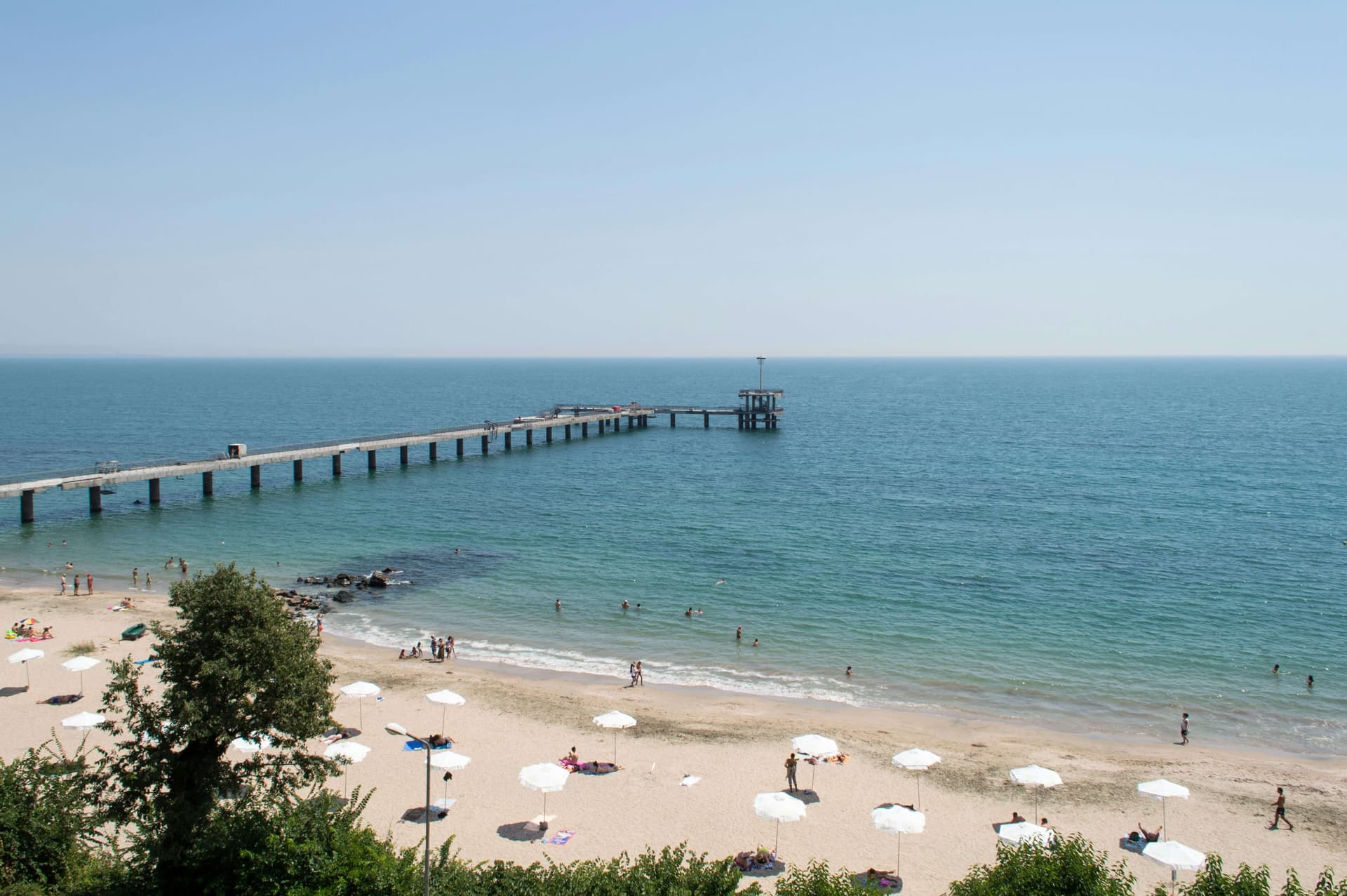
How to get around Burgas without a car: Burgasbus routes, the South and West terminals, buses to Sunny Beach and Nessebar, taxis and bike hire.
How to Get to Burgas for Eurovision 2027: Flights & Trains
The best route to Burgas for Eurovision 2027: direct flights to Burgas Airport (BOJ), the Varna alternative, and trains or buses from Sofia.
Where to Stay in Burgas for Eurovision 2027: Best Areas
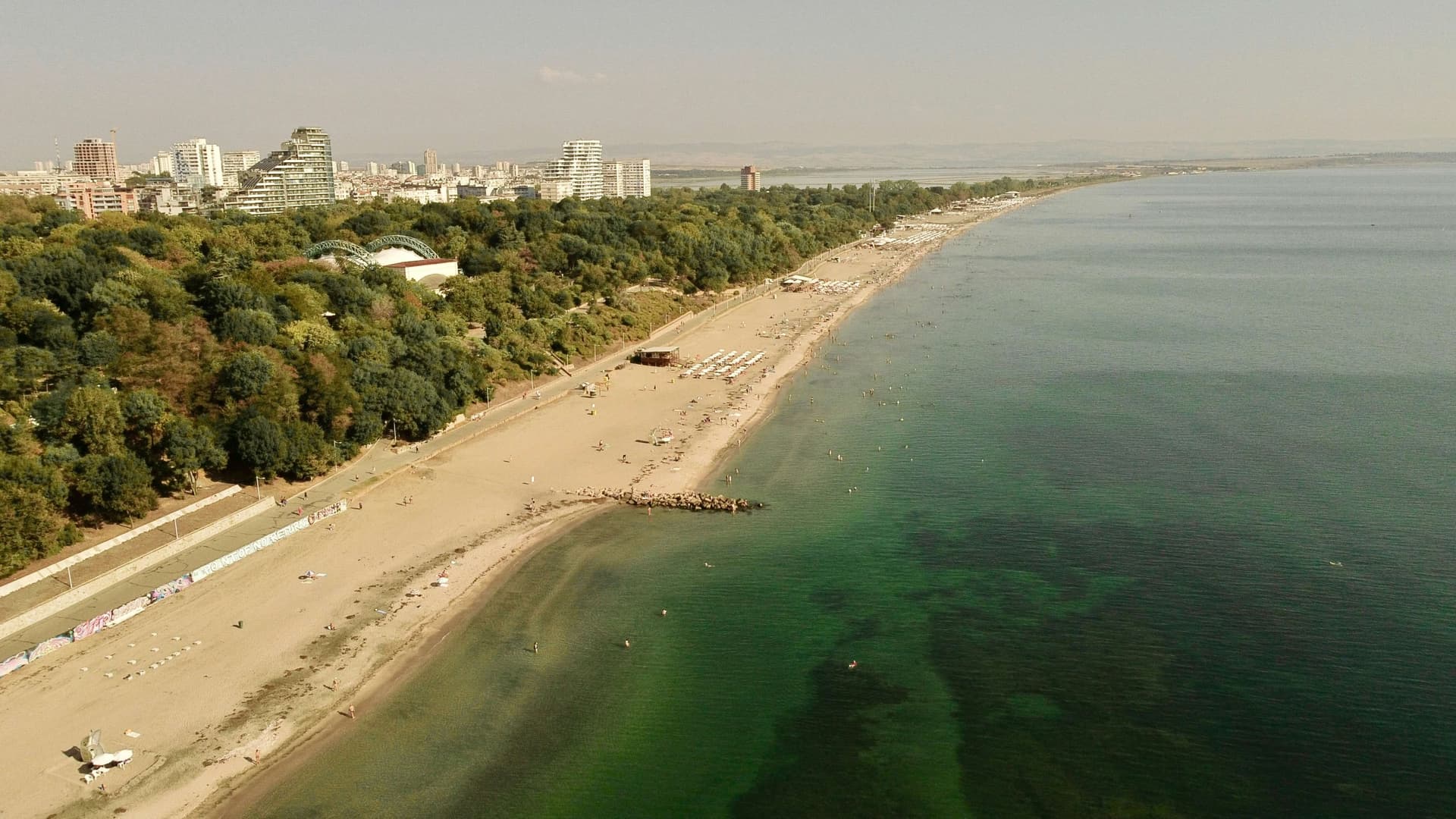
Where to stay for Eurovision 2027: Burgas is close to full, so this compares the city districts against Pomorie, Nessebar, Sveti Vlas and Sunny Beach — and the 02:00 journey home.