

How Much Does a Trip to Bulgaria Cost? (2026 Budget Guide)
In this guide▾
Bulgaria is one of the best-value destinations in Europe — and, since it joined the eurozone in 2026, one of the easiest to budget for too. Whether you're backpacking through the mountains or planning a comfortable city-and-coast holiday, your money goes a long way here. This guide breaks down exactly what a trip to Bulgaria costs in 2026: daily budgets, real prices, money-saving tips, and what the switch from the lev to the euro means for you.
💶 First: You Now Pay in Euros
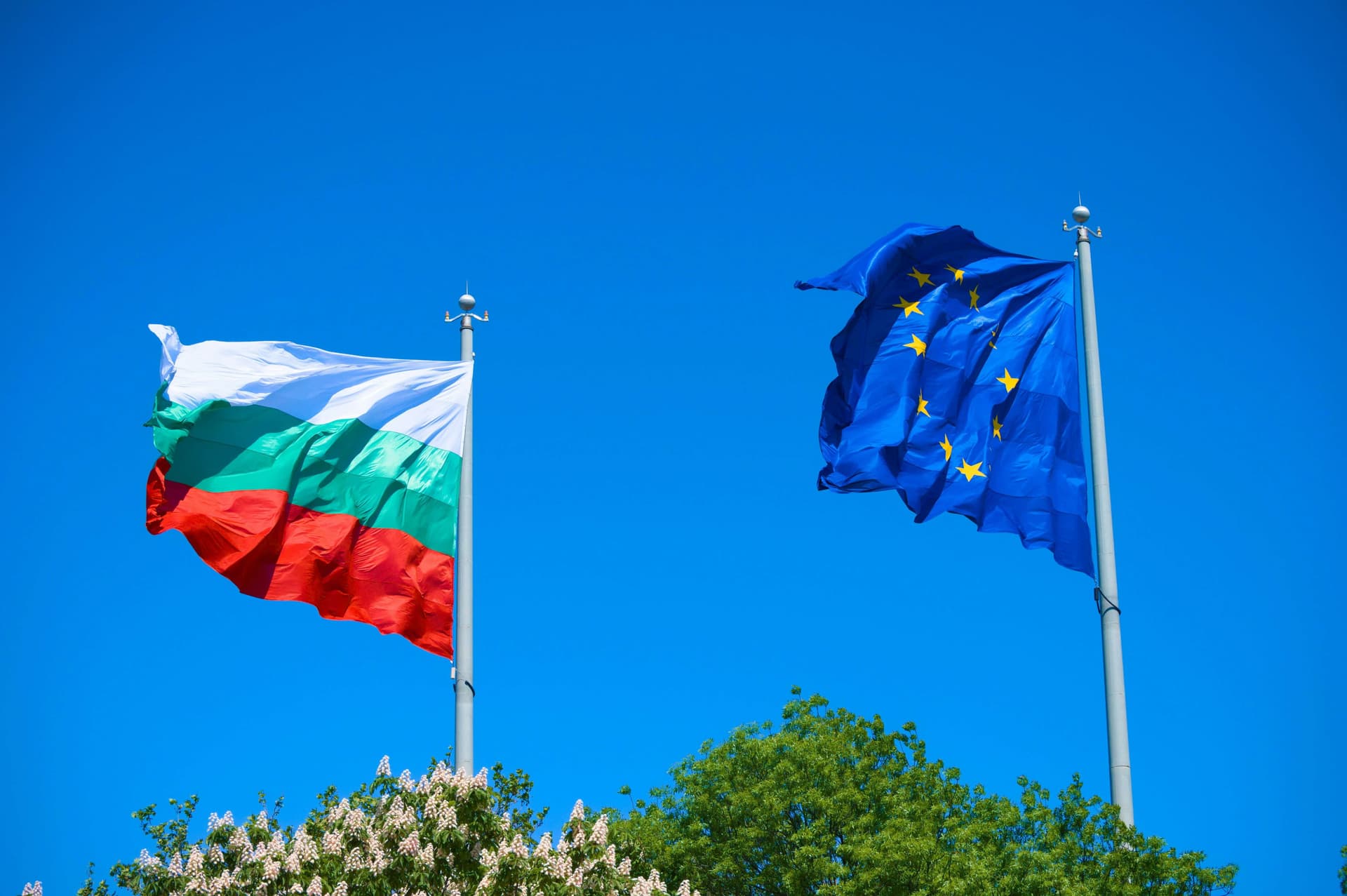
Bulgaria adopted the euro on 1 January 2026, at the fixed rate of 1 euro = 1.95583 leva. Because the lev had been pegged at that rate for decades, the switch converted prices rather than raising them — every figure in this guide is in euros, and Bulgaria is exactly as cheap as it was before.
That is all you need for budgeting. For the practical side — dual price display, which ATMs to use, and how to avoid dynamic currency conversion — see our guide to the euro in Bulgaria.
🤔 Is Bulgaria Expensive?
In a word: no. Bulgaria is consistently one of the cheapest countries in the EU for travelers. Restaurant meals, coffee, beer, public transport, and museum tickets all cost a fraction of Western European prices. Even in Sofia, the most expensive city, a sit-down dinner or a night out won't dent your budget the way it would in Paris, Rome, or Amsterdam.
The main costs that aren't dramatically cheaper are international flights and imported/branded goods — everything local is where the savings are.
📊 Daily Budgets (2026)
Rough per-person, per-day budgets excluding international flights:
| Travel style | Daily budget | What it covers |
|---|---|---|
| Budget / backpacker | €35–50 | Hostel dorm or cheap guesthouse, self-catering or bakeries, public transport, free/cheap sights |
| Mid-range | €60–100 | Comfortable 3-star hotel, restaurant meals, a paid tour or two, occasional taxi |
| Luxury | €150+ | 4–5 star or spa hotel, fine dining, private transfers, guided tours |
🧾 What Things Cost
Approximate 2026 prices in euros:
| Item | Typical price |
|---|---|
| Espresso / cappuccino | €1.50–3.50 |
| Local draft beer (0.5 L, bar) | €2.00–4.00 |
| Banitsa + drink (bakery breakfast) | €1.50–2.50 |
| Meal at an inexpensive restaurant | €8.00–12.00 |
| Three-course dinner for two, mid-range | €30.00–65.00 |
| City transport ticket (Sofia / Varna) | ~€0.50–1.00 |
| Museum / attraction entry | €3.00–6.00 |
| Intercity bus (e.g. Sofia–Plovdiv) | €8.00–11.00 |
| Hostel dorm bed | €12.00–20.00 |
| Budget double room / guesthouse | €30.00–50.00 |
| Mid-range hotel (double room) | €55.00–95.00 |
| Car rental (per day) | €25.00–40.00 |
| Rila Monastery day tour from Sofia | €30.00–55.00 |
🛏️ Accommodation
Accommodation is where Bulgaria's value really shows:
- Hostels: €12–20 for a dorm bed, slightly higher during peak summer on the coast or winter in ski resorts.
- Guesthouses & budget hotels: €30–50 for a double room, often with breakfast.
- Mid-range & upscale hotels: €55–95 for a double room. In ski towns like Bansko, you'll find four-star spa hotels for prices that would only buy a basic room in the Alps.
- Peak Seasons: July–August on the coast and Christmas/February in ski towns are the priciest windows — book ahead. Shoulder seasons bring significant discounts.
🍽️ Food & Drink
Eating out is a highlight and a bargain:
- A hearty meal in a traditional mehana (tavern) — shopska salad, a grilled main, bread, and a drink — runs €10–15 per person per meal. A three-course meal for two in a higher-end restaurant ranges between €30 and €65.
- Bakery staples like banitsa (cheese pastry) and boza make a quick breakfast for under €3.
- Coffee culture is strong and cheap (€1.50–3.50 depending on venue and location), draft beer ranges from €2.00 to €4.00, and local wine and rakia offer fantastic quality at very accessible prices.
🚌 Getting Around
- Public transport in cities is cheap (tickets range between ~€0.50 and €1.00) and the Sofia metro connects directly to the airport.
- Intercity buses are comfortable and inexpensive (Sofia–Plovdiv about €8–11).
- Trains are slower but scenic and even cheaper.
- Car rental (€25–40/day) is the best way to reach mountain ranges, monasteries, and remote villages — ideal for day trips like Rila Monastery or a Black Sea coast road trip.
- Taxis are affordable, but use official metered cabs and confirm the per-km rate.
💳 Money & Payment Tips
- Cards are widely accepted in cities, supermarkets, gas stations, and restaurants.
- Carry euro cash for small villages, mountain huts, local produce markets, taxis, and monastery donations.
- At ATMs and card terminals, always choose to be charged in euros (without conversion by your bank) to avoid poor exchange rates.
- Tipping is modest: rounding up or leaving ~10% in restaurants is appreciated for good service.
📍 Costs by Region & Season
- Sofia is the priciest city but still very affordable compared to other EU capitals; see our 72 Hours in Sofia guide.
- Plovdiv and Veliko Tarnovo offer fantastic value for a weekend break.
- The Black Sea coast spikes in July–August in resort hubs like Sunny Beach. Coastal cities like Varna and Burgas offer more balanced prices year-round.
For a month-by-month view of prices, weather, and crowds, see our best time to visit Bulgaria guide.
Bulgaria delivers Western-European experiences at Eastern-European prices — now with the simplicity of the euro. Keep planning your budget-friendly trip with Mestala.com.
Latest prices as of October 2026 — fees change, so check before you travel.
Want more Mestala in your Google results?
Add mestala.com as a preferred source and our guides will show up more often when you search. Requires a Google account.
Frequently Asked Questions
Is Bulgaria expensive to visit?▾
No — Bulgaria is one of the most affordable destinations in the European Union. Food, drink, transport, and attractions typically cost a fraction of Western European prices. A budget traveler can get by on around €35–50 a day, a mid-range trip runs about €60–100 a day, and even comfortable travel rarely feels expensive by EU standards.
Did adopting the euro make Bulgaria more expensive?▾
No. The lev had been pegged to the euro at a fixed rate for decades (1 euro = 1.95583 leva), so the 2026 changeover converted existing prices rather than raising them. Bulgaria remains one of the cheapest countries in the EU: a restaurant meal runs about 8–12 euros, a coffee 1.50–3.50, and a mid-range hotel double 55–95.
How much money do I need per day in Bulgaria?▾
As a rough guide for 2026: backpackers and budget travelers need about €35–50 per day (hostel or guesthouse, self-catering or cheap eateries, public transport). Mid-range travelers should budget €60–100 per day (a comfortable hotel, restaurant meals, some tours). Luxury travel starts around €150+ per day.
How much does food and drink cost in Bulgaria?▾
Very little by Western European standards. Expect around 1.50–3.50 euros for a coffee, 2–4 for a local beer, 1.50–2.50 for a banitsa and drink at a bakery, 8–12 for a meal at an inexpensive restaurant, and 30–65 for a three-course dinner for two at a good restaurant.
Should I use cash or card in Bulgaria?▾
Cards are widely accepted in cities, hotels, supermarkets, and larger restaurants, and contactless is standard. Carry some euro cash for small villages, mountain huts, local markets, taxis, and monastery donations. When paying by card or using an ATM, always choose to be charged in euros, not your home currency, to avoid poor 'dynamic currency conversion' rates.
How much does a week in Bulgaria cost?▾
A week of mid-range travel — a mix of Sofia, Plovdiv, and a day trip or two — typically costs around €450–800 per person including accommodation, food, local transport, and attractions, excluding international flights. Budget travelers can do it for closer to €300, while a comfortable trip with private transfers and better hotels runs €1,000+.
You might be interested in
The Euro in Bulgaria: What Travelers Need to Know (2026)
Does Bulgaria use the euro? Yes — since January 2026. What changed, the fixed rate, old lev, cards and ATMs, and what it means for travelers.
Bulgaria in Autumn: Things to Do Beyond the Beach
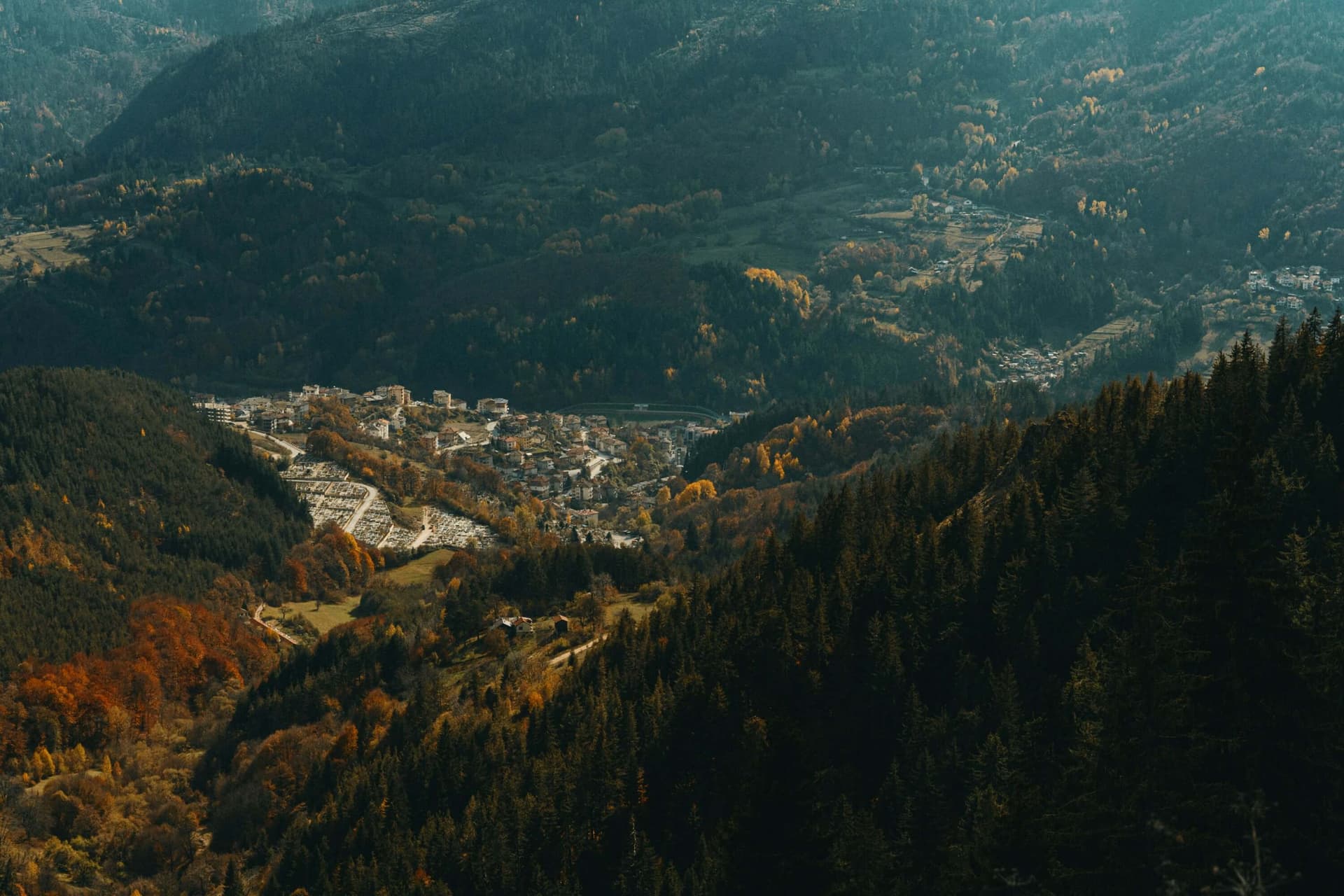
Grape harvest in the Struma and Thracian valleys, Rhodope forests turning gold in October, the last safe hiking window, and a coast without the crowds.
Bulgaria with Kids: A Family Travel Guide
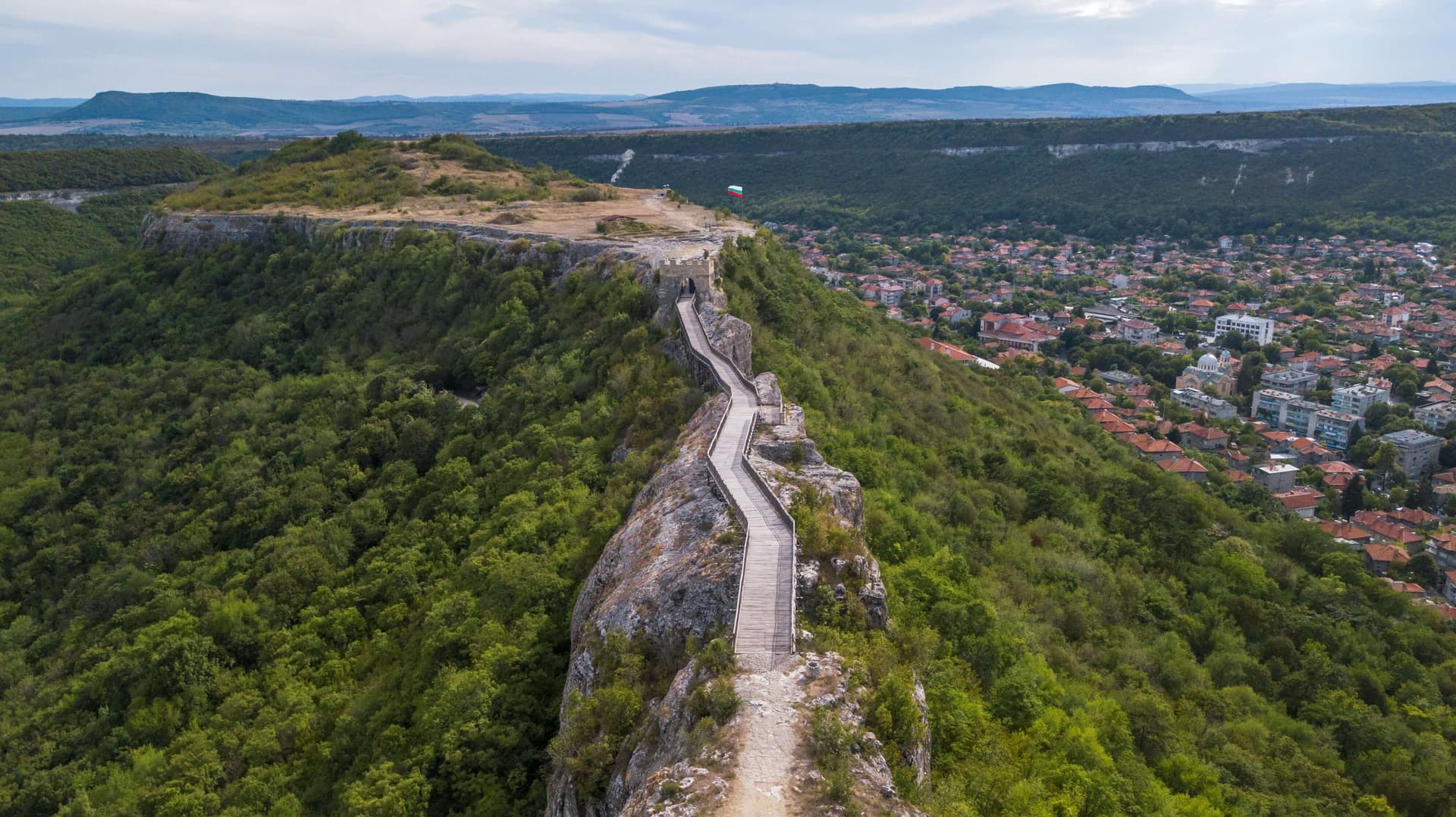
How to pick a base by your children's ages, the drive times that make or break a family trip, which caves and beaches actually work with young kids, which ski resort suits which age, and rainy-day fallbacks.
Bulgarian Food: The Dishes Worth Seeking Out
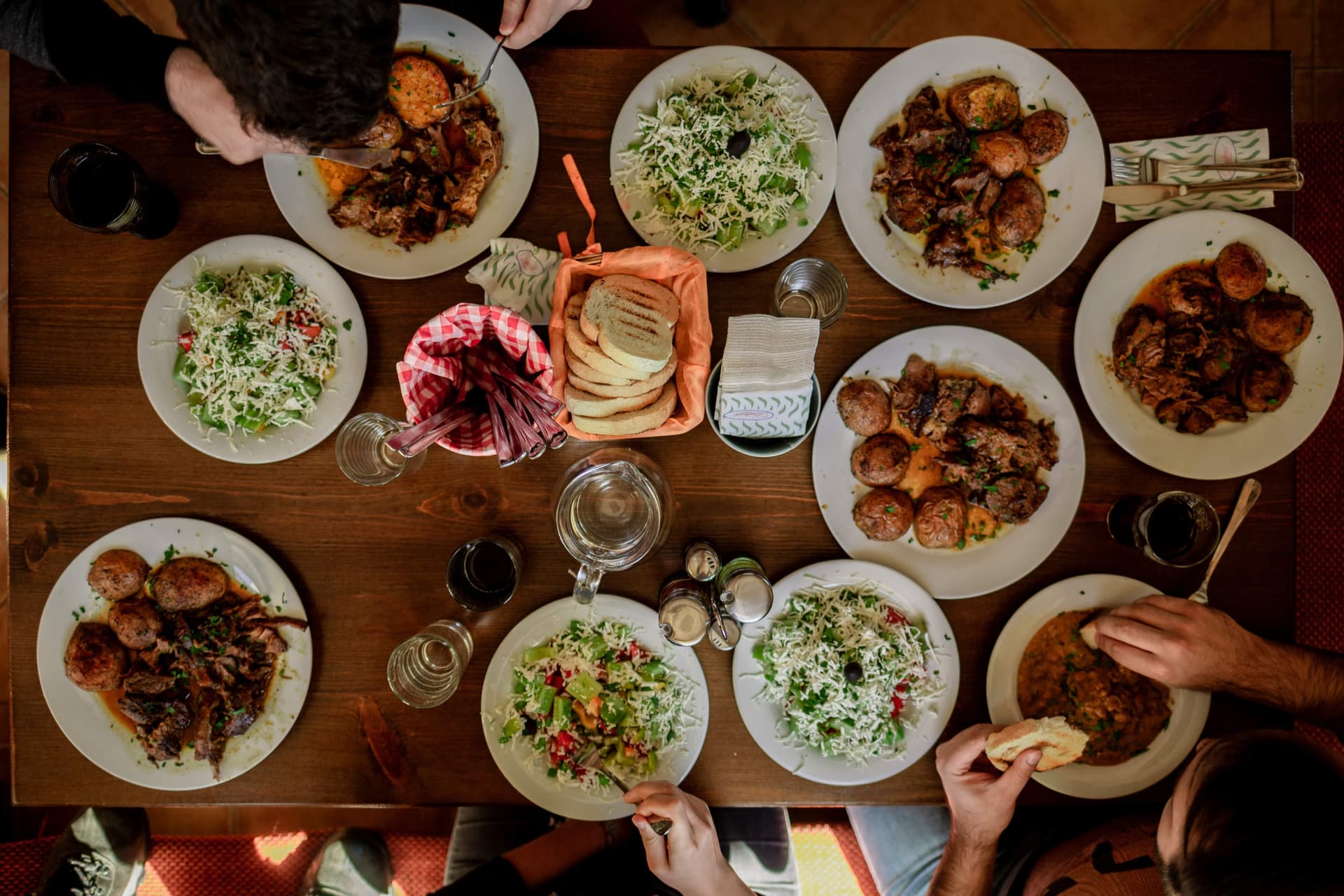
Shopska salad and rakia to open, banitsa from the bakery, the mixed grill, clay-pot stews and the fasting dishes that make the country quietly vegetarian-friendly.