

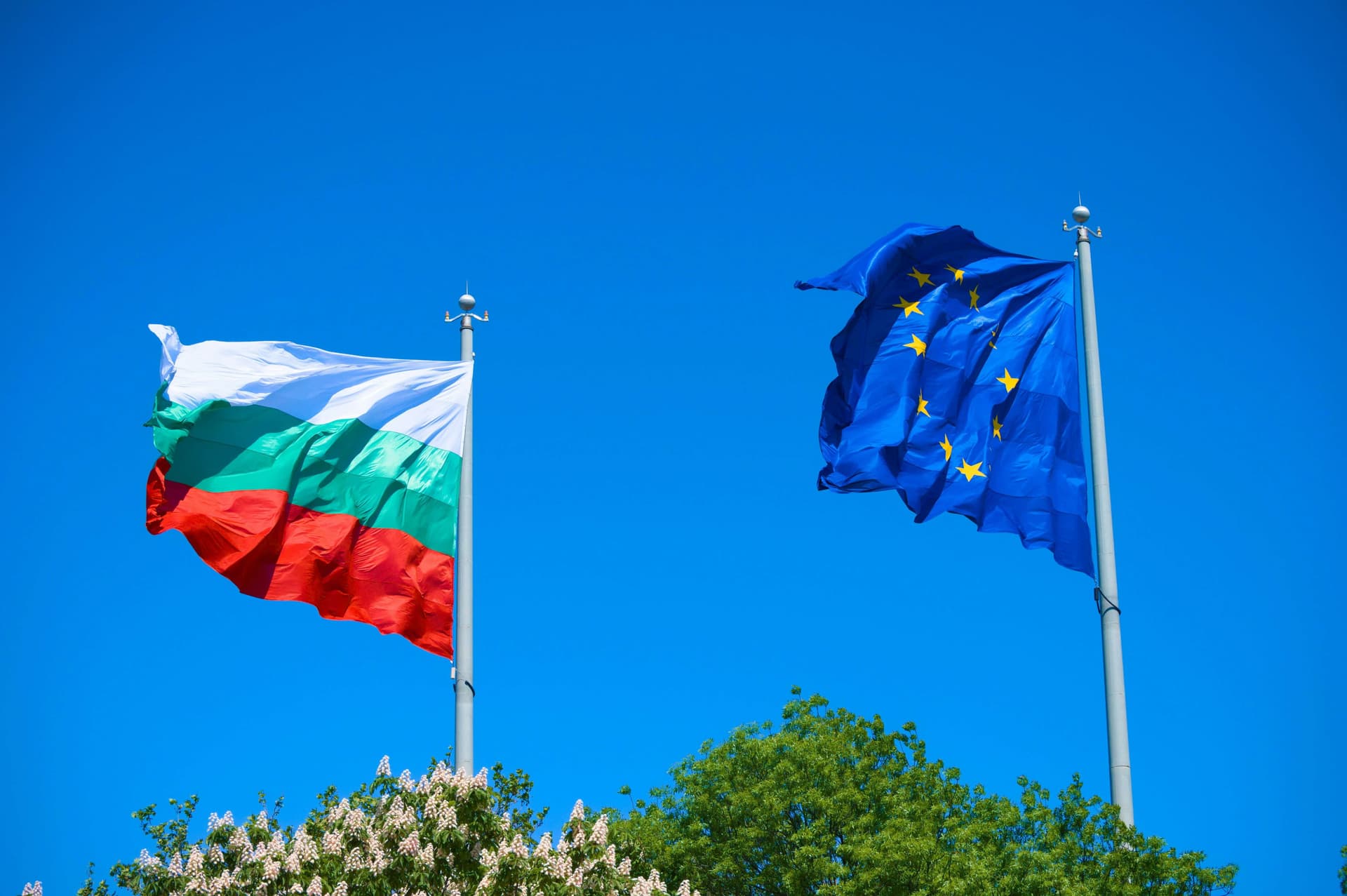
The Euro in Bulgaria: What Travelers Need to Know (2026)
In this guide▾
If you're planning a trip and wondering what money to bring, here's the up-to-date answer: Bulgaria uses the euro. The country joined the eurozone on 1 January 2026, retiring its former currency, the lev. This short guide covers exactly what changed and what it means for you as a traveler.
💶 Yes — Bulgaria Is Now on the Euro
On 1 January 2026, Bulgaria became the 21st member of the eurozone, replacing the Bulgarian lev (BGN) with the euro (€). Today, prices are displayed and paid in euros, ATMs dispense euros, and paying works just as it does anywhere else in the eurozone.
🔢 The Fixed Conversion Rate
The lev was converted to euros at the fixed rate of:
1 euro = 1.95583 leva
This peg had been in place for years, so the changeover did not push prices up — amounts were simply converted at that rate. If you ever see an old lev price, divide by ~1.96 for the euro equivalent.
💵 What About Old Lev Cash?
The lev is no longer used for everyday purchases. If you have leftover leva:
- Commercial banks exchange them for euros free of charge through the end of 2026.
- The Bulgarian National Bank will exchange them for many years afterward.
During early 2026 there was a short dual-circulation period; that has ended, so plan to spend in euros.
✈️ What It Means for Travelers
- From the eurozone? No need to change money at all — bring and spend your euros.
- From outside the eurozone? Exchange or withdraw euros as you would for any eurozone trip.
- Cards are widely accepted; contactless is standard, including on Sofia public transport.
- At ATMs and card terminals, always choose to be charged in euros, never your home currency, to dodge poor "dynamic currency conversion" rates.
🏧 Cash, ATMs and Cards in Practice
The euro changeover sorted out which currency you need. Here's how actually paying works on the ground.
Cards are accepted almost everywhere — with gaps
Contactless is standard in cities, hotels, supermarkets, larger restaurants and on Sofia public transport, where you can tap a bank card straight at the metro gate. You could spend a whole city trip without touching cash.
The gaps are real, though. Carry some cash for:
- Village shops, markets and roadside stalls
- Monastery donations and candle stands — almost always cash only
- Small guesthouses and mountain huts, particularly outside the main resorts
- Taxis — many take cards, but not all, and not always willingly
- Bus conductors — including the airport buses in Varna, where a conductor may sell you the ticket
Always be charged in euros
This is the single most expensive mistake travellers make, and it survived the changeover.
When an ATM or card terminal offers to charge you in your home currency instead of euros — "dynamic currency conversion" — decline it. The exchange rate applied is invariably worse than your own bank's. Choose euros every time, even when the screen nudges you the other way.
Which ATMs to use
- Use bank-branded ATMs — the machines attached to actual branches of major Bulgarian banks.
- Avoid standalone ATMs in tourist areas, especially bright-branded machines in airports, resort strips and nightlife districts. Their fees are substantially higher.
- Withdraw larger amounts less often if your bank charges a flat fee per withdrawal.
- ATMs are plentiful in every town; they thin out in villages and mountain areas, so draw cash before heading rural.
Tipping
Tipping is customary but modest, and Bulgaria is not a country where you're expected to tip heavily:
- Restaurants: round up, or 10% for good service
- Cafés and bars: round up to the nearest euro
- Taxis: round up the fare
- Hotel housekeeping and porters: a euro or two is appreciated
Check whether service is already included on the bill before adding more, as some restaurants in tourist areas now add it automatically.
💚 Still Great Value
Crucially, the euro did not make Bulgaria more expensive. It remains one of the most affordable countries in the EU, with cheap food, transport, and accommodation. For a full breakdown of prices and daily budgets, see our Bulgaria trip cost guide, and for fares and tickets, our getting around Bulgaria guide.
Bottom line: bring euros, tap your card, and enjoy one of Europe's best-value destinations. Keep planning your trip with Mestala.com.
Latest prices as of October 2026 — fees change, so check before you travel.
Want more Mestala in your Google results?
Add mestala.com as a preferred source and our guides will show up more often when you search. Requires a Google account.
Frequently Asked Questions
Does Bulgaria use the euro?▾
Yes. Bulgaria adopted the euro on 1 January 2026, becoming the 21st member of the eurozone. The euro replaced the Bulgarian lev (BGN) as the country's official currency. Prices are now shown and paid in euros, and euro cash and cards work exactly as they do elsewhere in the eurozone.
What was the lev-to-euro conversion rate?▾
The lev was converted at the long-standing fixed rate of 1 euro = 1.95583 leva. Because the lev had been pegged to the euro at this rate for years, the switchover did not cause prices to jump — amounts were simply converted at that fixed rate.
Can I still use or exchange old Bulgarian lev?▾
The lev is no longer used for everyday purchases. If you still have lev cash, you can exchange it for euros at Bulgarian commercial banks free of charge through the end of 2026, and at the Bulgarian National Bank for many years afterward. Don't rely on spending leva in shops.
Do I need to exchange money before visiting Bulgaria?▾
If you're coming from another eurozone country, no — you can use your euros directly. Travelers from outside the eurozone exchange or withdraw euros just as they would for any eurozone destination. ATMs dispense euros and cards are widely accepted.
Are prices in Bulgaria still cheap after the euro?▾
Yes. Adopting the euro did not make Bulgaria more expensive — it remains one of the most affordable countries in the EU. The change was a currency swap at a fixed rate, not a price increase, so food, transport, and accommodation are still excellent value.
Should I pay by card or cash in Bulgaria?▾
Cards are widely accepted in cities, hotels, and larger restaurants, with contactless standard. Carry some euro cash for small villages, markets, taxis, and monastery donations. At ATMs and terminals, always choose to be charged in euros rather than your home currency to avoid poor conversion rates.
You might be interested in
How Much Does a Trip to Bulgaria Cost? (2026 Budget Guide)
How much does a trip to Bulgaria cost in 2026? Daily budgets, real prices, money tips, and what the switch to the euro means for travelers.
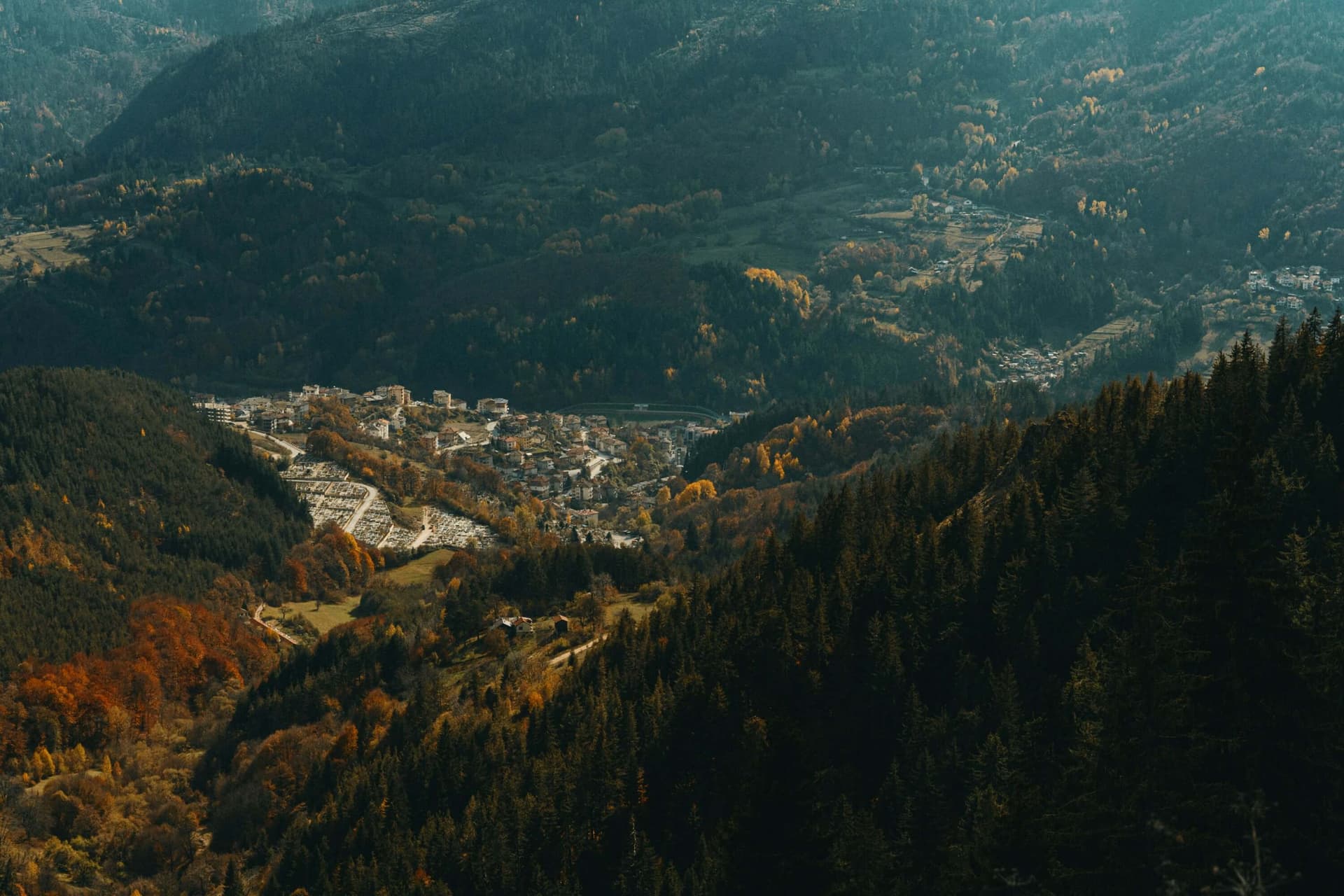
Bulgaria in Autumn: Things to Do Beyond the Beach
Grape harvest in the Struma and Thracian valleys, Rhodope forests turning gold in October, the last safe hiking window, and a coast without the crowds.
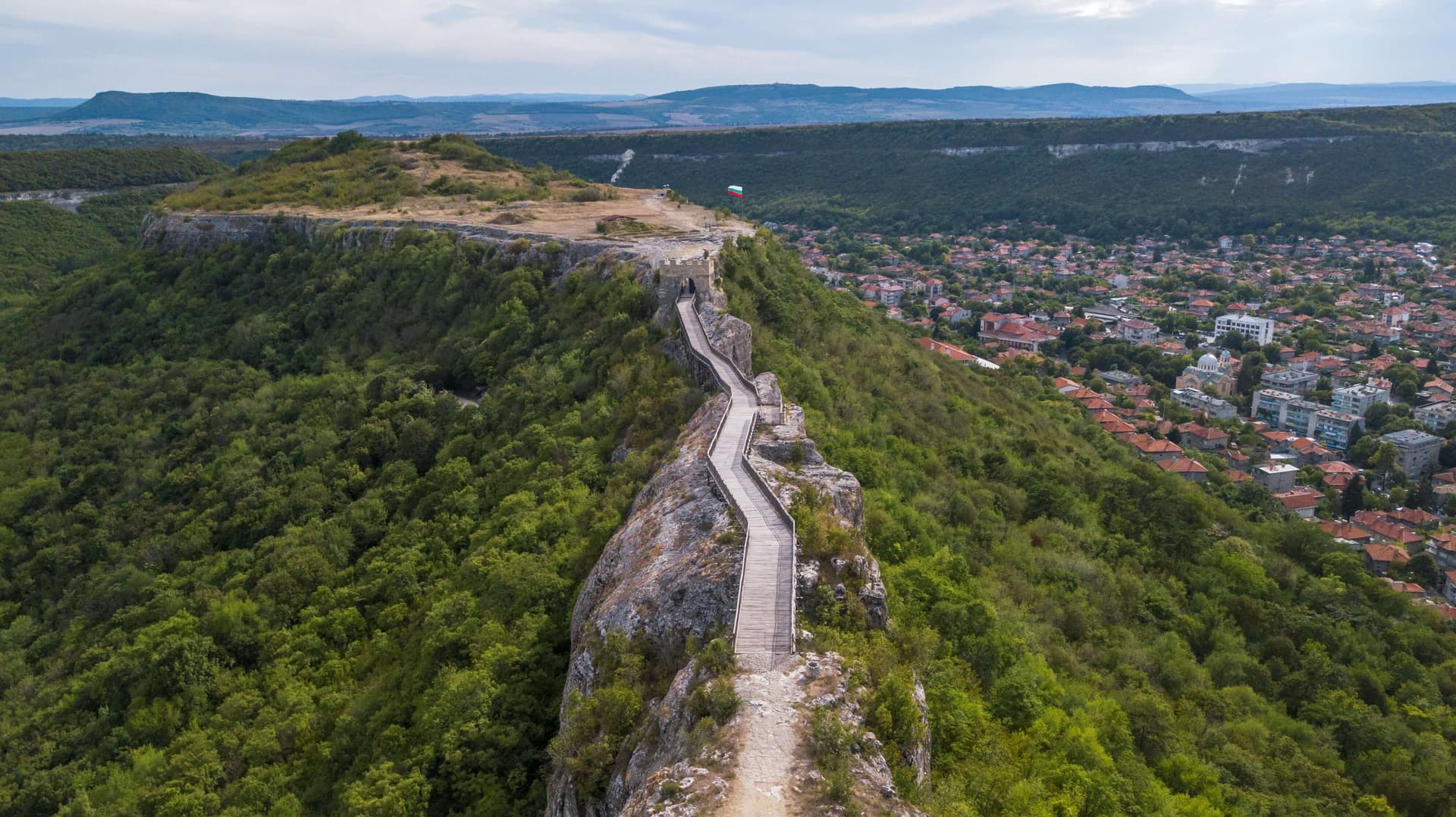
Bulgaria with Kids: A Family Travel Guide
How to pick a base by your children's ages, the drive times that make or break a family trip, which caves and beaches actually work with young kids, which ski resort suits which age, and rainy-day fallbacks.
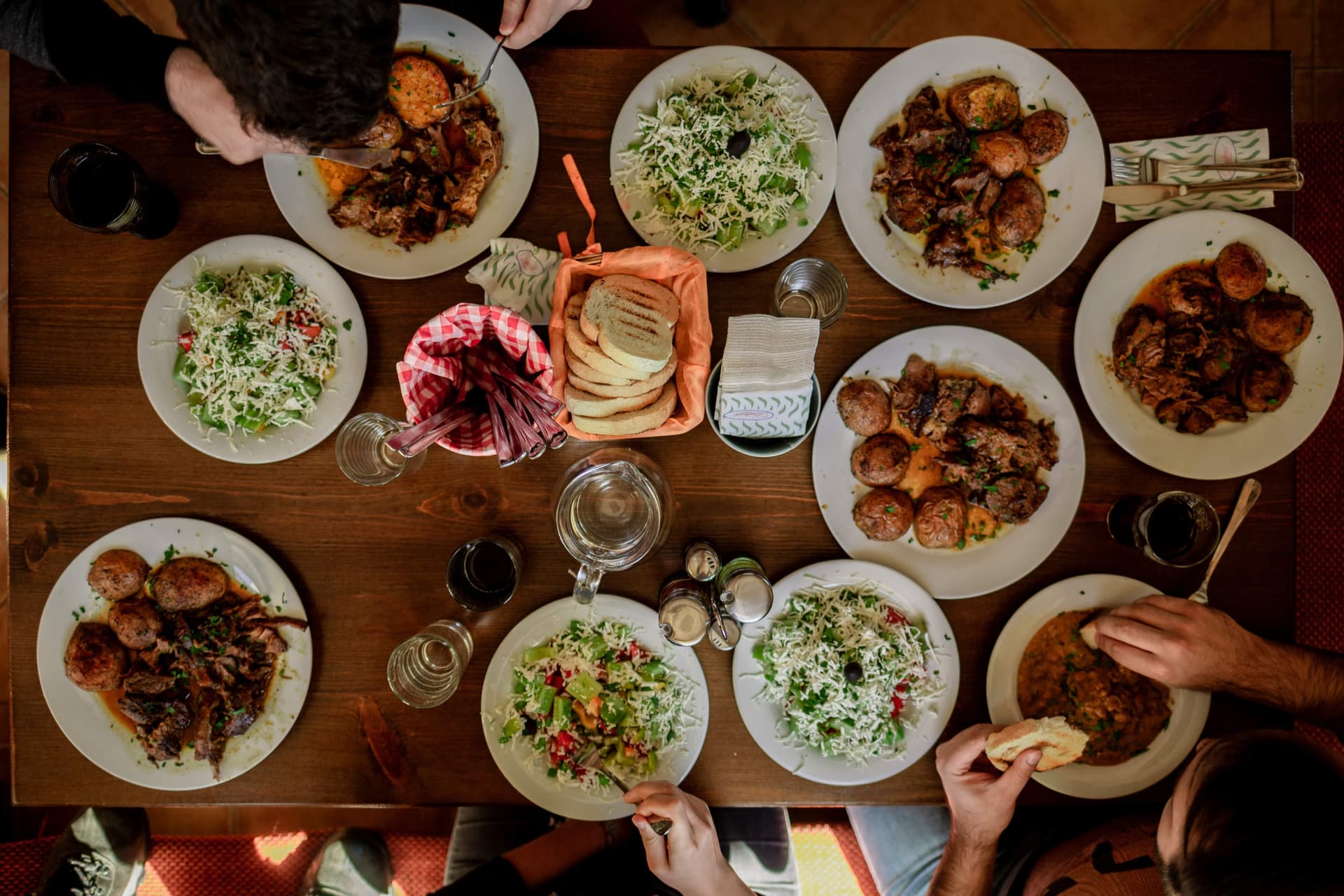
Bulgarian Food: The Dishes Worth Seeking Out
Shopska salad and rakia to open, banitsa from the bakery, the mixed grill, clay-pot stews and the fasting dishes that make the country quietly vegetarian-friendly.