

Plovdiv Weekend Itinerary: How Many Days You Need and What to See in 48 Hours
In this guide▾
If there is one city in Bulgaria that seamlessly blends ancient history, a bohemian spirit, and an unparalleled sense of tranquility, it is undoubtedly Plovdiv. Known as the "City of the Seven Hills" (six of them survive today), Plovdiv is one of the oldest continuously inhabited cities in Europe. Here, time moves differently, and locals have turned the word aylyak (the art of relaxing and enjoying the present moment) into a true philosophy of life.
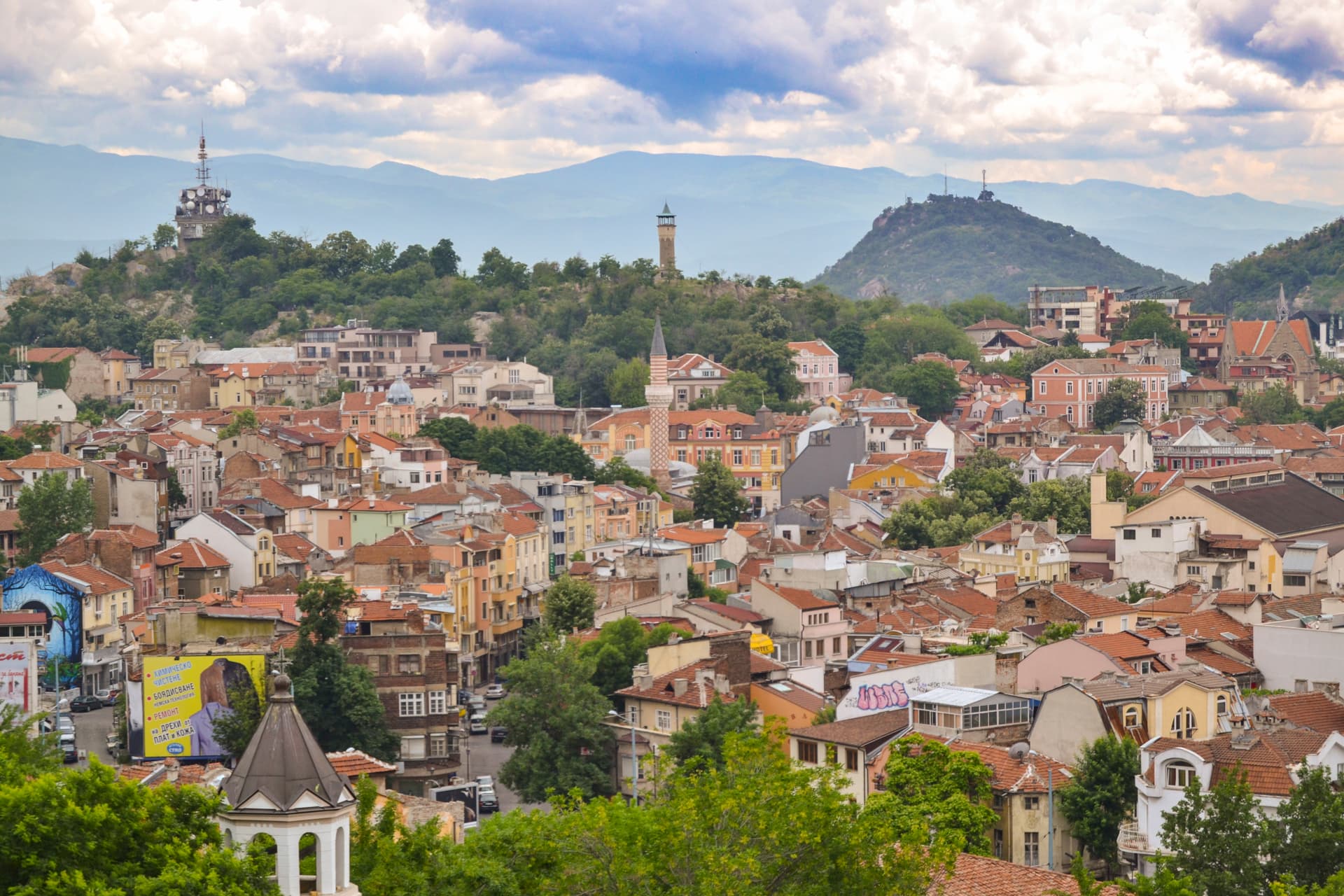
A weekend in Plovdiv (about 48 hours) is more than enough to make you fall in love with its cobblestone streets, hidden art spots, and panoramic views. Here is our detailed guide to help you get the absolute most out of your getaway to Plovdiv.
Day 1: Cobblestones, Millennia of History, and Art Culture
Morning: A Walk Back in Time in the Old Town
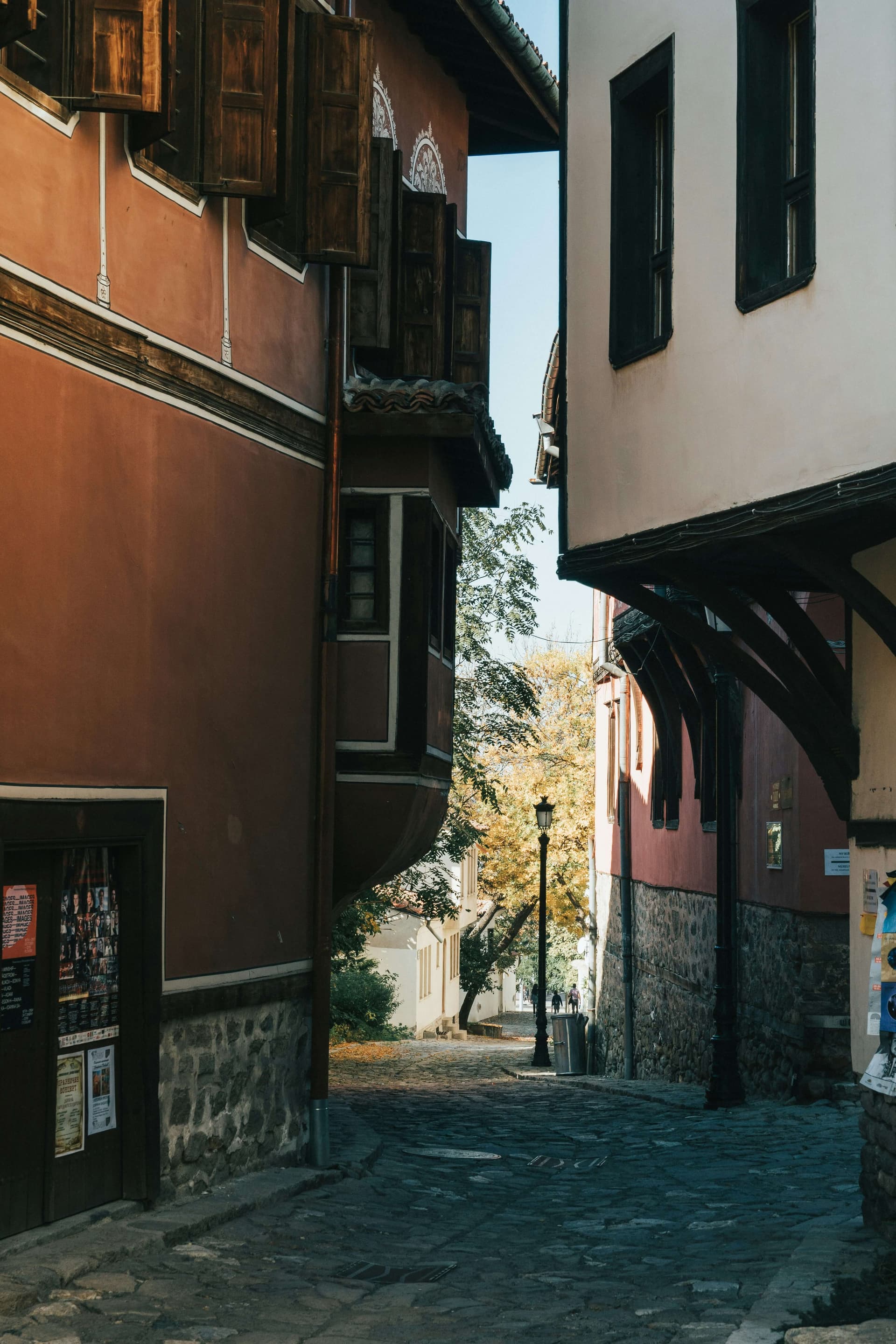
Begin your trip to Plovdiv in the "Old Town" architectural reserve. Stepping onto the authentic, heavy cobblestones will instantly transport you to the Bulgarian National Revival era. Here, you will find famous Revival-style house museums painted in bright colors and adorned with beautiful wood carvings (such as the Kuyumdzhioglu, Balabanov and Hindliyan houses). Take a leisurely walk up the hill until you reach Nebet Tepe—the birthplace of the city, where the earliest remains of the ancient Thracian settlement were discovered, and where you can catch a stunning panorama of the entire city.
Afternoon: Antiquity and Modern Creativity
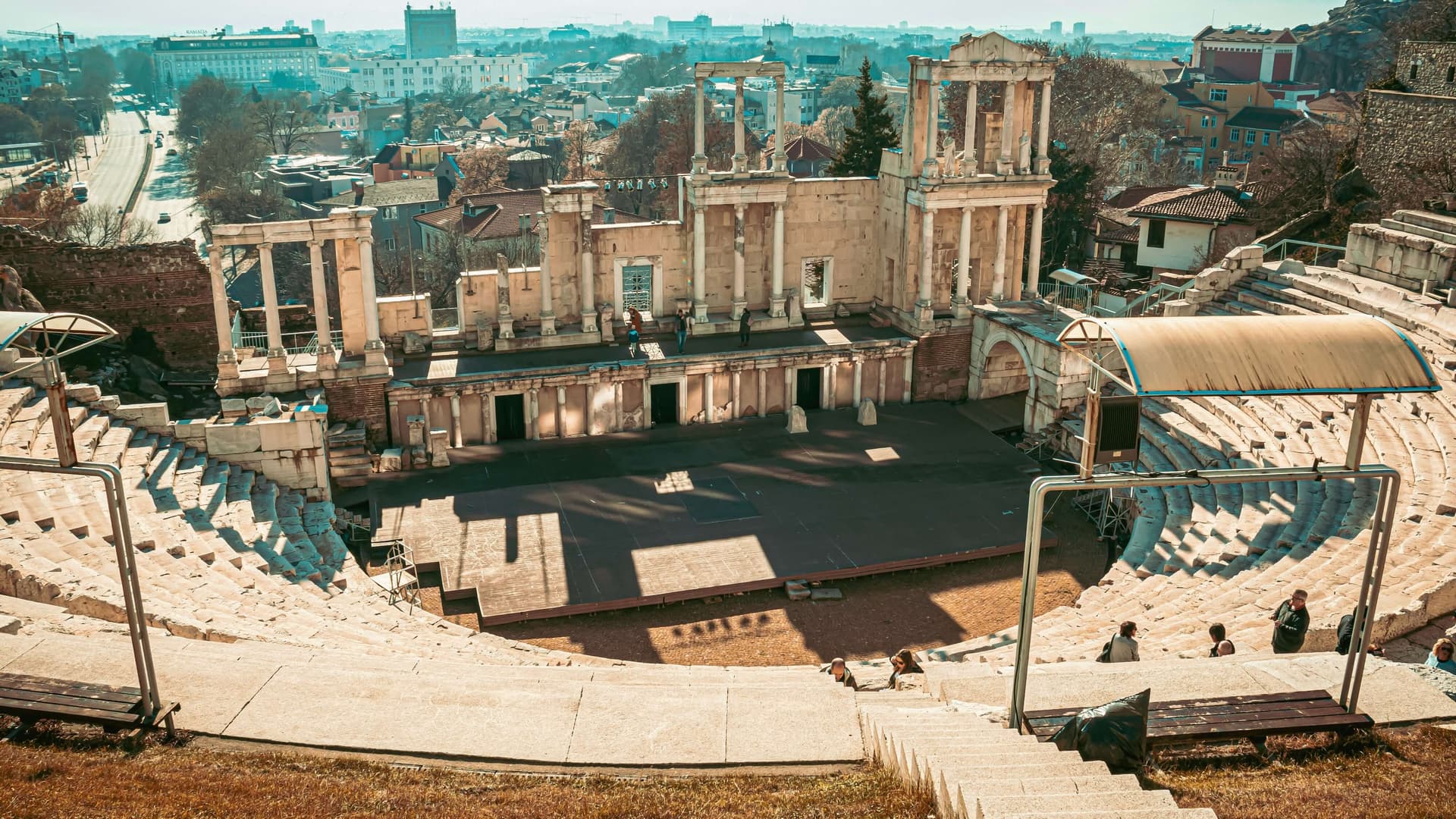
Head slightly further down into the Old Town to visit the majestic Ancient Theatre. Built in the late 1st or early 2nd century AD, it is one of the best-preserved Roman theatres in the world. Exceptionally breathtaking to this day, it remains a fully functional open-air stage for concerts, operas, and theatrical performances under the stars.
After leaving the Old Town, stroll down the Main Street (one of the longest pedestrian streets in Europe) and stop at Dzhumaya Square. Here, literally beneath your feet, lies the Roman Stadium. Its architecture is partially exposed, allowing you to walk downstairs and see where gladiator games were once held in front of nearly 30,000 spectators in ancient Philippopolis.
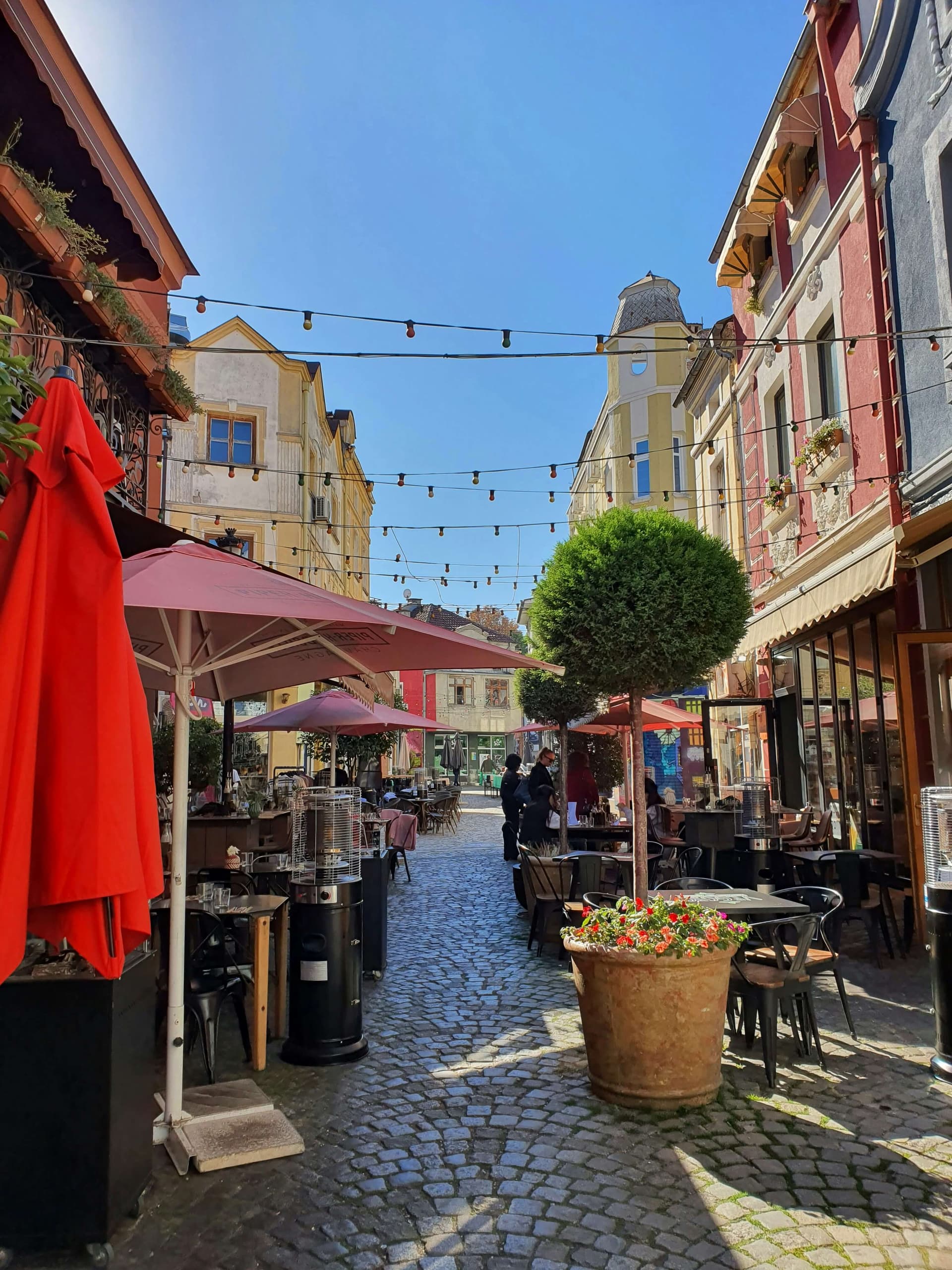
Just a few steps from the Roman Stadium, you will enter the iconic "Kapana" district. This is Plovdiv's creative district, famous for its narrow pedestrian streets blanketed by colorful overhead flags. The area is absolutely perfect for an afternoon specialty coffee, a local craft beer, exploring street art, and visiting small galleries and artisan workshops.
Evening: The Pulse of the Main Street
Conclude your day with a relaxed dinner at one of the cozy spots in Kapana or along the main pedestrian promenade. Plovdiv boasts a fantastic culinary scene, offering everything from authentic traditional Bulgarian dishes to upscale modern fusion cuisine.
Day 2: Hills, Greenery, and Laid-back Relaxation
Morning: Fresh Air at Bunardzhika Hill
Start the second day of your weekend in Plovdiv with some morning movement in the fresh air. Climb the Hill of the Liberators (locally known as Bunardzhika). The paved pathways are surrounded by thick greenery, and the massive "Alyosha" monument stands at the very summit. The climb is not difficult, and the view looking out over the Maritsa River and the city's other hills is worth every single step. If you prefer a shorter walk, Sahat Tepe (the Clock Tower Hill) right in the city center is an excellent alternative.

Afternoon: Tsar Simeon Garden and the Singing Fountains
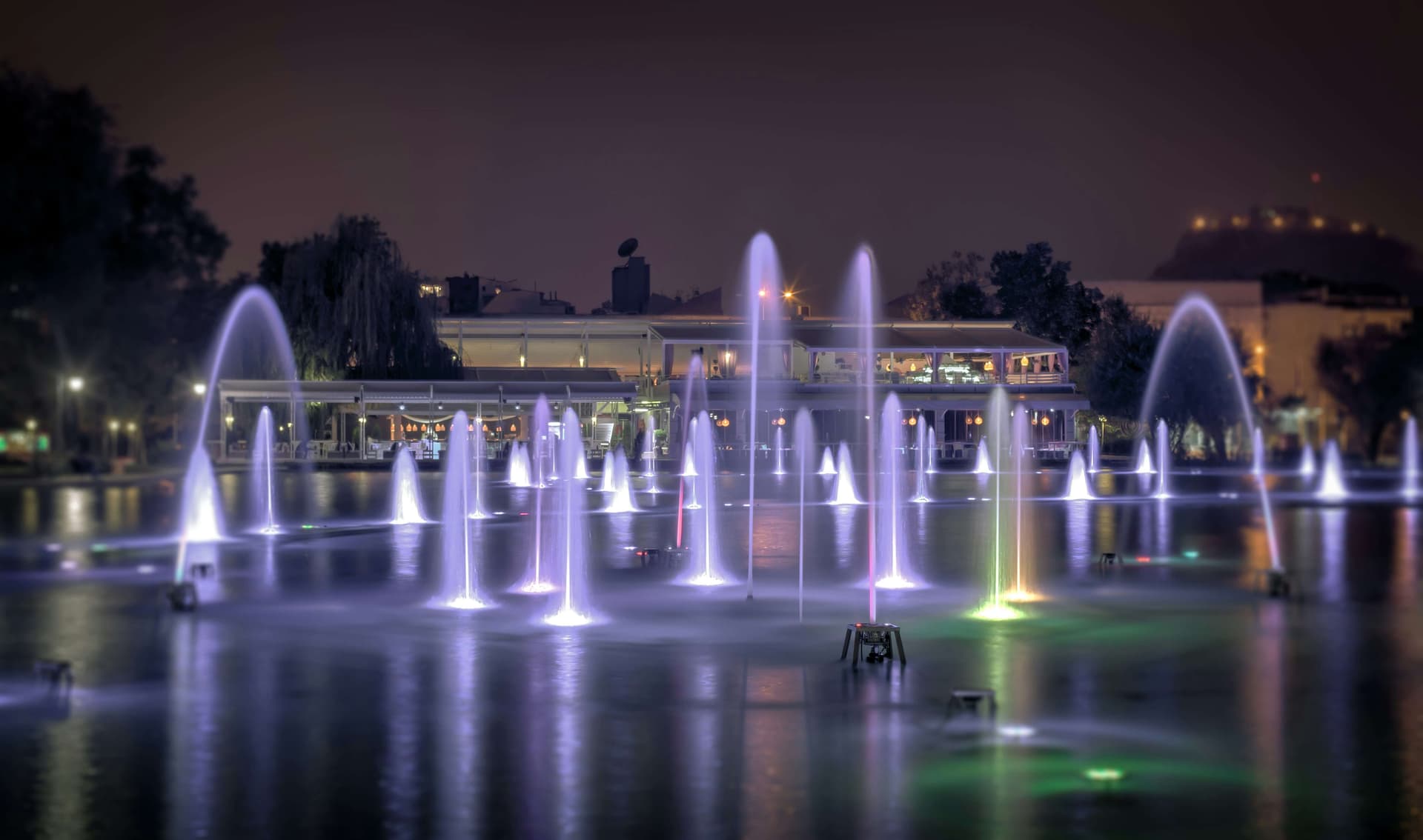
After your morning hike, head towards the heart of the city and unwind in the Tsar Simeon Garden. This beautiful and impeccably maintained park was designed back in 1892 by the famous Swiss-Bulgarian landscape architect Lucien Chevalas. Take a peaceful walk among the century-old trees until you reach the large lake hosting the Singing Fountains. During the day, it is a wonderful place to relax on a bench in the shade, but come back in the evening: that is when the fountains are beautifully lit and put on their light and music show.
Evening: Sunset by the Rowing Canal
Wrap up your weekend at the Rowing Canal (Grebna Baza). The canal is surrounded by a massive park and is a favorite spot for Plovdiv locals to bike, jog, or rollerblade. The water channel stretches for over 2 kilometers, making it the absolute perfect place to watch the sun go down and enjoy one of the most beautiful sunsets in the city before you head home.
🎒 Practical Tips for Your Trip
🚗 For Drivers: Parking in Plovdiv
Plovdiv is easily accessible, but parking in the central areas requires a bit of planning:
- Blue Zone: Covers the entire wider city center and operates from Monday to Saturday (08:30–18:30). Price: €1.02 an hour (October 2026). Payment can be made by sending an SMS with your license plate number to 1332 (requires a local SIM card) or through the automated parking meters.
💡 Smart Tip: Parking in Plovdiv is genuinely hard. The Old Town is a pedestrian-only zone (accessible by car only for residents and hotel guests), so leave the car in a marked bay or in one of the paid car parks, such as those around the International Fair grounds or the underground lot at Kapana (Zhelezarska Str.) — and take care not to park anywhere unmarked, as fines for illegal parking are common.
👨👩👧 Tips for Families with Young Children
Plovdiv is incredibly welcoming for family trips, though there are a few things to keep in mind:
- The Children's Railway: A big hit with kids. The "Znameto na Mira" (Banner of Peace) narrow-gauge railway in Youth Hill park (Mladezhki Halm) was built in 1979; the little train seats about 50 and runs a loop of roughly 1 km through the woods on the hill. It runs Wednesday to Sunday (closed Monday and Tuesday). Departures from 1 April to 15 October: 10:30, 11:30, 12:15, 15:30, 16:30 and 17:30; from 16 October to 31 March: 10:30, 11:30, 12:15, 14:30, 15:30 and 16:30. The timetable can change, so check before you go.
- The Stroller Challenge: While the Main Street and the parks are completely flat and ideal for strollers, the Old Town is a real challenge due to its large, uneven, and historic cobblestones. If you are traveling with an infant or a very small toddler, we highly recommend using a baby carrier or an ergonomic wrap rather than a stroller for your Old Town walk.
🗺️ Location and Road Distances
Getting to Plovdiv by car is incredibly straightforward from all major regions in Bulgaria:
- From Sofia: Located just 145 km (about a 1.5-hour drive) away, completely via the Trakia highway.
- From Burgas: The same highway takes you there — about 250 km, roughly 2 hours 30 minutes.
- From Varna: About 390 km, roughly 4 hours 30 minutes by car. By train or bus allow about 6 hours; the trains are the slower option and delays are possible.
❄️ Coming in Winter?
Plovdiv makes a handy winter city base, for two reasons. The Old Town is quieter and cheaper than in summer, and from mid-November the centre runs a Christmas market. More usefully, Plovdiv is the closest big city to the Rhodope ski slopes: Chepelare and Pamporovo are both about 85–90 km south, roughly 1.5 hours, so you can ski for a day and sleep in the city. Our resort comparison explains which suits your level, and Bulgaria in winter covers the rest of the season.
📍 What Is Nearby
- Asen's Fortress and Bachkovo Monastery (~25–30 km, about 30–40 minutes south) — a cliff-top medieval church and Bulgaria's second-largest monastery, easily done together in half a day.
- Hisarya (~45 km, about an hour north) — a spa town inside Roman walls; see our Hisarya and Pavel Banya spa guide.
- For more ideas, from the Rose Valley to Buzludzha, see our best day trips from Plovdiv.
💡 Our Tip
The classic Plovdiv walk takes in the pedestrian Main Street, the Ancient Theatre, the Revival houses of the Old Town, the bohemian Kapana district and Nebet Tepe for the panorama. If you only have one day, that is the route to follow.
What is your favorite corner in the City of Seven Hills? For more inspiring travel itineraries across Bulgaria, stay tuned to Mestala.com!
Latest prices as of October 2026 — fees change, so check before you travel.
This guide covers 5 places
Want more Mestala in your Google results?
Add mestala.com as a preferred source and our guides will show up more often when you search. Requires a Google account.
Frequently Asked Questions
How many days do you need to visit Plovdiv?▾
A weekend — about 48 hours — is more than enough. Day one covers the cobblestones of the Old Town, the Ancient Theatre, the Roman Stadium, and the Kapana art district; day two is for the hills, Tsar Simeon Garden with the Singing Fountains, and a sunset by the Rowing Canal.
What can you see in one day in Plovdiv's Old Town?▾
Walk the cobblestones among the Revival-era house museums, climb up to Nebet Tepe for a panorama of the city, visit the majestic Ancient Theatre, head down the Main Street to the Roman Stadium on Dzhumaya Square, and finish in the Kapana art district.
How does parking work in Plovdiv?▾
The Blue Zone covers the entire wider city center and operates Monday to Saturday (08:30–18:30), at €1.02 an hour, paid by SMS to 1332 (requires a local SIM) or at the meters. Parking in the centre is hard: use the marked bays and paid car parks such as those around the International Fair grounds, and watch out for fines for parking where you should not. The Old Town is pedestrian-only.
Is Plovdiv family-friendly for young children?▾
Yes. The Children's Railway on Youth Hill is a big hit with kids — it runs Wednesday to Sunday, with six departures a day. The Main Street and the parks are flat and ideal for strollers, but the Old Town is a challenge due to its large cobblestones — there a baby carrier works better than a stroller.
How far is Plovdiv from the other major cities?▾
From Sofia, Plovdiv is 145 km away (about a 1.5-hour drive, entirely via the Trakia highway). From Burgas it is about 250 km (about 2 hours 30 minutes). From Varna it is about 390 km — roughly 4 hours 30 minutes by car, or about 6 hours by train or bus.
You might be interested in
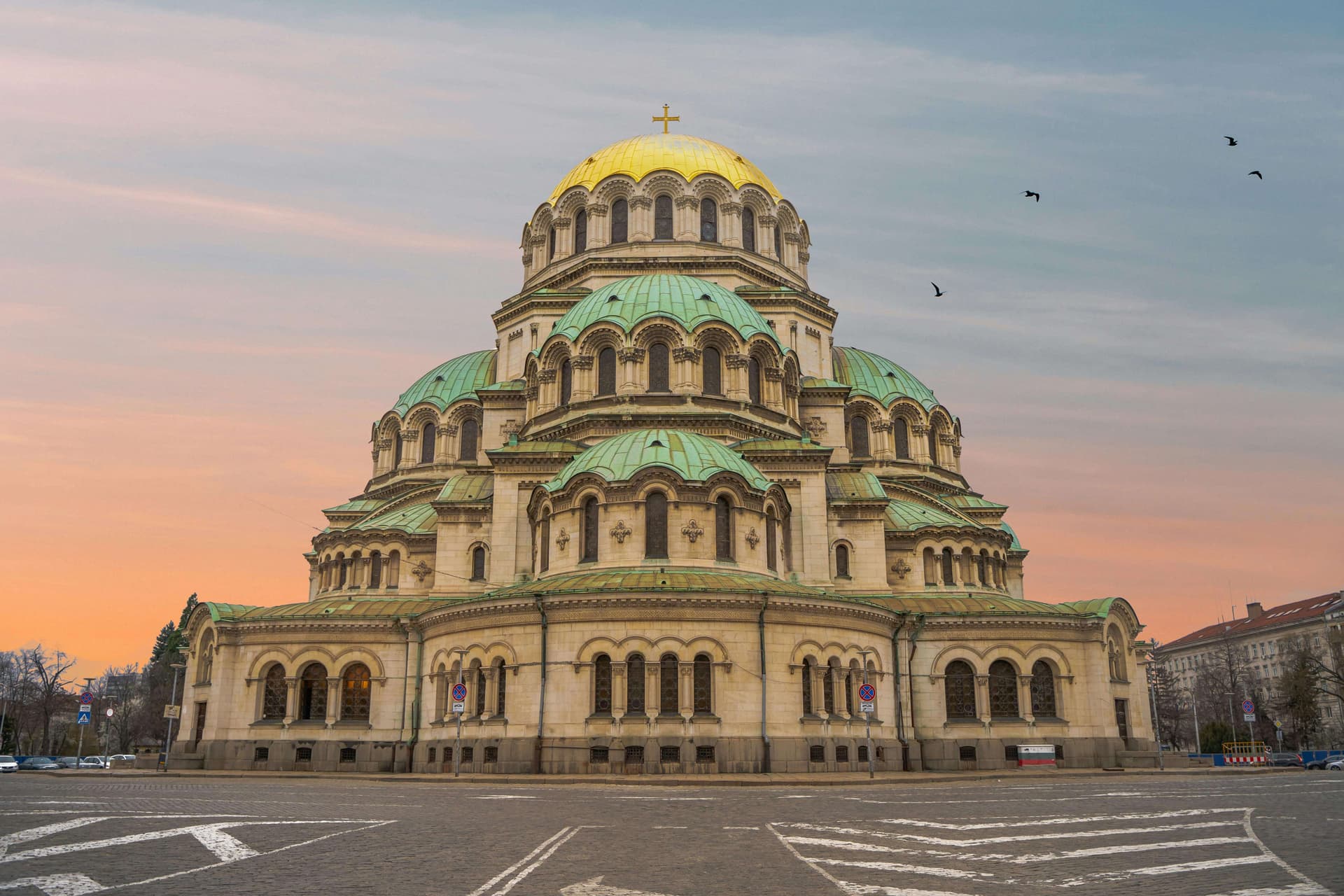
72 Hours in Sofia: The Perfect Weekend Itinerary
The perfect 3-day weekend itinerary for Sofia — from St. Alexander Nevsky and Roman Serdica to Vitosha Mountain and Boyana Church. Plus parking and family tips.
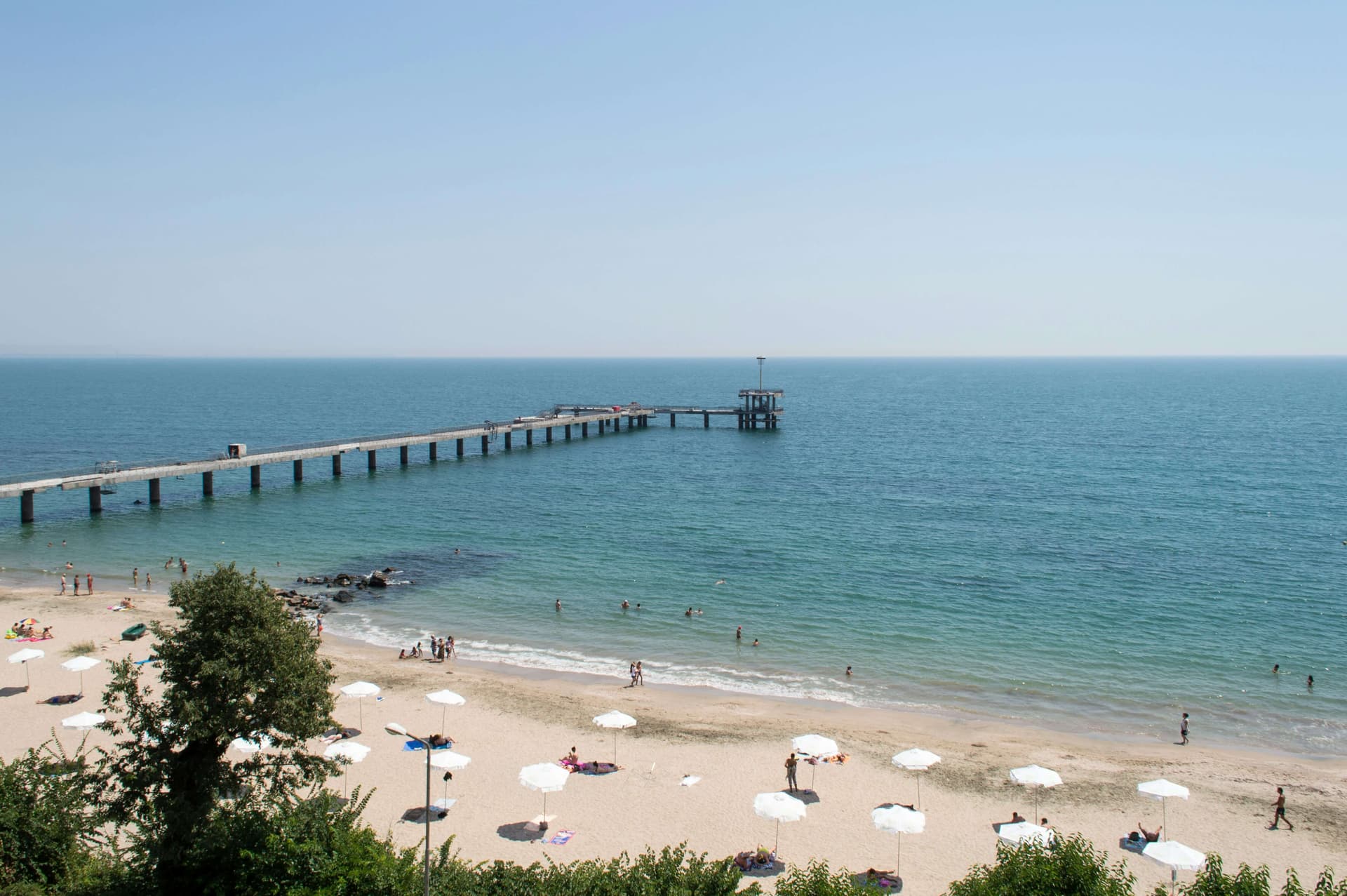
Is Burgas Worth Visiting? A Weekend in Burgas: 2-Day Itinerary
Is Burgas worth visiting? Yes — here is how to spend a weekend there: the Sea Garden and the Bridge, St. Anastasia Island, the saltworks mud baths and parking tips.
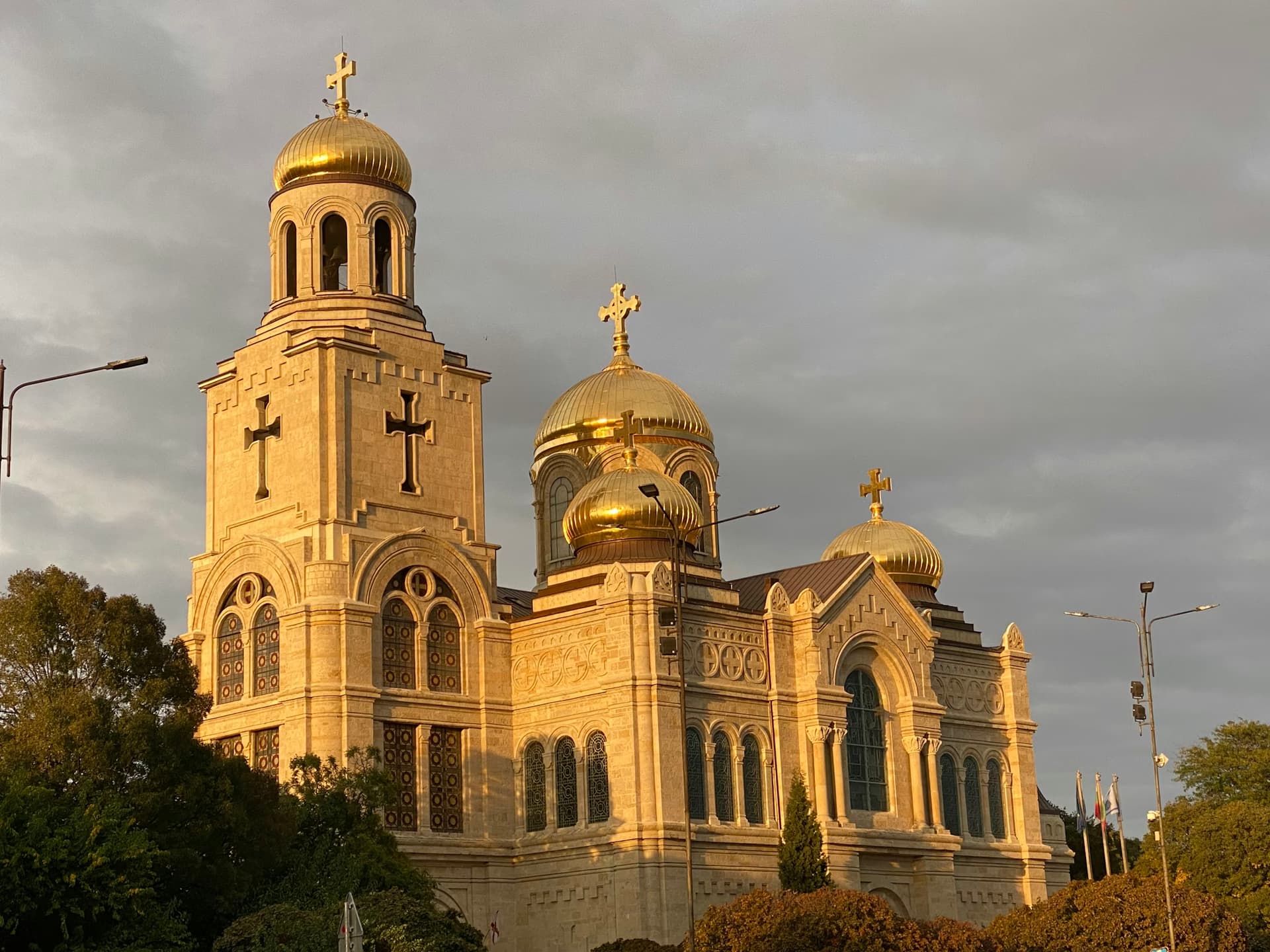
Weekend in Varna: 2-Day Itinerary, Sights & Parking Guide
Planning a weekend in Varna? Our 2-day itinerary covers the Sea Garden, Roman Thermae, Pobiti Kamani, and the best beachfront bars.

Best Day Trips from Plovdiv: 9 Trips into Central Bulgaria
The best day trips from Plovdiv: Bachkovo Monastery, Asen's Fortress, the Rose Valley, Buzludzha, Koprivshtitsa and more — with distances and how to go.