

eSIM & SIM Cards in Bulgaria: Staying Connected (2026)
In this guide▾
Bulgaria has fast, cheap and genuinely well-built mobile networks — this is not a country where connectivity is a problem. The real question is not which SIM is best but whether you need one at all, and the answer depends entirely on where your existing plan comes from.
📶 First: Do You Actually Need a Bulgarian SIM?
If your plan is from an EU country — you almost certainly don't. EU roaming rules mean your domestic allowance for calls, texts and data works in Bulgaria at no extra charge. Land, switch off airplane mode, and you're connected on your normal plan.
If your plan is from outside the EU — probably yes. This includes the UK (post-Brexit, many operators reintroduced roaming fees), the US, Canada and Australia. Check your provider's daily roaming rate before you fly. It is common for a week of roaming to cost several times what a local prepaid SIM or travel eSIM costs outright.
That single check will save most travelers either money or an unnecessary errand.
📱 The Three Networks
Bulgaria has three mobile operators, and there is no bad choice among them:
| Operator | Strengths |
|---|---|
| Vivacom | Broadest national 4G/5G coverage — the safest pick for rural and mountain travel |
| A1 | Strong balance of coverage and speed; first to offer prepaid eSIM |
| Yettel | Reliable in cities and along the coast; competitive prepaid bundles |
All three have shops in the center of Sofia, Plovdiv, Varna and Burgas, plus most shopping malls and the airport.
For a typical trip — Sofia, Plovdiv, a few days on the Black Sea — any of the three will serve you perfectly. If you're heading into the mountains, lean toward Vivacom.
🔌 eSIM: The Easiest Option
If your phone supports eSIM — every recent iPhone and most recent Android flagships do — this is the path of least resistance.
You have two routes:
1. A travel eSIM bought before you fly. International eSIM providers sell Bulgaria or Europe-wide data packages you activate by scanning a QR code. You land already connected. No shop, no queue, no passport paperwork. This is the best option for short trips and for anyone who values the twenty minutes it saves.
2. A local operator's eSIM. All three Bulgarian networks now support eSIM, including on prepaid. You get a local number, which matters if you need to receive Bulgarian SMS — for a rental car deposit, a delivery, or a booking confirmation.
📲 Check before you buy: Your phone must be carrier-unlocked for any of this to work, whether physical SIM or eSIM. Verify this before you travel, not at the shop counter.
🛂 Buying a Physical SIM: Bring Your Passport
Bulgarian law requires identity verification when buying a prepaid SIM. Bring your passport to the shop — a driving licence or a photo on your phone will not do.
The process is quick, usually ten to fifteen minutes, and staff in the main cities speak English. You'll leave with an activated SIM and a Bulgarian number.
Where to buy:
- Operator shops in city centers and malls — best value and best advice
- Sofia Airport — convenient on arrival, though usually not the cheapest
- Supermarkets and kiosks sometimes sell starter packs, but you may still need to register the SIM before it works
⚙️ Setting It Up Without Losing Your Home Number
The most common practical worry — if I add a Bulgarian eSIM, do I lose my normal number? — has a straightforward answer: no, if your phone is dual-SIM. Almost every recent phone is.
The setup most travellers want:
- Keep your home SIM active for calls and SMS, so two-factor codes and calls from home still reach you.
- Set the Bulgarian eSIM as your data line. In your phone's mobile-data settings, choose which line carries data — this is a single toggle.
- Turn off data roaming on the home line. This is the step people forget, and it's the one that produces a surprise bill. With data on the local eSIM and roaming off at home, you cannot accidentally rack up charges.
A few extras worth knowing:
- Tethering and hotspot generally work on Bulgarian prepaid plans, which is useful if you're travelling with a laptop. Staying on to work remotely? Our digital nomad guide covers home broadband and coworking in Sofia, Plovdiv and Bansko.
- 112 is the emergency number across Bulgaria and works from any phone, on any network, with or without credit — and operators handle calls in English.
- WhatsApp, Viber and Telegram are all widely used in Bulgaria; Viber in particular is more common here than in Western Europe, and is often how a guesthouse or taxi will contact you.
🏔️ Where Coverage Actually Drops
Bulgarian networks are strong in every city, every coastal resort and along the main road corridors. Two honest caveats:
- High mountains. The upper reaches of Rila, Pirin and the remoter Rhodope valleys have real dead zones. On a serious hike — Musala, Vihren, the Seven Rila Lakes circuit, the Kom–Emine trail — assume stretches with no signal at all.
- Deep rural areas and gorges. Signal returns quickly once you're back on a main road, but it does go.
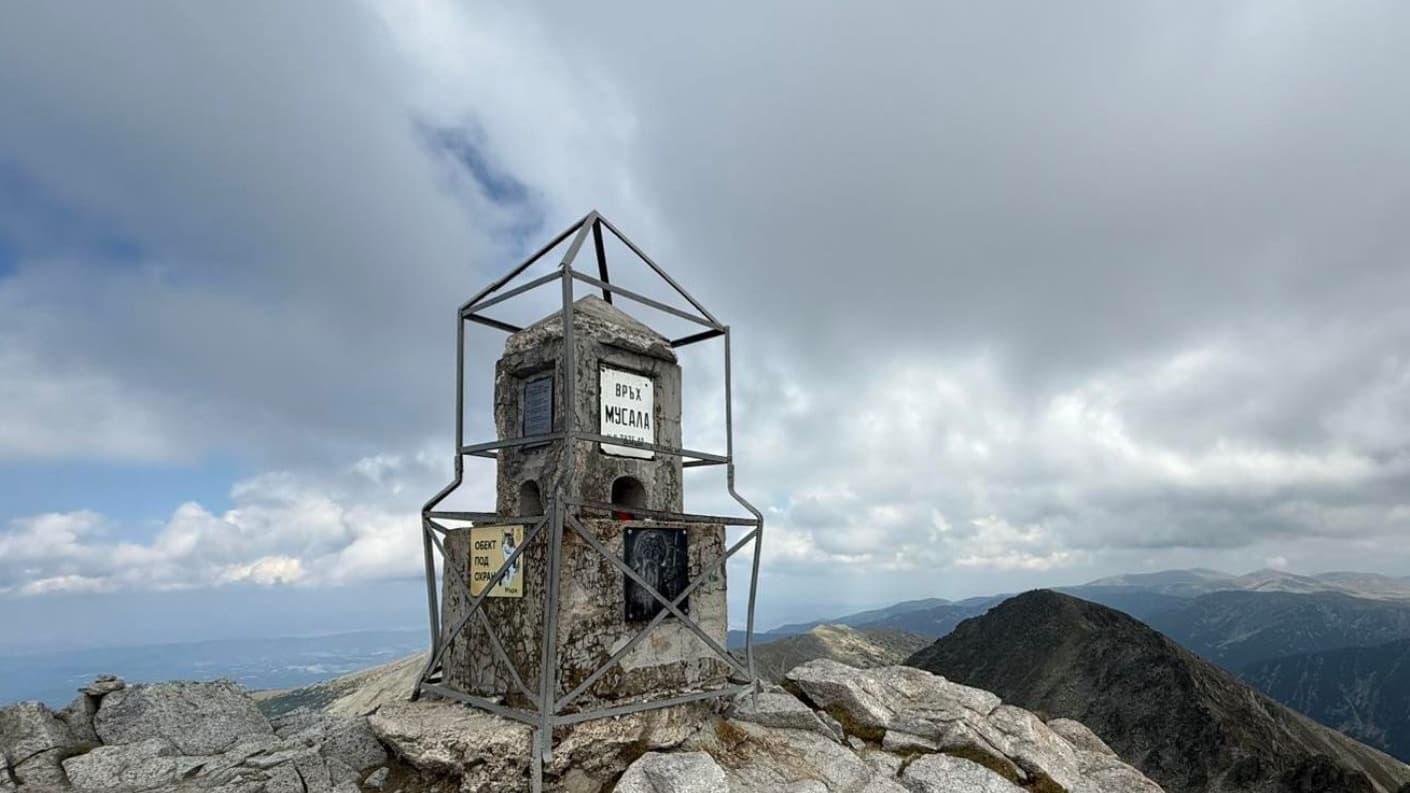
The practical response is the same either way: download offline maps before you set out, and don't plan a mountain day that depends on having live data at the summit. Our Seven Rila Lakes guide and Musala guide both assume you've done this.
💶 What It Costs
Bulgaria is one of the cheaper EU countries for mobile data, and prices are now quoted in euros following the January 2026 changeover. A prepaid tourist bundle with a generous data allowance typically costs a few euros — less than a restaurant meal, and considerably less than a week of non-EU roaming.
For how this fits into your overall trip budget, see our Bulgaria trip cost guide.
✅ The Short Version
- EU plan? Do nothing. Your allowance works.
- Non-EU plan, short trip? Buy a travel eSIM before you fly.
- Non-EU plan, longer stay, or need a local number? Buy a prepaid SIM from A1, Yettel or Vivacom. Bring your passport.
- Heading into the mountains? Pick Vivacom, and download offline maps regardless.
Bottom line: connectivity is the easiest part of a Bulgarian trip — just check your roaming rate before you fly. Keep planning with Mestala.com.
This guide covers 4 places
Want more Mestala in your Google results?
Add mestala.com as a preferred source and our guides will show up more often when you search. Requires a Google account.
Frequently Asked Questions
Do I need a SIM card for Bulgaria?▾
If you have an EU mobile plan, no — EU roaming rules mean your home allowance works in Bulgaria at no extra cost. If you're coming from outside the EU, including the UK, US, Canada or Australia, check your provider's roaming rate first; it is often expensive enough that a local SIM or eSIM pays for itself within a day or two.
Which mobile network is best in Bulgaria?▾
There are three: A1, Yettel and Vivacom. All three are solid in cities and along the coast. Vivacom generally has the broadest 4G/5G coverage nationally, which matters most if you plan to spend time in the mountains or rural areas. For a city-and-coast trip, any of the three is fine.
Can I get an eSIM in Bulgaria?▾
Yes. All three Bulgarian operators now support eSIM, and A1 was the first to offer it to prepaid customers. You can also buy a travel eSIM from an international provider before you fly, which is the fastest option — you arrive already connected, with no shop visit and no passport paperwork.
Do I need my passport to buy a SIM card in Bulgaria?▾
Yes, for a physical prepaid SIM bought from an operator's own shop — identity verification is a legal requirement in Bulgaria. Bring your passport. Travel eSIMs bought online from international providers before your trip avoid this step entirely.
Is there mobile coverage in the Bulgarian mountains?▾
In towns, resorts and on most main roads, yes. Coverage genuinely drops in the high Rila, Pirin and remoter Rhodope valleys, and on long hiking routes you should assume stretches with no signal at all. Download offline maps before any serious hike rather than relying on live data.
Where can I buy a SIM card in Bulgaria?▾
Operator shops in every city center and most malls, plus counters at Sofia Airport. Shops in Sofia, Plovdiv, Varna and Burgas will have English-speaking staff. Buying at the airport is convenient but not always the best value, so if you're not in a rush, a city-center shop is worth the short wait.
You might be interested in

Bulgaria in Autumn: Things to Do Beyond the Beach
Grape harvest in the Struma and Thracian valleys, Rhodope forests turning gold in October, the last safe hiking window, and a coast without the crowds.
Bulgaria with Kids: A Family Travel Guide
How to pick a base by your children's ages, the drive times that make or break a family trip, which caves and beaches actually work with young kids, which ski resort suits which age, and rainy-day fallbacks.
Bulgarian Food: The Dishes Worth Seeking Out
Shopska salad and rakia to open, banitsa from the bakery, the mixed grill, clay-pot stews and the fasting dishes that make the country quietly vegetarian-friendly.

Digital Nomad Guide to Bulgaria: Visa, Tax and Where to Base
Bulgaria's new digital nomad visa, the 10% flat tax, and how Sofia, Plovdiv and Bansko actually compare for remote work — internet, coworking, cost of living and community.