

Bulgaria Visa & Entry Requirements (2026)
In this guide▾
Bulgaria's entry rules are simpler in 2026 than they have been in years — but they have also changed substantially, and a lot of what you'll find online is out of date. Bulgaria is now a full Schengen member, passport stamps have been replaced by a digital system, and a new authorisation called ETIAS arrives later this year.
Here's exactly where things stand.
🇪🇺 Bulgaria Is a Full Schengen Member
Bulgaria completed its Schengen accession in two stages:
- March 2024 — air and sea borders
- 1 January 2025 — land borders
It is now a full member in every practical sense. There are no border controls between Bulgaria and Romania, Greece, or any other Schengen neighbour. You can drive from Sofia to Bucharest or Thessaloniki without stopping at a checkpoint.
Crossings into Serbia, North Macedonia and Turkey are a different matter — these are the EU's external border, so passport checks apply and queues at the Turkish and Serbian crossings can be long in peak summer and around holidays.
📋 Do You Need a Visa?
| Who you are | What you need |
|---|---|
| EU / EEA / Swiss citizen | National ID card. No visa, no passport required. |
| Visa-exempt national (UK, US, Canada, Australia, Japan and ~55 others) | Valid passport. Up to 90 days in any 180. No visa. |
| Everyone else | A Schengen visa, which Bulgaria now issues as a full member. |
If you hold a Schengen visa issued by any member state, it is valid for Bulgaria too — that was not the case before accession.
⚠️ The 90/180 Rule Now Includes Bulgaria
This is the single most important change, and the one that trips up returning visitors.
Before accession, Bulgaria had its own separate 90-day allowance. Long-stay travellers used to treat it as a place to "reset the clock" while waiting out their Schengen days.
That no longer works. Days spent in Bulgaria now count toward the same 90-days-in-any-180-day-period total as every other Schengen country. If you've spent two months in Spain and Portugal, you arrive in Bulgaria with roughly one month left — not a fresh ninety days.
🧮 Worth checking: The European Commission publishes a short-stay calculator for working out your remaining days. If you travel in Europe frequently, run your dates through it before booking.
🛂 No More Passport Stamps: the EES
Since 10 April 2026, the EU's Entry/Exit System (EES) has been fully operational across the Schengen Area, Bulgaria included.
What this means in practice:
- Physical passport stamps are gone. Entries and exits are recorded digitally instead.
- On your first crossing, you register biometrics — a facial image and fingerprints — and answer a few questions about your stay.
- Subsequent crossings are faster, since your record already exists.
- Overstays are now tracked automatically rather than depending on a border officer reading ink stamps.
Allow a little extra time at the border on your first post-EES entry into the Schengen Area, particularly at busy land crossings. After that it speeds up.
🆕 ETIAS: Coming in Late 2026
ETIAS — the European Travel Information and Authorisation System — is the next change, and it will affect most non-EU visitors.
Here's what is known:
- Who needs it: visa-exempt travellers, including UK, US, Canadian and Australian citizens
- Cost: €20, free for applicants under 18 and over 70
- What it is: an online authorisation, not a visa — you apply online and approval is usually quick
- When: expected in the final quarter of 2026, most likely October or November
- Grace period: roughly six months after launch before it is strictly enforced
📅 The exact date is not fixed yet. The EU has committed to giving at least six months' notice of the precise launch date. If you're travelling in late 2026 or 2027, check the official EU travel website close to your departure rather than relying on any guide — including this one.
Once live, you'll need ETIAS approval before boarding a flight or train to Bulgaria or any other Schengen country.
📝 If You Do Need a Schengen Visa
If your nationality isn't on the visa-exempt list, you'll apply for a short-stay Schengen visa (Type C), which Bulgaria now issues as a full member. The essentials:
- Where to apply: the embassy or consulate of your main destination. If Bulgaria is where you'll spend the most time, apply to Bulgaria; if your trip is split evenly, apply to your first point of entry.
- When: you can apply up to six months ahead, and no later than 15 days before travel. In practice, apply six to eight weeks out — summer processing slows considerably.
- Typical documents: passport valid three months beyond departure, a completed application form, a photo, travel medical insurance covering at least €30,000, proof of accommodation and onward travel, and evidence of sufficient funds.
- Cost: the standard Schengen visa fee, with reduced or waived fees for children and certain categories.
- Validity: a Type C visa allows up to 90 days in any 180 and is valid across the whole Schengen Area — not just Bulgaria.
Staying longer than 90 days — to work, study, retire or join family — requires a national long-stay visa (Type D) and, usually, a subsequent residence permit. That's a different process handled by Bulgarian authorities directly, and it's worth starting early. Remote workers now have a dedicated route — the digital nomad visa, which we cover together with the tax side in our digital nomad guide.
⚠️ If a visa is refused, you'll receive a written reason and a right of appeal. Don't simply reapply with the same file — address the stated ground first, since a second refusal on identical evidence is common.
🛃 Practical Entry Details
- Passport validity: issued within the last 10 years, valid at least three months beyond your planned departure. Six months is the safe standard, and airlines often enforce it.
- Proof of onward travel and accommodation can be requested, though it rarely is for short tourist stays.
- Customs: standard EU allowances apply. Bulgaria uses the euro as of January 2026, so the usual €10,000 cash declaration threshold applies when entering or leaving the EU.
- Driving: an EU licence is valid as-is. Non-EU visitors should carry an International Driving Permit alongside their national licence — see our driving in Bulgaria guide.
🧳 Once You're Through
Entry is genuinely the easy part of a Bulgarian trip. From the airport into Sofia, our Sofia Airport transfer guide gets you into the city for €0.80, and our guide to the euro in Bulgaria covers money now that the lev has been retired.
If you're still deciding when to come, our best time to visit Bulgaria guide breaks the year down season by season.
Bottom line: full Schengen member, 90/180 applies, no more stamps, and ETIAS lands late in 2026. Check the official EU site close to your trip, and plan the rest with Mestala.com.
Latest prices as of October 2026 — fees change, so check before you travel.
This guide covers 1 place
Want more Mestala in your Google results?
Add mestala.com as a preferred source and our guides will show up more often when you search. Requires a Google account.
Frequently Asked Questions
Do I need a visa to visit Bulgaria?▾
EU, EEA and Swiss citizens do not — an ID card is enough. Citizens of visa-exempt countries including the UK, US, Canada, Australia, Japan and around 55 others can visit for up to 90 days in any 180-day period with a valid passport and no visa. Everyone else needs a Schengen visa, which Bulgaria now issues as a full Schengen member.
Is Bulgaria in the Schengen Area?▾
Yes, fully. Bulgaria joined in two stages: air and sea borders in March 2024, and land borders on 1 January 2025. There are no longer border controls between Bulgaria and Romania, Greece or any other Schengen neighbour.
Does time in Bulgaria count toward the 90/180 Schengen limit?▾
Yes — and this is the change that catches people out. Bulgaria used to have its own separate 90-day allowance. Now that it is a full Schengen member, days spent in Bulgaria count toward the same 90-days-in-180 total as France, Germany, Spain and the rest. If you've been travelling elsewhere in Schengen, your Bulgarian days come out of the same budget.
Do I need ETIAS to visit Bulgaria?▾
Not yet, but soon. ETIAS is expected to launch in the last quarter of 2026, most likely October or November, with a six-month grace period after that before it becomes strictly enforced. It costs €20, is free for travellers under 18 and over 70, and is an online authorisation rather than a visa. Check the official EU travel site close to your trip, since the exact date has not been fixed.
Will my passport still be stamped when entering Bulgaria?▾
No. Since the EU Entry/Exit System became fully operational on 10 April 2026, physical passport stamps have been replaced by a digital record. On your first crossing you register biometrics — a facial image and fingerprints — and after that entries and exits are logged electronically.
How long does my passport need to be valid for Bulgaria?▾
For visa-exempt visitors, your passport should be issued within the previous 10 years and valid for at least three months beyond your intended departure from the Schengen Area. In practice, six months of remaining validity is the safe standard, and airlines will often apply that stricter rule at check-in.
You might be interested in

Bulgaria in Autumn: Things to Do Beyond the Beach
Grape harvest in the Struma and Thracian valleys, Rhodope forests turning gold in October, the last safe hiking window, and a coast without the crowds.
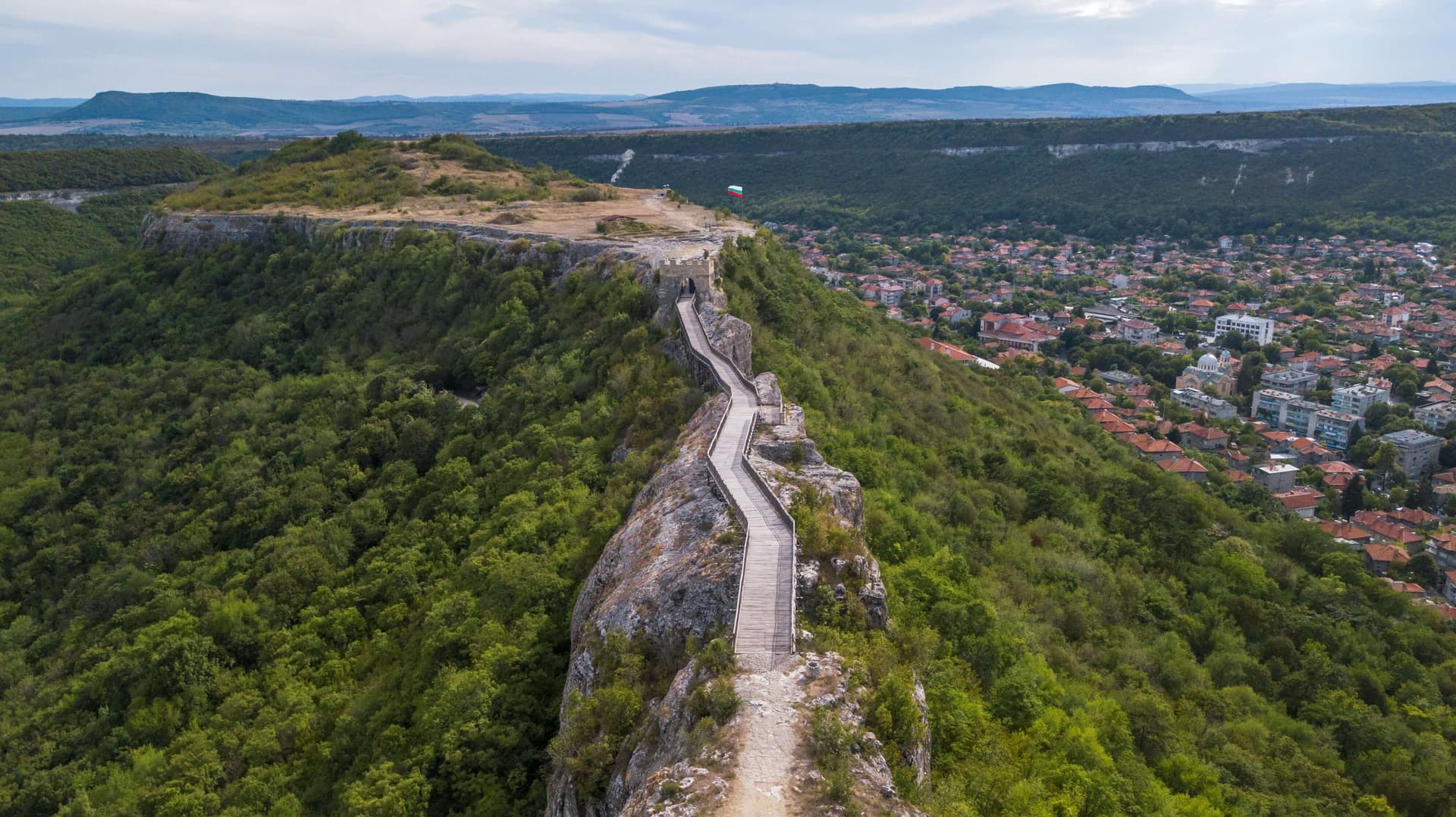
Bulgaria with Kids: A Family Travel Guide
How to pick a base by your children's ages, the drive times that make or break a family trip, which caves and beaches actually work with young kids, which ski resort suits which age, and rainy-day fallbacks.
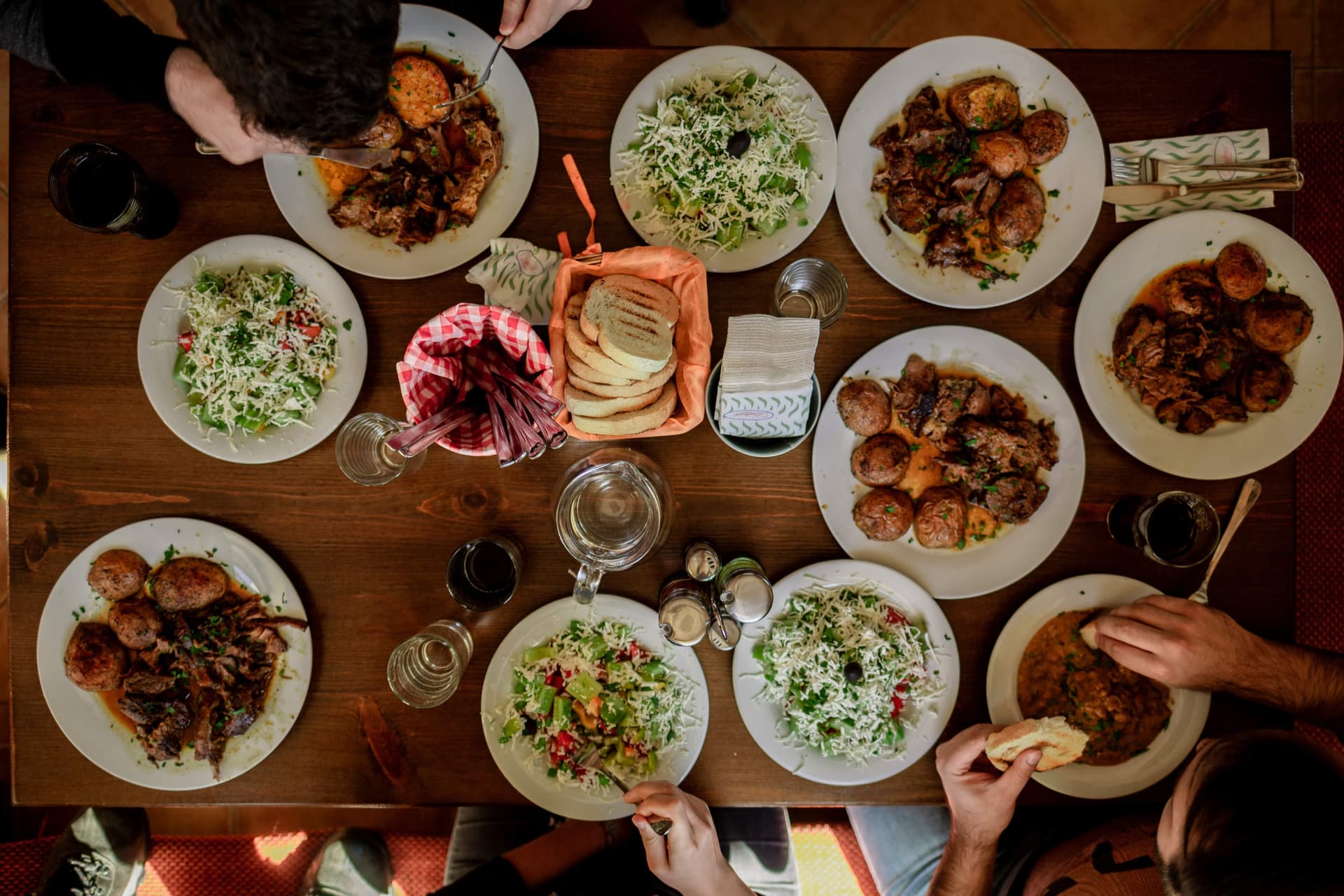
Bulgarian Food: The Dishes Worth Seeking Out
Shopska salad and rakia to open, banitsa from the bakery, the mixed grill, clay-pot stews and the fasting dishes that make the country quietly vegetarian-friendly.

Digital Nomad Guide to Bulgaria: Visa, Tax and Where to Base
Bulgaria's new digital nomad visa, the 10% flat tax, and how Sofia, Plovdiv and Bansko actually compare for remote work — internet, coworking, cost of living and community.