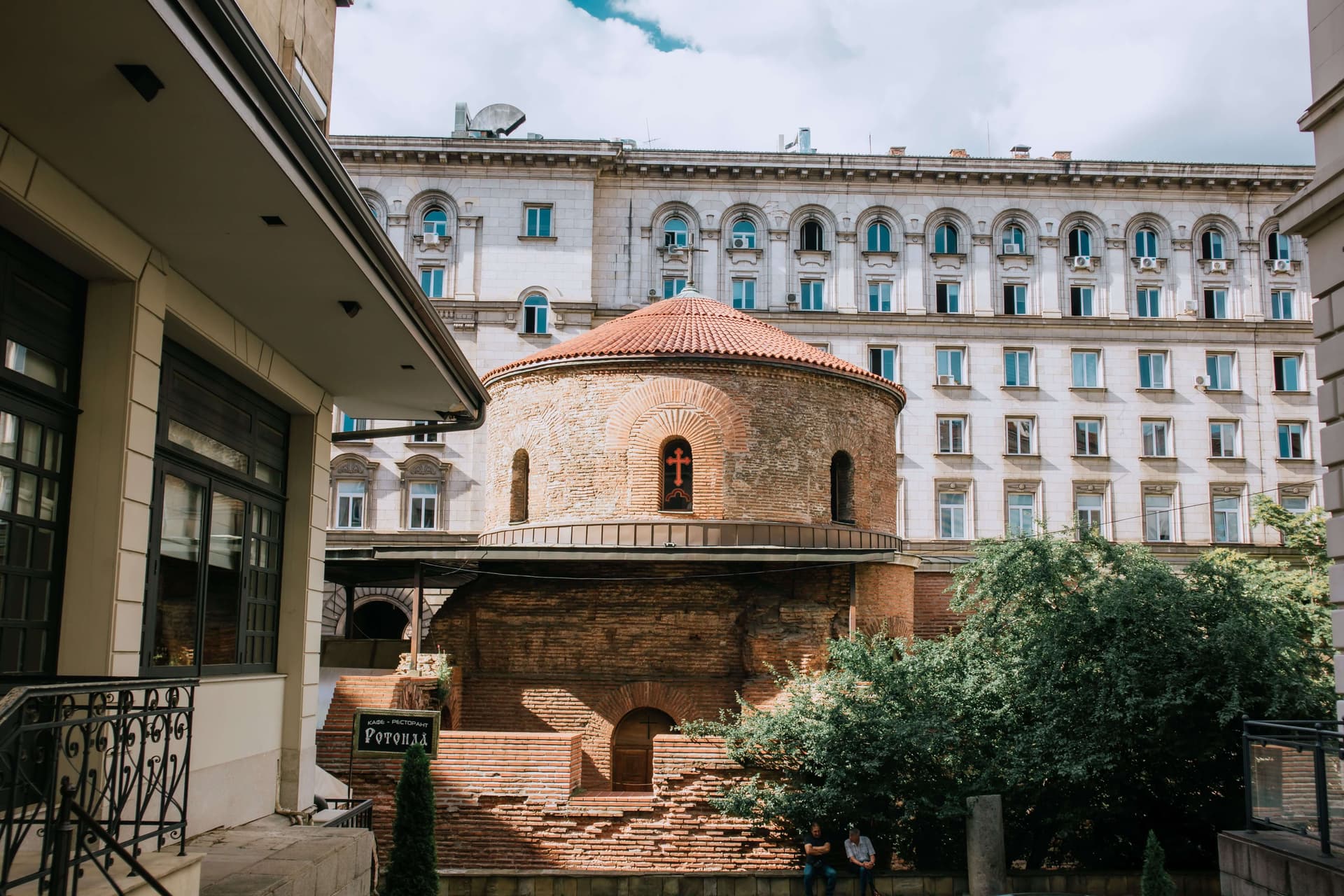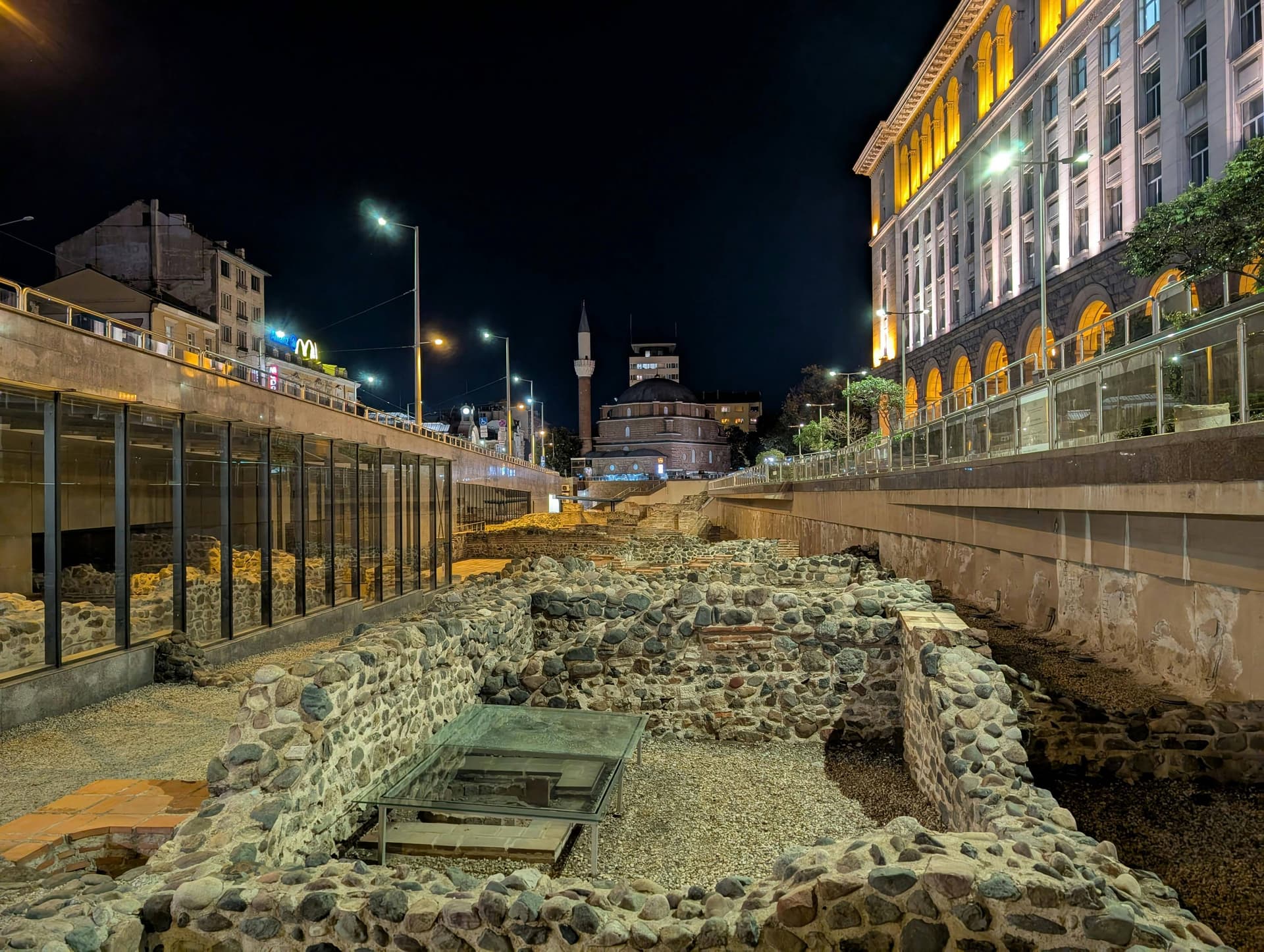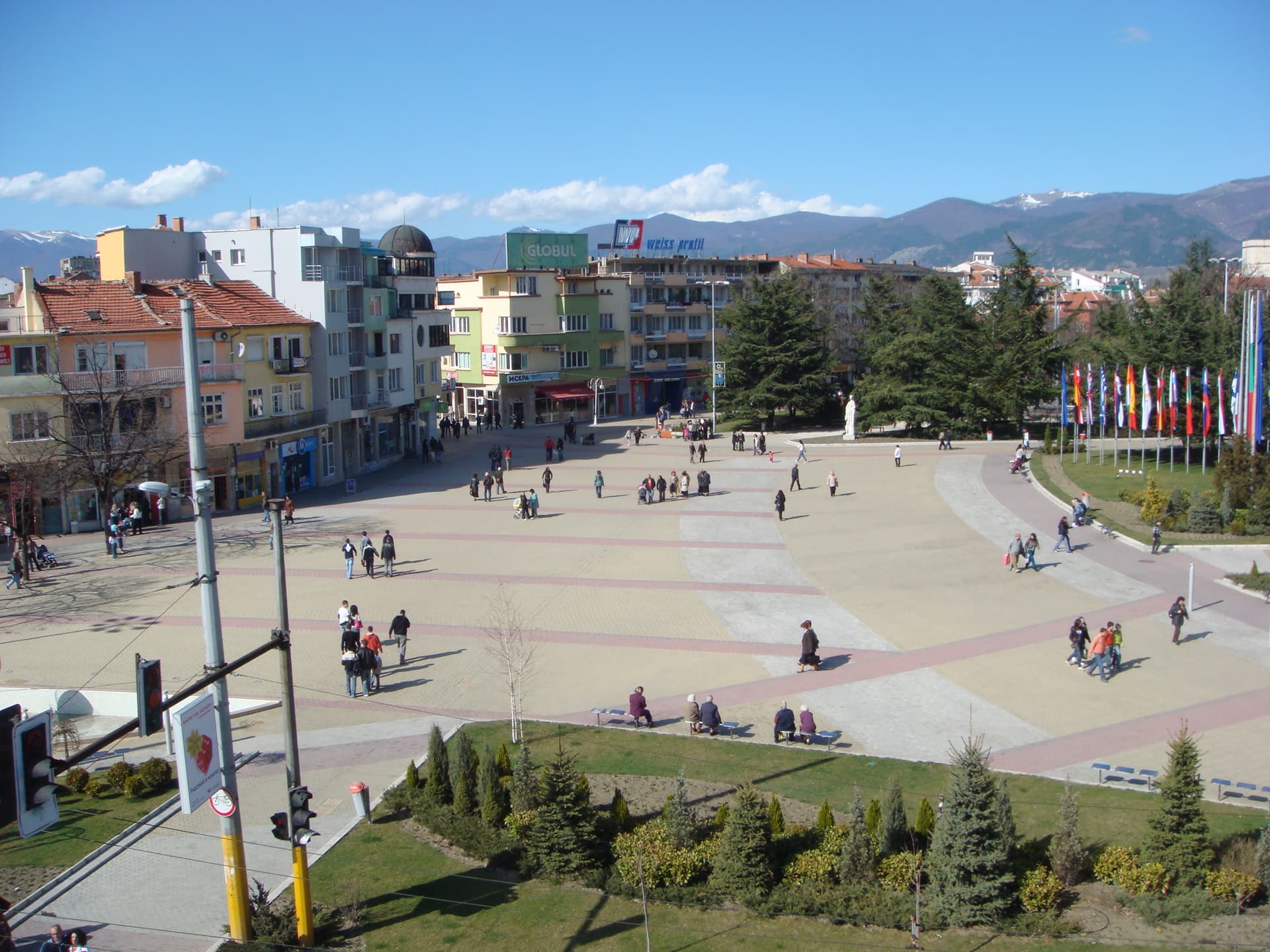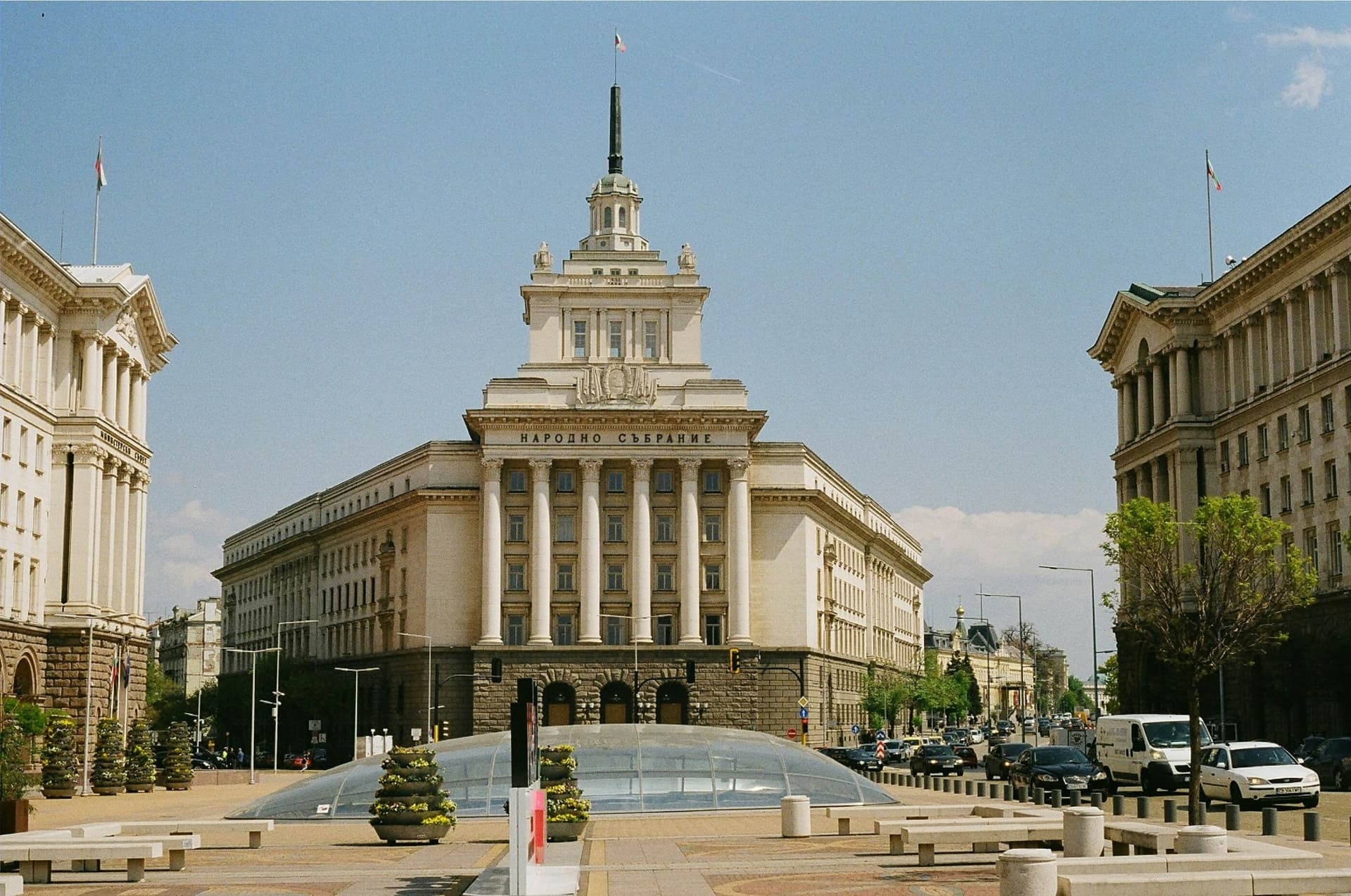
Sofia is the capital and largest city of Bulgaria, with about 1.2 million people, set in a high basin at the foot of Vitosha mountain in the west of the country. The headline sights – Alexander Nevsky Cathedral, the St Sofia basilica, the Rotunda of St George, ancient Serdica, Boyana Church and Vitosha – are covered with routes and timings in our guides below. This page is the background, and the places those guides skip.
The Roman city of Serdica, named Ulpia Serdica under Emperor Trajan, lies under today's centre. Ancient writers say Constantine the Great liked to call it "my Rome", and in 343 the city hosted a church council attended by bishops from across the empire. In the Middle Ages the Bulgarians called it Sredets. The name Sofia comes from the St Sofia church and came into use for the whole city in the 14th century. Sofia became the capital of modern Bulgaria in 1879, when it was still a small town.
Within a few hundred metres of each other in the centre stand the Orthodox church of St Nedelya, the Banya Bashi mosque, built in the 1560s and attributed to the Ottoman architect Mimar Sinan, the Sofia Synagogue, the largest on the Balkan Peninsula, and the Catholic cathedral of St Joseph. Locals call the area the square of tolerance.
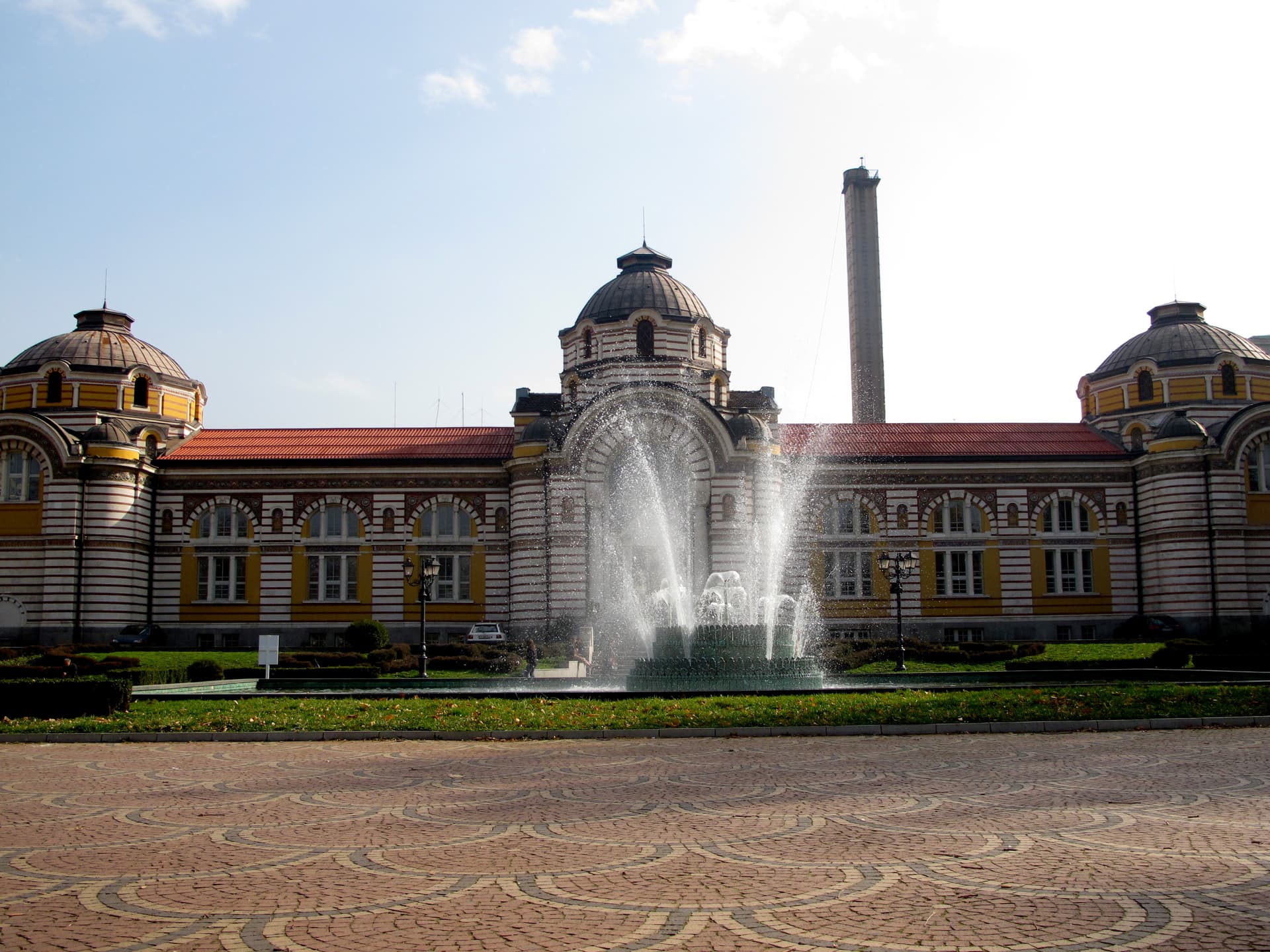
Sofia sits on thermal springs, and Banya Bashi means "many baths". Next to the mosque, the old Central Mineral Baths now house the Museum of Sofia History, and across the street public taps pour warm mineral water that locals collect in bottles.
The National Archaeological Museum occupies a 15th-century former mosque next to the Presidency. The National Gallery's Kvadrat 500 holds Bulgarian and foreign art. Both are within walking distance of the cathedral.
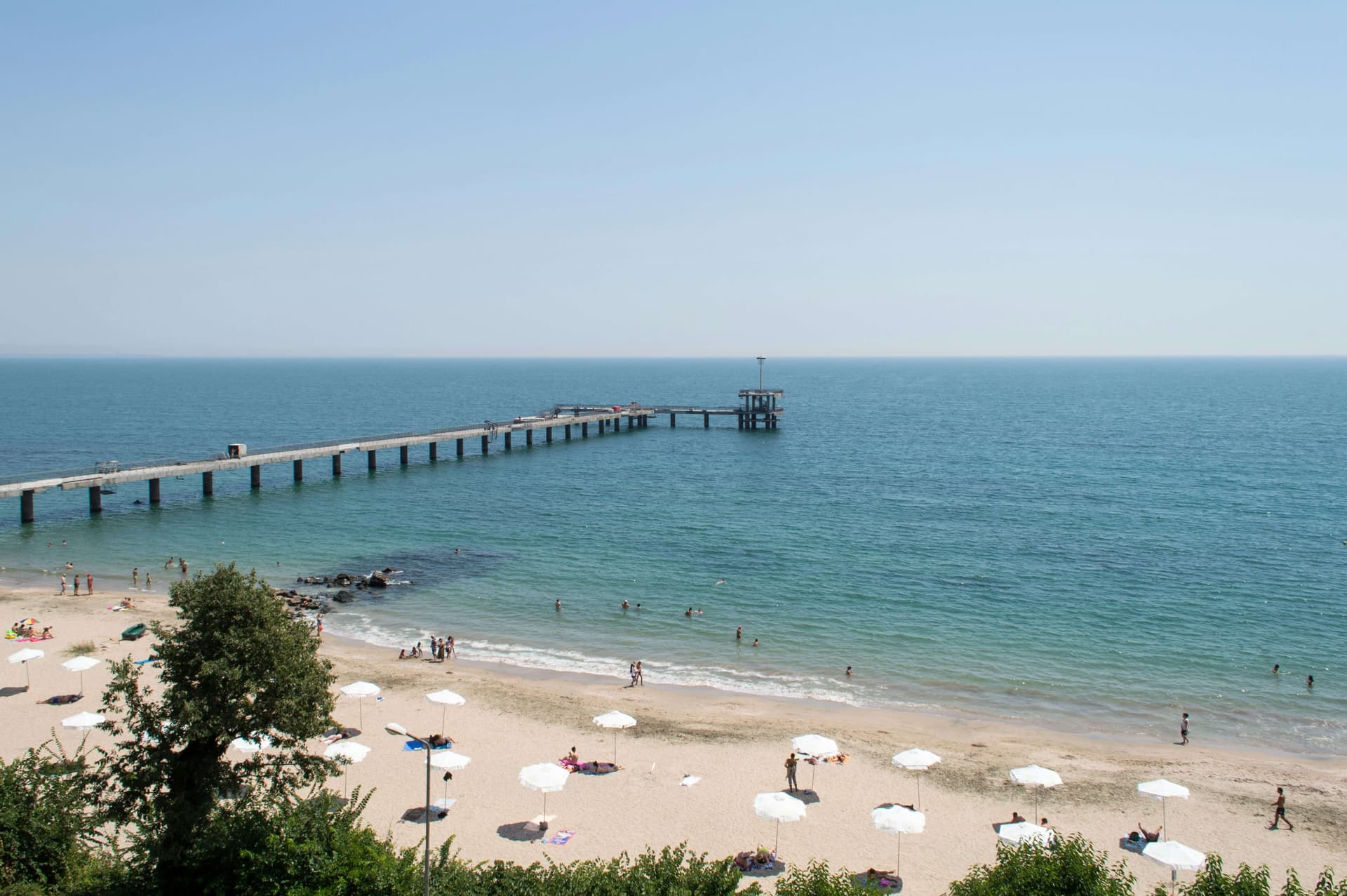
How to get around Burgas without a car: Burgasbus routes, the South and West terminals, buses to Sunny Beach and Nessebar, taxis and bike hire.
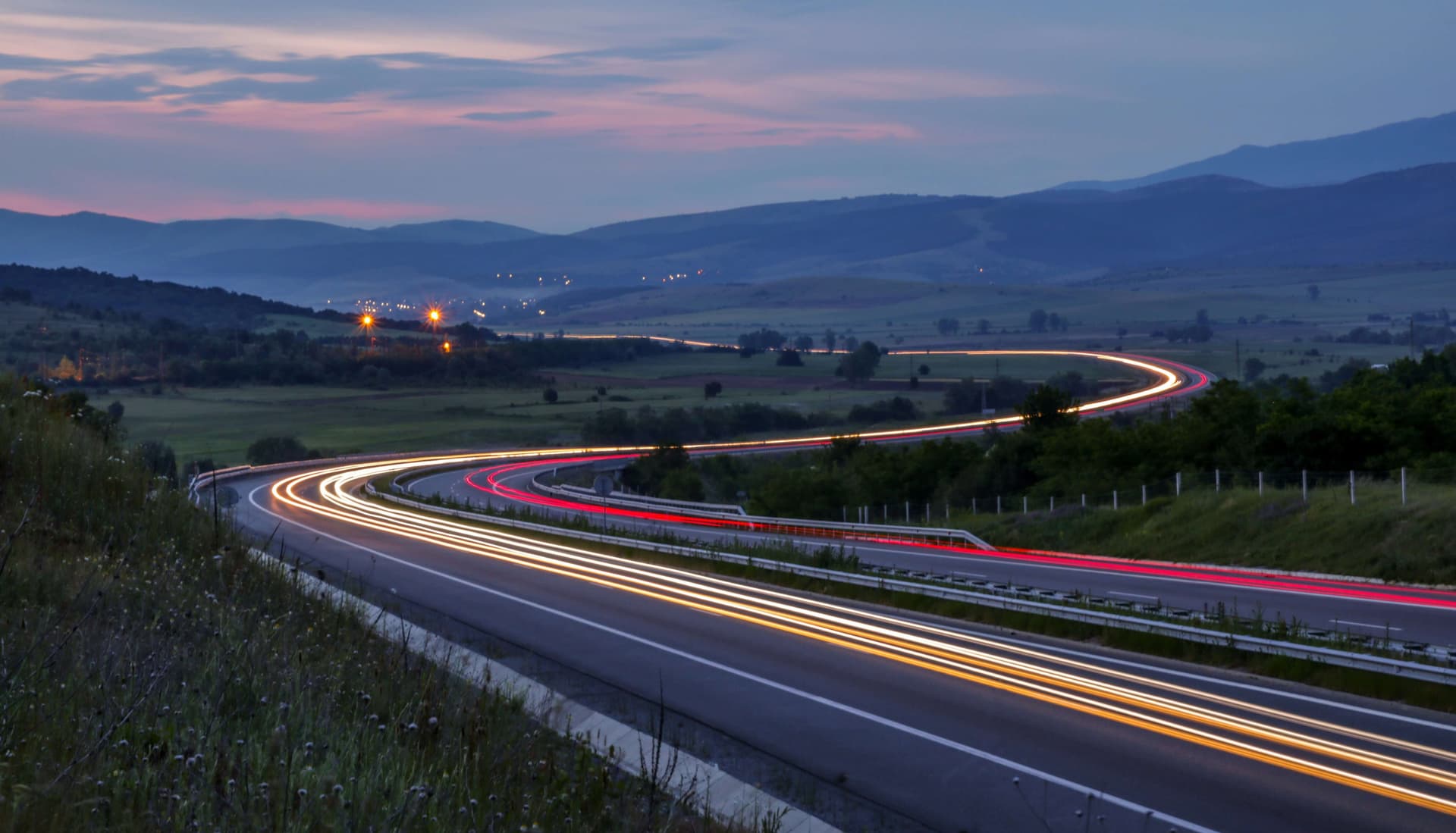
The best route to Burgas for Eurovision 2027: direct flights to Burgas Airport (BOJ), the Varna alternative, and trains or buses from Sofia.
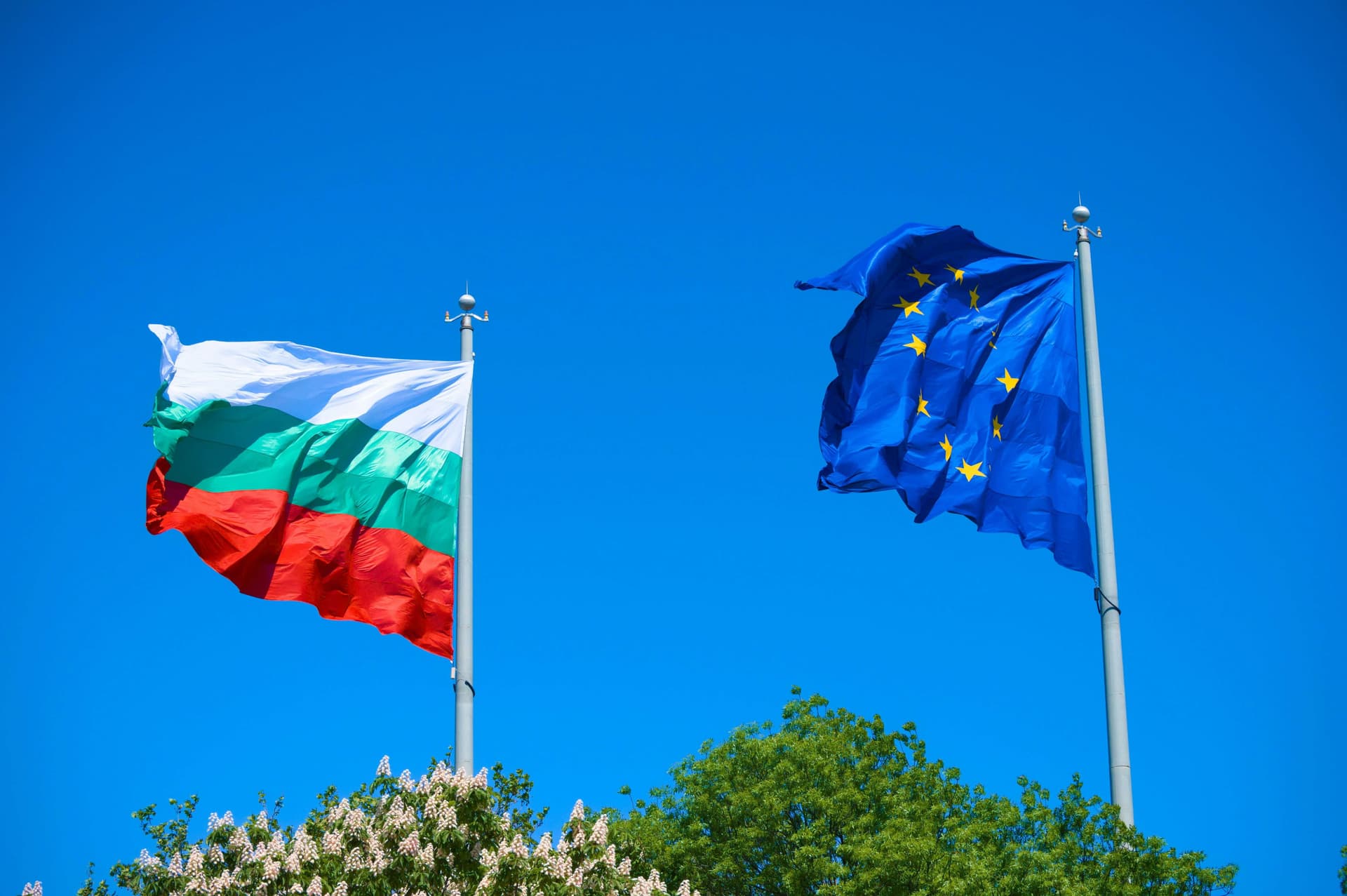
Bulgaria is a full Schengen member. Who needs a visa, how the 90/180 rule now applies, the biometric EES checks, and what ETIAS means for late 2026.
Sofia is located in Sofia City, Bulgaria.
Sofia is most easily reached by car. Use the coordinates above to navigate, or open the location in OpenStreetMap or your preferred maps app for turn-by-turn directions. Public transport options vary by region — for remote destinations a rental car gives the most flexibility.
Sofia can be visited year-round, but late spring (May–June) and early autumn (September–October) offer the most pleasant weather and fewer tourists. Summer is the busiest season; winter is the quietest, with shorter daylight and possible cold weather.
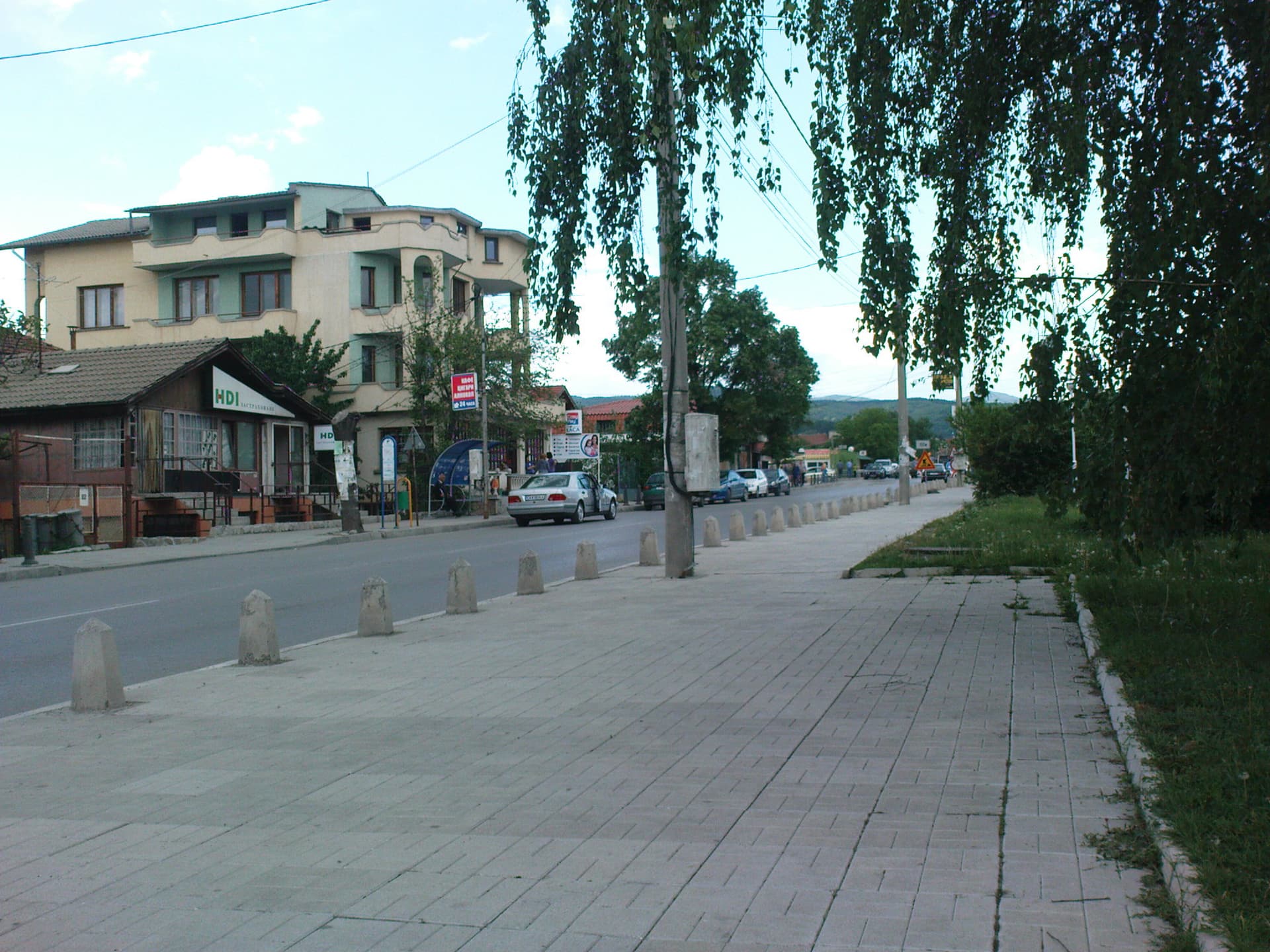
Bulgarian settlements typically reward unhurried walking — historic centres, churches and monasteries, local markets, and family-run restaurants serving regional dishes. Larger towns often have museums and seasonal cultural events. The local tourist information centre is a good first stop for current opening hours and what's on.