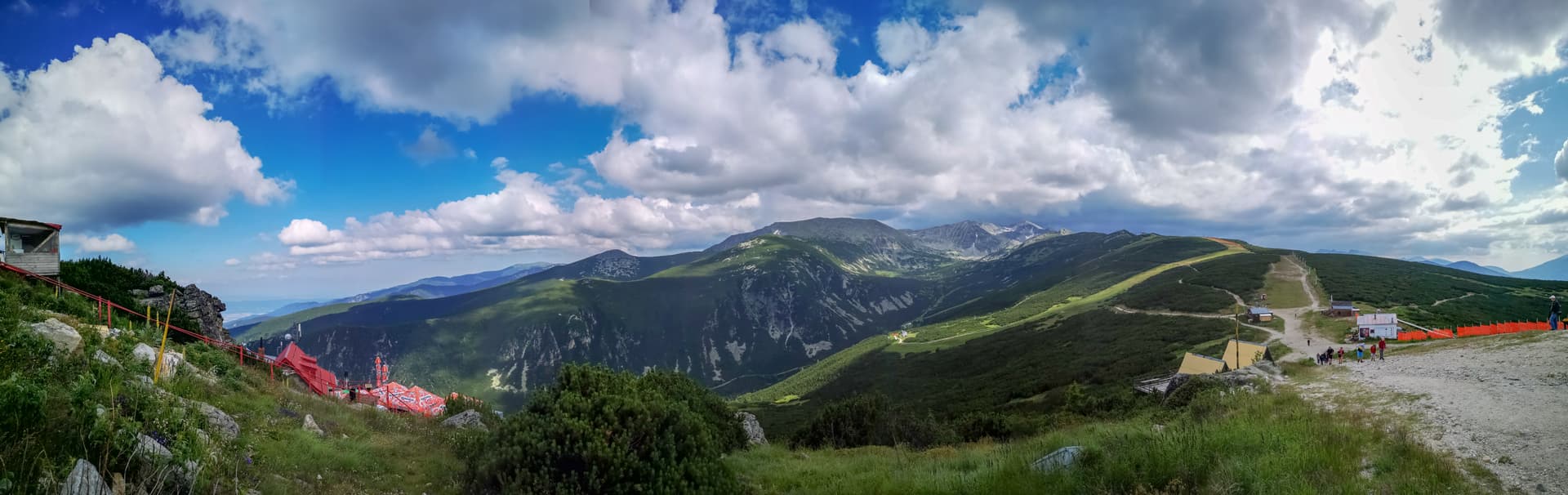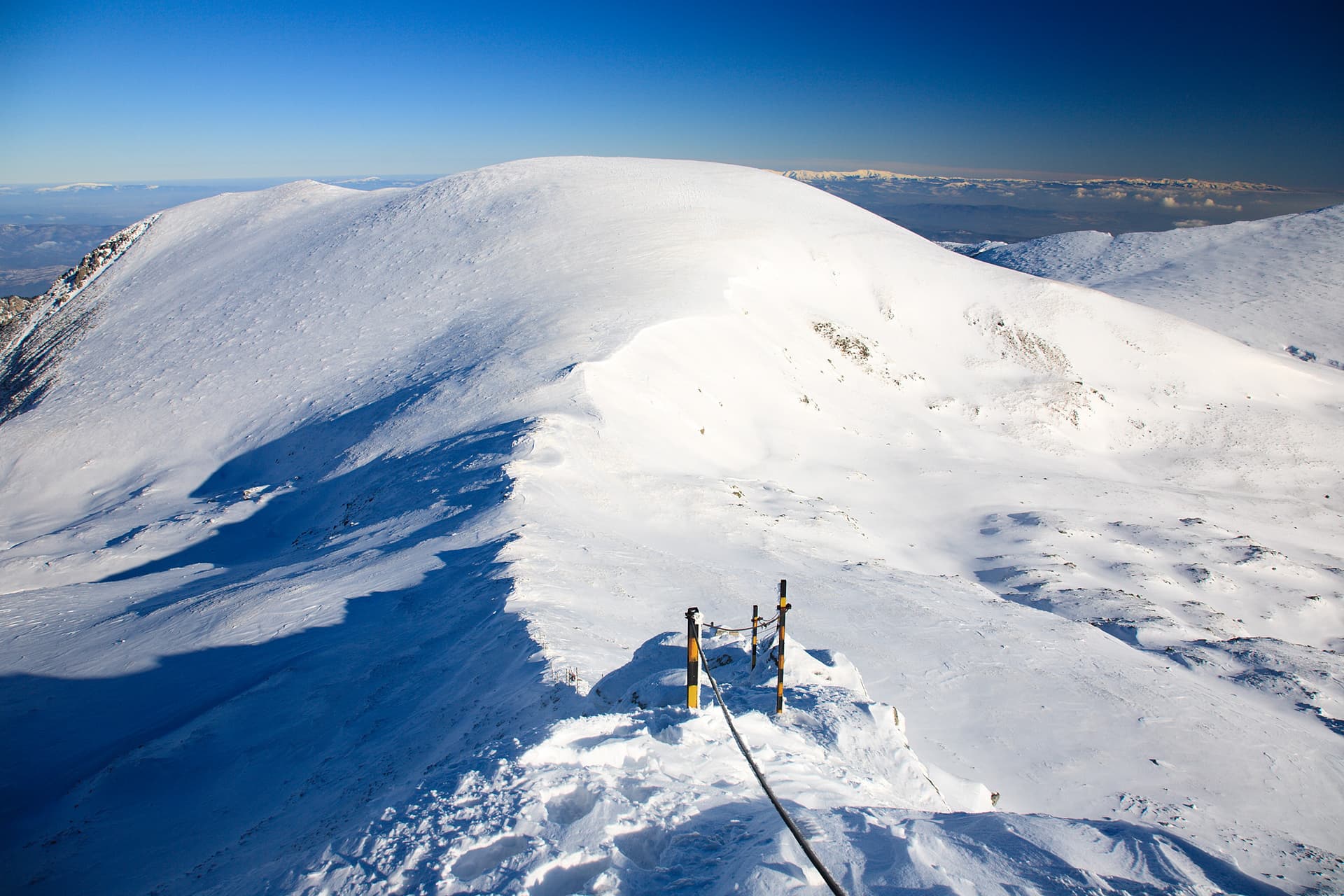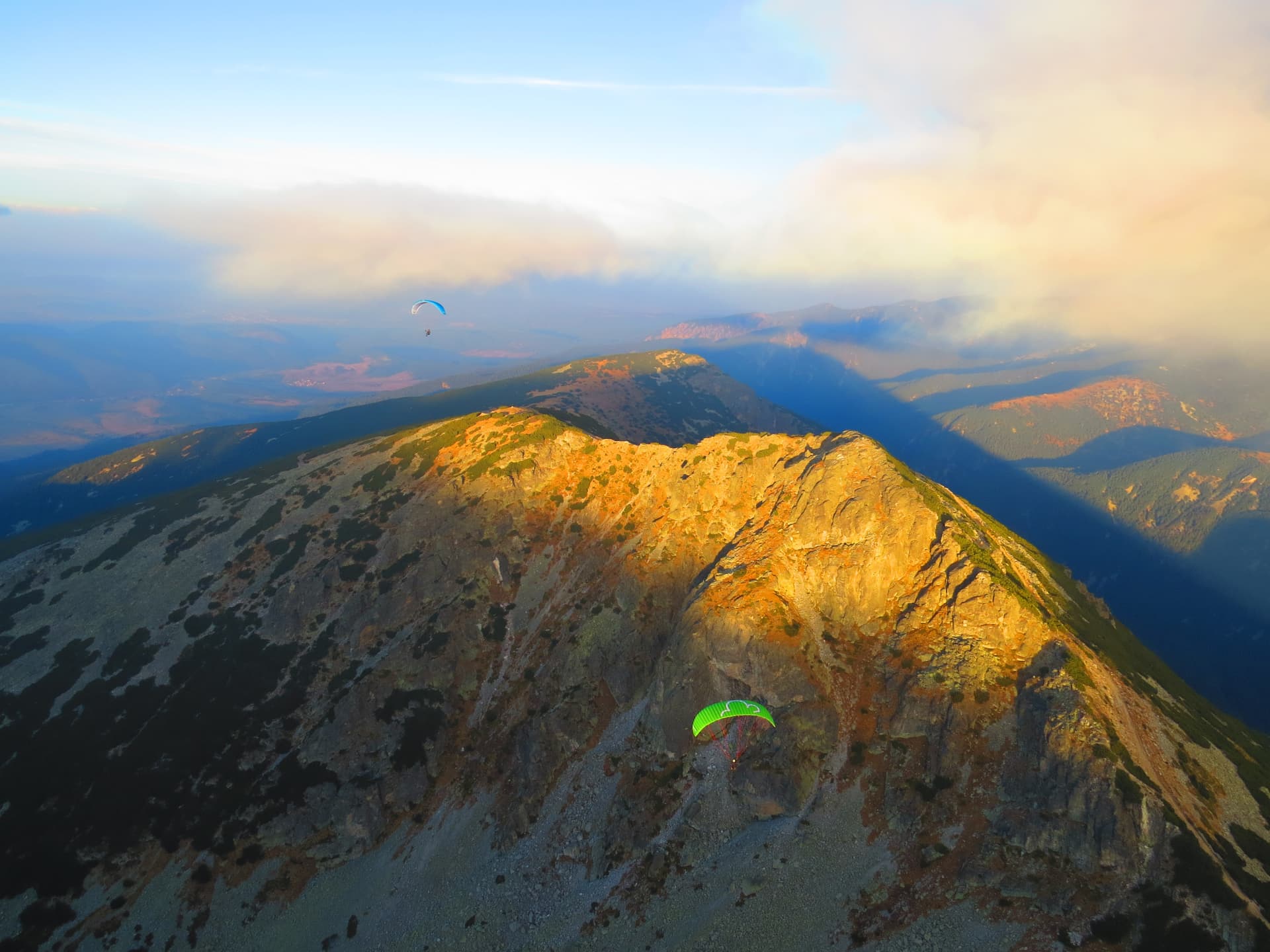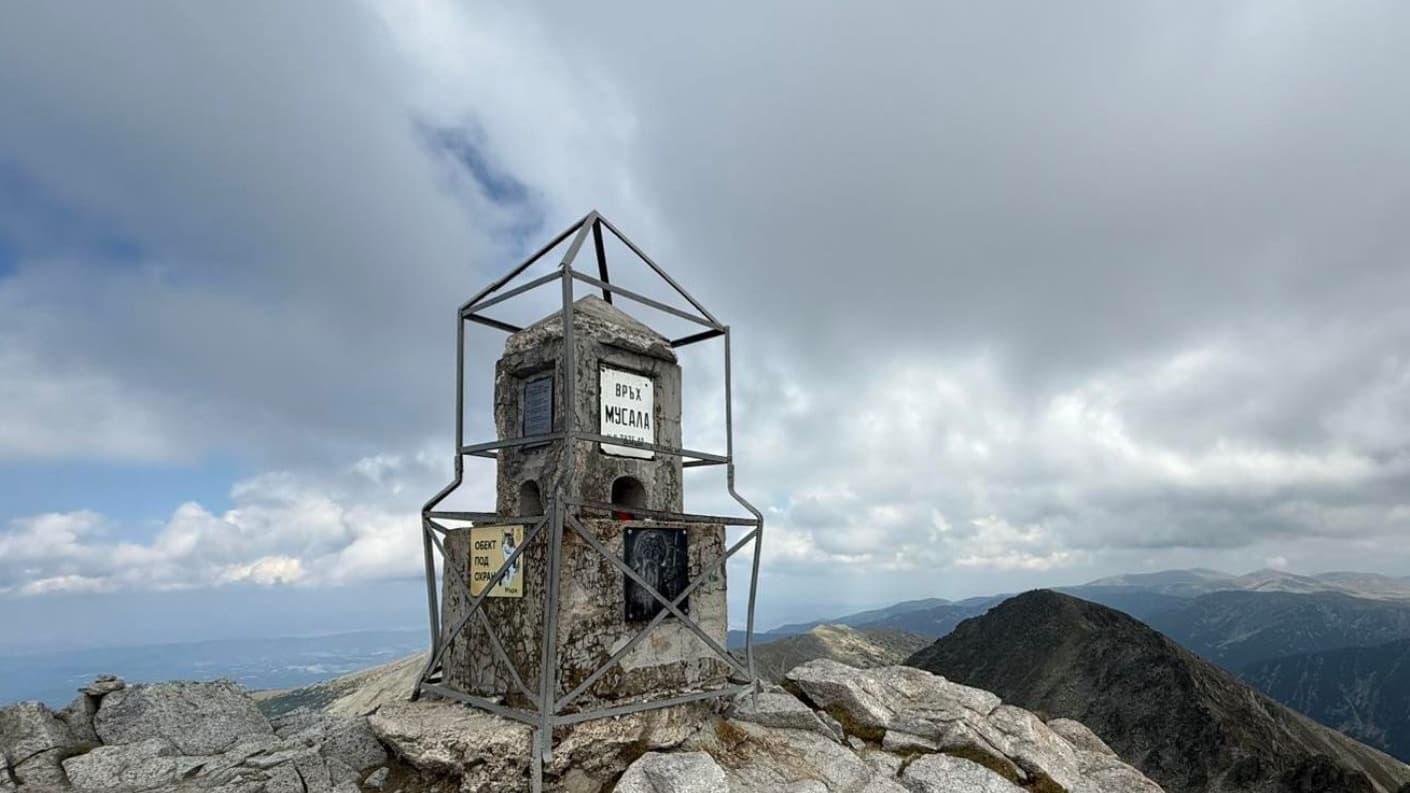
Musala Peak is the highest point in Bulgaria and the entire Balkan Peninsula. Standing at 2925 meters, it is 8 meters taller than Mount Olympus (Mytikas) in Greece and 11 meters higher than Vihren in the Pirin Mountains. Located in Eastern Rila, Musala is a masterpiece of granite ridges, glacial lakes, and alpine weather.
The name "Musala" most likely stems from Arabic, meaning "Close to God" or "Place for Prayer." Interestingly, between 1949 and 1962, the peak was officially named Mount Stalin.
Musala is the coldest place in Bulgaria, with a mean annual temperature of -2.9 °C.
The Classic Route (Easiest): From the Yastrebets gondola lift via Musala Hut and the "Ledeno Ezero" (Ice Lake) shelter. This is the most frequented trail, safe for general hikers during summer.
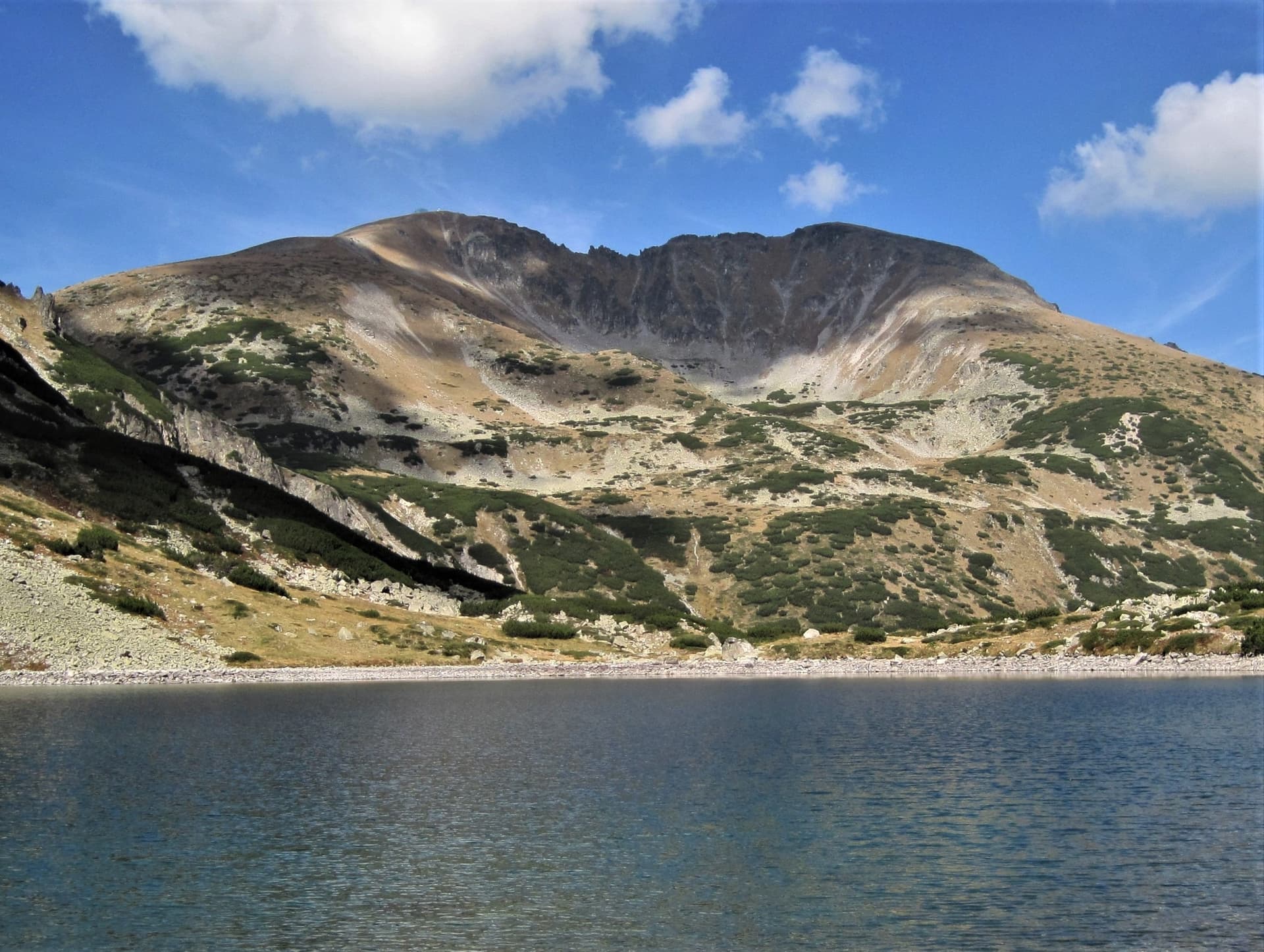
Sofia region
0.5 km away
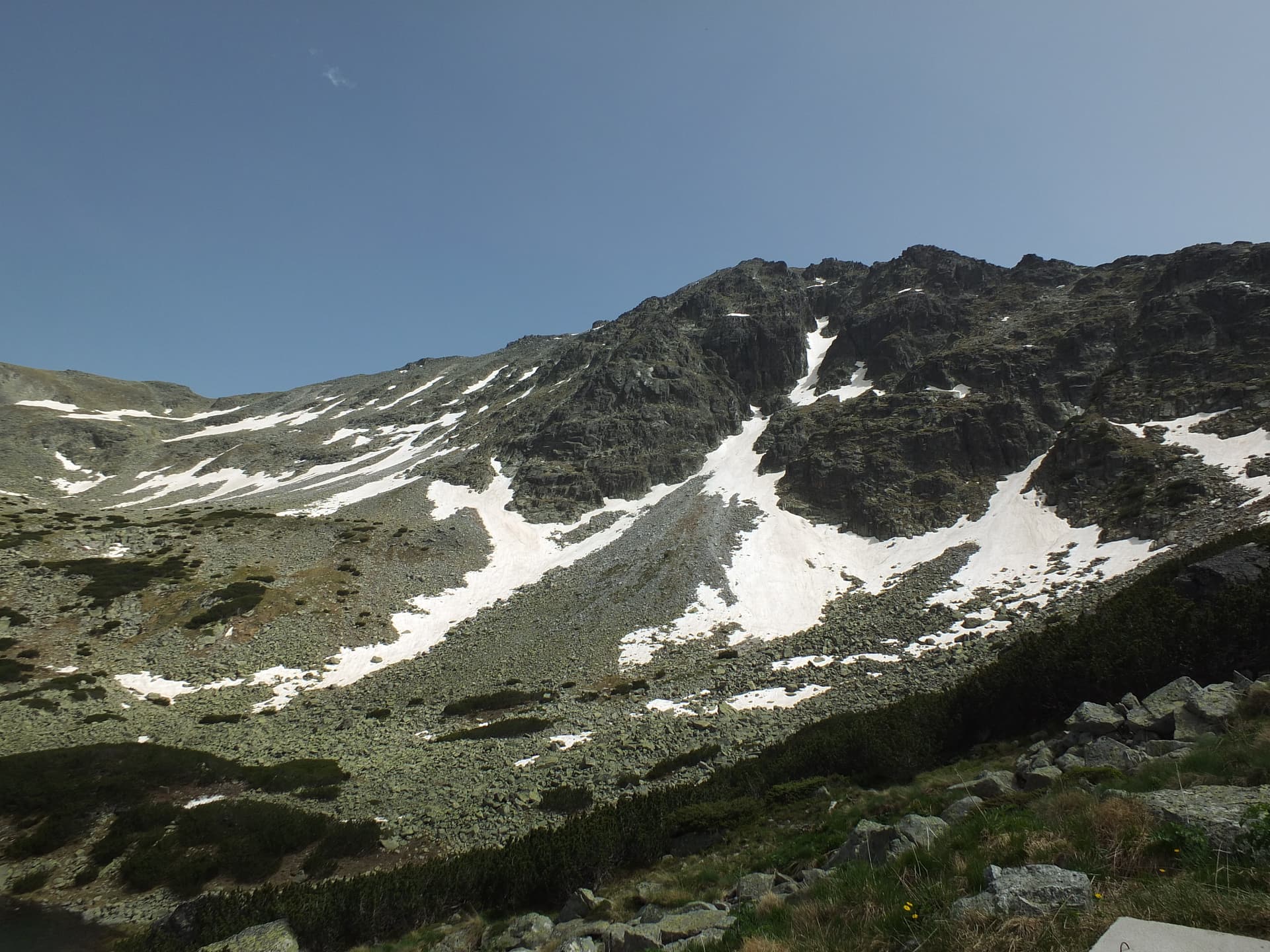
Sofia region
0.8 km away

Sofia region
1.4 km away
Sofia region
1.9 km away
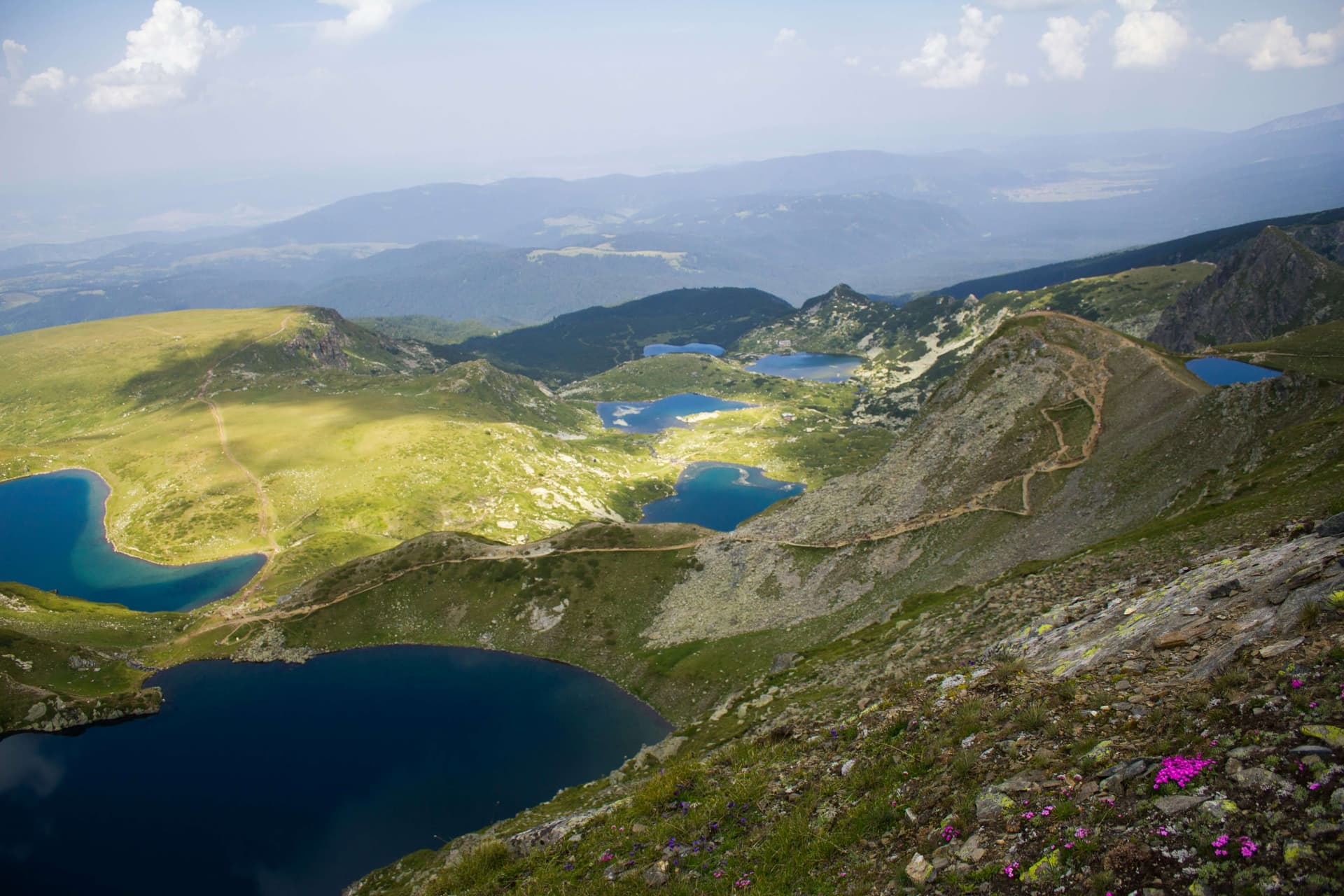
A guide to Bulgaria's three national parks and eleven nature parks — Rila, Pirin, Central Balkan, Vitosha, Vrachanski Balkan, Strandzha, Persina and the rest — what the categories mean and which to visit.
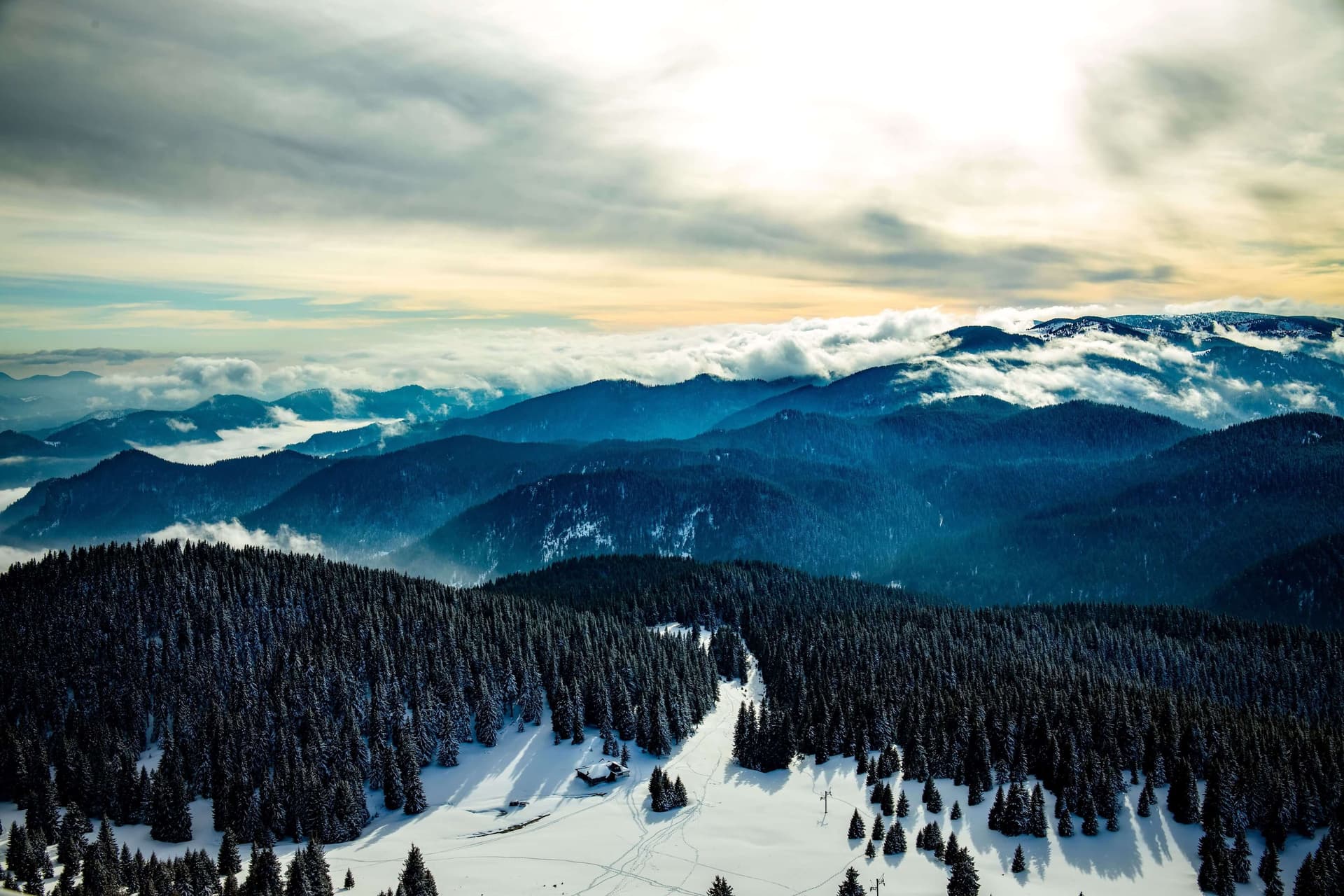
Which Bulgarian network to pick, whether you need a SIM at all as an EU visitor, eSIM options, passport rules, and where coverage actually drops.
The highest peak of every major Bulgarian mountain — Musala, Vihren, Botev and more, with elevations, difficulty, base towns and how to climb each.
Musala is located in Sofia Province, Bulgaria.
Musala is most easily reached by car. Use the coordinates above to navigate, or open the location in OpenStreetMap or your preferred maps app for turn-by-turn directions. Public transport options vary by region — for remote destinations a rental car gives the most flexibility.
Late spring through early autumn (May–September) is best for Musala, when trails are clear of snow and weather is most stable. Higher peaks may hold snow into June and see fresh snow as early as October. Winter visits are for experienced mountaineers with proper gear.
Musala reaches an elevation of 2,925 metres above sea level.
Hiking boots, layered clothing, water (1.5–2 L per person), sun protection, and a windproof jacket — mountain weather changes quickly. For longer routes also bring a map (paper or offline), a head torch, and emergency rations. Tell someone your planned route and expected return time.