

The 7 Highest Peaks of Bulgaria: A Summit-by-Summit Guide
In this guide▾
Bulgaria is one of the most mountainous countries in Europe, and its high country is far more dramatic than its beach reputation suggests. Seven distinct ranges rise above 2,000 meters, and each is crowned by its own highest peak — its "purvenets" in Bulgarian — from the glacier-carved granite of Rila to the white marble spires of Pirin.
Bagging the highest summit of every major mountain is a well-loved Bulgarian hiking tradition, and it makes a perfect roadmap for anyone planning a peak-focused trip. This guide ranks the seven highest, tells you what each climb involves, how hard it is, and where to start — with links to full route guides for the flagships.
⛰️ Bulgaria's Mountain Giants
Rila and Pirin, in the country's southwest, are the true alpine ranges — sharp ridges, cirque lakes and summits close to 3,000 meters. The Balkan Mountains (Stara Planina) sweep right across the country from the Serbian border to the Black Sea and give the Balkan Peninsula its name. Vitosha rises straight above Sofia, making its summit one of the most accessible big hikes in Europe, while the rolling Rhodopes, border-straddling Osogovo and remote Slavyanka round out the 2,000-meter club.
The peaks below are ranked by height. Difficulty ratings assume the normal summer route in good weather — every one of these becomes a serious winter mountaineering objective under snow.
📊 The Seven Highest Peaks at a Glance
| Peak | Mountain | Elevation | Difficulty (summer) | Base town |
|---|---|---|---|---|
| Musala | Rila | 2,925 m | Moderate (with lift) | Borovets |
| Vihren | Pirin | 2,914 m | Strenuous | Bansko |
| Botev | Stara Planina (Balkan) | 2,376 m | Strenuous, long | Kalofer |
| Cherni Vrah | Vitosha | 2,290 m | Easy–moderate | Sofia (Aleko) |
| Ruen | Osogovo | 2,251 m | Moderate | Kyustendil |
| Gotsev Peak | Slavyanka | 2,212 m | Moderate–strenuous | Petrich |
| Golyam Perelik | Rhodopes | 2,191 m | Moderate (restricted) | Smolyan |
🏔️ The Peaks, One by One
1. Musala — 2,925 m (Rila)
The roof of the Balkans. Musala is the highest point not just in Bulgaria but on the whole Balkan Peninsula, and the highest anywhere between the Alps and the Caucasus. Despite that, it's surprisingly attainable: the Yastrebets gondola from Borovets lifts you above 2,300 meters, leaving a strenuous but non-technical walk past a chain of glacial lakes to the top. It's the natural first ambition for any peak-bagger in Bulgaria — see our full guide to climbing Musala.
2. Vihren — 2,914 m (Pirin)
Vihren is the white marble ruler of Pirin, just 11 meters shy of Musala and a far more demanding climb. The standard route from the Vihren hut gains almost a kilometer of height over steep, pale limestone, and the adjacent Koncheto knife-edge ridge is one of the most spectacular — and exposed — traverses in the country. Full details in our Vihren & Koncheto guide.
3. Botev — 2,376 m (Stara Planina)
The highest point of the Balkan Mountains, deep in Central Balkan National Park above the town of Kalofer. Botev Peak is a long, committing hike rewarded by wild high meadows and, on its northern flank, Raysko Praskalo — at around 125 meters the highest waterfall in the Balkans. A weather station marks the windswept summit.
4. Cherni Vrah — 2,290 m (Vitosha)
Sofia's own mountaintop and the easiest big summit in the country. Cherni Vrah sits at the top of Vitosha, the forested massif that rises straight above the capital. A road and a chairlift climb most of the way to the Aleko hut, from where the rounded summit is a short, popular walk — busy on weekends and doable year-round.
5. Ruen — 2,251 m (Osogovo)
The high point of the Osogovo massif on the North Macedonian border, southwest of Kyustendil. Ruen is a quiet, grassy summit reached on gentle ridge walks from the Osogovo huts — a rewarding, low-crowd objective for hikers who want big views without the alpine seriousness of Rila or Pirin. Kyustendil is the natural base — see our Kyustendil weekend guide.
6. Gotsev Peak — 2,212 m (Slavyanka)
The remote crown of the Slavyanka range (also known as Alibotush) hard on the Greek frontier in Bulgaria's far southwest. Gotsev Peak is one of the least-visited high peaks, famed for the ancient Macedonian pine forests on its slopes and a genuine sense of wilderness. Expect a long approach and little infrastructure.
7. Golyam Perelik — 2,191 m (Rhodopes)
Golyam Perelik is the highest point of the vast Rhodope Mountains near Smolyan and the Pamporovo ski area. Note that the true summit carries a military and telecommunications installation, so access to the very top is restricted; hikers typically enjoy the neighbouring ridges and the softer, forested Rhodope scenery instead.
🥾 Which Peak Should You Climb?
- First high summit / short on time: Cherni Vrah above Sofia, or Musala using the Borovets gondola — both give you a genuine 2,000-meter-plus peak without technical climbing.
- A serious hiking challenge: Vihren for the steep marble ascent, or Botev for a long, wild day in the Balkan Mountains.
- Exposure and adventure: the Koncheto ridge beside Vihren — a cabled knife-edge for experienced, sure-footed hikers only.
- Solitude: Gotsev Peak or Ruen, far from the crowds.
If you're building a mountain itinerary, pair the peaks with Rila's flagship day hike, the Seven Rila Lakes — the same massif as Musala and an easier warm-up at altitude.
🗓️ When to Go & Staying Safe Up High
The reliable hiking season for all of these summits is mid-July to late September, when the high trails are largely clear of snow and the mountain huts and lifts are running. June often still holds snow on the highest ridges, and by October winter is returning.
Bulgaria's high peaks are real mountains, and the weather turns fast:
- Start early. Afternoon thunderstorms are common; aim to be off exposed summits and ridges by early afternoon.
- Pack for all seasons. Even in August, carry warm and windproof layers, rain protection, sun cover, plenty of water, and food — there's little shelter above the huts.
- Check conditions and hut/lift status before you set out; opening dates and hours change year to year.
- Don't underestimate winter. From roughly October to June these are full mountaineering routes requiring crampons, an ice axe and avalanche awareness — not summer hikes with snow on them.
Bulgaria's summits are its best-kept secret — seven mountains, seven crowns, and hiking that rivals anywhere in the Balkans. Start with Musala and Vihren, and keep planning your mountain adventure with Mestala.com.
This guide covers 8 places
Want more Mestala in your Google results?
Add mestala.com as a preferred source and our guides will show up more often when you search. Requires a Google account.
Frequently Asked Questions
What is the highest peak in Bulgaria?▾
Musala, at 2,925 meters, is the highest peak in Bulgaria — and the highest on the entire Balkan Peninsula, higher than Greece's Mount Olympus. It stands in the Rila Mountains and is most easily climbed from the Borovets resort using the Yastrebets gondola.
How many mountains in Bulgaria have peaks over 2,000 meters?▾
Several of Bulgaria's ranges rise above 2,000 meters, including Rila, Pirin, Stara Planina (the Balkan Mountains), Vitosha, the Rhodopes, Osogovo and Slavyanka. Rila and Pirin are the highest and most alpine; each of these ranges has a distinct highest peak — its 'purvenets' — which together make a classic Bulgarian hiking challenge.
What is the easiest high peak to climb in Bulgaria?▾
Cherni Vrah (2,290 m), the summit of Vitosha right above Sofia, is the most accessible — you can drive or take a chairlift most of the way and walk up in a couple of hours. Musala is also achievable for fit beginners thanks to the Borovets gondola, though the final section is a serious high-mountain climb.
Which is harder, Musala or Vihren?▾
Vihren is the tougher climb. Musala has a gondola that lifts you to about 2,370 m, leaving a strenuous but non-technical walk to the top. Vihren's standard route gains nearly a kilometer of height on foot from the Vihren hut over steep, rocky marble terrain, and the neighbouring Koncheto ridge is genuinely exposed and for experienced hikers only.
When is the best time to climb Bulgaria's high peaks?▾
Mid-July to late September is the safe hiking window, when the high trails are largely snow-free and huts and lifts are open. Snow can linger on the highest summits into July and returns in October. Outside summer these peaks are full winter mountaineering objectives that demand crampons, an ice axe and avalanche awareness.
Can you drive to the top of any Bulgarian peak?▾
You cannot drive to the true summits — the highest are inside national parks with foot-access only. But you can get close by vehicle or lift: a road climbs to the Vihren hut below Vihren, the Yastrebets gondola serves Musala, and a chairlift runs up Vitosha toward Cherni Vrah.
You might be interested in
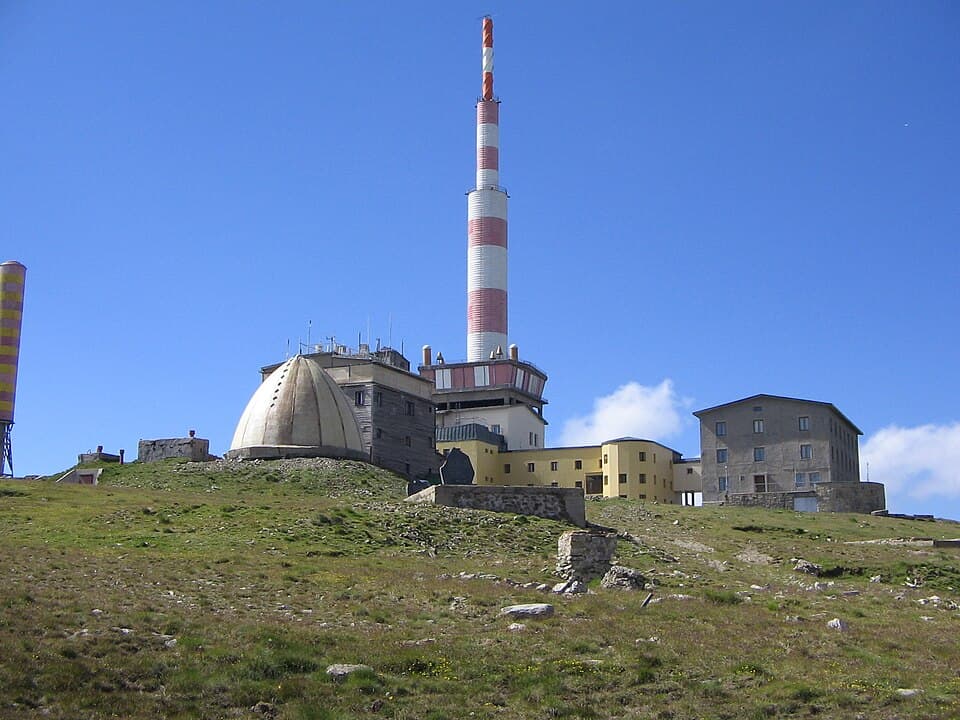
Botev Peak & Raysko Praskalo: Hiking the Central Balkan
How to hike Botev Peak (2,376 m), the highest summit of the Balkan Mountains, from Kalofer — past Raysko Praskalo, the highest waterfall in the Balkans.
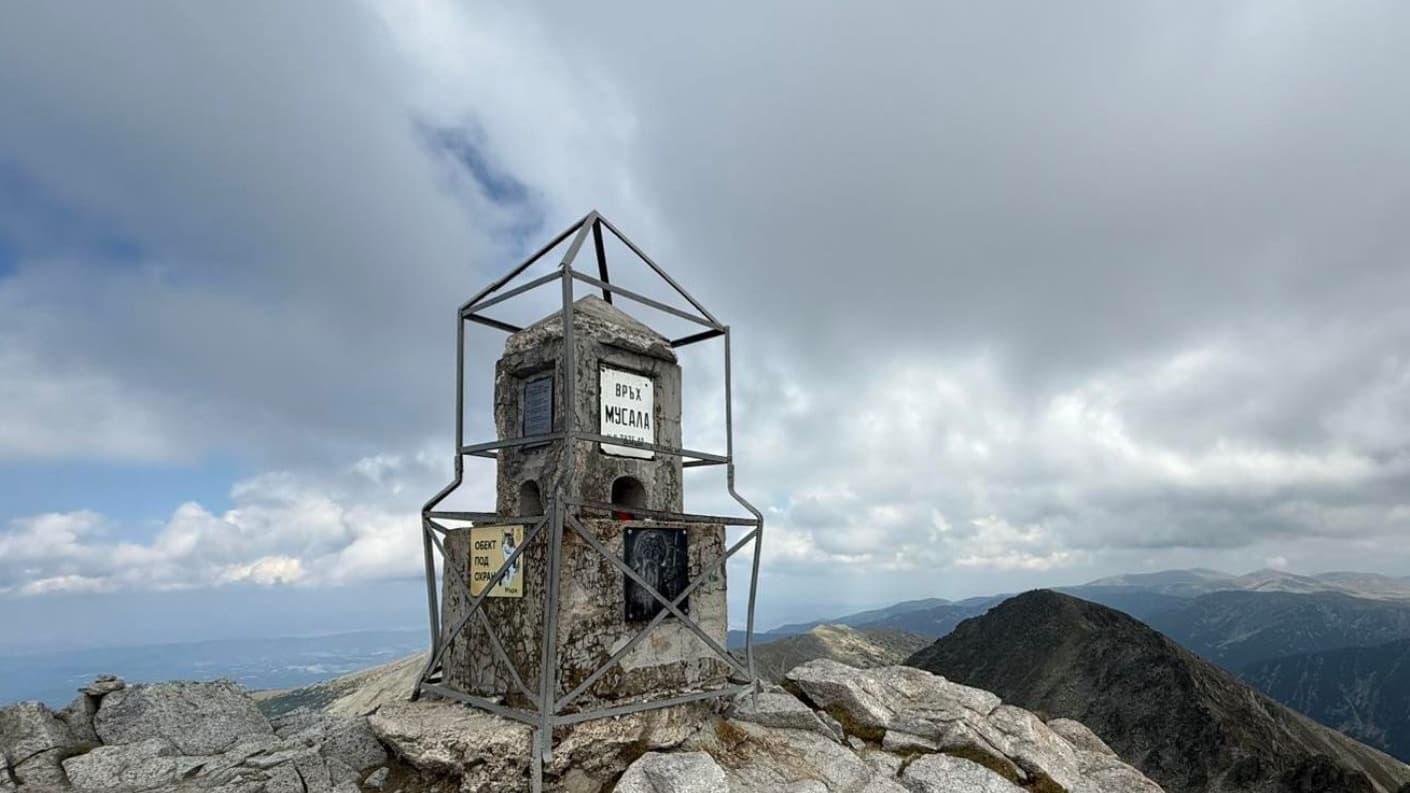
Climbing Musala: Bulgaria's & the Balkans' Highest Peak
How to climb Musala (2,925 m), the highest peak in Bulgaria and the Balkans: the Borovets gondola, the route, huts, distances, season and what to pack.

Vihren & Koncheto: Hiking Pirin's Marble Summit
How to climb Vihren (2,914 m), Bulgaria's second-highest peak, from Bansko — the route, the fearsome Koncheto ridge, huts, season and what to pack.

Cherni Vrah: Hiking Vitosha's Summit from Sofia
How to hike Cherni Vrah (2,290 m), the summit of Vitosha above Sofia — the route from Aleko, bus 66, the lifts that still run, difficulty, and season.