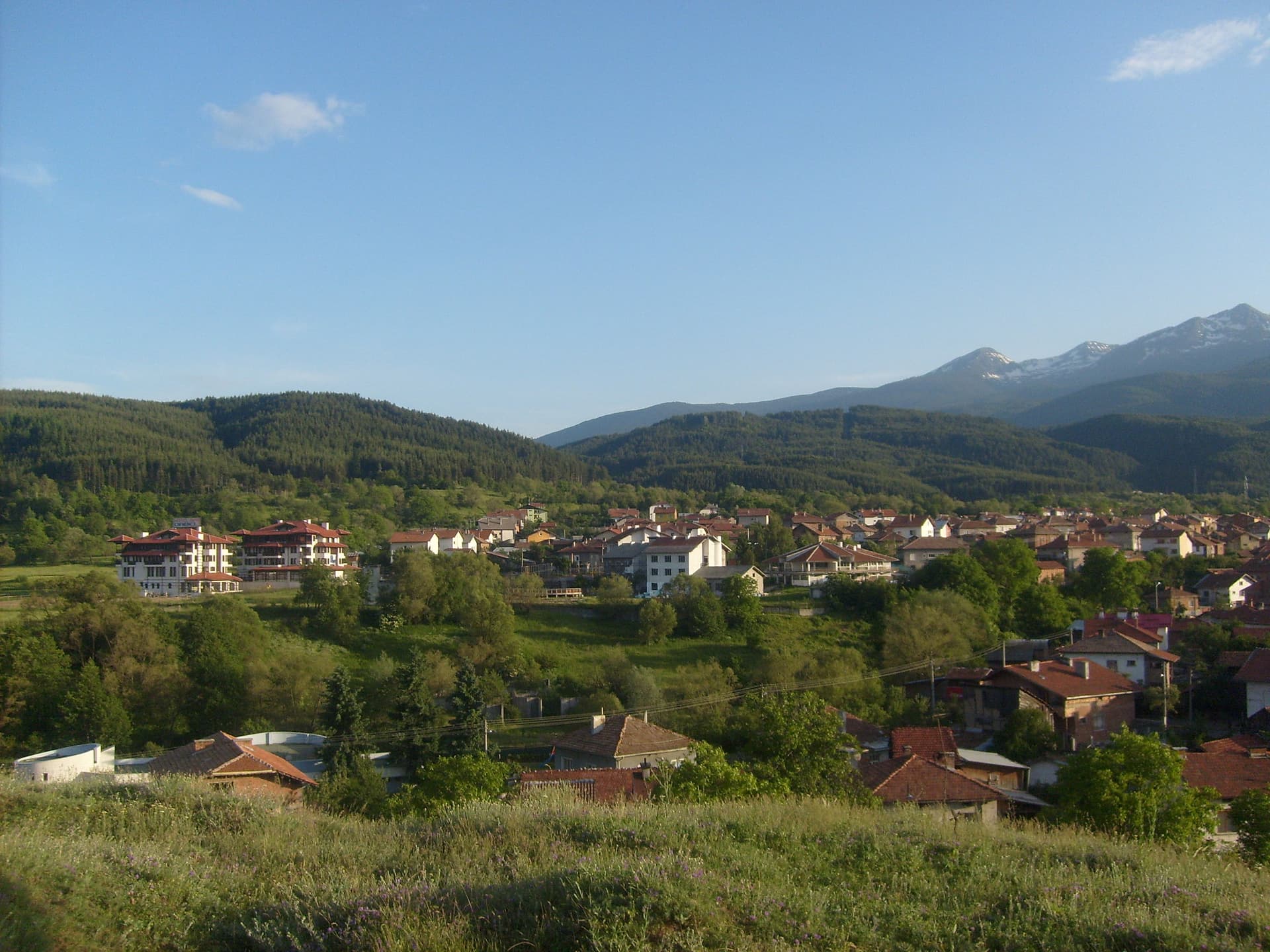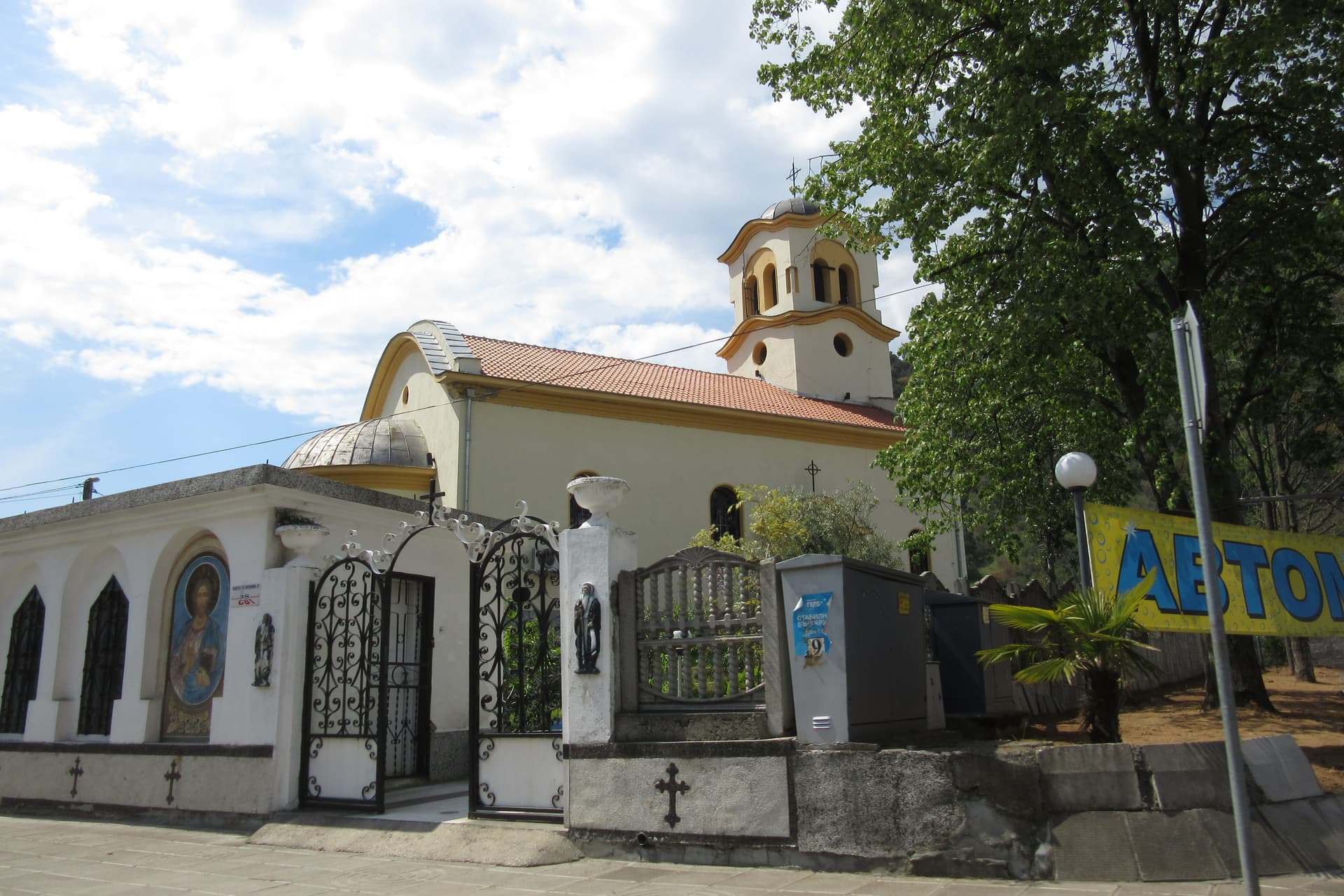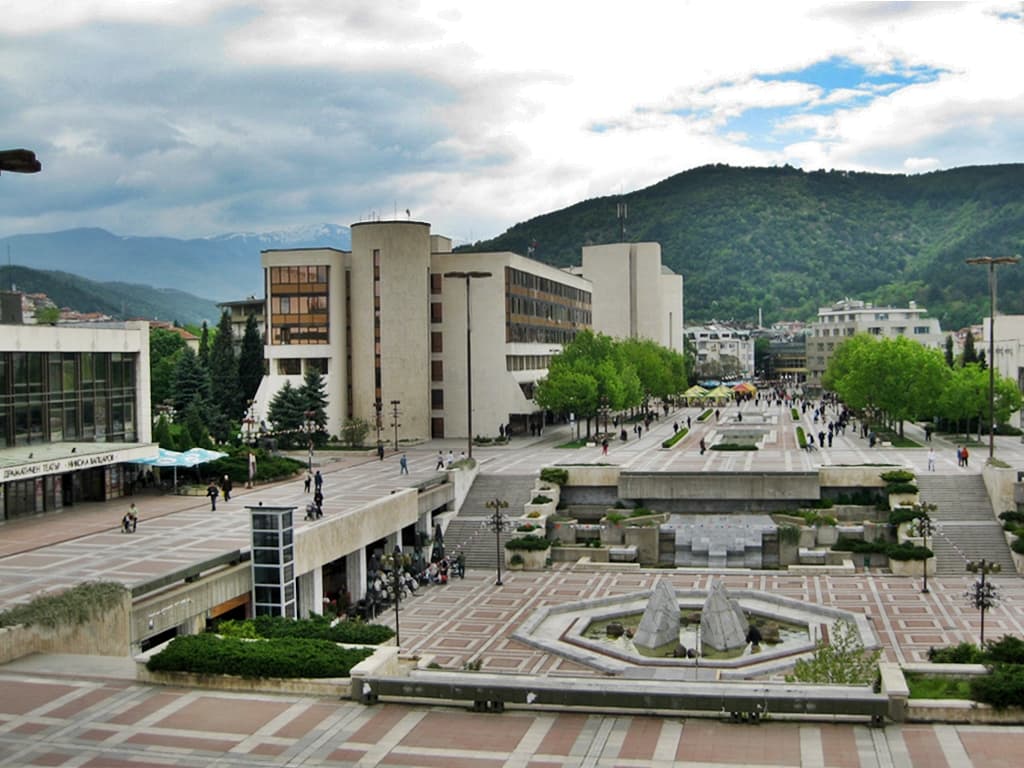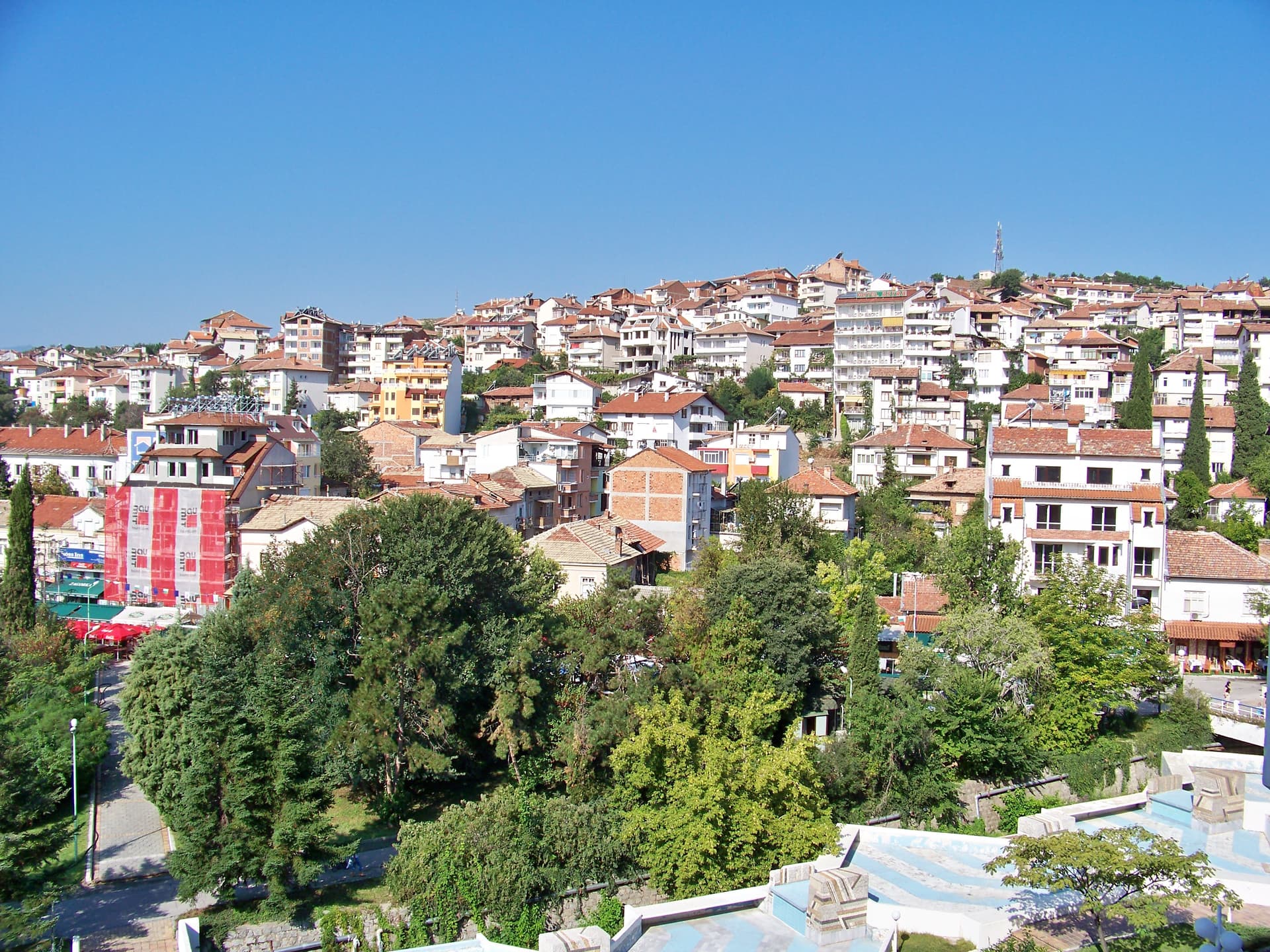
Amphitheatrically nestled on the southwestern slopes of the Pirin Mountains along the Sandanska Bistritsa River, Sandanski is the warmest and sunniest town in Bulgaria. Internationally celebrated as a premier balneology and SPA resort, the city offers an unparalleled combination of a Mediterranean-influenced climate, healing thermal springs, and rich ancient history.
Known as Sveti Vrach (Holy Healers) until 1949, the town was later renamed after the Bulgarian revolutionary Yane Sandanski. Today, acting as a vital hub on the main E79 route connecting Sofia to the Aegean Sea, it is a thriving destination for health tourism and relaxation.
Sandanski is globally recognized as a natural sanitarium, boasting an exceptional microclimate and abundant geothermal resources:
Historical accounts suggest that the region around Sandanski was the birthplace of Spartacus, the legendary gladiator who led the most significant slave uprising against the Roman Republic. Belonging to the local Thracian tribe of the Medi, his legacy is immortalized by a grand monument at the town's entrance, serving as Sandanski's iconic symbol.
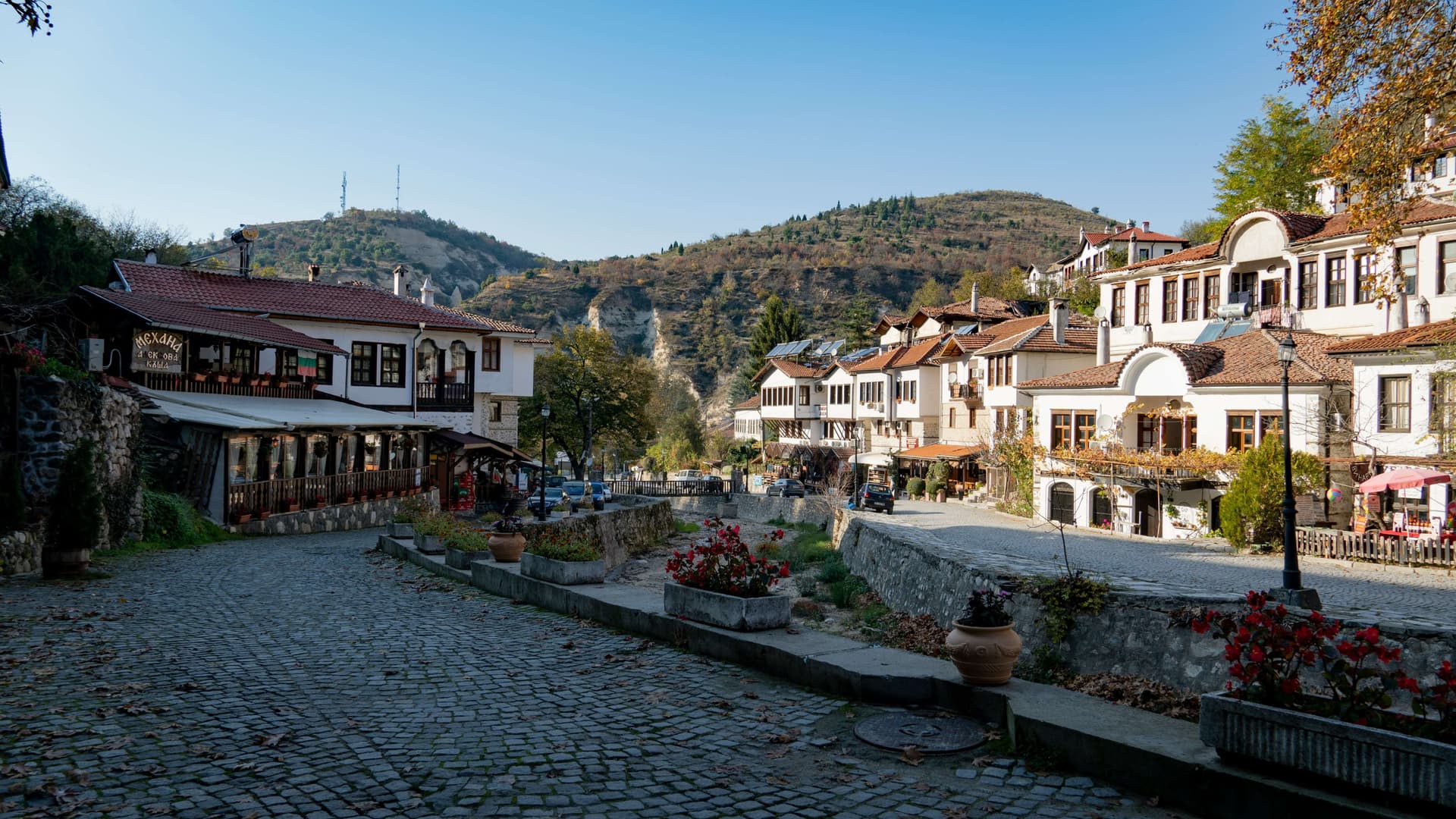
Blagoevgrad region
10.7 km away
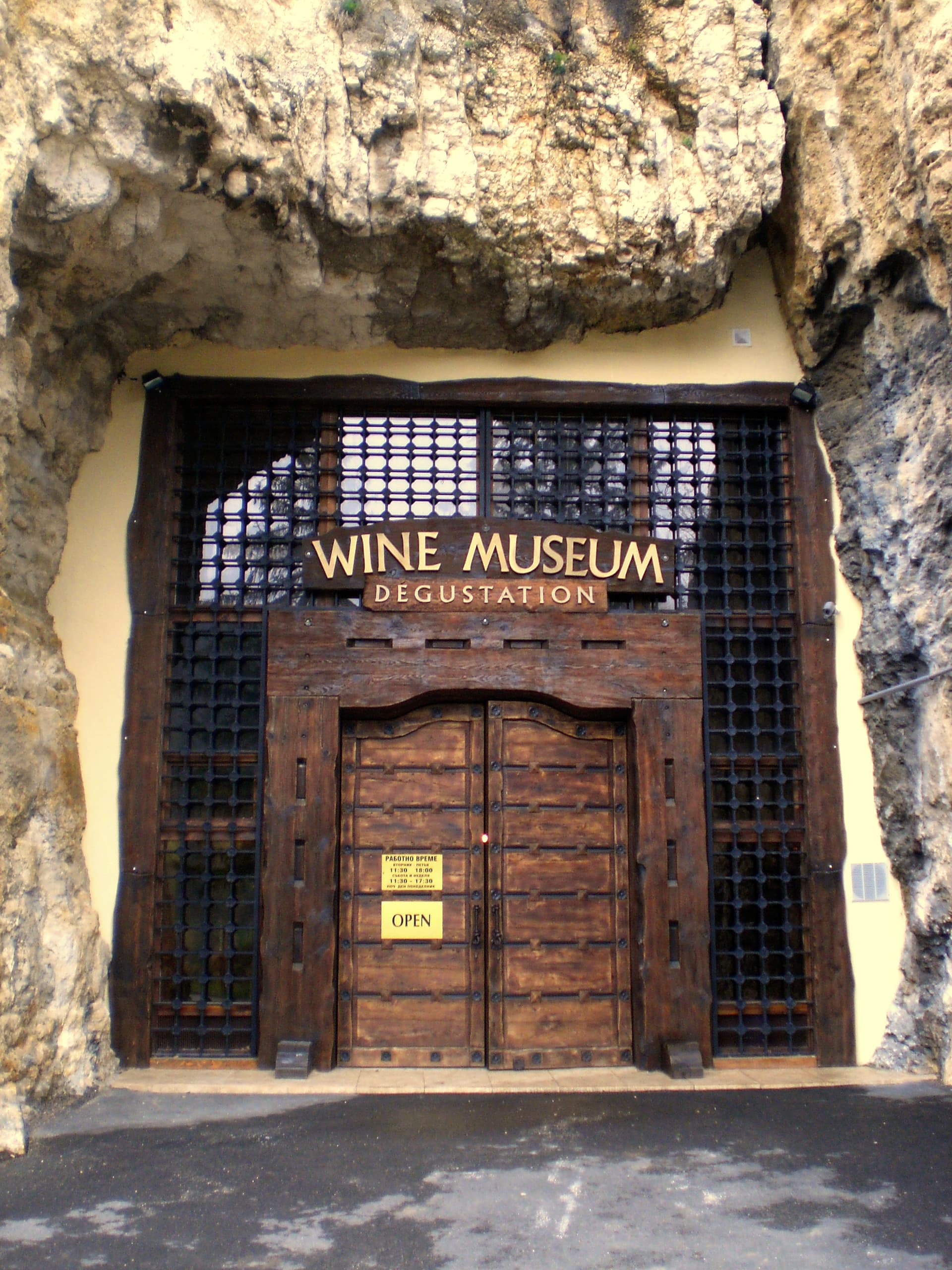
Blagoevgrad region
10.8 km away

Blagoevgrad region
12.9 km away

Blagoevgrad region
15.1 km away
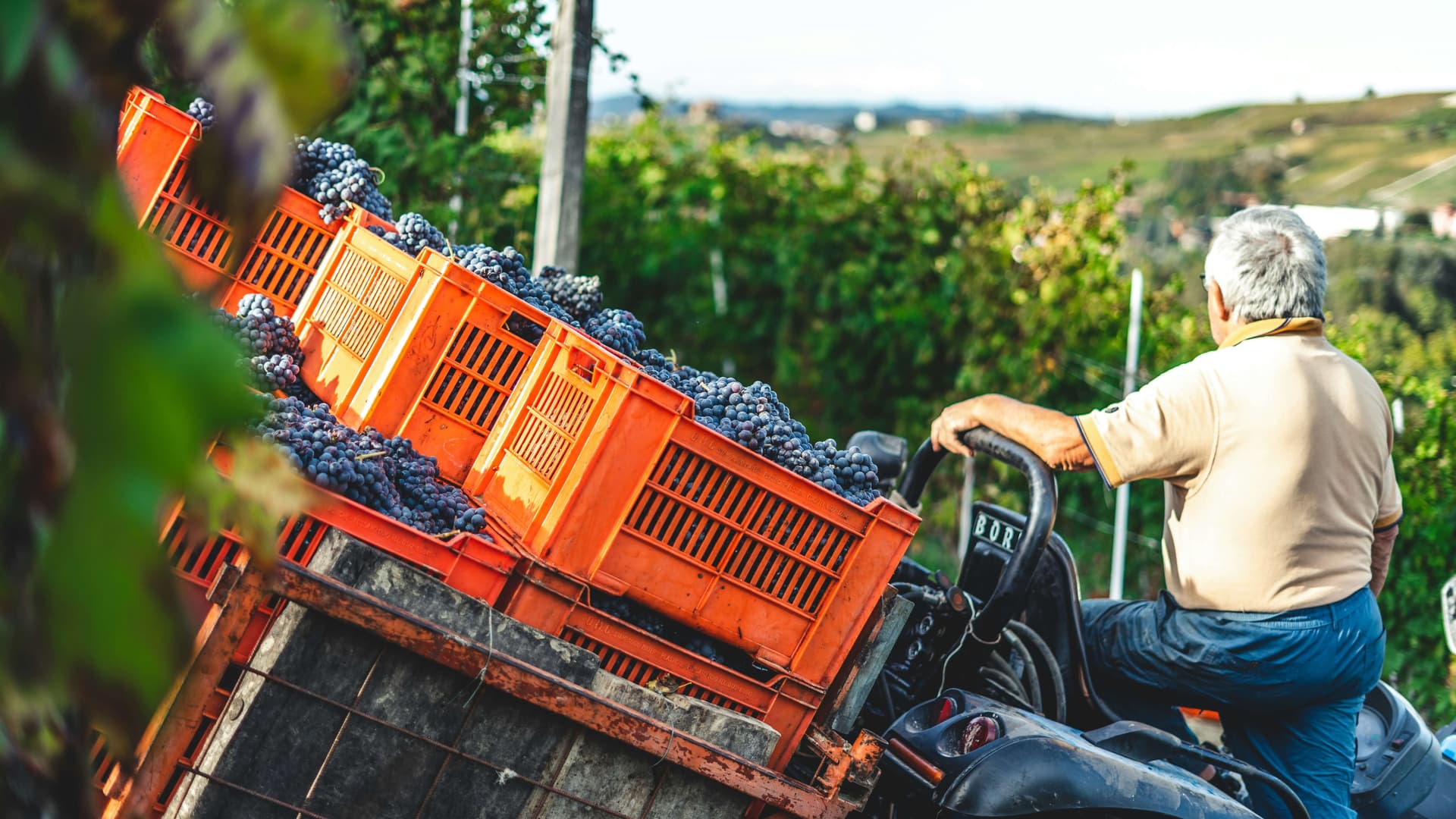
When the Bulgarian grape harvest happens, which wine regions to visit in September and October, how a harvest day works and what to book in advance.
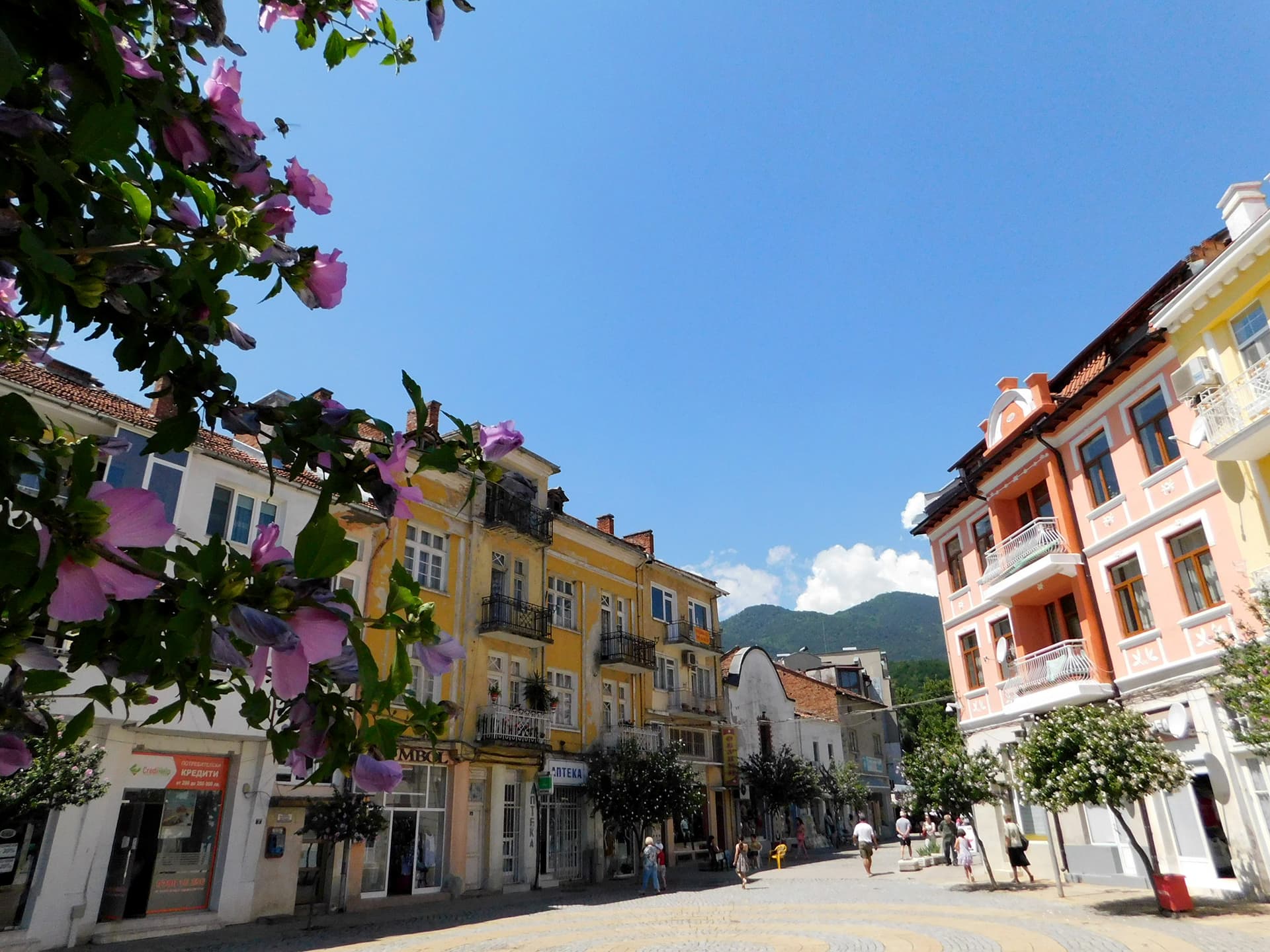
Roman ruins at Nicopolis ad Nestum, the stone villages of Kovachevitsa and Leshten, and Ognyanovo's hot springs — what to see around Gotse Delchev.
A complete guide to Bulgarian wine and Melnik: famous wine regions, local grape varieties, Melnik cellars, sandstone pyramids, and Rozhen Monastery.
Sandanski is located in Blagoevgrad, Bulgaria.
Sandanski is most easily reached by car. Use the coordinates above to navigate, or open the location in OpenStreetMap or your preferred maps app for turn-by-turn directions. Public transport options vary by region — for remote destinations a rental car gives the most flexibility.
Sandanski can be visited year-round, but late spring (May–June) and early autumn (September–October) offer the most pleasant weather and fewer tourists. Summer is the busiest season; winter is the quietest, with shorter daylight and possible cold weather.
Bulgarian settlements typically reward unhurried walking — historic centres, churches and monasteries, local markets, and family-run restaurants serving regional dishes. Larger towns often have museums and seasonal cultural events. The local tourist information centre is a good first stop for current opening hours and what's on.