The Rozhen Monastery of the Nativity of the Mother of God stands as the largest medieval sanctuary in Pirin Macedonia and one of the most mesmerizing spiritual landmarks in Bulgaria. Nestled high on the southwestern slopes of the Pirin Mountains, just a few kilometers northeast of the historic town of Melnik, it gave its name to the neighboring picturesque village of Rozhen. Historically, the monastery held the prestigious status of a stauropegial foundation (under direct patriarchal jurisdiction), while today it operates under the Nevrokop Diocese of the Bulgarian Orthodox Church. Celebrated for its remarkable architecture, authentic frescoes, and centuries-old cultural heritage, the entire complex was officially designated as a cultural monument of national significance in 1973.
The early history of the Rozhen Monastery remains shrouded in mystery due to a devastating fire at the end of the 17th century that severely damaged the structures and consumed the monastery's historical archives. However, archaeological excavations within the courtyard have unearthed jewelry and coins dating back to the reign of Byzantine Emperor Michael VIII Palaiologos ($1259 – 1282$), while indirect texts suggest its existence in the 13th century under its founder, Kallistos Angelikoudis. The earliest definitive written record appears in a 1551 manuscript from the Great Lavra library on Mount Athos, signed by Abbot Cosmas. The 16th century marked a golden age of development, seeing the construction of the present-day southern residential wing and the main church. Following the late 17th-century fire, the monastery was revived in the early 18th century through generous donations from wealthy Bulgarians nationwide. In 1761, facing financial strains, it became a subordinated metochion of the Iviron Monastery of Mount Athos. Following the Balkan Wars, a lengthy ownership dispute arose between Bulgaria and Greece, which was finally resolved in favor of Bulgaria in 1921 by the International Court of Arbitration in The Hague. A major restoration project between 1960 and 1990 successfully preserved its delicate architecture, woodwork, and frescoes.
The main monastery church (katholikon), dedicated to the Nativity of the Virgin Mary, is a true masterpiece of Orthodox art. Rebuilt in 1715, its narthex was adorned with detailed frescoes in 1727 by the master painters Theocharis and Nikolaos, who left their signatures beneath the "Dormition of the Mother of God" composition. In 1732, the renowned artist Alexios of Ioannina completed the exquisite iconostasis icons and the remaining interior murals. The monastery's most sacred treasure is the miraculous icon of the Virgin Mary Portaitissa (The Gatekeeper). As a metochion of Iviron, the monastery received an exact replica of the mother-monastery’s famed protective icon. Created in 1790 by the monk-painter Yakov Iverski and commissioned by the leather guild of Melnik, this copy is unique because it was crafted using holy iron and is framed by 10 miniature scenes depicting her healing miracles. Every year during the monastery's patronal festival (The Nativity of the Virgin Mary — September 7–8), thousands of pilgrims gather for an overnight vigil and a solemn religious procession with the icon, followed by the blessing of a traditional kurban meal for health.
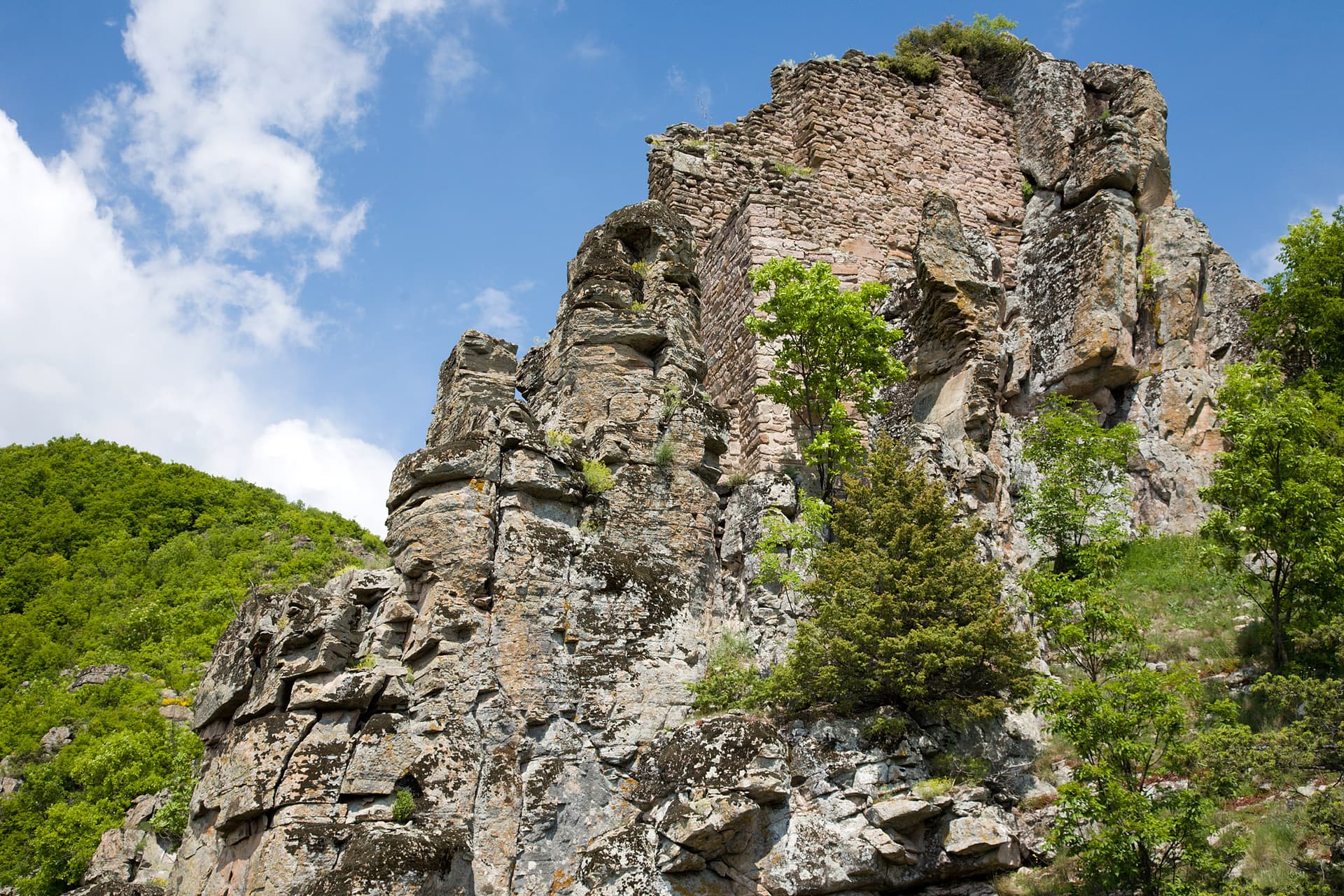
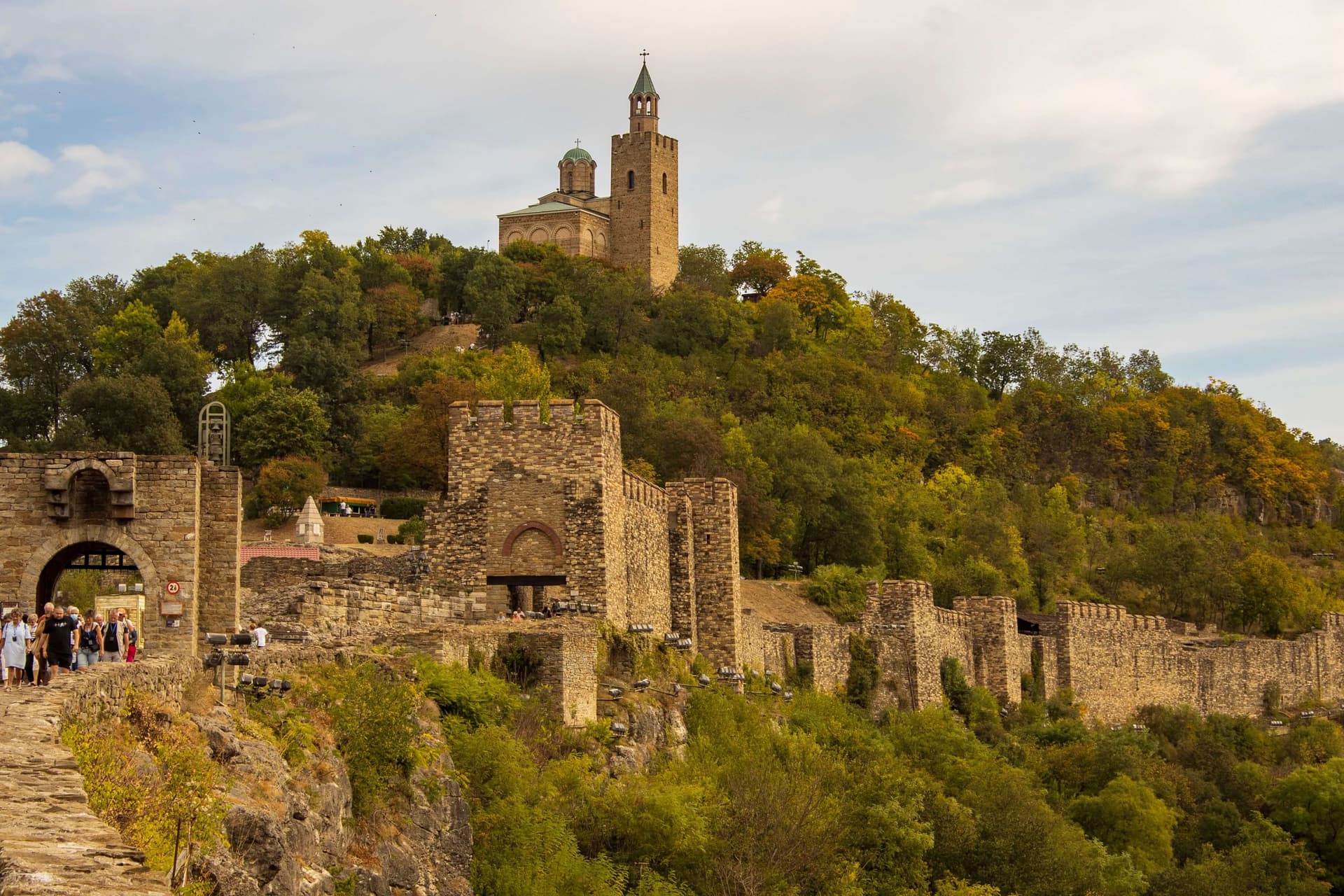
Beyond the main defensive walls of the monastery lie two other significant historical landmarks:
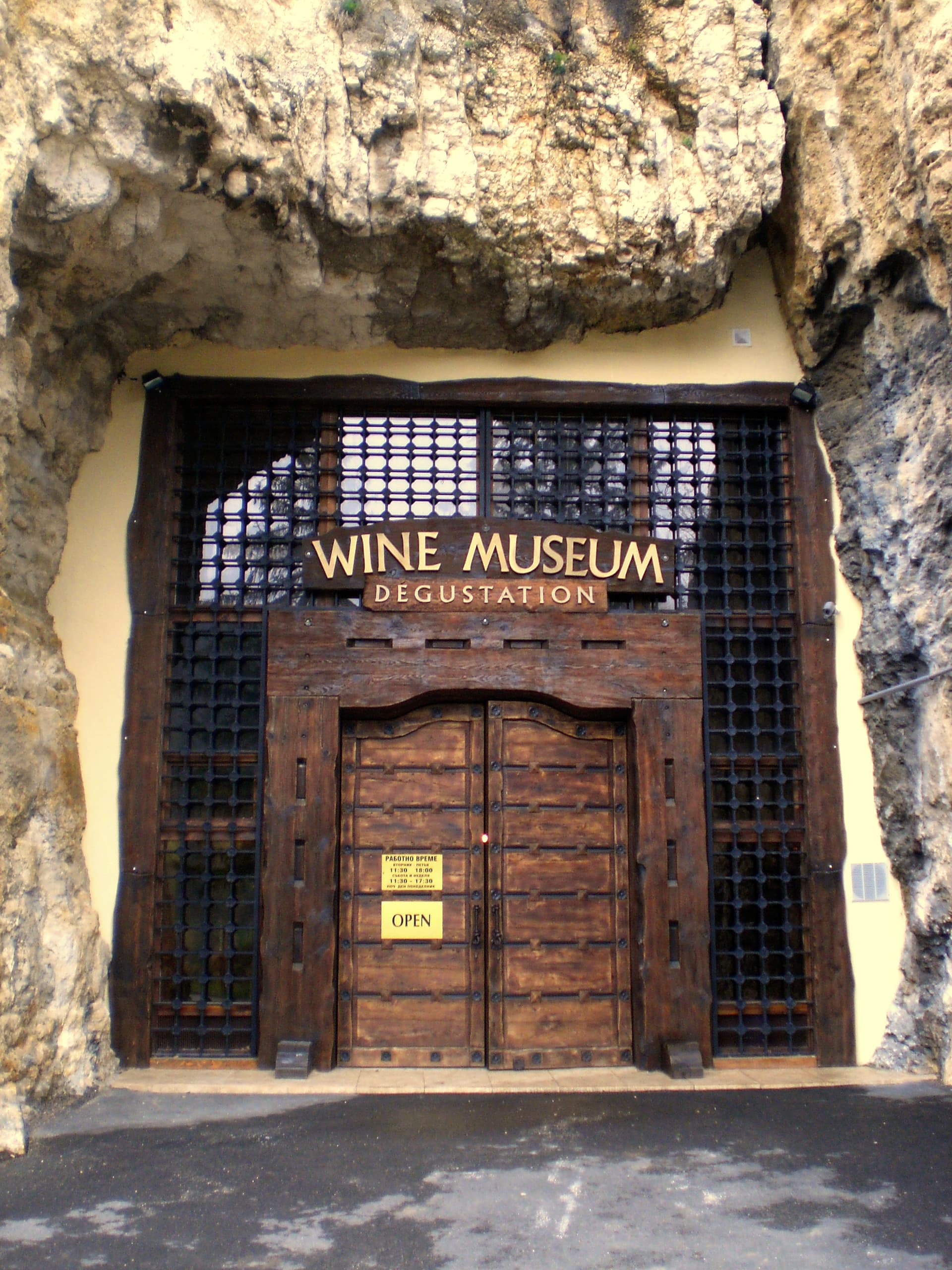
Blagoevgrad region
2.7 km away
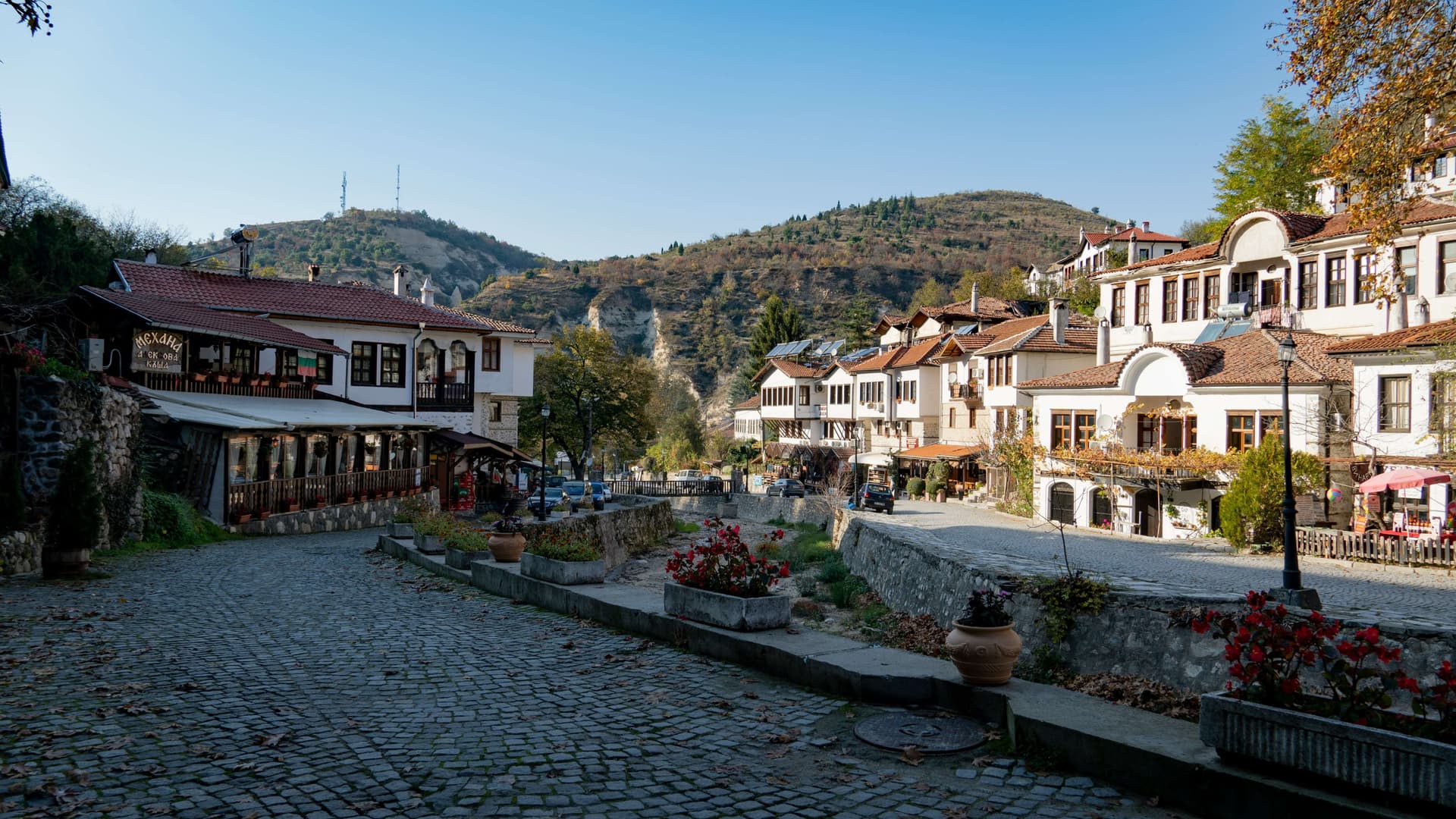
Blagoevgrad region
2.9 km away

Blagoevgrad region
12.1 km away
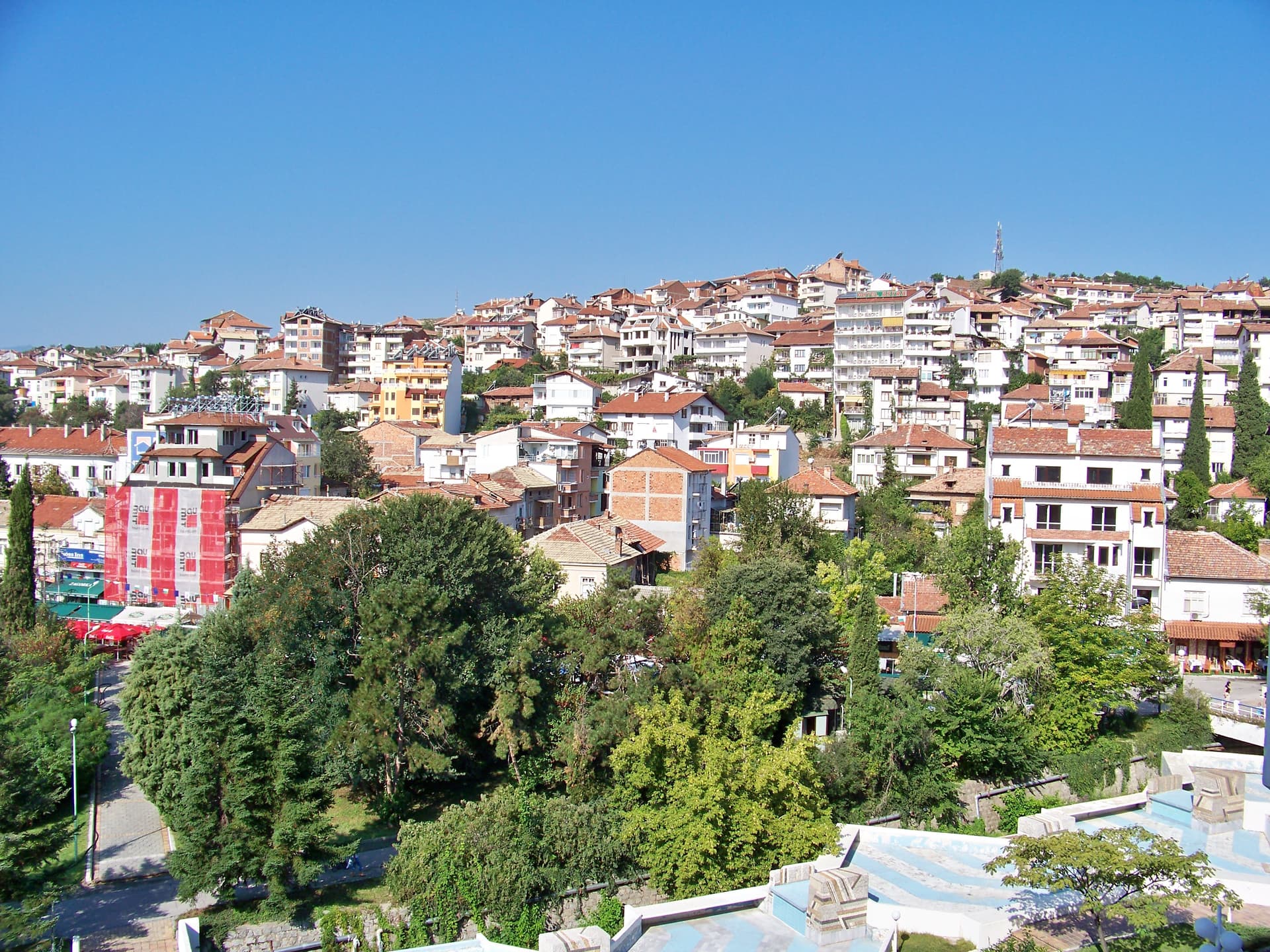
Blagoevgrad region
12.9 km away
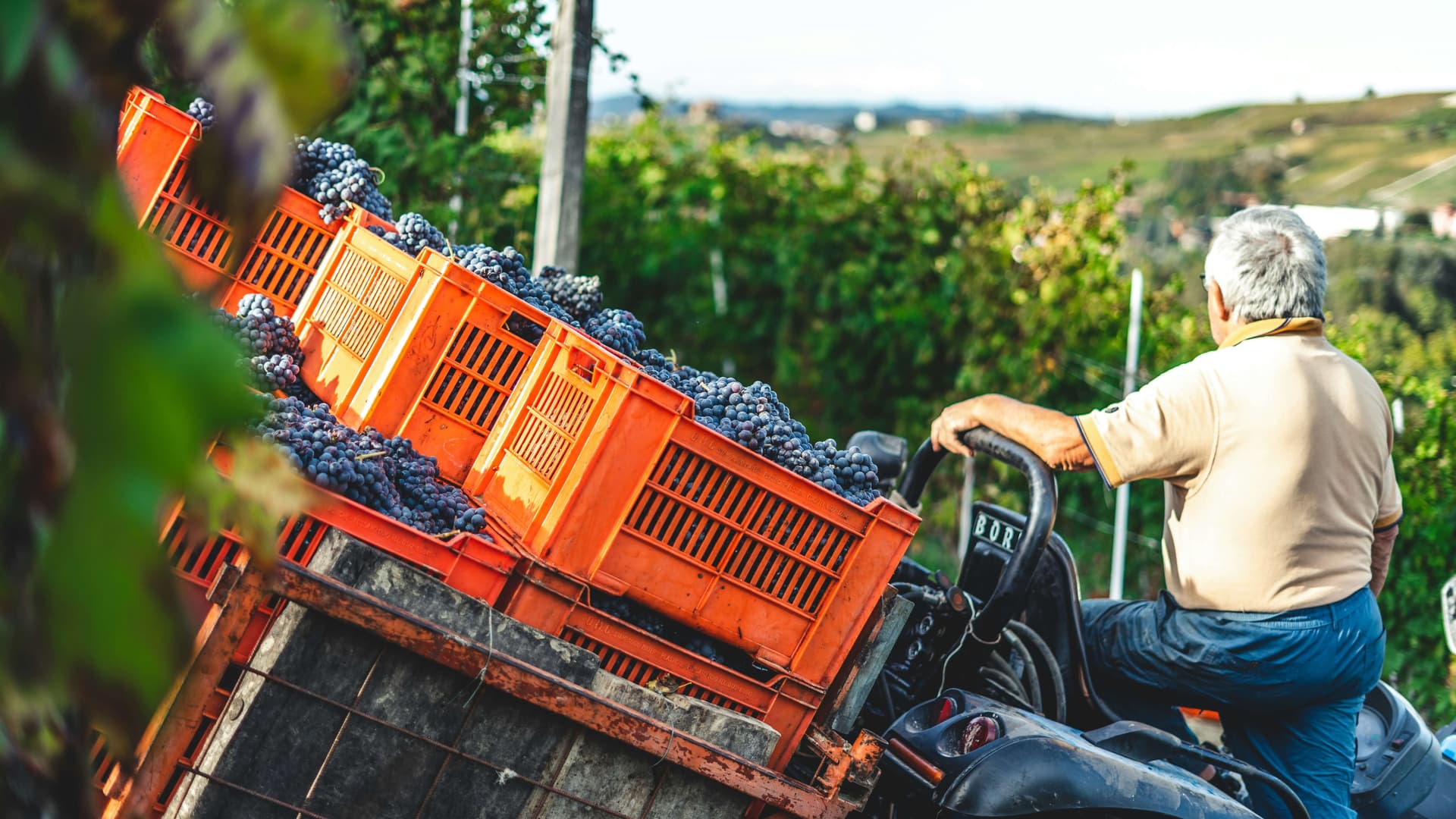
When the Bulgarian grape harvest happens, which wine regions to visit in September and October, how a harvest day works and what to book in advance.
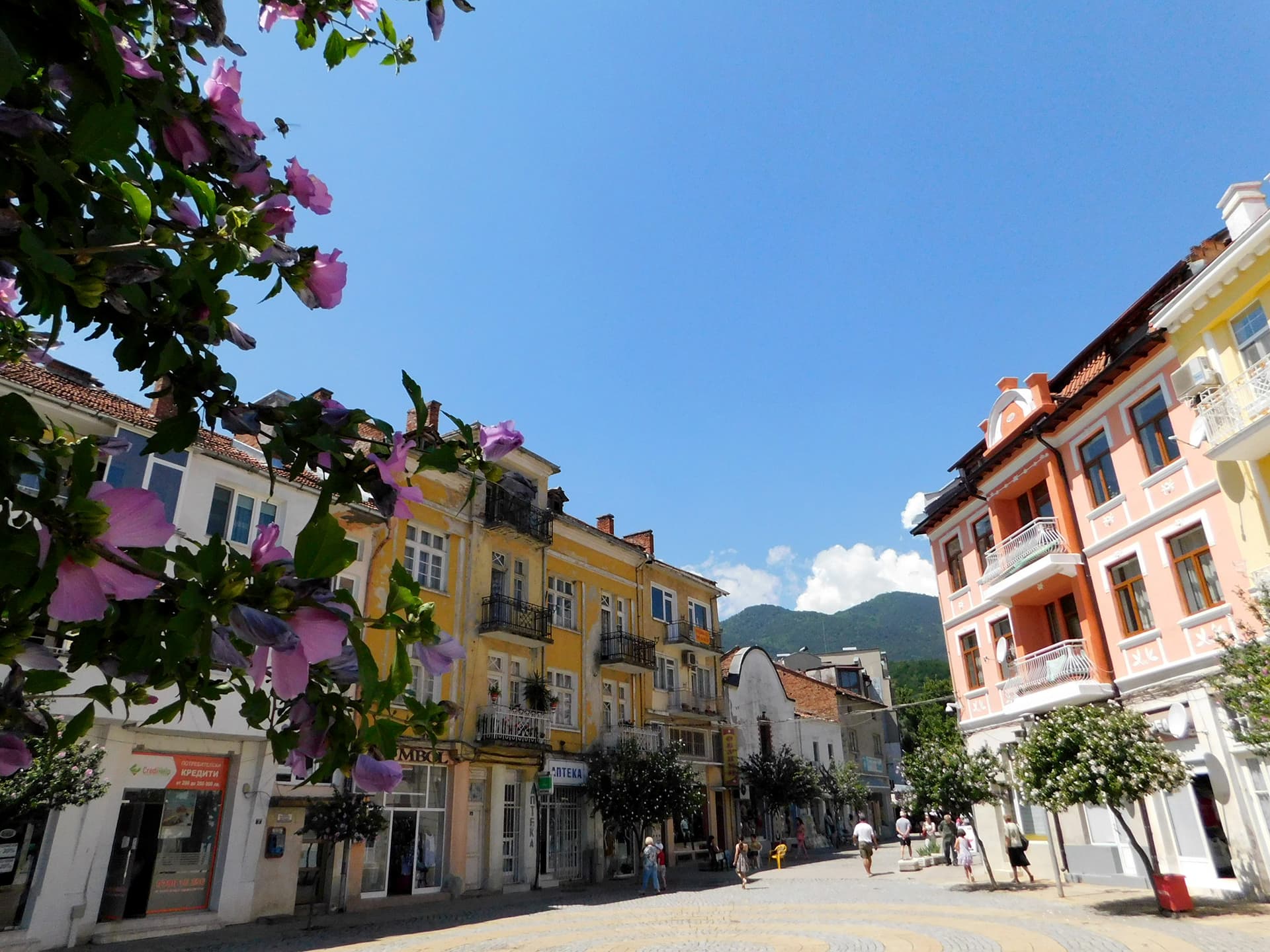
Roman ruins at Nicopolis ad Nestum, the stone villages of Kovachevitsa and Leshten, and Ognyanovo's hot springs — what to see around Gotse Delchev.
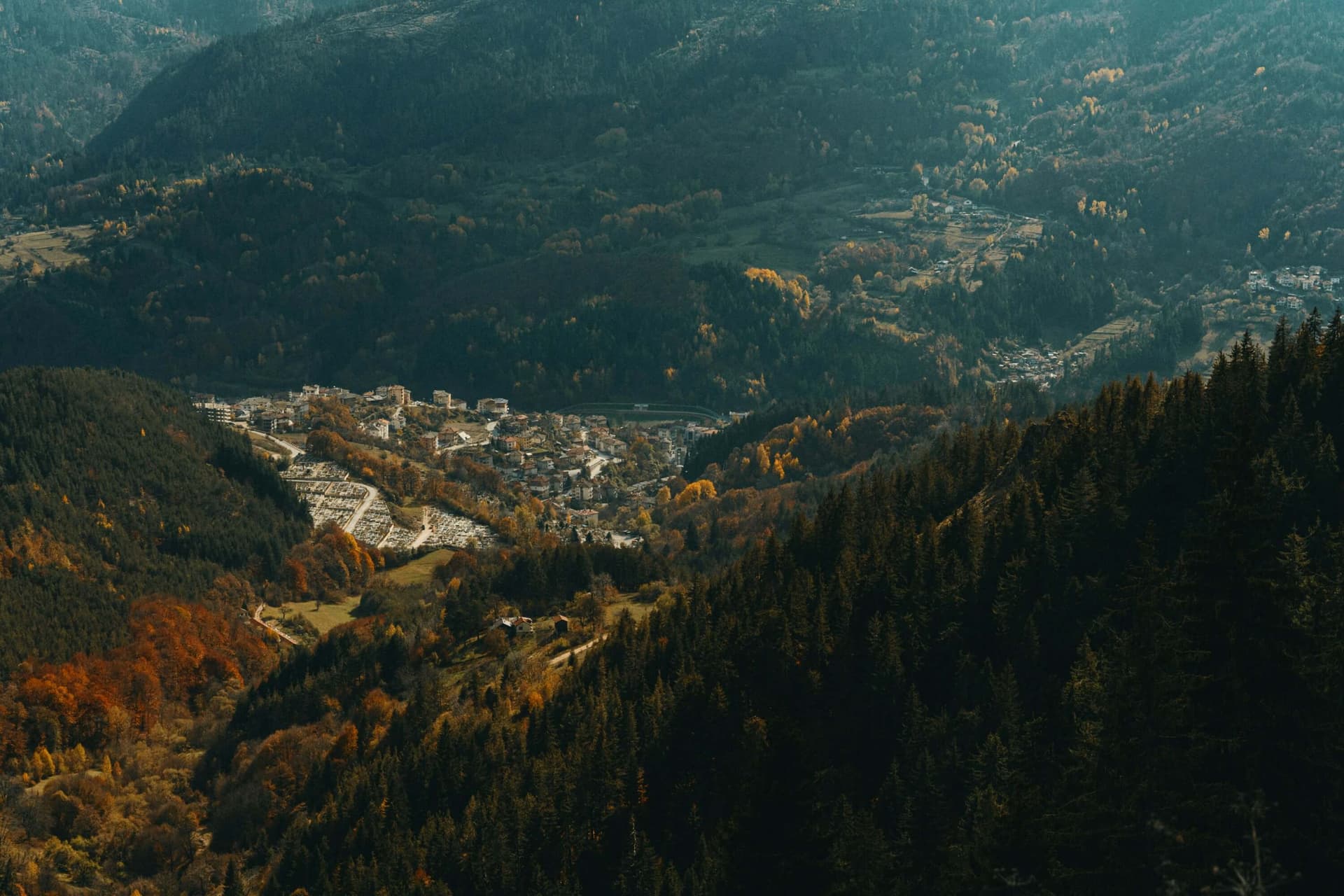
Grape harvest in the Struma and Thracian valleys, Rhodope forests turning gold in October, the last safe hiking window, and a coast without the crowds.
Rozhen Monastery is located in Blagoevgrad, Bulgaria.
Rozhen Monastery is most easily reached by car. Use the coordinates above to navigate, or open the location in OpenStreetMap or your preferred maps app for turn-by-turn directions. Public transport options vary by region — for remote destinations a rental car gives the most flexibility.
Rozhen Monastery can be visited year-round. Spring and autumn offer the most pleasant conditions for exploring, with mild temperatures and fewer crowds. Summer is ideal for photography and longer day trips; winter visits are possible but weather can limit access at some sites.
Most natural landmarks in Bulgaria are freely accessible and open year-round, though some sites have entrance fees or require a guide. Wear sturdy footwear and bring water, as the terrain can be uneven. Respect any protective barriers and stay on marked paths to preserve the site.