

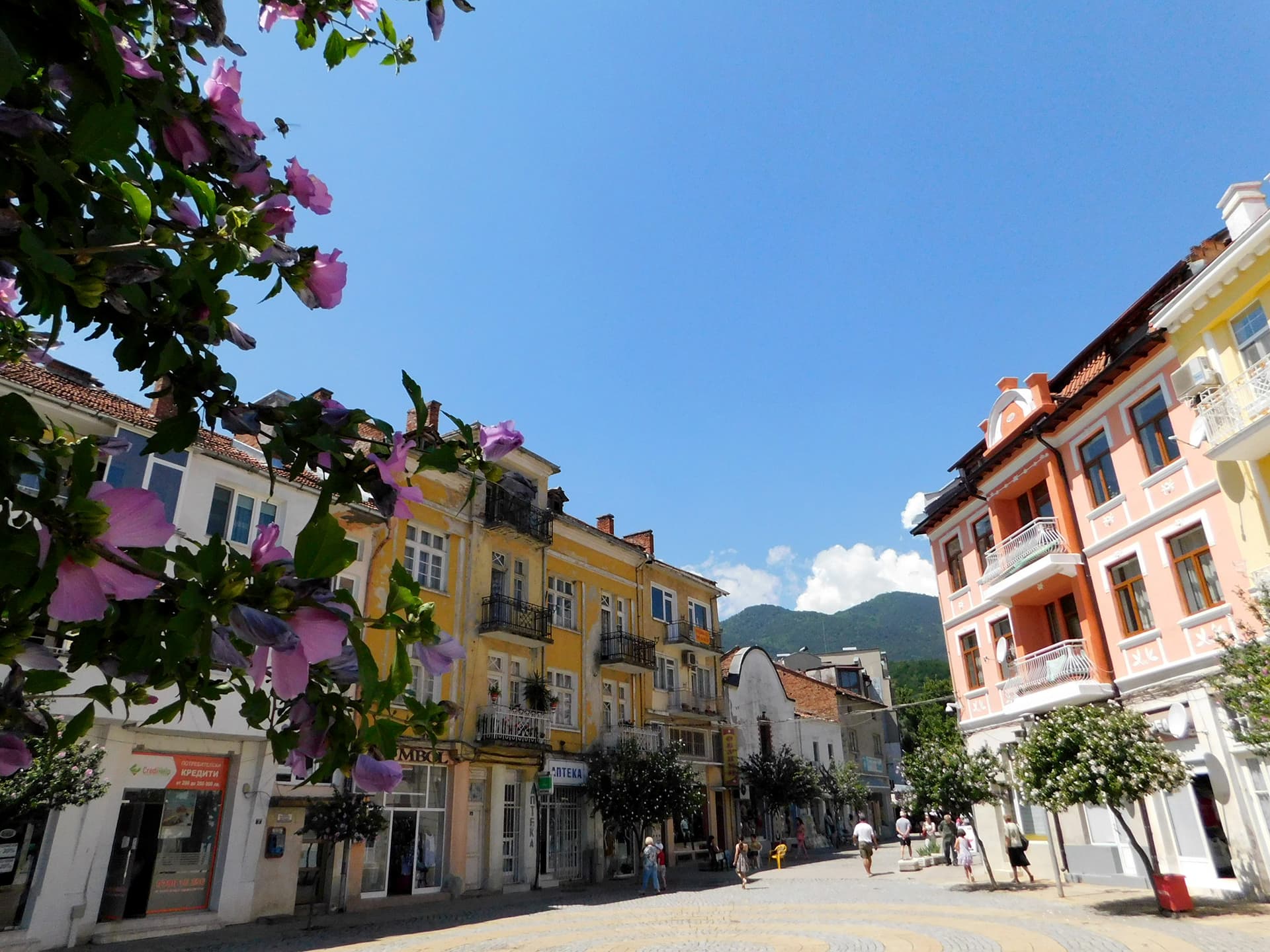
Gotse Delchev: Kovachevitsa, Leshten & the Mesta Valley
In this guide▾
Most travellers exploring south-western Bulgaria drive as far as Bansko and turn back. But if you keep heading south for just another 50 kilometres — winding down through the scenic gorge of the Mesta River — the mountain ranges open up into a wide, sunlit basin that few international travellers ever discover.
This is the Nevrokop region: an untouched paradise featuring an ancient Roman victory city, traditional 18th-century villages with heavy stone-slab roofs, year-round thermal hot springs (around 40°C), and a biodiverse border mountain range brimming with rare flora.
📍 Getting to Gotse Delchev: Driving Times & Routes
| From | Distance | Driving Time |
|---|---|---|
| Bansko | ~50 km | ~1 h |
| Blagoevgrad | ~110 km | ~1 h 45 min |
| Sofia | ~210 km | ~3 h 15 min |
| Plovdiv | ~190 km | ~3 h 30 min |
| Thessaloniki (Greece) | ~170 km | ~2 h 45 min |
Travelling by Car
- From Sofia: Drive south along the Struma Motorway (A3) to Simitli, head east over the scenic Predela Pass toward Razlog and Bansko, then continue south down the Mesta Valley.
- From Plovdiv: The route winds through the heart of the Rhodope Mountains past Dospat. It is an exceptionally scenic drive, though slow-going and best avoided during heavy winter storms. Check out our comprehensive Bulgaria car rental & driving guide.
Public Transport
Daily buses run to Gotse Delchev from Sofia's Central Bus Station and Blagoevgrad (morning departures offer the fastest routes). Bus connections from Plovdiv are slower and usually require a transfer. For detailed schedules, see our getting around Bulgaria transport guide.
Parking: the centre of Gotse Delchev is a paid Blue Zone at €0.51 an hour.
💡 Insider Tip: The Ilinden–Exochi border crossing into Greece is located just 20 km south of town, making Thessaloniki even closer and quicker to reach than Sofia.
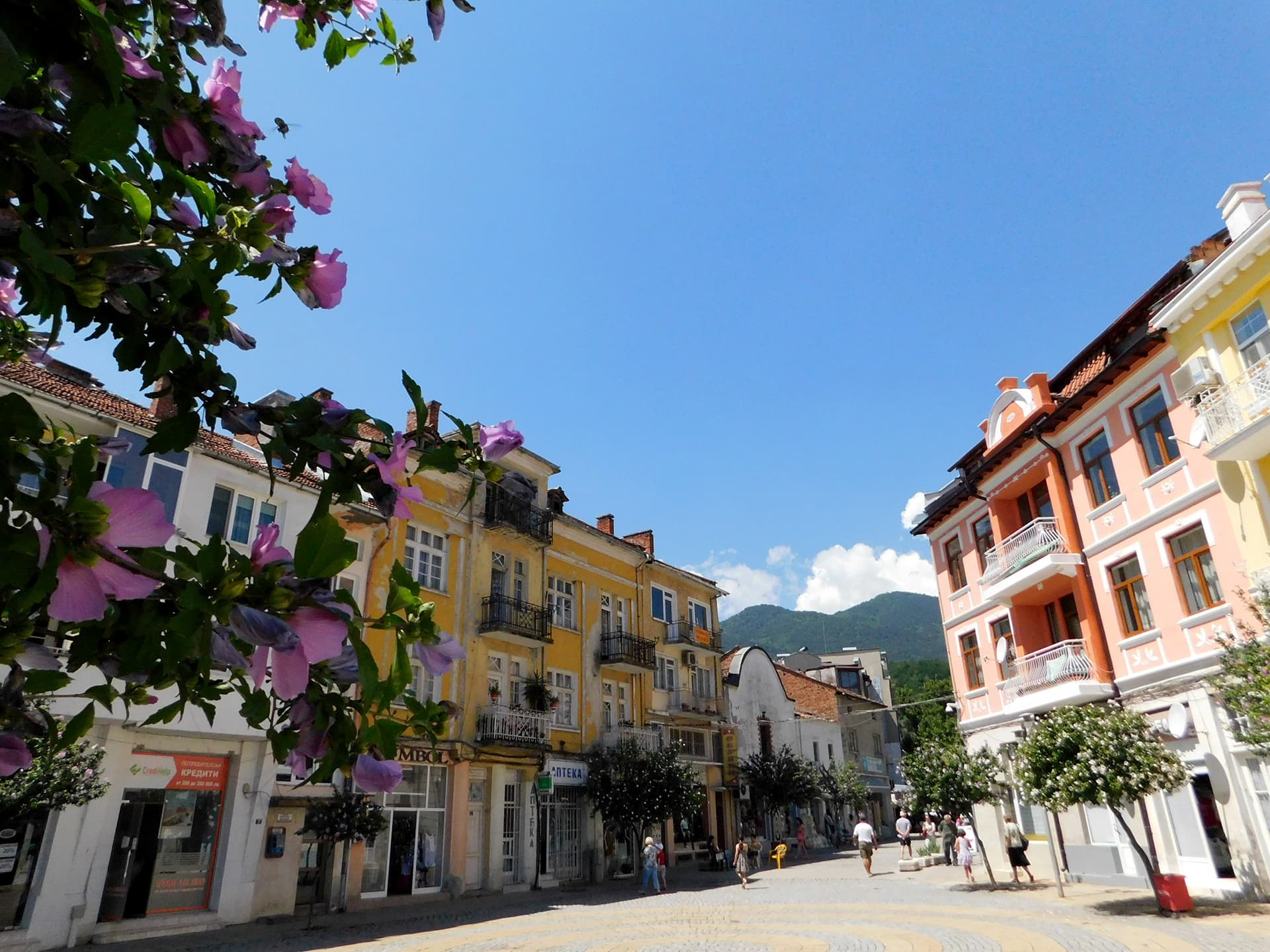
🏛️ Nicopolis ad Nestum: The Ancient Roman Ruins
The historical anchor of the Mesta Valley is Nicopolis ad Nestum ("The City of Victory on the Mesta").
Founded in 106 AD by the Roman Emperor Trajan to celebrate his triumphs over the Dacians, the ancient city was a major military and trading hub. The archaeological site is conveniently located just 7 km east of Gotse Delchev, right by the village of Garmen. Excavations have run here since 1980.

What to See at the Ruins:
- Formidable Fortress Walls: Stretches of the defensive wall still stand 5–6 m high in places, flanked by round and rectangular towers.
- Early Christian Basilicas and a Roman Bath: The foundations of three churches from the 4th–6th centuries, a late-Roman bath with its underfloor heating, and a wealthy town house with a marble colonnade.
- Uncrowded Atmosphere: Unlike over-commercialized historical sites, Nicopolis ad Nestum remains quiet, open, and authentic — offering a peaceful step back into ancient history.
Long before modern borders existed, this valley served as the essential trade route linking the Aegean Coast with the Balkan interior.
Visiting: entry is €3 for adults and €2 for pupils, and parking at the site is free. Hours, with a lunch break from 12:00 to 13:00:
- 1 April – 31 October: 08:00–12:00 and 13:00–21:00
- 1 November – 31 March: 08:00–12:00 and 13:00–17:00
The long summer evenings are the time to come — the ruins are at their best in the low light. Prices checked September 2026; they can change.
🏘️ Exploring Gotse Delchev Town
Gotse Delchev is a vibrant, authentic Bulgarian market town of about 18,000 residents. While not an open-air museum itself, it boasts a rich history, cosy dining spots, and a charming old quarter.
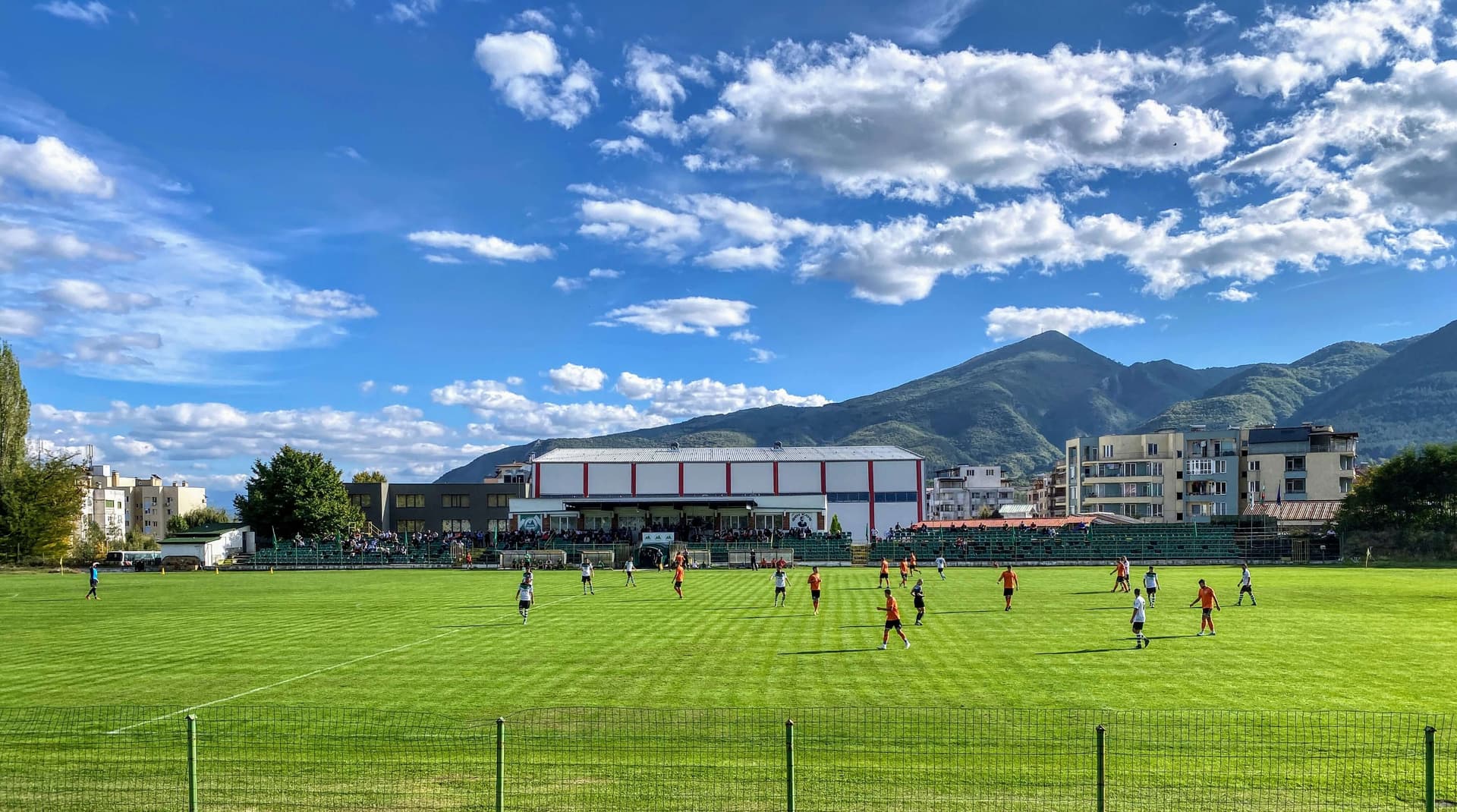
Until 1951, the town was known by its medieval name, Nevrokop. To this day, it remains the seat of the influential Nevrokop Eparchy of the Bulgarian Orthodox Church. The town was later renamed in honour of Gotse Delchev (1872–1903), the iconic national hero and revolutionary leader of the Internal Macedonian Revolutionary Organisation (VMRO).
Highlights in Town:
- The Old Town: Quiet streets of Revival-era houses around the centre.
- Gotse Delchev History Museum: Twelve halls of archaeology and ethnography, with a lapidarium in the courtyard and finds from Nicopolis ad Nestum. Open Tuesday to Sunday, 08:30–12:00 and 13:00–17:30, closed on Mondays. Entry is €2.05 for adults, €1.02 for pupils, students and pensioners, and €5.11 for a family (two adults and up to three pupils); children under 7 go in free. A guided talk costs €2.56, or €5.11 for the extended version (checked September 2026).
- Cathedral of the Assumption: The seat of the Nevrokop bishops, built in 1833–1841. The town also keeps the Karadzha Pasha Mosque from the 15th–16th century.
You can comfortably tour the town centre and the old quarter in about an hour — making it the ideal base for lodging and dining before venturing into the surrounding mountains. Discover more architectural landmarks on our Bulgarian National Revival trail guide.
🪨 The Historic Stone-Roofed Villages
The architectural reserve villages scattered around Gotse Delchev are among the absolute highlights of travelling in south-west Bulgaria. They also rank among the country's genuinely hidden corners.
1. Kovachevitsa – A Living Time Capsule
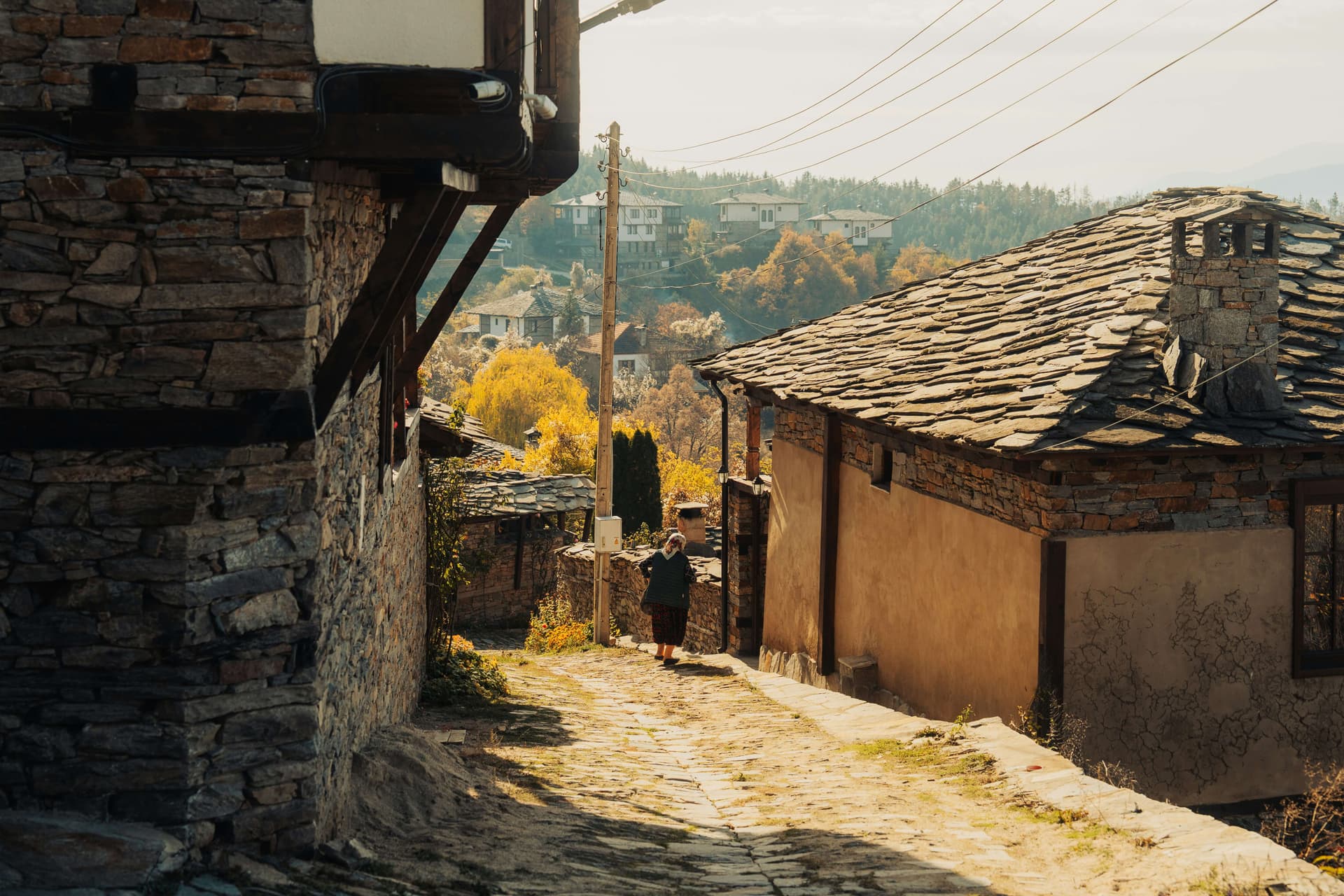
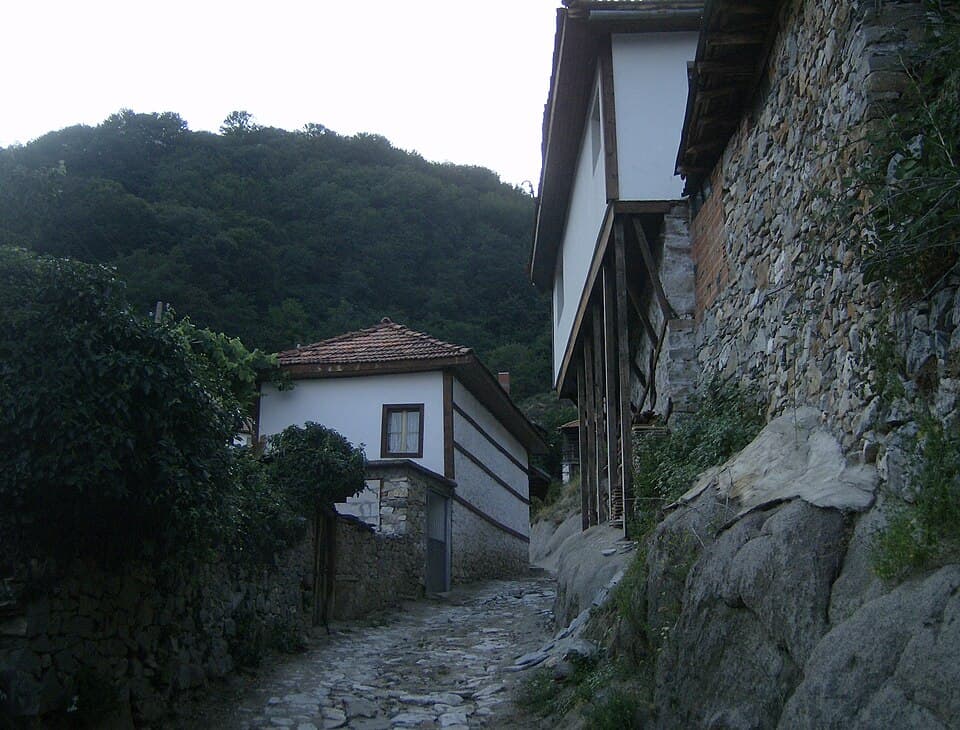
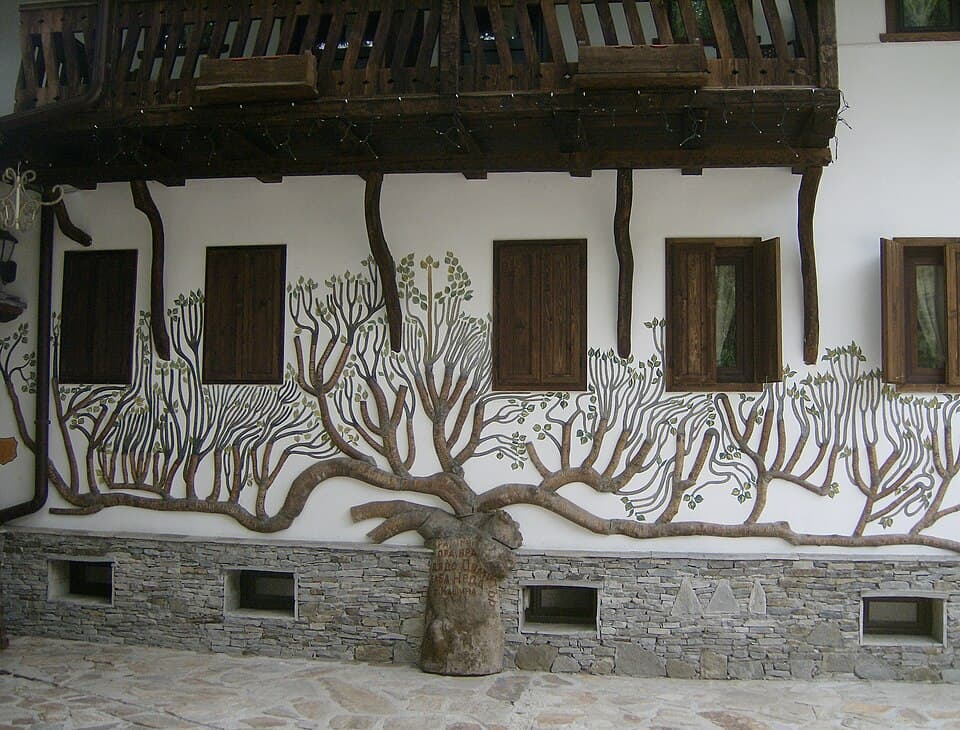
Perched on steep slopes 25 km north of Gotse Delchev at an elevation of 1,050 metres, Kovachevitsa is a breathtaking architectural reserve. Built in the 18th and 19th centuries, its iconic 3- and 4-storey houses are crafted entirely from stone masonry and massive timber, topped with heavy slate stone roofs (tikli).
Steep cobble paths weave past rustic wooden gates, preserving an environment so authentic that Bulgarian filmmakers have used Kovachevitsa as a natural movie set for over 50 years. The lanes are far too narrow for cars, so park at the entrance to the village and walk in.

2. Leshten – Romantic Mountain Retreat
About 15 km north of town and a short drive from Kovachevitsa, Leshten sits at around 1,090 m and offers sweeping panoramic views across the valley toward the Pirin mountains. Many of its stone houses have been lovingly converted into boutique guesthouses. Leshten is the perfect location to stay overnight, while Kovachevitsa is ideal for afternoon exploration. The core of the reserve is mostly pedestrian: park for free in the marked spaces at the entrance to the village or on its outer streets.
3. Delchevo – Pirin's Hidden Gem
Perched at 1,050 m in the foothills of South Pirin, 9 km from town, Delchevo showcases the same traditional stone-and-timber architecture as Kovachevitsa, but receives far fewer visitors — granting complete tranquility and unmatched views of the valley.
♨️ Ognyanovo Hot Springs: Thermal Pools & Spa Relaxation
Just 12 km from Gotse Delchev lies Ognyanovo, a spa resort since 1963. Two groups of hot mineral springs and a borehole bring water up at a soothing 35–41°C (95–106°F).

With modern spa hotels, wellness centres, and outdoor thermal pools open year-round, Ognyanovo turns the Mesta Valley into a fantastic winter and shoulder-season destination.
💡 Ideal Itinerary: Spend your morning hiking through the cobblestone alleys of Kovachevitsa and Leshten, then spend your afternoon unwinding in Ognyanovo's hot mineral pools.
Explore more wellness destinations in our complete guide to Bulgaria's best spa and thermal springs.
⛰️ Slavyanka Mountain & Popovi Livadi
Slavyanka (Alibotush) – The Wild Border Ridge
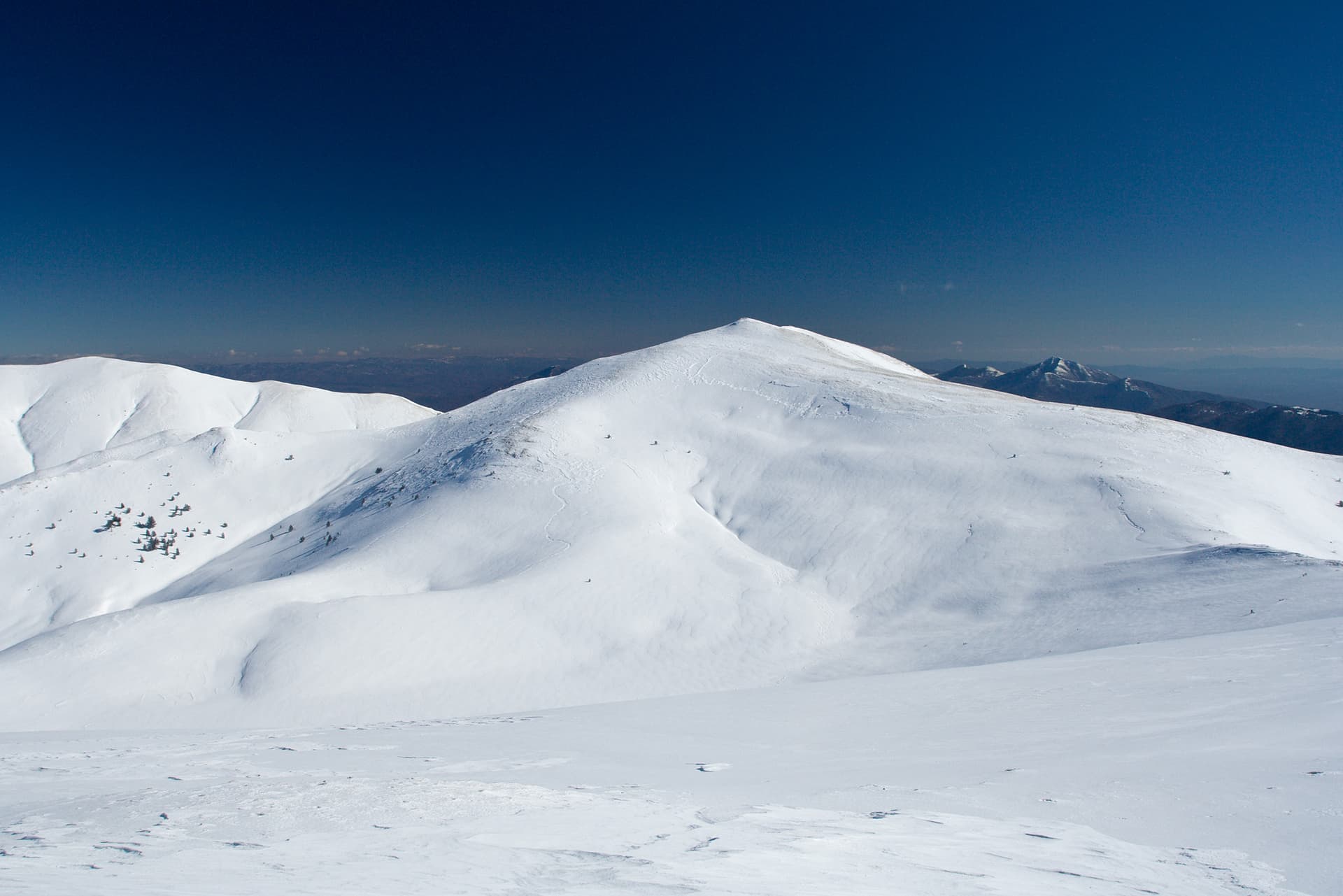
Rising directly south of the basin along the border with Greece, Slavyanka Mountain (historically known as Alibotush) culminates at Gotsev Peak (2,212 m).
Why Slavyanka is Famous:
- Rare Botanical Treasures: The Alibotush Reserve, protected since 1951, holds the largest population of Bosnian pine (Pinus heldreichii) in the Balkans, some trees over 200 years old. The mountain has more than 1,700 plant species, including wild mountain tea (Sideritis scardica).
- Untamed Hiking Trails: Unlike the rugged granite of nearby Pirin National Park, Slavyanka is an open marble massif with minimal tourist infrastructure — perfect for seasoned trekkers seeking true solitude.
Important Border Note: Slavyanka marks the international frontier with Greece. Always carry valid government photo ID (passport) when hiking near the ridgeline and remain on marked trails.
Popovi Livadi (Papazchair)
Situated at around 1,420 metres on the road from Gotse Delchev to Sandanski and Petrich, Popovi Livadi is the saddle between Middle and South Pirin — a refreshing mountain pass surrounded by dense pine forests. Featuring mountain huts, family-run guesthouses, picnic meadows, and a small winter ski slope, it offers a fantastic high-altitude escape during warm summer days.
🗓️ Best Time to Visit Gotse Delchev & the Mesta Valley
- Autumn (September – October): The absolute best season to travel. The basin enjoys warm temperatures late into October, the Rhodope foliage turns brilliant shades of gold, and the historic villages are quiet and peaceful. Check our guide on top things to do in Bulgaria in autumn.
- Late Spring (May – June): Ideal for wildflower watching in Slavyanka and active hiking before the summer heat arrives.
- Summer (July – August): Valley temperatures can get warm, but the mountain villages (Kovachevitsa, Delchevo) and Popovi Livadi provide cool mountain air.
- Winter (December – March): Perfect for a relaxing spa weekend in Ognyanovo. Stick to the drive via Bansko and avoid high mountain passes across the Rhodopes.
🌿 Nearby Destinations to Explore Next
- Bansko (~50 km) – Bulgaria's premier ski hub up the valley; nearby Dobrinishte offers additional hot springs.
- Melnik & Wine Country (~80 km over Popovi Livadi) – Explore Bulgaria's smallest town, famous for sandstone pyramids, rich red wines, and the nearby Rozhen Monastery.
- Sandanski (~80 km) – A sunny balneotherapy resort town located on the western slopes of Pirin.
- The Rhodope Mountains – Gotse Delchev serves as the western gateway into this legendary mountain region.
A Roman victory city, ancient stone roofs, and 40-degree thermal waters — discover the beauty of the Mesta Valley with Mestala.com!
This guide covers 10 places
Want more Mestala in your Google results?
Add mestala.com as a preferred source and our guides will show up more often when you search. Requires a Google account.
Frequently Asked Questions
Where is Gotse Delchev located?▾
Gotse Delchev is situated in the far south-west of Bulgaria (Blagoevgrad Province) along the Mesta River valley. Nestled in a sunny basin between the Pirin, Western Rhodope, and Slavyanka mountain ranges, it lies roughly 210 km south of Sofia and about 50 km south of Bansko.
What is Nicopolis ad Nestum?▾
Nicopolis ad Nestum ('City of Victory on the Mesta') is an ancient Roman town founded by Emperor Trajan in 106 AD following the Dacian Wars. Located about 7 km east of Gotse Delchev at Garmen, the site features fortress walls up to 5–6 m high, towers, a Roman bath and three early Christian basilicas. It is open 08:00–12:00 and 13:00–21:00 from April to October (to 17:00 in winter); entry is €3 for adults and €2 for pupils, and parking is free (checked September 2026).
What makes Kovachevitsa and Leshten special?▾
Kovachevitsa and Leshten are preserved architectural reserves famous for their authentic Bulgarian National Revival architecture. They feature multi-storey stone-and-timber houses topped with heavy stone-slab roofs (tikli), cobblestone alleys, and scenic mountain views.
Can you swim in the Ognyanovo thermal hot springs year-round?▾
Yes, Ognyanovo boasts natural mineral thermal springs emerging at 35–41°C (95–106°F). With numerous spa hotels and open-air public pools, it is a top destination for thermal bathing and relaxation across all seasons.
How long should you spend in the Mesta Valley?▾
A 2 to 3-day trip is ideal. Spend Day 1 exploring Gotse Delchev town, Nicopolis ad Nestum, and soaking in Ognyanovo's hot springs. Dedicate Day 2 to the historic stone villages of Kovachevitsa, Leshten, and Delchevo, and use Day 3 for hiking in the Slavyanka Mountains or relaxing at Popovi Livadi.
Do you need a car to explore Gotse Delchev and its surroundings?▾
Having a car is strongly recommended. While there are direct buses from Sofia and Blagoevgrad to Gotse Delchev, public transport to Kovachevitsa, Leshten, Popovi Livadi, and the Roman ruins is very limited or non-existent.
You might be interested in
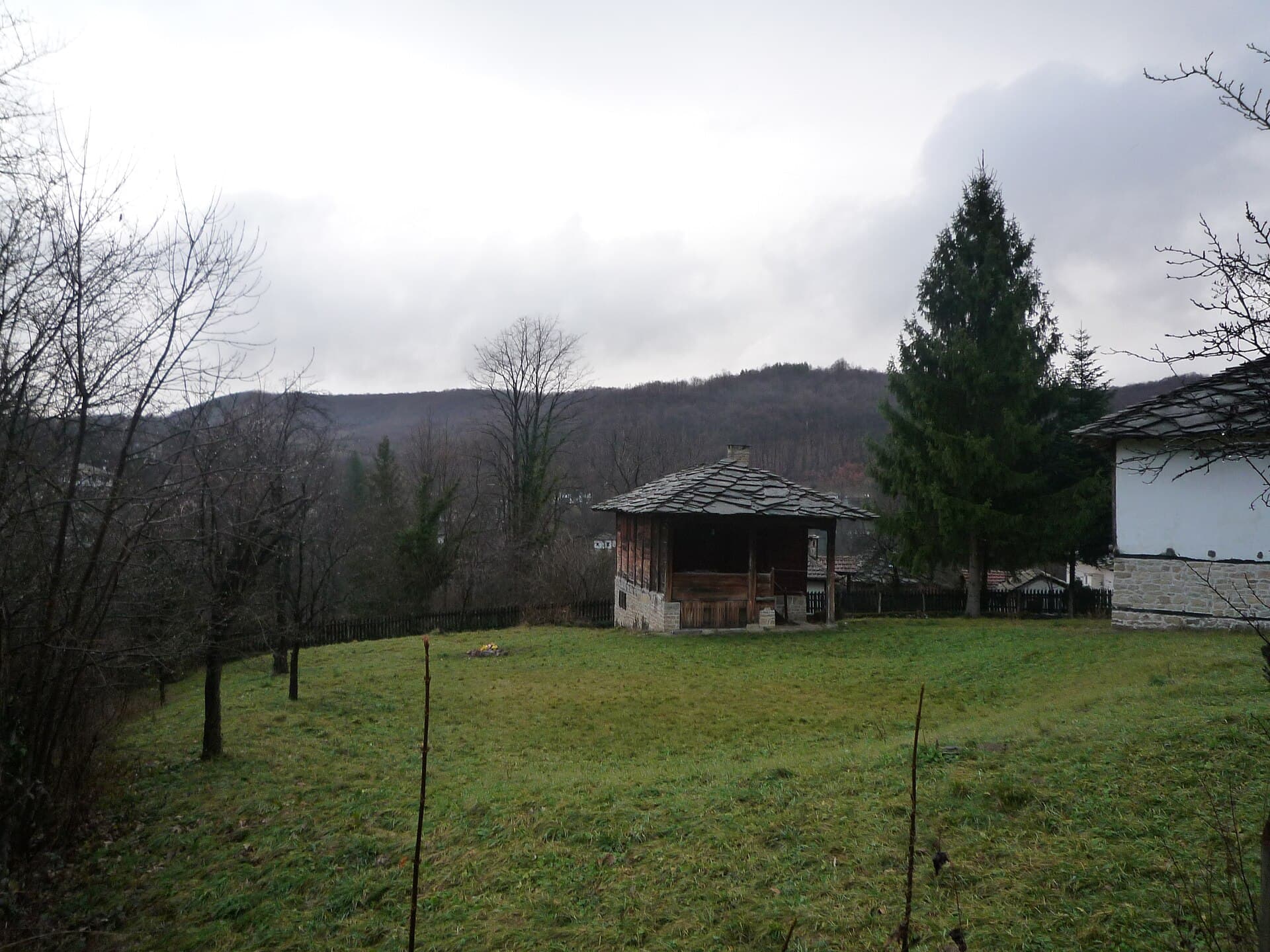
Bozhentsi: The Village That Stopped in 1870
A guide to Bozhentsi, the protected architectural reserve village near Gabrovo: about a hundred stone-roofed Revival houses, the Doncho Popa house-museum, the founding legend, and why it stays quiet when Koprivshtitsa fills up.
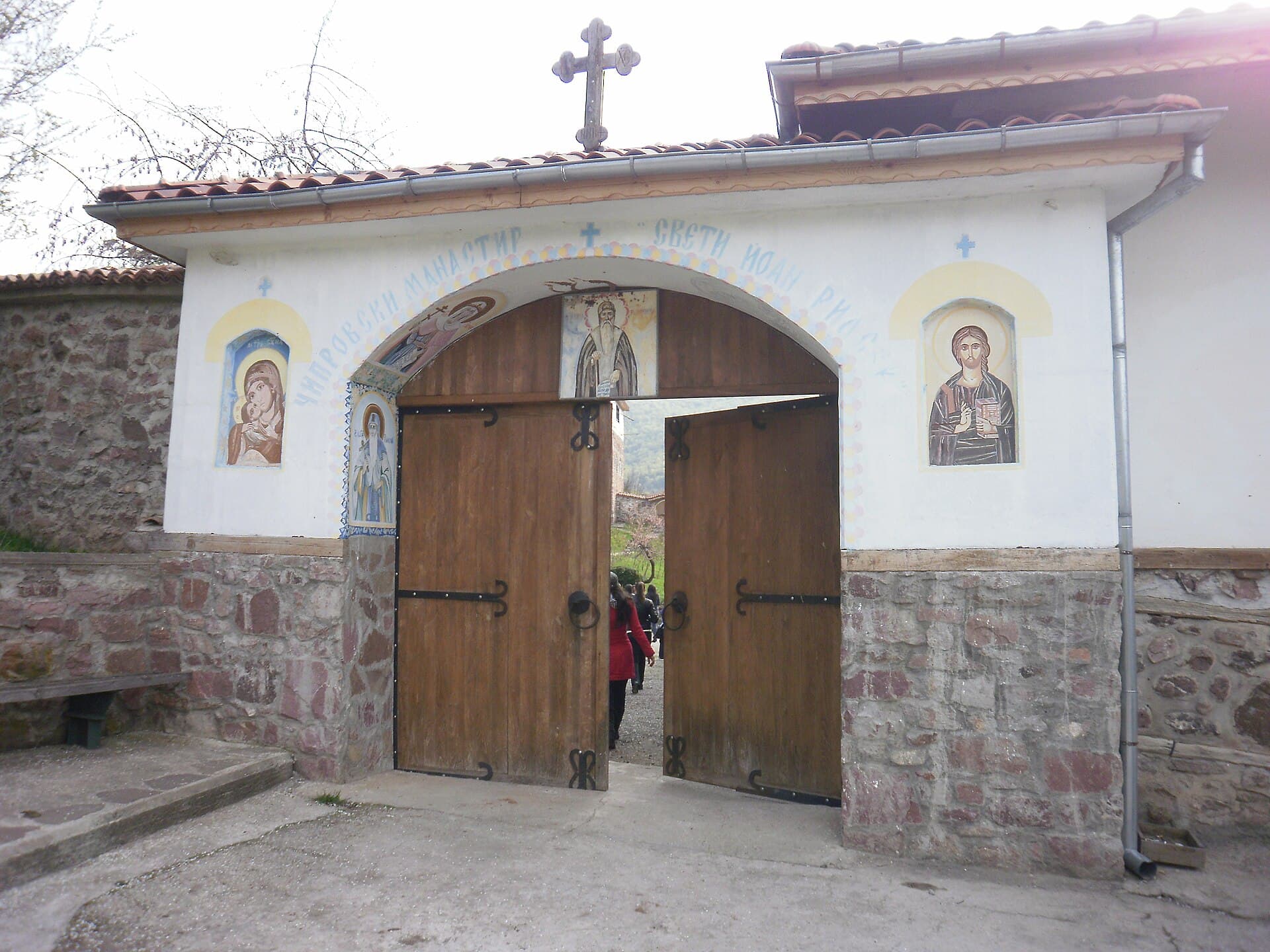
Chiprovtsi: Carpets, a Monastery and a Lost Uprising
A guide to Chiprovtsi in Bulgaria's far north-west: the UNESCO-listed kilim weaving tradition, the 1688 uprising that destroyed the town, the monastery of St John of Rila, and the waterfalls above it.
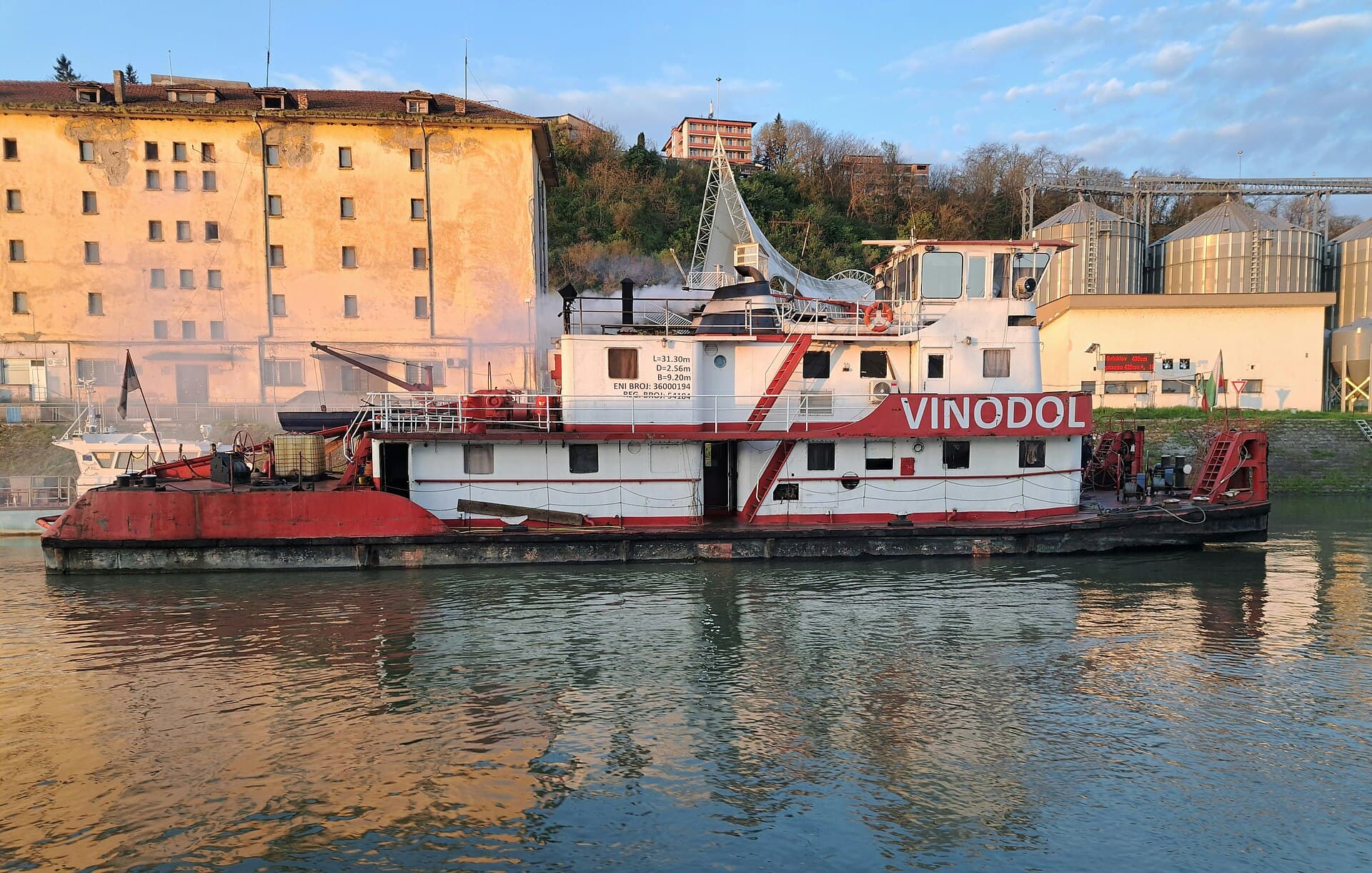
Svishtov, Nikopol & Belene: The Forgotten Danube
A guide to three Danube towns in northern Bulgaria: the 1877 crossing at Svishtov, the 1396 Battle of Nicopolis, the Persina wetlands, and the Belene labour camp that Bulgaria spent decades not discussing.
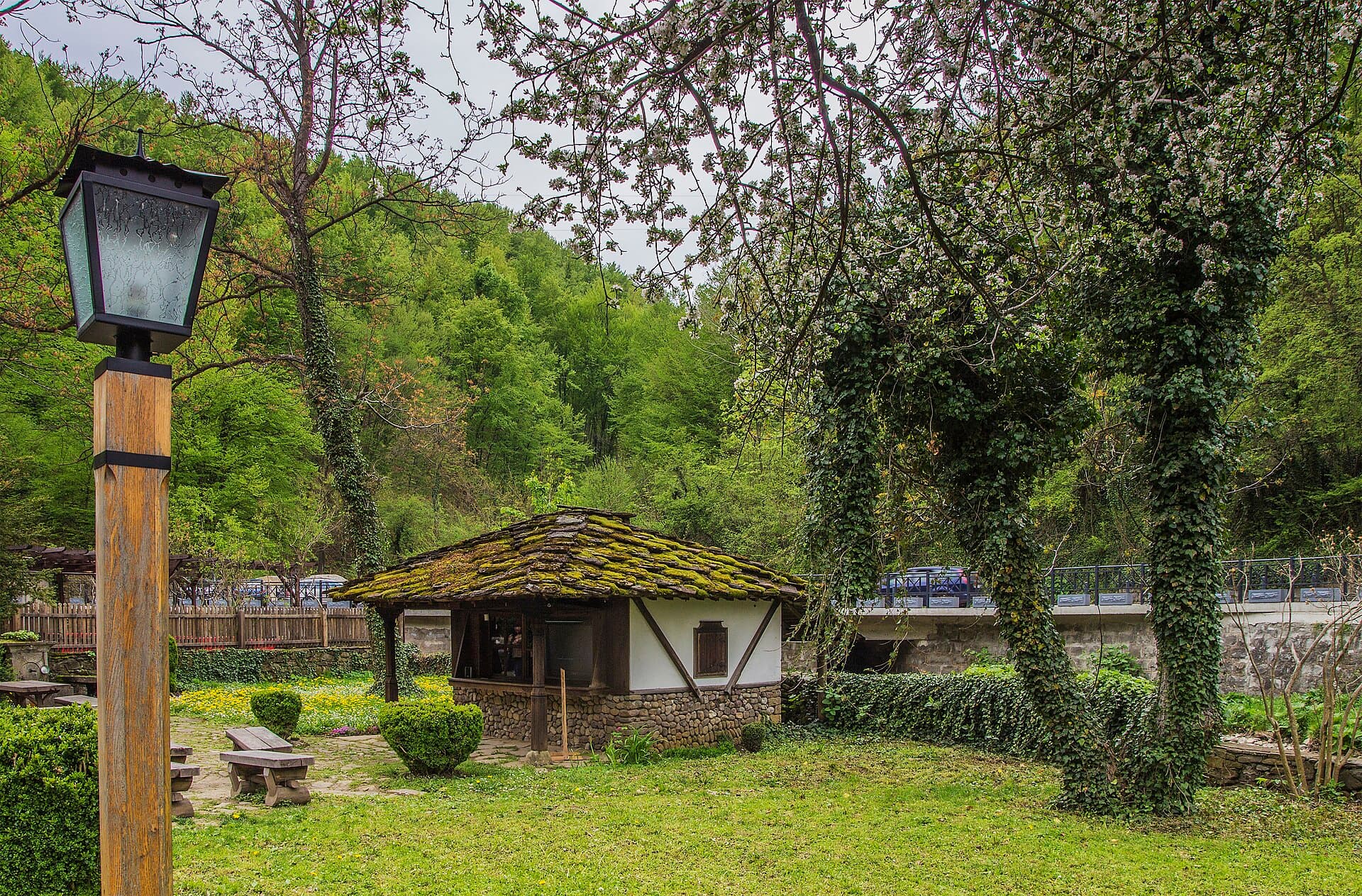
Etar: Bulgaria's Working Open-Air Museum
A guide to the Etar Architectural-Ethnographic Complex near Gabrovo: a reconstructed Revival craft street where the workshops still run on water power, what each trade does, how long to allow, and how to combine it with Tryavna and Bozhentsi.