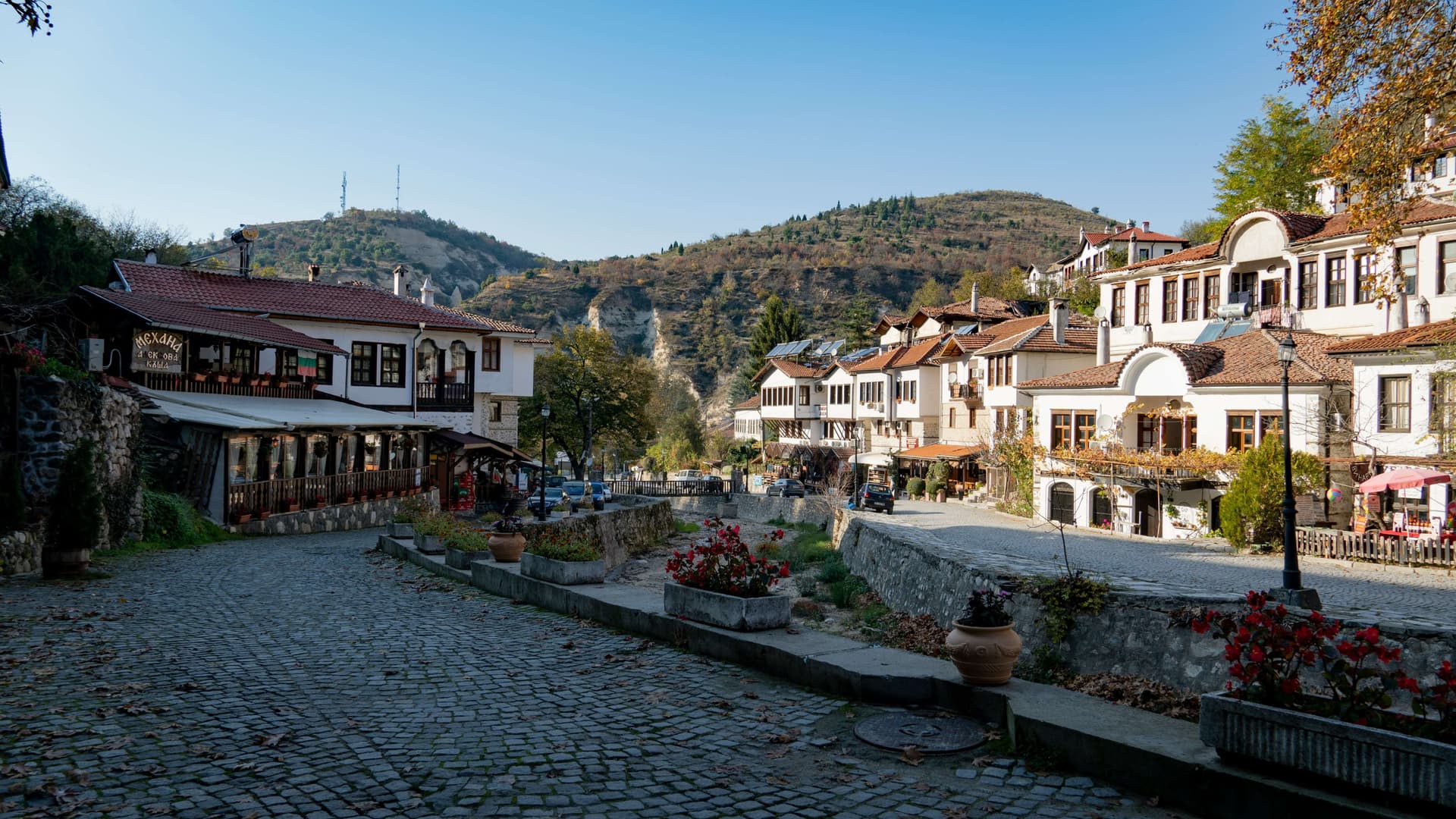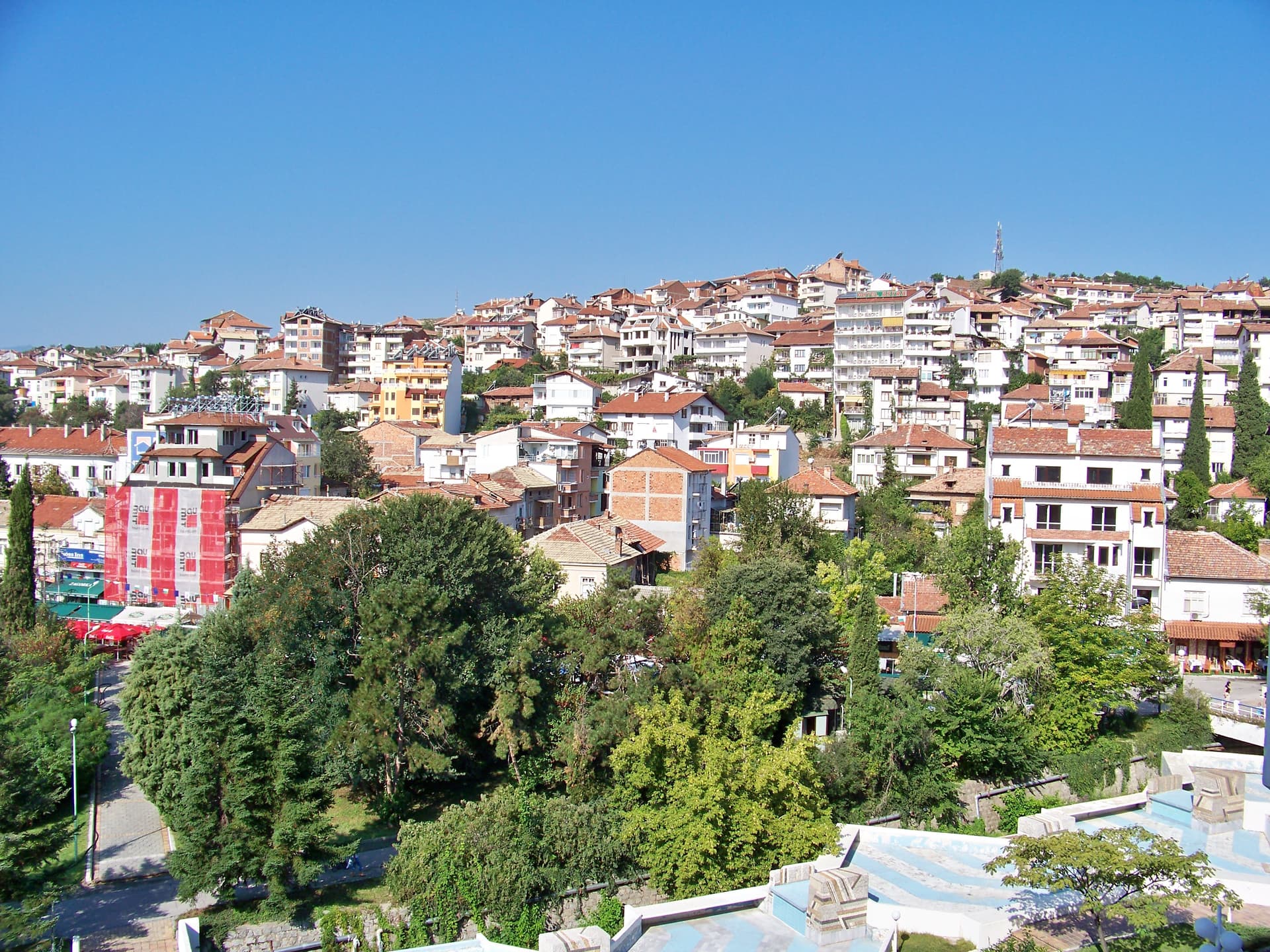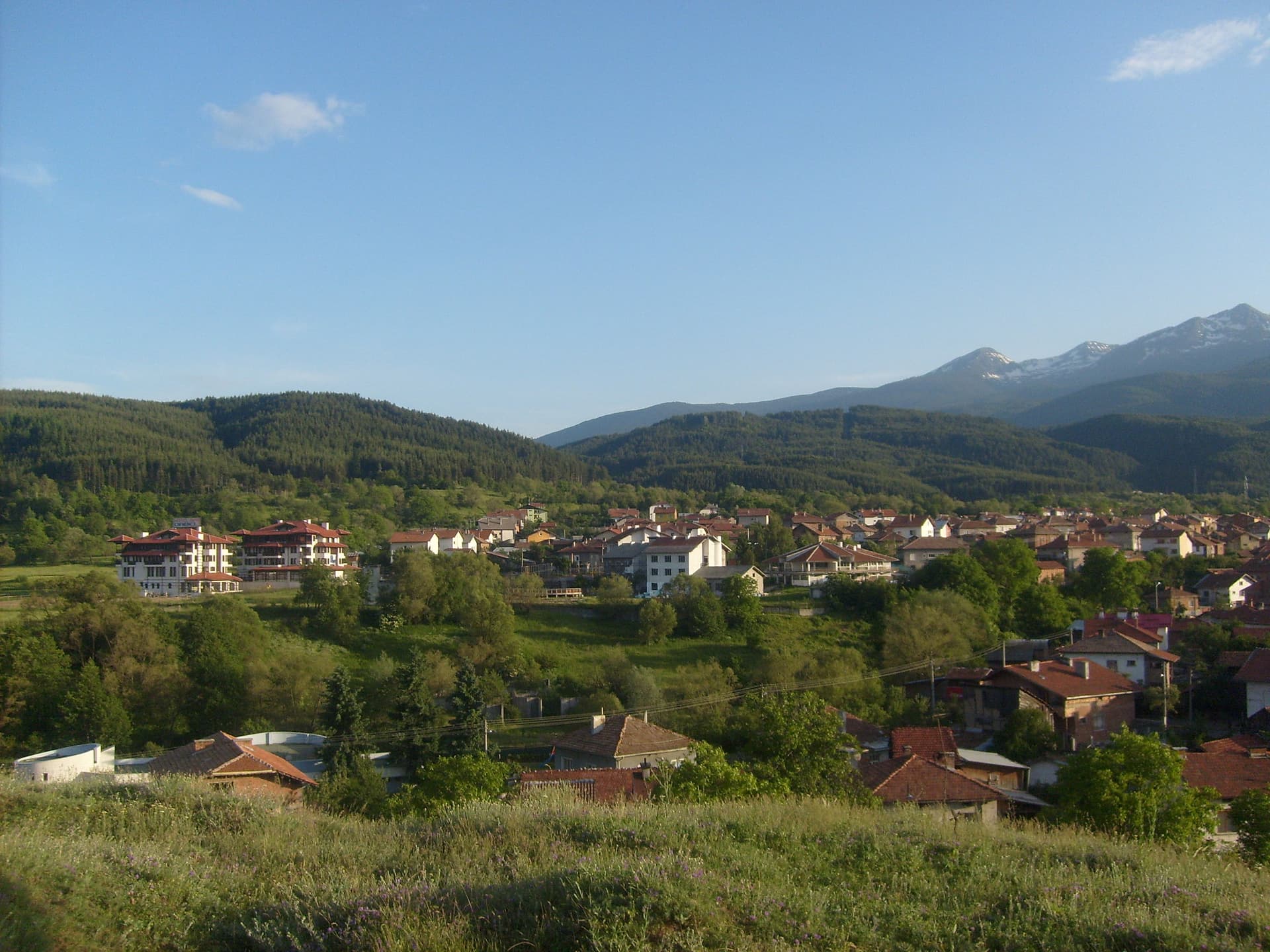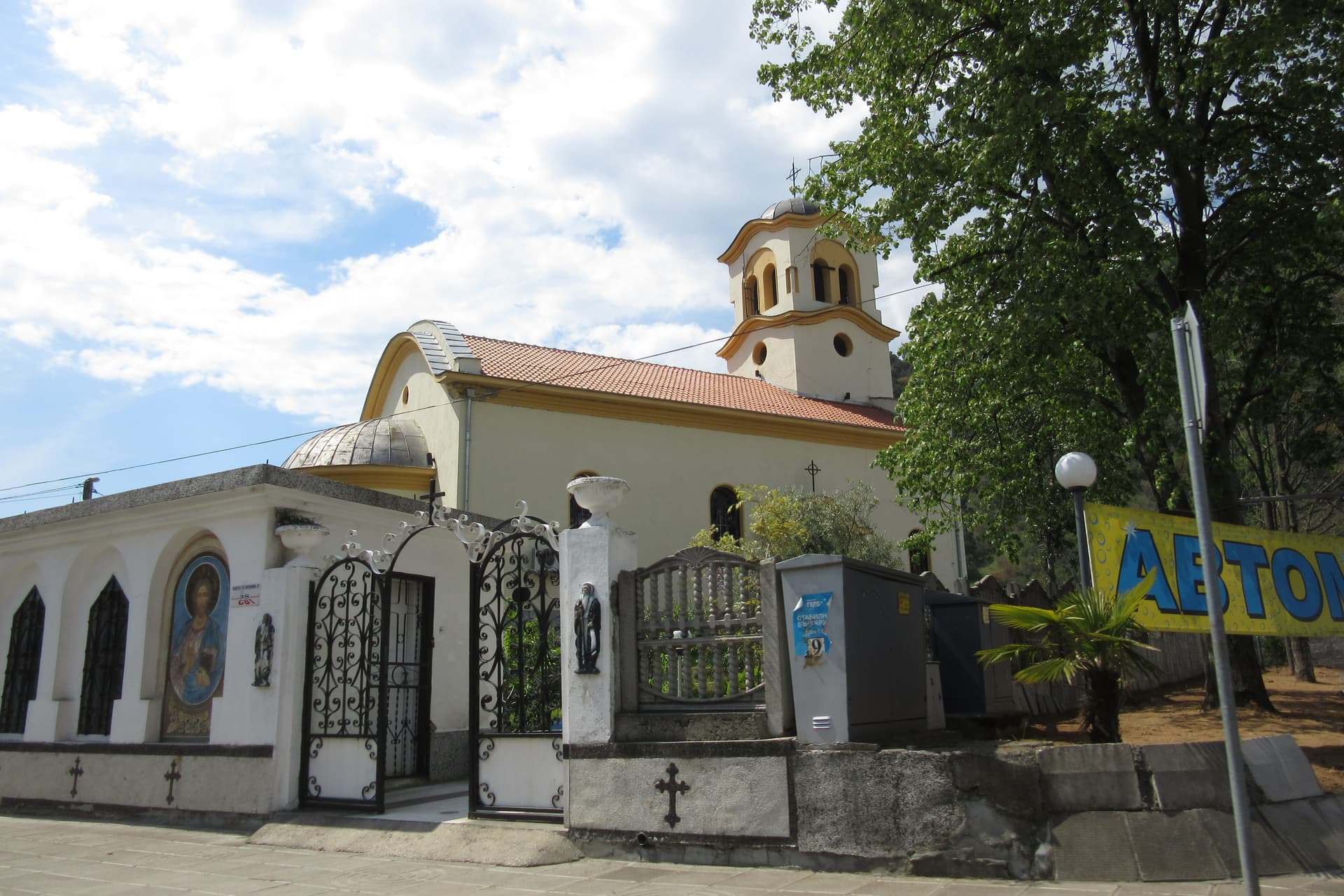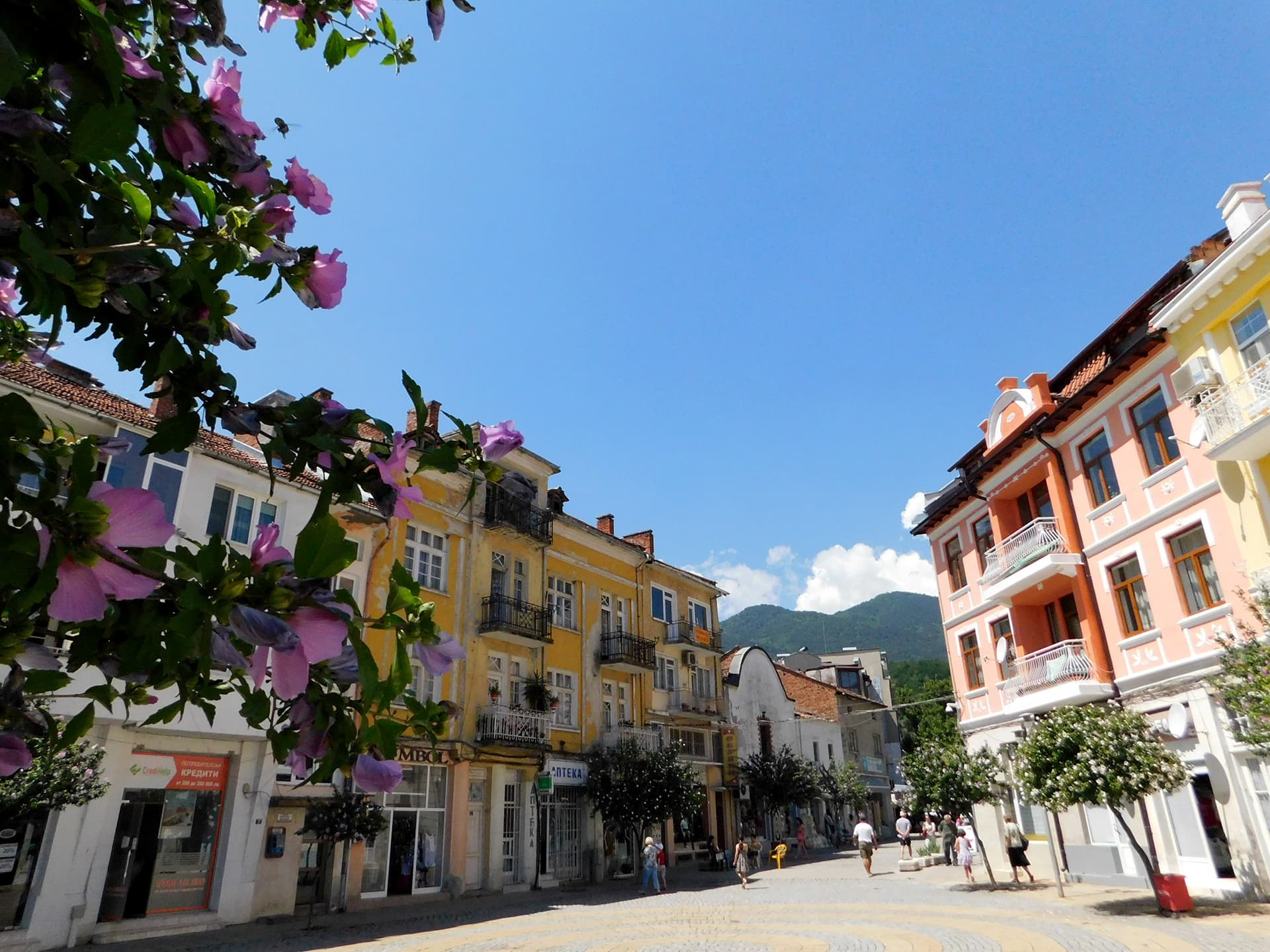
Gotse Delchev (Nevrokop until 1951) is a town in Blagoevgrad province with about 18,200 inhabitants (2021 census), the centre of its municipality. It lies at 545 m in the Gotse Delchev basin between Pirin, Slavyanka and the Western Rhodopes, about 205 km from Sofia and 106 km from Blagoevgrad.
By car from Sofia, take the Struma motorway to Simitli, then the Predela pass, Razlog and Bansko: about 3 h 15 min. From Plovdiv the road crosses the Rhodopes via Dospat. Buses run daily from Sofia Central Bus Station and from Blagoevgrad. The centre is a paid blue zone. Distances and timetables are in our guide below.
The centre takes about an hour on foot.
The town fell under Ottoman rule between 1374 and 1383; a tax register of 1444 lists 131 Christian households. From 1894 it has been the seat of the Nevrokop metropolitan. It was liberated on 19 October 1912, and its first mayor after that was the poet Peyo Yavorov. In 1951 it was renamed after the revolutionary Gotse Delchev (1872–1903).
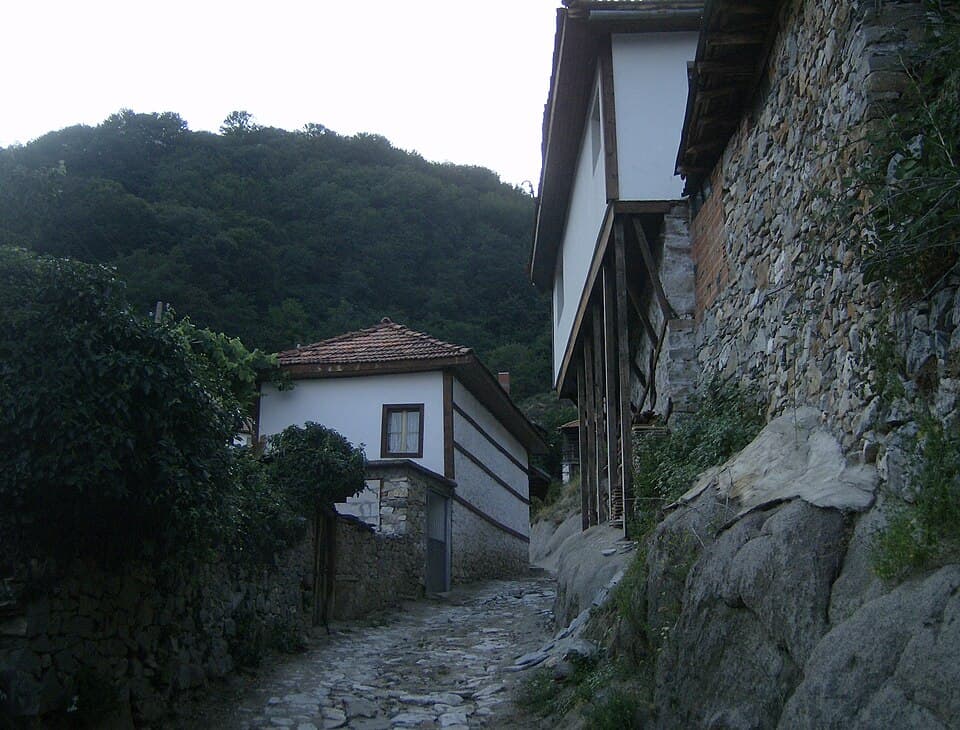
Blagoevgrad region
3.4 km away
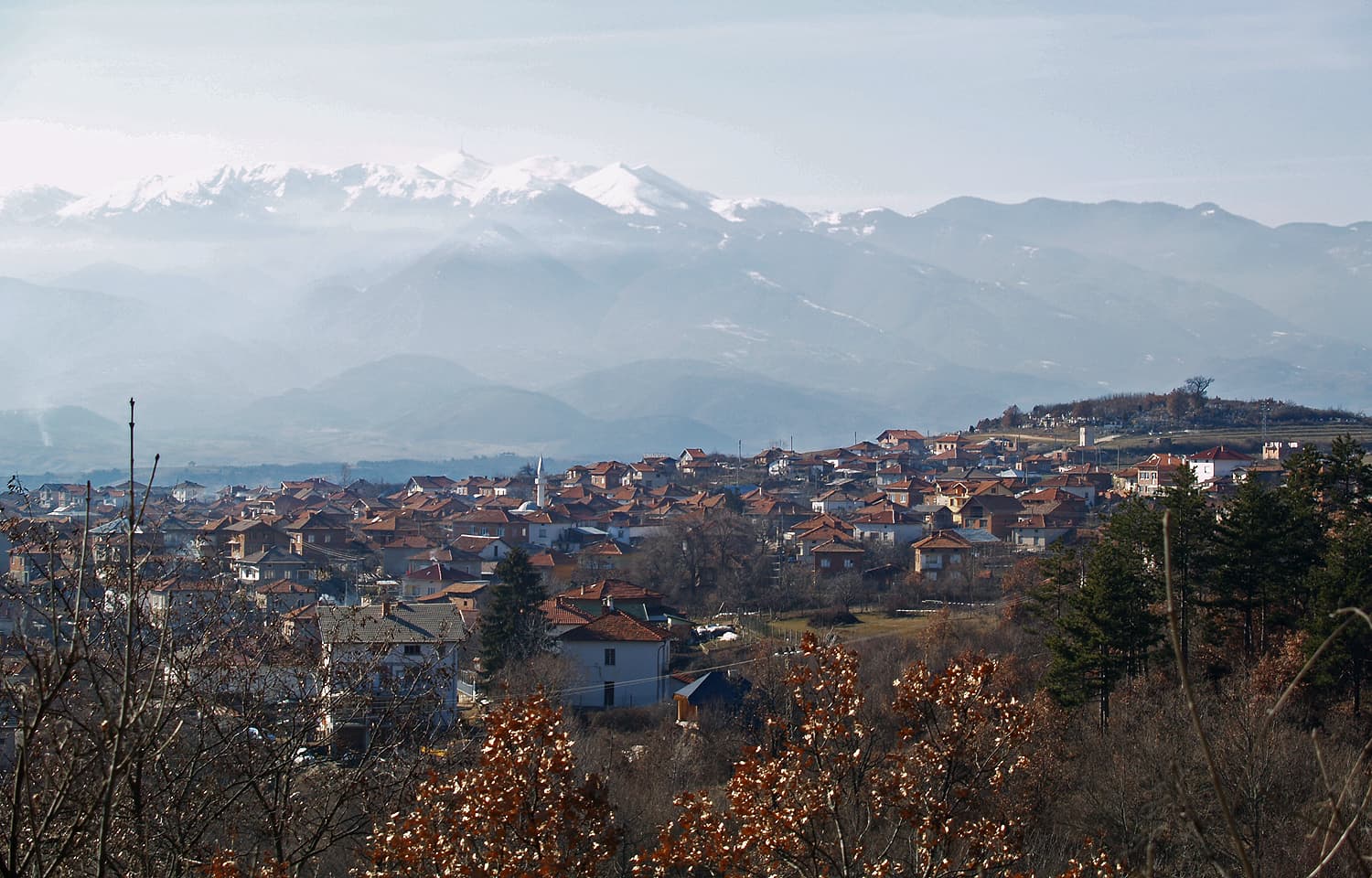
Blagoevgrad region
6.6 km away
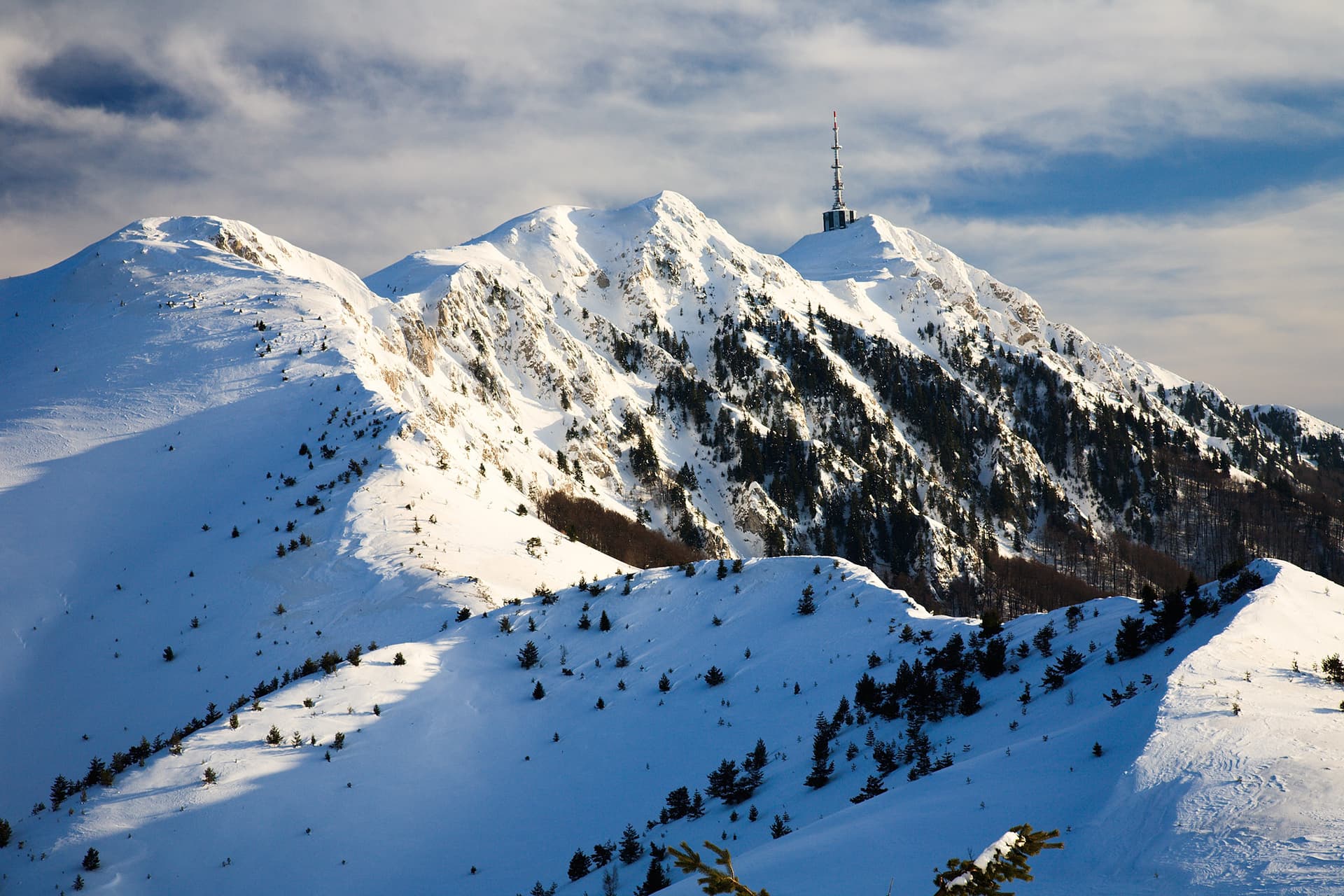
Blagoevgrad region
9.6 km away
Blagoevgrad region
10.9 km away
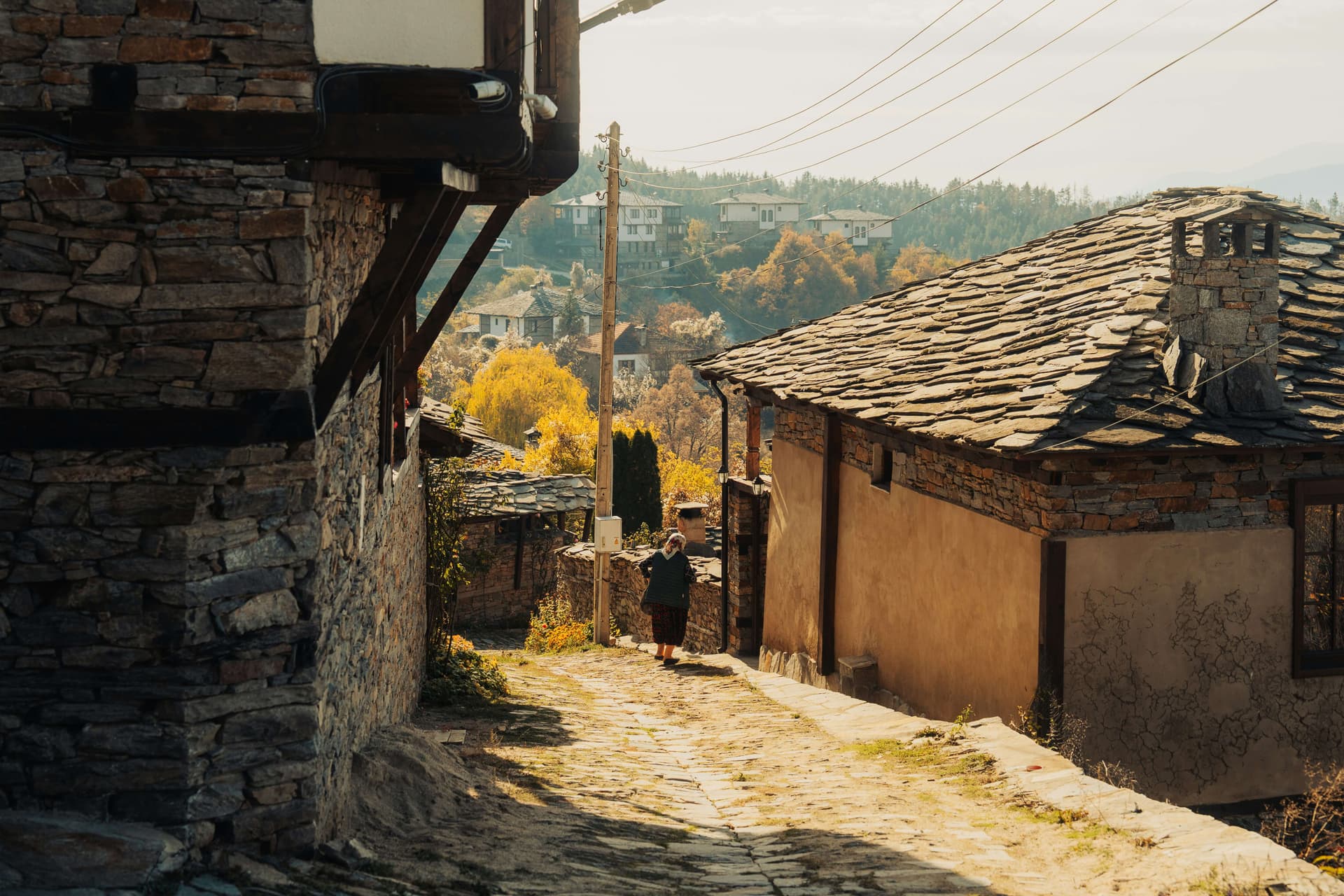
Roman ruins at Nicopolis ad Nestum, the stone villages of Kovachevitsa and Leshten, and Ognyanovo's hot springs — what to see around Gotse Delchev.
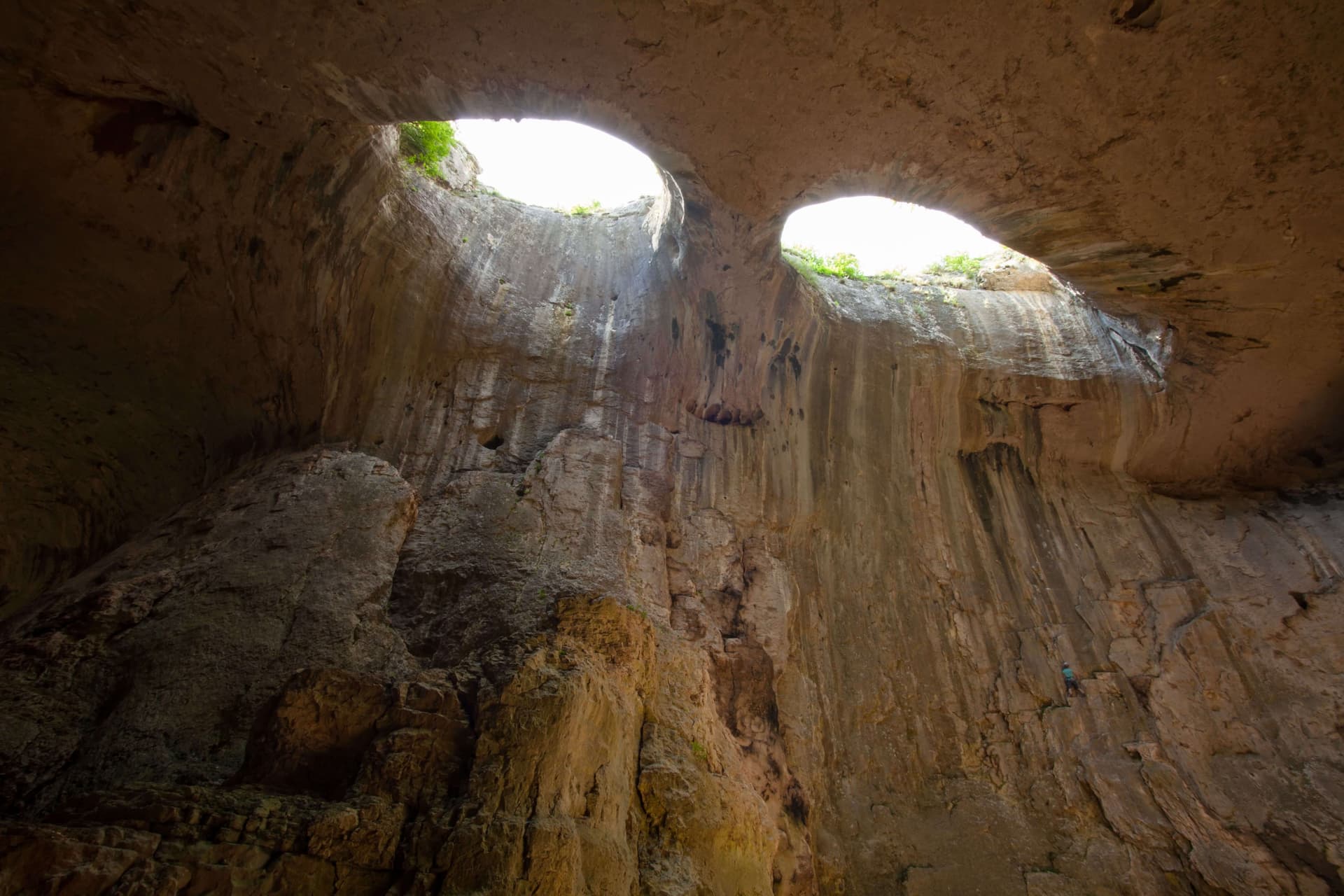
Looking for off-the-beaten-path destinations? Discover the 10 most magical hidden gems in Bulgaria—from the Womb Cave and Prohodna to Emen Canyon and Kosti.
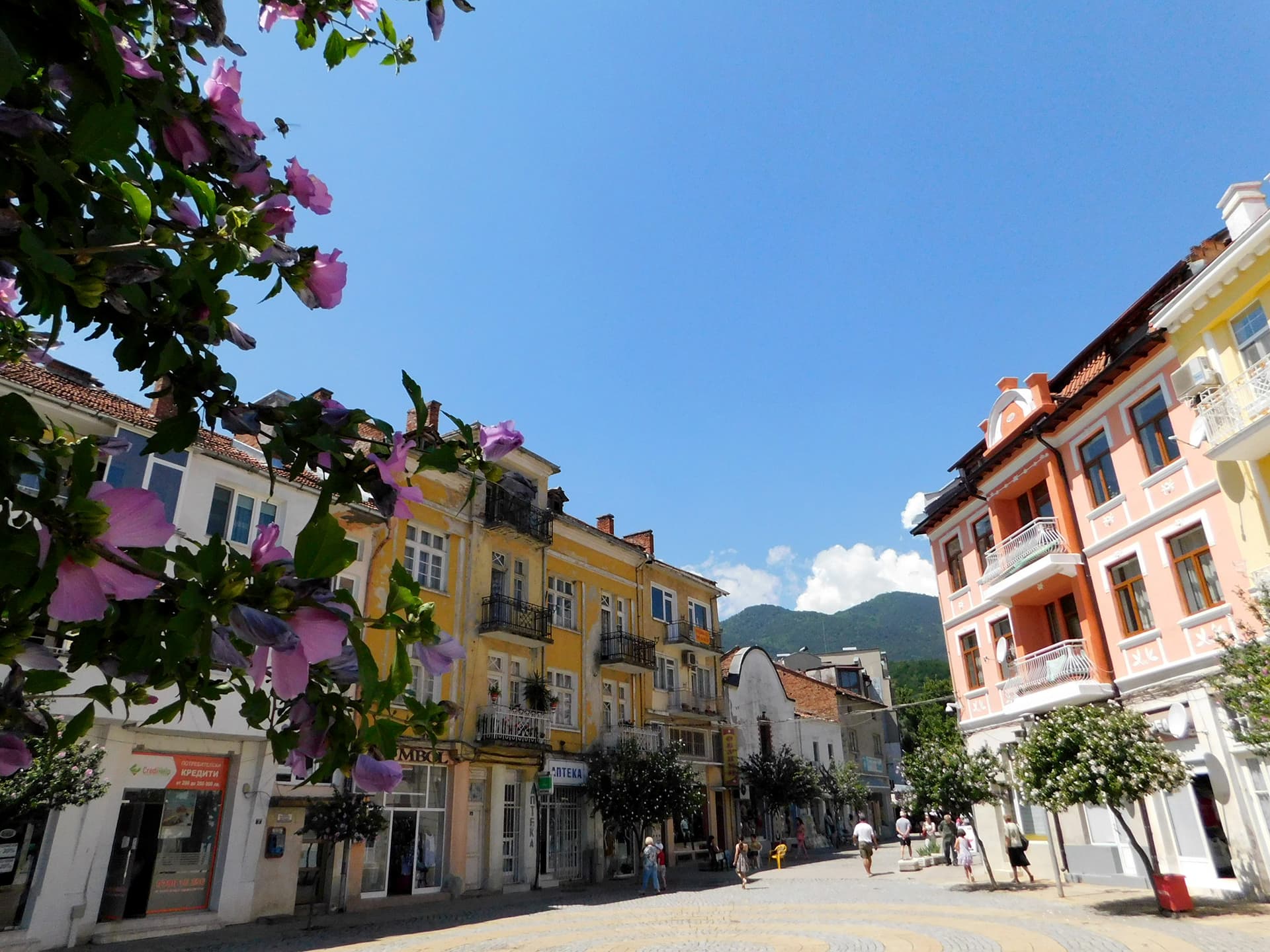
Gotse Delchev is located in Blagoevgrad, Bulgaria.
Gotse Delchev is most easily reached by car. Use the coordinates above to navigate, or open the location in OpenStreetMap or your preferred maps app for turn-by-turn directions. Public transport options vary by region — for remote destinations a rental car gives the most flexibility.
Gotse Delchev can be visited year-round, but late spring (May–June) and early autumn (September–October) offer the most pleasant weather and fewer tourists. Summer is the busiest season; winter is the quietest, with shorter daylight and possible cold weather.
Bulgarian settlements typically reward unhurried walking — historic centres, churches and monasteries, local markets, and family-run restaurants serving regional dishes. Larger towns often have museums and seasonal cultural events. The local tourist information centre is a good first stop for current opening hours and what's on.