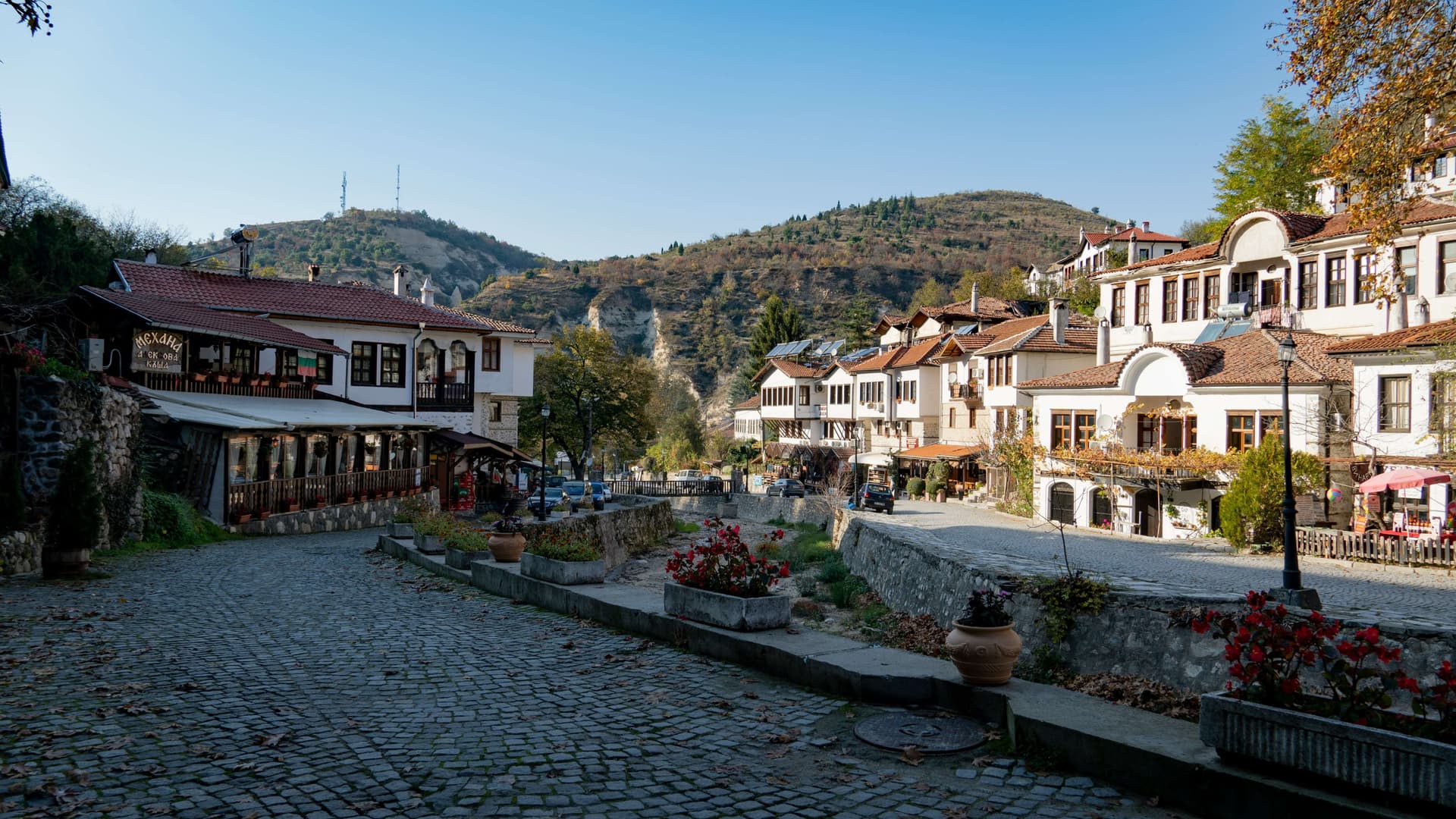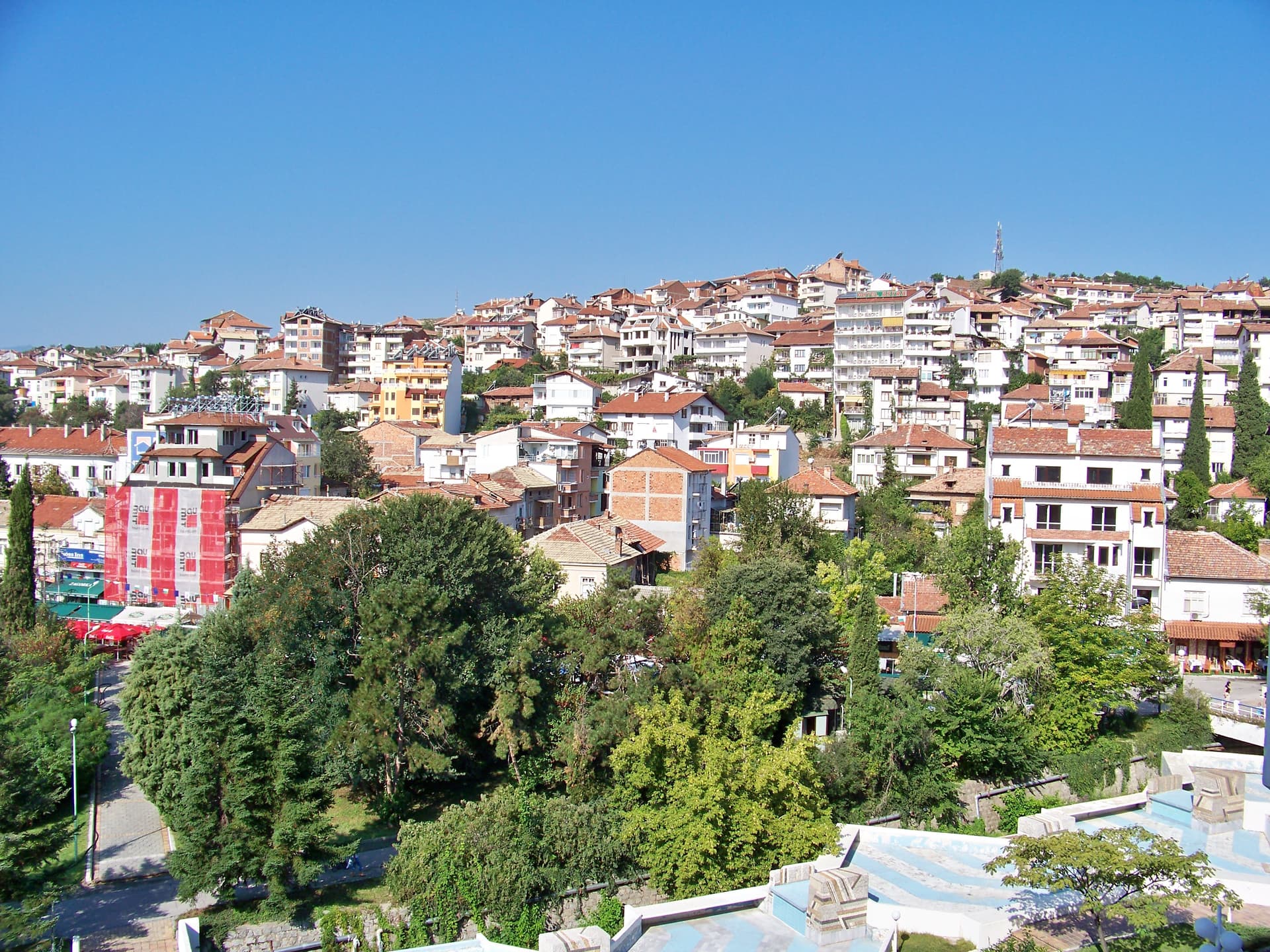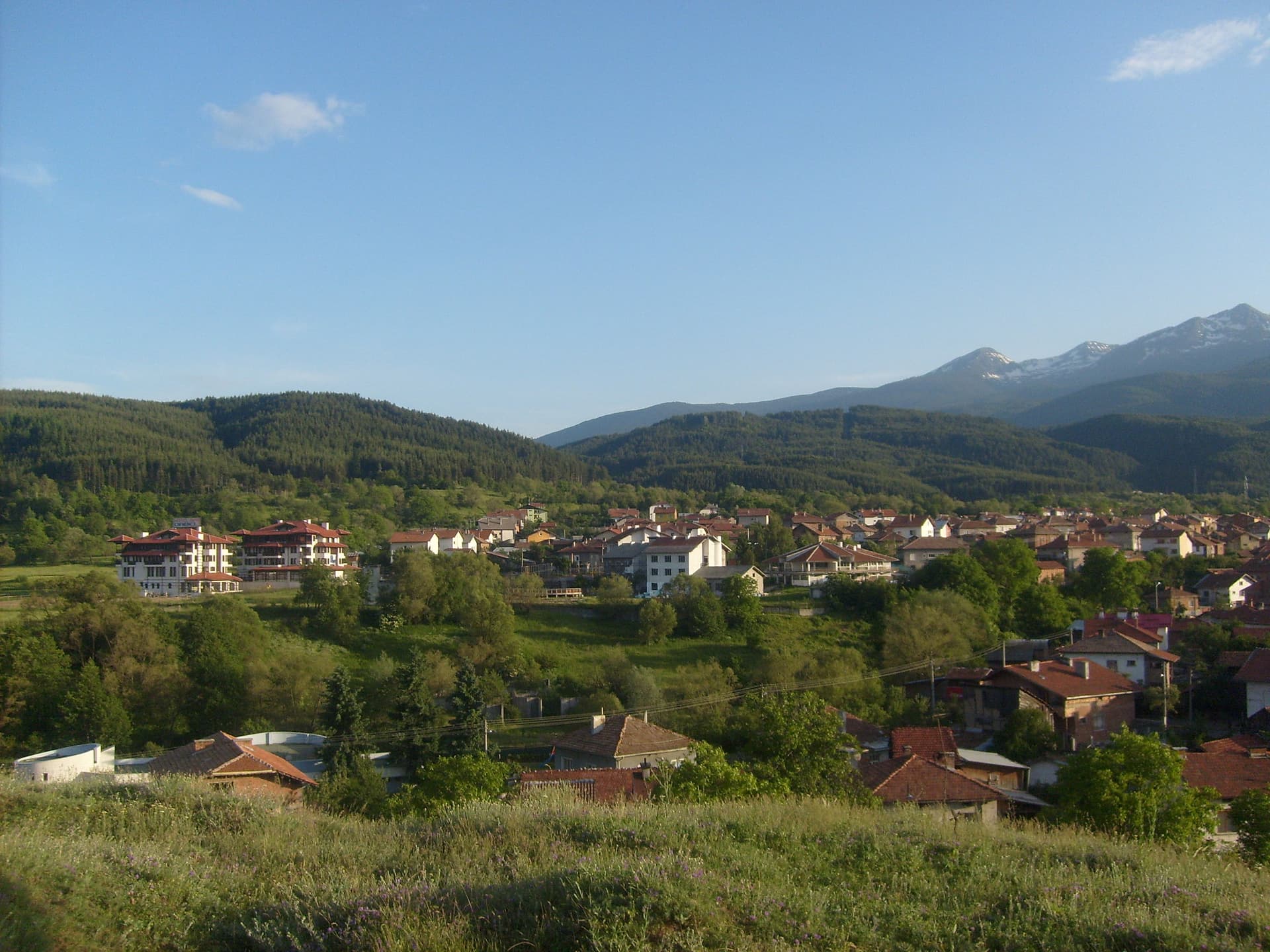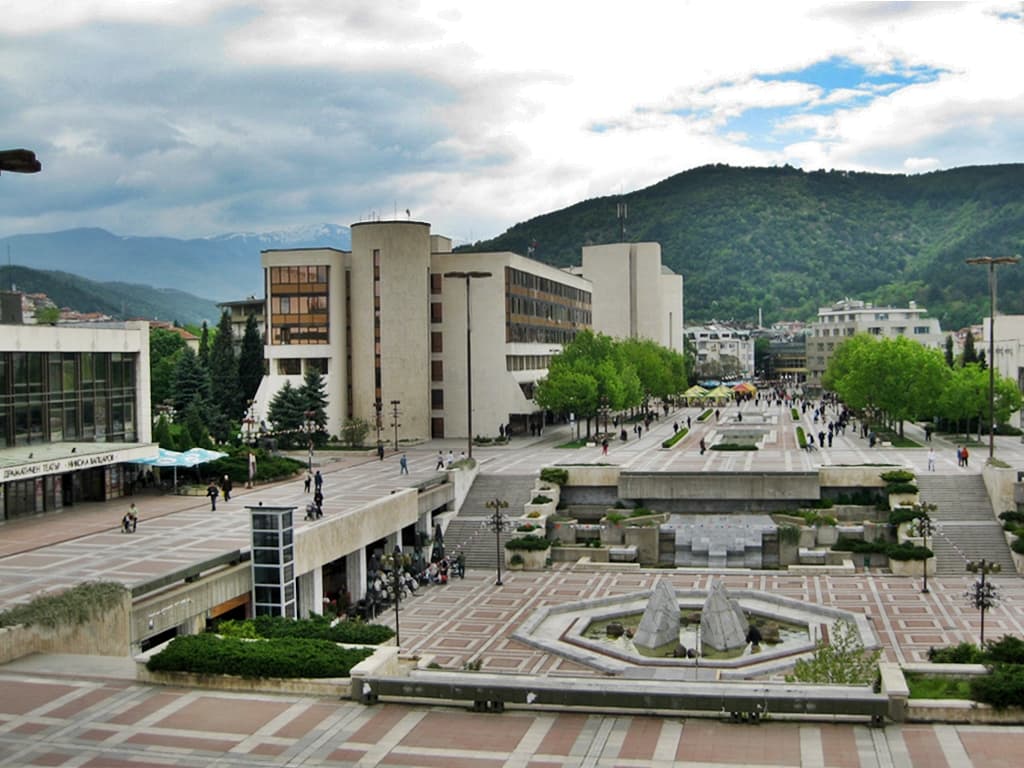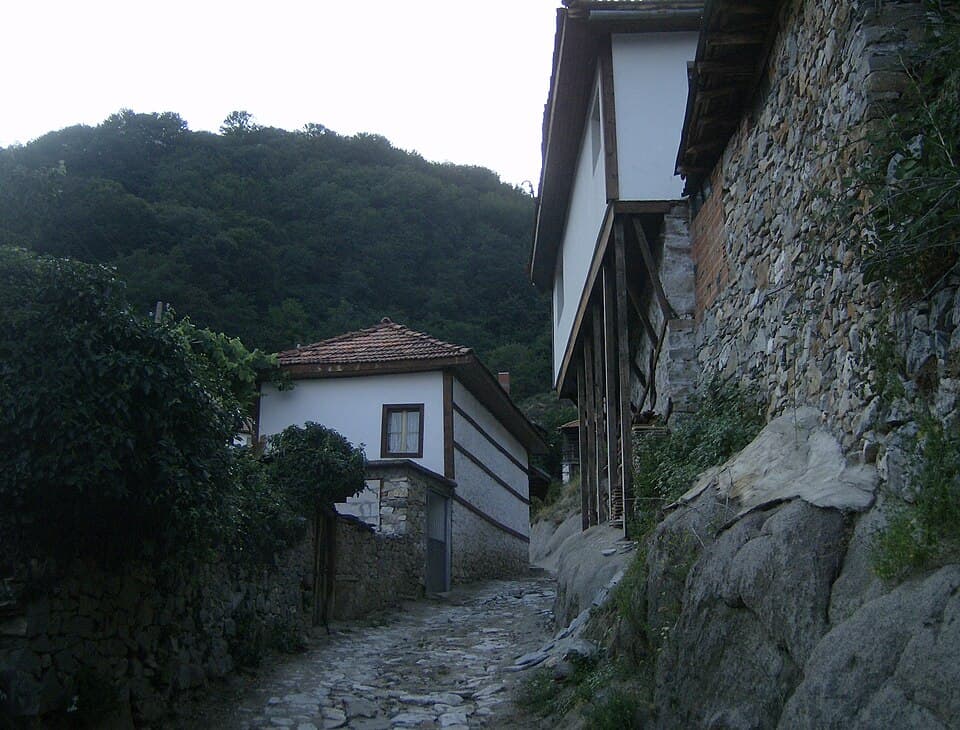
Delchevo is a picturesque high-altitude village situated in Southwestern Bulgaria, positioned within the administrative boundaries of the Gotse Delchev Municipality and Blagoevgrad Province. The settlement commands an exceptional and panoramic geographical position, nestled high up along the steep, forested southeastern slopes of the Southern Pirin Mountains. Delchevo attracts thousands of domestic and international travelers due to its perfectly preserved authentic appearance, mild Mediterranean climate, and breathtaking panoramic views overlooking the Gotse Delchev Valley and the Mesta River basin. Distinct Architectural Profile and National Revival Heritage The village features a unique and fully preserved architectural layout, masterfully combining the steep mountain terrain, the amphitheatrical tiered alignment of the buildings, and the narrow, winding cobblestone streets. A major portion of the residential structures was erected during the late 19th and early 20th centuries by skilled local master builders. All of these structures belong to the classic Bulgarian National Revival house style, with a total of 27 individual buildings holding official status as monuments of culture. In architectural terms, the buildings are distinguished by the following structural solutions: - Integration with Nature: In numerous locations, the builders utilized the living mountain rock face directly as a solid rear or side wall for the ground floor, achieving a unique blending of nature within the architectural silhouette. - Overhanging Erkers: Most of the historic houses, highlighted by the prominent Kurshumova House and Pavlova House, are engineered with characteristic overhanging bay windows (erkers) extending the second residential floor over the street space. - Revival Atmosphere: These erkers, combined with the narrow cobblestones and heavy stone fences, forge an authentic and highly pronounced National Revival atmosphere. The Church of the Dormition of the Mother of God in the Village Center Positioned at the absolute geographical center of Delchevo is the historic Orthodox Church of the Dormition of the Mother of God. Erected in 1838, it structures as a massive three-nave stone basilica, equipped with a spacious open gallery along its southern facade and a grand dome above the central nave, which was likely added during subsequent structural renovations. The interior layout of the church holds outstanding artistic and scientific value, safeguarding the following Christian treasures: - Iconostasis: A masterfully painted wooden iconostasis crafted during the 19th century, containing 10 detailed biblical scenes representing the Hexameron, elegantly rendered upon the lower panels. - Royal Doors: Authentic and exceptionally rare Royal Doors dating between the late 16th and early 17th centuries, which stand as a masterpiece of woodcarving. - Icons: A total collection of 66 valuable Orthodox icons dating to the 19th century, painted by prominent regional masters. Alternative Tourism, Guest Houses, and the Ethnographic Complex Over recent years, expanding rural, ecological, and cultural tourism initiatives have completely transformed the layout of Delchevo. Backed by municipal and European funds, the central public square, the town hall building, and the old schoolhouse have been fully renovated, with the latter currently operating as a contemporary Tourist Information Center. The district framing the village offers ideal settings for mountain trekking, hiking, outdoor seminars, alongside organized tours utilizing mountain bikes, motorcycles, and horses leading to the beautiful adjacent Popovi Livadi and Momina Kula localities. Built along the marked forest eco-trails are comfortable tourist shelters equipped with fresh spring water fountains and open fireplaces, while the meadows are rich in wild herbs and mushrooms. To accommodate visitors, the village operates over 120 guest beds distributed across authentic, restored guest houses, highlighted by the Panayotova, Solomontova, Mangalova, Chetrafilova, Yancheva, Zlatinova, Stoeva, Karamanova, and Penkova houses. A true crowning achievement of the local rural tourism profile is the newly opened ethnographic complex bearing the cheerful title Shapkova Kruchma (Shapkov's Tavern). Situated directly on the renovated public square, the complex integrates a traditional tavern, a terraced courtyard featuring a large barbecue facility, and a contemporary hotel wing. Blending modern luxury with authentic regional tastes, Shapkova Kruchma presents the history, lifestyle, and culinary heritage of the Pirin region in a highly attractive format. Annual Cultural Festivals and Fairs Delchevo keeps regional folklore alive through the organization of three major annual festivals: - Wine and Love Festival (Trifon Zarezan Day): Celebrated during the month of February. It incorporates the re-enactment of the traditional Delchevo Wedding custom, ritual vine pruning accompanied by traditional wind instruments, and a competitive contest evaluating the best homemade wines. - Annual Village Fair: Observed every year on May 21, celebrating the Holy Equal-to-the-Apostles Saints Constantine and Helen, featuring extensive public celebrations and folklore performances. International Festival of Ancient Mysteries (Enyovden / Midsummer): Organized annually between June 22 and June 25. The festival is dedicated to the magic of medicinal herbs, the sun, and water, attracting participants from across the nation and abroad who re-enact ancient pagan and Christian midsummer rituals.
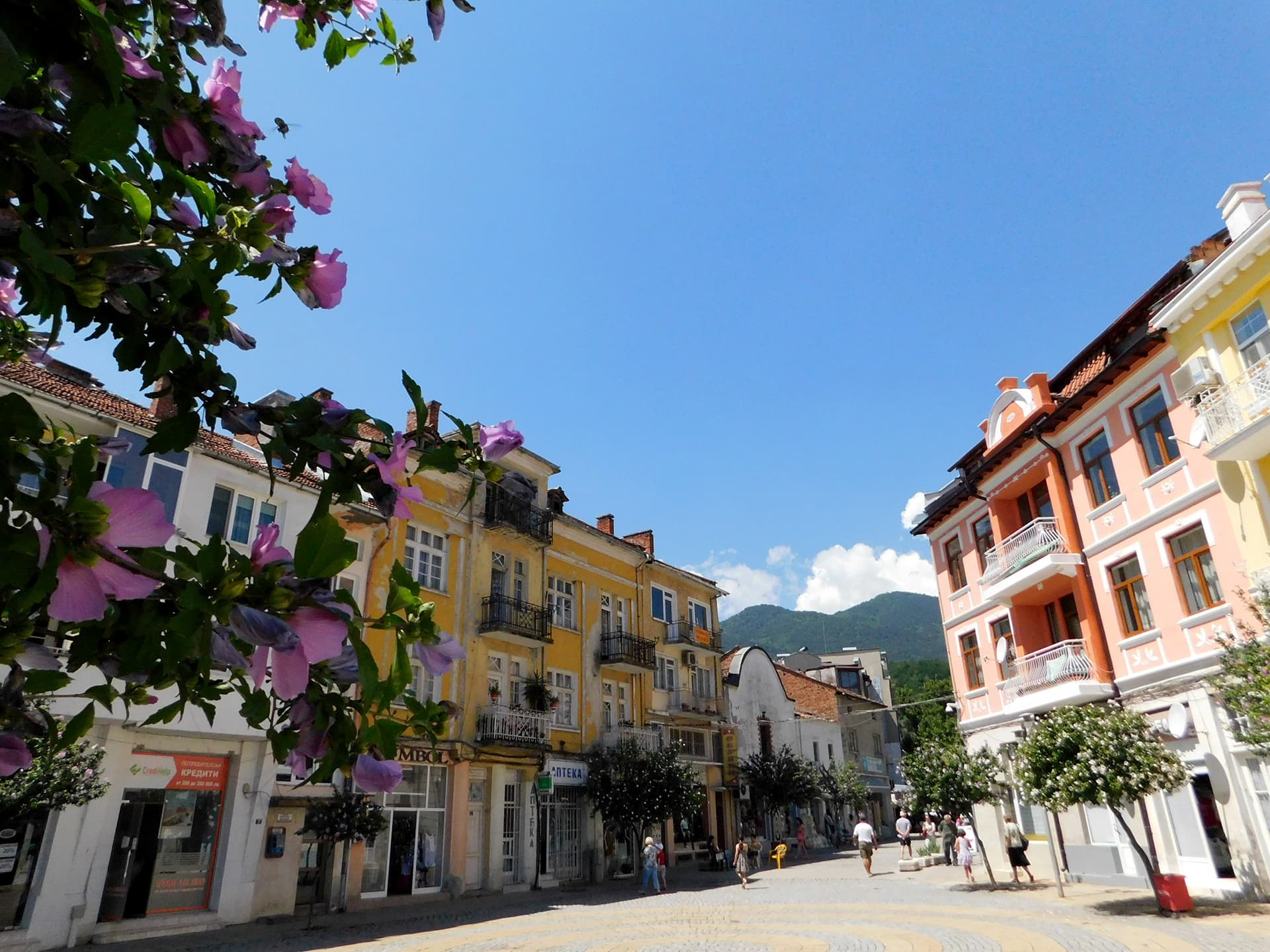
Blagoevgrad
3.4 km away
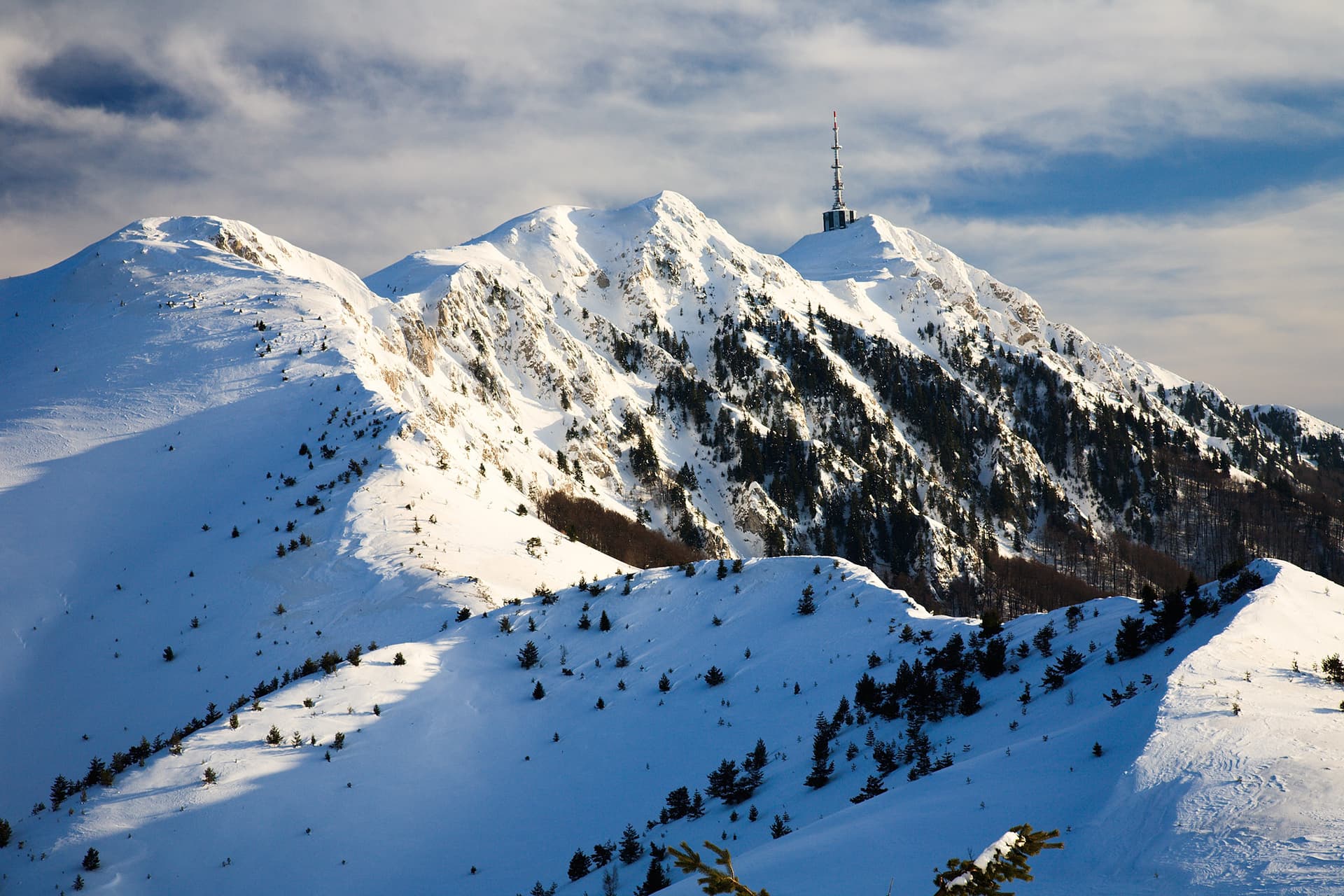
Blagoevgrad
7.1 km away
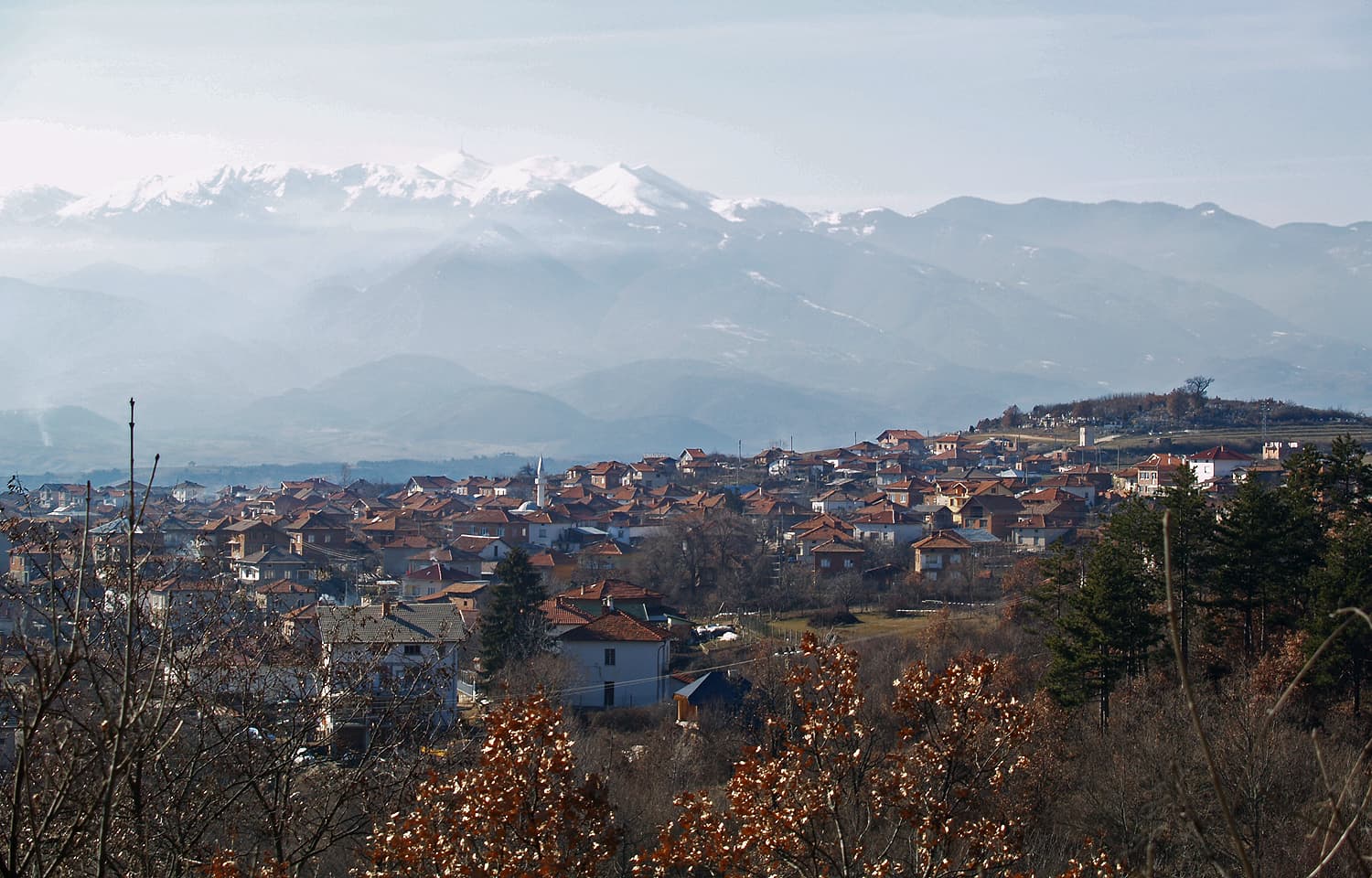
Blagoevgrad
9.9 km away

Blagoevgrad
10.1 km away
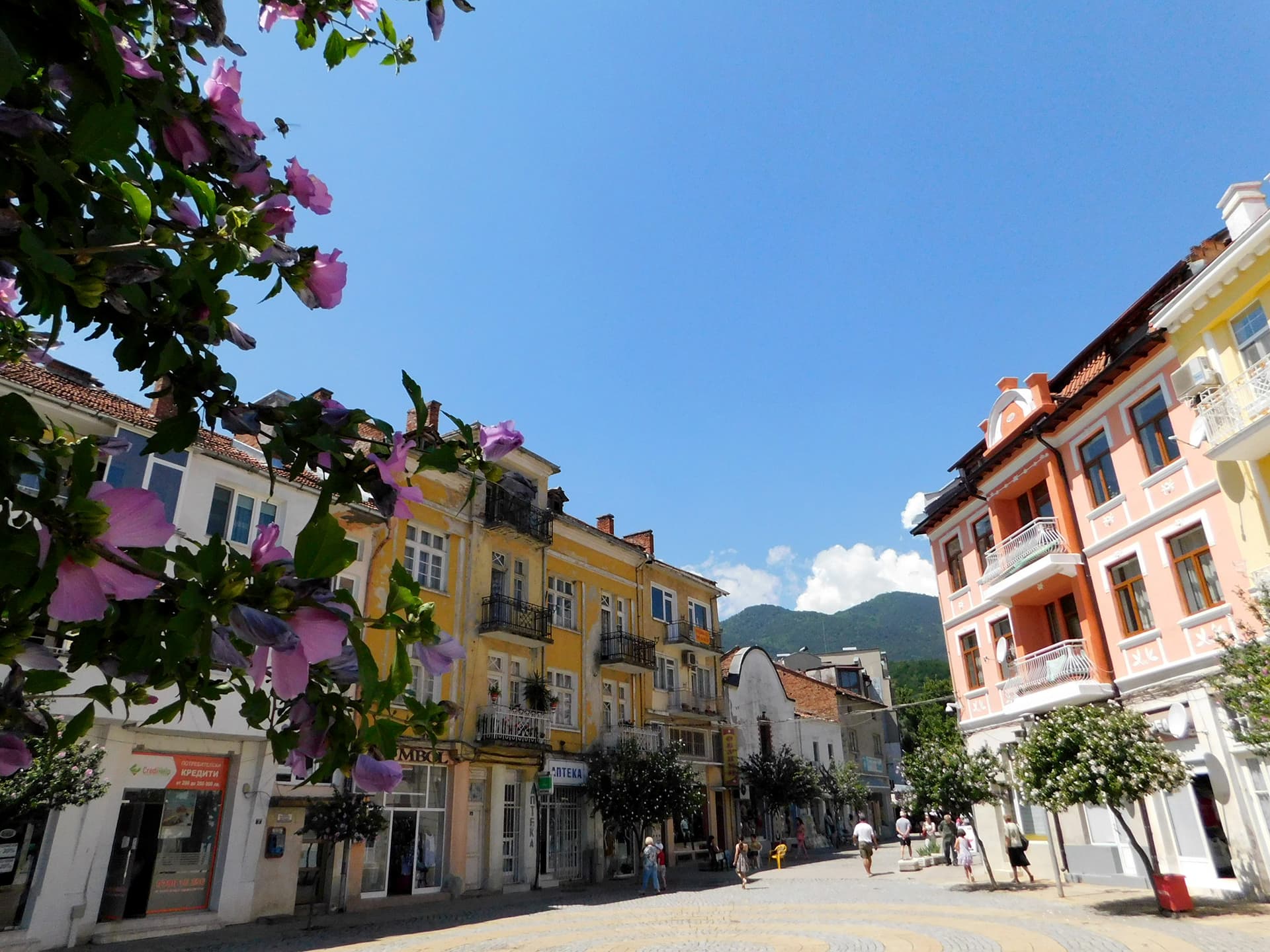
Roman ruins at Nicopolis ad Nestum, the stone villages of Kovachevitsa and Leshten, and Ognyanovo's hot springs — what to see around Gotse Delchev.
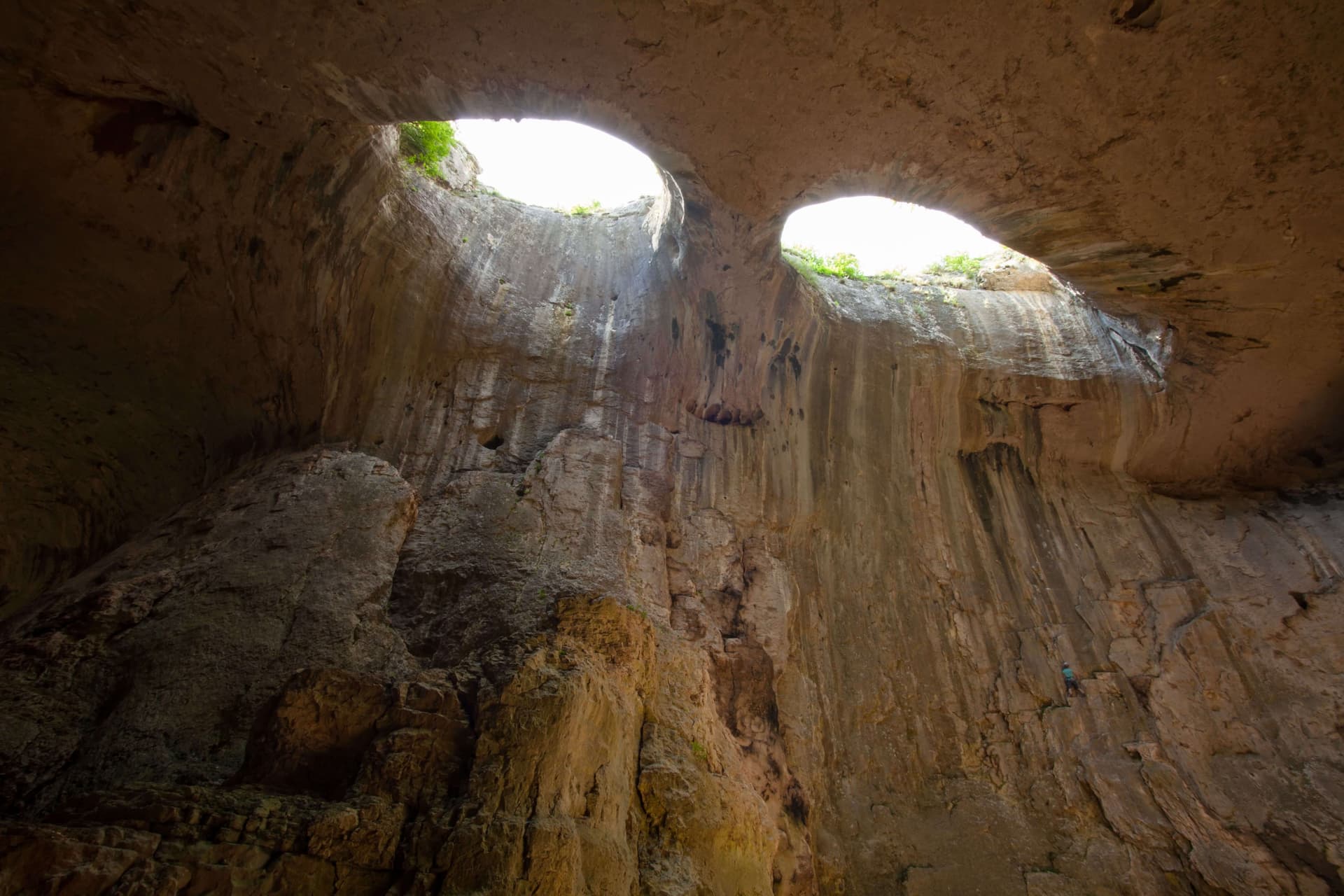
Looking for off-the-beaten-path destinations? Discover the 10 most magical hidden gems in Bulgaria—from the Womb Cave and Prohodna to Emen Canyon and Kosti.
Delchevo is located in Blagoevgrad, Bulgaria.
Delchevo is most easily reached by car. Use the coordinates above to navigate, or open the location in OpenStreetMap or your preferred maps app for turn-by-turn directions. Public transport options vary by region — for remote destinations a rental car gives the most flexibility.
Delchevo can be visited year-round, but late spring (May–June) and early autumn (September–October) offer the most pleasant weather and fewer tourists. Summer is the busiest season; winter is the quietest, with shorter daylight and possible cold weather.
Bulgarian settlements typically reward unhurried walking — historic centres, churches and monasteries, local markets, and family-run restaurants serving regional dishes. Larger towns often have museums and seasonal cultural events. The local tourist information centre is a good first stop for current opening hours and what's on.