

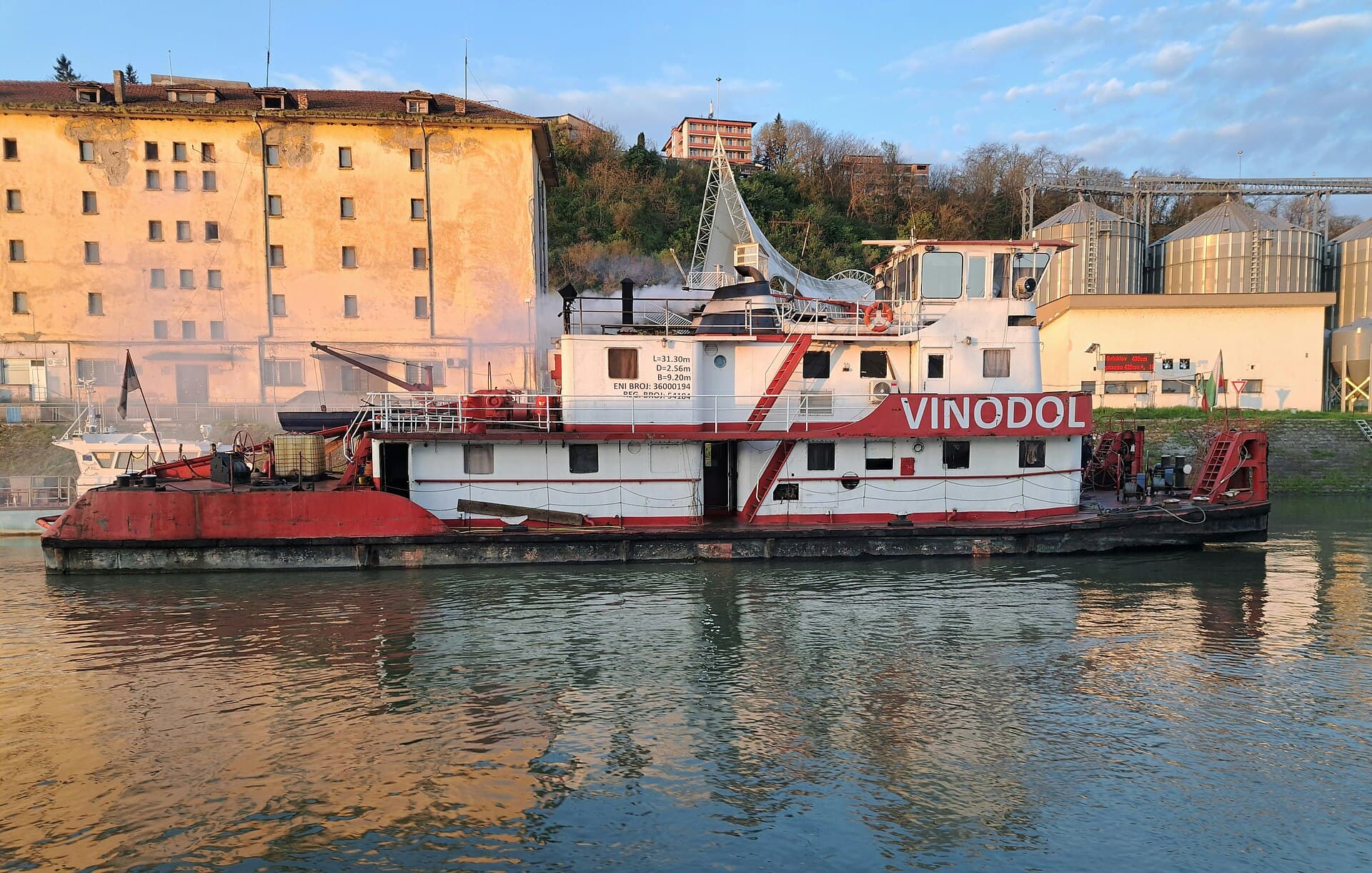
Svishtov, Nikopol & Belene: The Forgotten Danube
In this guide▾
The Bulgarian Danube gets visited mostly at two points: Ruse in the east and Vidin in the west. The 200 km stretch between them remains one of the least-travelled sections of river in South-Eastern Europe.
Three towns along this bank hold more history per kilometre than almost anywhere else in Bulgaria — a crusade that failed in 1396, a river crossing that launched modern Bulgaria in 1877, and a labour camp that was kept quiet for forty years.
This is not a traditional sightseeing trip. It is a deep dive into history and nature.
📍 Getting There
| Segment | Distance | Driving time |
|---|---|---|
| Svishtov ↔ Belene | ~30 km | ~35 min |
| Belene ↔ Nikopol | ~30 km | ~35 min |
| Pleven | ~85 km | ~1 h 20 min |
| Veliko Tarnovo | ~90 km | ~1 h 20 min |
| Ruse | ~110 km | ~1 h 40 min |
Public transport along the river is sparse and slow. Renting a car is the most practical choice — see our car rental guide.
🚢 Svishtov: The Historical Crossing
Svishtov marks the northernmost point of Bulgaria. On 27 June 1877, it became the turning point of modern Bulgarian history.
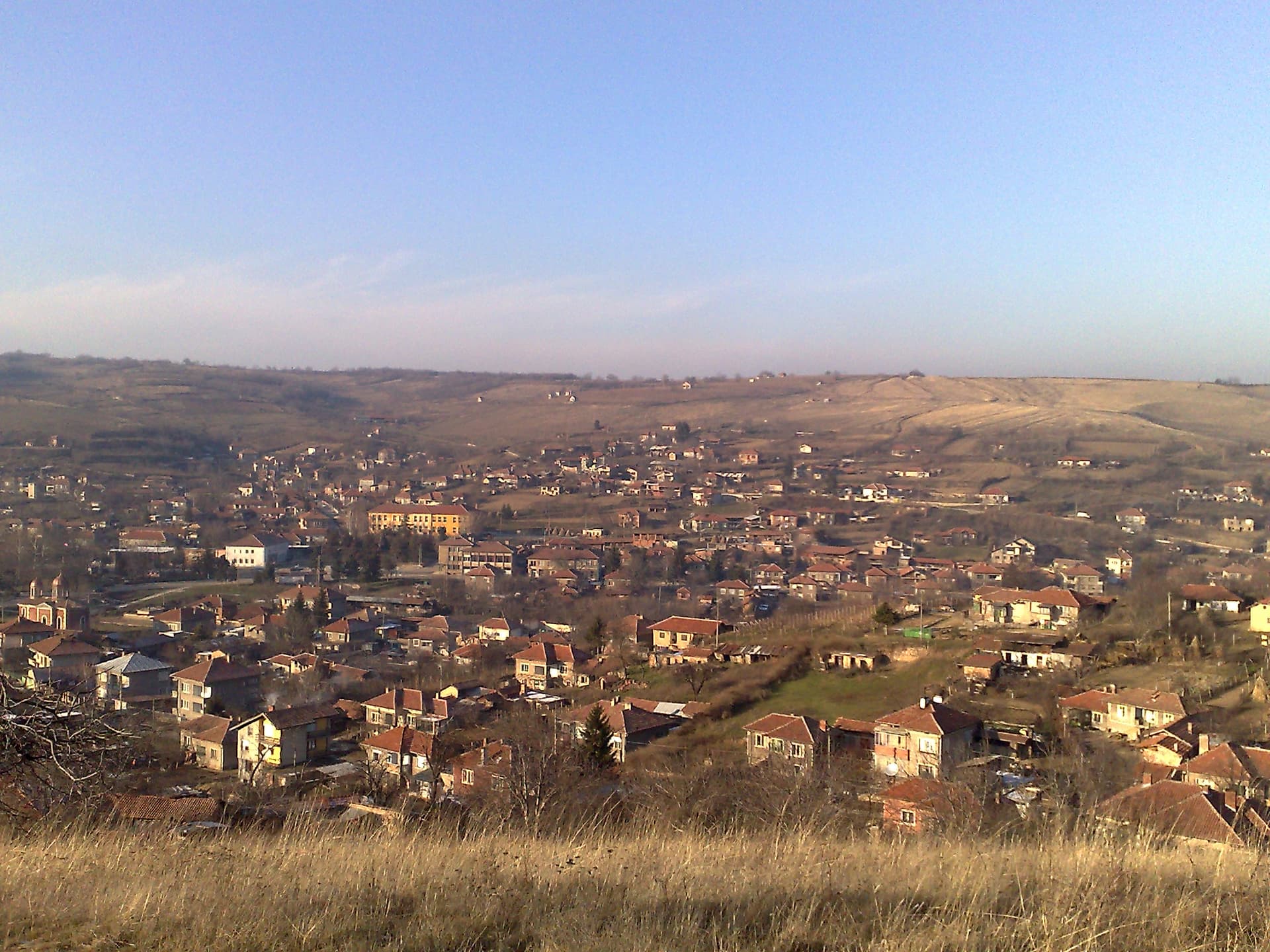
This is where the Russian army crossed the Danube, launching the campaign of the Russo-Turkish War. Everything that followed — the battles at Shipka Pass, the siege of Pleven, and the re-establishment of the Bulgarian state — originated on this riverbank. A monument in the Pametnite park marks the exact landing site.
Beyond the crossing, Svishtov offers several notable cultural sites:
- Aleko Konstantinov: The famous satirist was born here. He wrote Bay Ganyo, one of Bulgaria's most iconic literary works, and founded the country's organized hiking movement.
- Holy Trinity Church: Designed and built by Kolyu Ficheto, the self-taught master builder whose bridges and churches defined Revival-era architecture.
- Dimitar Tsenov Academy of Economics: Founded in the 1930s, it is the oldest specialized economics higher education institution in Bulgaria and gives the town a vibrant student feel.
- Novae: The excavated ruins of a major Roman legionary fortress and town sit just east of Svishtov.
Svishtov is the largest of the three towns and an enjoyable place to spend a relaxed half-day.

⚔️ Nikopol: The Battle of 1396
In 1396, a massive crusader army assembled from across Western and Central Europe — including knights from France, England, Hungary, Burgundy, and the Holy Roman Empire — marched down the Danube to besiege Ottoman-held Nikopol.
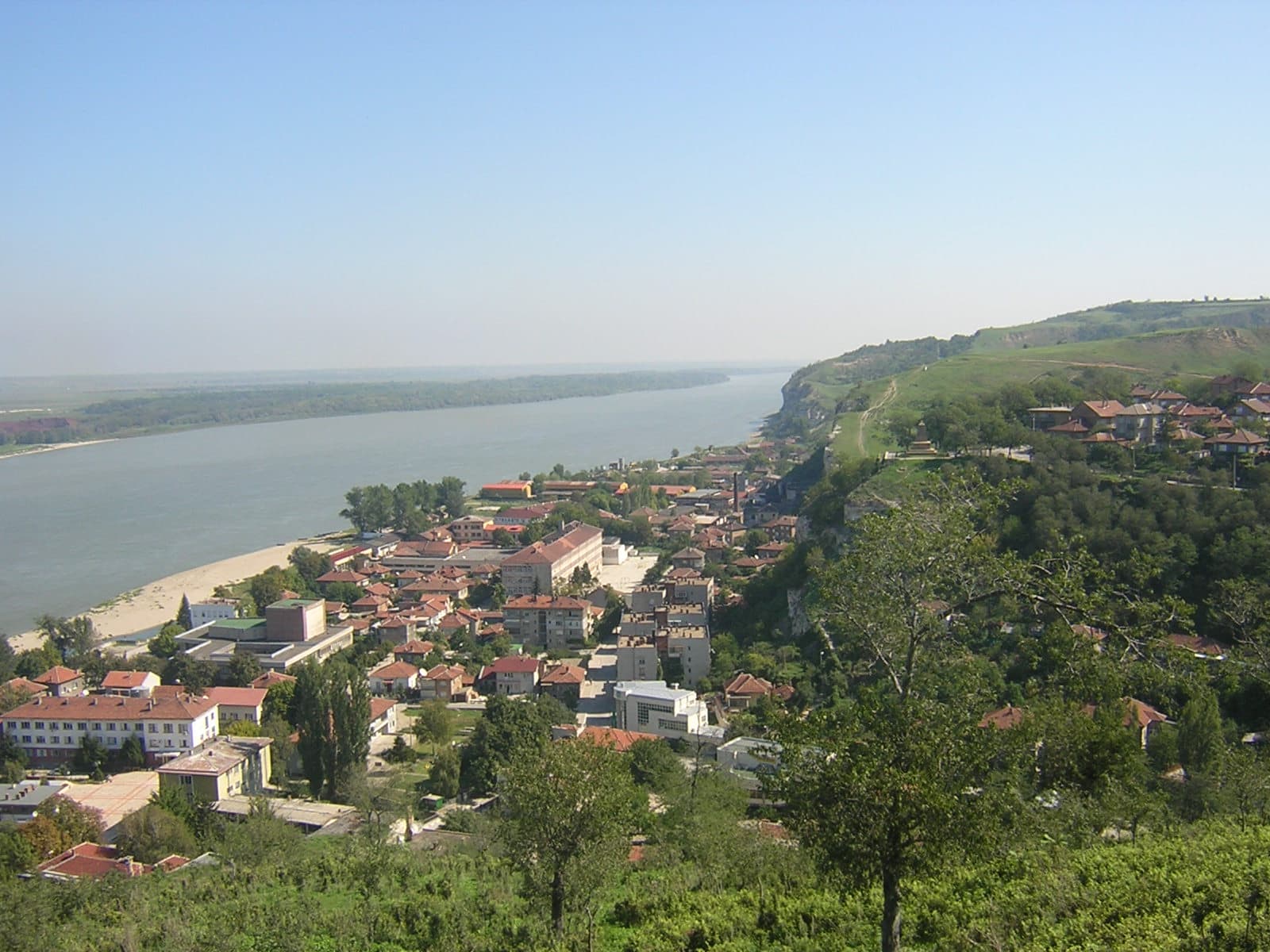
Ottoman Sultan Bayezid I met them outside the fortress walls, and the crusader army was decisively defeated. The Battle of Nicopolis is widely regarded as the last major medieval crusade. Its failure sealed the Ottoman control over the Balkans for the next five centuries.
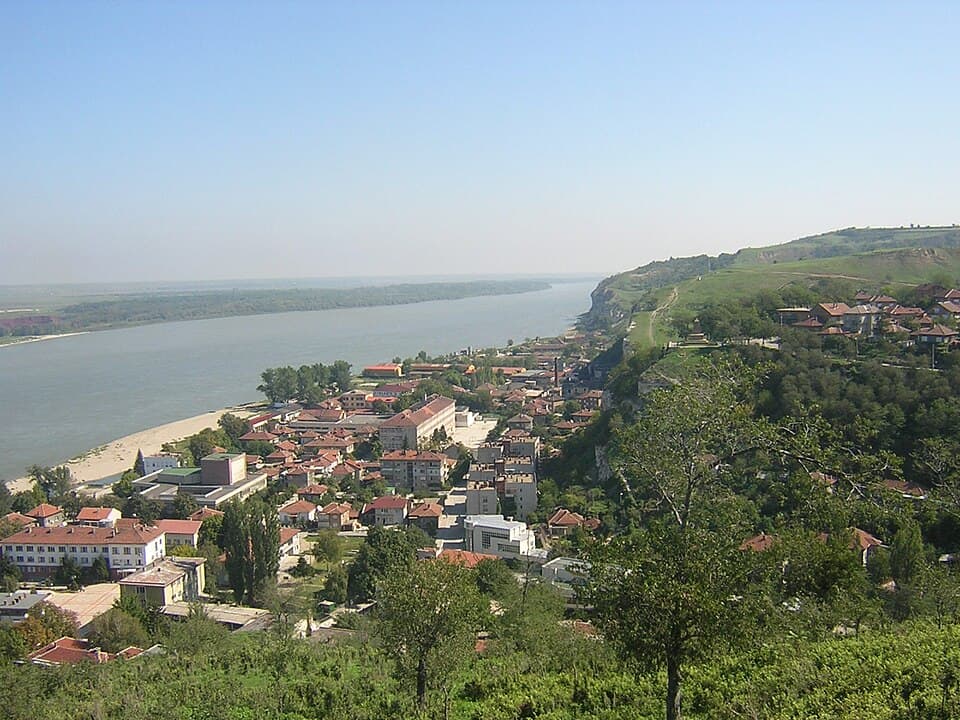
Modern Nikopol is a quiet town terraced into the cliffs above the river. On the hilltop above stand the ruins of the medieval Nikopol Fortress, offering panoramic views over the Danube.
🕊️ Belene: Wetlands & Memory
Belene presents two contrasting aspects, both well worth exploring:
Persina Nature Park
Belene sits directly opposite the largest complex of islands on the Bulgarian Danube, protected as Persina Nature Park. It encompasses floodplain forests, marshes, and restored wetlands, forming one of the country's most vital bird habitats. Pelicans, herons, cormorants, and numerous migratory species nest and rest here.

💡 Visitor Note: Because parts of the island complex sit along the border area, access requires specific local arrangements. Check in advance at the park's visitor centre in Belene.

The Belene Camp Memorial
On Belene Island stood the largest political prison camp in communist Bulgaria, operating primarily between 1949 and 1959 (and reopened briefly in later periods). Political dissidents were detained here without trial under harsh conditions.
For decades, the camp's existence was excluded from public narrative. Today, a memorial marks the site on the island. For visitors interested in 20th-century history (alongside sites like Buzludzha), visiting Belene provides an important historical perspective.
Note: Belene is also known as the site of Bulgaria's unfinished nuclear power plant project, a long-debated national topic.
🗺️ How to Plan the Route
A single full day starting from Veliko Tarnovo or Pleven easily covers all three towns, or you can turn it into an overnight trip with a stay in Svishtov.
Recommended Route (West to East): Nikopol → Belene → Svishtov. This pairs well with Pleven to the west or Ruse to the east to form a continuous Danube road trip.
Further downstream to the east, Silistra and Srebarna Nature Reserve complete the Bulgarian Danube itinerary.
🗓️ When to Go
Spring and autumn are by far the best seasons. The Danube plain experiences high temperatures in summer with limited shade. Spring brings high water levels and optimal birdwatching opportunities at Persina Nature Park, while autumn offers mild walking temperatures.
Winter along the Danube is cold and windy, though it carries a quiet, atmospheric appeal for historical exploration.
A crusade that ended in 1396, a river crossing that forged a nation in 1877, and an island preserving important 20th-century history. Discover the Middle Danube with Mestala.com.
This guide covers 4 places
Want more Mestala in your Google results?
Add mestala.com as a preferred source and our guides will show up more often when you search. Requires a Google account.
Frequently Asked Questions
Where are Svishtov, Nikopol and Belene?▾
All three are on the Danube in northern Bulgaria, strung along roughly 60 km of riverbank between Pleven and Ruse. Svishtov is about 90 km from Veliko Tarnovo and marks the northernmost point of Bulgaria; Nikopol lies west of it, and Belene sits between the two, opposite the largest island complex on the Bulgarian Danube.
Why is Svishtov historically important?▾
It's where the Russian army crossed the Danube in June 1877, opening the campaign of the Russo-Turkish War that led to Bulgaria's liberation. The town was also the birthplace of satirist Aleko Konstantinov, and holds Bulgaria's oldest economics academy along with churches by the master builder Kolyu Ficheto.
What was the Battle of Nicopolis?▾
A major battle in 1396 in which a large crusader army — drawn from across Western and Central Europe — was decisively defeated by Ottoman sultan Bayezid I outside Nikopol. It is often described as the last large-scale medieval crusade, and its failure removed the final realistic prospect of outside help for the Balkan Christian states.
What is Persina Nature Park?▾
A protected wetland park covering the largest complex of Danube islands on the Bulgarian side, around Belene. It preserves marshland and floodplain forest habitat and is one of the country's most important bird sites, supporting pelicans, herons, and cormorants. Access to parts of it is restricted, so check current arrangements locally.
What was the Belene labour camp?▾
A forced-labour camp on Belene Island, operating principally from 1949 to 1959 and reopened briefly later, where the communist government imprisoned political opponents without trial. Conditions were brutal and many died. It was not publicly discussed for decades; a memorial now marks the site.
Is this area worth visiting?▾
It is a specialist trip rather than a scenic one. Come for the history and the birdwatching, not for polished resort towns. If you are interested in medieval history, the 1877 liberation war, or the communist period, the density of significant historical ground here is remarkable.
You might be interested in
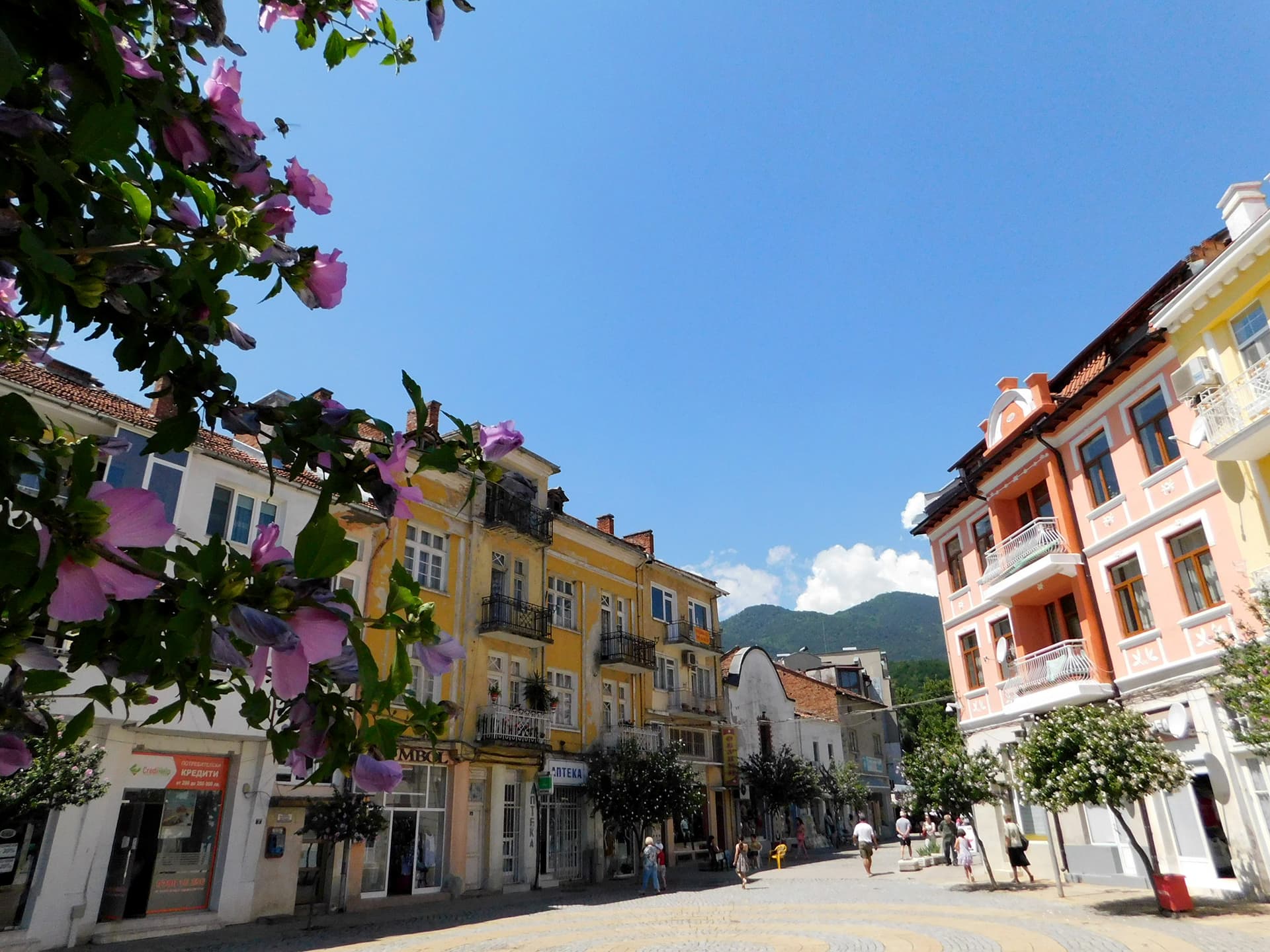
Gotse Delchev: Kovachevitsa, Leshten & the Mesta Valley
Roman ruins at Nicopolis ad Nestum, the stone villages of Kovachevitsa and Leshten, and Ognyanovo's hot springs — what to see around Gotse Delchev.
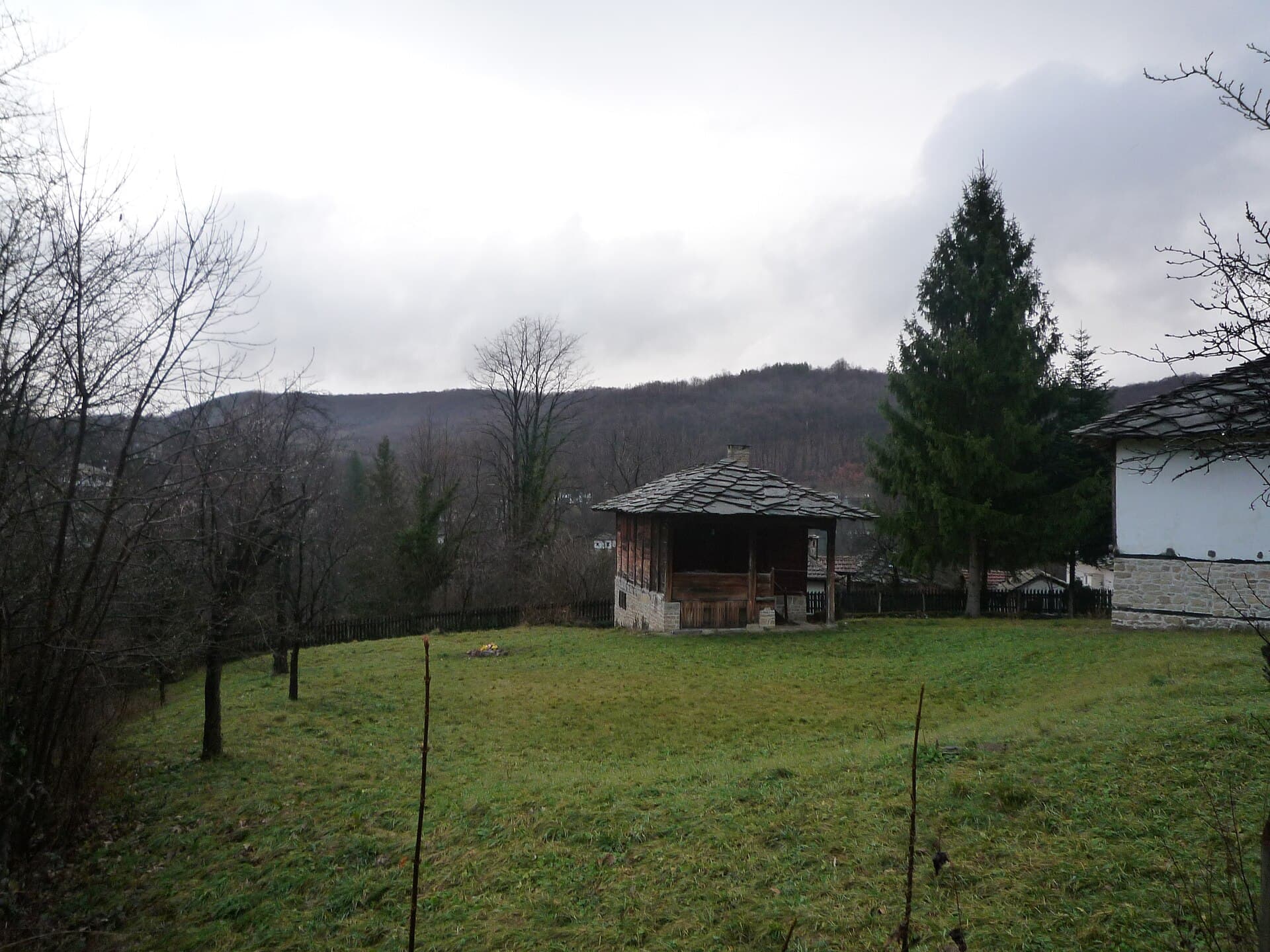
Bozhentsi: The Village That Stopped in 1870
A guide to Bozhentsi, the protected architectural reserve village near Gabrovo: about a hundred stone-roofed Revival houses, the Doncho Popa house-museum, the founding legend, and why it stays quiet when Koprivshtitsa fills up.
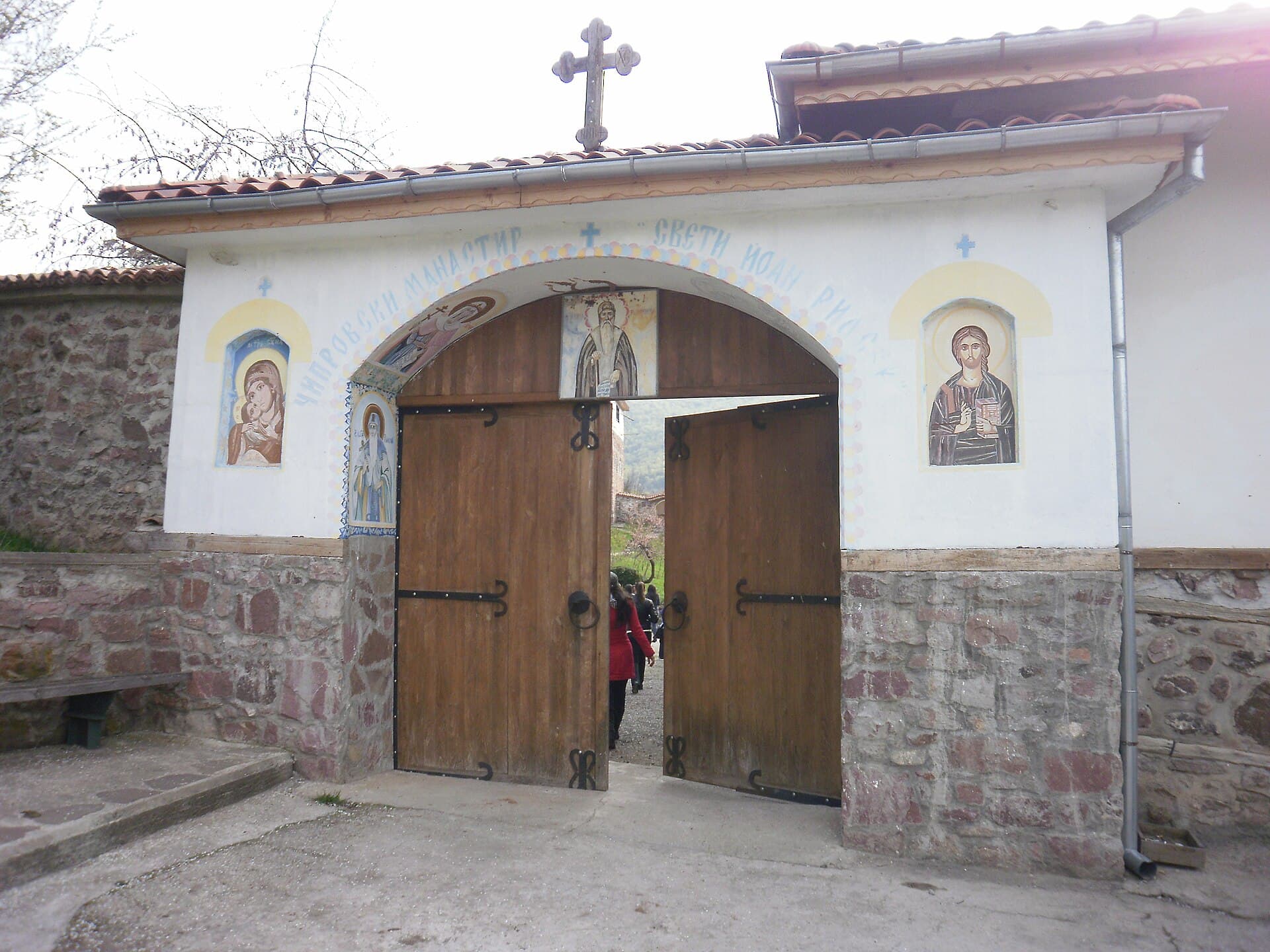
Chiprovtsi: Carpets, a Monastery and a Lost Uprising
A guide to Chiprovtsi in Bulgaria's far north-west: the UNESCO-listed kilim weaving tradition, the 1688 uprising that destroyed the town, the monastery of St John of Rila, and the waterfalls above it.
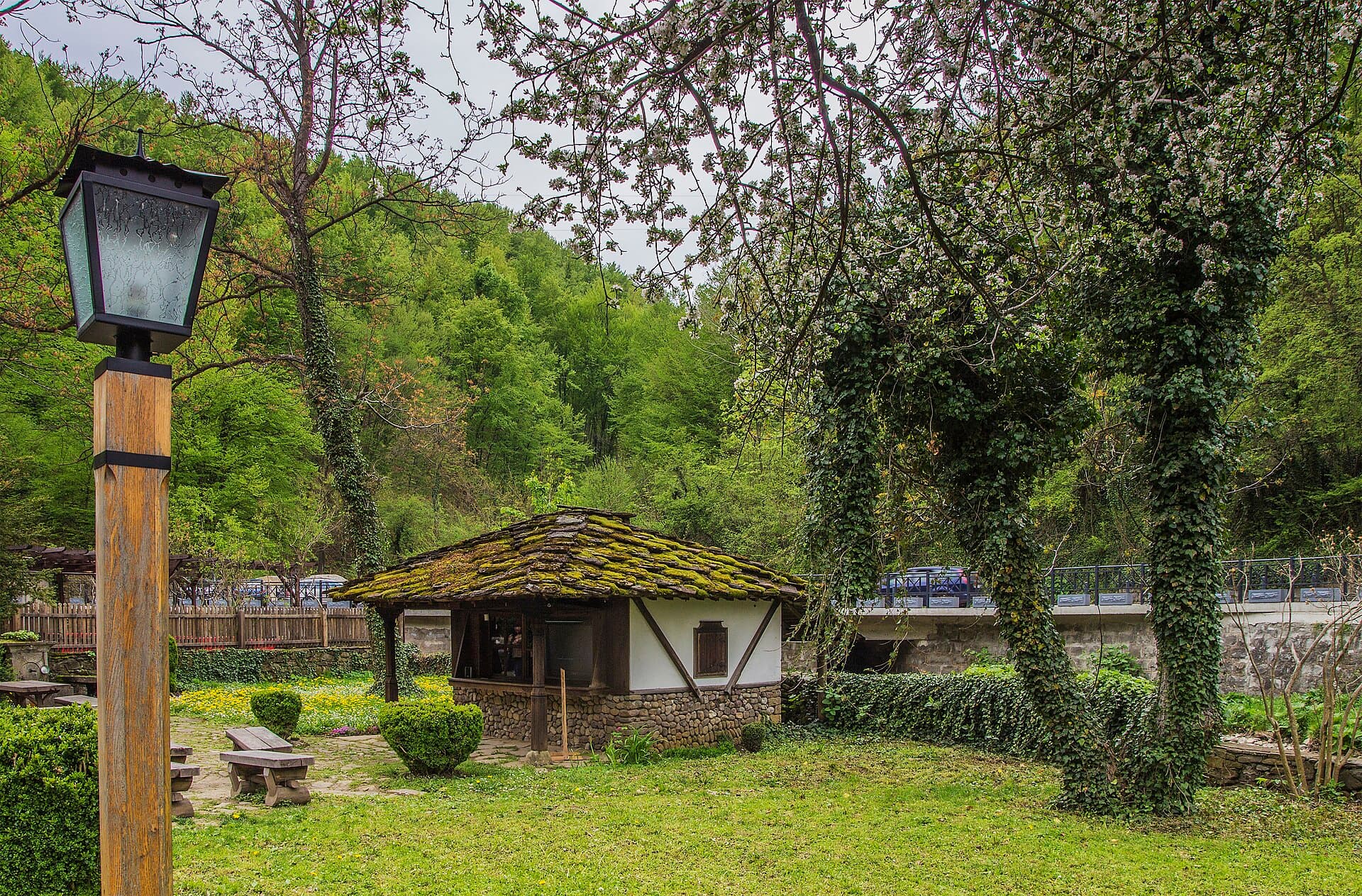
Etar: Bulgaria's Working Open-Air Museum
A guide to the Etar Architectural-Ethnographic Complex near Gabrovo: a reconstructed Revival craft street where the workshops still run on water power, what each trade does, how long to allow, and how to combine it with Tryavna and Bozhentsi.