

Vidin Travel Guide: Baba Vida Castle & Top Things to Do
In this guide▾
Bulgaria has plenty of medieval fortresses and archaeological ruins. However, it has exactly one that remains a fully intact castle — complete with standing walls, fortified towers, gates, and inner courtyards.
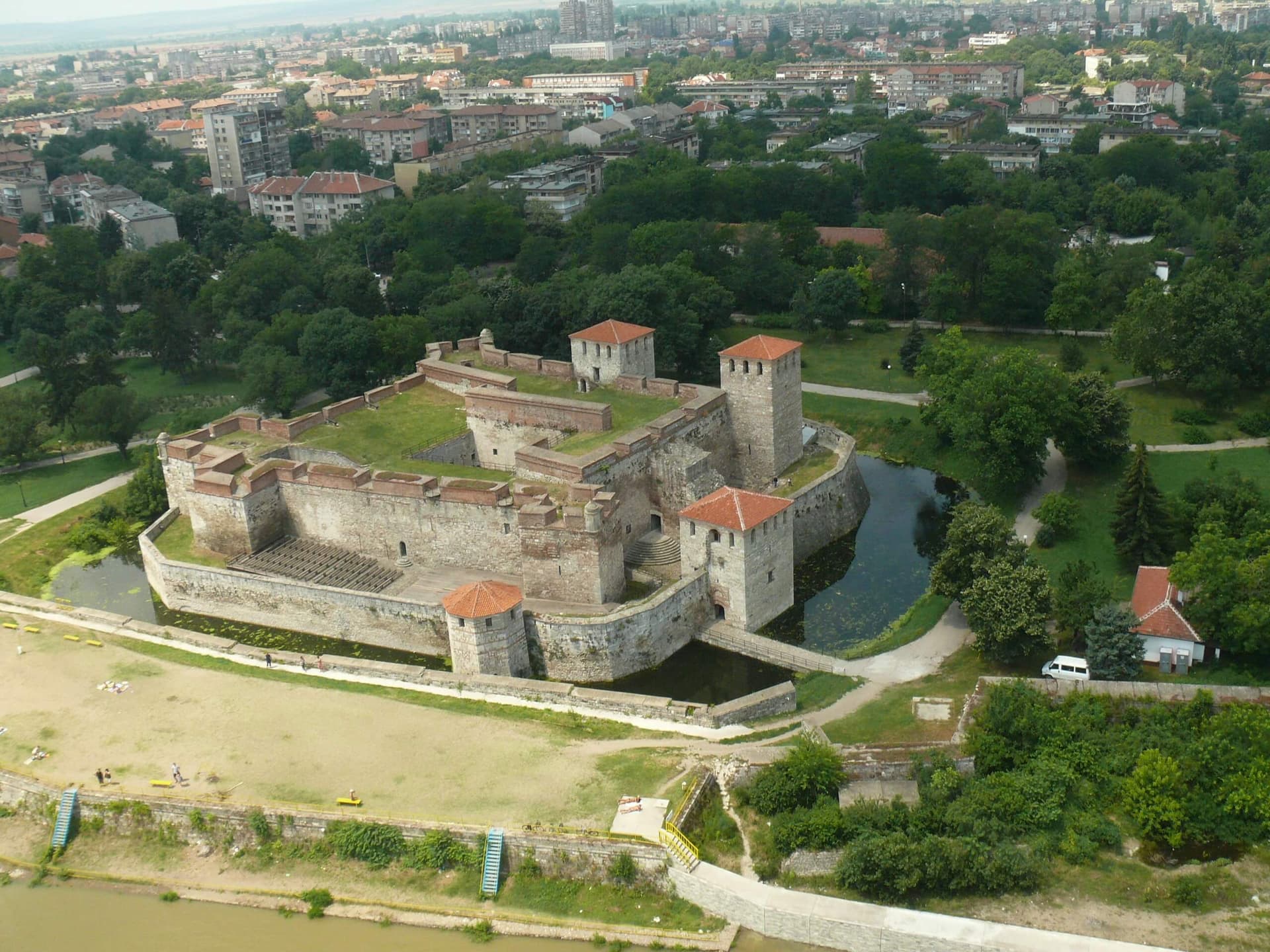
Baba Vida sits on the bank of the Danube River at the northern edge of Vidin. Tucked into the far northwestern corner of the country, Vidin stays pleasantly quiet and free of mass tourism, making its historic castle feel like a rewarding discovery.
📍 Getting There & Distances
| From | Distance | Driving time |
|---|---|---|
| Belogradchik | ~50 km | ~1 h |
| Montana | ~110 km | ~1 h 30 min |
| Vratsa | ~140 km | ~2 h |
| Sofia | ~200 km | ~3 h |
| Calafat (RO) | ~10 km | ~20 min |
Vidin is easily reached via the main E79 highway from Sofia. Direct trains run from Sofia Central Station, as well as intercity regional buses.
The New Europe Bridge (Danube Bridge 2), opened in 2013, crosses into Calafat, Romania, making Vidin a convenient border crossing rather than a dead end. For details on driving regulations and public transit, see our Bulgaria transport guide and car rental guide.
🏰 Baba Vida: Bulgaria's Only Complete Medieval Castle
The fortress occupies the strategic site of Bononia, a Roman stronghold of the 2nd century. It expanded into its medieval form between the 10th and 14th centuries, serving as the primary citadel for local Bulgarian rulers; under Tsar Ivan Sratsimir in the 14th century it gained the inner walls and towers that shape it today.
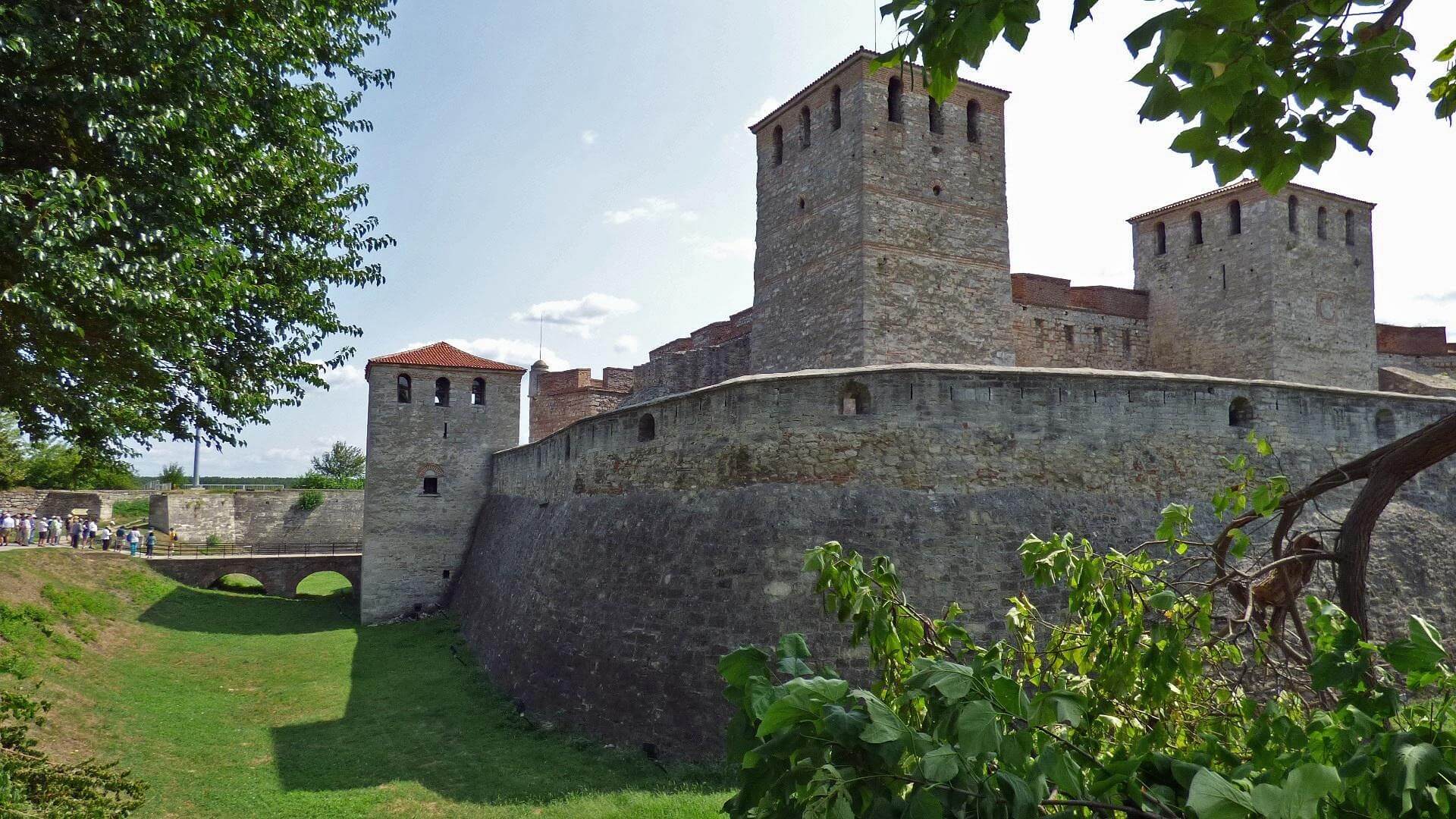
What sets Baba Vida apart is its remarkable completeness. Visitors can walk through stone gates, trace upper wall-walks, climb defensive towers, and explore inner courtyards. The complex is ringed by a moat about 12 metres wide and 6 metres deep, once filled from the Danube, and has accessible underground dungeons.
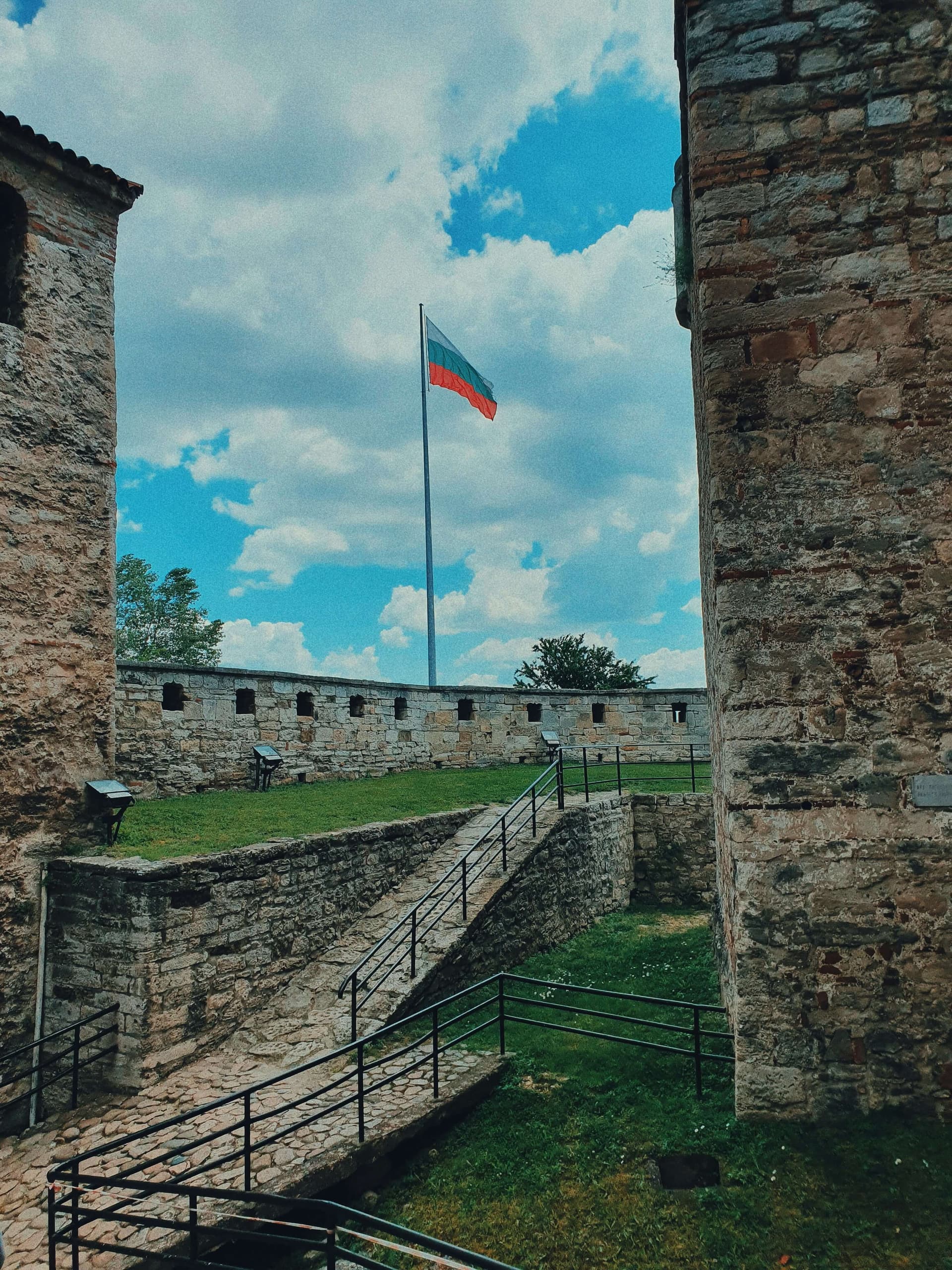
Its survival is due to continuous historical utility: after the Ottoman conquest, the fortress remained in military use — as a garrison, then an arsenal and a prison — well into the 19th century, preventing locals from quarrying its stones for other buildings. It opened as a museum in 1958.
The Tsardom of Vidin
The castle is grander than a simple border post because, during the 14th century, Vidin was a royal capital. As the Second Bulgarian Empire fractured, Tsar Ivan Sratsimir established Vidin as an independent tsardom with its own royal court, coinage, and church administration before falling to Ottoman rule in the 1390s.
The Legend: Local lore says a Danubian lord divided his lands among three daughters — Vida, Kula, and Gamza. The younger two married poorly, while Vida stayed single, governed wisely, and built the riverside stronghold that bears her name (Baba Vida translates to "Granny Vida").
In summer, the castle's inner courtyard serves as a scenic open-air venue for theatrical plays and musical performances.
Tickets, Hours & Parking
| Ticket | Price |
|---|---|
| Adults | €6.20 |
| Pupils and students (with ID) | €3.10 |
| Pensioners | €3.10 |
| Family (parents with children aged 7–18) | €15.50 |
| Audio guide (7 languages) | €5.20 |
| Guided talk | €15.50 |
| Season | Mon–Fri | Weekends and holidays |
|---|---|---|
| Summer | 09:00–18:00 | 09:30–18:30 |
| Winter | 09:00–17:00 | 10:00–17:00 |
Tickets are sold until 30 minutes before closing. Prices checked September 2026; they can change.
Parking: there is a free lot right next to the fortress, but its surface is a poor mix of ash, sand and earth, and we would not park there. Leave the car in town instead and walk to Baba Vida through the Danube Park — the stroll along the river is half the pleasure.
🏛️ Top Sights to See in Vidin
Beyond the castle, Vidin repays a half-day stroll through its historic centre:
The Restored Vidin Synagogue (Jules Pascin Cultural Centre)
Opened in 1894 as Bulgaria's second-largest synagogue, this magnificent building stood roofless for decades. A restoration begun in 2021 reopened it on 4 September 2023 as the Jules Pascin Cultural Centre, honouring the Vidin-born Jewish painter who became a star of modernism in Paris.
The Cross-Shaped Barracks
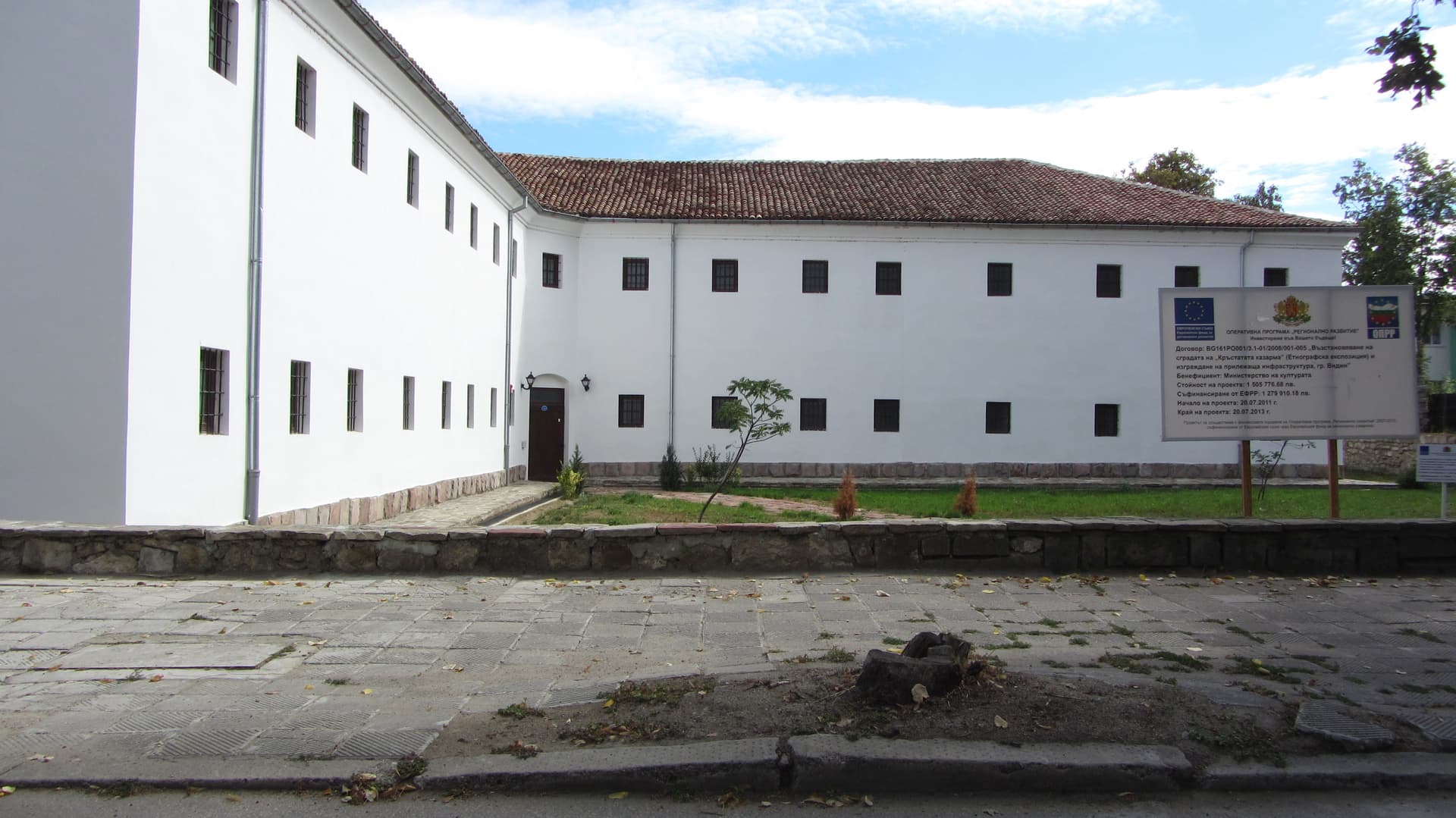
It was built in 1801 by the Ottoman ruler of Vidin, Osman Pazvantoğlu, as barracks for his garrison, and is unique for its cross-shaped floor plan. Since 1969 the Cross-shaped Barracks have housed an ethnographic museum on town life in the Vidin region.
Stambol Kapiya
The preserved Istanbul Gate served as the main landward entrance through the old stone city walls that once encircled all of Vidin.
St. Dimitar Cathedral
The second-largest Orthodox church in Bulgaria (after Alexander Nevsky Cathedral in Sofia), featuring a prominent 33-metre central dome.
The Danube Riverfront Park
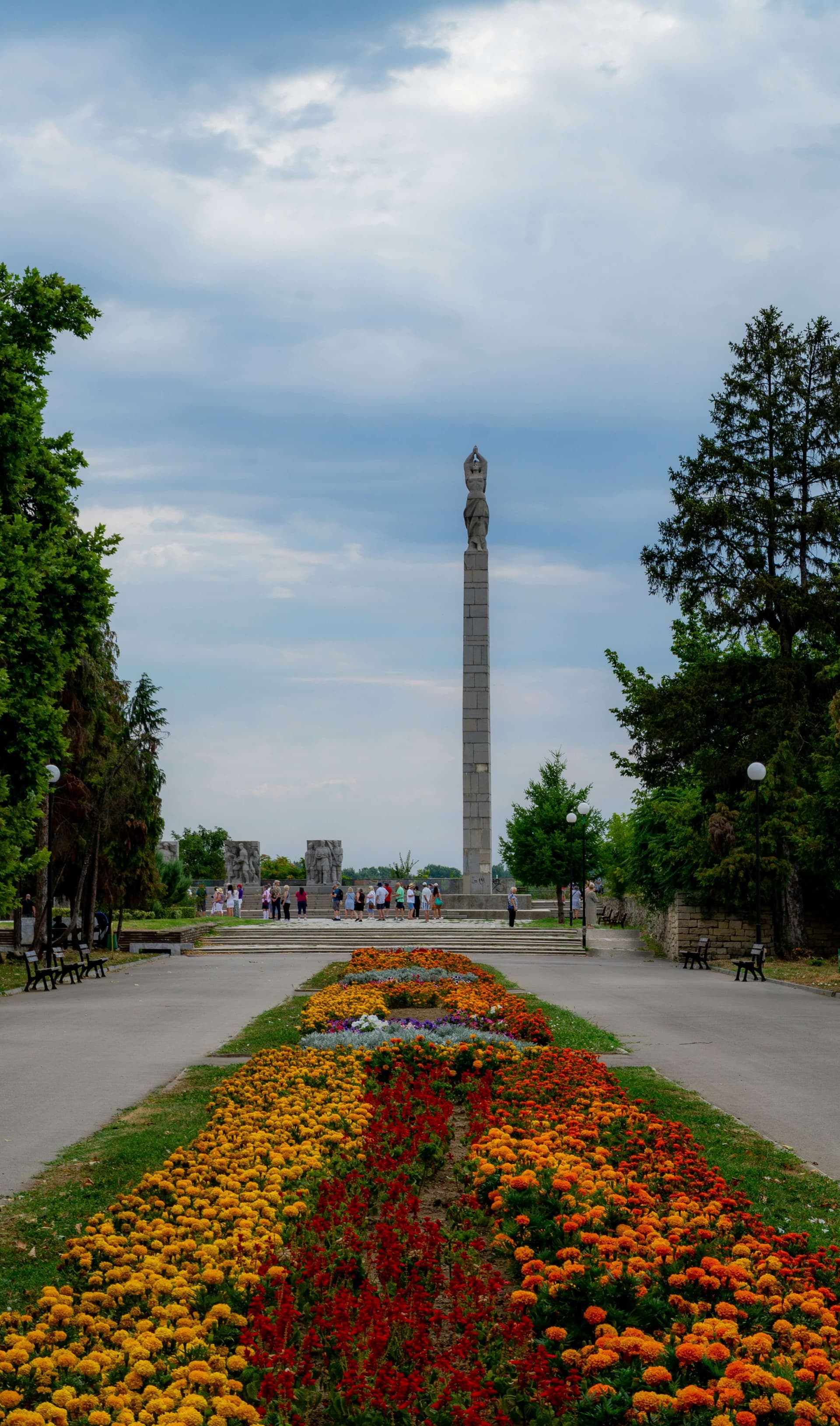
A long green park runs directly along the riverbank leading up to Baba Vida. It offers shaded walking paths, open-air cafes, and quiet views across the water to Romania.
🌿 The 2-Day Northwest Bulgaria Loop
Vidin is easily combined with nearby regional attractions into a memorable weekend road trip:
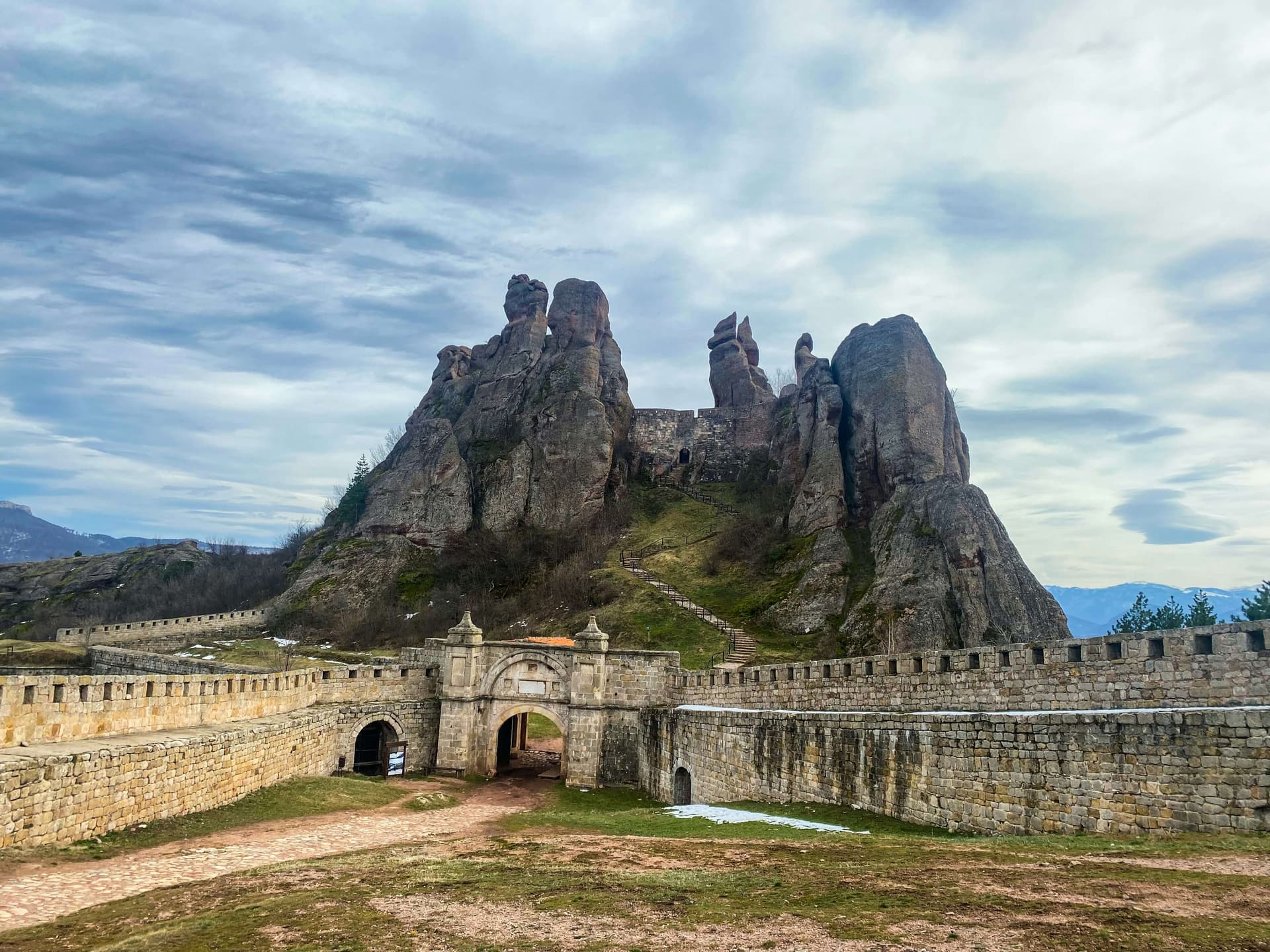
- Belogradchik Rocks & Fortress (~50 km): Towering red sandstone rock towers and an ancient fortress built directly into the cliffs.
- Magura Cave (~35 km): A vast cave system famous for its prehistoric bat-guano paintings — the painted gallery itself is closed to visitors for conservation, but the tour takes in the great halls.
- Chiprovtsi (~90 km): UNESCO-listed carpet-weaving heritage and monastery.
- Vratsa & Ledenika Cave (~140 km): The Vratsata gorge and a cave whose halls fill with ice formations in winter.
Check out our full 4-day Northwest Bulgaria road trip itinerary.
🗓️ Best Time to Visit
Late spring through early autumn is ideal for sightseeing. Vidin sits on the Danubian Plain, making summers hot; plan to explore Baba Vida early in the morning or late afternoon to avoid peak heat. Autumn brings rich fall colours along the river and mountain passes (see our autumn in Bulgaria guide).
Winter along the Danube is quiet and cold, but visiting a snow-dusted Baba Vida Fortress offers a memorable, atmospheric experience.
Walk the battlements of Bulgaria's best-preserved medieval castle and plan your trip to Vidin with Mestala.com.
This guide covers 8 places
Want more Mestala in your Google results?
Add mestala.com as a preferred source and our guides will show up more often when you search. Requires a Google account.
Frequently Asked Questions
Where is Vidin and how do you get there?▾
Vidin sits on the Danube in Bulgaria's northwest, directly on the Romanian border, about 200 km north of Sofia (a 3-hour drive). Daily trains and buses connect Vidin with Sofia, while the New Europe Bridge links the city to Calafat, Romania.
What is Baba Vida Fortress?▾
Baba Vida is the only medieval fortress in Bulgaria preserved in its entirety — with intact walls, towers, gates, wall-walks, and inner courtyards. Built on the ruins of Roman Bononia, it took its main form between the 10th and 14th centuries.
What is the legend of Baba Vida?▾
Local legend tells of a Danubian nobleman who divided his land among three daughters — Vida, Kula, and Gamza. The younger two married poorly and lost their wealth, while Vida remained unmarried, ruled wisely, and built the formidable fortress that still bears her name ('Granny Vida').
How long do you need in Vidin?▾
A half-day (3–4 hours) easily covers Baba Vida Fortress, the Danube Park, and the city centre. Vidin works best as part of a 2-day Northwestern Bulgaria road trip paired with the Belogradchik Rocks and Magura Cave.
How much does Baba Vida cost and when is it open?▾
Entry is €6.20 for adults and €3.10 for pupils, students and pensioners; a family ticket for parents with children aged 7–18 is €15.50, and an audio guide in seven languages costs €5.20. In summer it is open 09:00–18:00 on weekdays and 09:30–18:30 at weekends and on holidays; in winter 09:00–17:00 on weekdays and 10:00–17:00 at weekends. The last tickets are sold 30 minutes before closing (checked September 2026).
What else is worth seeing in Vidin?▾
Key highlights include the restored Vidin Synagogue (reopened in 2023 as the Jules Pascin Cultural Centre), the Cross-shaped Barracks ethnographic museum, Stambol Kapiya city gate, St. Dimitar Cathedral, and the waterfront Danube Park.
You might be interested in
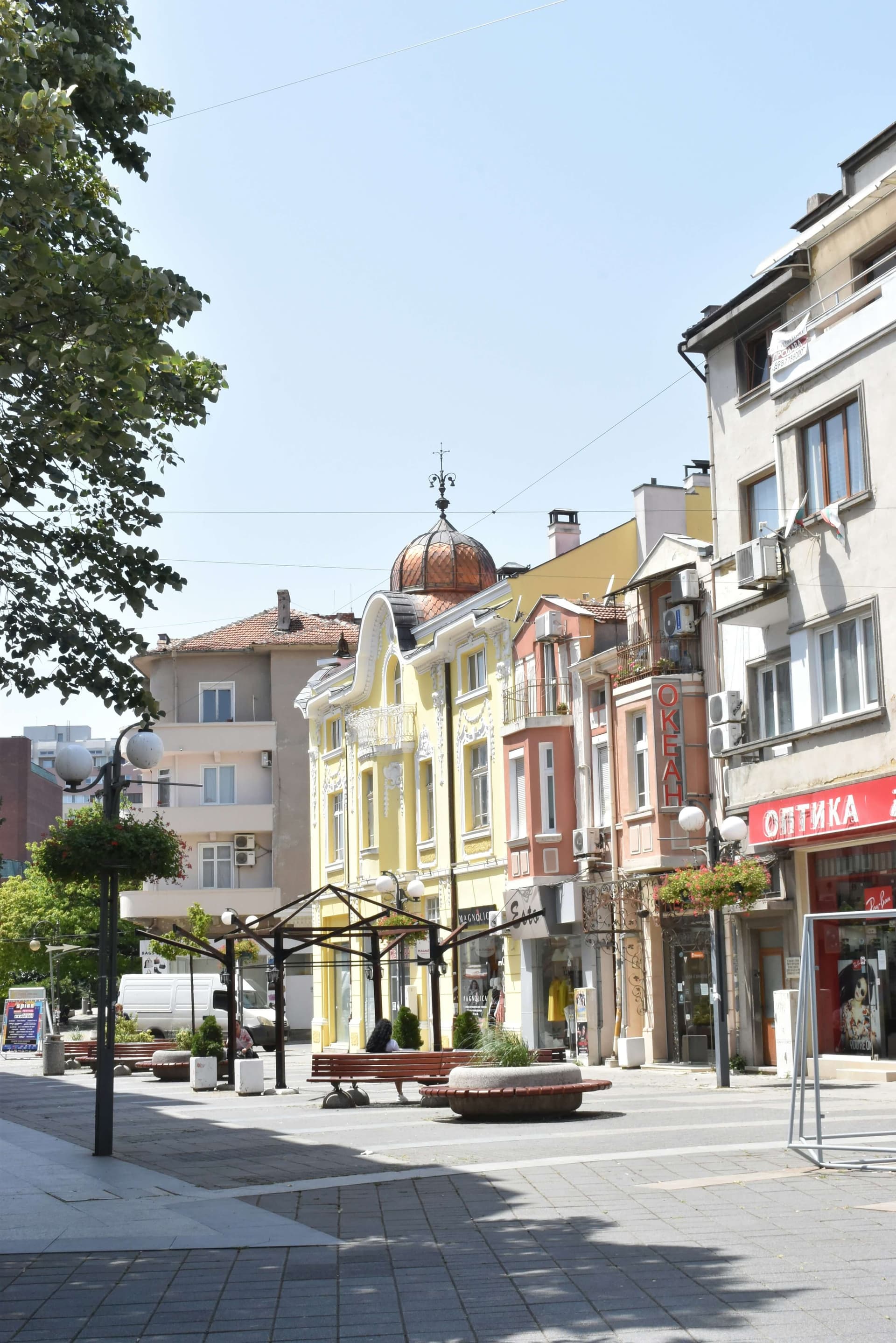
Where to Eat in Burgas: Best Areas, Seafood & Prices
A complete food guide to Burgas by area: the Sea Garden promenade, the pedestrian center, Krasnodar market, authentic Black Sea seafood, prices, and late-night tips.
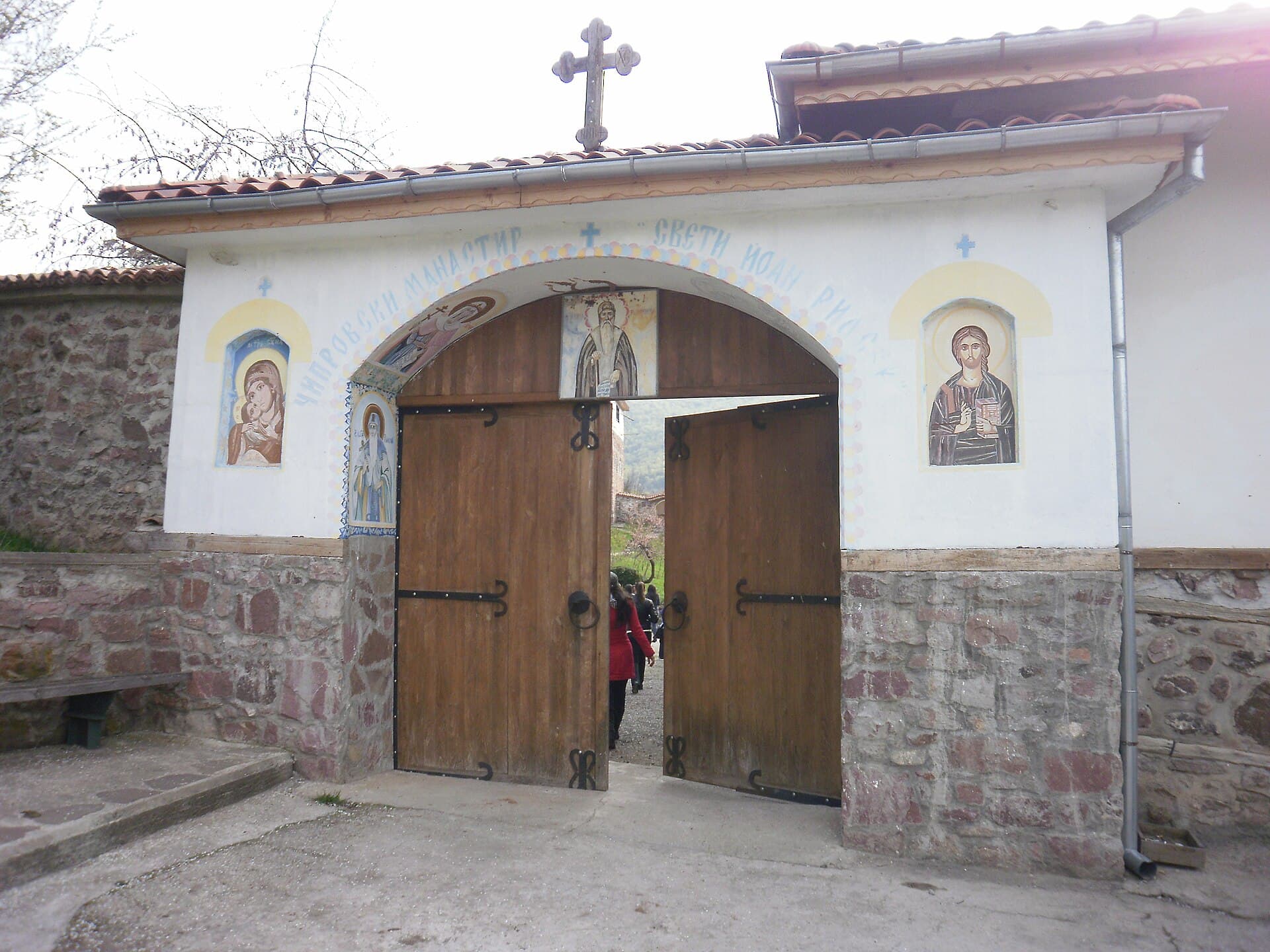
Chiprovtsi: Carpets, a Monastery and a Lost Uprising
A guide to Chiprovtsi in Bulgaria's far north-west: the UNESCO-listed kilim weaving tradition, the 1688 uprising that destroyed the town, the monastery of St John of Rila, and the waterfalls above it.
Svishtov, Nikopol & Belene: The Forgotten Danube
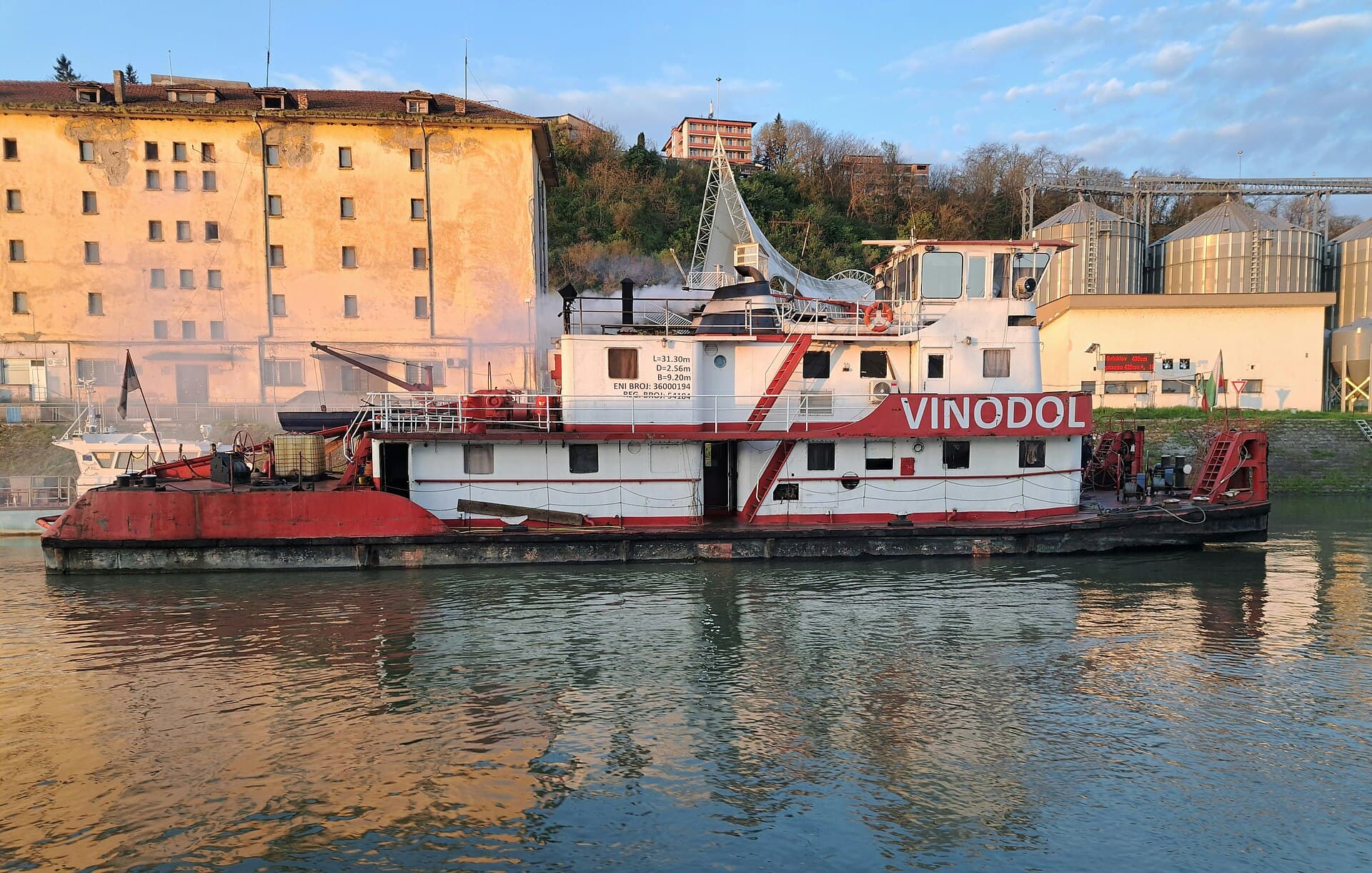
A guide to three Danube towns in northern Bulgaria: the 1877 crossing at Svishtov, the 1396 Battle of Nicopolis, the Persina wetlands, and the Belene labour camp that Bulgaria spent decades not discussing.
Top Things to Do in Gabrovo: Bulgaria's Capital of Humour (Travel Guide)
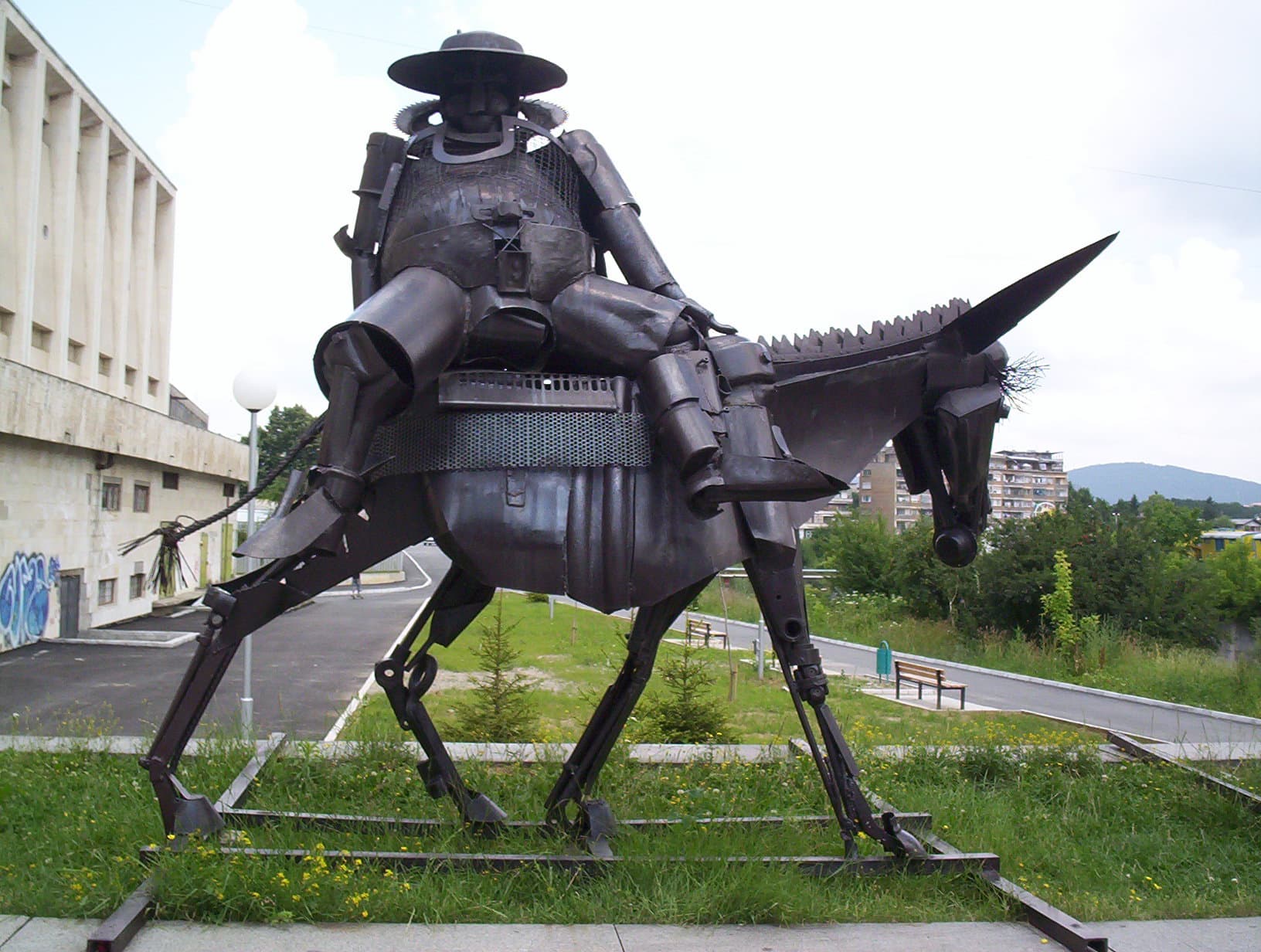
Discover Gabrovo, Bulgaria: Visit the House of Humour and Satire, Sokolski Monastery, Racho the Blacksmith, and Uzana in the geographic centre of Bulgaria.