

God's Bridge & Skaklya: Walking the Vrachanski Balkan
In this guide▾
The Vrachanski Balkan Nature Park occupies the limestone block immediately above Vratsa, and together with the karst country just north of town it holds three things worth driving north-west for: a rock arch you can walk through, the tallest waterfall in the country, and a plateau of caves and trails that virtually nobody uses.
The catch is timing. The waterfalls are seasonal, and getting it wrong means a long drive to look at a dry cliff.

🚗 Getting There
Vratsa is the base for everything in this guide.
| From | Distance | Driving time |
|---|---|---|
| Sofia | ~110 km | ~1 h 30 min |
| Iskar Gorge | ~50 km | ~50 min |
| Belogradchik | ~100 km | ~1 h 30 min |
Vratsa itself is on the rail and bus network from Sofia, and Skaklya can be walked from town. God's Bridge and Borov Kamak, though, are out at the villages, with little or no public transport. A car is effectively required — see our driving guide.
From Vratsa:
- God's Bridge: ~15 km north, via the Borovan road and Chiren (~25 min).
- Borov Kamak: ~6 km west, through the Vratsata gorge to Zgorigrad, then about 2 km above the village to the trailhead.
- Skaklya: on foot from the southern edge of town.
🌉 God's Bridge
God's Bridge — Bozhiya Most, also known locally as Zhabokrek — sits between the villages of Lilyache and Chiren, about 15 km north of Vratsa, and it is the single most striking thing in the area.
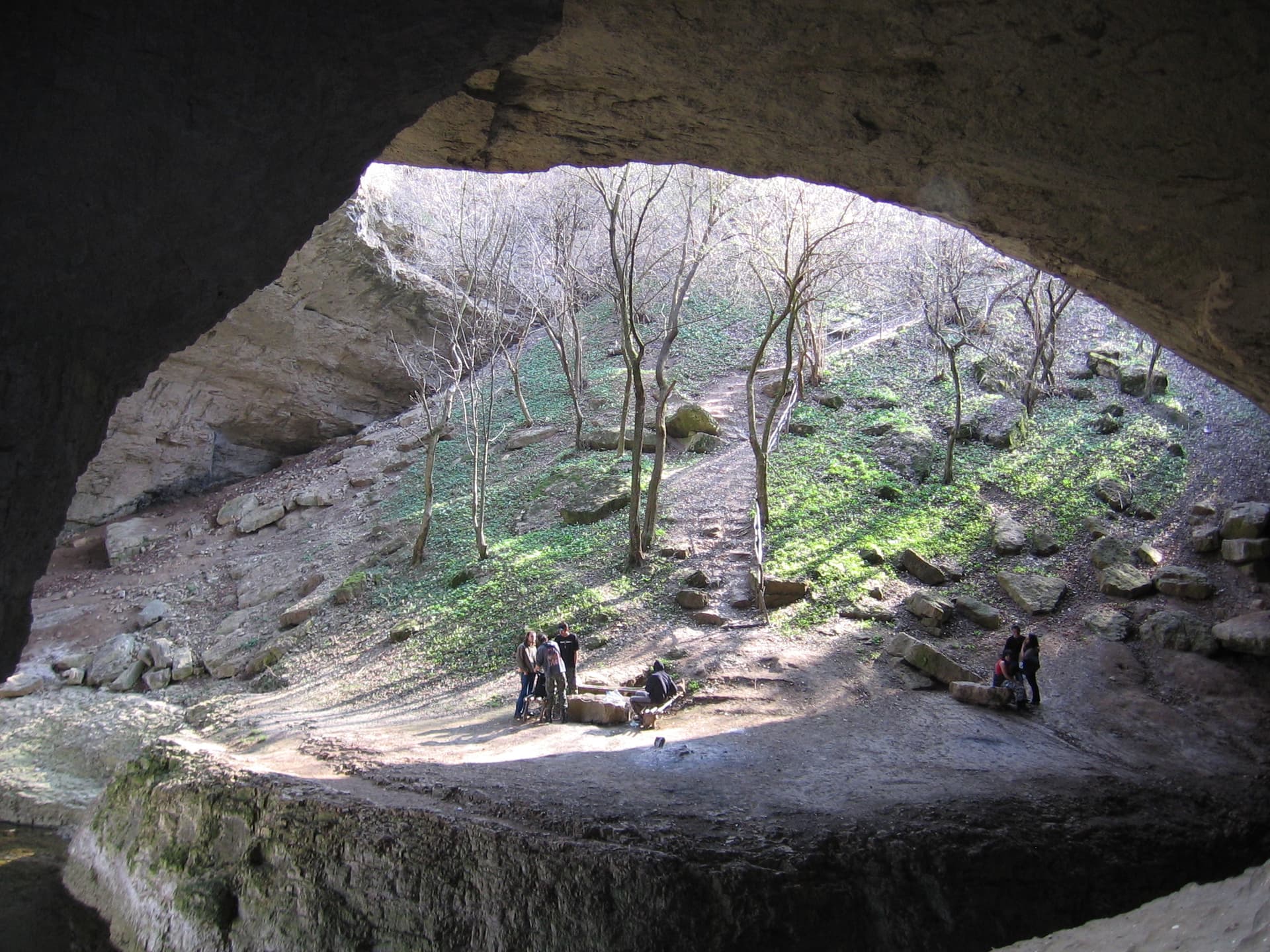
It is a collapsed cave. The Lilyashka Bara stream dissolved a passage through the limestone; the roof fell in along most of its length; what remains is a standing arch about 20 metres high and 25 metres wide, its span 9 to 12 metres thick, over a tunnel of roughly 100 metres, with the stream running through it. You walk in under the span, and the scale only registers once you are underneath.
How to reach it: from Vratsa, take the road north toward Borovan and turn off for Chiren. Past Chiren, a dirt cart track of packed earth, gravel and small stones ends at a meadow by the restored Roman fortress of Gradishte, where you park for free. It is easy enough for an ordinary car in the dry months but turns muddy after rain — and watch for the remains of a Roman road along it, where big original stone slabs still surface like ancient paving. From the meadow a short, steep path drops to the arch, past a small picnic area. The alternative is to walk from Lilyache: about 1.5 km, 20–25 minutes.
It is rock, not water, so unlike the waterfalls it works in any season — there is no gate, no ticket and no closing day. Allow about an hour. Nothing here is surfaced: you walk on earth, gravel, loose stone and grass, uneven and often wet, so wear shoes with grip rather than trainers.
That it is not overrun is purely a function of where it is. In most European countries this would have a visitor centre and a queue.
💧 Skaklya: Time It or Miss It
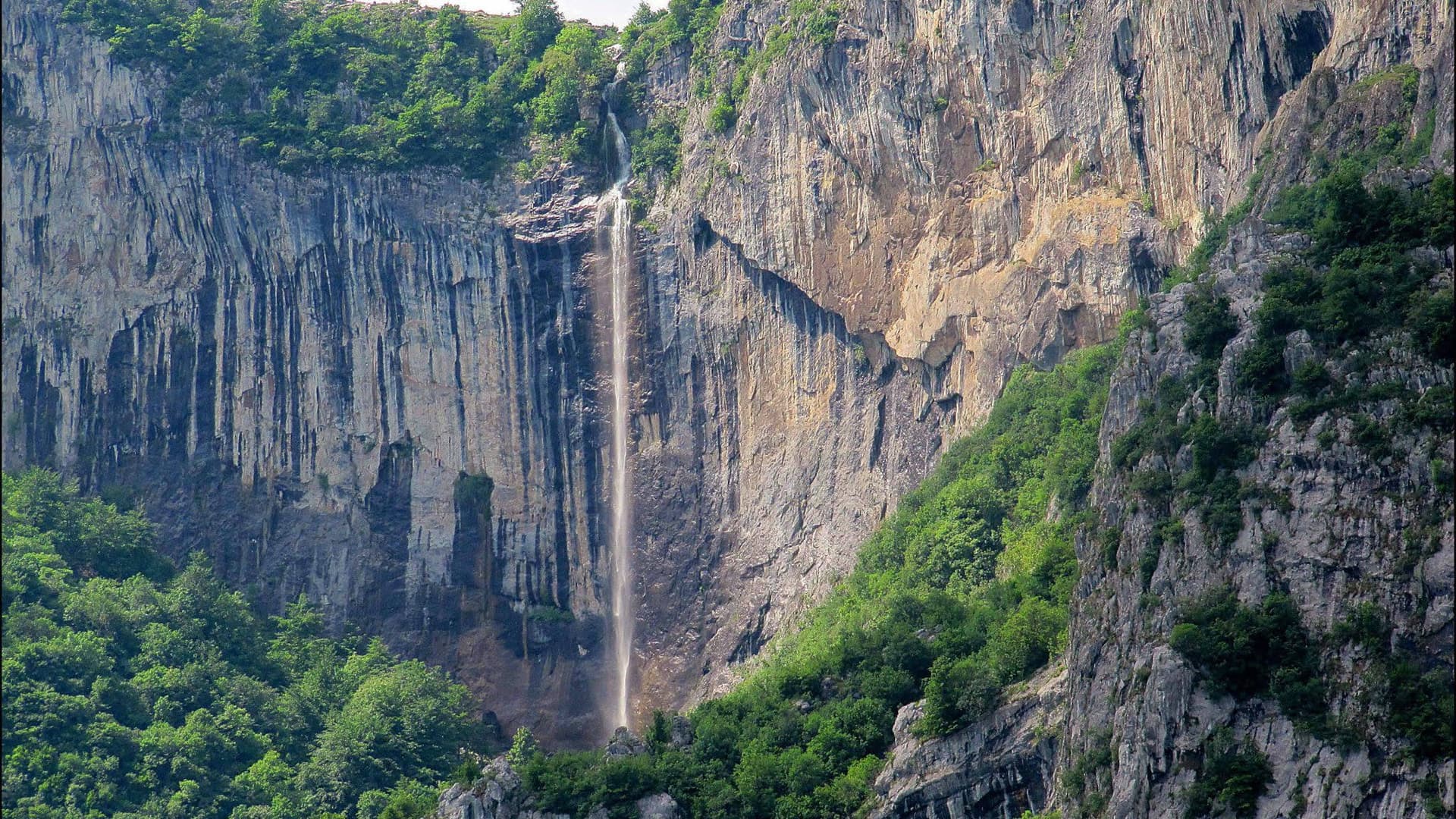
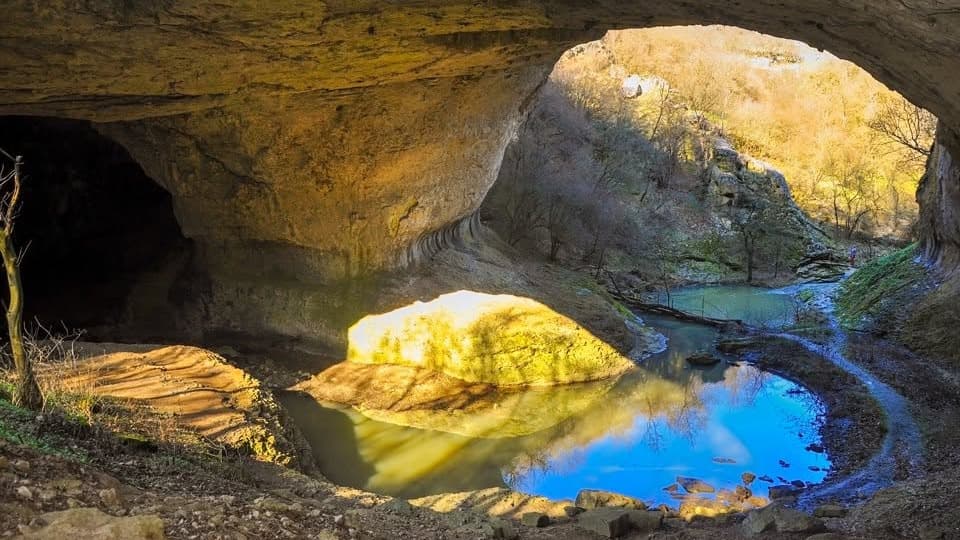
About 1.5 km south of Vratsa, behind Kaleto hill, the Skaklya waterfall drops around 141 metres — the highest waterfall in Bulgaria. On a good spring day you can see it from the town centre.
It is also strictly seasonal. This is a snowmelt-and-rainfall fall on a small stream in a karst landscape, not a spring-fed permanent one. It runs hardest in May and June and after heavy rain; in August and September it usually dries up completely. In a cold winter it freezes and draws ice climbers.
This is the single most important planning fact in this guide. A late-summer visit is very likely to be a disappointment, and no amount of walking will change that.
Parking: leave the car by the Heart and Brain hospital on the upper edge of Vratsa and continue on foot — the track beyond is unsurfaced gravel and not worth driving. There is no charge.
The walk: several marked trails of 1.5 to 5 km lead to the fall. The shortest climbs from the upper edge of Vratsa and reaches the foot of the fall in about an hour. The final descent into the ravine is very steep, with loose stones — boots with grip are essential, and it is not for young children. Allow 2–3 hours there and back.
Two Skaklyas. Confusingly, there is a second Skaklya waterfall near Zasele, in the Iskar Gorge about 50 km south. Both are tall, both are seasonal, and both are sometimes described as among the country's highest. Check which one a set of directions means before setting off.
🌊 Borov Kamak
The other significant fall in the park, Borov Kamak, is about 63 metres high and sits on an eco-trail above the village of Zgorigrad, on the far side of the Vratsata gorge.

- Start: about 2 km above the centre of Zgorigrad, with free parking at a sharp bend in the road. The eco-trail has no entrance fee, no gate and no season.
- Time: about 1.5 hours to the waterfall, and about 3 hours there and back. The trail continues past the fall to Parshevitsa hut, another 1.5 hours.
- Difficulty: moderate, with narrow, slippery sections and river crossings. The hardest parts are well secured with wooden bridges and railings, and at the fall the path passes behind the curtain of water.
- Children: the signs at the trail recommend it for children aged 8 and over, with supervision.
- Water: more reliable than Skaklya, but it can still run dry in late summer.
The walk in is the point as much as the fall — it climbs through limestone country with good views back down toward the gorge.

🕳️ The Plateau: Caves and Climbing
Above the waterfalls, the park is a karst plateau, and karst means holes. Several hundred caves and shafts have been surveyed in the Vrachanski Balkan, of which Ledenika is the only one developed for general visitors. The rest are the domain of caving clubs, and some are serious vertical systems — this is not terrain to explore on your own initiative.
The Vratsata gorge at the park's edge is Bulgaria's principal rock-climbing venue, with several hundred routes on walls up to 400 metres high and a climbing history going back decades. Even as a spectator it is worth ten minutes: on any decent weekend there will be people on the big face, which is the only thing that gives that wall a sense of scale.
For visitors on foot, a network of marked trails crosses the plateau between the villages, generally quiet and offering long views north over the Danube plain from the escarpment edge. Check conditions with the nature park directorate before a longer route, as bad weather can close trails.
🗺️ Putting a Day Together
The sites are scattered, and none of them takes more than a few hours on its own. A workable full day:
| Time | Stop |
|---|---|
| Morning | God's Bridge between Chiren and Lilyache — short walk, biggest payoff. |
| Midday | Vratsa town: the Regional History Museum and the Rogozen Treasure. |
| Afternoon | Skaklya on foot from Vratsa (spring only), or Ledenika cave in any season. |
The town, the gorge and the Ledenika cave are covered in our Vratsa and Ledenika guide — this post is the country around them.
Two days lets you add Borov Kamak and the plateau trails, and that is when the region stops feeling like a detour.
🗓️ When to Go
Mid-April to June, clearly, if the waterfalls matter — snowmelt, full flow and everything green.
Autumn is the better walking season and the best light, with the beech turning across the plateau; the falls will be low or dry. See our autumn guide.
Summer is hot on the plain but pleasant on the plateau, and God's Bridge and Ledenika both work — just do not come for Skaklya.
Winter brings ice formations to Ledenika and sometimes a frozen Skaklya, but it can make the higher trails and access roads difficult.
Crowds are rarely a problem here. Sunny spring weekends bring Vratsa families to Borov Kamak and Skaklya; go on a weekday morning if you want the trails to yourself.
👨👩👧👦 Is It Suitable for Children?
- God's Bridge: yes, for most families. The path from the parking area is short but steep, and the rock under the arch is uneven and wet — hold small hands.
- Borov Kamak: signposted for children aged 8 and over, with supervision. The railings help, but the path is narrow and slippery in places.
- Skaklya: not for young children — the final descent is steep and loose.
- Pushchairs: not on any of these trails. Bring a child carrier.
🛏️ Where to Stay
- Vratsa: the practical base, with hotels and guesthouses, restaurants, and the regional museum. It puts every site in this guide within half an hour, and Skaklya within walking distance.
- Zgorigrad and the villages below the park: guesthouses closer to the trailheads and quieter than town, but with fewer places to eat.
- Parshevitsa hut: a mountain hut on the plateau, for walkers continuing past Borov Kamak.
🌿 Nearby
- Vratsa and Ledenika cave (~20 min) — the town, the gorge and the ice cave.
- Okolchitsa peak (~30 min) — the Botev memorial, where the poet-revolutionary Hristo Botev died in 1876.
- Cherepish Monastery (~35 min) — a monastery under the cliffs of the Iskar Gorge, on the way back to Sofia.
Further afield, Belogradchik (~100 km) has the rocks and the fortress, and Vidin and Baba Vida (~140 km) the Danube end of the region. For where else to go from the capital, see our day trips from Sofia. The park's place among Bulgaria's protected areas is covered in our national and nature parks guide.
A rock arch you can walk under, the country's tallest waterfall that runs for only part of the year, and a limestone plateau with nobody on it. Time the Vrachanski Balkan right with Mestala.com.
This guide covers 9 places
Want more Mestala in your Google results?
Add mestala.com as a preferred source and our guides will show up more often when you search. Requires a Google account.
Frequently Asked Questions
What is God's Bridge in Bulgaria?▾
A large natural rock arch between the villages of Lilyache and Chiren, about 15 km north of Vratsa, carved by the Lilyashka Bara stream and left standing when the roof of a cave collapsed. The arch is about 20 metres high and 25 metres wide, over a tunnel of roughly 100 metres that you can walk straight through. It's one of the most impressive karst features in the country and among the least visited.
How do you get to God's Bridge?▾
From Vratsa, take the road north toward Borovan, then turn off for Chiren. Past Chiren, a side road leads to a meadow by the Roman fortress of Gradishte, where you leave the car; a short, steep path drops to the arch. The other approach is on foot from Lilyache, about 1.5 km and 20–25 minutes. There is no public transport to the site.
How high is the Skaklya waterfall?▾
Vrachanska Skaklya, 1.5 km south of Vratsa behind Kaleto hill, falls about 141 metres, which makes it the highest waterfall in Bulgaria — but it only flows part of the year. It is fullest in May and June, and in August and September it usually dries up completely. In a cold winter it freezes and draws ice climbers.
When is the best time to see the waterfalls?▾
Mid-April to June, and after heavy rain. These are snowmelt-fed falls in a limestone landscape, so the water is a spring event rather than a permanent feature. Skaklya is usually dry by August, and Borov Kamak can dry up in late summer too. God's Bridge, by contrast, is rock and works in any season.
How do you get to the Vrachanski Balkan?▾
The park rises immediately above Vratsa, about 110 km north of Sofia — roughly an hour and a half by car. Vratsa is reachable by train and bus from Sofia, and Skaklya can be walked from town, but God's Bridge and Borov Kamak are out at the villages with little public transport, so a car is effectively required.
Is the Vrachanski Balkan suitable for children?▾
Partly. God's Bridge is a short walk and fine for most families, though the rock under the arch is uneven and often wet, so proper shoes matter. The Borov Kamak eco-trail is signposted for children aged 8 and over, with supervision, because of its narrow and slippery sections. The steep, loose descent to the foot of Skaklya is not for young children. None of the trails work with a pushchair.
What else is in the Vrachanski Balkan?▾
The park covers the Ledenika show cave, the Vratsata gorge with its 400-metre rock face, the Borov Kamak eco-trail and waterfall, and a network of marked trails and caves across the limestone plateau. The town of Vratsa itself holds the Rogozen Treasure in its regional museum.
You might be interested in
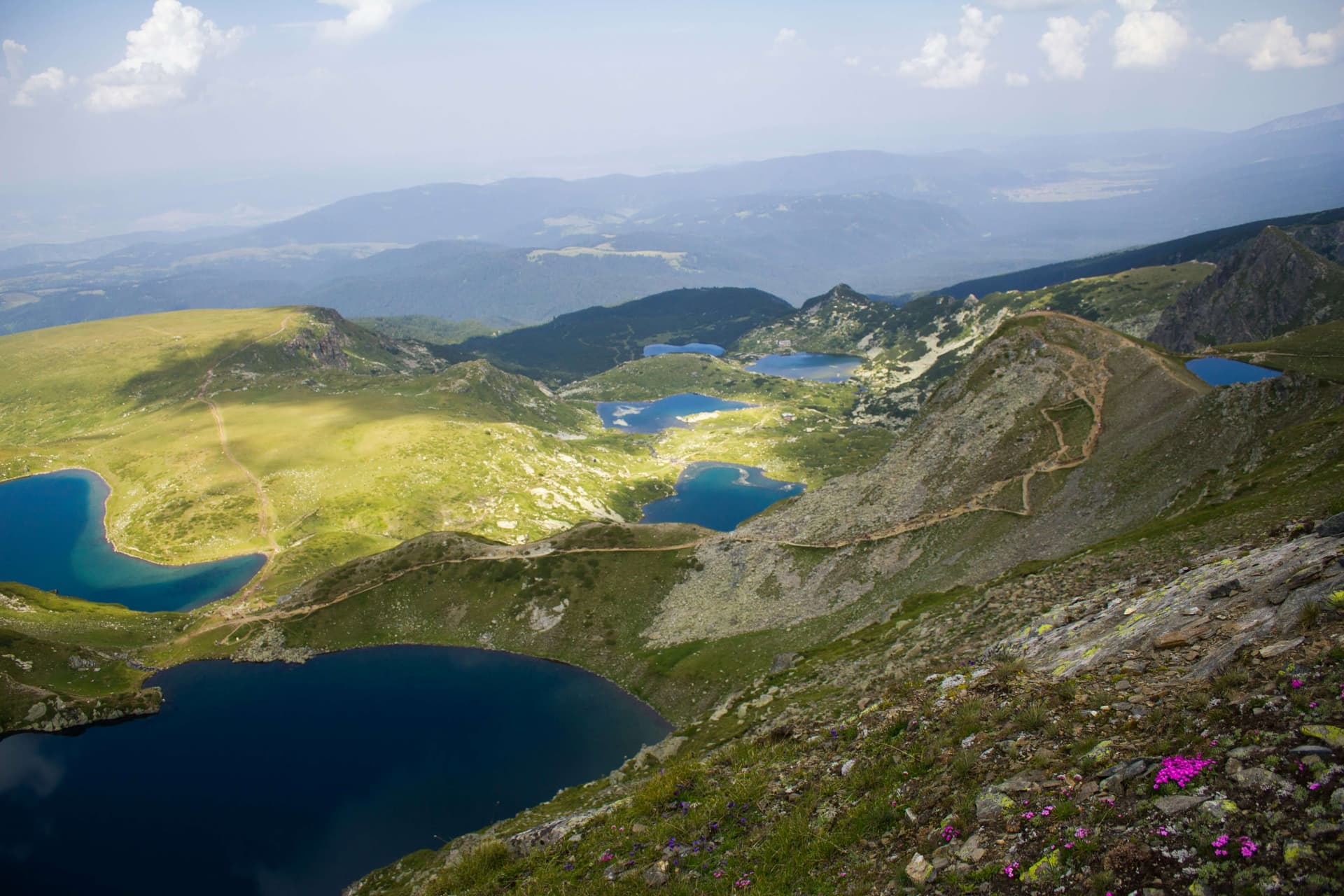
Bulgaria's National & Nature Parks: The Complete Picture
A guide to Bulgaria's three national parks and eleven nature parks — Rila, Pirin, Central Balkan, Vitosha, Vrachanski Balkan, Strandzha, Persina and the rest — what the categories mean and which to visit.
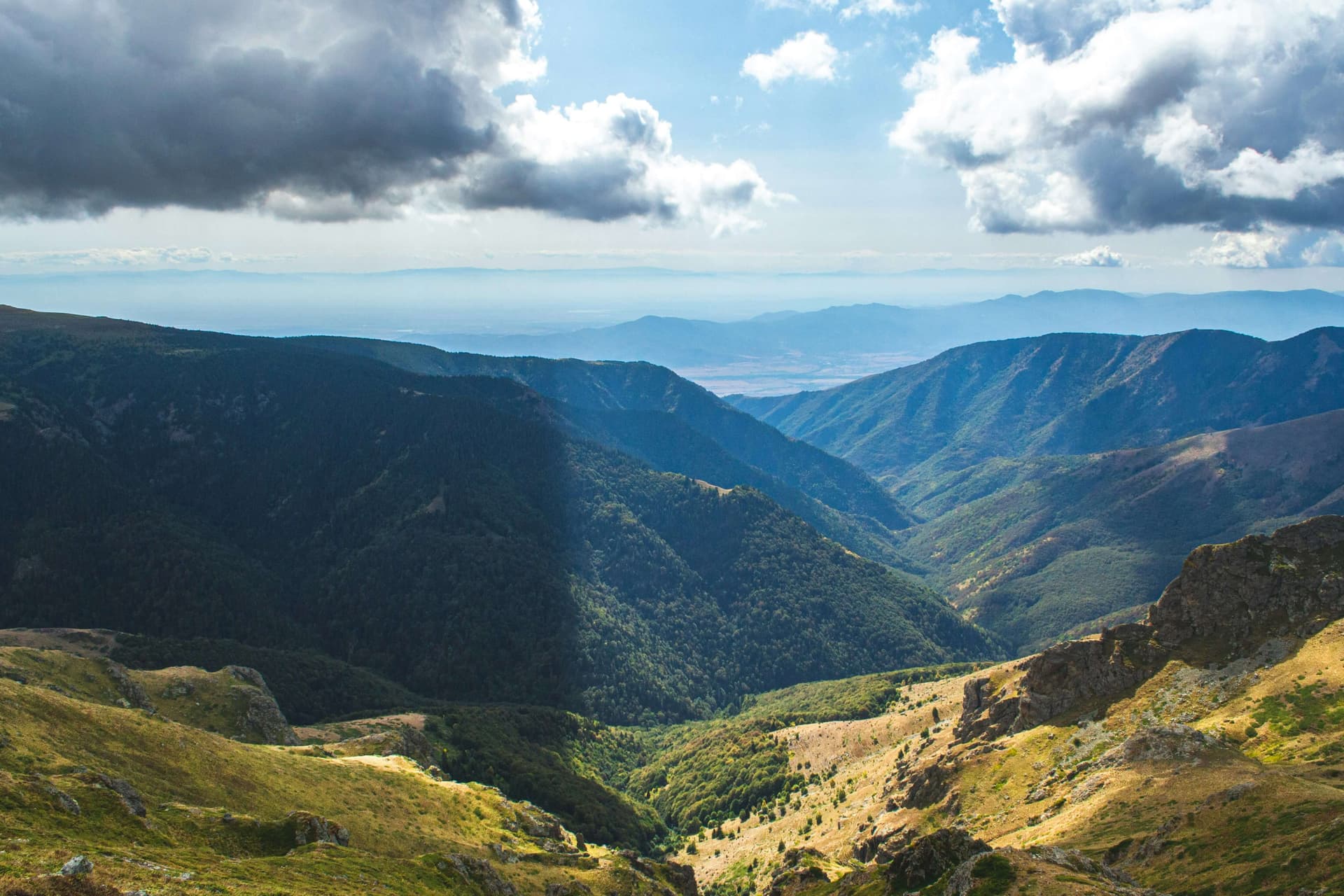
Central Balkan National Park: Bulgaria's Wildest Reserve
A guide to Central Balkan National Park: its nine strict reserves, the UNESCO-listed primeval beech forests of Boatin and Tsarichina, the Dzhendema cliffs, bears and wolves, and which town to enter from.
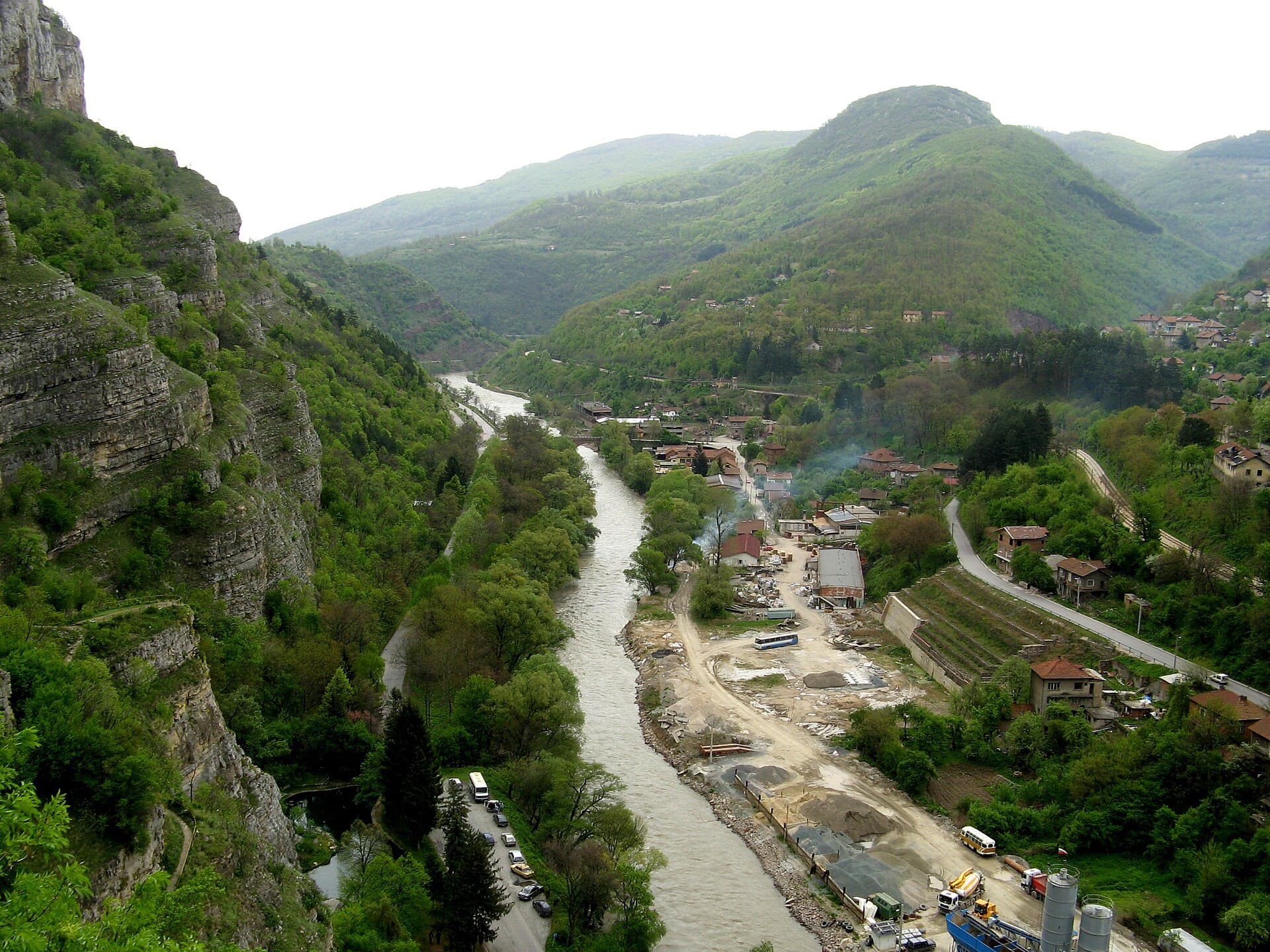
Day Trip to Iskar Gorge from Sofia by Train: Sights & Guide
Discover the Iskar Gorge north of Sofia: Visit the Lakatnik Rocks, Cherepish Monastery, the Ritlite formation, and ride the scenic Sofia–Mezdra railway.
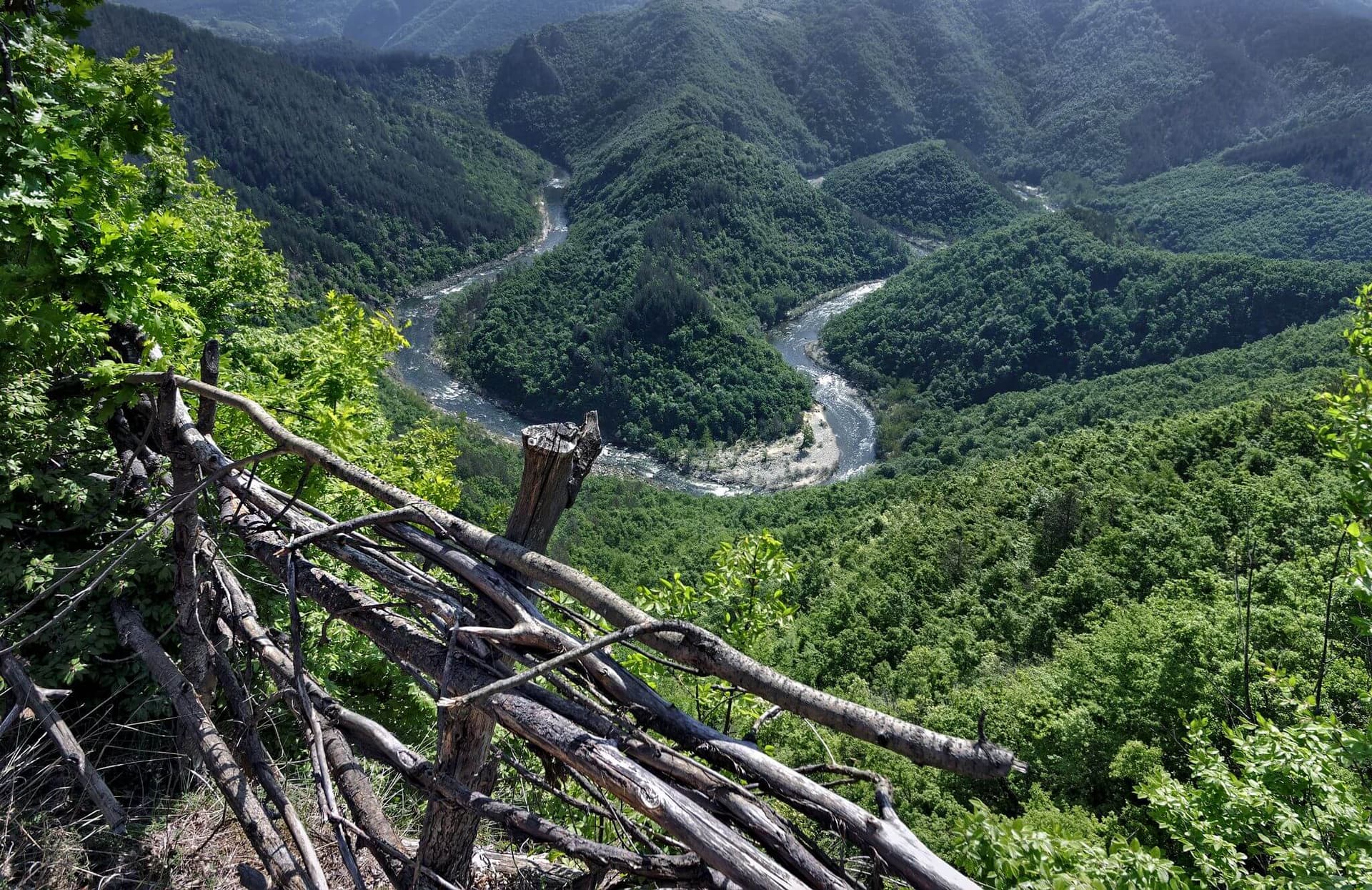
The Rhodopes: A Complete Travel Guide to Bulgaria's Mystical Mountains
Everything you need to plan a Rhodope Mountains trip: Smolyan, Pamporovo, Trigrad Gorge, Shiroka Laka, Perperikon, caves, spa towns, food, itineraries and when to go.