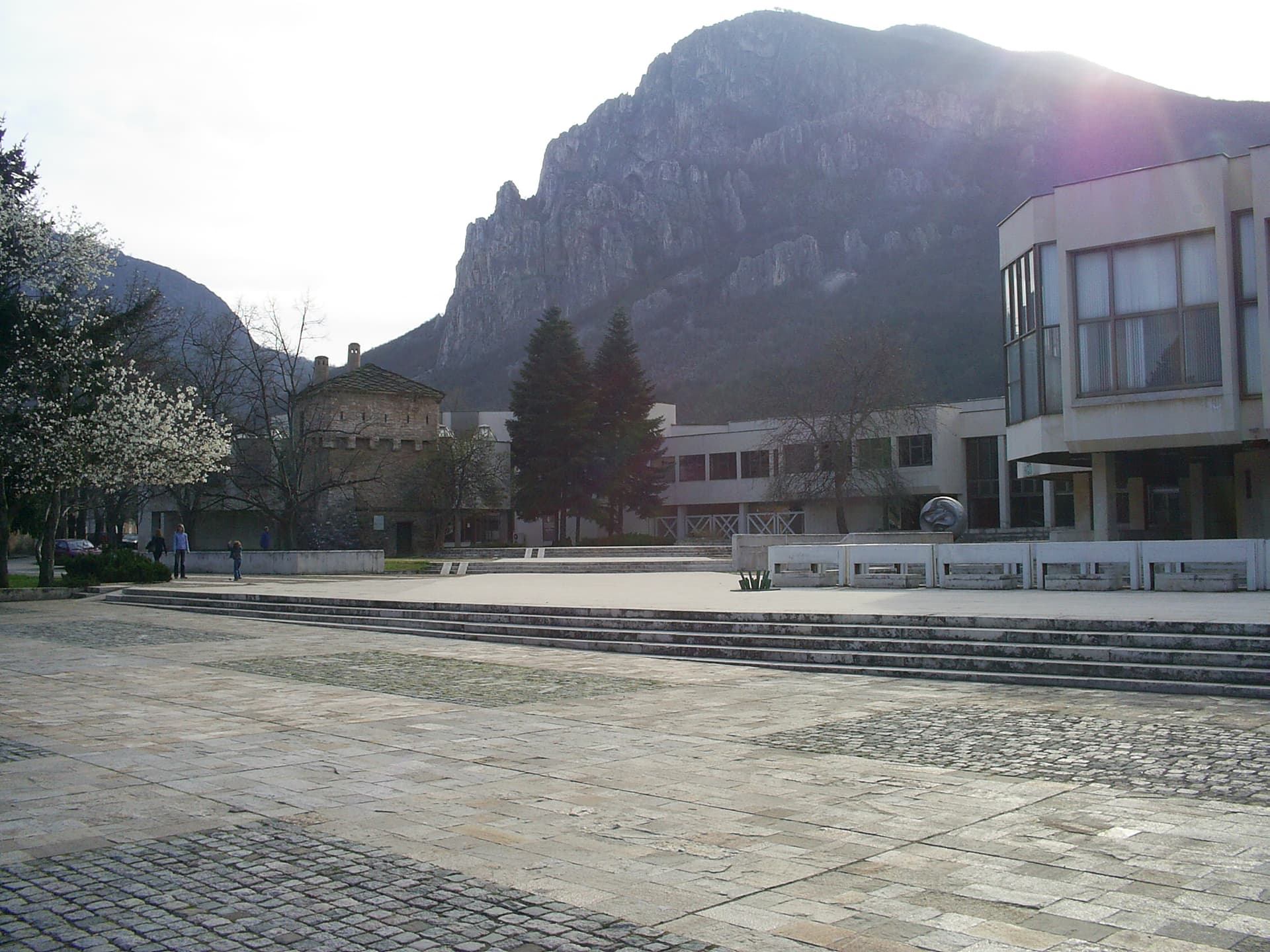
Located along the northern slopes of the Vratza Mountain, the Vrachanski Karst Reserve is one of the most dramatic and picturesque natural sanctuaries in Bulgaria. Integrated within the Vrachanski Balkan Nature Park, the reserve protects towering limestone cliffs, rugged gorges, and fascinating karst formations spanning altitudes between 250 and 850 meters.
Established on August 10, 1983, and covering over 1,438 hectares, Vrachanski Karst was created to preserve its iconic karst landscape, unique cave fauna, sub-Mediterranean flora, and numerous relict plant species protected by the Bulgarian Biodiversity Act and featured in the Red Data Book of Bulgaria.
The reserve stretches from the village of Pavolche to the Zmeyova Dupka cave, divided almost symmetrically by the Leva River into two main sections: the Bazovski and Stresherski ridges.
The territory of the reserve and its immediate surroundings harbor some of the most famous natural and historical sites in the region:
The limestone environment and local microclimate host a remarkable array of wildlife:

Vratsa region
1.9 km away
Vratsa region
2.5 km away

Vratsa region
2.6 km away
A guide to Bulgaria's three national parks and eleven nature parks — Rila, Pirin, Central Balkan, Vitosha, Vrachanski Balkan, Strandzha, Persina and the rest — what the categories mean and which to visit.
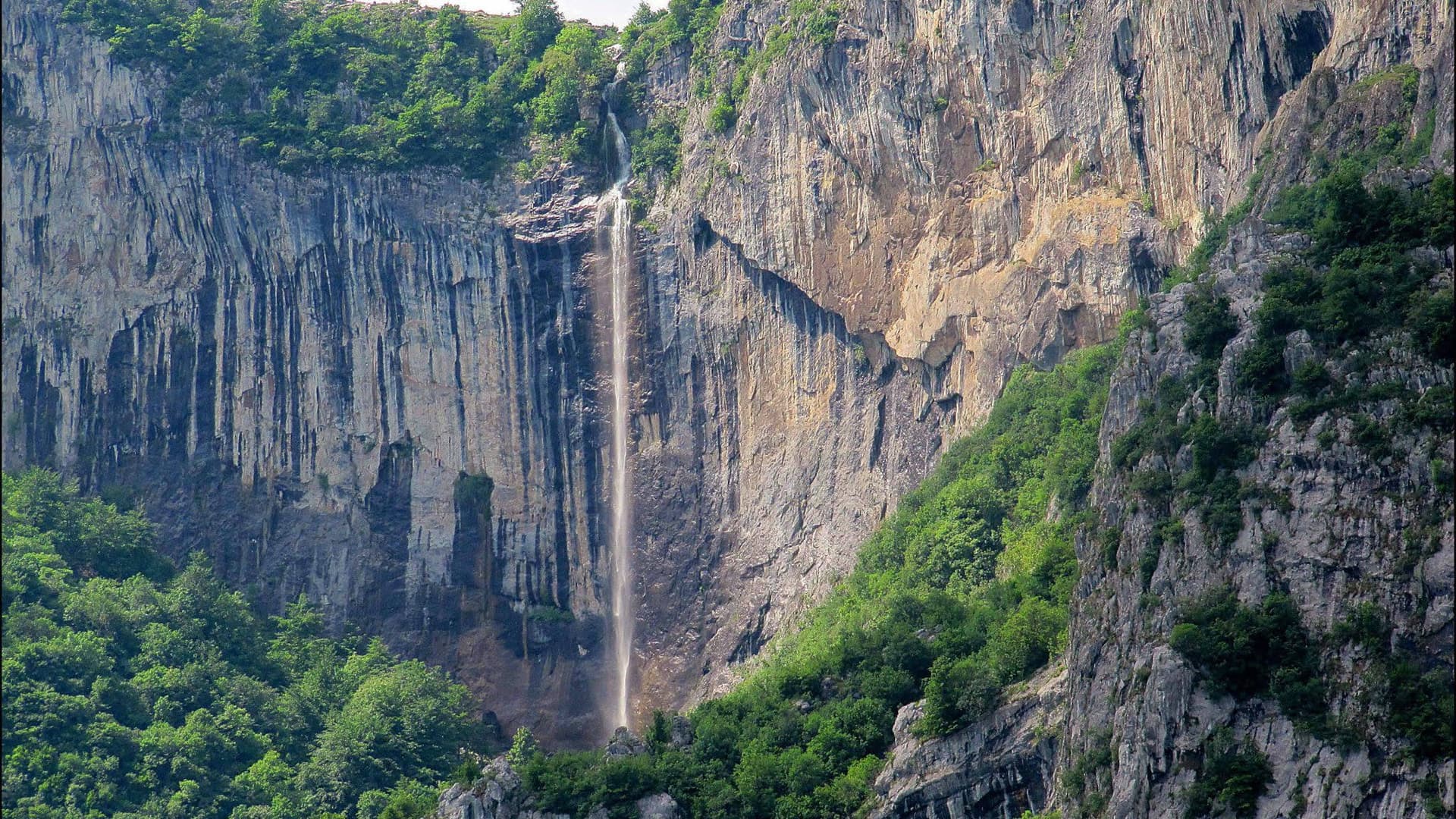
A guide to the Vrachanski Balkan Nature Park: the God's Bridge rock arch near Lilyache, the seasonal Skaklya waterfall above Vratsa, the Borov Kamak eco-trail, and when in spring to time the water.
Vrachanski Karst Reserve is located in Vratsa, Bulgaria.
Vrachanski Karst Reserve is most easily reached by car. Use the coordinates above to navigate, or open the location in OpenStreetMap or your preferred maps app for turn-by-turn directions. Public transport options vary by region — for remote destinations a rental car gives the most flexibility.
Vrachanski Karst Reserve is best walked from May through October, when the trail is clear of snow and weather is generally stable. Summer middays can be hot at lower altitudes — start early. Winter walking requires proper gear and route knowledge.
Suitability depends on the specific route. Bulgarian trails range from paved family-friendly paths to multi-day high-mountain crossings. Check the length, elevation gain, and surface before setting off. Sturdy footwear, water, and a basic map (offline or paper) are essential even on short walks.