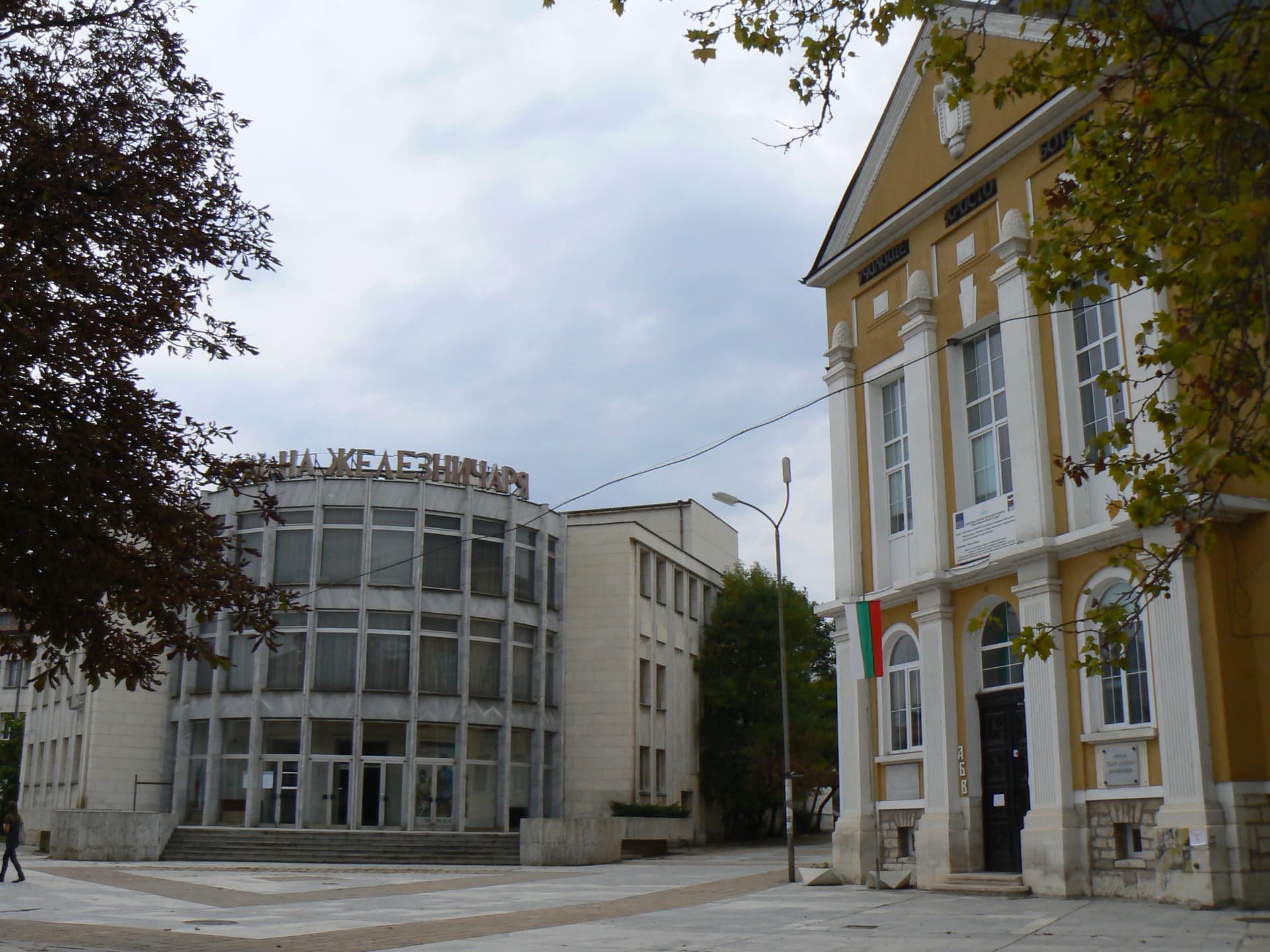
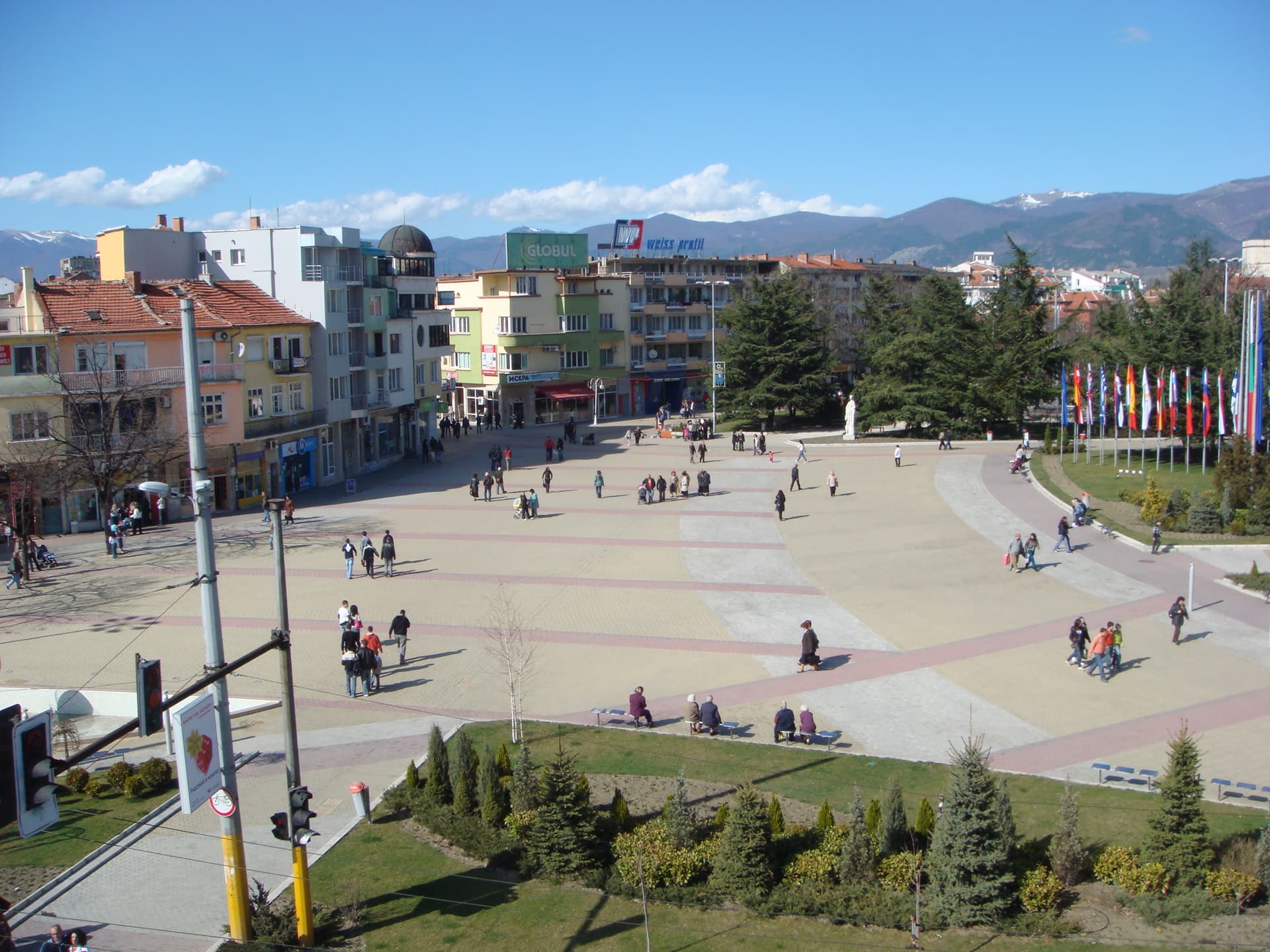
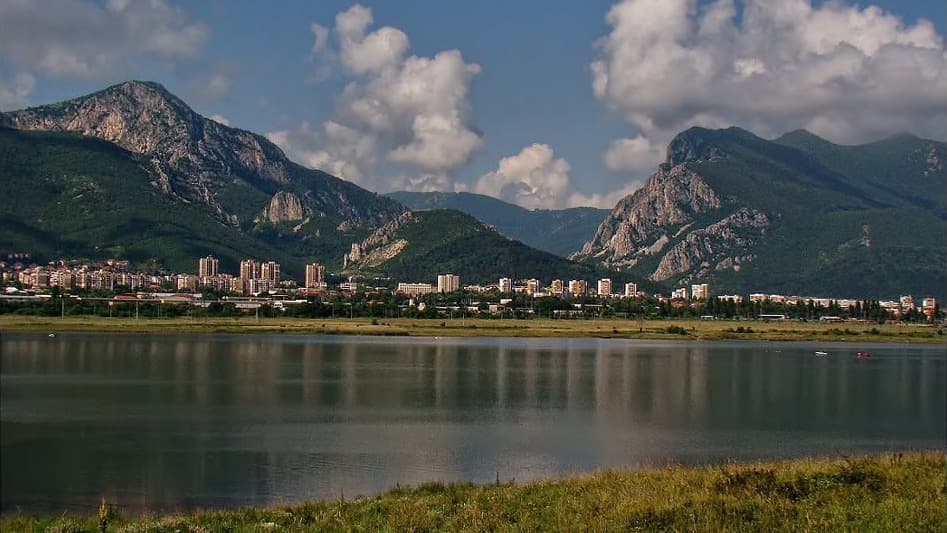
Located just 3–4 km southwest of the city of Vratsa, right past the legendary "Vratsata" mountain pass, Zgorigrad is one of the most picturesque and strategically situated mountain villages in Northwestern Bulgaria. Nestled along the banks of the Leva River within a sheltered valley, the village is completely encircled by the towering cliffs of the Balkan Mountains.
Dominating the horizon above Zgorigrad are dramatic white limestone peaks such as Toshina Mogila, Babkite, and Mednishki Vrah, creating a breathtaking alpine backdrop.
Zgorigrad serves as the primary trailhead for some of the most celebrated hiking routes and rock climbing destinations in the Western Balkan Range:
Zgorigrad's lands form a core part of the Vrachanski Balkan Nature Park, a protected area of international ecological importance spanning over 28,000 hectares.
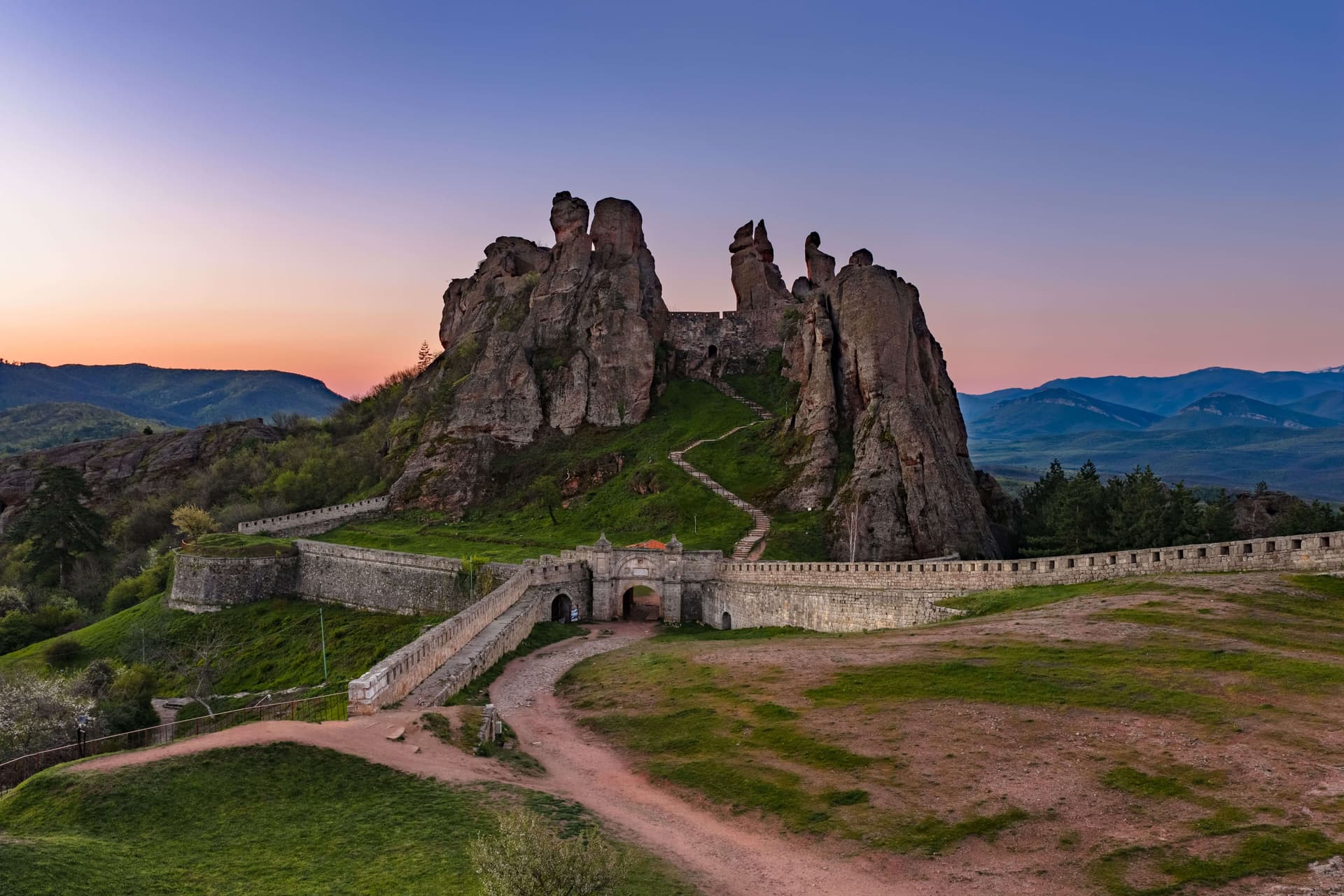
A complete 4-day road trip itinerary through Bulgaria's least-visited region: Iskar Gorge, Vratsa, God's Bridge, Chiprovtsi, Belogradchik Rocks, Magura Cave, and Vidin.
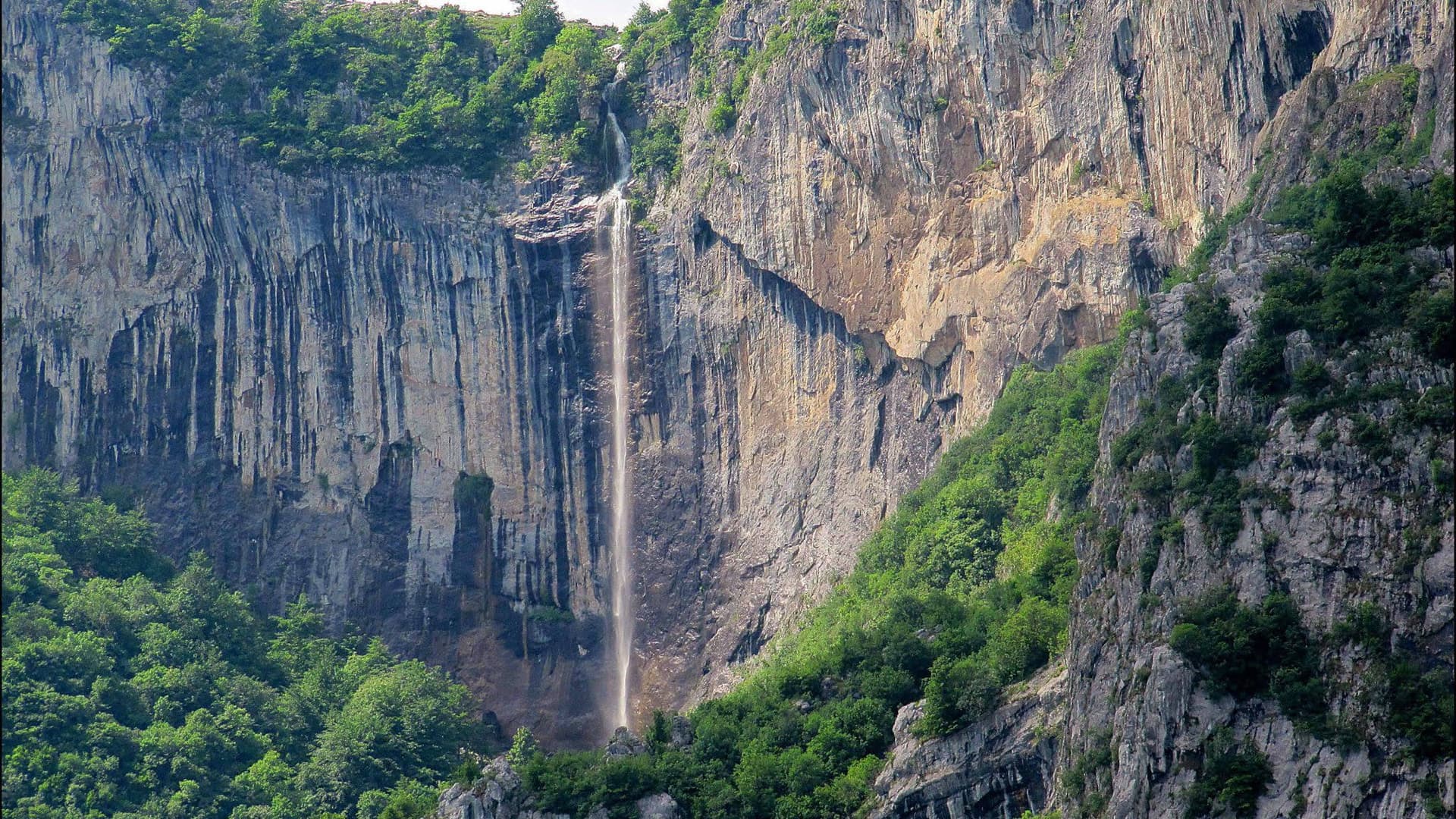
A guide to the Vrachanski Balkan Nature Park: the God's Bridge rock arch near Lilyache, the seasonal Skaklya waterfall above Vratsa, the Borov Kamak eco-trail, and when in spring to time the water.
A travel guide to Vratsa: the Vratsata gorge and its 400-metre rock face, the Ledenika show cave, the Rogozen Treasure of 165 silver vessels, and the Botev memorial at Okolchitsa — an hour and a half from Sofia.
Zgorigrad is located in Vratsa, Bulgaria.
Zgorigrad is most easily reached by car. Use the coordinates above to navigate, or open the location in OpenStreetMap or your preferred maps app for turn-by-turn directions. Public transport options vary by region — for remote destinations a rental car gives the most flexibility.
Zgorigrad can be visited year-round, but late spring (May–June) and early autumn (September–October) offer the most pleasant weather and fewer tourists. Summer is the busiest season; winter is the quietest, with shorter daylight and possible cold weather.
Bulgarian settlements typically reward unhurried walking — historic centres, churches and monasteries, local markets, and family-run restaurants serving regional dishes. Larger towns often have museums and seasonal cultural events. The local tourist information centre is a good first stop for current opening hours and what's on.