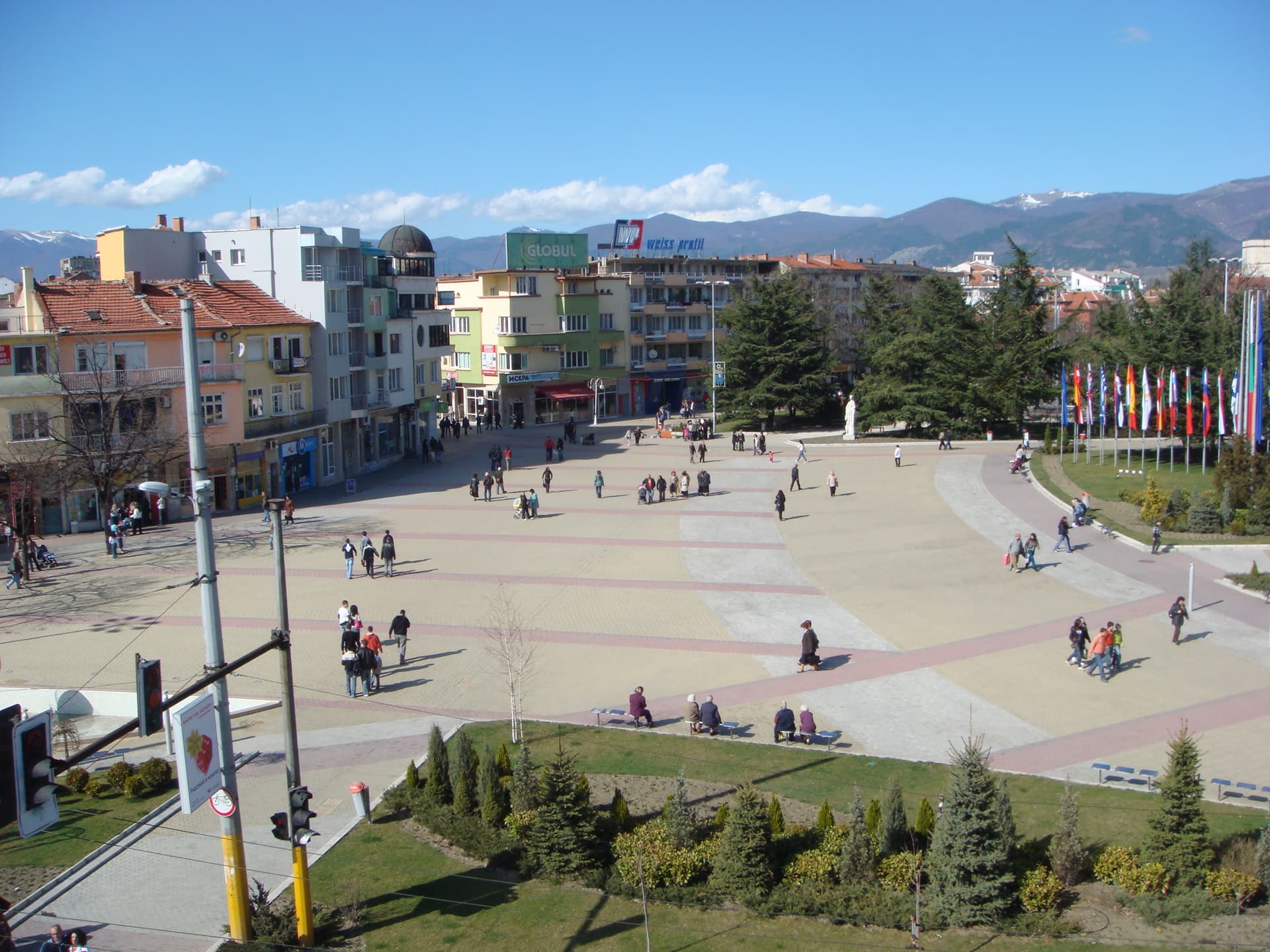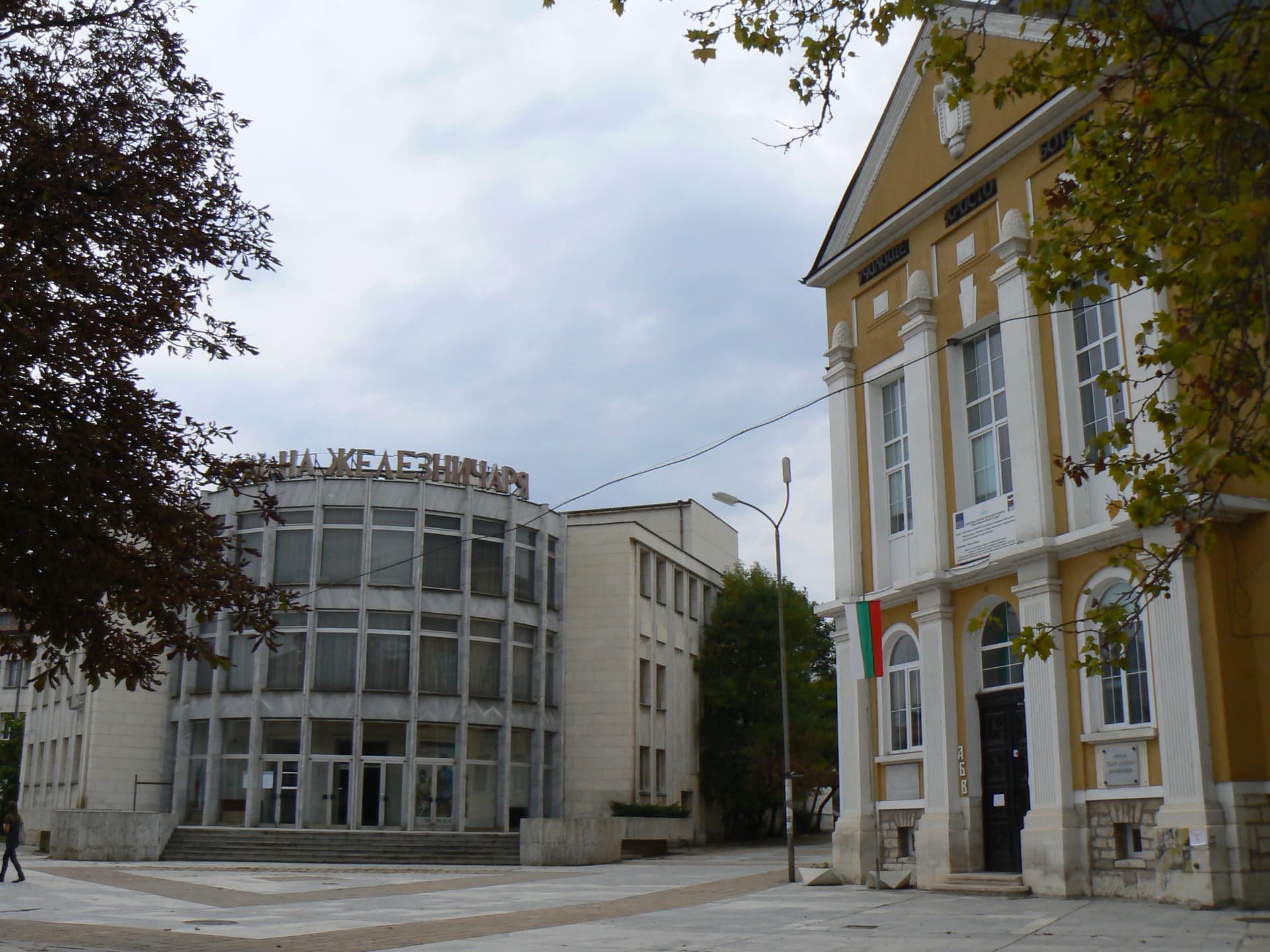
Mezdra is a major transportation and economic hub in the Vratsa District, located at the exit of the stunning Iskur Gorge. Situated mainly on the left bank of the Iskur River, the town sits where the Balkan Mountains meet the Danube Plain. Its name, derived from the Turkish word for "deserted place," stands in contrast to the town's modern role as a vibrant transit center.
Modern Mezdra owes its existence to the development of the Bulgarian railway network:
Mezdra is a perfect starting point for historical and nature exploration:
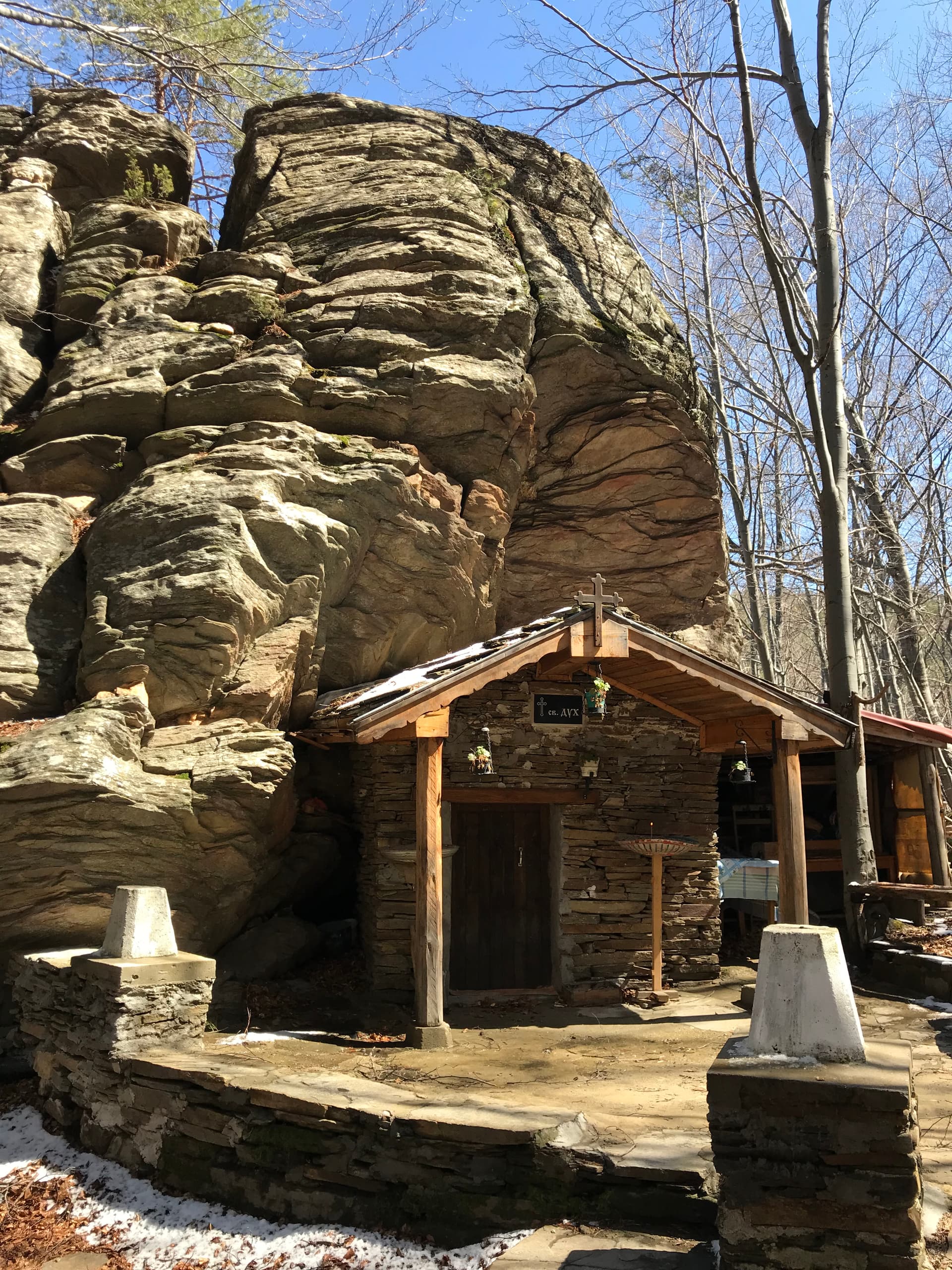
Vratsa region
7.3 km away

Vratsa region
8.6 km away
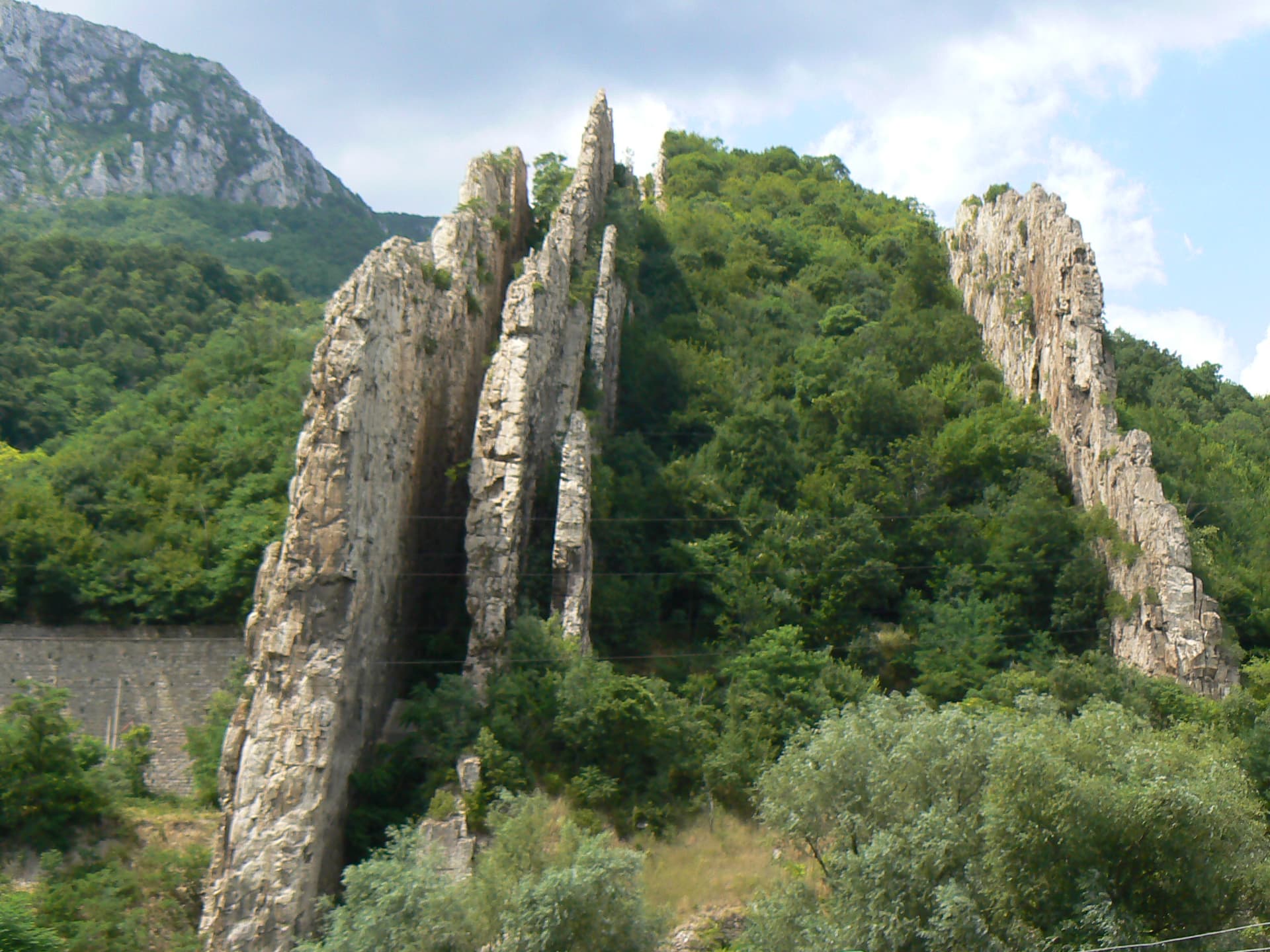
Vratsa region
9.0 km away
Vratsa region
9.2 km away
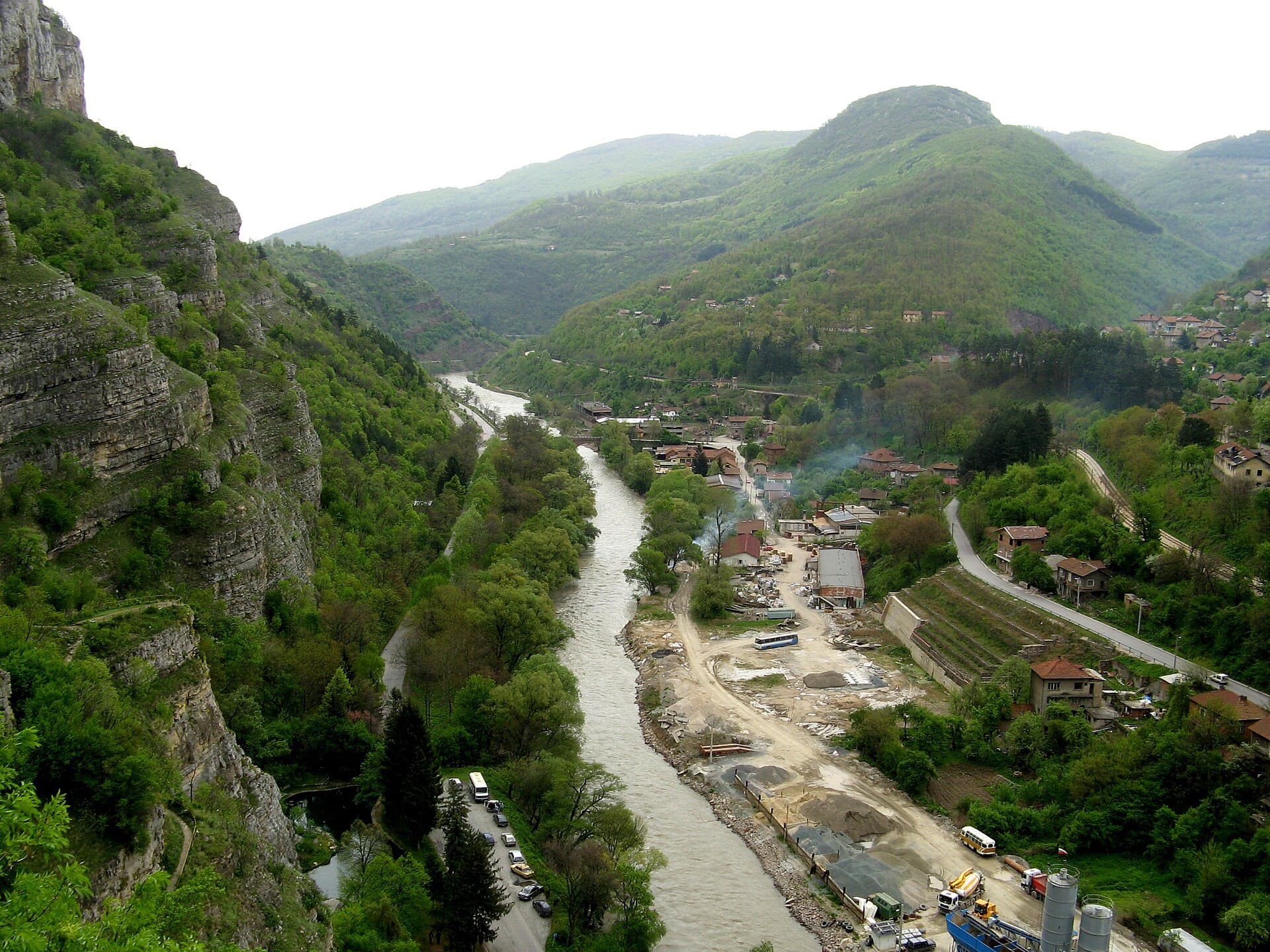
Discover the Iskar Gorge north of Sofia: Visit the Lakatnik Rocks, Cherepish Monastery, the Ritlite formation, and ride the scenic Sofia–Mezdra railway.
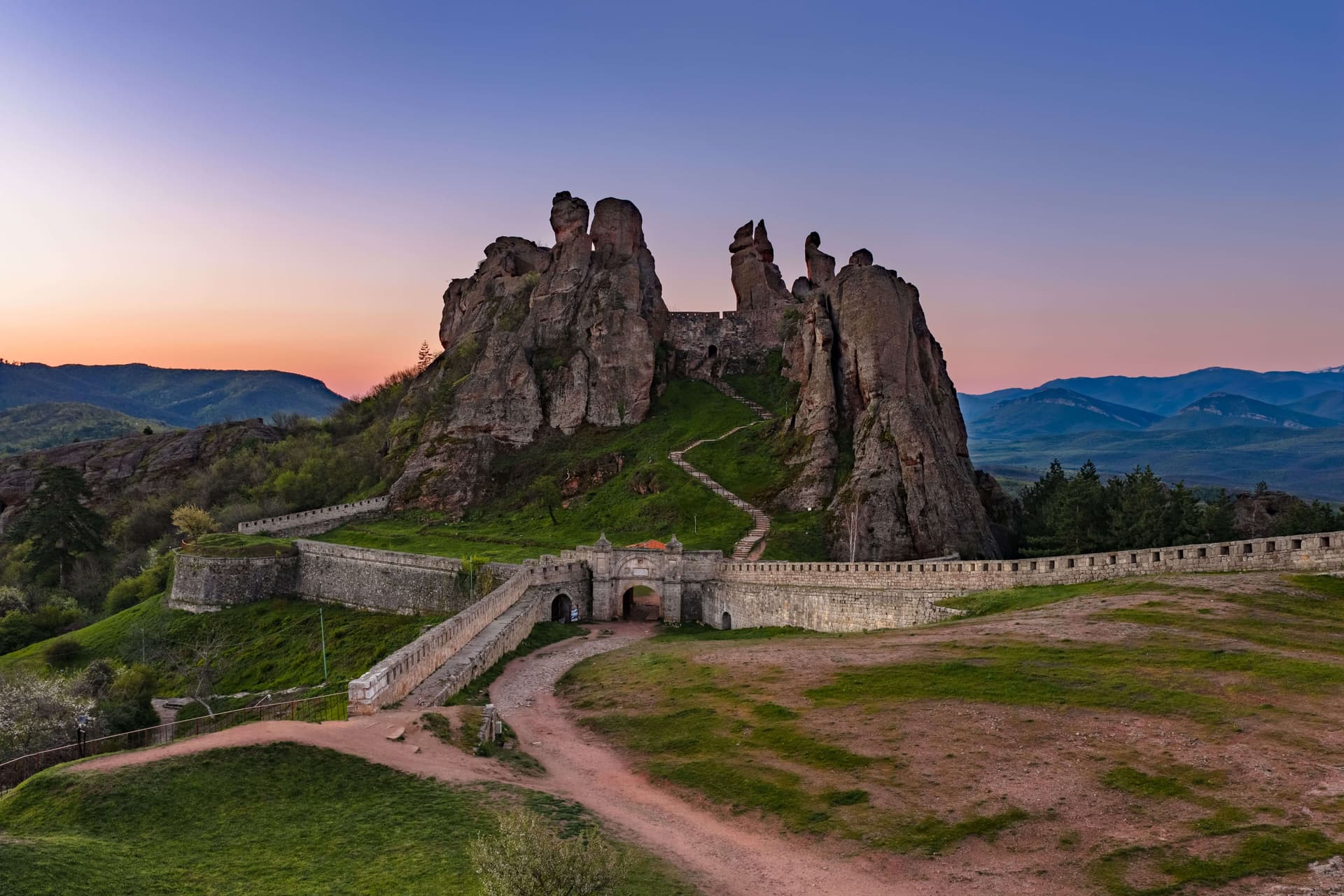
A complete 4-day road trip itinerary through Bulgaria's least-visited region: Iskar Gorge, Vratsa, God's Bridge, Chiprovtsi, Belogradchik Rocks, Magura Cave, and Vidin.
Mezdra is located in Vratsa, Bulgaria.
Mezdra is most easily reached by car. Use the coordinates above to navigate, or open the location in OpenStreetMap or your preferred maps app for turn-by-turn directions. Public transport options vary by region — for remote destinations a rental car gives the most flexibility.
Mezdra can be visited year-round, but late spring (May–June) and early autumn (September–October) offer the most pleasant weather and fewer tourists. Summer is the busiest season; winter is the quietest, with shorter daylight and possible cold weather.
Bulgarian settlements typically reward unhurried walking — historic centres, churches and monasteries, local markets, and family-run restaurants serving regional dishes. Larger towns often have museums and seasonal cultural events. The local tourist information centre is a good first stop for current opening hours and what's on.