Nestled against the dramatic sheer limestone cliffs of the Iskar Gorge, right along the banks of the Iskar River and near Cherepish Train Station, Cherepish Monastery stands as one of Bulgaria's most picturesque and historic monastic complexes. Recognized as a National Cultural Monument, it captivates travelers with its rich spiritual heritage, literary connections, and breathtaking natural scenery.
According to historical records and monastic charters dating back to 1390–1398, the monastery was founded during the reign of Tsar Ivan Shishman (1371–1393). Although destroyed multiple times during the Ottoman conquest, local villagers repeatedly rebuilt the holy sanctuary, culminating in a major restoration in 1660.
Throughout the centuries, Cherepish Monastery functioned as a vital educational and revolutionary hub:
The enchanting setting where white cliffs overhang the winding river has inspired Bulgaria's greatest literary and historical figures:
The current monastery buildings date primarily from the 19th century, featuring carefully restored heritage wings, including the Bishop's Building, School Building, and Rushid's House.

Vratsa region
0.6 km away
Vratsa region
1.5 km away
Vratsa region
1.8 km away
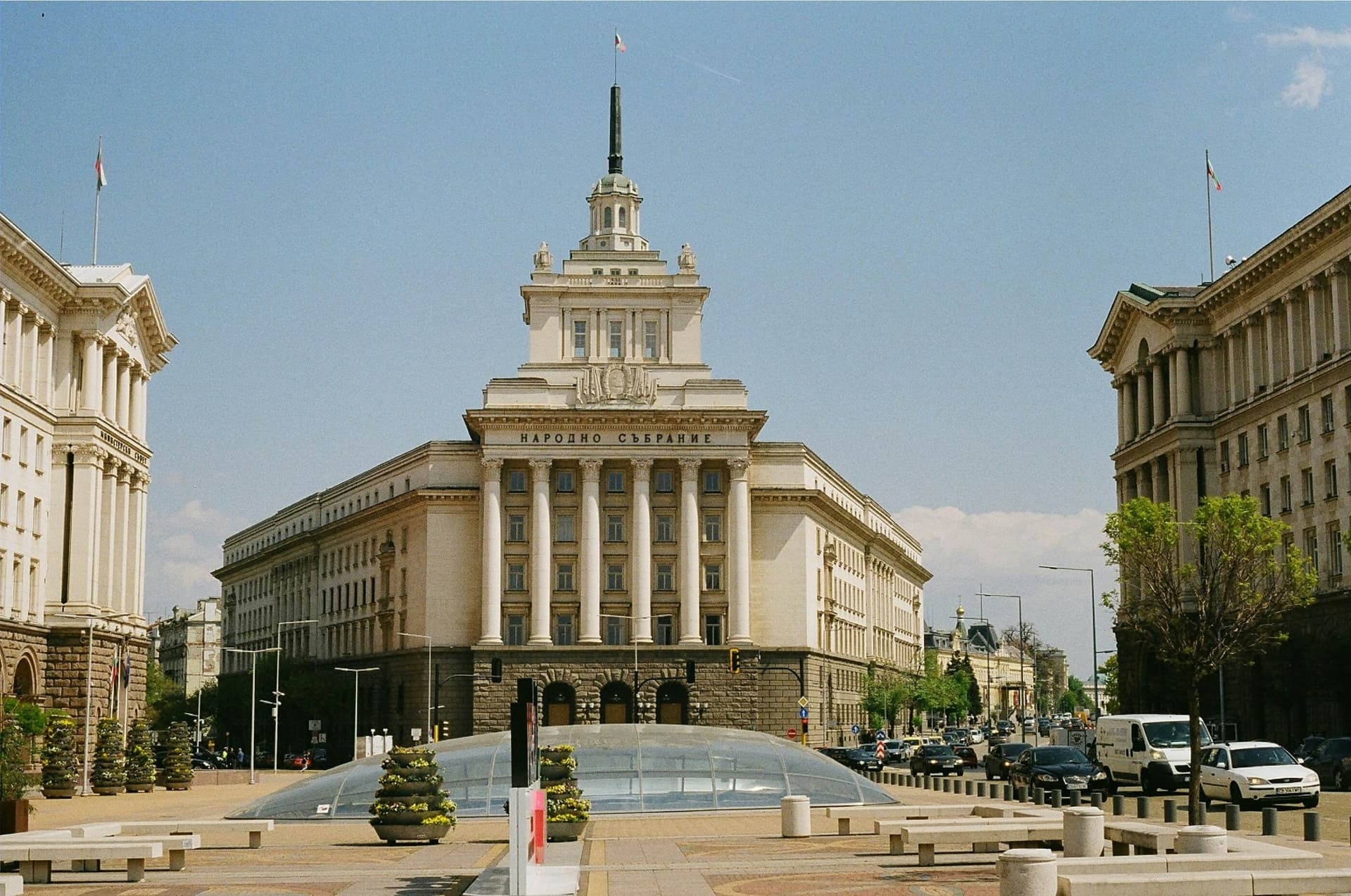
10 overnight weekend getaways within 2.5 hours of Sofia: mineral baths and spa towns, guest-house villages, winter walks and ski — with distances and transport.
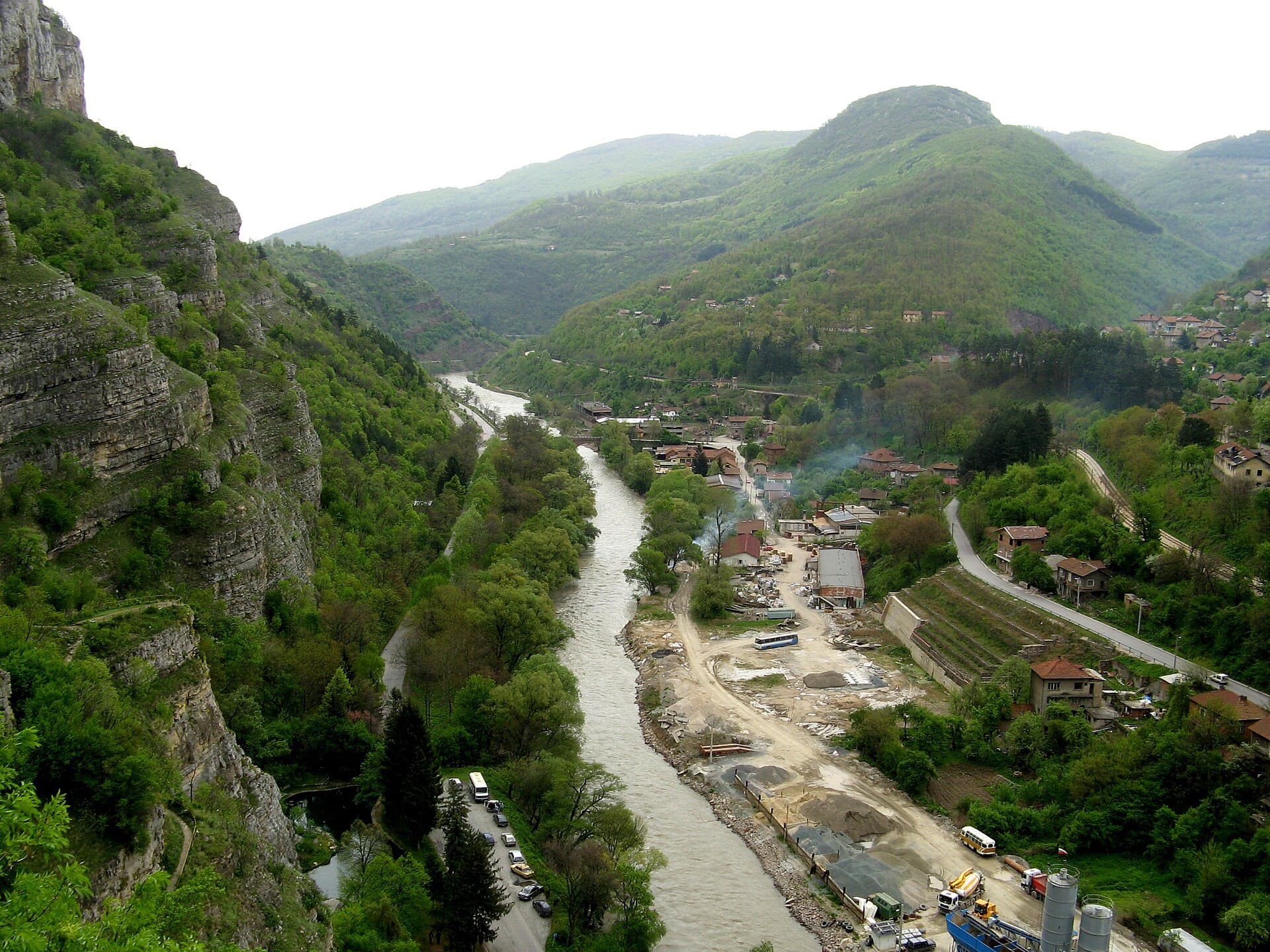
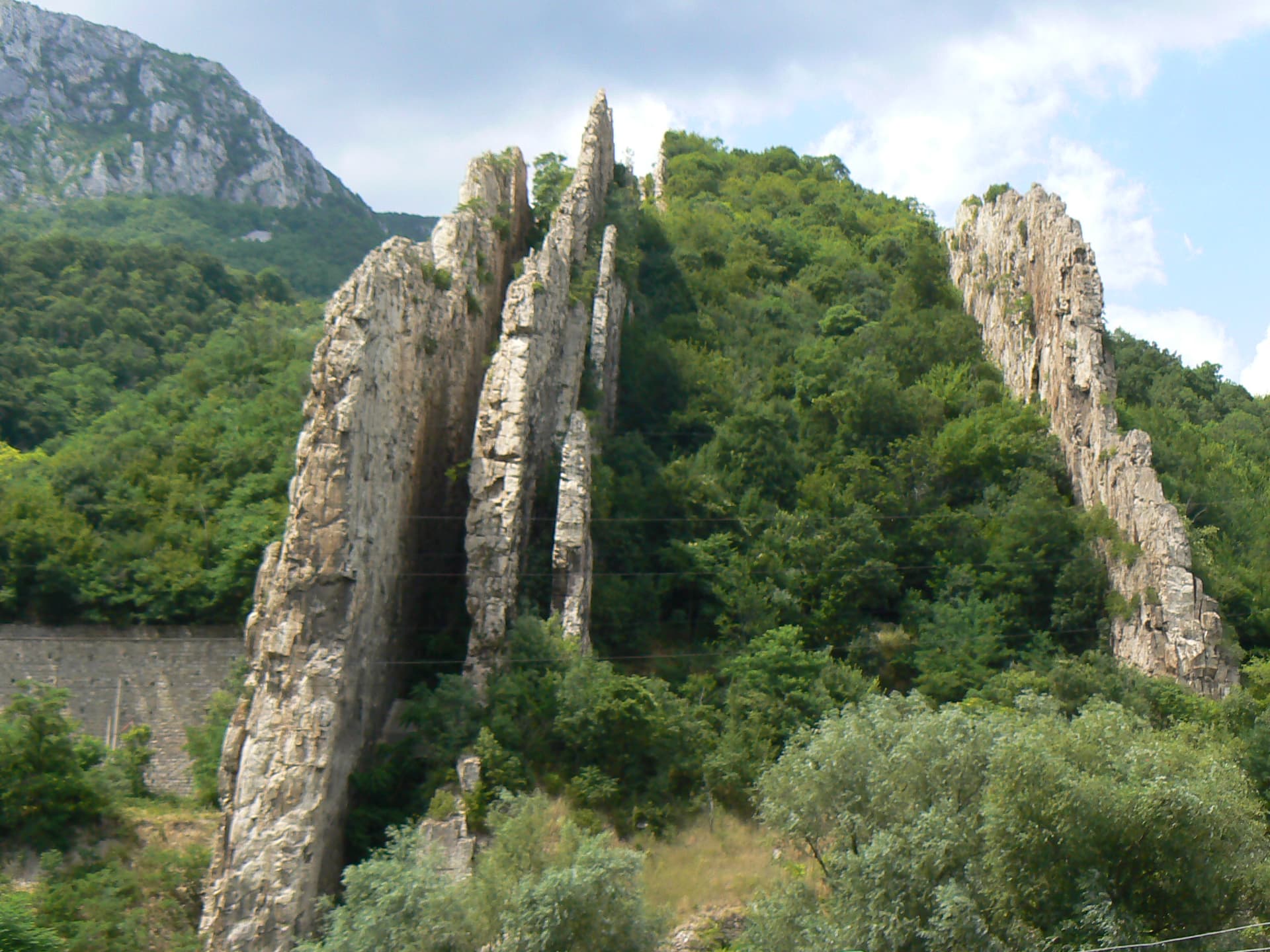
Discover the Iskar Gorge north of Sofia: Visit the Lakatnik Rocks, Cherepish Monastery, the Ritlite formation, and ride the scenic Sofia–Mezdra railway.
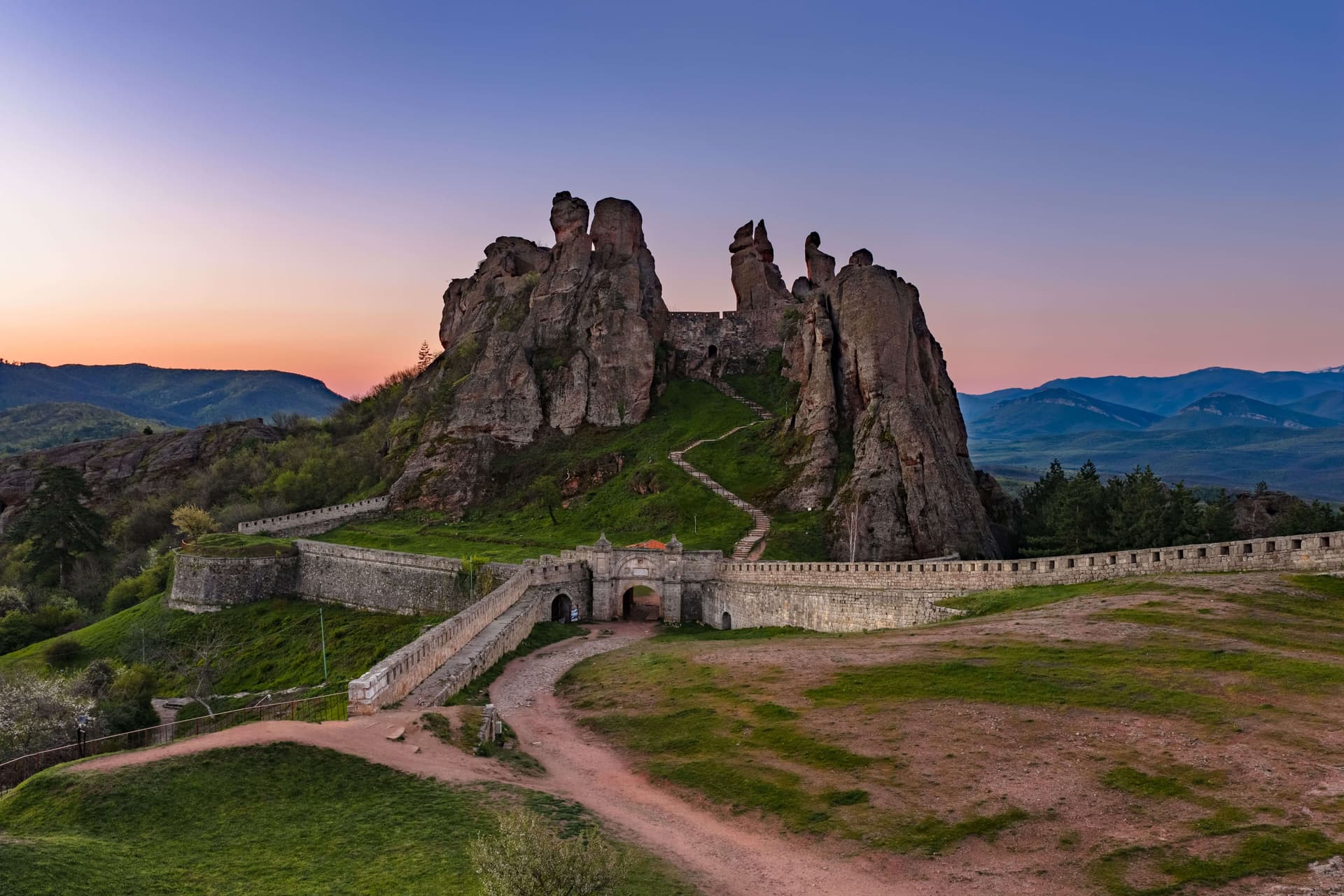
A complete 4-day road trip itinerary through Bulgaria's least-visited region: Iskar Gorge, Vratsa, God's Bridge, Chiprovtsi, Belogradchik Rocks, Magura Cave, and Vidin.
Cherepish Monastery is located in Vratsa, Bulgaria.
Cherepish Monastery is most easily reached by car. Use the coordinates above to navigate, or open the location in OpenStreetMap or your preferred maps app for turn-by-turn directions. Public transport options vary by region — for remote destinations a rental car gives the most flexibility.
Cherepish Monastery can be visited year-round. Spring and autumn offer the most pleasant conditions for exploring, with mild temperatures and fewer crowds. Summer is ideal for photography and longer day trips; winter visits are possible but weather can limit access at some sites.
Most natural landmarks in Bulgaria are freely accessible and open year-round, though some sites have entrance fees or require a guide. Wear sturdy footwear and bring water, as the terrain can be uneven. Respect any protective barriers and stay on marked paths to preserve the site.