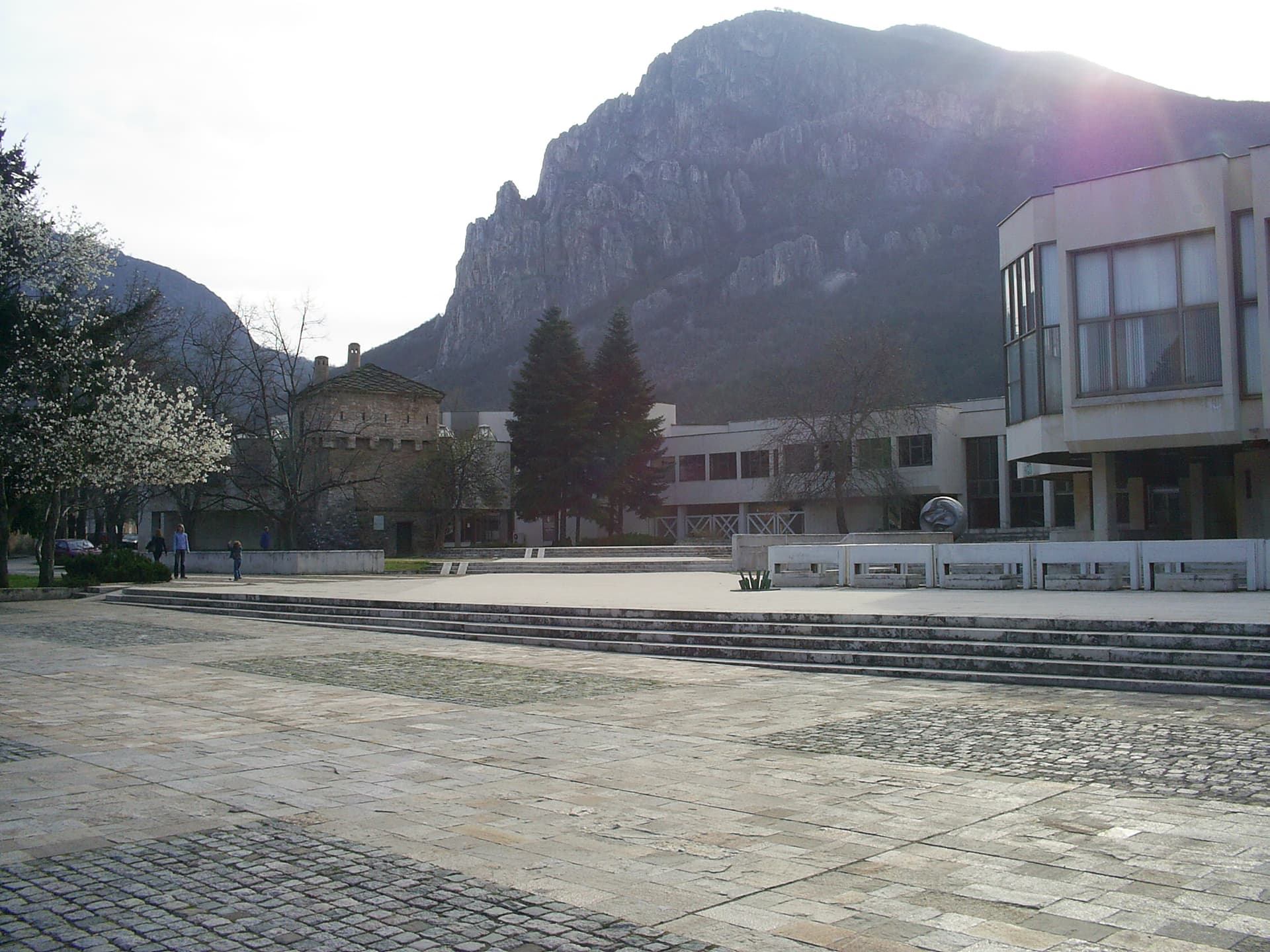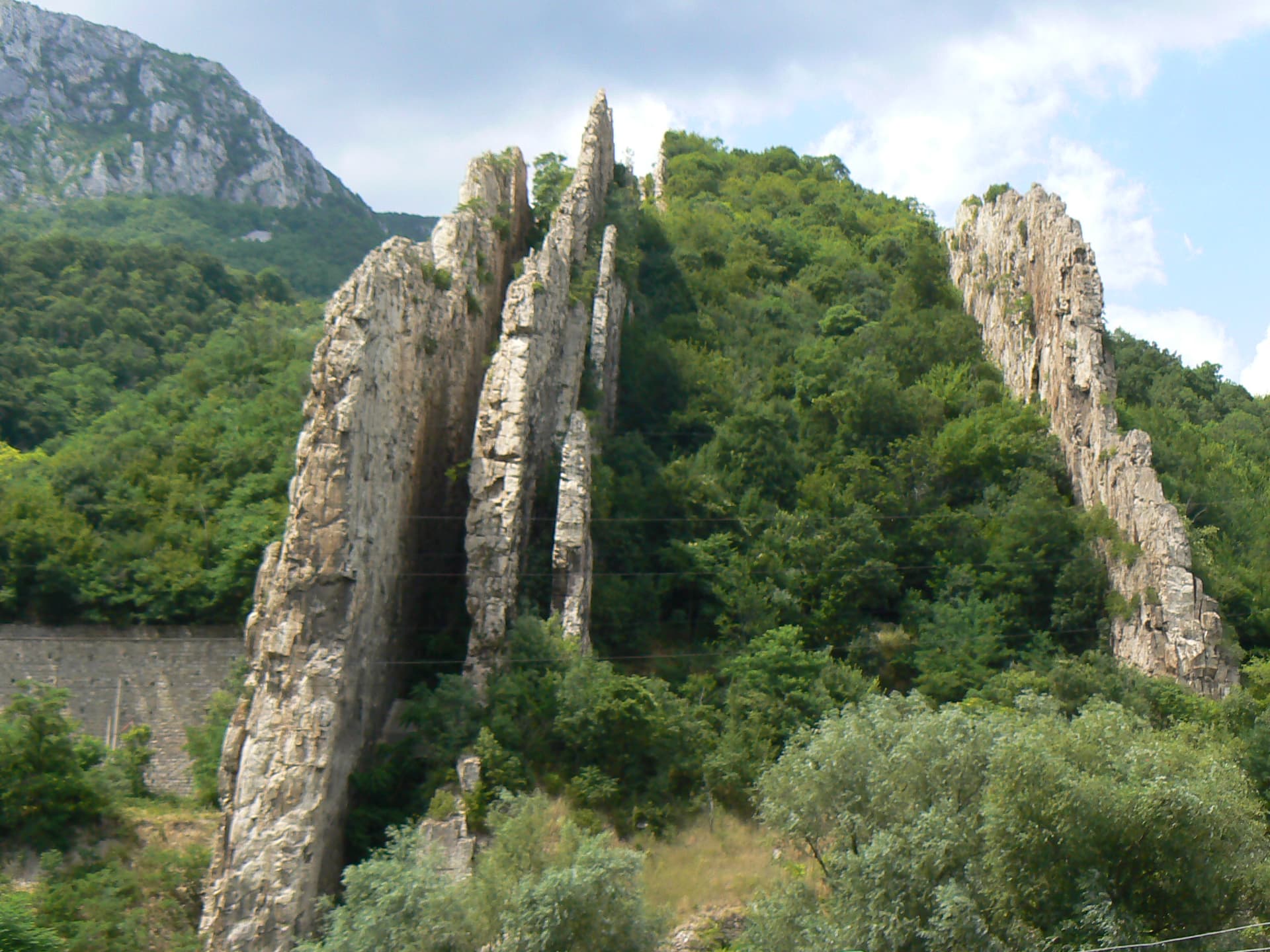
Carved into the northeastern limestone slopes of the Vratza Mountain by the Leva River, Vratsata Gorge stands as one of Bulgaria's most dramatic natural landmarks. Located right at the edge of the town of Vratsa, this breathtaking canyon squeezes to just 30 meters wide at its narrowest point, framed by sheer, towering rock cliffs that resemble a giant stone gate.
Vratsata is the historic symbol of Vratsa, giving the town its name (derived from the medieval Bulgarian word Vratitsa, meaning "gate"). During the 10th to 12th centuries, the gorge served a crucial defensive purpose, and traces of the medieval Vratitsa Fortress are still preserved along its rocky slopes. Recognizing its unique geological and aesthetic value, the area was declared a protected natural landmark in 1964 within Vrachanski Balkan Nature Park.
Soaring over 400 meters high, the vertical cliffs of Vratsata hold the title of the highest vertical rock faces on the Balkan Peninsula. Consequently, the gorge is the most famous rock-climbing and alpine destination in Bulgaria:
Location: Southwest entrance of Vratsa town, along road III-1002 leading toward Zgorigrad village and the Ledenika Cave.

Vratsa region
2.4 km away
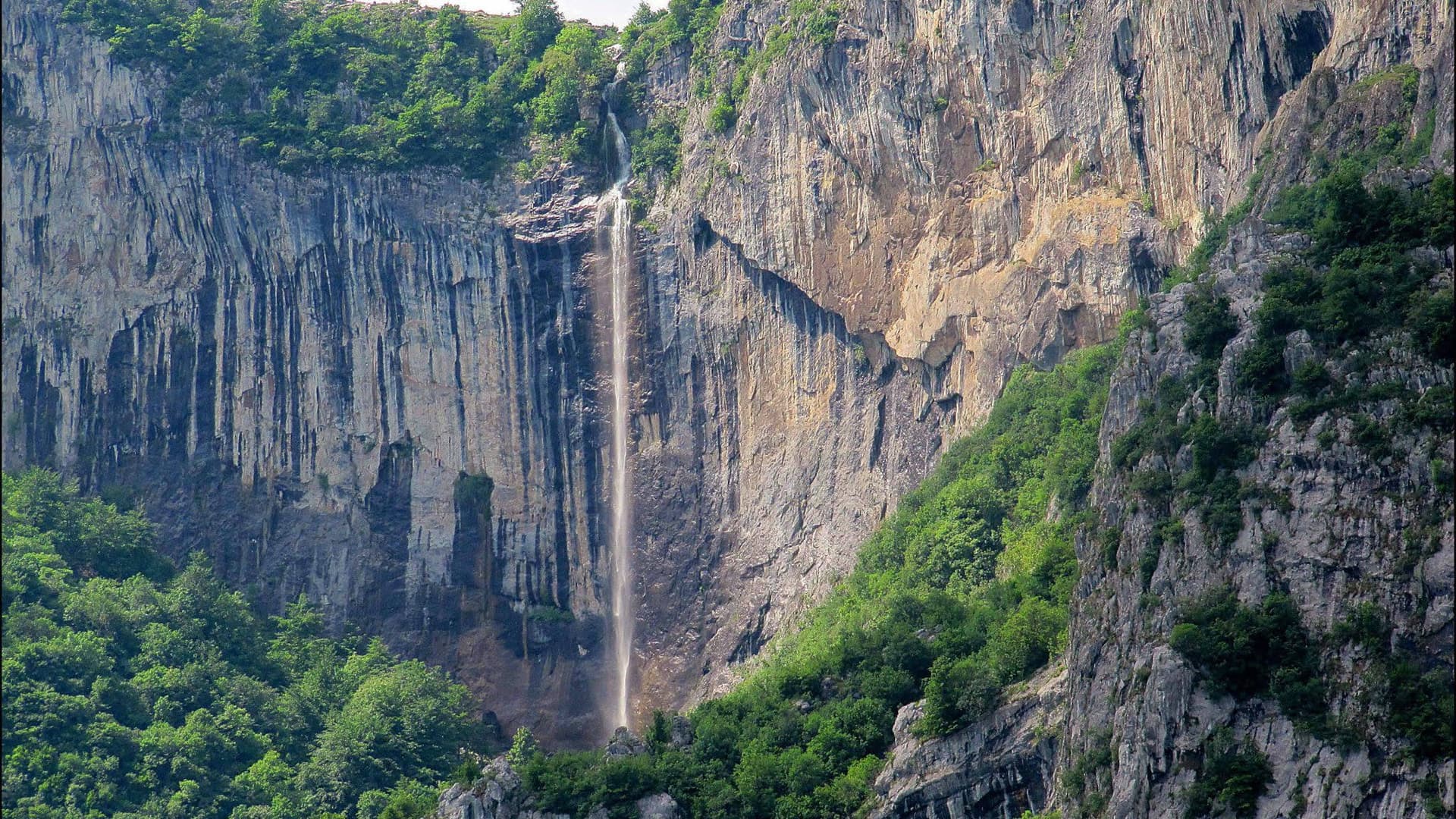
Vratsa region
3.0 km away
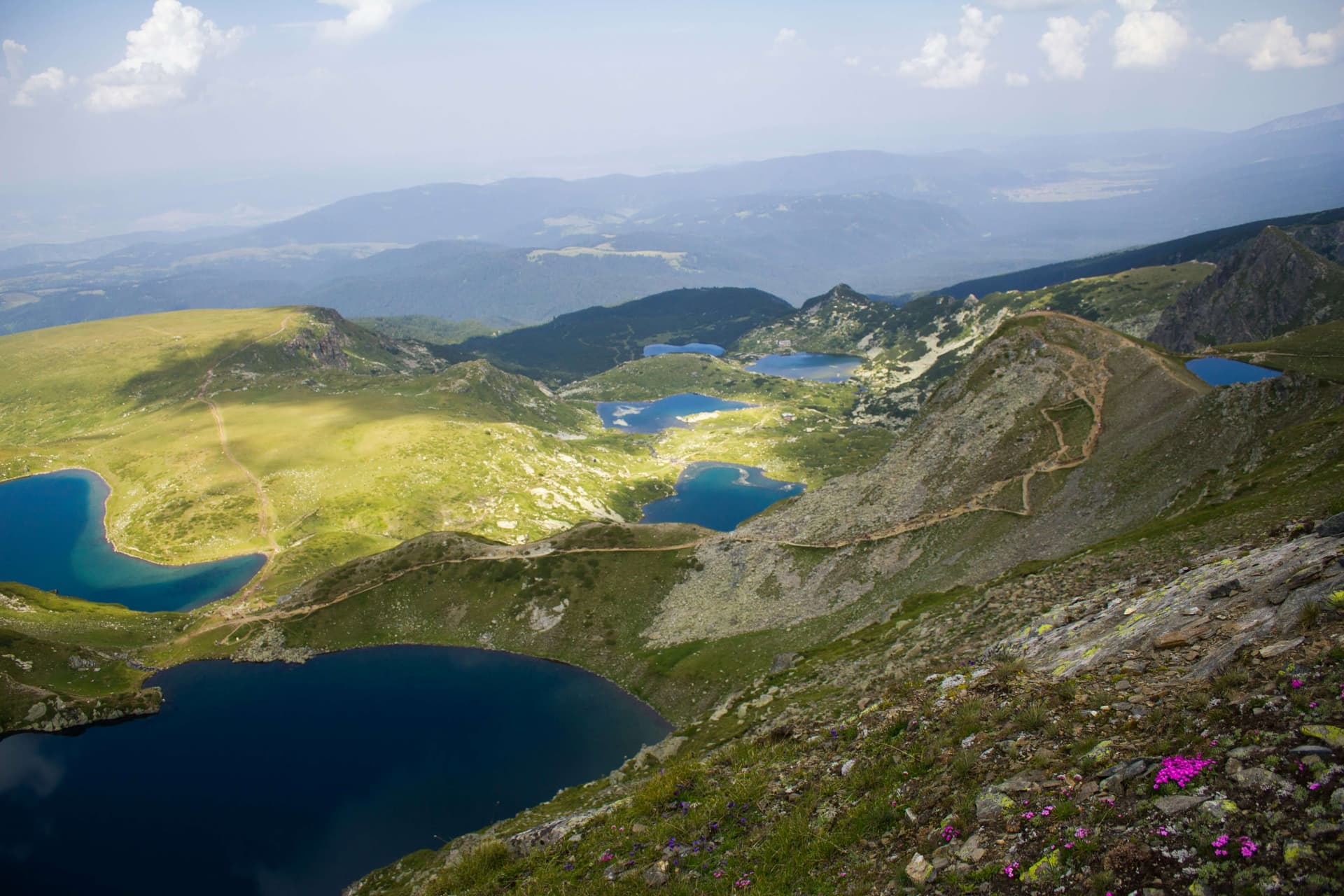
A guide to Bulgaria's three national parks and eleven nature parks — Rila, Pirin, Central Balkan, Vitosha, Vrachanski Balkan, Strandzha, Persina and the rest — what the categories mean and which to visit.
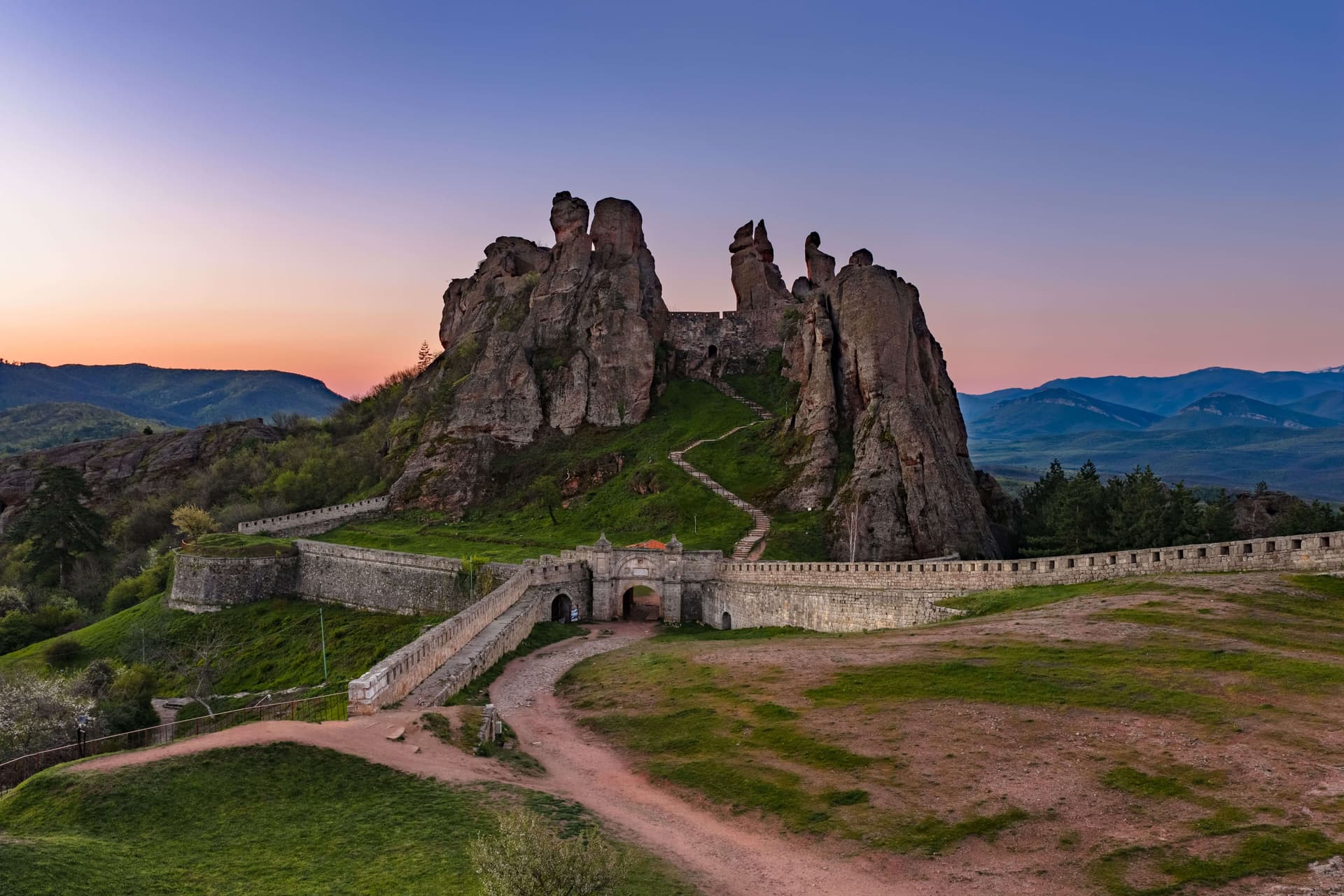
A complete 4-day road trip itinerary through Bulgaria's least-visited region: Iskar Gorge, Vratsa, God's Bridge, Chiprovtsi, Belogradchik Rocks, Magura Cave, and Vidin.
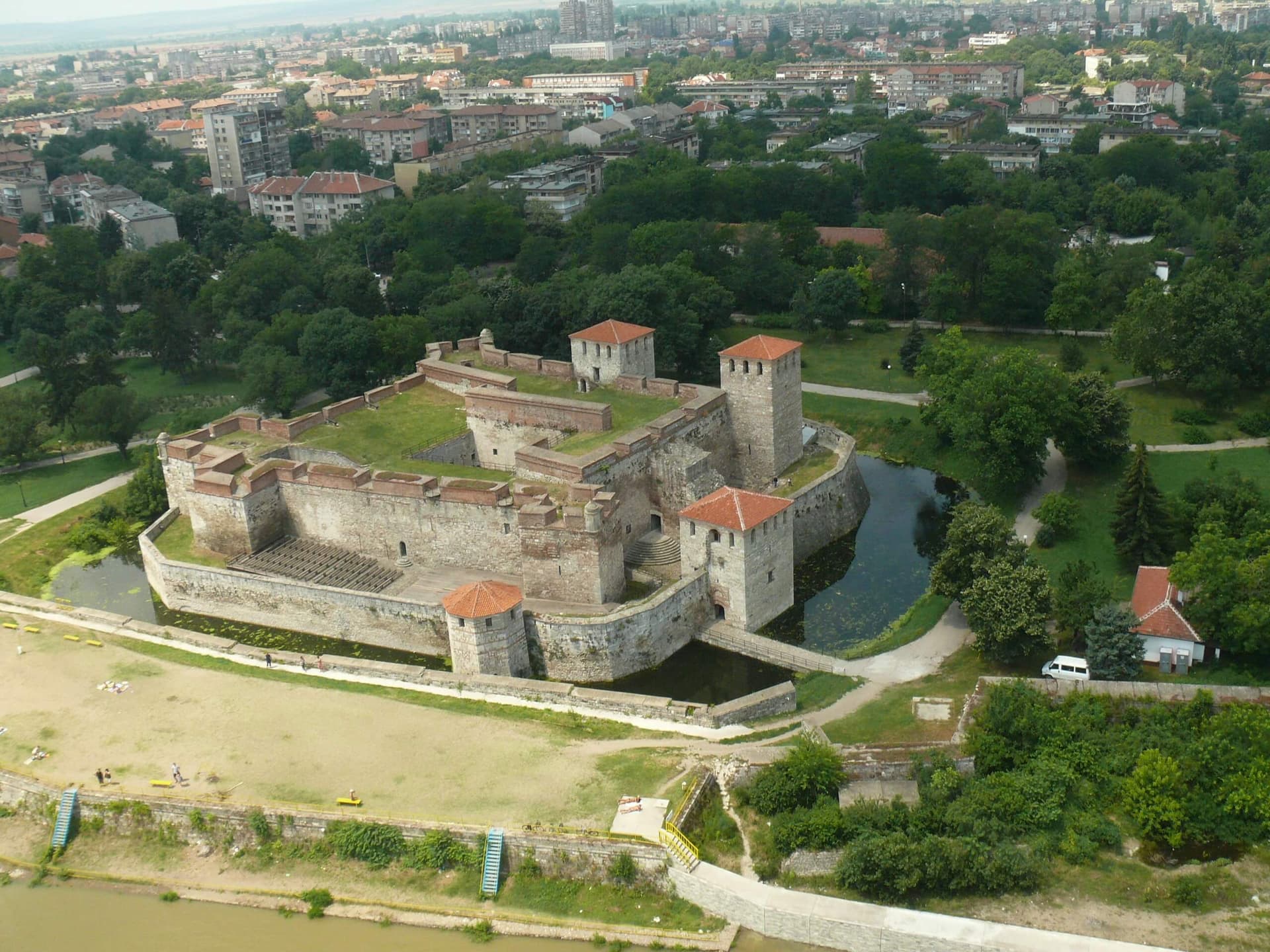
A complete travel guide to Vidin on the Danube: Explore Baba Vida castle, visit the restored Synagogue (Jules Pascin Centre), and pair it with Belogradchik and Magura Cave.
Vratsata Gorge is located in Vratsa, Bulgaria.
Vratsata Gorge is most easily reached by car. Use the coordinates above to navigate, or open the location in OpenStreetMap or your preferred maps app for turn-by-turn directions. Public transport options vary by region — for remote destinations a rental car gives the most flexibility.
Vratsata Gorge can be visited year-round. Spring and autumn offer the most pleasant conditions for exploring, with mild temperatures and fewer crowds. Summer is ideal for photography and longer day trips; winter visits are possible but weather can limit access at some sites.
Most natural landmarks in Bulgaria are freely accessible and open year-round, though some sites have entrance fees or require a guide. Wear sturdy footwear and bring water, as the terrain can be uneven. Respect any protective barriers and stay on marked paths to preserve the site.