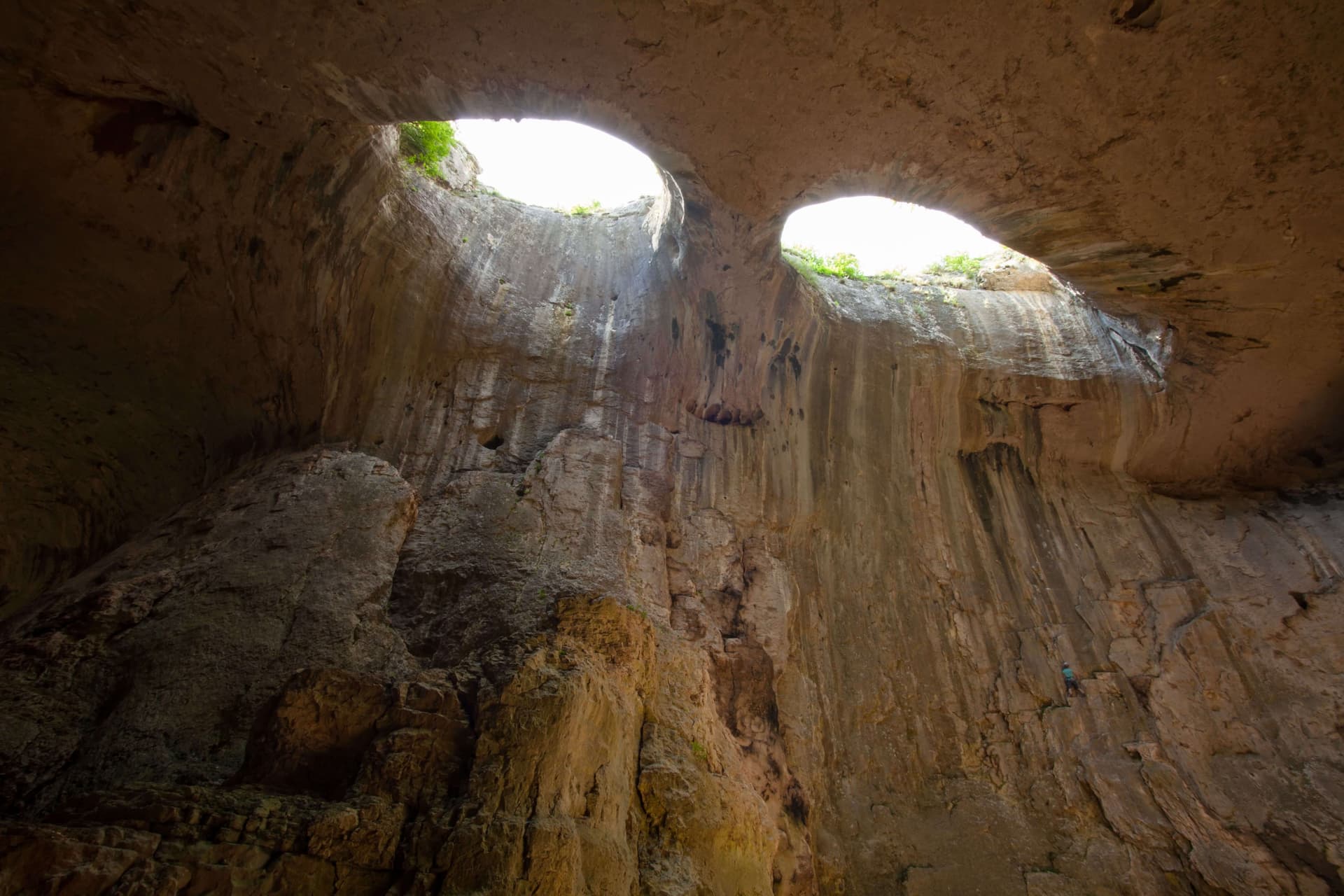
Magurata Cave (officially known as the Rabisha Cave between 1942 and 1972) is one of the most significant and fascinating natural landmarks in Bulgaria. Located in Northwestern Bulgaria, Vidin Province, Belogradchik Municipality, it is world-renowned for its unique prehistoric cave paintings and abundant bat colonies. The cave is situated on the southern slope of the Rabisha Mound karst ridge (Western Fore-Balkan), roughly 18 km northwest of the town of Belogradchik and 1.5 km from the village of Rabisha. Formed through complex karst processes in thick-layered Lower Cretaceous grey-white limestones, Magurata is among the largest caves in the country, with its official exit named Vratacha.
The cave maintains a constant year-round temperature of 12 degrees Celsius, and the total length of its explored galleries spans 2500 meters. The interior of Magurata is divided into a series of massive chambers and galleries, some of which feature colossal dimensions:
All underground spaces are interconnected through a vast system of galleries and natural tunnels, beautifully adorned with ancient stalactites, stalagmites, and giant stalactones.
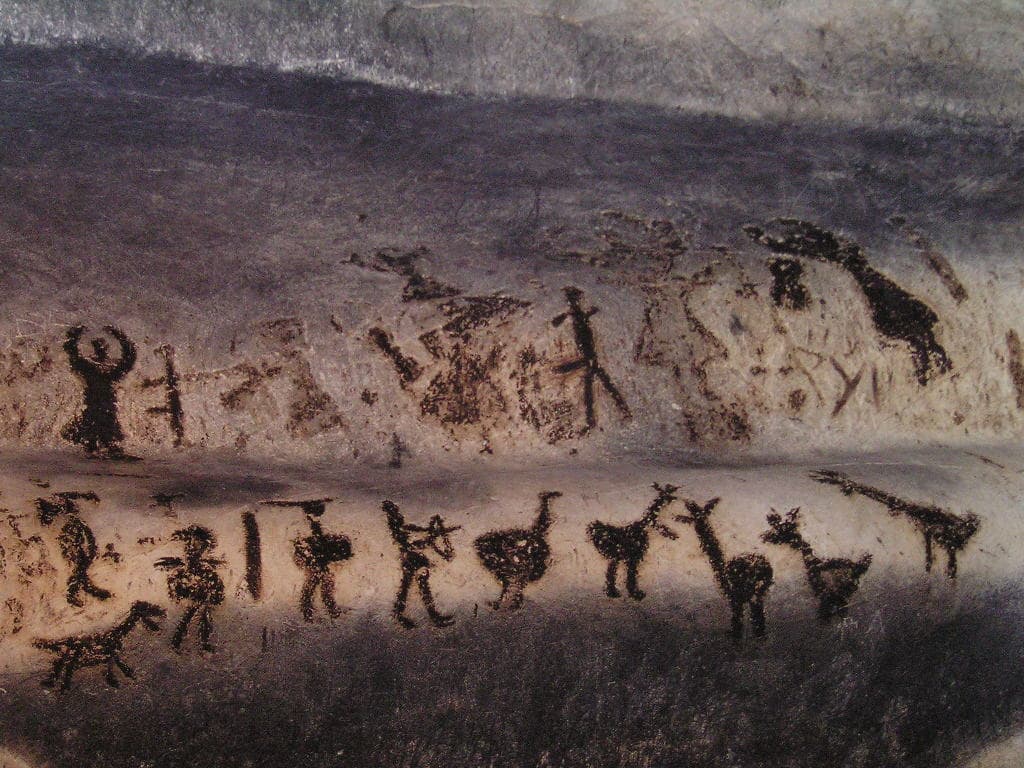
The cave walls display invaluable murals from several historical eras, painted by prehistoric humans using guano (bat droppings). The earliest drawings date back to the Late Paleolithic period, continuing through the Neolithic, with the most recent originating from the Bronze Age (painted between 3000 and 1200 BC). The murals predominantly depict hunting scenes, a unique prehistoric solar-and-moon calendar, and fertility rituals. Many figures have a raised, relief-like appearance due to the natural erosion of the rock surface beneath them. To ensure their long-term preservation, public access to the iconic Gallery of Paintings has been temporarily restricted by an administrative order of the Ministry of Culture.
Numerous fossilized bones from extinct species such as the cave bear and cave hyena have been unearthed inside Magurata. Today, it stands as the most important bat habitat in Northwestern Bulgaria. The cave is occupied year-round by 8 distinct bat species, all of which are of high conservation priority in Europe. The long-fingered bat and the Mediterranean horseshoe bat are listed in the IUCN Red List of Threatened Species.
In addition to hosting over 2000 hibernating bats, the cave records a national-record winter colony of over 450 lesser horseshoe bats. On the upper level above the Concert Hall, which is inaccessible without specialized speleological equipment, a dry horizontal gallery serves as a critical breeding ground for large summer colonies.
Magurata Cave was declared a natural landmark in 1960, encompassing a protected territory of 71 hectares. It is officially listed among the 100 National Tourist Sites of Bulgaria (under number 14) and ranks among the 12 fully developed, electrified, and visitor-friendly caves in the country.
Due to the ideal microclimate inside one of the caves branches—which closely mirrors the conditions found in the famous Champagne region of France—a specialized winery utilizes the cave for aging premium sparkling wine. Located in immediate proximity to the cave exit is Lake Rabisha, the largest inland tectonic lake in Bulgaria, offering excellent conditions for walking, picnics, and outdoor relaxation.
Vidin region
12.8 km away
Vidin region
13.9 km away
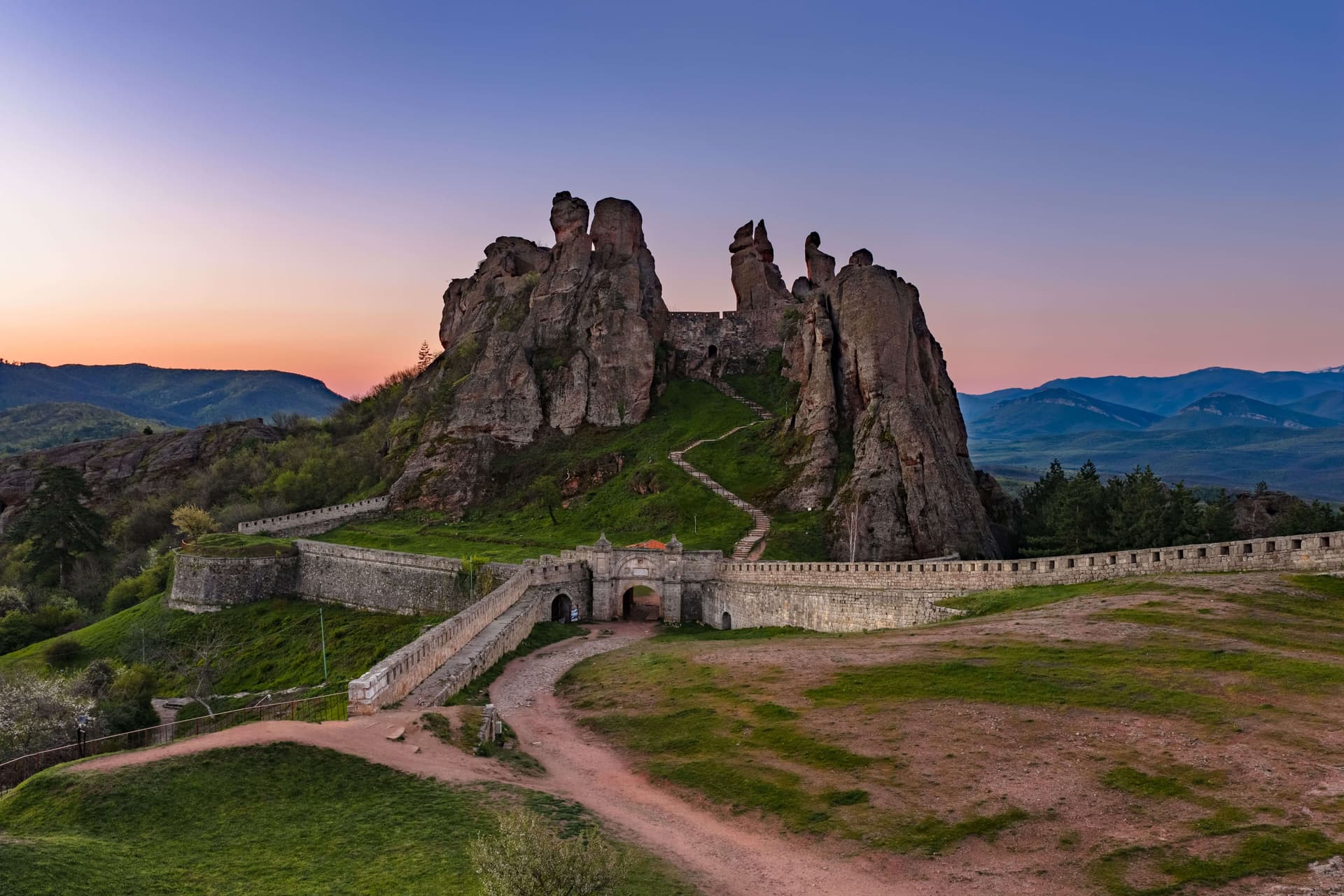
Vidin region
14.0 km away
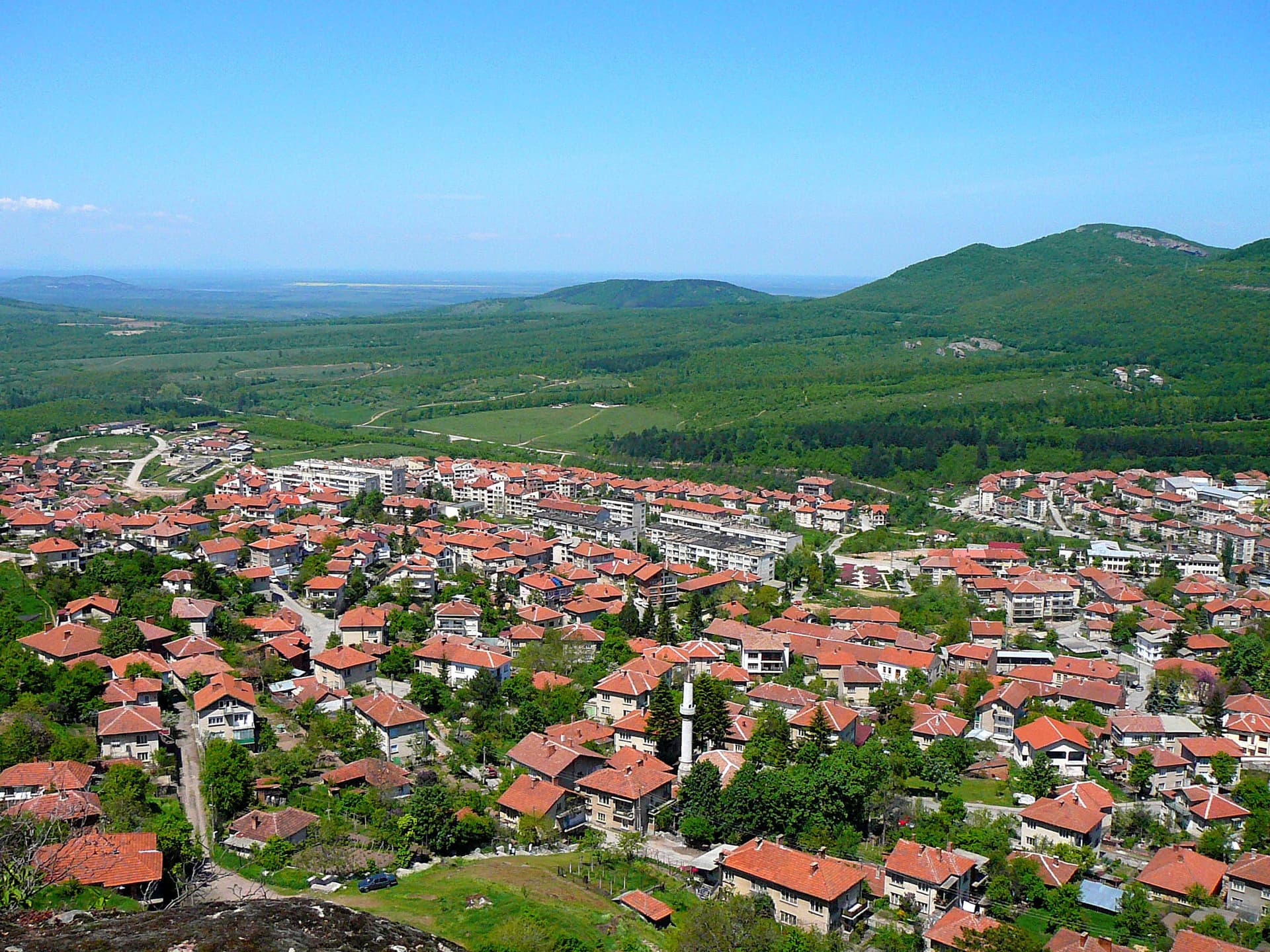
Vidin region
14.0 km away
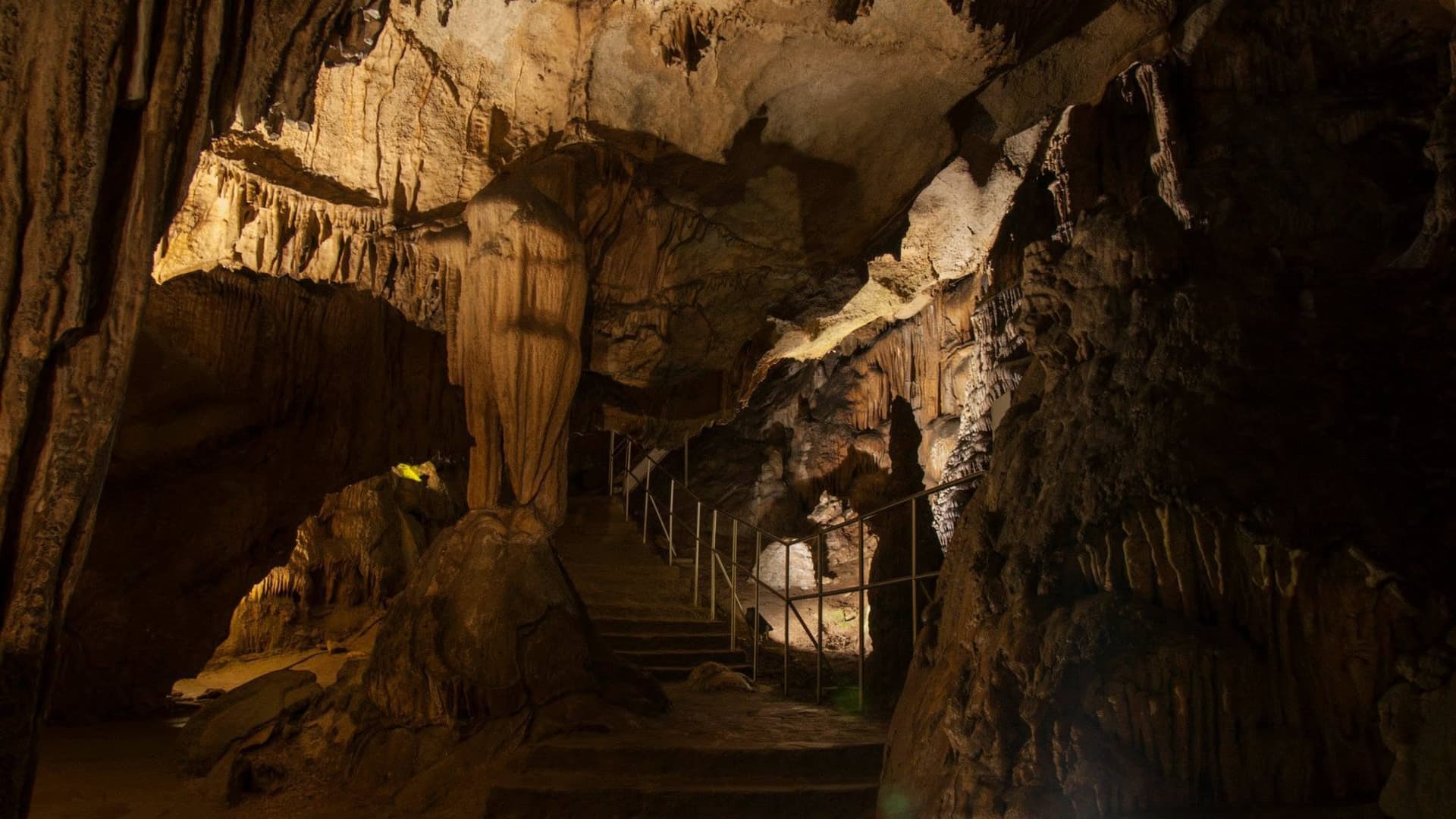
A guide to Bulgaria's show caves — Prohodna, Devetashka, the Devil's Throat, Ledenika, Bacho Kiro, Magura, Yagodina, Saeva Dupka and Snezhanka — with what each one is actually for and how to pair them.
A complete 4-day road trip itinerary through Bulgaria's least-visited region: Iskar Gorge, Vratsa, God's Bridge, Chiprovtsi, Belogradchik Rocks, Magura Cave, and Vidin.
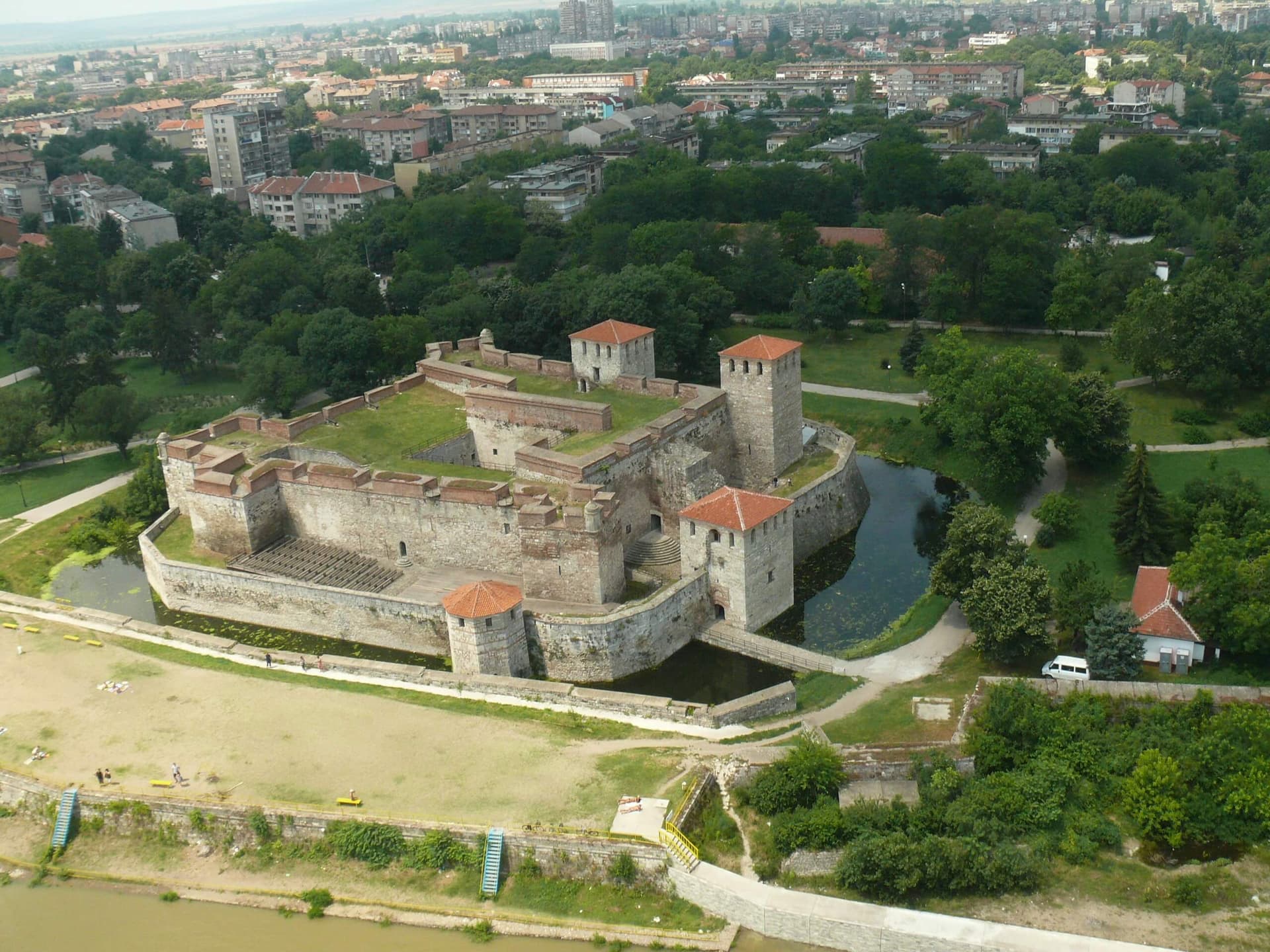
A complete travel guide to Vidin on the Danube: Explore Baba Vida castle, visit the restored Synagogue (Jules Pascin Centre), and pair it with Belogradchik and Magura Cave.
Magura Cave is located in Vidin, Bulgaria.
Magura Cave is most easily reached by car. Use the coordinates above to navigate, or open the location in OpenStreetMap or your preferred maps app for turn-by-turn directions. Public transport options vary by region — for remote destinations a rental car gives the most flexibility.
Caves can be visited year-round — the temperature inside stays roughly 10–12°C regardless of season. Spring and autumn are quieter than peak summer. Bring a warm layer and sturdy footwear; some caves close in winter when access roads become impassable.
Access to caves varies. Show caves typically run guided tours during posted opening hours; wild caves require proper equipment and experience. Inside, the temperature stays cool year-round (~10–12°C) — bring a warm layer, sturdy non-slip footwear, and a torch even on guided tours.