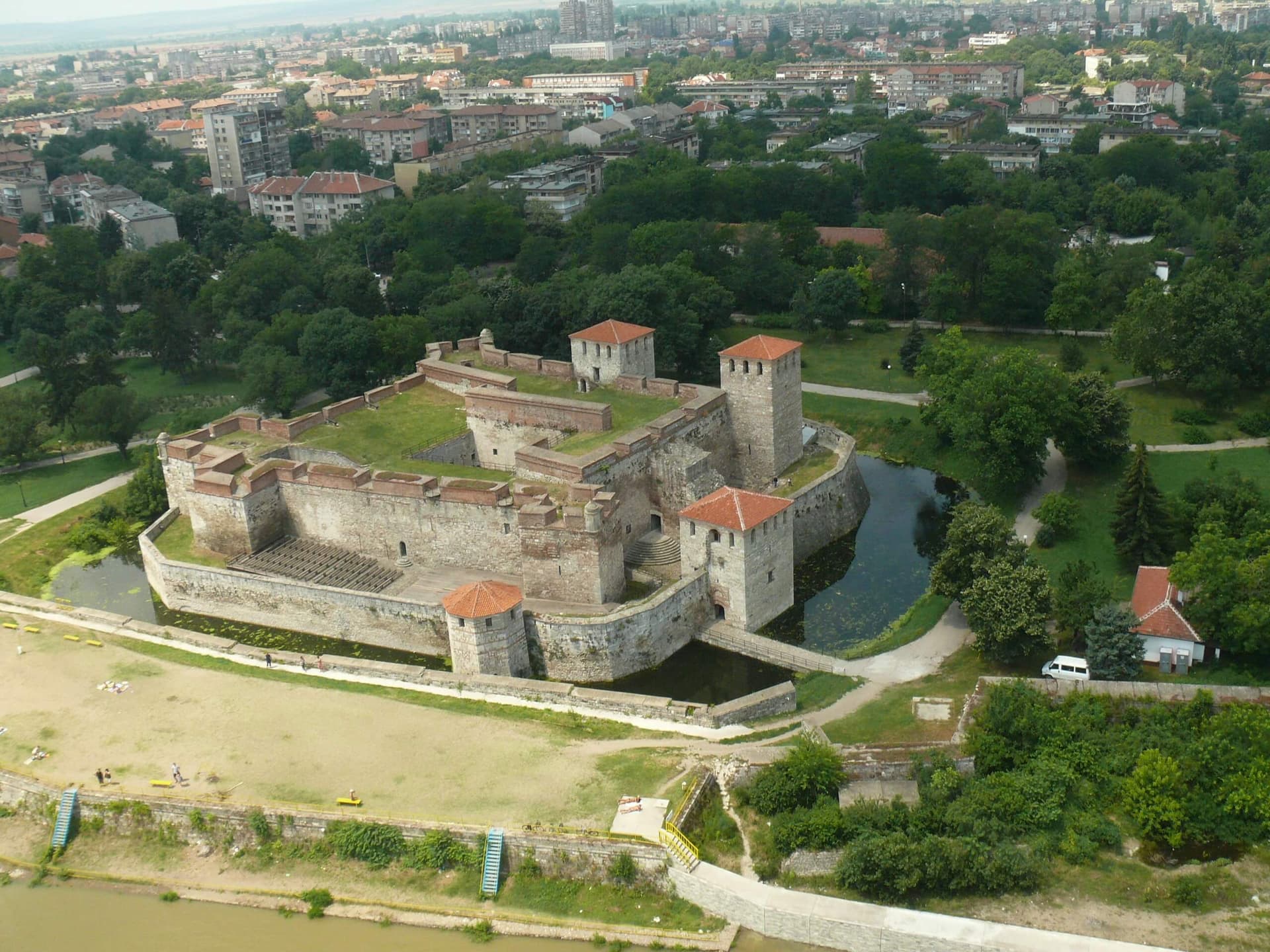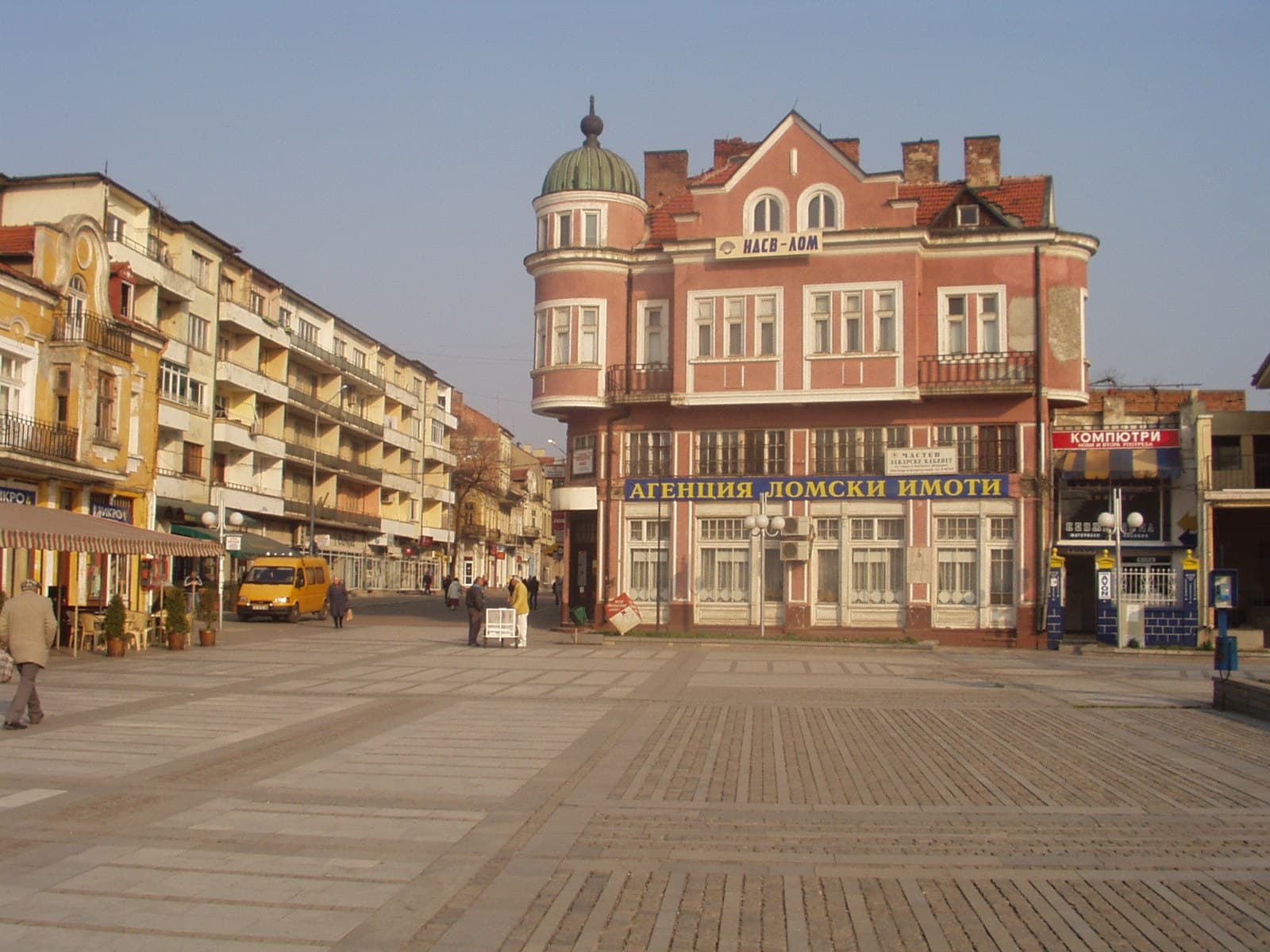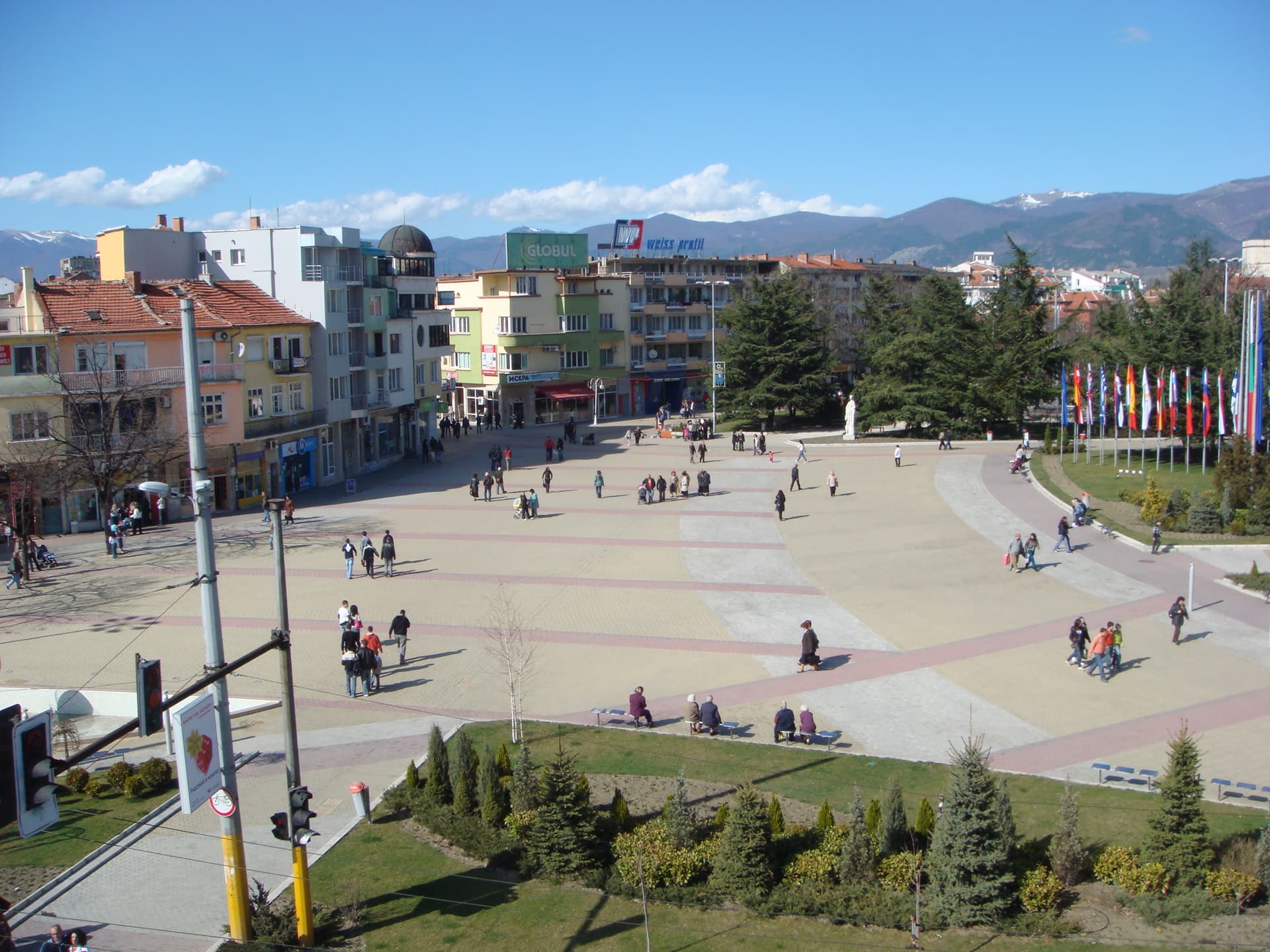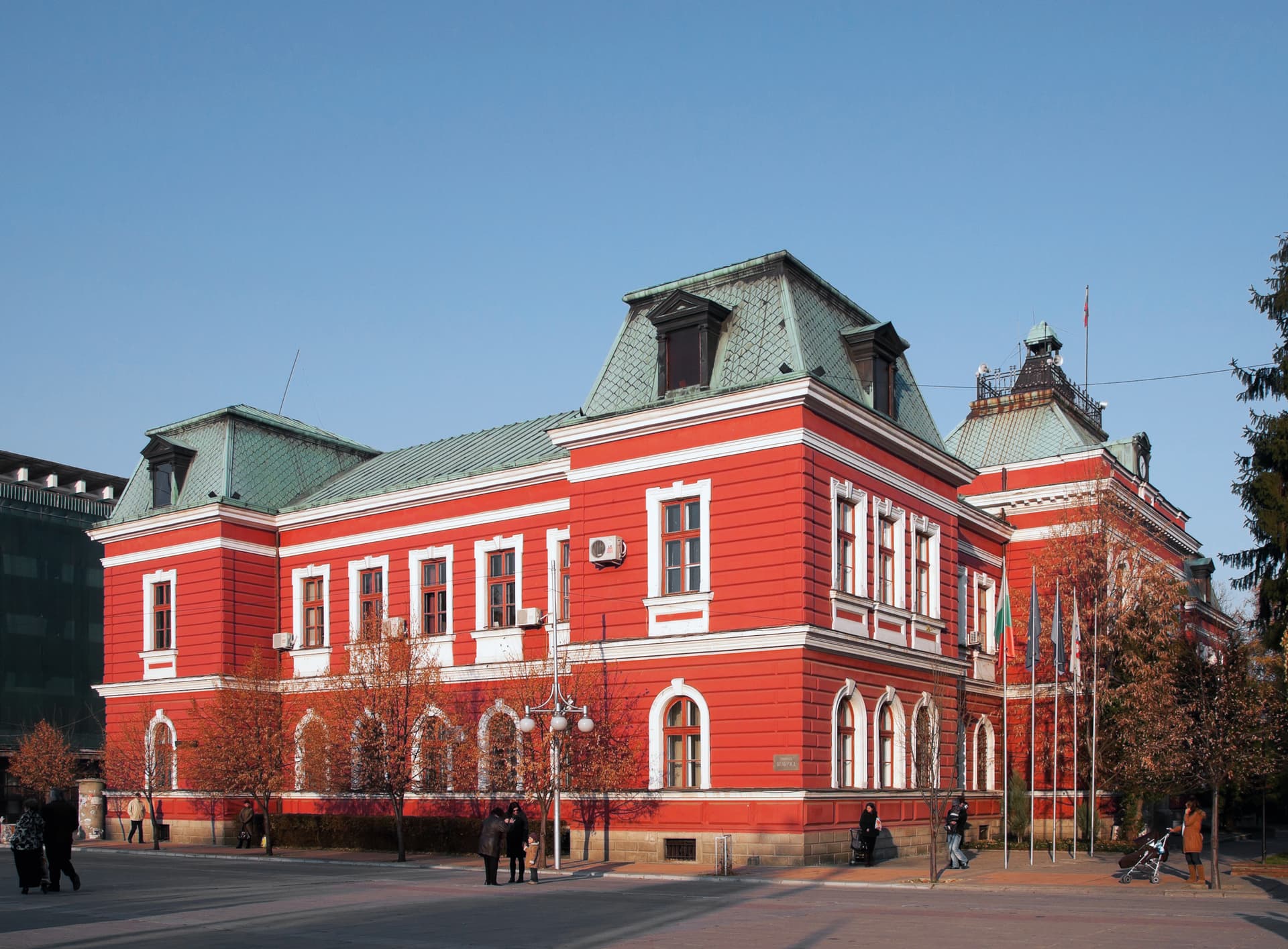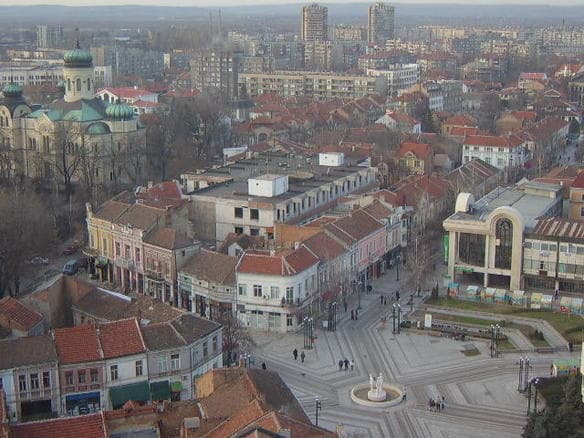
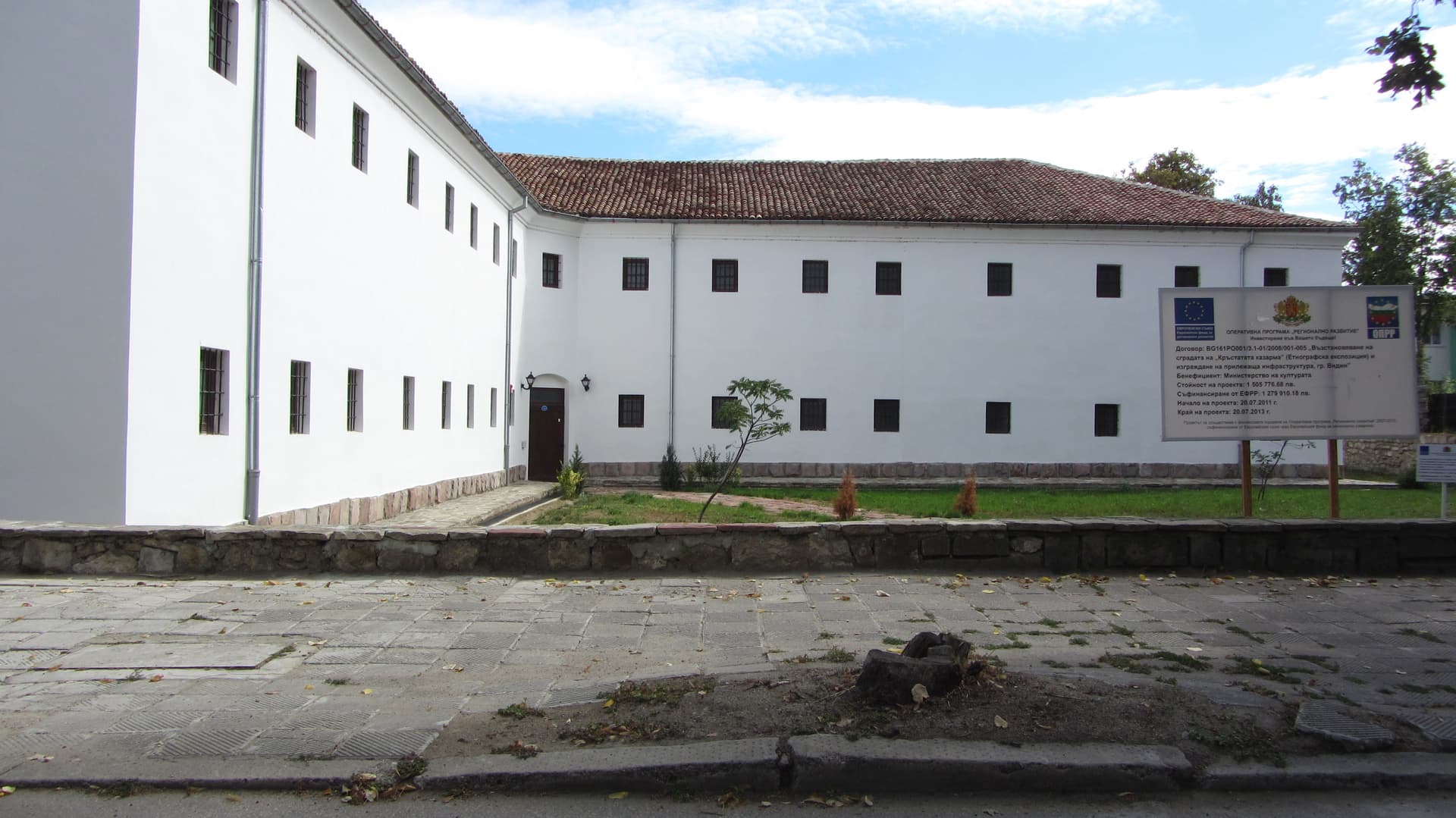
Situated on the northwestern bank of the Danube River, Vidin is one of Bulgaria's oldest and most historically significant cities. Serving as the administrative, economic, and cultural center of Vidin Province, the city holds a strategic crossroads position directly across from the Romanian town of Calafat, connected via the New Europe Bridge (Danube Bridge 2). Steeped in a multi-millennial legacy, Vidin enchants travelers with its remarkable medieval fortifications, scenic riverside promenades, and deep cultural roots. Millennia of History: From Celtic Dunonia to the Kingdom of Bdin Throughout history, Vidin has carried various names reflecting its diverse rulers: - Antiquity: The town originated as an ancient Celtic settlement named Dunonia. The Romans later fortified it into the legionary stronghold of Bononia, making it a vital center in the province of Upper Moesia. - Medieval Era & Tsardom of Vidin: The Bulgarians renamed the city Bdin. In the 14th century, Tsar Ivan Alexander placed the domain under his son, Ivan Sratsimir, who eventually declared independence and established the Tsardom of Vidin (Bdin), which stood as the last medieval Bulgarian realm before falling to the Ottomans in 1396. - Ottoman Era: Vidin grew into a major administrative regional capital (pashalik) and a critical buffer fortress against the Habsburg Empire. In the late 18th century, it was ruled independently by the rebel governor Osman Pazvantoğlu. - Modern Era: Vidin played a heroic defensive role during the Serbo-Bulgarian War of 1885, successfully repelling all siege attempts. Commerce, Crafts & Industrial Heritage From medieval trade routes to 20th-century manufacturing, Vidin developed a reputation for production and commerce: - Historic Trade: By the mid-18th century, Vidin was a regional export hub known for high-grade furs and hundreds of barrels of Danube caviar. - Industrial Zenith: During the 20th century, Vidin transformed into an industrial powerhouse, internationally recognized for its Gămză wines, Vida vehicle tires, Vipom water pumps (the largest manufacturer in the Balkans), fine bone china, and textiles. Thanks to Vidin's porcelain factory, Bulgaria became the sixth country globally to master fine bone china production. Useful Visitor Information - Location: Northwestern Bulgaria, along the Danube River (197 km north of Sofia, 125 km from Vratsa). - Key Landmarks: Baba Vida Castle, Vidin City Fortress (Kaleto and Stambol Kapia), Osman Pazvantoğlu Mosque and Library, St. Demetrius Cathedral, the Cross-Shaped Barracks, and the Danube Riverside Park. - Transportation: Accessible via highway and main railway lines, with international road and rail access across Danube Bridge 2 to Romania. - Trip Tip: Take a morning stroll through the green Danube Riverside Park, explore the historic fortification gates of Kaleto, and finish your tour exploring the stone towers of Baba Vida Castle right on the water's edge.
Vidin
0.6 km away

Vidin
1.1 km away

Montana
34.4 km away
Vidin is located in Vidin, Bulgaria.
Vidin is most easily reached by car. Use the coordinates above to navigate, or open the location in OpenStreetMap or your preferred maps app for turn-by-turn directions. Public transport options vary by region — for remote destinations a rental car gives the most flexibility.
Vidin can be visited year-round, but late spring (May–June) and early autumn (September–October) offer the most pleasant weather and fewer tourists. Summer is the busiest season; winter is the quietest, with shorter daylight and possible cold weather.
Bulgarian settlements typically reward unhurried walking — historic centres, churches and monasteries, local markets, and family-run restaurants serving regional dishes. Larger towns often have museums and seasonal cultural events. The local tourist information centre is a good first stop for current opening hours and what's on.