

Chiprovtsi: Carpets, a Monastery and a Lost Uprising
In this guide▾
Bulgaria's far north-west has a handful of places that were once far more important than they now look. Chiprovtsi is the clearest case: a town that had gold, silver, a Catholic elite with Central European connections and an international reputation for weaving — and then rose against the Ottomans in 1688 and was erased for it.
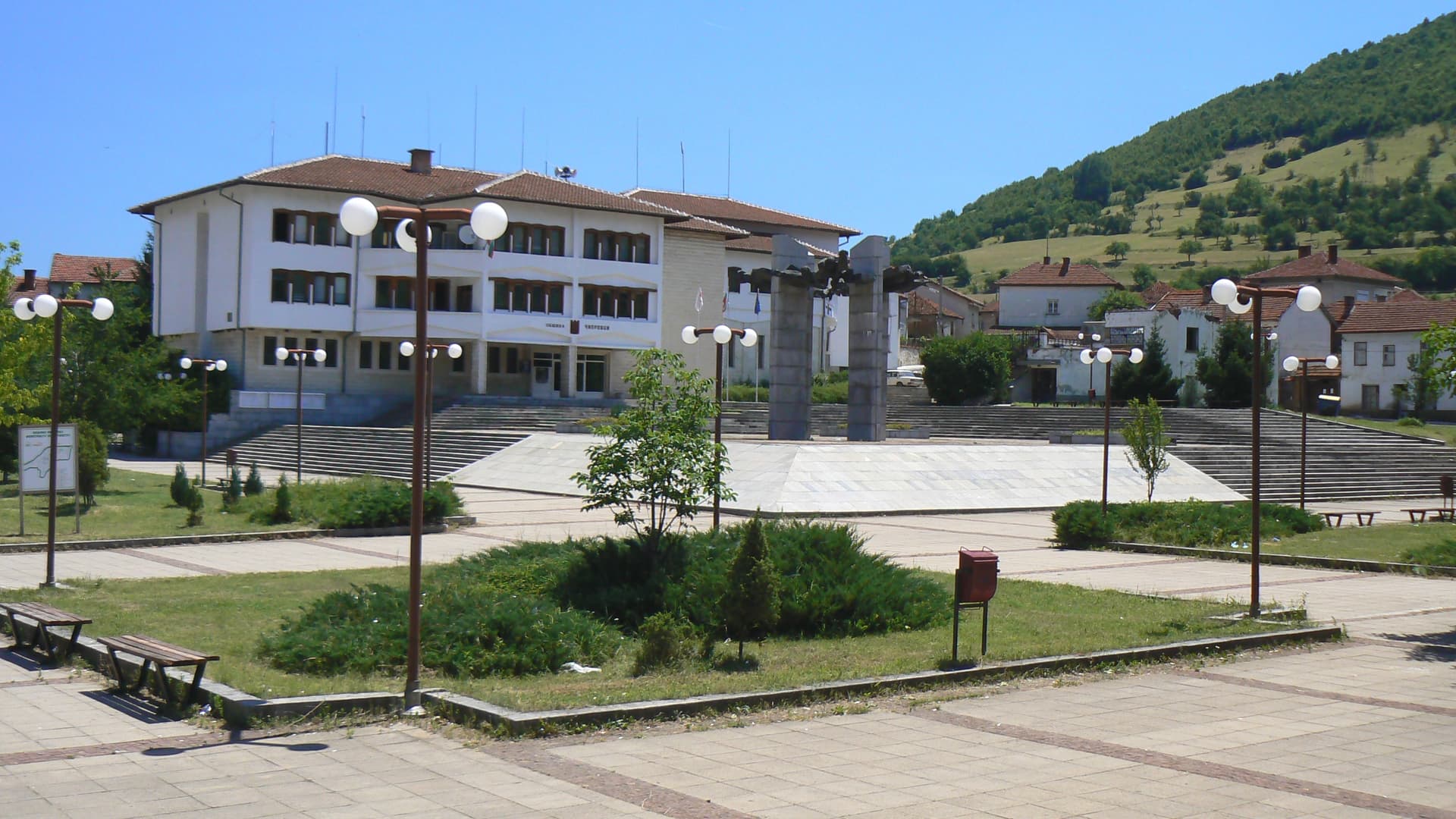
What survives is a small town, a UNESCO-listed craft still practised in it, a monastery, and waterfalls in the hills above.
📍 Getting There
| From | Distance | Driving time |
|---|---|---|
| Montana | ~35 km | ~40 min |
| Belogradchik | ~60 km | ~1 h 10 min |
| Vratsa | ~80 km | ~1 h 20 min |
| Vidin | ~90 km | ~1 h 30 min |
| Sofia | ~155 km | ~2 h 15 min |
This is a corner of Bulgaria with thin public transport, and Chiprovtsi is up a valley off the main routes. Drive — see our car rental guide. The municipality runs two free car parks right in the centre, and the tourist information centre is at 27 Pavleto Street.
🧶 The Carpets
The reason Chiprovtsi has a name.
Chiprovtsi kilims are flat-woven, double-sided wool carpets made on vertical looms — no pile, the same pattern readable from both faces. The designs are geometric and named, and both the patterns and the names have been handed down through generations of women weavers rather than written down.
In 2014 the tradition was inscribed on the UNESCO Representative List of the Intangible Cultural Heritage of Humanity — a listing of a living practice rather than a building, which is exactly right for a craft that only exists as long as someone is still doing it.
Kilims are still woven and sold in the town. They are handmade and priced as such: a genuine Chiprovtsi kilim is a purchase, not a souvenir. Buying here is the surest way to know what you are actually getting.
The history museum holds the reference collection and is the right place to start, before you look at anything for sale.
How to Look at One
If you are going to buy, or just want to see more than "nice rug," three things to check:
- Turn it over. A true kilim is double-sided — the reverse should be as clean and as legible as the front. A pile carpet or a machine copy will not survive this test.
- Look for the named patterns. Motifs carry names — the recurring geometric figures are a vocabulary, not decoration, and a weaver or the museum staff can tell you what a given one is called and what it meant. Designs assembled without that grammar are usually made for the tourist trade.
- Check the edges and the density. Handwoven kilims have slight irregularities along the sides and in the weave; perfect uniformity is a machine.
The museum collection is the calibration. Half an hour there first, and the difference between the real thing and an approximation stops being subtle.
⚔️ 1688
The town's history has a hard break in it, and everything before that break is bigger than what came after.
Chiprovtsi was a mining town from the medieval period — gold, silver, iron — worked partly by Saxon miners brought in for the expertise. Around that grew Bulgaria's principal Catholic community, educated, connected to Central Europe, and unusually well organised for a subject population.
In 1688, with a Habsburg–Ottoman war under way to the north, that community rose. The Chiprovtsi Uprising was among the earliest organised Bulgarian revolts against Ottoman rule, and it was crushed completely. The town was destroyed and largely depopulated. Many survivors fled north to Wallachia and never came back; their descendants later settled in the Habsburg Banat, where the community survives today.
The mining, the wealth, the Catholic intellectual life — all of it ended there. What you are visiting is the town that grew back afterward, on a much smaller scale, holding on to the weaving.
For the later chapter of Bulgarian resistance, two centuries on, see our National Revival trail.

⛪ The Monastery
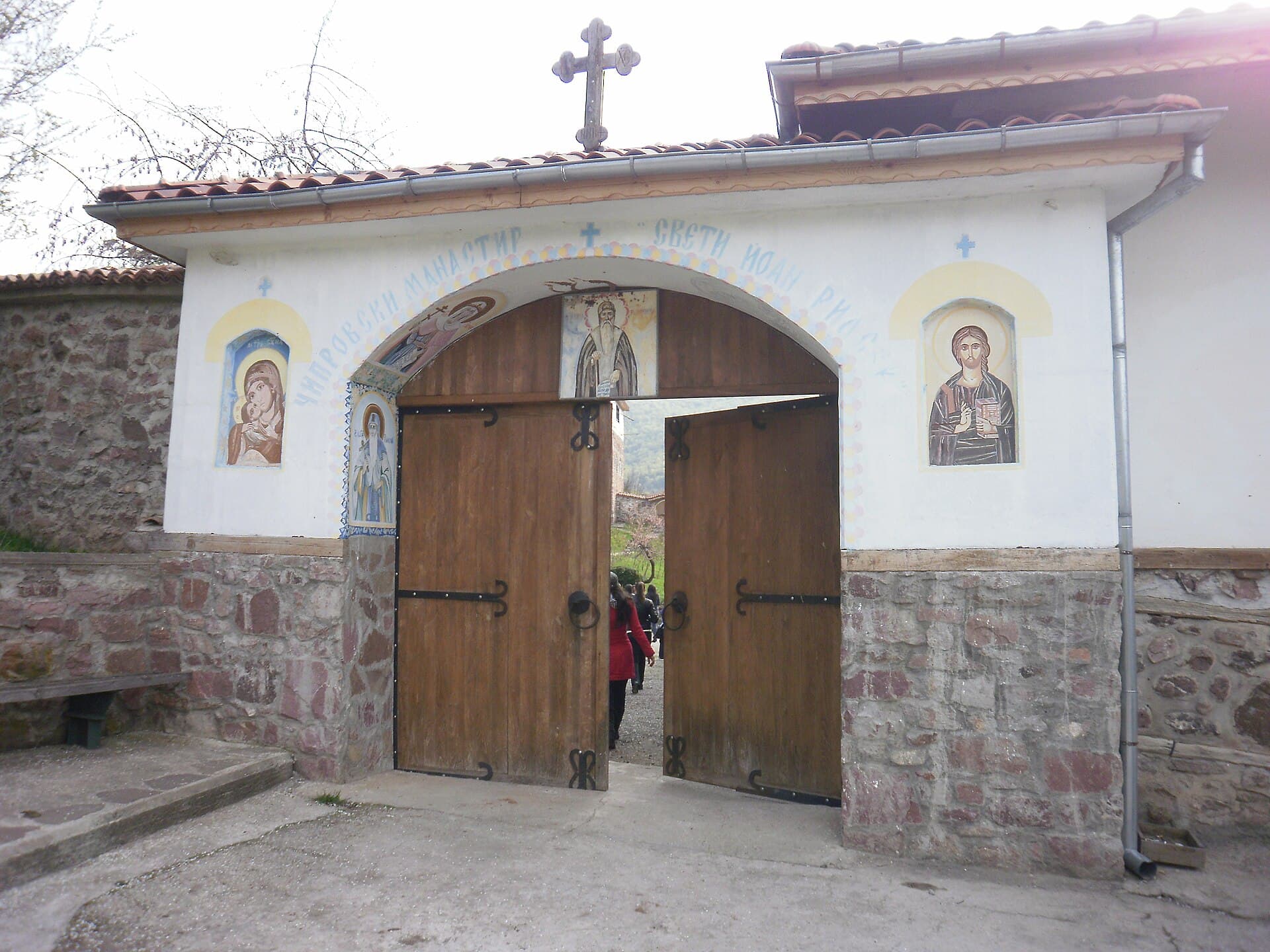
About 5 km north-east of town as the crow flies (about 7 km by road, on a turn-off from the road between Belimel and Zhelezna), the Monastery of St John of Rila sits in the hills — a working monastery, by tradition founded in the 10th century and repeatedly destroyed and rebuilt, most consequentially in the aftermath of 1688. The present church dates from 1829, and the three-storey tower beside it has an ossuary on its ground floor holding the remains of the uprising's dead and of monks killed in later struggles.
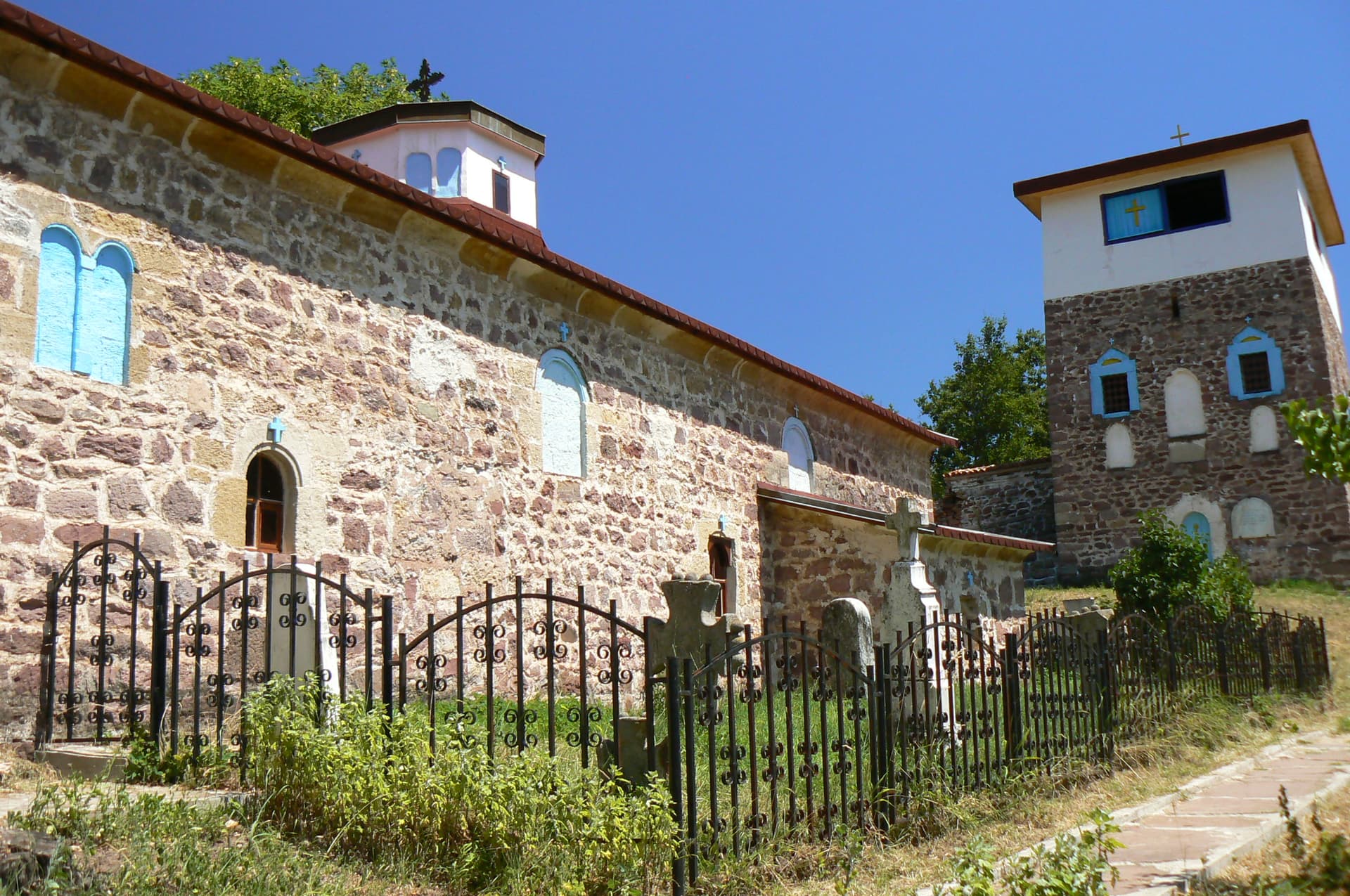
It is modest, quiet and almost always empty. The setting rather than the architecture is the reason to come.
Visiting: entry is free. The monastery is open Monday to Friday 08:00–12:00 and 13:00–17:00, and 09:00–17:00 at weekends. A path rather than steps leads to the main church, so it is accessible to wheelchair users.

💧 The Waterfalls
Above the town, the hills of the Chiprovtsi Balkan hold a set of waterfalls reached on marked paths. The best known, on the Stara reka, drops 18 metres through a wooded gorge into a small pool; the marked Deyanitsa eco-trail reaches it from town in about 1.5 hours, with steeper stretches in its upper part.
Parking for the trail: there is no official car park. Drive through town towards the former Gushovski monastery; where the road turns to broken asphalt, most walkers leave their cars at the roadside.

As everywhere in this limestone-and-snowmelt landscape, flow is strongly seasonal — best in spring and after rain, weakest in late summer. The walking is mostly straightforward and the woods are pleasant even when the water is low.
This is what turns Chiprovtsi from a two-hour stop into a full day.

🗺️ Fitting It In
Chiprovtsi is out of the way and the honest advice is not to make a special trip for it alone. It is excellent as one stop on a north-western loop:
- Belogradchik (~60 km): the rocks and the fortress.
- Vidin and Baba Vida (~90 km): the Danube and the medieval castle.
- Vratsa and Ledenika (~80 km): the gorge and the ice cave.
- God's Bridge and the Vrachanski Balkan (~80 km).
A weekend running Sofia → Vratsa → Chiprovtsi → Belogradchik → Vidin takes in most of what the north-west has, and Chiprovtsi is the cultural anchor of it. The full day-by-day version is our north-west road trip itinerary.
🗓️ When to Go
Spring for the waterfalls, autumn for the walking and the colour in the beech woods — see our autumn guide. Summer is comfortable up here, cooler than the Danube plain below.
Winter is cold and the valley roads can be difficult in snow. The museum and the weaving workshops stay open, but the falls and the paths are a spring-to-autumn proposition.
A town that lost everything in 1688 and kept one thing: a way of weaving that UNESCO now lists and that people here are still doing. Find Chiprovtsi with Mestala.com.
This guide covers 3 places
Want more Mestala in your Google results?
Add mestala.com as a preferred source and our guides will show up more often when you search. Requires a Google account.
Frequently Asked Questions
Where is Chiprovtsi and how do you get there?▾
Chiprovtsi is a small town in Montana Province in Bulgaria's far north-west, close to the Serbian border in the Chiprovtsi section of the Balkan Mountains. It's about 35 km from Montana, roughly 80 km from Vratsa, around 60 km from Belogradchik and about 155 km from Sofia. Public transport is thin — a car is the practical choice.
What are Chiprovtsi carpets?▾
Chiprovtsi kilims are flat-woven, double-sided wool carpets made on vertical looms, in geometric patterns with names and meanings passed down through generations of women weavers. The tradition was inscribed on the UNESCO Representative List of the Intangible Cultural Heritage of Humanity in 2014.
What was the Chiprovtsi Uprising?▾
A 1688 rising against Ottoman rule, launched by the town's substantial Catholic community during a wider Habsburg–Ottoman war. It was crushed, and Chiprovtsi was destroyed and largely depopulated — many survivors fled north to Wallachia, and their descendants later settled in the Habsburg Banat. It is one of the earliest organised Bulgarian revolts, and it effectively erased the town's golden age.
Why was Chiprovtsi Catholic?▾
The town was a mining centre from the medieval period, worked in part by Saxon miners, and it developed into the principal centre of Bulgarian Catholicism. That community produced an educated class with links to Central Europe — which is why the town was wealthy, why it had the organisation to rise in 1688, and why the reprisals were so complete.
What is there to see in Chiprovtsi today?▾
The history museum with its carpet collection, weaving workshops where kilims are still made and sold, the free monastery of St John of Rila about 7 km outside town by road, and the 18 m waterfall in the hills above. It's a half-day, or a full day if you walk to the falls.
Can you buy a carpet in Chiprovtsi?▾
Yes — kilims are still woven and sold in the town, which is much of the point of visiting. They are handmade on vertical looms and priced accordingly; a genuine Chiprovtsi kilim is a serious purchase rather than a souvenir. Buying in the town itself is the surest way to know what you are getting.
You might be interested in
Gotse Delchev: Kovachevitsa, Leshten & the Mesta Valley
Roman ruins at Nicopolis ad Nestum, the stone villages of Kovachevitsa and Leshten, and Ognyanovo's hot springs — what to see around Gotse Delchev.
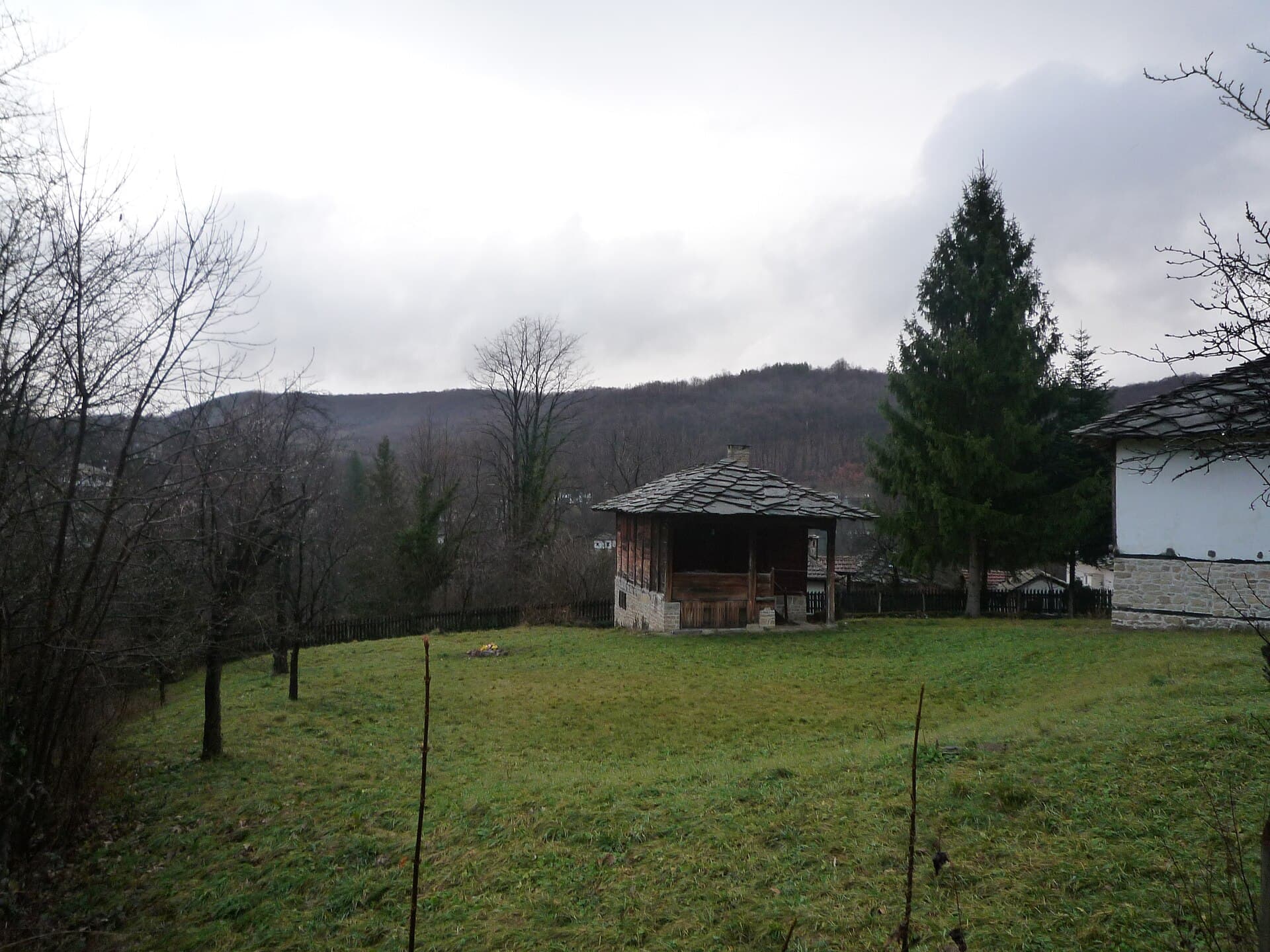
Bozhentsi: The Village That Stopped in 1870
A guide to Bozhentsi, the protected architectural reserve village near Gabrovo: about a hundred stone-roofed Revival houses, the Doncho Popa house-museum, the founding legend, and why it stays quiet when Koprivshtitsa fills up.
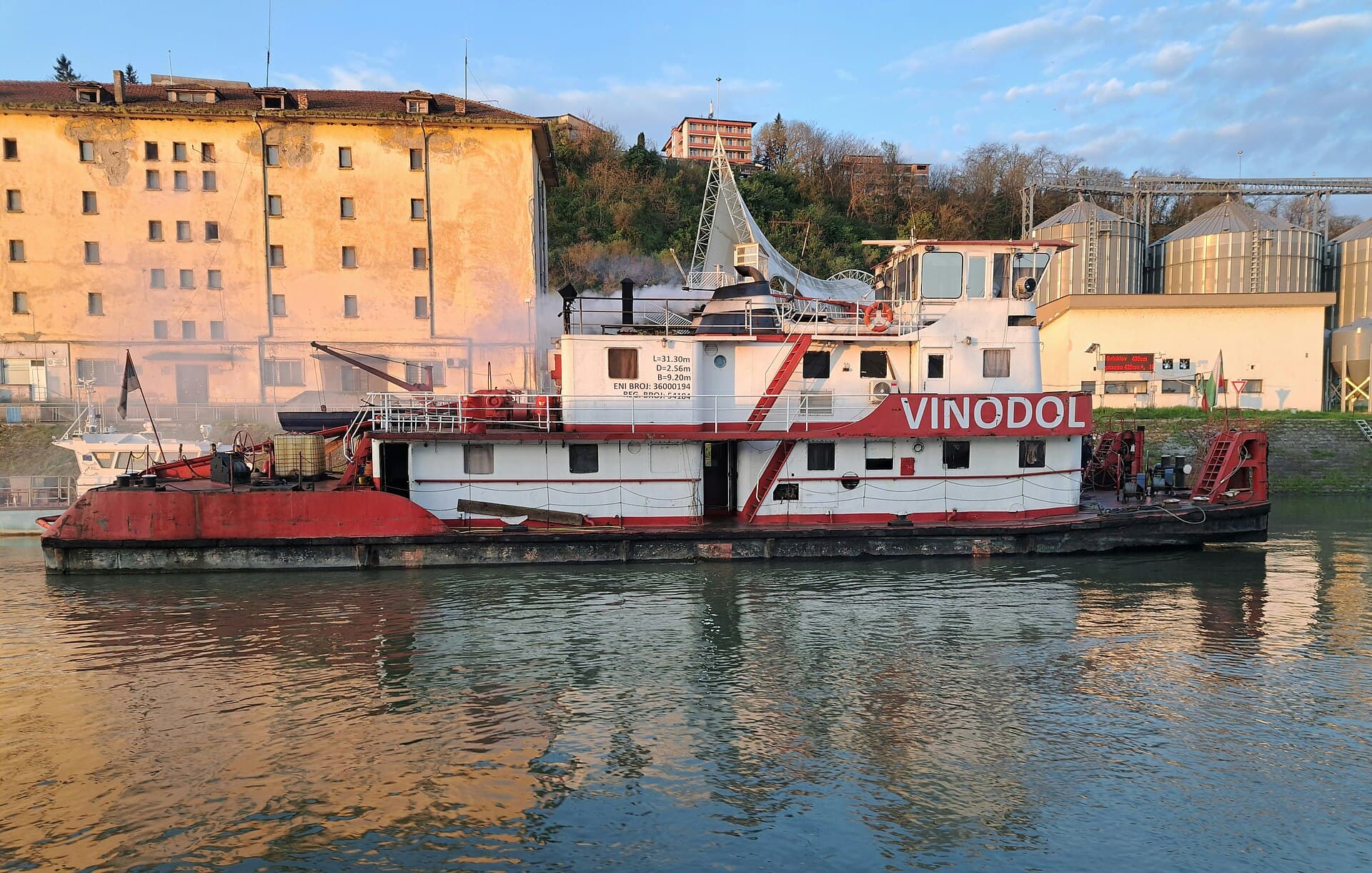
Svishtov, Nikopol & Belene: The Forgotten Danube
A guide to three Danube towns in northern Bulgaria: the 1877 crossing at Svishtov, the 1396 Battle of Nicopolis, the Persina wetlands, and the Belene labour camp that Bulgaria spent decades not discussing.
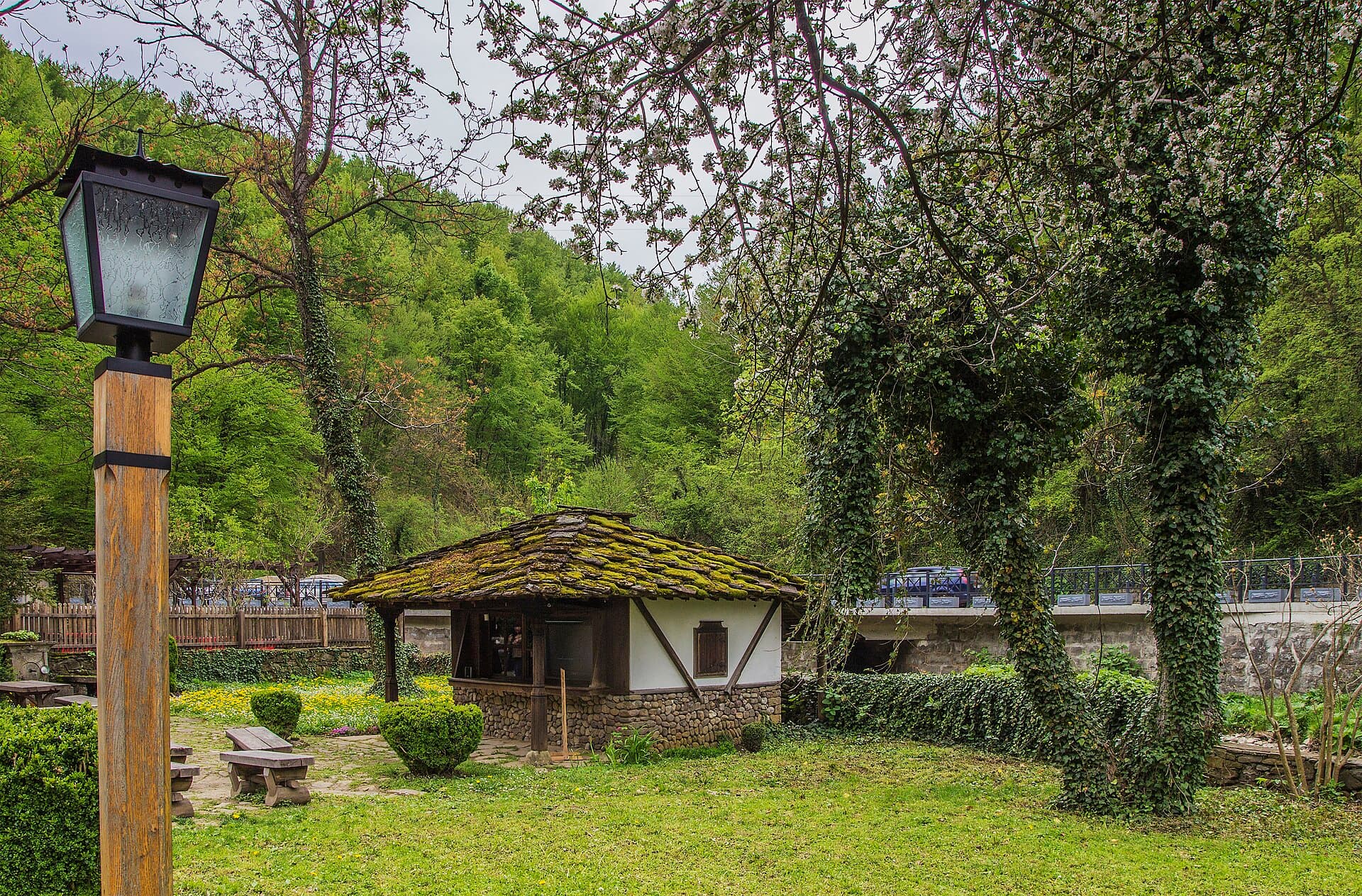
Etar: Bulgaria's Working Open-Air Museum
A guide to the Etar Architectural-Ethnographic Complex near Gabrovo: a reconstructed Revival craft street where the workshops still run on water power, what each trade does, how long to allow, and how to combine it with Tryavna and Bozhentsi.