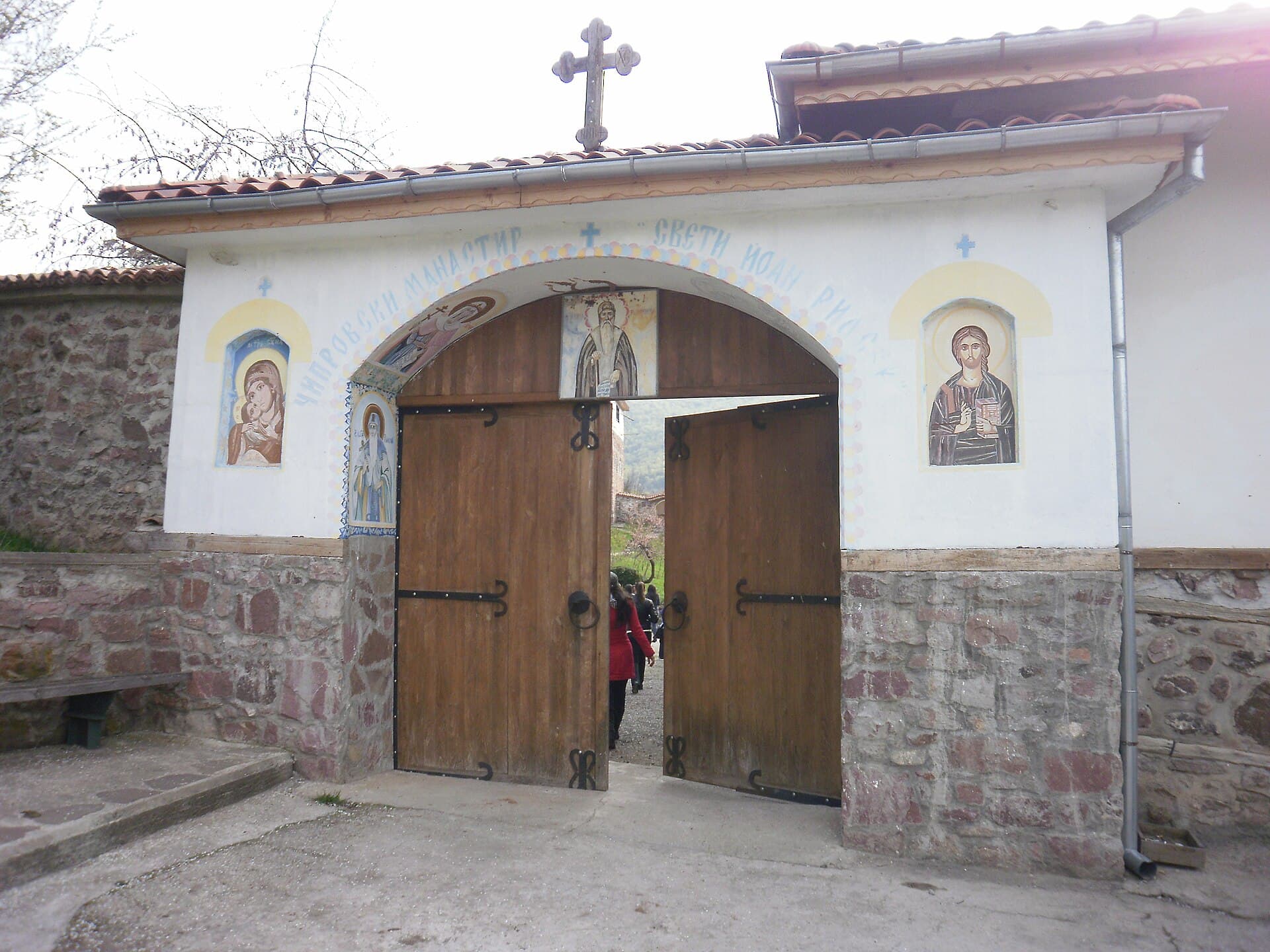
The town of Chiprovtsi is one of the brightest symbols of Northwestern Bulgaria, nestled in the embrace of the Western Balkan Mountains (Montana region). The settlement preserves an incredible millennia-old history that dates back to the Thracians and Romans, evolved through the unique bloom of Catholicism in the Bulgarian lands, and achieved global recognition through the UNESCO-protected art of Chiprovtsi carpets. Today, the town beautifully blends a rebellious spirit, ancient traditions, and breathtaking mountain landscapes.
Architectural Masterpieces, Museums, and History
- The Ancient Mining Past: Chiprovtsi originated in Thracian times (inhabited by the Triballi tribe) as a vital center for extracting silver, lead, iron, copper, and gold. During the Roman era, it became one of the most significant gold-mining regions in the Balkans, supplying the military production of ancient Ratiaria.
- The Ancient Golyamo Gradishte: Located 2.5 km south of the modern town, this hill preserves the stone ruins of a majestic ancient fortress, testifying to the strategic importance of the region throughout the centuries.
- Origin of the Name: While folk etymology links the name to the Latin word cuprum (copper) or the personal name Kipro, linguists derive it from an old regional word for garden—"kipur/chipur" (from the Greek κήπος).
- The Saxon Quarter (Saksonska Mahala): A living memory of the settlement of German (Saxon) miners between the 13th and 15th centuries who modernized regional metallurgy. Although later fully assimilated, they left an indelible mark through the quarter's name and distinct German loanwords in the local dialect.
Spirituality, Mysticism, and Crafts
- The Hearth of Catholicism in Bulgaria: Driven by the Saxon miners and the active work of Franciscan missionaries in the late 14th century, Chiprovtsi became the most influential cultural and spiritual center of Catholicism in Bulgaria. Another key factor was the uprising of Constantine and Fruzhin, royal descendants who embraced the Catholic faith.
- The Miraculous Icon of the Virgin Mary: Brought to the town in 1371 from the Bosnian mining town of Olovo, this holy icon was revered for centuries. Following the tragic suppression of the Chiprovtsi Uprising, it was safely carried away by Bulgarian refugees to the city of Sibiu (Transylvania).
- The Global Fame of Chiprovtsi Carpets: In 1879, the local weavers gifted Prince Dondukov the largest carpet woven in the area until then—the legendary "Karakachki" pattern measuring an impressive 7 by 6 meters. This marked the beginning of a golden era for Chiprovtsi artisans, whose hand-woven masterpieces later adorned ministries and aristocratic estates.
Rebellious Spirit and Modern History
- Self-Defense in the Inter-Allied War: The local population wrote a glorious page in their history by organizing a completely successful, independent self-defense movement against invading Serbian units and looters.
- The Goryani Movement: In recent history, the town remained a symbol of non-conformity against the communist regime. In the summer of 1950, at the height of forced collectivization, a local Goryani resistance group staged a rebellion and set fire to the state-owned cooperative sheepfolds in the town.