MestalaMestala
HomePlacesMapTripBlogAboutFAQ
EN|БГ

Discover Bulgaria with Mestala.

AboutFAQLicensePrivacy
Montana
SettlementsMontana

Montana

HomePlacesSettlementsMontana
Elevation: 135 mCoordinates: 43.40890, 23.22032
View on OpenStreetMapGet directions

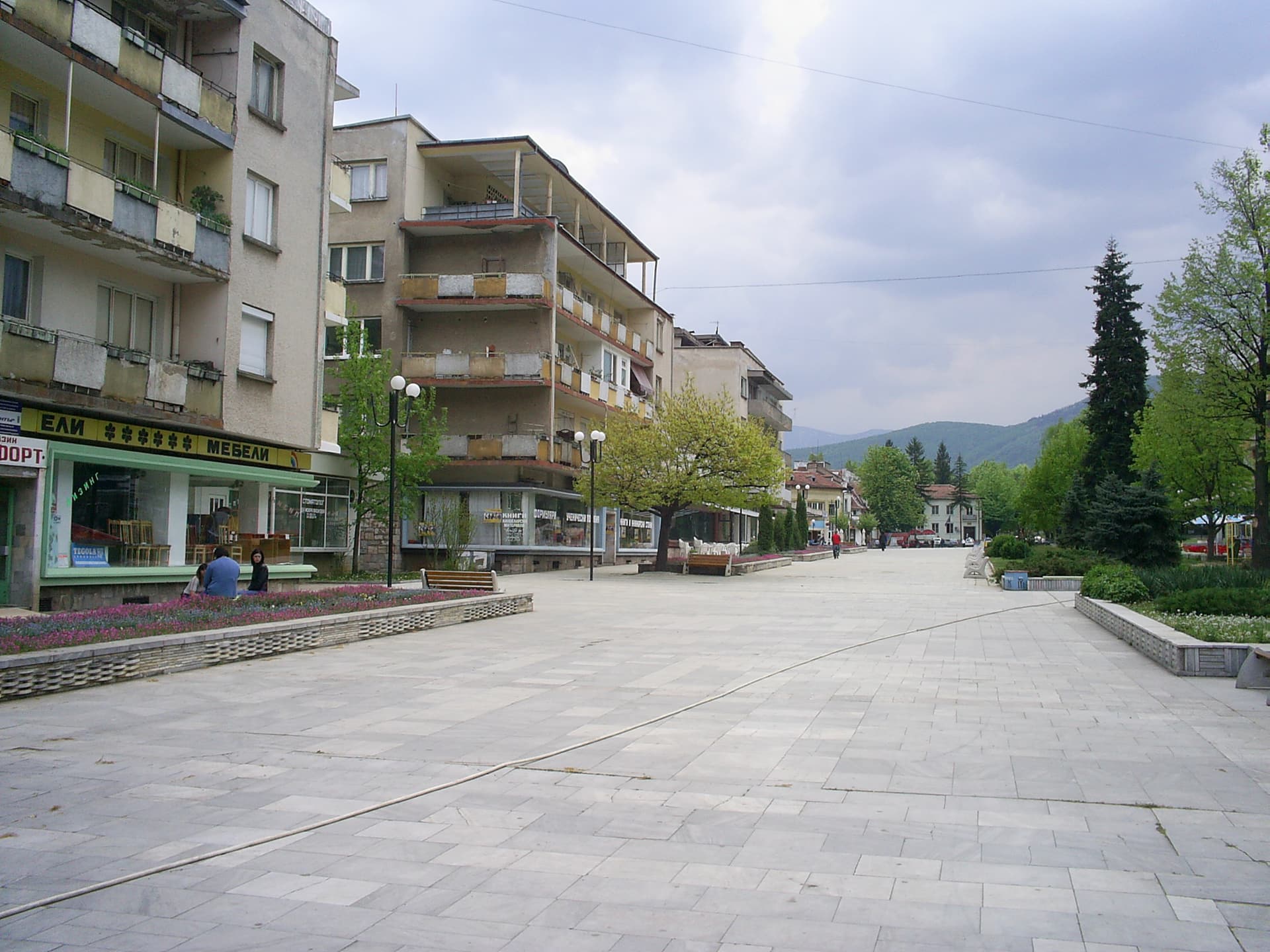
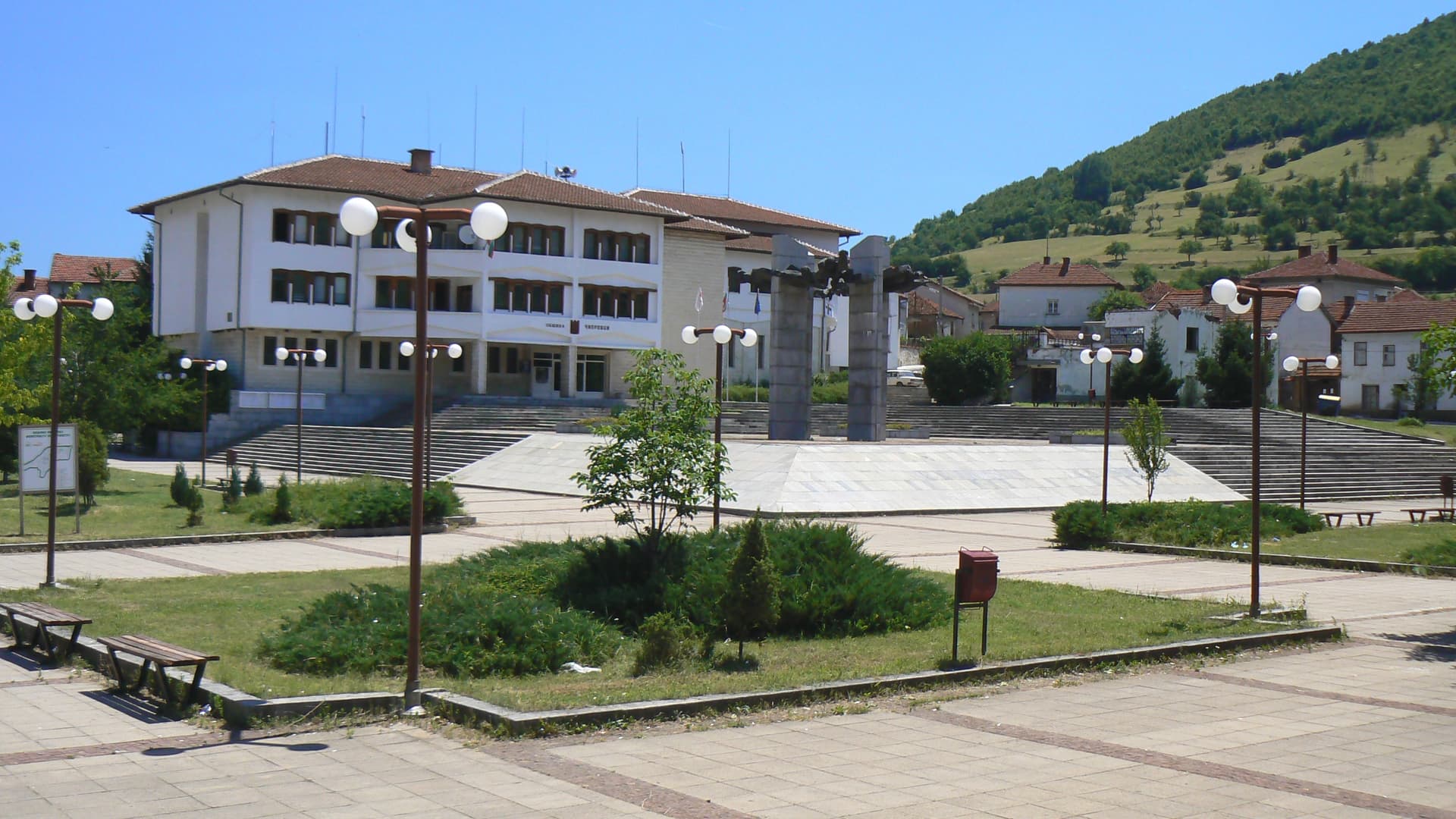
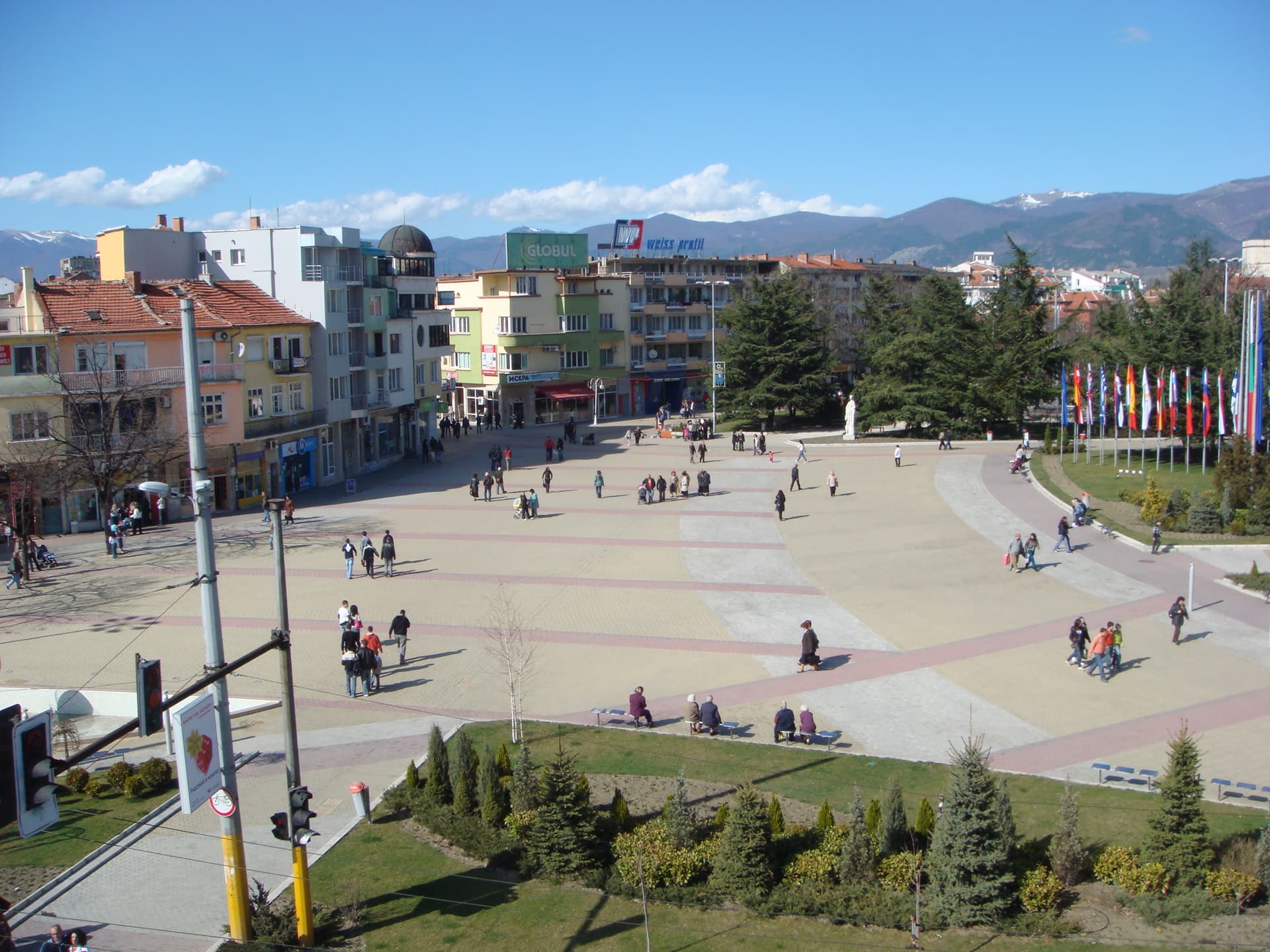
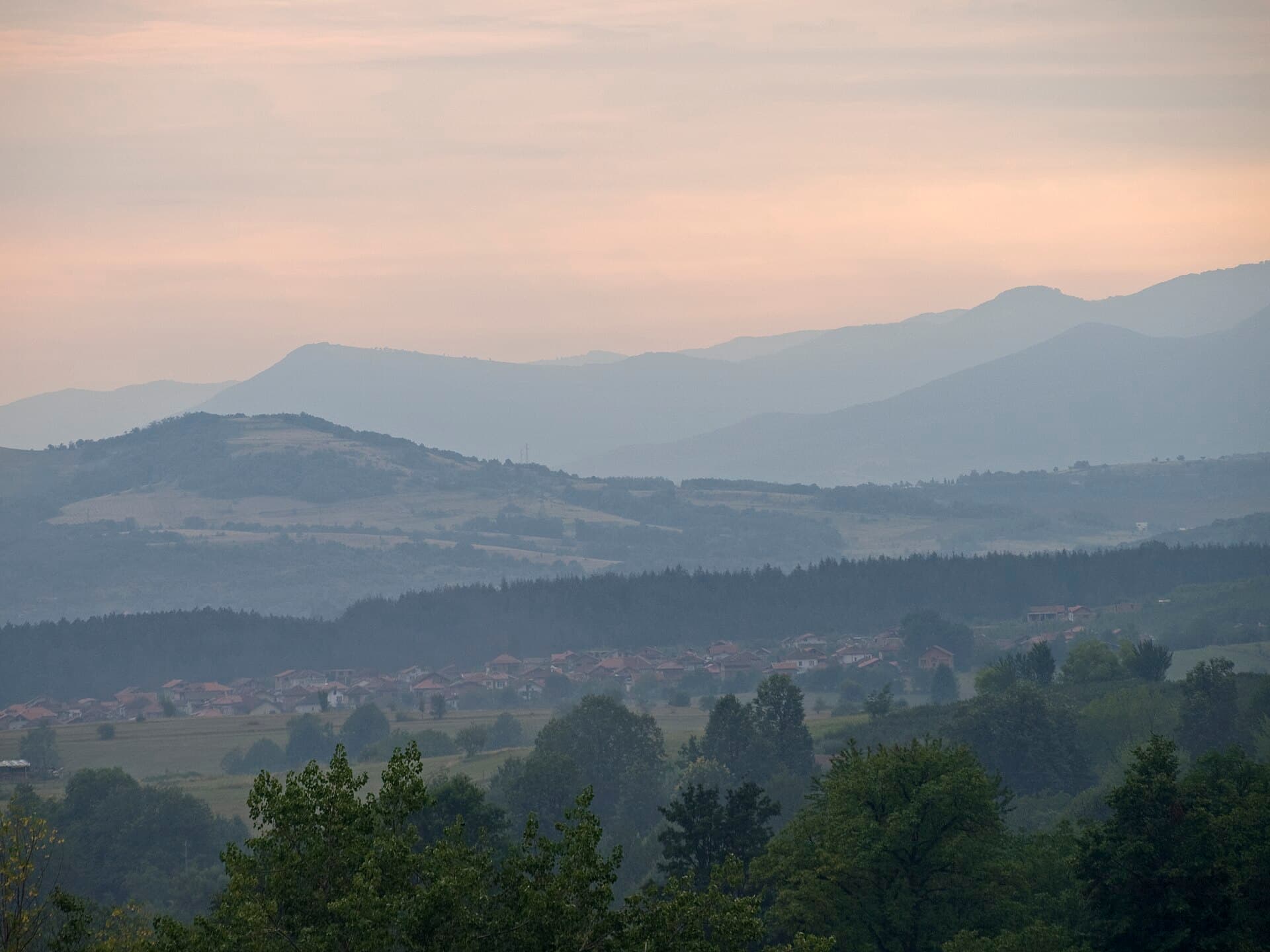
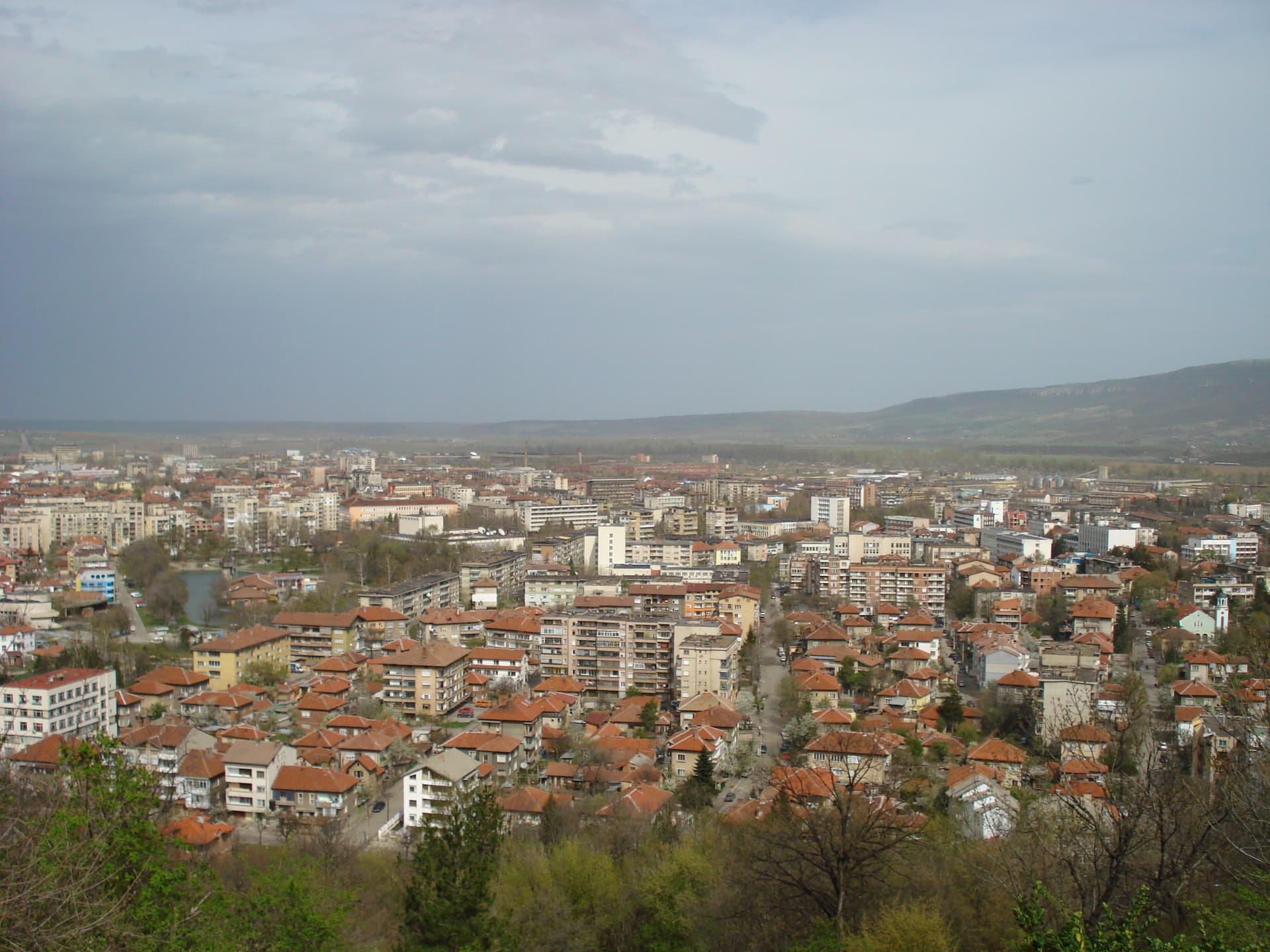
Situated along the Ogosta River at the foot of the Balkan Mountains, Montana serves as the primary administrative, economic, and cultural hub of Montana Province in Northwestern Bulgaria. Home to over 34,000 residents, the city seamlessly merges deep Roman roots with a rich industrial and modern cultural landscape. A City of Five Names Montana boasts one of the most fascinating naming histories in Bulgaria, reflecting its evolution across major historical epochs: - Roman Era (Montanensium): Established by the Romans in the 1st century BC as Municipio Montanensium ("mountain settlement"). - Middle Ages & Ottoman Period (Kutlovitsa): Slavic tribes renamed the settlement Kutlovitsa. Under Ottoman rule, it remained a strategic outpost named Golyama Kutlovitsa. - Post-Liberation (Ferdinand): In 1891, the town was officially named Ferdinand in honor of Prince Ferdinand I, gaining town status. - Socialist Era (Mikhaylovgrad): In 1945, it was renamed Mikhaylovgrad after the communist political activist Hristo Mikhaylov. - Modern Era (Montana): In 1933, a presidential decree restored the town's original ancient name—Montana. The Roman Fortress & Cultural Heritage Montana became part of the Roman province of Upper Moesia in 29 BC. A major military garrison was constructed atop the "Burdoto" hill to protect imperial borders, helping the settlement grow into the second most important Roman center in the region after Ratiaria. - Ancient Fortress: Today, the excavated ruins of the ancient Roman Fortress atop the hill overlooking the city showcase public buildings, Roman baths, temples dedicated to Diana and Apollo, and 4th-century early Christian basilicas. - Gold Panning & Trade: In antiquity, the town prospered through agriculture, craftsmanship, and gold panning along the banks of the Ogosta River. Modern Economic & Regional Center Following Bulgaria's liberation in 1878, Montana underwent rapid infrastructure growth, adding railway connections, medical facilities, and manufacturing plants. Throughout the 20th century, the city solidified its status as a major industrial center specializing in machinery, electronics, and battery manufacturing. Useful Visitor Information - Location: Northwestern Bulgaria, 110 km north of Sofia and 40 km from Vratsa. - Key Landmarks: The Roman Fortress of Montanensium, the Regional Historical Museum, Mikhaylov's House, Montanensium Park, and the vast Ogosta Reservoir. - Trip Tip: Visit the Roman Fortress at sunset for sweeping panoramic views of the city and Ogosta Reservoir (one of Bulgaria's largest artificial lakes), then enjoy a relaxing stroll through Montana's lively pedestrian city center.

7-day forecast

Weather data from MET Norway

Nearby Places

Ogosta Reservoir
Lakes

Ogosta Reservoir

Montana

6.0 km away

The cave with the tree
Caves

The cave with the tree

Vratsa

17.1 km away

House Museum "Ivan Vazov"
Museums

House Museum "Ivan Vazov"

Montana

20.3 km away

Etnografski muzey gr. Berkovitsa
Museums

Etnografski muzey gr. Berkovitsa

Montana

20.3 km away

More to explore

Berkovitsa
Settlements

Berkovitsa

Montana

Chiprovtsi
Settlements

Chiprovtsi

Montana

Lom
Settlements

Lom

Montana

Peshtera
Settlements

Peshtera

Pazardzhik

Read more in our travel guides

Montana, Berkovitsa & Kom Peak

Montana, Berkovitsa & Kom Peak

A guide to Montana and Berkovitsa in north-west Bulgaria: the Ogosta reservoir, Berkovitsa's pottery and Ivan Vazov connection, Klisura Monastery, and Kom Peak at the western end of the Kom–Emine trail.

9 August 20266 min read

Frequently asked questions

Where is Montana located?

Montana is located in Montana, Bulgaria.

How do I get to Montana?

Montana is most easily reached by car. Use the coordinates above to navigate, or open the location in OpenStreetMap or your preferred maps app for turn-by-turn directions. Public transport options vary by region — for remote destinations a rental car gives the most flexibility.

What is the best time to visit Montana?

Montana can be visited year-round, but late spring (May–June) and early autumn (September–October) offer the most pleasant weather and fewer tourists. Summer is the busiest season; winter is the quietest, with shorter daylight and possible cold weather.

What is there to see and do in Montana?

Bulgarian settlements typically reward unhurried walking — historic centres, churches and monasteries, local markets, and family-run restaurants serving regional dishes. Larger towns often have museums and seasonal cultural events. The local tourist information centre is a good first stop for current opening hours and what's on.