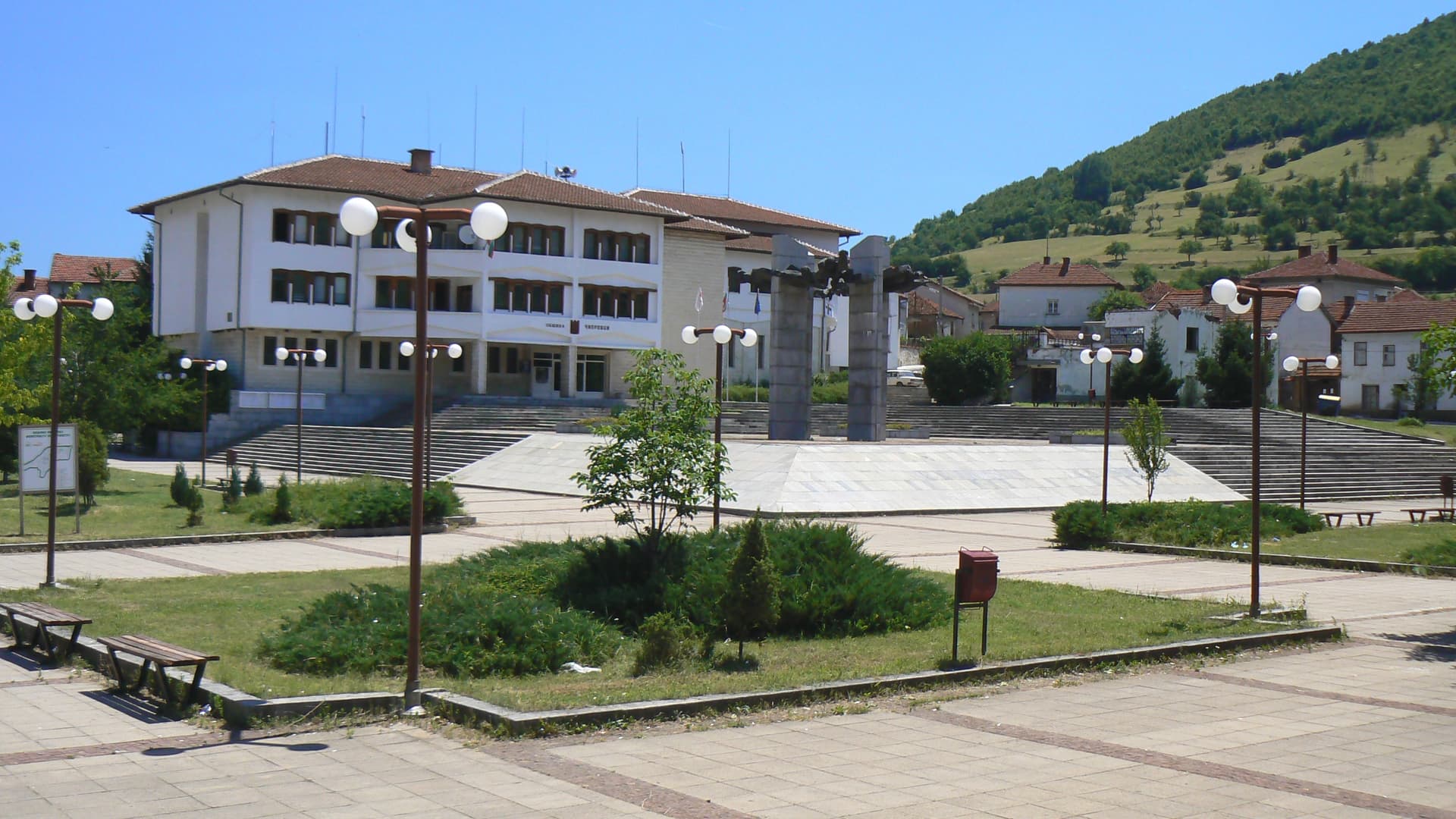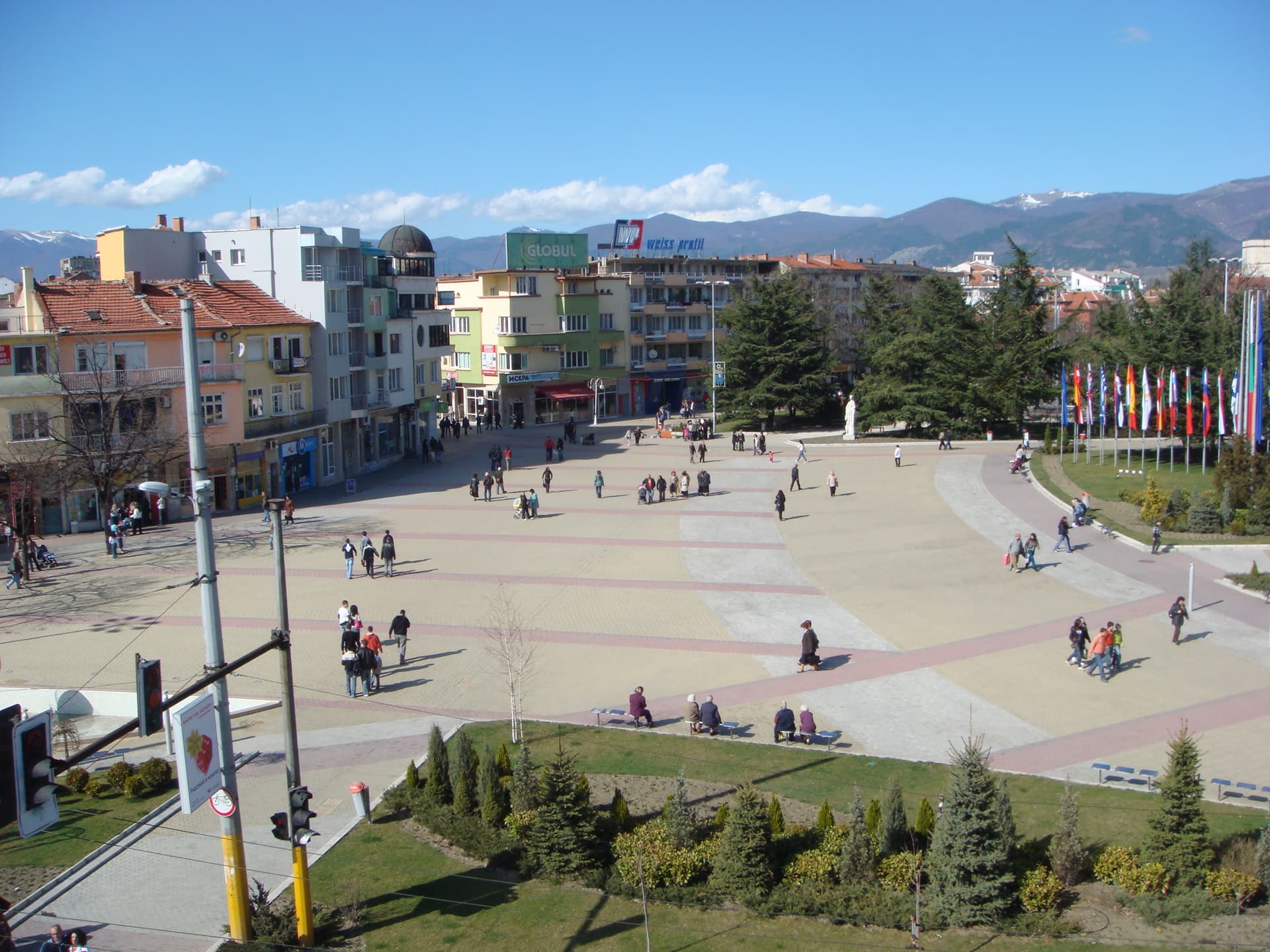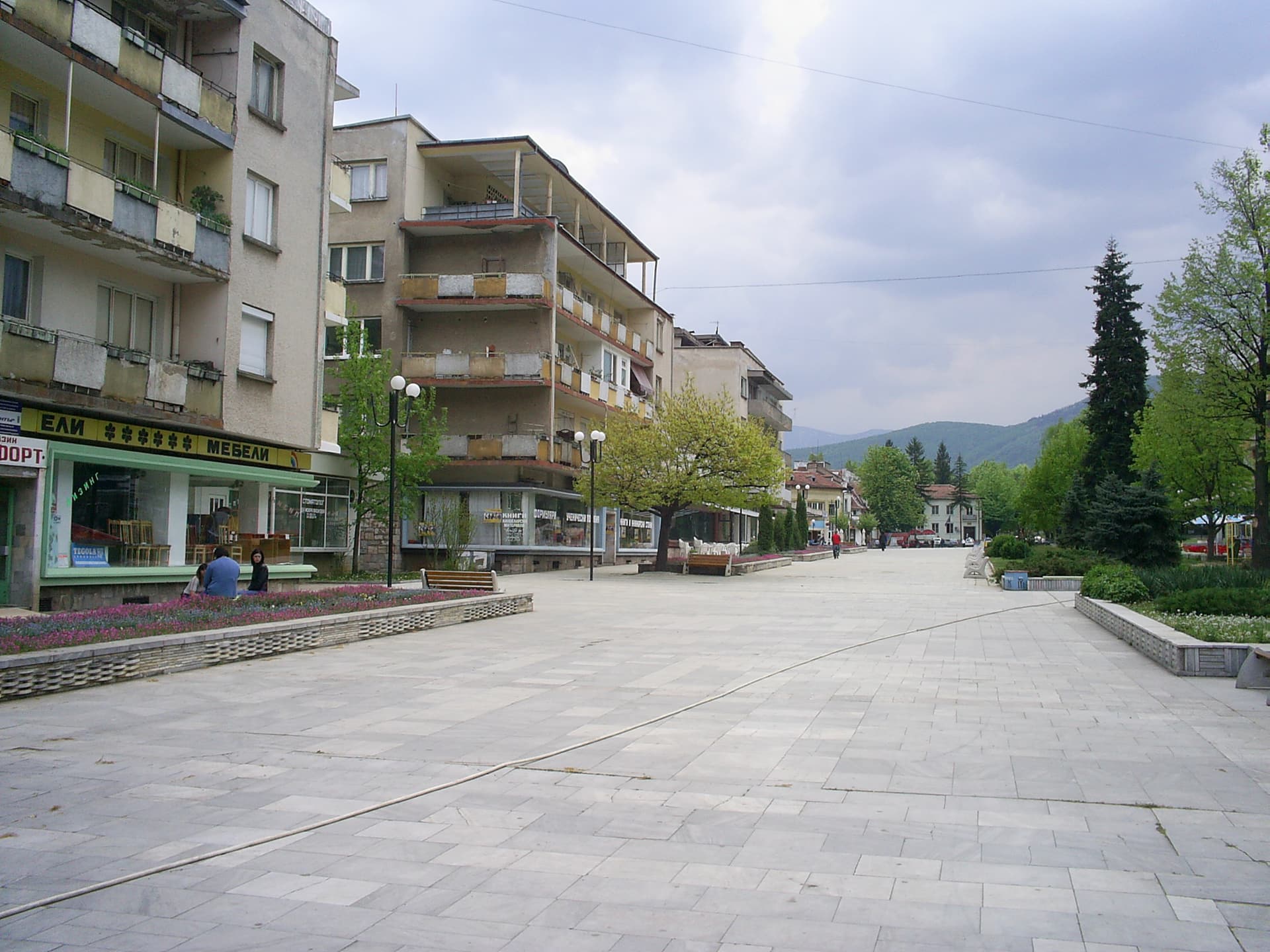
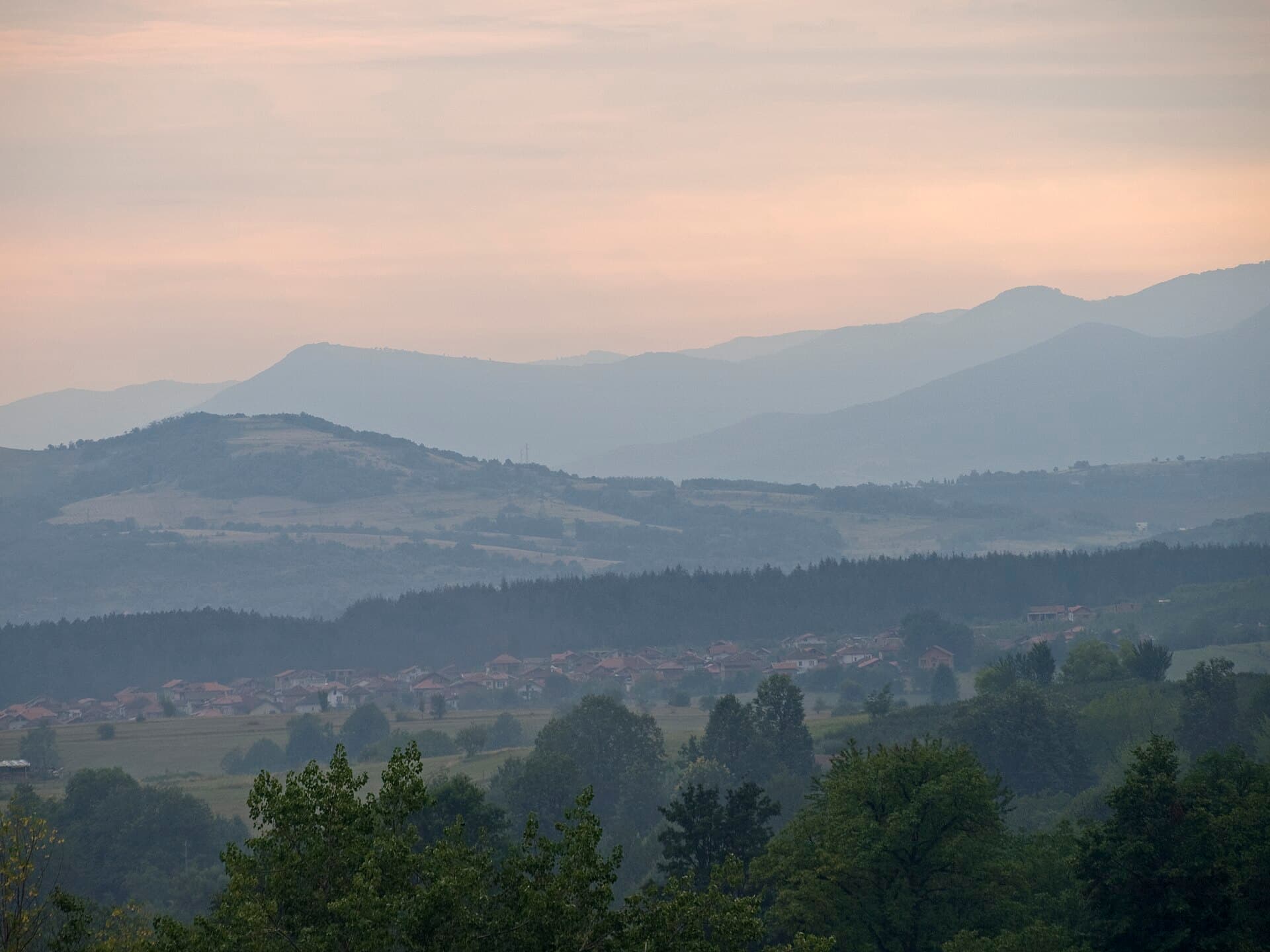
The town of Berkovitsa is a picturesque economic and administrative center of the Berkovitsa Municipality, nestled within the foothills of the Northwestern Balkan Mountains (Stara Planina) in the Montana District. Perched at an altitude of 405 meters above sea level and located close to the Serbian border, the town is situated 24 km from the regional center of Montana and 89 km from the capital city of Sofia. Berkovitsa is internationally renowned within the travel community as the primary gateway to the legendary Mount Kom (Golyam Kom), which lies about 18 km away via a mountain road. A well-maintained asphalt road leads directly from the town to the new Kom Hut and its adjacent ski slope, making Berkovitsa an attractive destination for alpine hiking, winter sports, and eco-tourism year-round.
The region of Berkovitsa features a wealth of cultural, historical, and natural landmarks:
The cultural calendar of Berkovitsa is vibrant and dynamic, drawing thousands of visitors each year through its rich assortment of festivals and celebrations. The official town holiday is celebrated on September 8, coinciding with the major Christian feast of the Nativity of the Blessed Virgin Mary. The town proudly hosts the "Lacheni Obuvki" (Patent Leather Shoes) Children's Song and Arts Festival, as well as the "Ashiklar Sings and Dances" folklore gathering. Historically, between 1998 and 2005, it was also home to the major international rock festival "BERKSTOCK". In late summer, the focus shifts to the peaks, where the annual Festival of the Berkovitsa Mountain is celebrated at Kom Hut, followed exactly one week later by the highly popular and delicious Wild Raspberry Festival.

Montana region
1.6 km away
Montana region
6.6 km away
10 overnight weekend getaways within 2.5 hours of Sofia: mineral baths and spa towns, guest-house villages, winter walks and ski — with distances and transport.
A guide to Montana and Berkovitsa in north-west Bulgaria: the Ogosta reservoir, Berkovitsa's pottery and Ivan Vazov connection, Klisura Monastery, and Kom Peak at the western end of the Kom–Emine trail.
A guide to the Kom–Emine trail, Bulgaria's ~600 km E3 traverse of the Balkan Mountains from Kom Peak to the Black Sea: route, stages, water, huts and season.
Berkovitsa is located in Montana, Bulgaria.
Berkovitsa is most easily reached by car. Use the coordinates above to navigate, or open the location in OpenStreetMap or your preferred maps app for turn-by-turn directions. Public transport options vary by region — for remote destinations a rental car gives the most flexibility.
Berkovitsa can be visited year-round, but late spring (May–June) and early autumn (September–October) offer the most pleasant weather and fewer tourists. Summer is the busiest season; winter is the quietest, with shorter daylight and possible cold weather.
Bulgarian settlements typically reward unhurried walking — historic centres, churches and monasteries, local markets, and family-run restaurants serving regional dishes. Larger towns often have museums and seasonal cultural events. The local tourist information centre is a good first stop for current opening hours and what's on.