

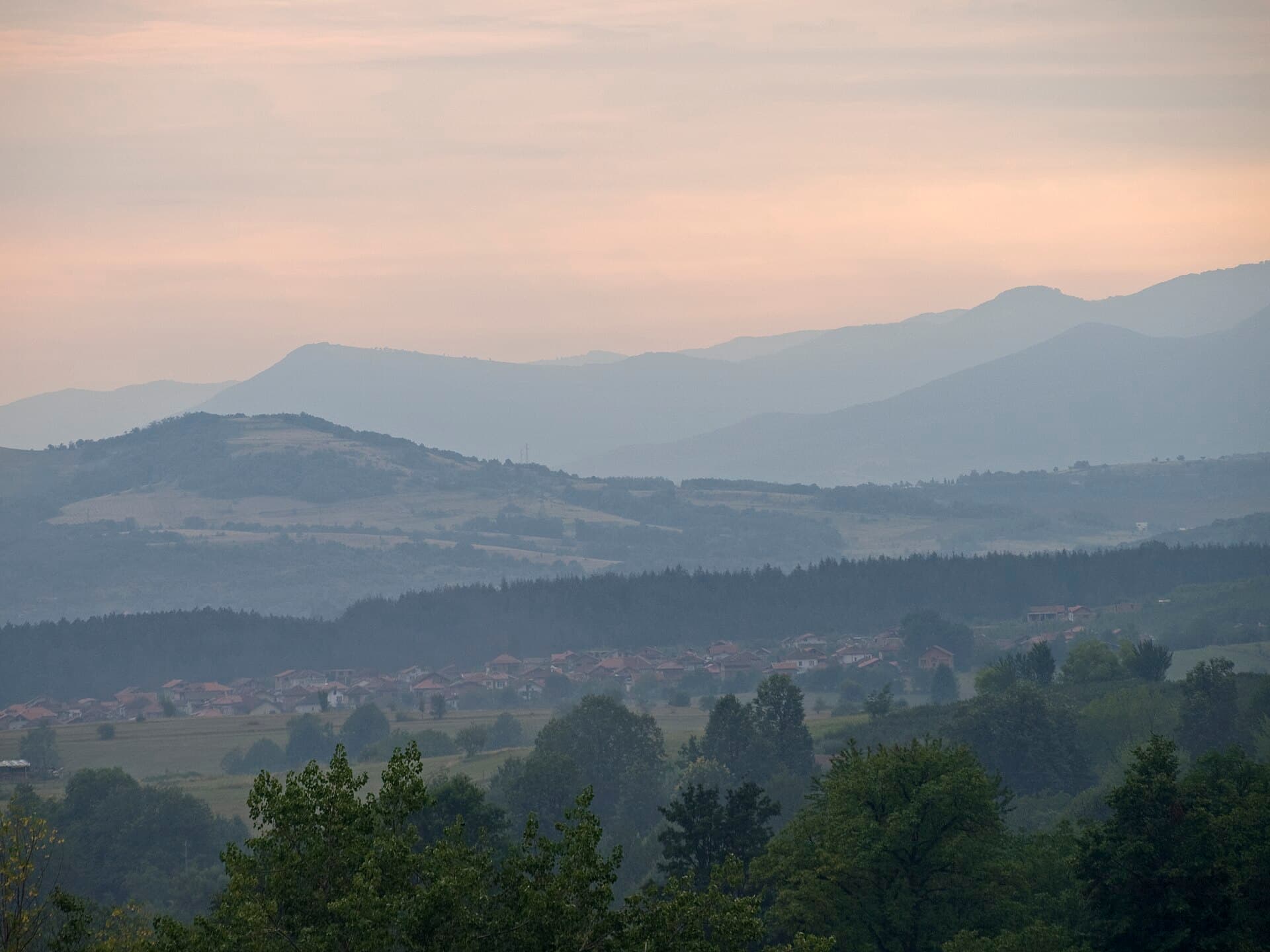
Montana, Berkovitsa & Kom Peak
In this guide▾
Montana Province, in Bulgaria's far north-west, is one of the least-visited corners of a region that is itself the least visited in the country.
It is also, honestly, not a destination in its own right. What it is: the western trailhead of the Balkan range, a decent small mountain town, and a necessary link in the north-western loop. This guide treats it as that.
📍 Getting There
| Route | Distance | Driving time |
|---|---|---|
| Sofia → Berkovitsa (over Petrohan) | ~90 km | ~1 h 30 min |
| Sofia → Montana (over Petrohan) | ~110 km | ~1 h 45 min |
| Berkovitsa ↔ Montana | ~25 km | ~30 min |
| Montana → Chiprovtsi | ~35 km | ~40 min |
| Montana → Vratsa | ~30 km | ~30 min |
| Montana → Belogradchik | ~70 km | ~1 h 15 min |
The direct road from Sofia crosses the Petrohan Pass. The only real alternative, when the pass is closed, is the long way round via Botevgrad, Vratsa and Montana — about 175 km. In winter Petrohan demands respect — see our driving guide for the winter tyre law and mountain-road conditions.
Without a car: buses from Sofia reach Berkovitsa in just under 2 hours over the pass. There is no direct train; change at Boychinovtsi for the branch line to Berkovitsa.
⛰️ Kom Peak
At 2,016 metres, Kom is the western end of something: the Kom–Emine trail, the long-distance route that runs the entire length of the Balkan range from here to the Black Sea coast at Cape Emine.
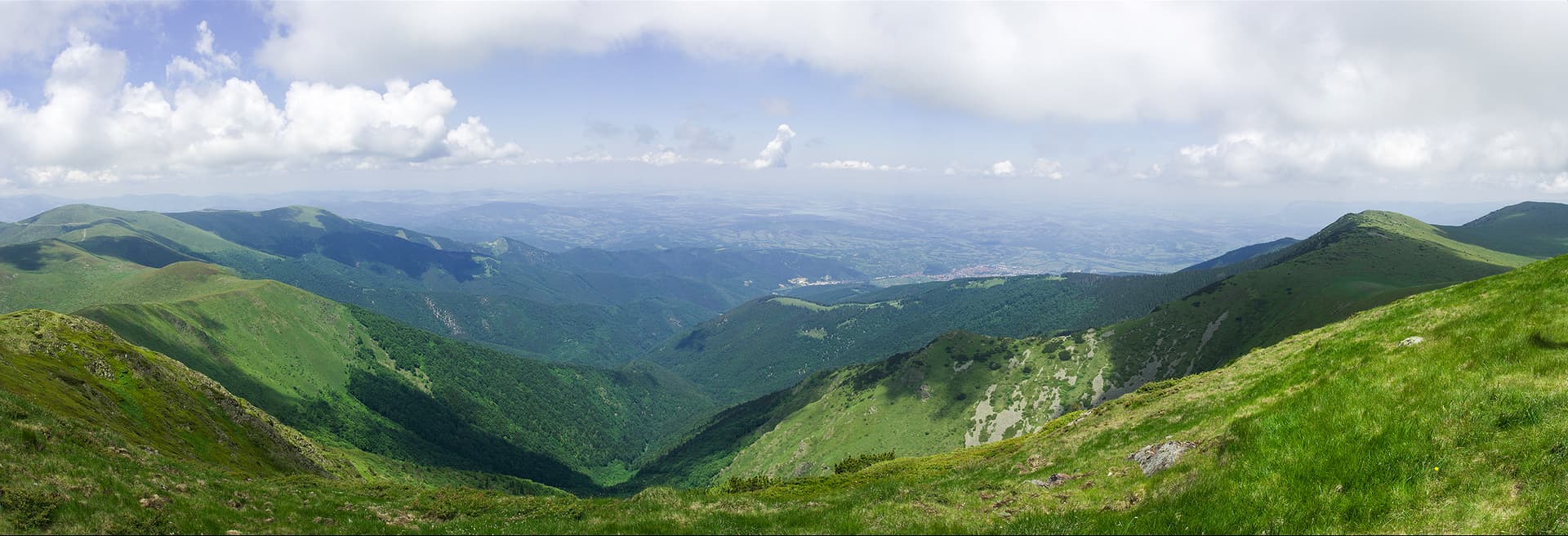
That gives the summit a significance out of proportion to its height. People start walks here that finish three weeks later on a beach.
For everyone else, it is an unusually easy 2,000-metre peak. A 14 km asphalt road climbs from Berkovitsa to the new Kom hut (1,506 m), in the Gorna Kuriya area, where there is a convenient car park; from there it is about two hours' straightforward walking, past the old hut, to the top with the whole western range and the Danube plain laid out around you. If you want a big summit without a big day, this is one of the better options in Bulgaria — comparable in that respect to Cherni Vrah above Sofia.
Staying at Kom hut: the new hut has 120 beds on two floors. Most rooms have their own washbasin and toilet, with showers on each floor, and there is a hikers' kitchen, a dining room, a restaurant and central heating; seasonal bungalows with outdoor toilets stand nearby. The hut does not publish its prices, so ask when you book.
We cover the full ridge route separately; this post is about the town at its foot.

🛣️ The Petrohan Pass
Worth treating as a destination rather than a connection.
Petrohan carries the old road from Sofia over the western Balkan range to Berkovitsa, topping out around 1,400 metres. It is still the direct route north from Sofia and by far the more interesting way to come: continuous switchbacks, beech forest the whole way up, and a summit crossing with views over both sides of the range.

The road is slow, with endless bends, but the alternative via Vratsa is nearly twice as long, and in good conditions the pass is worth every minute.
In winter it is a different road. Snow, ice and fog are routine, the pass can close, and the winter tyre requirement runs 15 November to 1 March. Check conditions before committing; the long way round via Vratsa exists for a reason.

🏔️ Berkovitsa
The nicer of the two towns, and the one to base in.
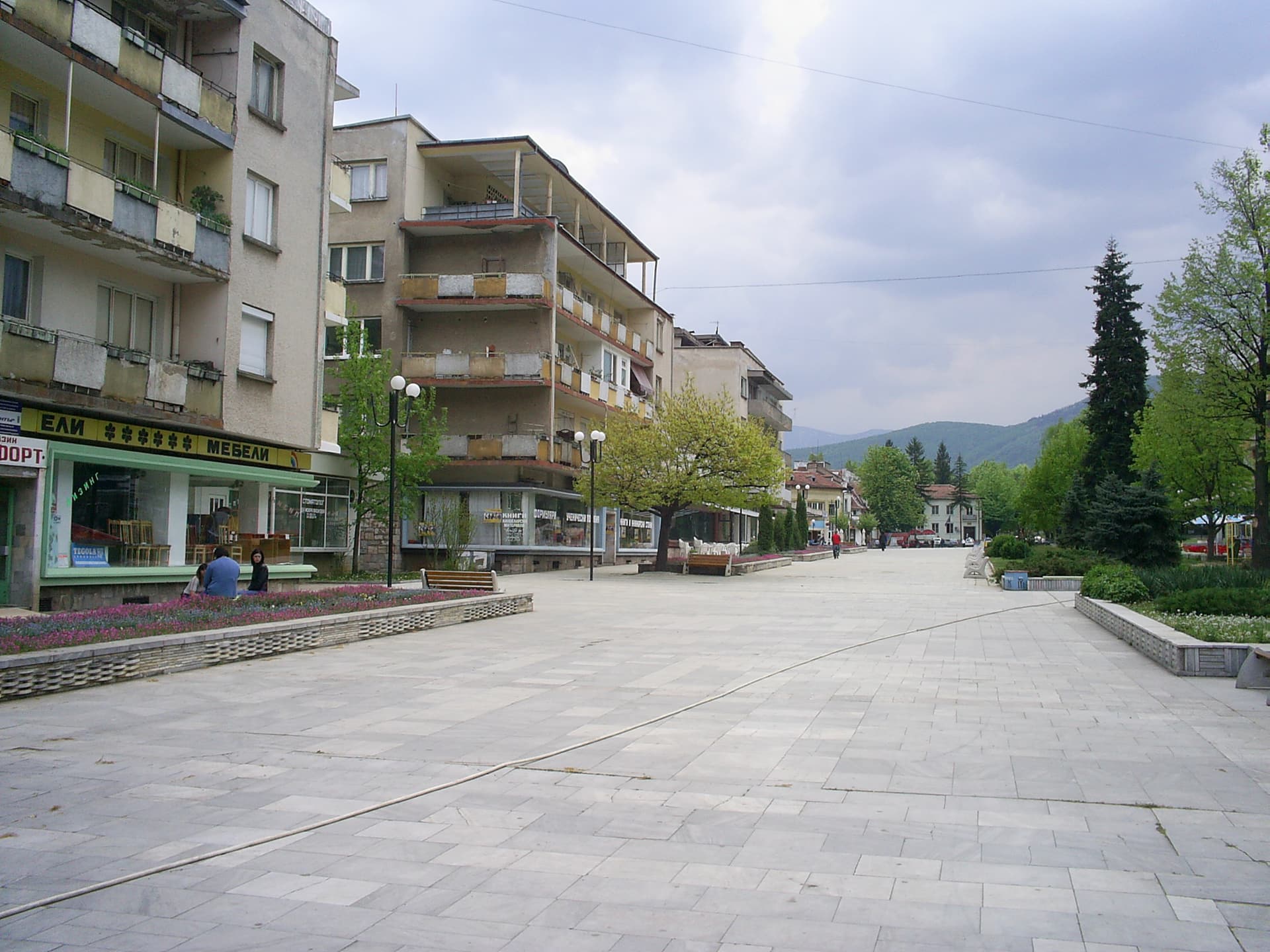
Berkovitsa sits at the foot of the mountain, which gives it a setting Montana does not have. It has a long pottery and ceramics tradition, is known regionally for its raspberries, and keeps a small historic centre with a clock tower.
Above the town, the Haydushki waterfalls are the best walk here after the peak: an easy eco-trail of about 5 km each way along the Golyama Reka, starting a few kilometres out of town off the Kom hut road. Allow about an hour and a half each way.
Its literary claim is Ivan Vazov — the central figure of Bulgarian letters, author of Under the Yoke — who served as a judge here around 1879–80. His house is preserved as a museum. For a town this size, having Vazov on the record is a substantial thing.
Visiting the museums: the Vazov house, the town's Ethnographic Museum and the Otets Paisiy art gallery share one set of prices: €3.07 for adults, €1.53 for pupils, students and pensioners, or a combined ticket for all three at €3.58 (€2.05 reduced). A family ticket (two adults with two or more children under 18) is €7.67, and children under 7 go in free. A guided talk is €5.11 per site, and taking photos €2.56. They are open Monday to Friday 08:00–12:00 and 14:00–17:00, and 09:00–12:00 and 14:00–17:00 at weekends, and entry is free on the last Thursday of each month (checked September 2026).
Parking in the centre is free: the council abolished paid parking there in March 2026.

⛪ Klisura Monastery
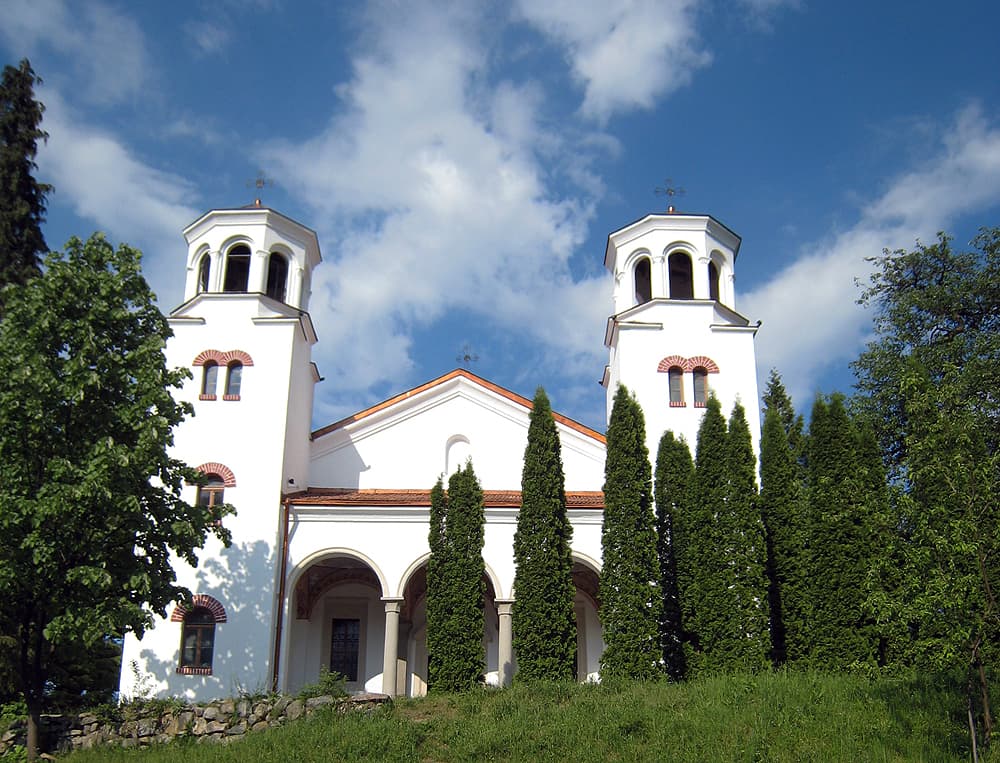
Near the village of Barzia, about 11 km from Berkovitsa on the road to Varshets, stands Klisura Monastery, today a working convent. It was founded in 1240, and like almost every monastery in this region it was destroyed and rebuilt more than once — last after an attack during the feast of Saints Cyril and Methodius in 1862 — so most of what stands is late nineteenth-century.
It sits in quiet woodland a short drive from town, is free to visit, and takes half an hour. It is not Rila, and it does not need to be — it is a pleasant, empty stop on a road you are already driving.
🏞️ Montana and the Ogosta Reservoir
Montana is the provincial capital: an administrative town on the plain, Roman in origin, with a regional history museum and not a great deal for a visitor beyond it.
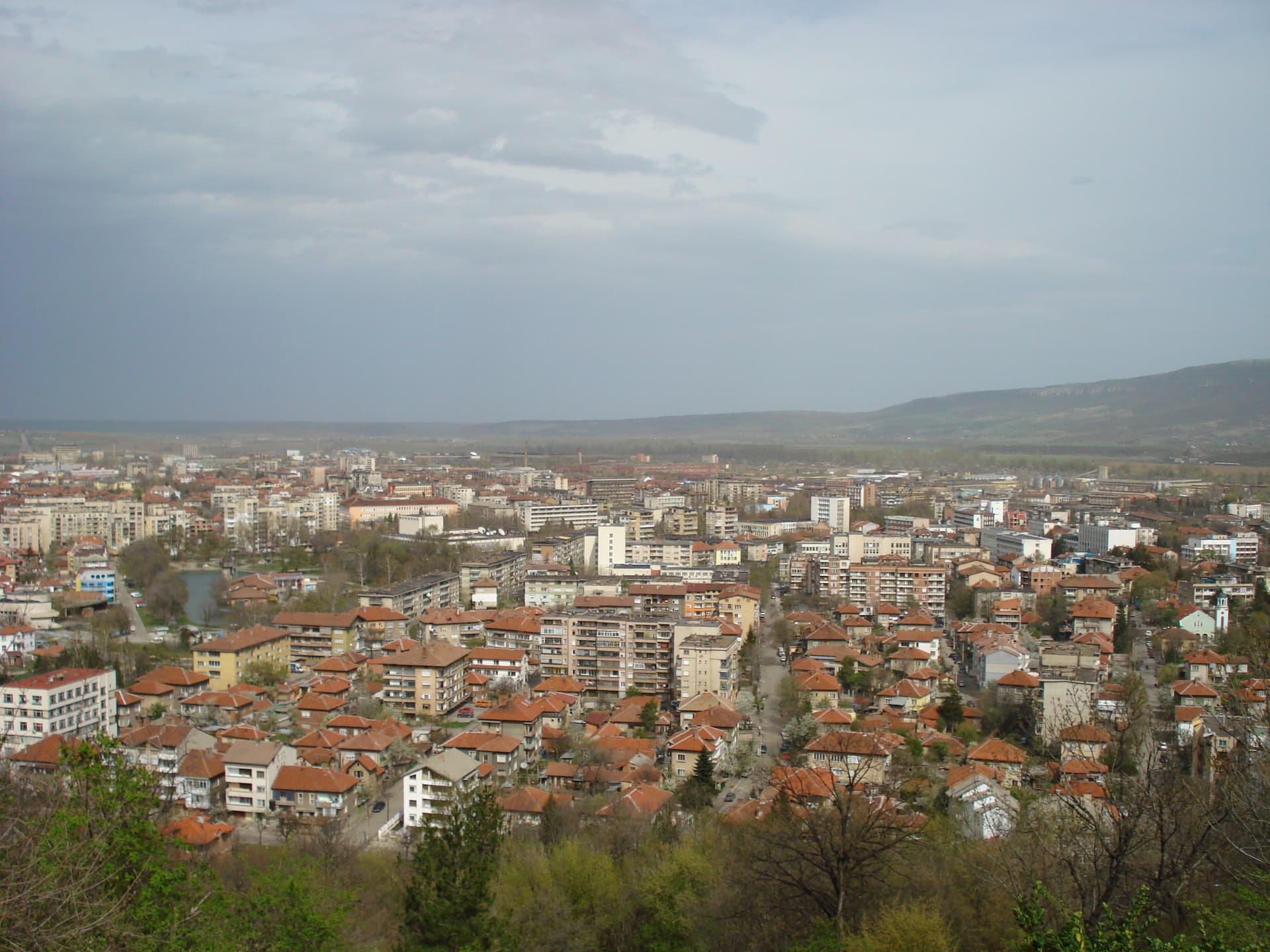
Just outside is the Ogosta reservoir, the largest in north-western Bulgaria and the local recreation lake — fishing, birdlife and shoreline walking. Worth an hour if you are passing; not worth a detour.
The honest summary: stay in Berkovitsa, pass through Montana.

🗺️ Where This Fits
This is a link in a loop, and it works best that way:
- Chiprovtsi (~35 km from Montana): the UNESCO-listed kilims and the monastery.
- Vratsa and Ledenika (~30 km): the gorge and the ice cave.
- Belogradchik (~70 km): the rocks and the fortress.
- Vidin and Baba Vida (~110 km): the Danube.
- God's Bridge and the Vrachanski Balkan (~40 km).
A weekend running Sofia → Berkovitsa → Chiprovtsi → Belogradchik → Vidin, returning via Vratsa, covers the north-west properly, and Berkovitsa is the sensible first night.
🗓️ When to Go
Summer for Kom and the high walking; the peak is straightforward from June to September. Autumn for the drive over Petrohan and the beech colour — see our autumn guide.
Winter brings small-scale skiing by Kom hut and makes the Petrohan Pass a genuine mountain drive. Spring is wet and green, and the best time for the waterfalls over at Chiprovtsi.
An easy 2,000-metre summit, a town with Vazov's house in it, and the start of a trail that ends at the Black Sea. Fit the western north-west into your route with Mestala.com.
This guide covers 8 places
Want more Mestala in your Google results?
Add mestala.com as a preferred source and our guides will show up more often when you search. Requires a Google account.
Frequently Asked Questions
Where are Montana and Berkovitsa?▾
Both are in north-western Bulgaria. Montana is the provincial capital, on the plain about 110 km north of Sofia; Berkovitsa lies about 25 km south of it, at the foot of the Balkan Mountains, and about 90 km from Sofia over the Petrohan Pass. Berkovitsa is the more appealing of the two for a visitor, and the base for Kom Peak.
What is Kom Peak?▾
A 2,016-metre summit in the western Balkan Mountains above Berkovitsa, and the western terminus of the Kom–Emine trail — the long-distance route that runs the length of the range to the Black Sea. Kom hut sits below the summit at the end of a 14 km asphalt road from Berkovitsa, which makes the peak itself a walk of about two hours.
What is Berkovitsa known for?▾
Pottery and ceramics, raspberries, and its mountain setting. The writer Ivan Vazov served as a judge here around 1879–80, and his house is preserved as a museum. The town sits at the foot of Kom and is the natural base for walking in the western Balkan range.
What is Klisura Monastery?▾
A working convent near the village of Barzia, about 11 km from Berkovitsa on the road to Varshets. Founded in 1240, it was destroyed and rebuilt several times — most recently after an attack in 1862 — so most of what stands dates from the late nineteenth century. It sits in a quiet wooded setting a short drive from Berkovitsa.
Is the Ogosta reservoir worth visiting?▾
It's the largest reservoir in north-western Bulgaria, just outside Montana, and it functions as the local recreation lake — fishing, birdwatching and shoreline walking. It's a pleasant hour rather than a destination in itself, and better as an add-on if you are already in Montana.
Is this area worth a special trip?▾
Honestly, no — not on its own. Montana and Berkovitsa are best treated as part of a north-western loop with Chiprovtsi, Belogradchik, Vidin and Vratsa, or as the trailhead if you are walking Kom–Emine. Berkovitsa alone justifies a half-day; the region as a whole justifies a weekend.
You might be interested in
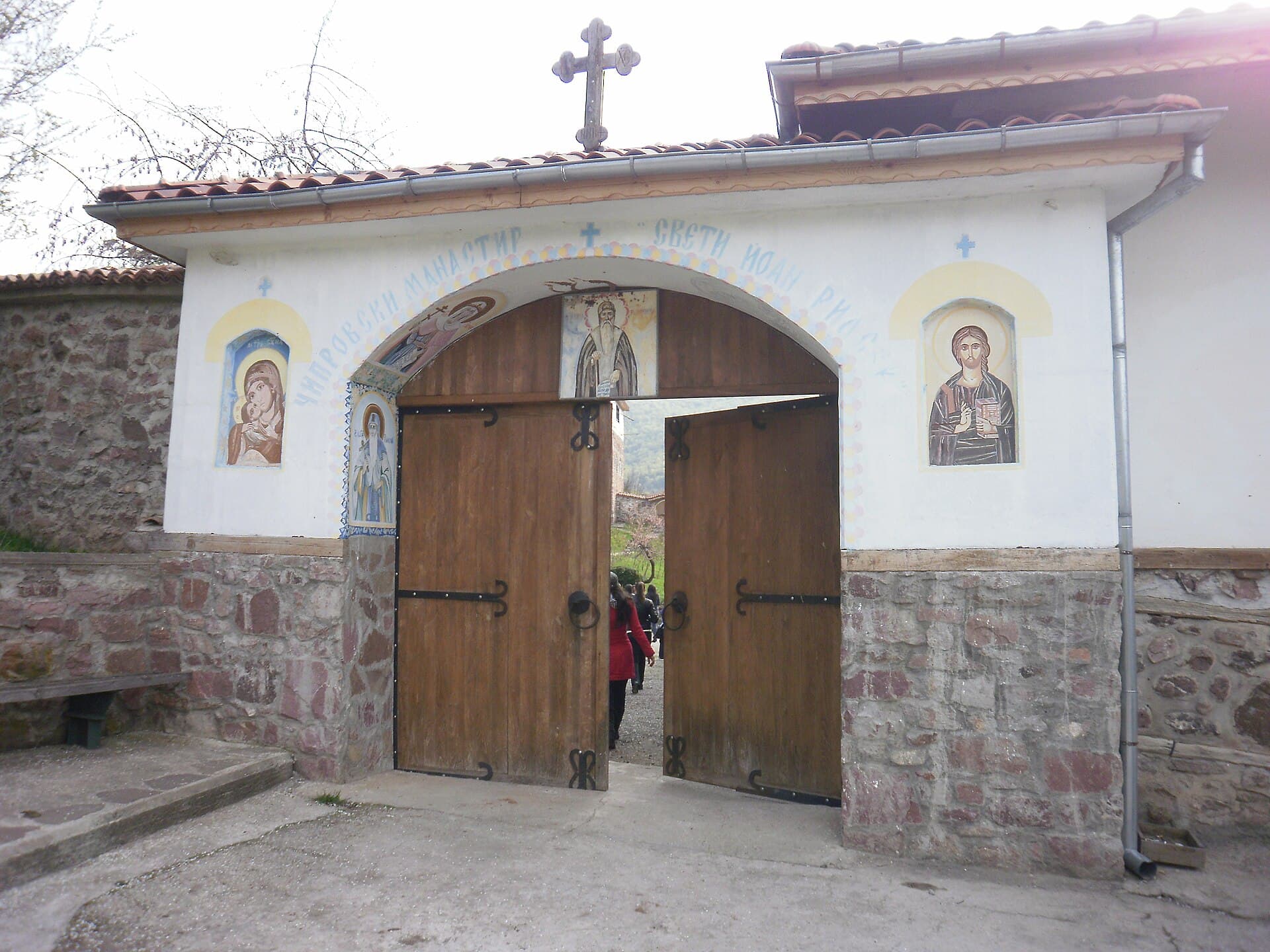
Chiprovtsi: Carpets, a Monastery and a Lost Uprising
A guide to Chiprovtsi in Bulgaria's far north-west: the UNESCO-listed kilim weaving tradition, the 1688 uprising that destroyed the town, the monastery of St John of Rila, and the waterfalls above it.
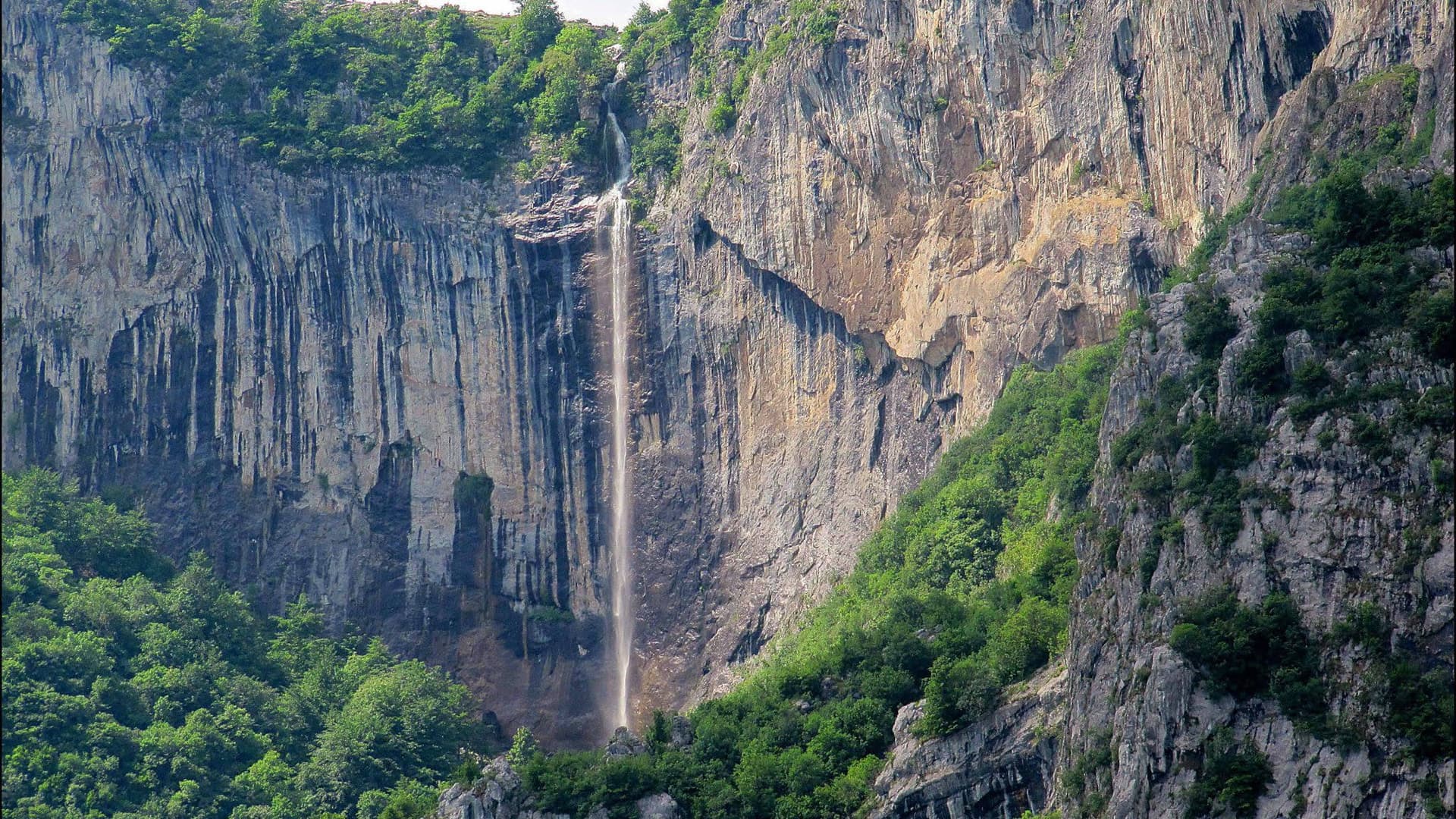
God's Bridge & Skaklya: Walking the Vrachanski Balkan
A guide to the Vrachanski Balkan Nature Park: the God's Bridge rock arch near Lilyache, the seasonal Skaklya waterfall above Vratsa, the Borov Kamak eco-trail, and when in spring to time the water.
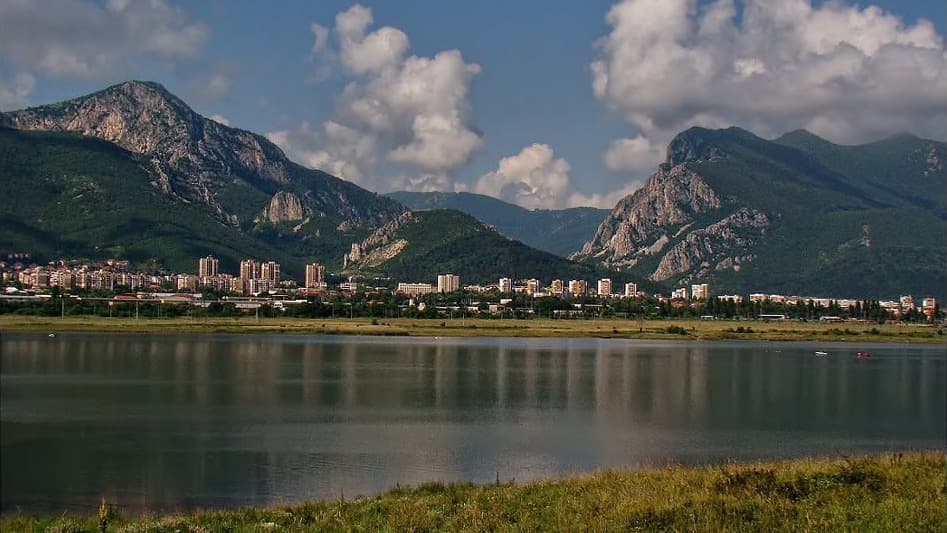
Vratsa & Ledenika Cave: Bulgaria's Overlooked North-West
A travel guide to Vratsa: the Vratsata gorge and its 400-metre rock face, the Ledenika show cave, the Rogozen Treasure of 165 silver vessels, and the Botev memorial at Okolchitsa — an hour and a half from Sofia.
Gotse Delchev: Kovachevitsa, Leshten & the Mesta Valley
Roman ruins at Nicopolis ad Nestum, the stone villages of Kovachevitsa and Leshten, and Ognyanovo's hot springs — what to see around Gotse Delchev.