

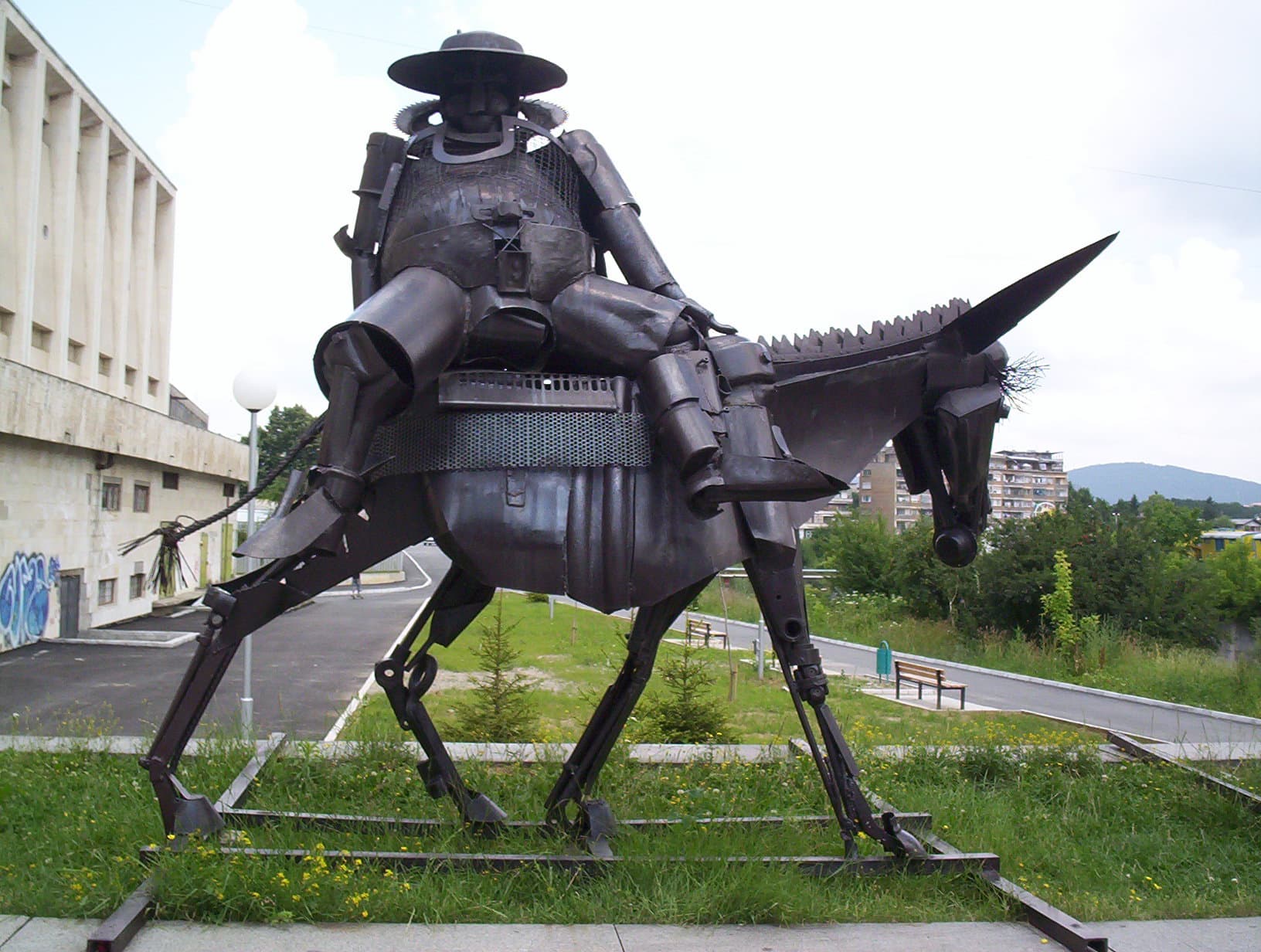
Top Things to Do in Gabrovo: Bulgaria's Capital of Humour (Travel Guide)
In this guide▾
Gabrovo has built a unique civic identity on a joke about itself.
Bulgaria's regional folklore casts Gabrovonians as comically thrifty — the people who cut their cats' tails short so less heat escapes when they slip through the door, and who stop their clocks at night to avoid wearing down the mechanism. Rather than taking offense, the town turned this reputation into a global brand, founded a museum for it, and now hosts a renowned international biennial of satire.
That is the hook. The rest of the appeal lies in its location: Gabrovo sits at the northern foot of the Shipka Pass, with Etar Open-Air Museum, Bozhentsi, and Tryavna all within a 30-minute drive. This makes it the ideal base for exploring the entire Central Balkan region.
📍 Getting There & Distances
| From | Distance | Driving time |
|---|---|---|
| Etar Museum | ~8 km | ~15 min |
| Bozhentsi | ~15 km | ~25 min |
| Tryavna | ~22 km | ~30 min |
| Veliko Tarnovo | ~45 km | ~55 min |
| Kazanlak | ~50 km | ~1 h |
| Sofia | ~220 km | ~3 h |
Direct buses run to Gabrovo from Sofia and Veliko Tarnovo. The town also has a railway station, but it sits on a short branch line, so trains mean a change at Tsareva Livada. Once there, city buses run out to Etar (lines 1 and 14) and on to Sokolski Monastery (line 26). For Uzana, Bozhentsi and the Shipka Pass you need a car. Parking in the centre is a paid Blue Zone at €0.51 an hour. Plan your trip with our Bulgaria car rental guide.
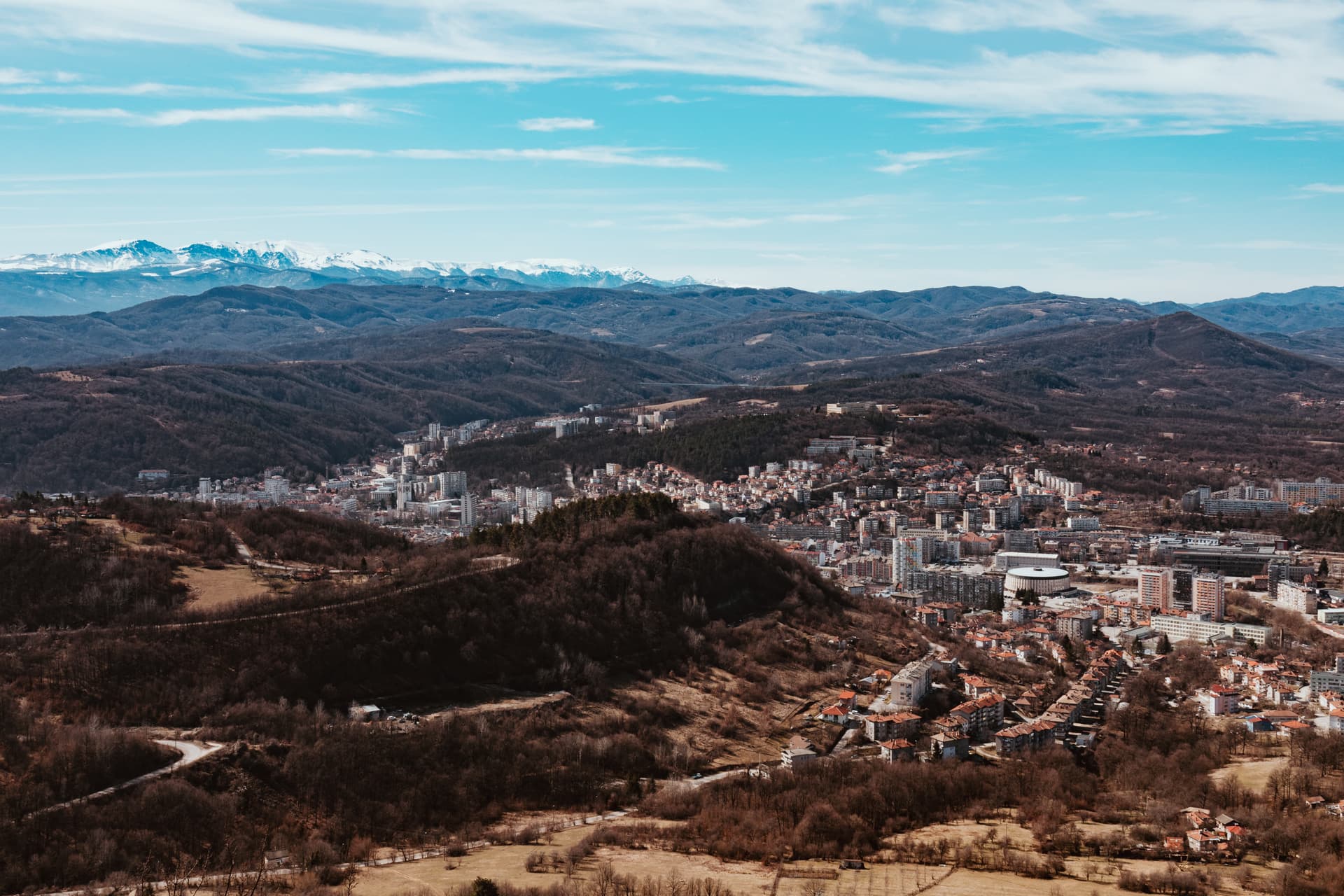
The Longest Town: Squeezed inside a narrow river valley, Gabrovo stretches for about 25 km along the Yantra River. While the town centre is compact and easy to walk, attractions are spread out, so keep location in mind when booking accommodation.

😀 The House of Humour and Satire
Opened on 1 April 1972 (April Fools' Day, naturally), the museum is the main reason Gabrovo appears on travel itineraries, and it is a far more engaging institution than the simple concept suggests.

It holds an impressive international collection of cartoons, satirical graphics, prints, masks, and carnival props gathered from all over the world. It also hosts the long-running International Biennial of Humour and Satire in Art. The museum treats comedy as a legitimate art form rather than a gimmick, making it easily worth two hours of your time.
Hours: 09:00–18:00, last entry 17:15. From 1 April to 31 October it is open every day; from 1 November to 31 March it is closed on Mondays.
| Ticket | Price |
|---|---|
| Adults | €3.07 |
| Over 65 | €2.05 |
| Pupils and students | €1.79 |
| Children aged 4–7 | €0.77 |
| Family (two adults and up to two children under 18) | €6.14 |
| Visitors with disabilities (with a companion) | free |
| Guided talk in Bulgarian / in a foreign language | €6.14 / €7.67 |
These are the museum's prices for 16 March to 14 November (checked September 2026); they can change. An annual pass (€5.11 for adults, €8.18 for a family) gives free entry to the exhibitions for a year — worth it only if you come back.
If you visit in May, you can experience the town's annual Carnival: the festival of humour and satire runs through the middle of the month, and the parade fills the centre on the third Saturday of May.

🔨 Racho the Blacksmith Monument
Standing on a rocky outcrop in the middle of the Yantra River is the statue of Racho the Blacksmith — the legendary founder of Gabrovo. According to local lore, he set up his forge near the river crossing, attracting craftspeople who gradually established the settlement.

It is the town's primary emblem and a quick photo stop, but it tells an important story: Gabrovo grew as a thriving craft and manufacturing hub, eventually becoming a textile powerhouse nicknamed "The Bulgarian Manchester." The famous jokes about thrift are directly linked to this pragmatic, merchant-driven history.

⛪ Sokolski Monastery
Located about 12 km south-east of the centre, a few kilometres above Etar, the Sokolski Monastery of the Assumption was founded in 1833. Nestled on a forested hillside within Bulgarka Nature Park, it offers peaceful surroundings and sweeping views over the valley.
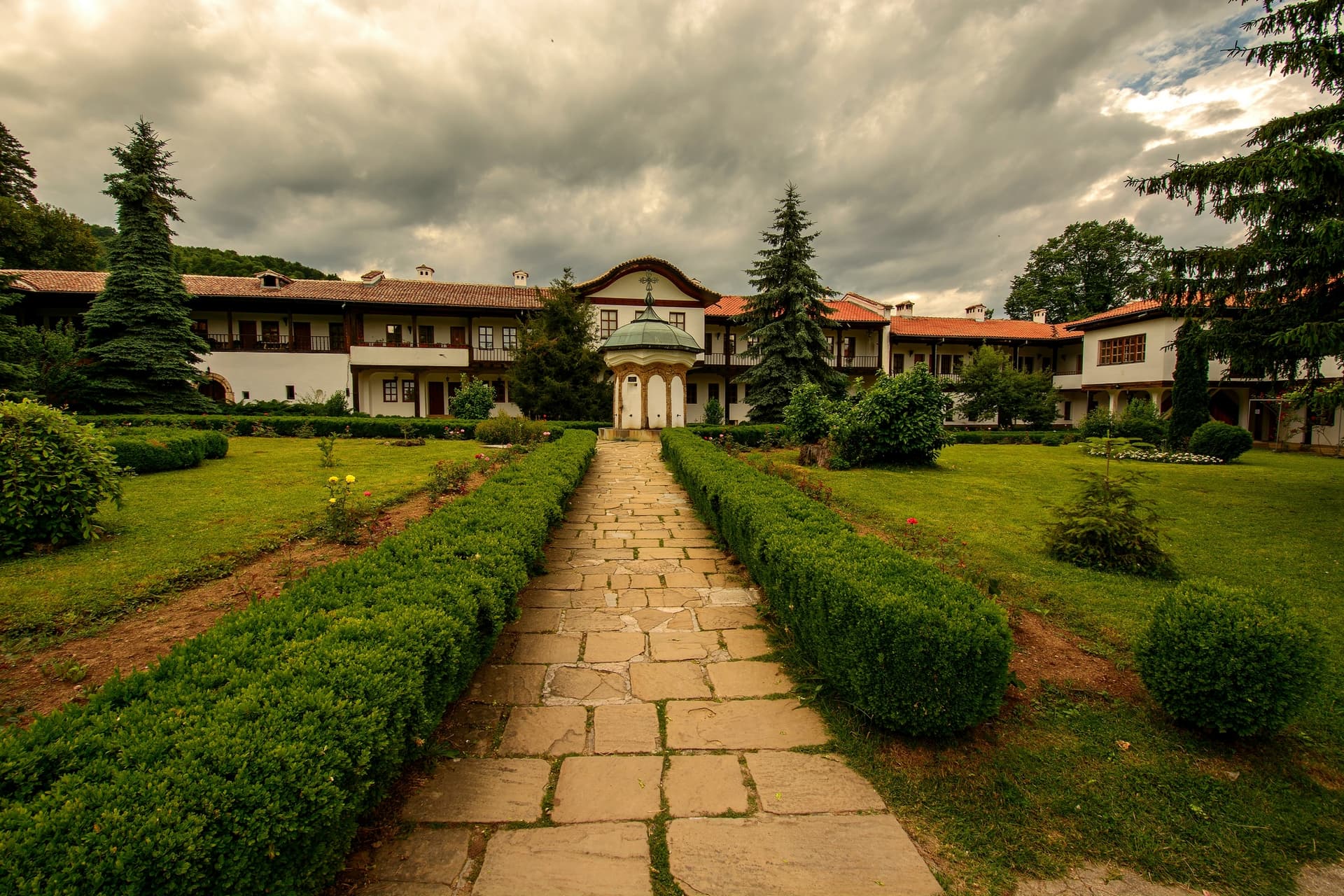
The iconic eight-spouted stone fountain in the courtyard, built by master builder Kolyu Ficheto in 1865, is its most photographed feature. The monastery has been a convent since 1959. It also holds historical importance as a gathering point for rebels during the 1876 April Uprising.
Entry is free — it is a working convent, open to worshippers and visitors alike — and so is the car park. It pairs perfectly with a visit to Etar for a smooth half-day excursion.

🏛️ Local Museums and Heritage
Gabrovo boasts a richer museum landscape than most towns of its size. Beyond the House of Humour, two other spots deserve your attention:
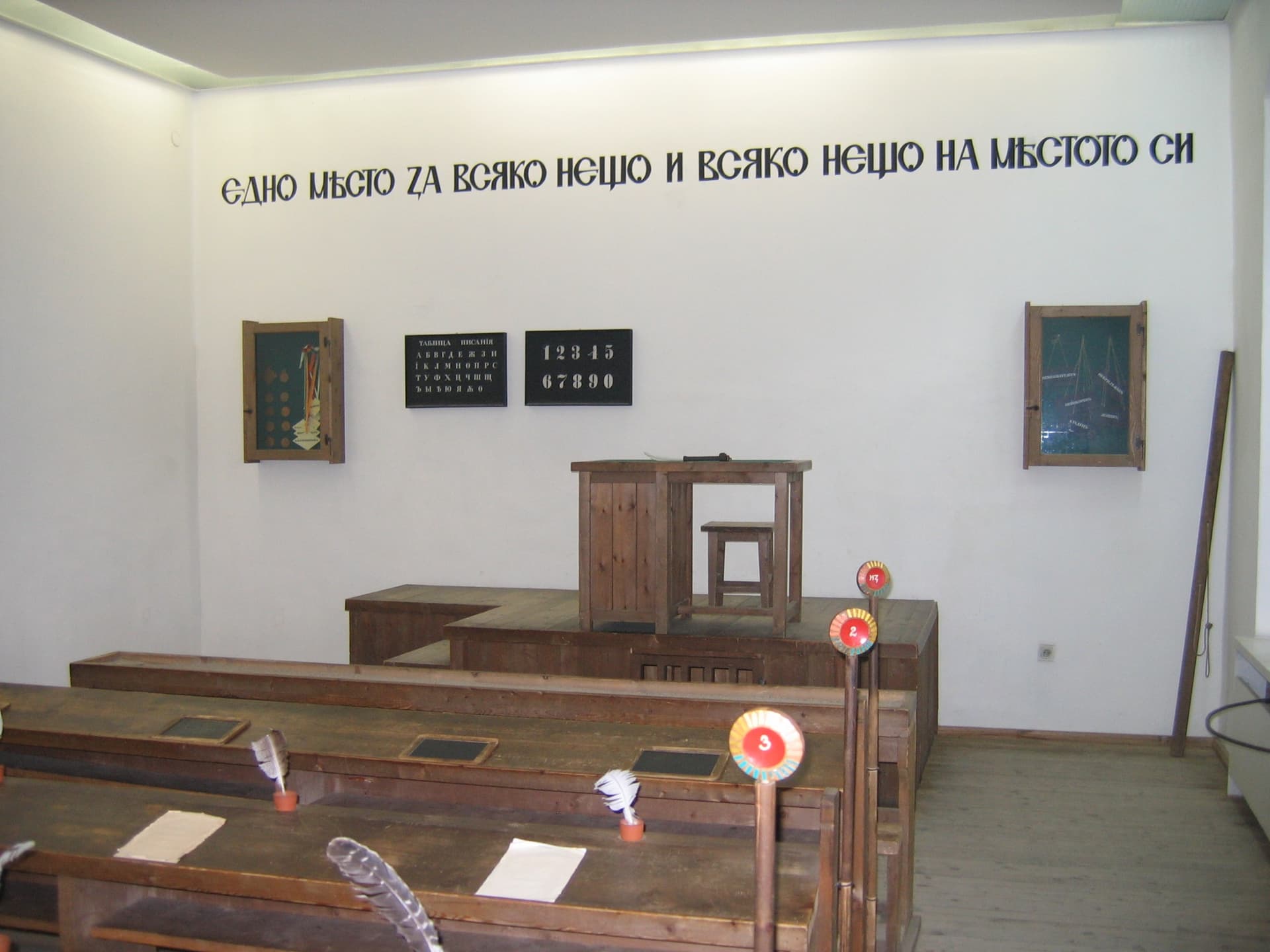
The National Museum of Education is housed inside the Aprilov National High School — established in 1835 as Bulgaria's first secular school. This historic building marks the birth of modern Bulgarian education.
The Dechkova House shows town life from the late 19th century to the 1940s, including a restored old pharmacy and photo studio, while the Interactive Museum of Industry tells the story of Gabrovo's factories through industrialisation, socialism and after, with hands-on installations rather than glass cases.
The region's great builder was Kolyu Ficheto, the self-taught master of the Bulgarian National Revival. Beyond the Sokolski fountain, his surviving bridges are nearby rather than in Gabrovo itself — in Dryanovo, where his museum is, and in Sevlievo and Byala. His famous covered bridge in Lovech burned down in 1925; the one standing today is a later reconstruction.

🏔️ Uzana: The Geographic Centre of Bulgaria
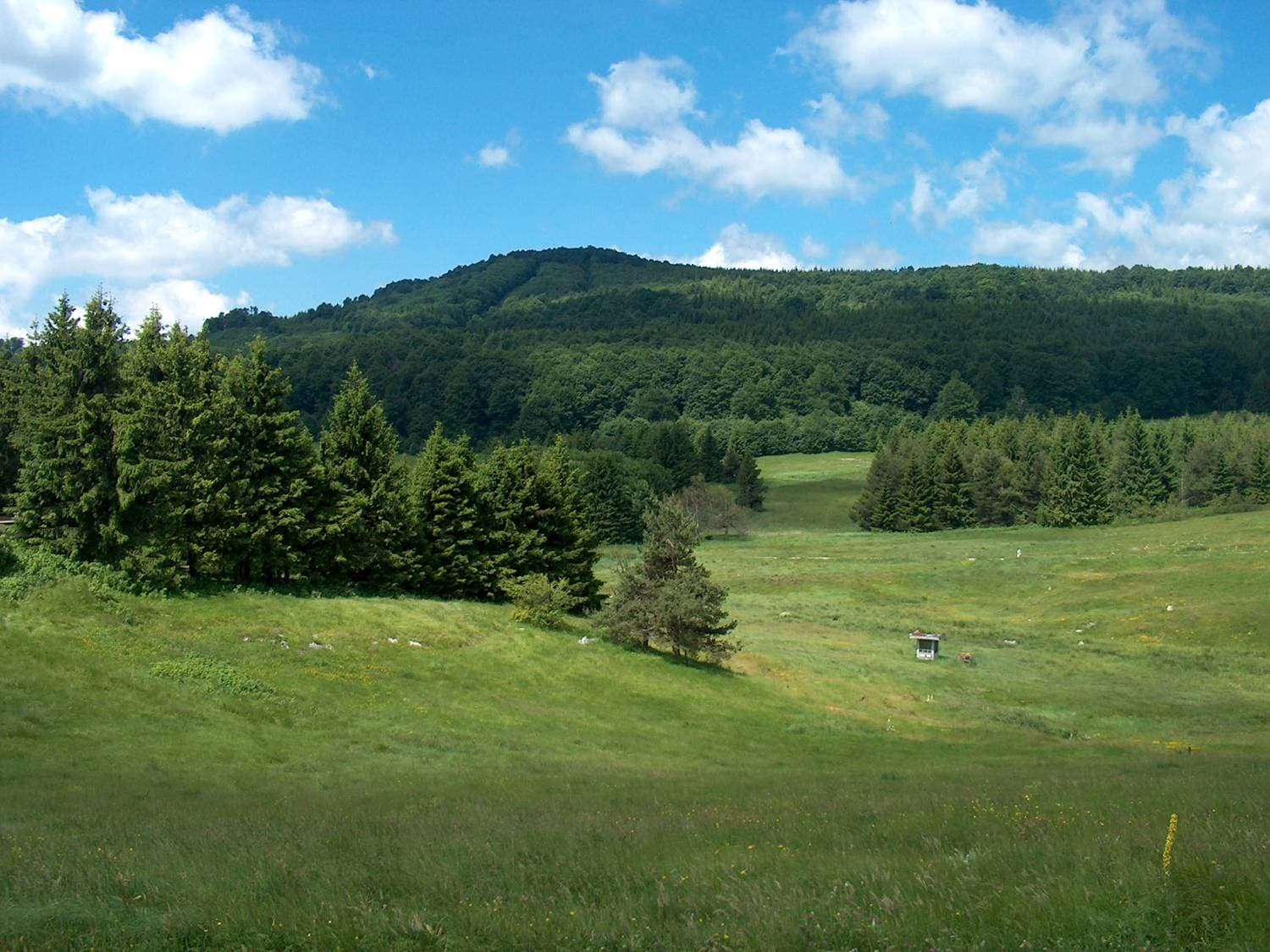
Situated 22 km south of Gabrovo at 1,220–1,350 metres along the Balkan Mountains, the Uzana meadows mark the geographic centre of Bulgaria.
Marked by a concrete sign and a small metal pyramid in the national colours, the area features open alpine scenery and excellent outdoor trails. The marked Uzana eco-trail loops around the plateau, and hikers can easily join the famous Kom–Emine long-distance trail. In winter, Uzana has a few small ski runs served by drag lifts, providing a quiet alternative to Bansko.

🌿 Using Gabrovo as a Travel Base
Gabrovo's greatest advantage for travellers is its central position. Within a 30-minute drive, you can reach:
- Etar Open-Air Museum (~8 km): A living museum of traditional crafts.
- Bozhentsi Architectural Reserve (~15 km): A preserved 19th-century village.
- Tryavna (~22 km): Famous for woodcarving and National Revival architecture.
- Dryanovo Monastery & Bacho Kiro Cave (~15 km).
- Shipka Pass (~25 km): The historic mountain pass leading down to the Rose Valley. The Freedom Monument on the summit is closed for restoration until 2029, but the viewpoints and the Memorial Church are still worth the drive.
Veliko Tarnovo is under an hour away, allowing you to easily explore the region while staying in Gabrovo.
One full day covers the town itself plus Etar and Sokolski Monastery. Give it two or three nights if you want to use Gabrovo as a base for Bozhentsi, Tryavna, Dryanovo and Uzana.
🗓️ Best Time to Visit
Late spring through early autumn offers the best weather for sightseeing. May is ideal if you want to attend the Gabrovo Carnival (the parade is on the third Saturday), while autumn showcases stunning foliage across the mountain passes (check out our guide to autumn in Bulgaria).
Winter brings snow-covered mountain landscapes and small-scale skiing at Uzana, with the town's indoor museums remaining open year-round.
Discover the town that turned satire into its main attraction, and plan your ideal Central Balkan itinerary with Mestala.com.
This guide covers 8 places
Want more Mestala in your Google results?
Add mestala.com as a preferred source and our guides will show up more often when you search. Requires a Google account.
Frequently Asked Questions
Where is Gabrovo and how do you get there?▾
Gabrovo sits on the Yantra River at the northern foot of the Shipka Pass in Central Bulgaria. It is located roughly 45 km from Veliko Tarnovo, 22 km from Tryavna, 50 km from Kazanlak, and 220 km from Sofia. Direct buses connect Gabrovo with Sofia and Veliko Tarnovo, and a branch railway links it to the main line at Tsareva Livada. City buses run out to Etar and Sokolski Monastery, but a car is the practical way to reach Bozhentsi and Uzana.
Why is Gabrovo famous for humour?▾
Gabrovonians are famous for being both the subjects and creators of Bulgaria's most popular regional jokes, which playfully mock their extreme thriftiness. Embracing this reputation, the town opened the House of Humour and Satire on 1 April 1972 (April Fools' Day), creating a unique cultural museum and hosting an international biennial.
What is the House of Humour and Satire?▾
Opened on 1 April 1972, the House of Humour and Satire is a one-of-a-kind museum dedicated to satirical art. It houses a large international collection of cartoons, carnival masks, and graphics, making comedy a serious artistic subject. It is open 09:00–18:00 (last entry 17:15), daily from April to October and closed on Mondays in winter; entry is €3.07 for adults (checked September 2026).
What is Uzana?▾
Uzana is a high mountain meadow area located 22 km south of Gabrovo at 1,220–1,350 metres, marking the exact geographic centre of Bulgaria. It is a popular spot for summer hiking, accessing the Kom–Emine trail, and budget-friendly winter skiing.
What is Sokolski Monastery?▾
Sokolski Monastery of the Assumption is a working convent founded in 1833, located about 12 km from Gabrovo and a few kilometres above Etar on a scenic slope in Bulgarka Nature Park. It is famous for the eight-spouted stone fountain Kolyu Ficheto built in its courtyard in 1865 and its historical role in the 1876 April Uprising.
Is Gabrovo really the longest town in Bulgaria?▾
Yes, geographically Gabrovo is squeezed into a narrow valley along the Yantra River, stretching for about 25 km rather than expanding outwards. As a result, its key sights are spread out, though the walkable city centre remains compact.
You might be interested in
Troyan, Oreshak and Apriltsi Weekend: Pottery, Plum Rakia and the Central Balkan
A weekend in Troyan, Oreshak and Apriltsi: Troyan pottery and plum rakia, the crafts museum, the Oreshak exhibition by Troyan Monastery, and Apriltsi as a Balkan base.
Where to Eat in Burgas: Best Areas, Seafood & Prices
A complete food guide to Burgas by area: the Sea Garden promenade, the pedestrian center, Krasnodar market, authentic Black Sea seafood, prices, and late-night tips.
Bozhentsi: The Village That Stopped in 1870
A guide to Bozhentsi, the protected architectural reserve village near Gabrovo: about a hundred stone-roofed Revival houses, the Doncho Popa house-museum, the founding legend, and why it stays quiet when Koprivshtitsa fills up.
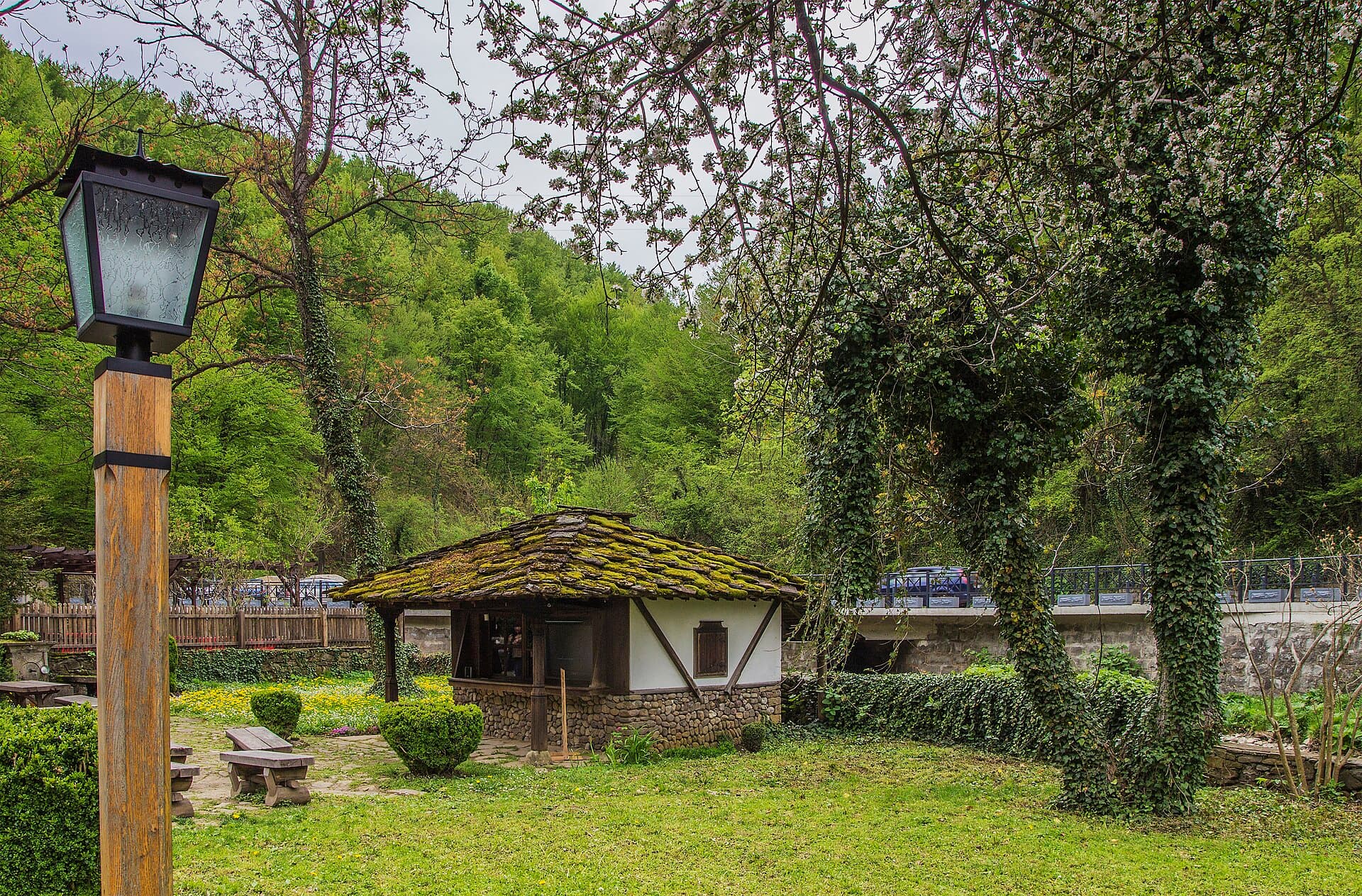
Etar: Bulgaria's Working Open-Air Museum
A guide to the Etar Architectural-Ethnographic Complex near Gabrovo: a reconstructed Revival craft street where the workshops still run on water power, what each trade does, how long to allow, and how to combine it with Tryavna and Bozhentsi.