

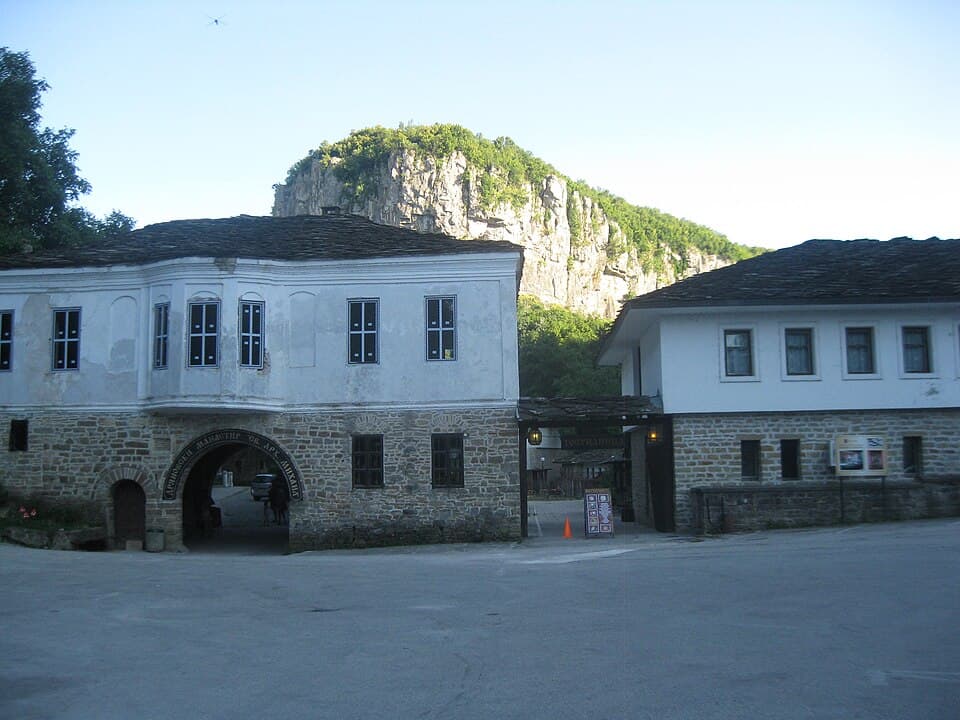
Dryanovo Monastery & Bacho Kiro Cave
In this guide▾
Two remarkable attractions sit three hundred metres apart in a dramatic limestone gorge that many drivers travelling between Veliko Tarnovo and Gabrovo pass without noticing. Dryanovo Monastery is one of the most historical sites in Bulgaria — the scene of a heroic nine-day siege in 1876 — and Bacho Kiro cave, located on the slope immediately above it, is both an accessible show cave and a Palaeolithic archaeological site of international importance.
They are best experienced together in a single visit, with the surrounding gorge trails providing a great reason to linger for half a day.
📍 Location & Access
The Andaka gorge cuts into the limestone cliff face about 5 km southwest of the town of Dryanovo, in the Fore-Balkan hills north of the main Balkan ridge. The monastery is nestled on the valley floor where the Andaka and Dryanovska rivers meet, while the cave entrance sits a short walk up a paved pathway behind the complex.
| From | Distance | Driving time |
|---|---|---|
| Dryanovo town | ~5 km | ~10 min |
| Tryavna | ~20 km | ~30 min |
| Gabrovo | ~15 km | ~25 min |
| Veliko Tarnovo | ~25 km | ~30 min |
| Sofia | ~230 km | ~3 h |
Parking (about €3) is in front of the monastery. Without a car, take the train: slow trains on the line through Dryanovo stop at the Bacho Kiro halt, about 1 km from the monastery — a 10–15 minute walk along a forest path. Fast trains stop only in Dryanovo town, an hour's walk away. For everything else, see our driving guide for Bulgaria.
⛪ Dryanovo Monastery: St Archangel Michael
The monastery traces its origin to the Second Bulgarian Empire, though it was destroyed and rebuilt several times across different locations before settling here. The current complex consists largely of 19th-century Revival architecture — built anew following the events of 1876.
The Siege of 1876
During the April Uprising, the monastery was transformed into a fortress. A detachment of roughly 200 Bulgarian insurgents, led by Pop Hariton and the local teacher Bacho Kiro, fortified themselves inside the stone buildings. Surrounded by a vastly superior Ottoman army, they held out for nine days before the position was breached. Most defenders died in battle; Bacho Kiro was captured and later executed in Veliko Tarnovo.
The stand at Dryanovo was part of the April Uprising, whose brutal suppression drew European attention to the Bulgarian cause and helped lead to the Russo-Turkish War (1877–78).
An ossuary and monument in the central courtyard commemorate the fallen rebels.
Visiting: the monastery is free to enter and open daily 09:30–18:30. From 5 April, a service is held in the main church between 07:30 and 09:00.
💡 Related Route: For the broader historical context of this era, see our Bulgarian National Revival trail.

🕳️ Bacho Kiro Cave
Named after the teacher and revolutionary who died in the siege below, the cave entrance sits about 300 metres from the monastery along a stepped path.
What You See
The cave features roughly 3,600 metres of surveyed passages across four levels, of which about 700 metres are lit for public tours. Visitors can choose between two routes:
- Short Route: 20–25 minutes, ideal for a quick walkthrough.
- Long Route: about 60 minutes, going deeper into the inner chambers; groups take it with a guide.
Inside, you will encounter diverse limestone formations — stalactites, stalagmites, draperies, and flowstone basins — across distinct halls such as the "Throne Hall", the "Rain Hall" and the "Concert Hall".

Tickets & Opening Hours
The cave is open 09:00–18:00 from 1 April to 1 November and 10:00–16:00 from 1 November to 1 April.
| Ticket | Short route (20–25 min) | Long route (~60 min) |
|---|---|---|
| Adults | €5 | €6 |
| Children over 7, pupils up to 18, students, pensioners, visitors with a disability certificate | €3 | €4 |
| Family (2 adults + up to 2 children under 18) | €12 | €15 |
| Children under 7 | free | free |
Taking photos costs an extra €3. These are the cave's 2026 prices (checked September 2026); they can change.
Archaeological Importance
Bacho Kiro is world-renowned in prehistory studies. It was first excavated in 1938 by Dorothy Garrod and Rafail Popov, and a Polish–Bulgarian team dug here in the 1970s. Groundbreaking research published in 2020 dated Homo sapiens bone remains found inside to roughly 45,000 years ago. These finds identify Bacho Kiro as one of the earliest recorded sites of modern humans in Europe.

💡 Practical Tip: The cave maintains a steady temperature of around 13°C year-round, so bring a warm fleece or jacket even in peak summer. Pathways are wet in sections; wear sturdy closed shoes with good grip.
For more cave itineraries across the country, see our guides to Prohodna, Devetashka Cave, and the Devil's Throat, or browse our complete guide to Bulgarian caves.
🥾 Walking the Gorge
The gorge itself offers fantastic outdoor walking. Marked eco-trails follow the Andaka and Dryanovska rivers, leading over wooden footbridges beneath towering limestone cliffs. The short loop takes around 40 minutes, while longer paths climb up to the plateau above for panoramic views over the valley.

The gorge is cool, shaded, and lush in summer, providing a pleasant nature walk alongside the cultural sites.
🏨 Where to Stay
The monastery rents rooms in the summer season only; it does not offer them in winter. Prices are per room per night (checked September 2026):
- Standard double room: €40.90
- Studio for three: €51.13
- Studio for four: €61.36
It is simple, but you wake up in the gorge before the day visitors arrive. For more choice, base yourself in Veliko Tarnovo or Tryavna, both about half an hour away.
🗓️ When to Go & Nearby Attractions
The site is accessible year-round. The cave operates in all weather conditions, making it an excellent rainy-day alternative when high-mountain hiking is washed out. Spring and autumn offer the pleasantest walking weather along the gorge trails.
Several top regional destinations are nearby:
- Tryavna (~20 km): Famous for its Revival woodcarving traditions and central square.
- Etar Open-Air Museum (~25 km): A working craft village museum near Gabrovo.
- Bozhentsi (~25 km): A preserved architectural reserve village.
- Veliko Tarnovo (~25 km): The historic medieval capital of Bulgaria.

A historic monastery, a cave holding the earliest trace of modern humans in Europe, and a scenic limestone gorge. Plan your visit with Mestala.com.
This guide covers 4 places
Want more Mestala in your Google results?
Add mestala.com as a preferred source and our guides will show up more often when you search. Requires a Google account.
Frequently Asked Questions
Where are Dryanovo Monastery and Bacho Kiro cave?▾
Both sit in the Andaka river gorge about 5 km southwest of the town of Dryanovo, in north-central Bulgaria. The cave entrance is only around 300 metres from the monastery, so the two are a single stop. The monastery is about 15 km from Gabrovo, and Dryanovo town is roughly 25 km from Veliko Tarnovo and around 20 km from Tryavna.
What happened at Dryanovo Monastery in 1876?▾
During the April Uprising against Ottoman rule, a band of around 200 rebels led by Pop Hariton and the teacher Bacho Kiro fortified themselves in the monastery and held out against a far larger Ottoman force for roughly nine days. The monastery was badly damaged and most of the defenders died; Bacho Kiro was captured and hanged.
How long is the Bacho Kiro cave tour?▾
The cave has around 3,600 metres of surveyed galleries, of which about 700 metres are lit and open to visitors on two routes: a short one of 20–25 minutes and a long one of about 60 minutes, which groups take with a guide.
How much does it cost to visit Dryanovo Monastery and Bacho Kiro cave?▾
The monastery is free. The cave costs €5 for adults on the short route and €6 on the long one; children over 7, pupils, students and pensioners pay €3 / €4, a family ticket for two adults and up to two children is €12 / €15, and children under 7 go in free. Taking photos costs €3 extra, and parking in front of the monastery is about €3 (checked September 2026).
Why is Bacho Kiro cave archaeologically important?▾
Excavations in the cave produced Homo sapiens remains dated to roughly 45,000 years ago — among the earliest known modern humans in Europe, published in 2020. The finds place Bacho Kiro among the continent's most significant Palaeolithic sites.
Is the cave cold, and what should you wear?▾
Yes. The cave holds a steady temperature year-round — expect around 13°C regardless of the weather outside, so bring a jacket even in August. The paths are wet in places and can be slippery; wear sturdy closed shoes with good grip.
Can you walk in the gorge itself?▾
Yes, and it's a highlight many visitors miss. Marked eco-trails follow the Andaka and Dryanovska rivers through the gorge, crossing footbridges beneath limestone cliffs. A short loop takes under an hour, while longer routes climb higher into the limestone plateau.
You might be interested in
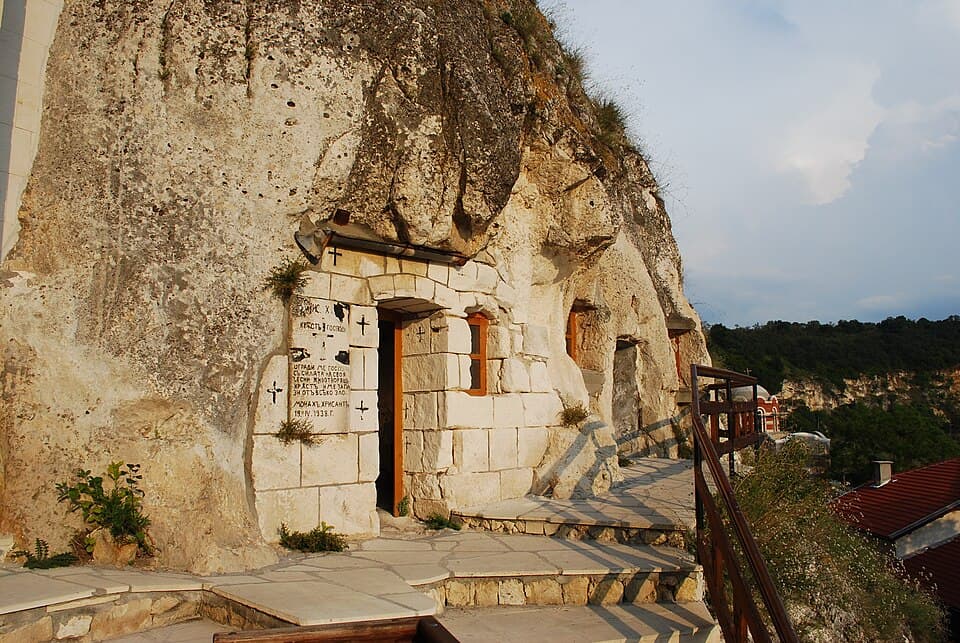
Ivanovo Rock-Hewn Churches & the Rusenski Lom Valley (UNESCO)
A travel guide to the Rusenski Lom valley south of Ruse: the UNESCO Ivanovo Rock-Hewn Churches and their medieval frescoes, the Cherven fortress, the working Basarbovo rock monastery, and how to combine all three in one day.
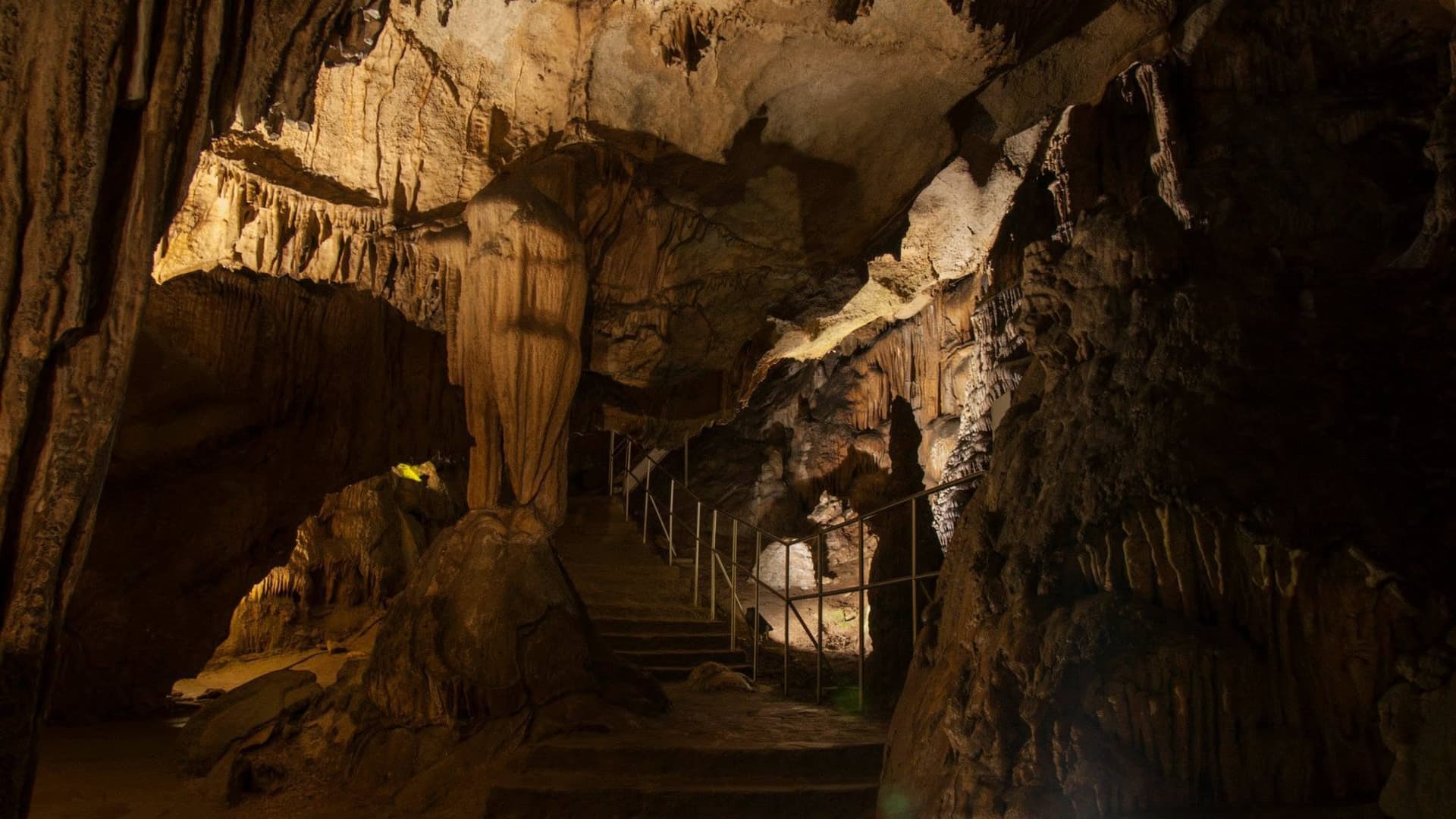
The Caves of Bulgaria: Which Ones Are Worth It
A guide to Bulgaria's show caves — Prohodna, Devetashka, the Devil's Throat, Ledenika, Bacho Kiro, Magura, Yagodina, Saeva Dupka and Snezhanka — with what each one is actually for and how to pair them.
Koprivshtitsa: A Guide to Bulgaria's Museum Town
Plan your weekend getaway to Koprivshtitsa. Discover the best house-museums, the Kalachev Bridge, driving distances, and where to stay for an authentic experience.
Belogradchik Rocks & Fortress: NW Bulgaria's Wonder
A guide to the Belogradchik Rocks and Fortress: how to get there, what to see, the Magura Cave, parking, family tips, distances and where to stay.