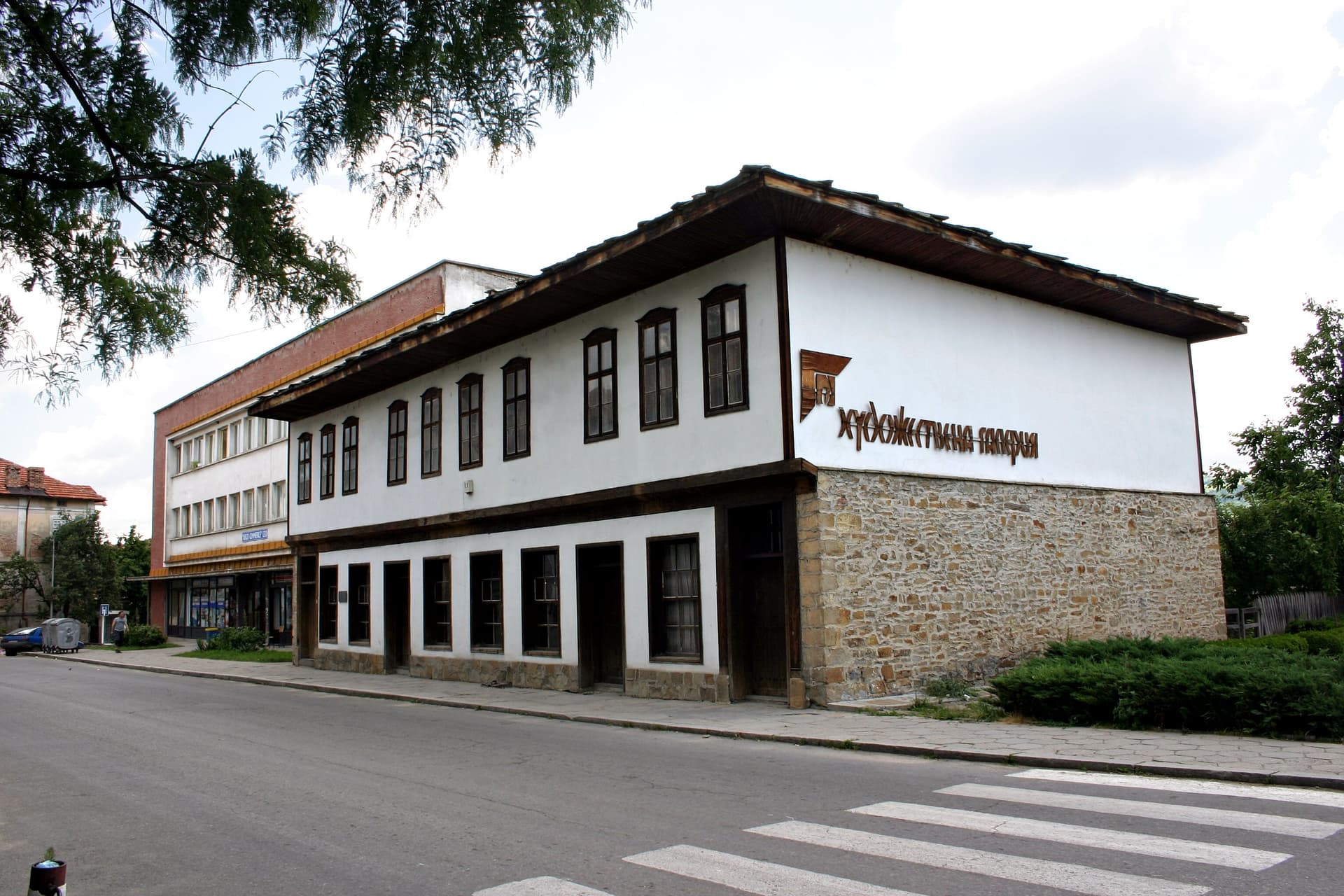
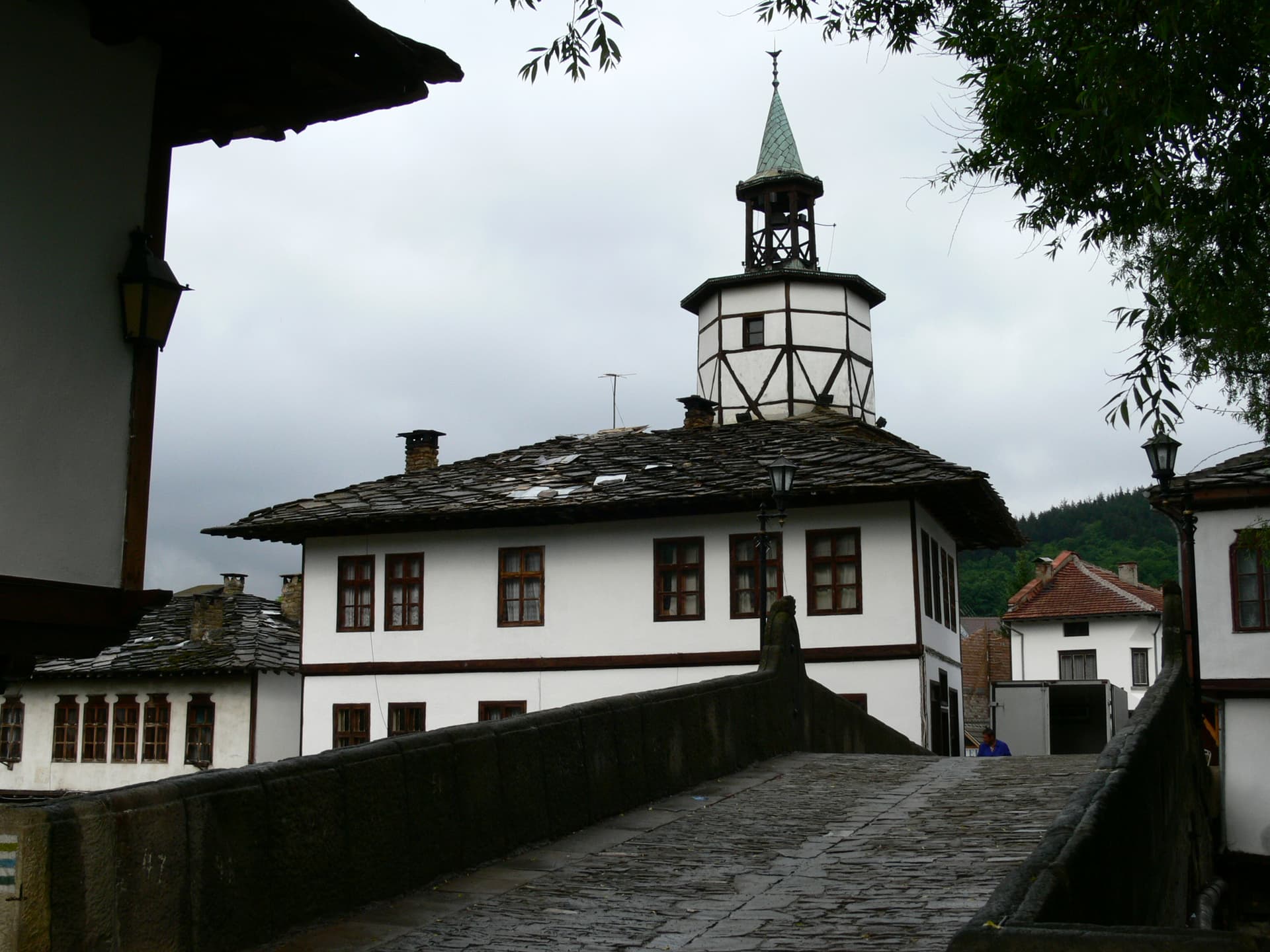
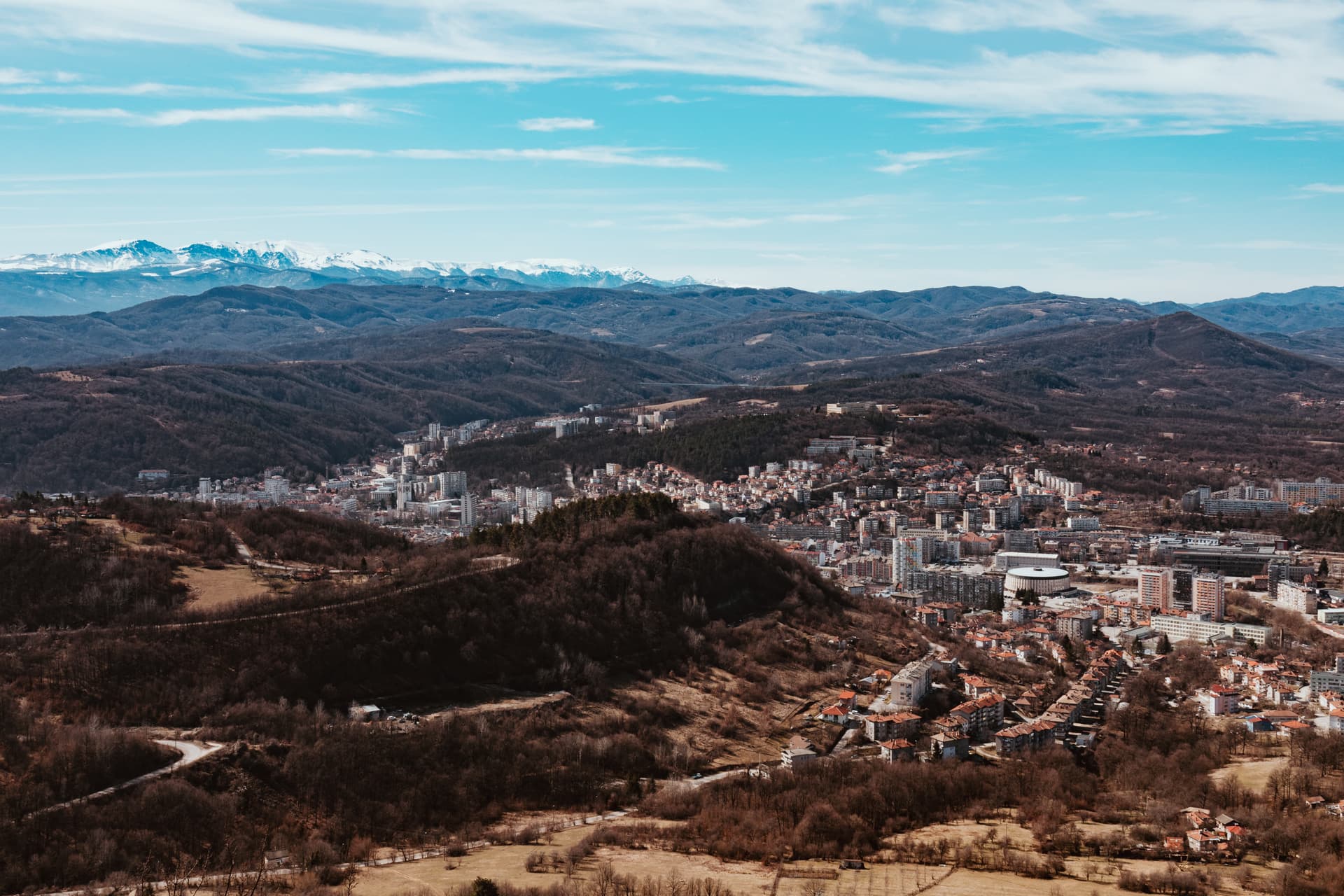
Nestled in the lush southern slopes of the Gabrovo Hills, the Architectural and Historical Reserve of Bozhentsi is one of the most picturesque and authentic villages in Bulgaria. Located just 9 km east of Gabrovo and 6 km west of Tryavna, this fairytale destination captivates visitors with its cobblestone streets, preserved Revival-era houses, and fresh mountain air along the Andaka River.
According to local legend, the village was founded in 1393 by the noblewoman Bozhana, who fled the capital city of Tarnovo after its fall to Ottoman rule, seeking refuge in the hidden valleys of the Balkan Mountains.
By the 18th and 19th centuries, Bozhentsi grew into a thriving trade and craft hub. The enterprising locals exported wool, leather, and beeswax to major international trade centers including Vienna, Bucharest, Constantinople, and Alexandria. The villagers were also dedicated patriots who actively fought for national independence during the 1876 April Uprising and the Russo-Turkish War.
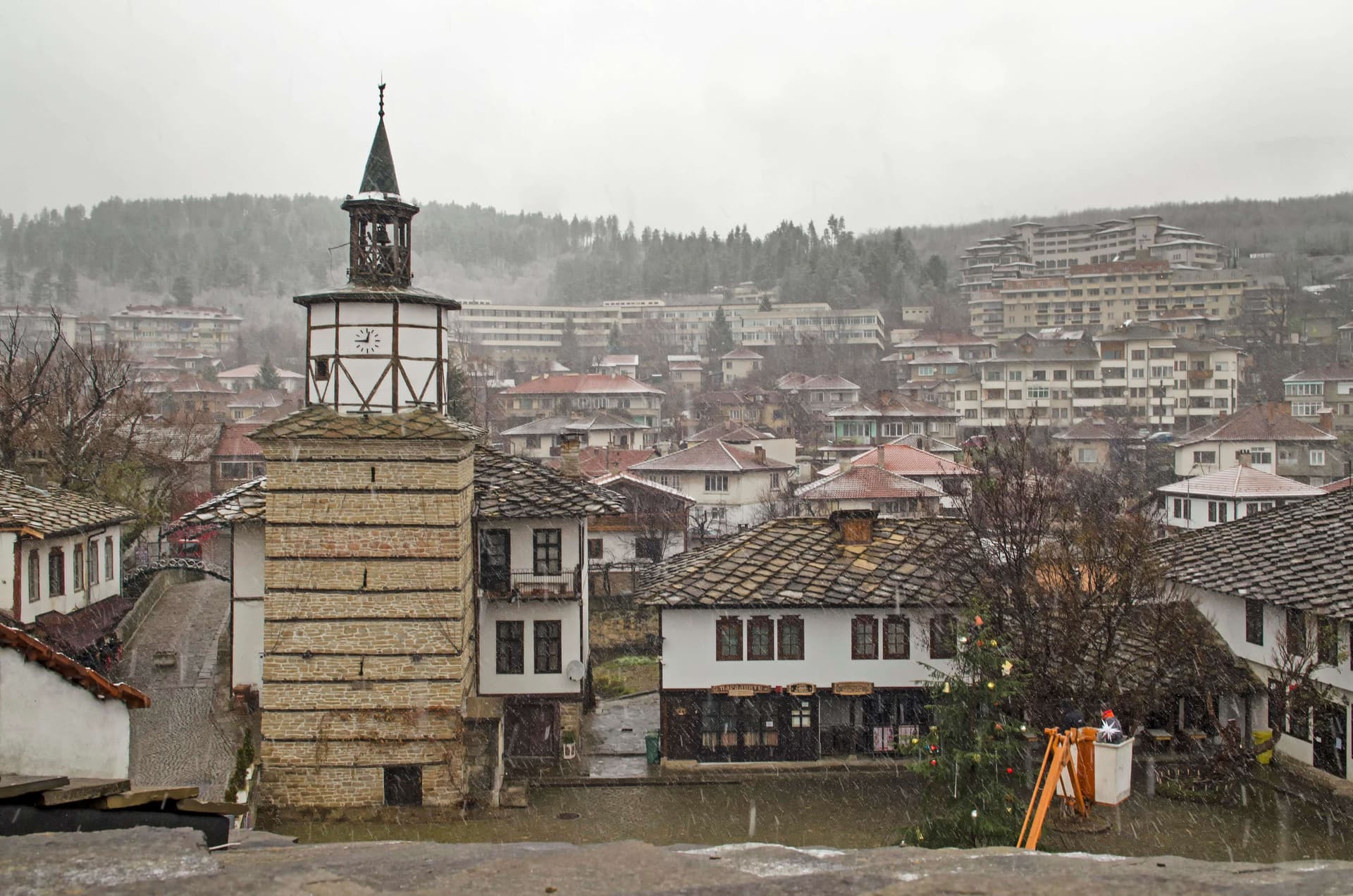
Today, the entire village is preserved as an architectural reserve, showcasing two-story stone houses with wide wooden verandas and slate roofs. Highlights include:
Bozhentsi is officially listed among the 100 Tourist Sites of Bulgaria, attracting over 25,000 travelers each year.
Opening Hours:

Gabrovo region
2.7 km away
Gabrovo region
3.0 km away
Gabrovo region
3.5 km away
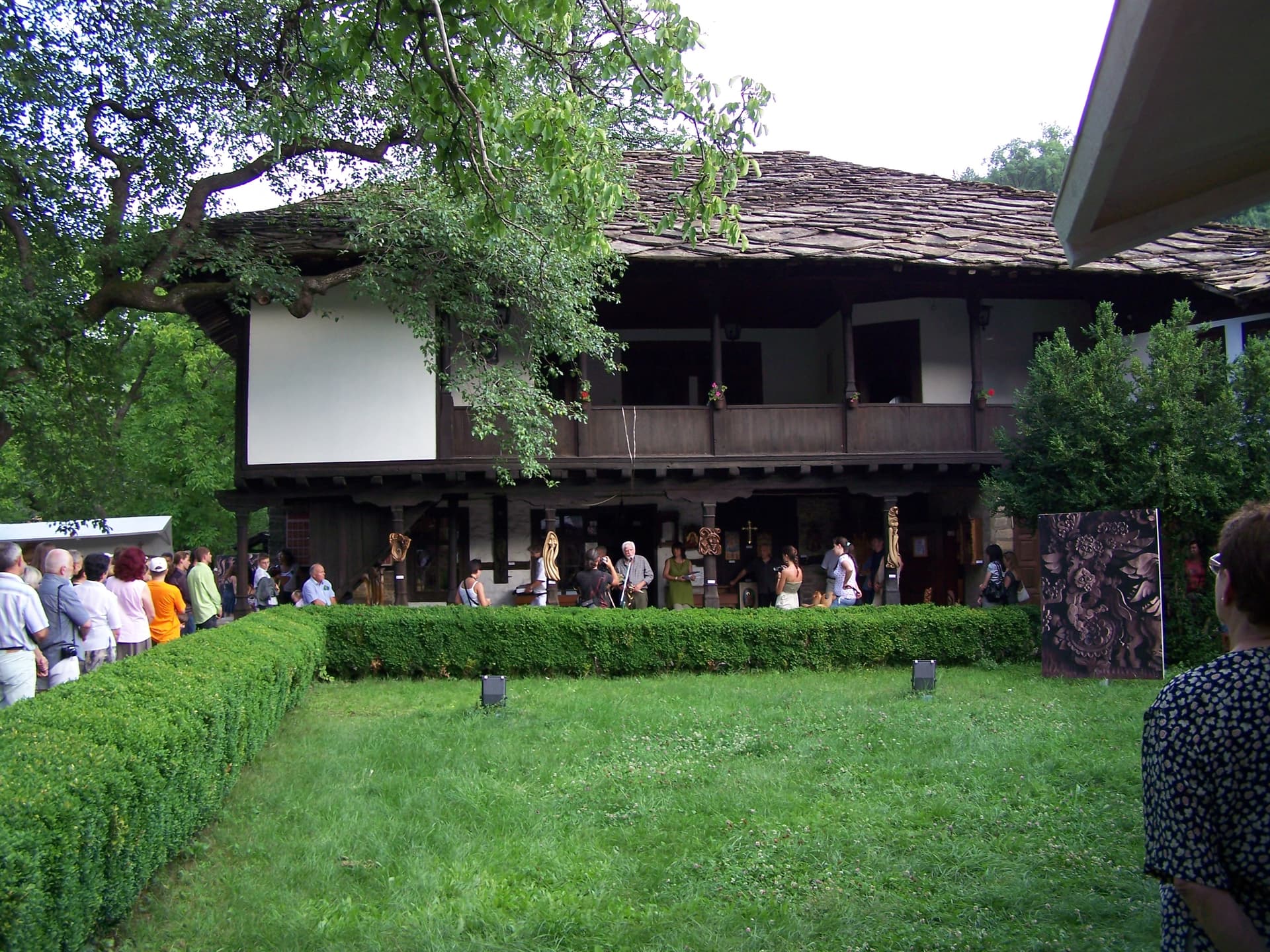
Gabrovo region
5.3 km away
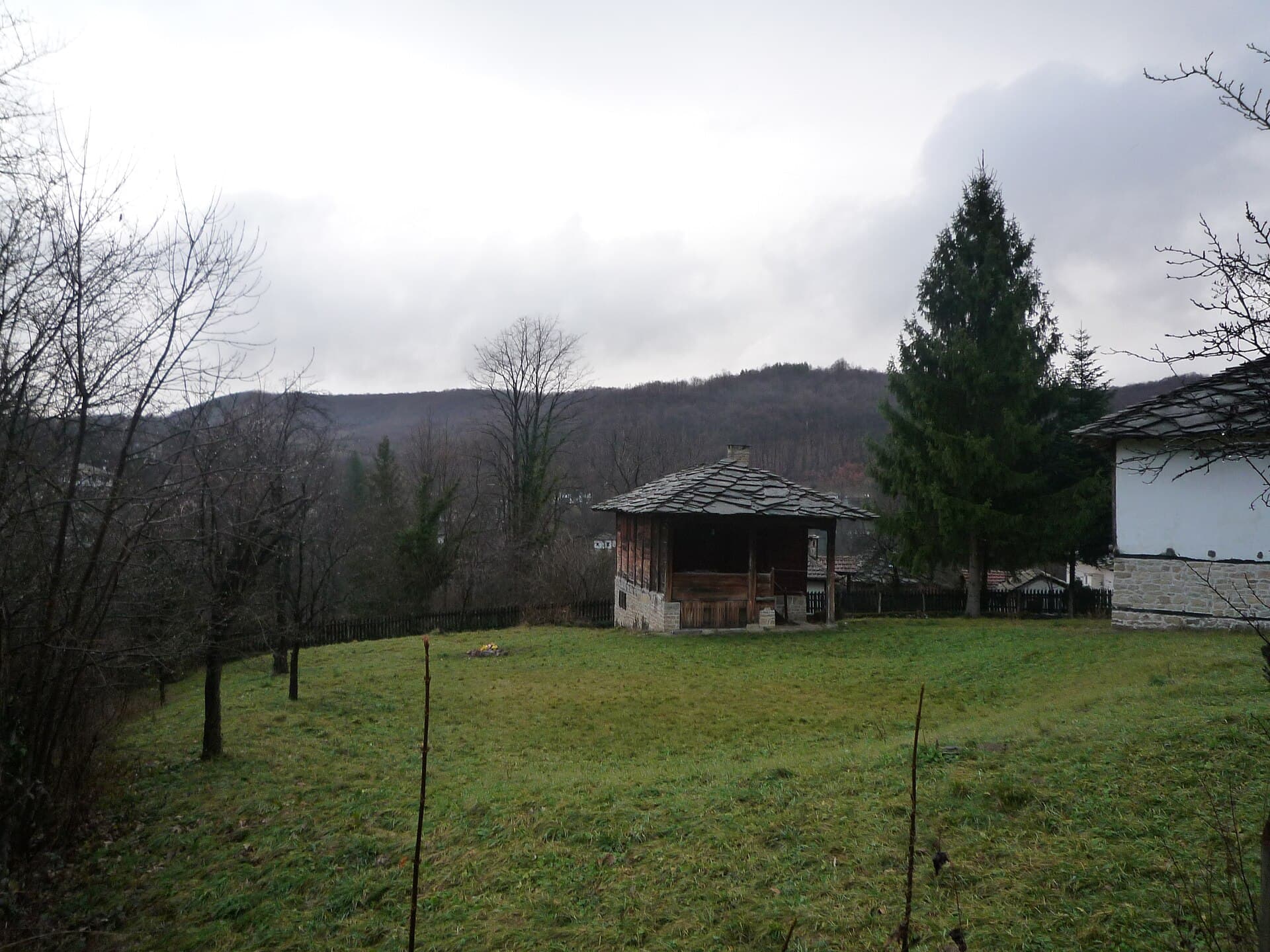
A guide to Bozhentsi, the protected architectural reserve village near Gabrovo: about a hundred stone-roofed Revival houses, the Doncho Popa house-museum, the founding legend, and why it stays quiet when Koprivshtitsa fills up.
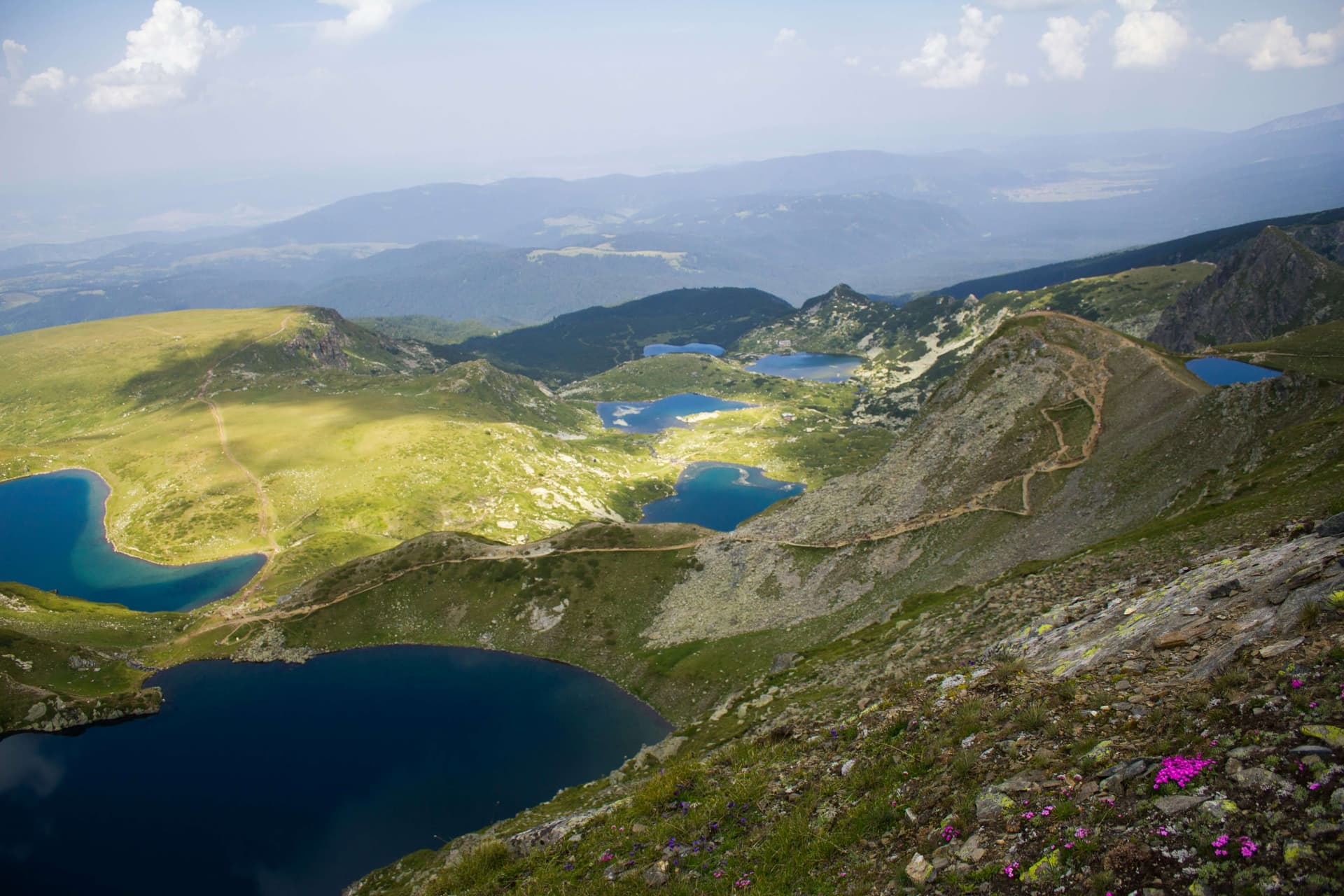
A guide to Bulgaria's three national parks and eleven nature parks — Rila, Pirin, Central Balkan, Vitosha, Vrachanski Balkan, Strandzha, Persina and the rest — what the categories mean and which to visit.
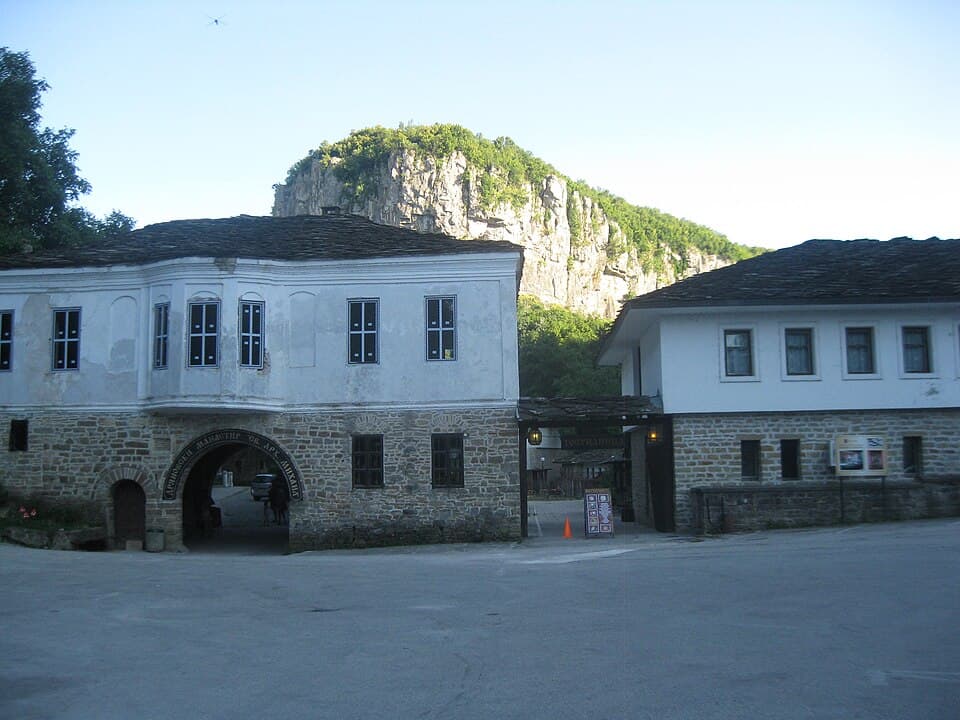
A guide to the Dryanovo Monastery and the Bacho Kiro cave in the Andaka gorge: the nine-day siege of 1876, the cave's two lit routes, the 45,000-year-old human remains found inside, and how to walk the gorge trails.
Bozhentsi is located in Gabrovo, Bulgaria.
Bozhentsi is most easily reached by car. Use the coordinates above to navigate, or open the location in OpenStreetMap or your preferred maps app for turn-by-turn directions. Public transport options vary by region — for remote destinations a rental car gives the most flexibility.
Bozhentsi can be visited year-round, but late spring (May–June) and early autumn (September–October) offer the most pleasant weather and fewer tourists. Summer is the busiest season; winter is the quietest, with shorter daylight and possible cold weather.
Bulgarian settlements typically reward unhurried walking — historic centres, churches and monasteries, local markets, and family-run restaurants serving regional dishes. Larger towns often have museums and seasonal cultural events. The local tourist information centre is a good first stop for current opening hours and what's on.