MestalaMestala
HomePlacesMapTripBlogAboutFAQ
EN|БГ

Discover Bulgaria with Mestala.

AboutFAQLicensePrivacy
Dryanovo Monastery
LandmarksGabrovo

Dryanovo Monastery

HomePlacesLandmarksDryanovo Monastery
Coordinates: 42.95038, 25.43223
View on OpenStreetMapGet directions

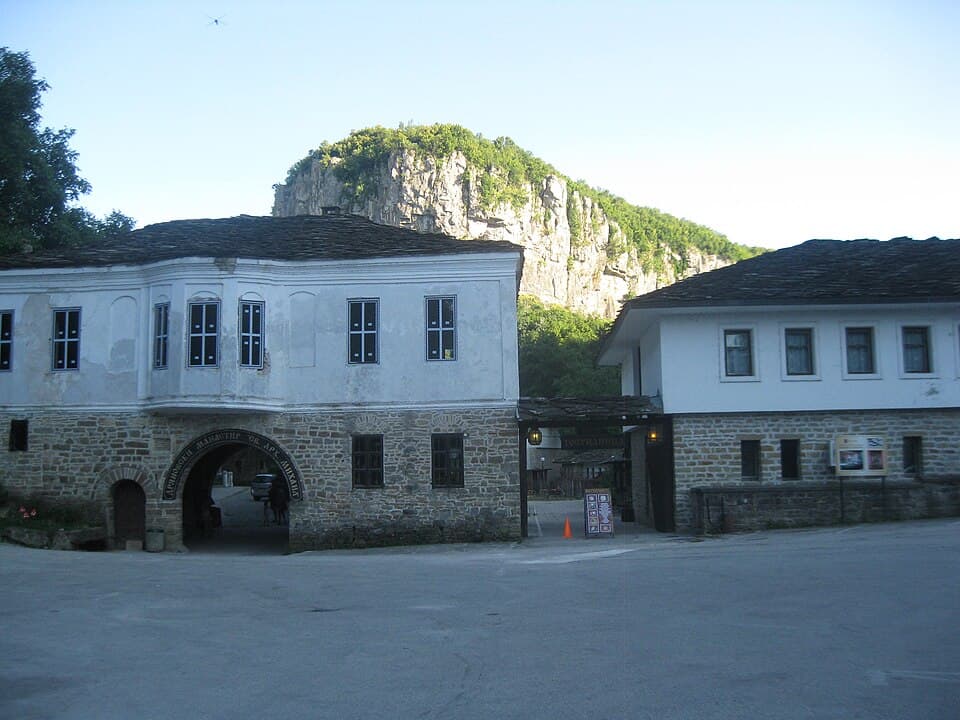
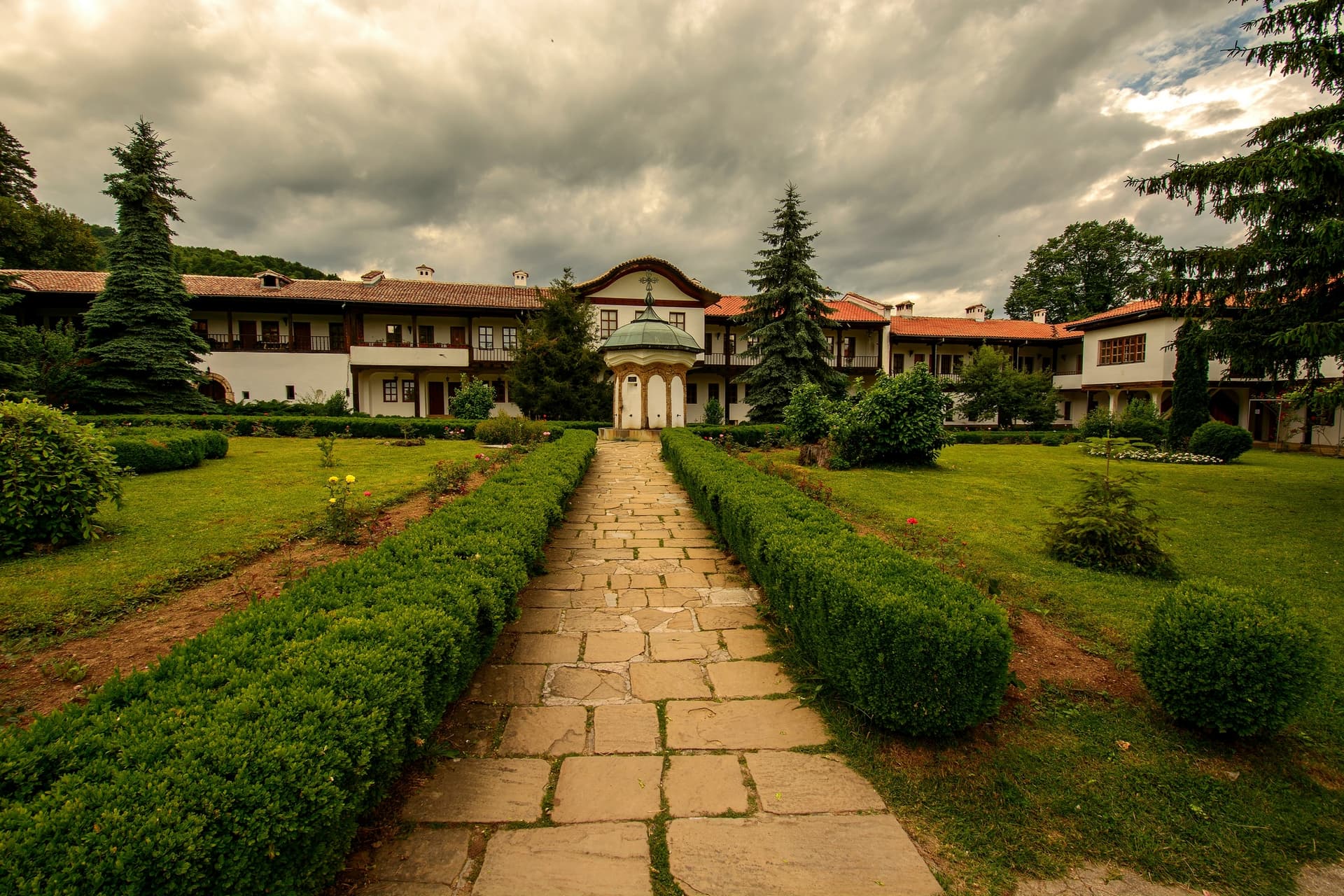
Nestled within the picturesque gorge of the Dryanovska River, just 5 km kilometers southwest of Dryanovo and 15 km from Gabrovo, the Dryanovo Monastery of St. Archangel Michael stands as one of Bulgaria's most revered Orthodox sanctuaries. Encased by the towering limestone cliffs of Boruna and Polichkite, this active male monastery blends centuries of spiritual faith, revolutionary heroism, and ancient prehistoric history. Prehistoric Heritage & Royal Origins The canyon surrounding the monastery shelters some of the earliest evidence of human habitation in Europe: - Bacho Kiro Cave: Located just steps from the monastery gates, this cave contains a 5-meter-deep cultural layer dating back to the Middle and Upper Paleolithic eras (100,000 to 10,000 BC) with over 6,000 archaeological artifacts. Today, it is fully illuminated and developed for tourists. - Medieval Fortresses: High above the canyon, the Early Byzantine fortresses of Boruna and Gradat served as vital strongholds protecting the Balkan mountain passes, later becoming key outer defenses for the medieval Bulgarian capital of Tarnovgrad under the Asen Dynasty. - Royal Founding: According to tradition, the monastery was originally founded around 1206 during the reign of Tsar Kaloyan, when the holy relics of St. Michael the Warrior rested at this sacred spot on their way to Tarnovgrad. Bastion of the 1876 April Uprising Throughout the centuries of Ottoman rule, the monastery served as a vital educational center and safe haven for Bulgarian revolutionaries, including the national hero Vasil Levski. The monastery's most famous chapter was written during the April Uprising of 1876: - The 9-Day Siege: On April 29, 1876, the rebel detachment led by Father Hariton and Petar Parmakov sought refuge within the monastery walls. Surrounded by Ottoman forces, the freedom fighters fought a heroic 9-day siege before falling for Bulgaria's independence. - Living History: Rebuilt in 1845 and re-consecrated in 1877, the main monastery church intentionally remains unpainted, preserving the original bullet holes and shrapnel marks in its stone walls as a permanent memorial. - Mausoleum Monument: In 1897, an impressive stone mausoleum and monument designed by Italian architect Giovanni Mossuti was erected in the courtyard to honor the fallen rebels. Useful Visitor Information - Location: 5 km southwest of Dryanovo, easily accessible via a paved road with ample vehicle parking. - Train Access: Serviced by the "Bacho Kiro" railway stop along the Ruse–Momchilgrad line, located about 1 km away via a scenic forest trail. - Accommodation: Dryanovo Monastery offers overnight lodging options for pilgrims and travelers in its residential wings. - Nearby Attractions: Visitors can explore Bacho Kiro Cave, the Dryanovo Eco-Trail, the April Uprising Museum within the monastery complex, and the scenic limestone cliffs. - Trip Tip: Dryanovo Monastery is listed among the 100 Tourist Sites of Bulgaria. A visit pairs perfectly with an easy walk along the eco-trail to Bacho Kiro Cave or a hike up to the scenic Polichkite cliff viewpoints.
7-day forecast

Weather data from MET Norway

Nearby Places

Archeological Museum Gabrovo
Museums

Archeological Museum Gabrovo

Gabrovo

0.0 km away

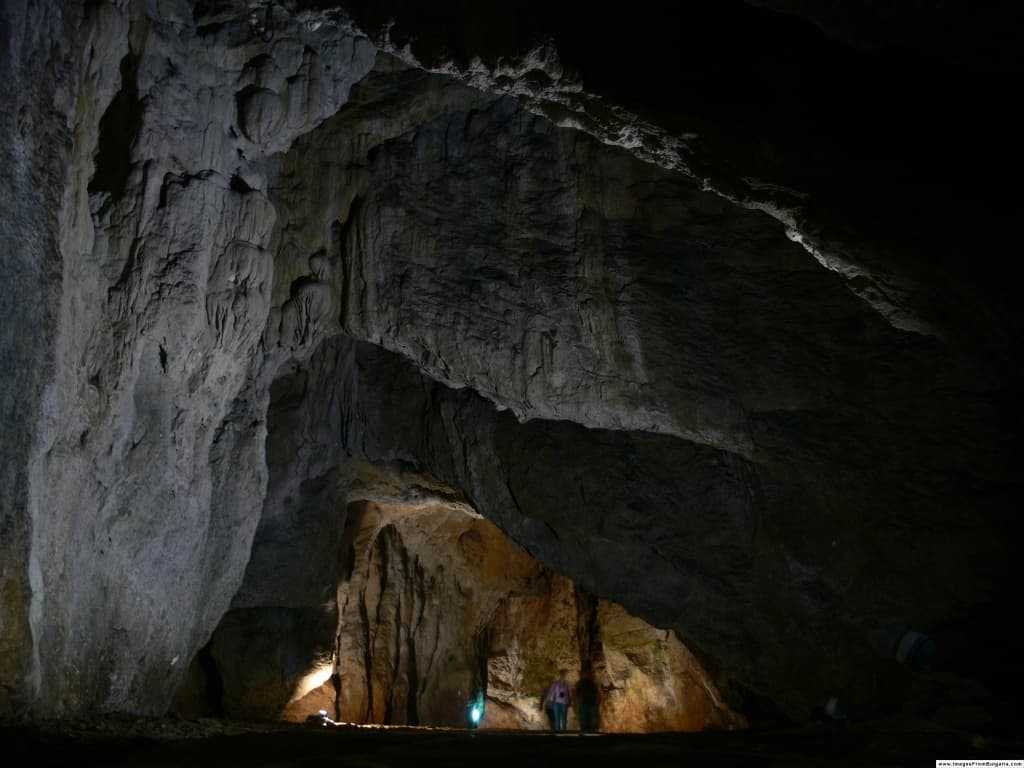
Bacho Kiro Cave
Caves

Bacho Kiro Cave

Gabrovo

0.4 km away

European long distance path E3 - part Bulgaria
Trails

European long distance path E3 - part Bulgaria

Gabrovo

3.8 km away

Dryanovo
Settlements

Dryanovo

Gabrovo

4.2 km away

More to explore

Sokolski Monastery
Landmarks

Sokolski Monastery

Gabrovo

Racho the Blacksmith Monument
Landmarks

Racho the Blacksmith Monument

Gabrovo

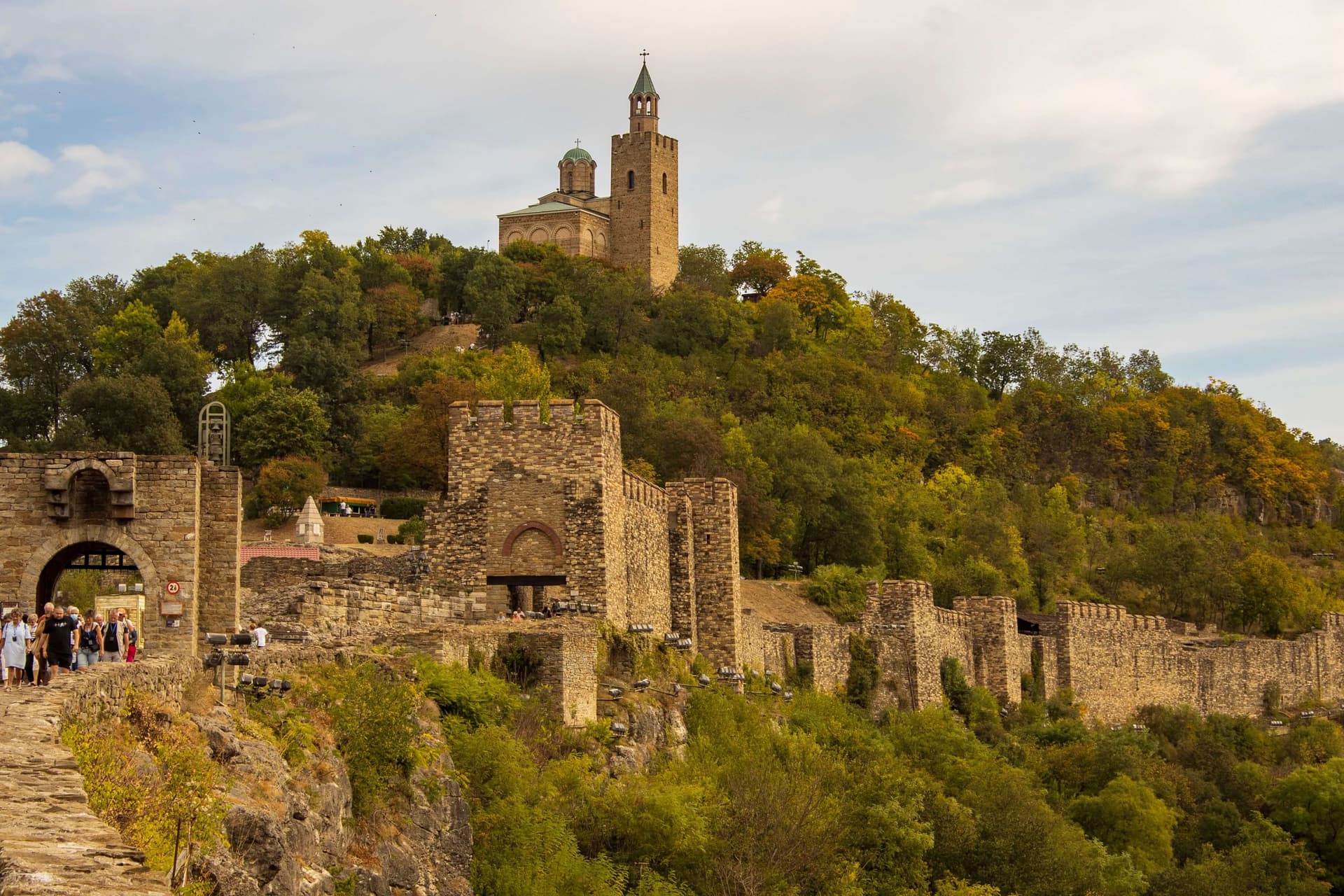
Tsarevets
Landmarks

Tsarevets

Veliko Tarnovo

Ostrusha Thracian Tomb
Landmarks

Ostrusha Thracian Tomb

Stara Zagora

Read more in our travel guides

Dryanovo Monastery & Bacho Kiro Cave

Dryanovo Monastery & Bacho Kiro Cave

A guide to the Dryanovo Monastery and the Bacho Kiro cave in the Andaka gorge: the nine-day siege of 1876, the cave's two lit routes, the 45,000-year-old human remains found inside, and how to walk the gorge trails.
9 August 20265 min read
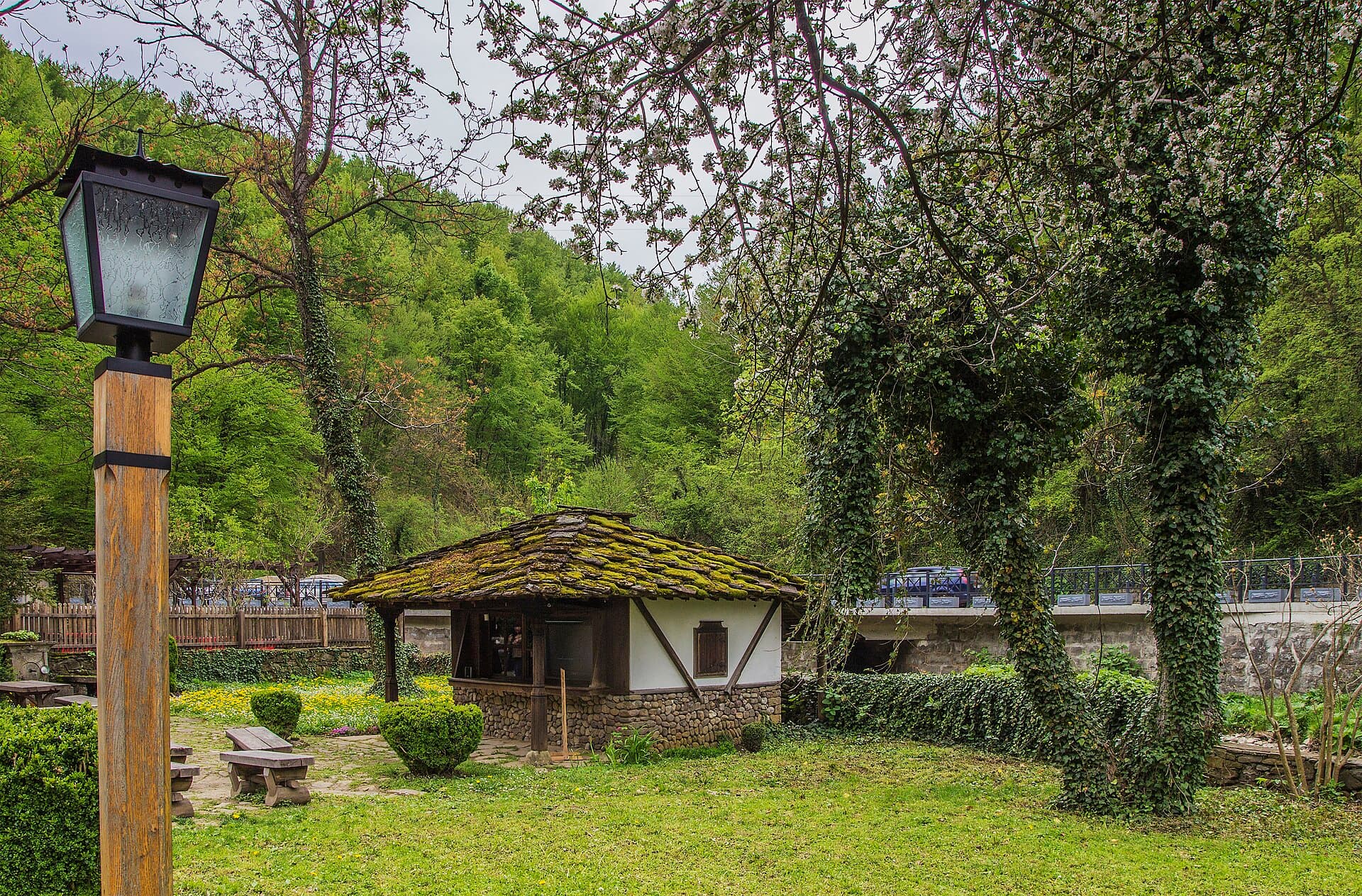
Etar: Bulgaria's Working Open-Air Museum

Etar: Bulgaria's Working Open-Air Museum

A guide to the Etar Architectural-Ethnographic Complex near Gabrovo: a reconstructed Revival craft street where the workshops still run on water power, what each trade does, how long to allow, and how to combine it with Tryavna and Bozhentsi.
9 August 20265 min read
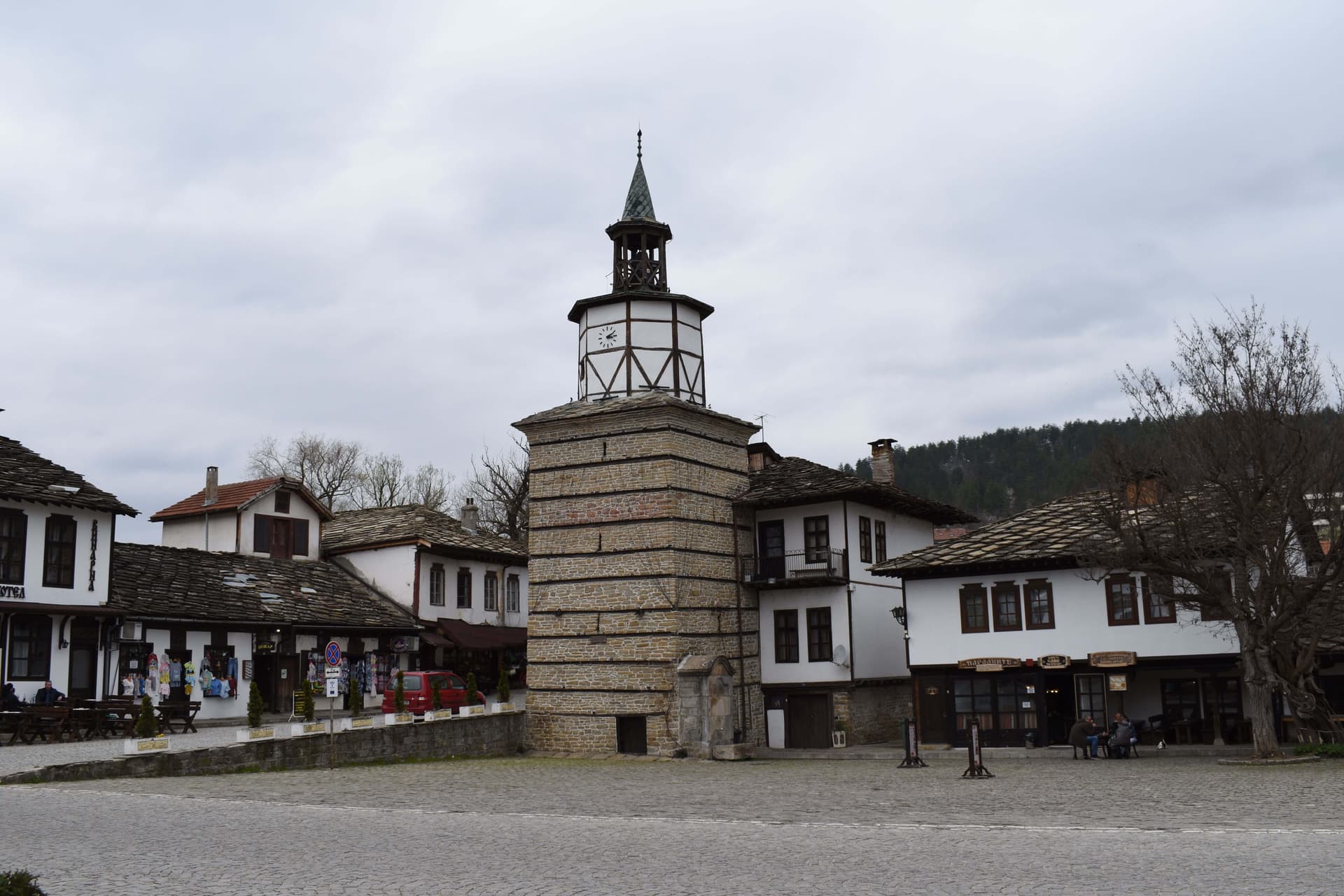
Tryavna: Bulgaria's Woodcarving Town

Tryavna: Bulgaria's Woodcarving Town

A travel guide to Tryavna in the Balkan Mountains: the oldest preserved Revival square in Bulgaria, the 1814 clock tower, the Daskalov House sun ceilings, the Tryavna woodcarving school, and how to combine it with Bozhentsi and Dryanovo.

9 August 20266 min read

Frequently asked questions

Where is Dryanovo Monastery located?

Dryanovo Monastery is located in Gabrovo, Bulgaria.

How do I get to Dryanovo Monastery?

Dryanovo Monastery is most easily reached by car. Use the coordinates above to navigate, or open the location in OpenStreetMap or your preferred maps app for turn-by-turn directions. Public transport options vary by region — for remote destinations a rental car gives the most flexibility.

What is the best time to visit Dryanovo Monastery?

Dryanovo Monastery can be visited year-round. Spring and autumn offer the most pleasant conditions for exploring, with mild temperatures and fewer crowds. Summer is ideal for photography and longer day trips; winter visits are possible but weather can limit access at some sites.

What should I know before visiting Dryanovo Monastery?

Most natural landmarks in Bulgaria are freely accessible and open year-round, though some sites have entrance fees or require a guide. Wear sturdy footwear and bring water, as the terrain can be uneven. Respect any protective barriers and stay on marked paths to preserve the site.