

The Caves of Bulgaria: Which Ones Are Worth It
In this guide▾
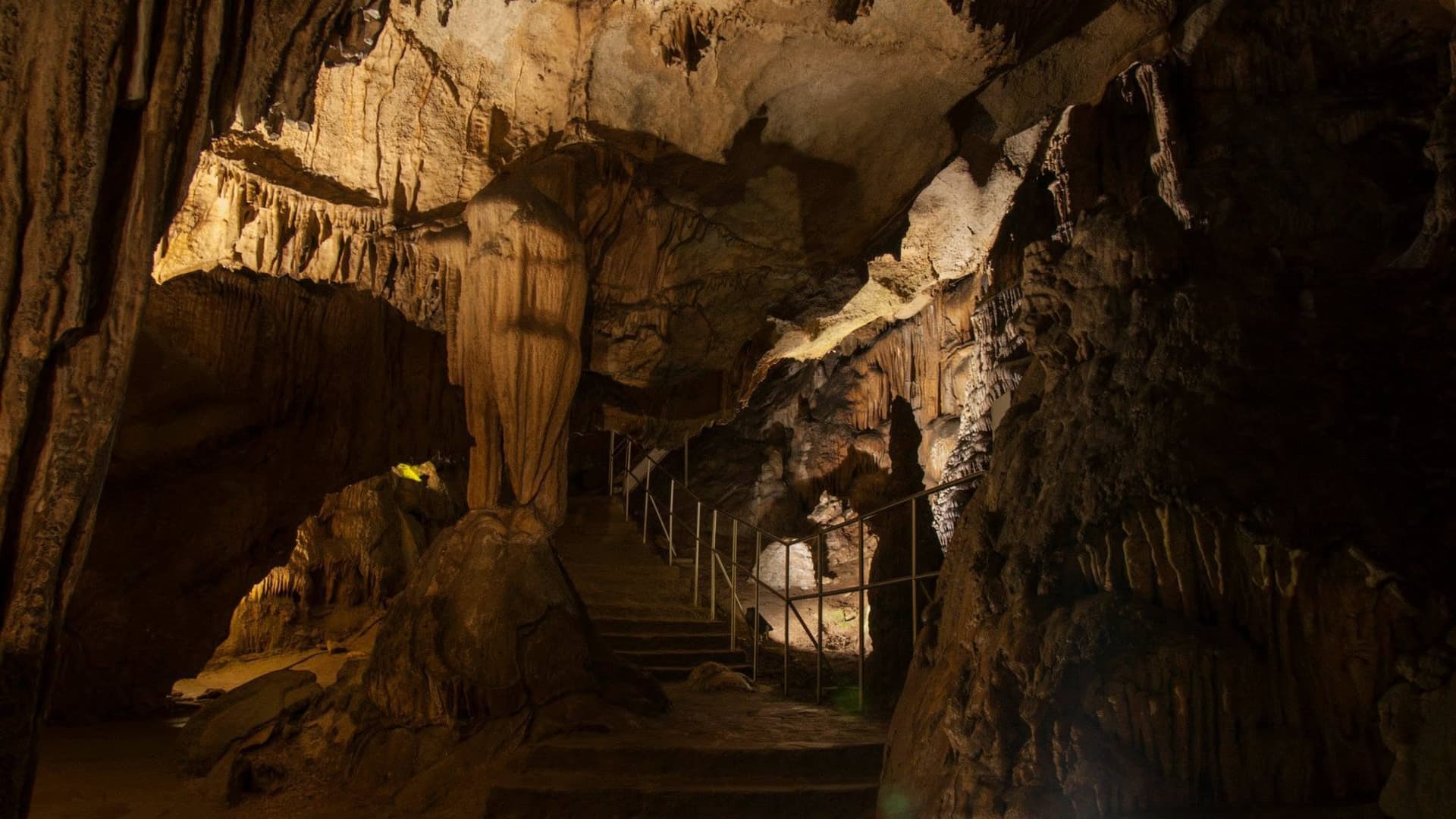
Bulgaria is a limestone country, and limestone plus water makes holes. Several thousand caves have been surveyed here; around ten are developed for visitors with lighting and paved paths.
The problem is that they get written about as if they were interchangeable. They are not — one is a giant open hall, one has an underground river, one holds 45,000-year-old human remains, and another features paintings executed in bat guano. This guide sorts them by what each one is actually for.
🕳️ The Ones Worth Planning Around
1. Prohodna — "The Eyes of God"
The famous one, and rightly so. Two symmetrical eye-shaped openings in the roof of a natural tunnel, staring straight up out of the rock. No ticket, no guide, no opening hours — you simply walk into Prohodna and enjoy the view.
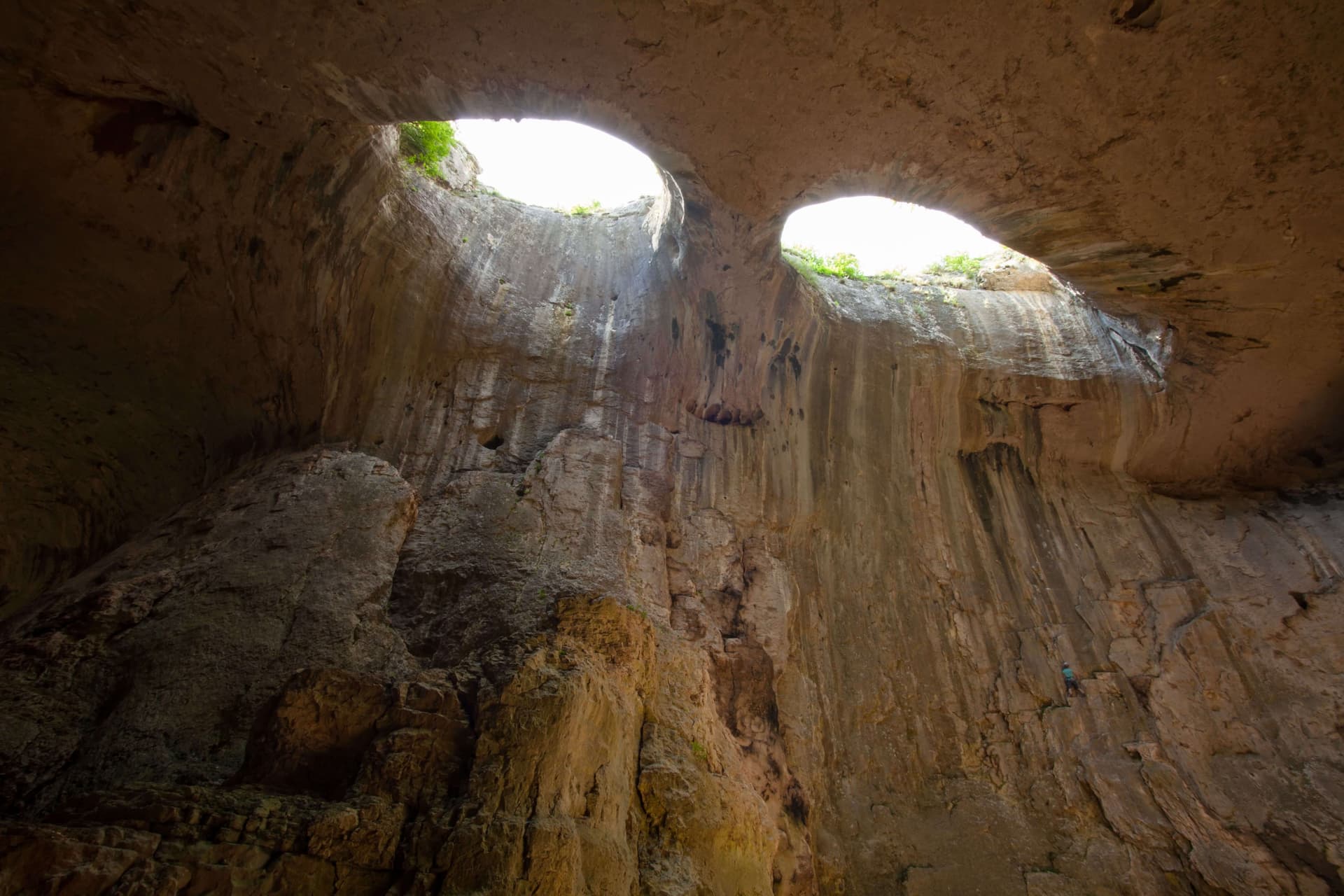
Located north of Lukovit, it easily pairs with Devetashka and Krushuna. Our full Prohodna guide has the details.
2. Devetashka — The Biggest Room
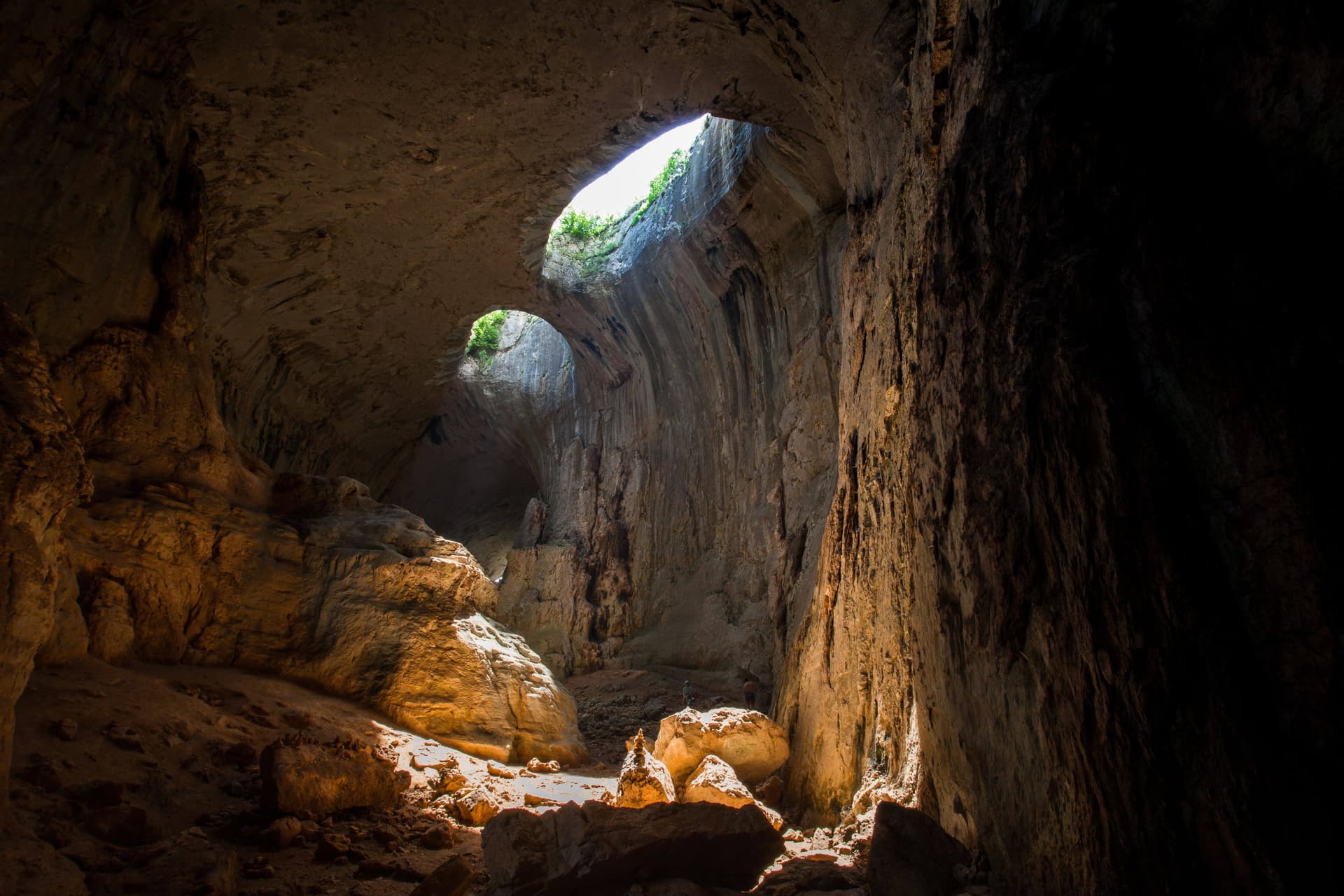
An enormous single chamber with a partly collapsed roof letting daylight in through several openings, a river running through it, and a massive bat colony in the dark end. The scale is the main attraction, and it is genuinely hard to capture on camera.
💡 Practical Note: Access to certain inner galleries can be seasonally restricted to protect breeding bat colonies — check before going. See our dedicated Devetashka guide.

3. The Devil's Throat — The Underground Waterfall
Tucked into the Trigrad Gorge in the Rhodopes. A river disappears into the mountain and plunges 42 metres into a cavern called the Rumbling Hall. Ancient legend says Orpheus descended here to the underworld, and nothing that enters the siphon has ever come back out.
The catch: You exit up a narrow tunnel via over 300 steep concrete steps. This is the least accessible major cave in the country for mobility-impaired visitors.

4. Magura — The Prehistoric Paintings
Near Belogradchik in the north-west. Magura's main distinction is not its formations, but prehistoric wall paintings executed in bat guano, spanning thousands of years of human use. It is one of the most significant cave-art sites in South-Eastern Europe.
Pairs perfectly with Belogradchik Fortress and Vidin.

5. Ledenika — The Cold One
Set above Vratsa at 830 m altitude, Ledenika features ten chambers and impressive ice formations near the entrance in winter and spring — the name translates directly to "icy." Its Concert Hall boasts acoustics good enough to host live musical performances. Covered in our Vratsa guide.
6. Bacho Kiro — The Oldest Europeans
Located beside Dryanovo Monastery in the Central Balkan. It offers two lit routes through a system of around 3,600 surveyed metres — but its main distinction is archaeological: Homo sapiens remains dated to roughly 45,000 years ago, among the earliest known in Europe. See our Dryanovo guide.

💎 The Formation Caves
If what you want is an array of stalactites, stalagmites, and draperies, these are the top picks:
- Yagodina Cave — located in the Rhodopes near Trigrad, a multi-level system with several kilometres surveyed and a long lit path. It is the most formation-rich show cave in the country.
- Saeva Dupka — near Brestnitsa in the Lovech karst, compact, densely decorated, and very easy to reach from the main Sofia–Varna road.
- Uhlovitsa — Rhodopes, near Smolyan, known for its white calcite cascade formations and a demanding stepped approach.
- Snezhanka — near Peshtera, small but exceptionally well decorated, with a short steep walk up to the entrance.
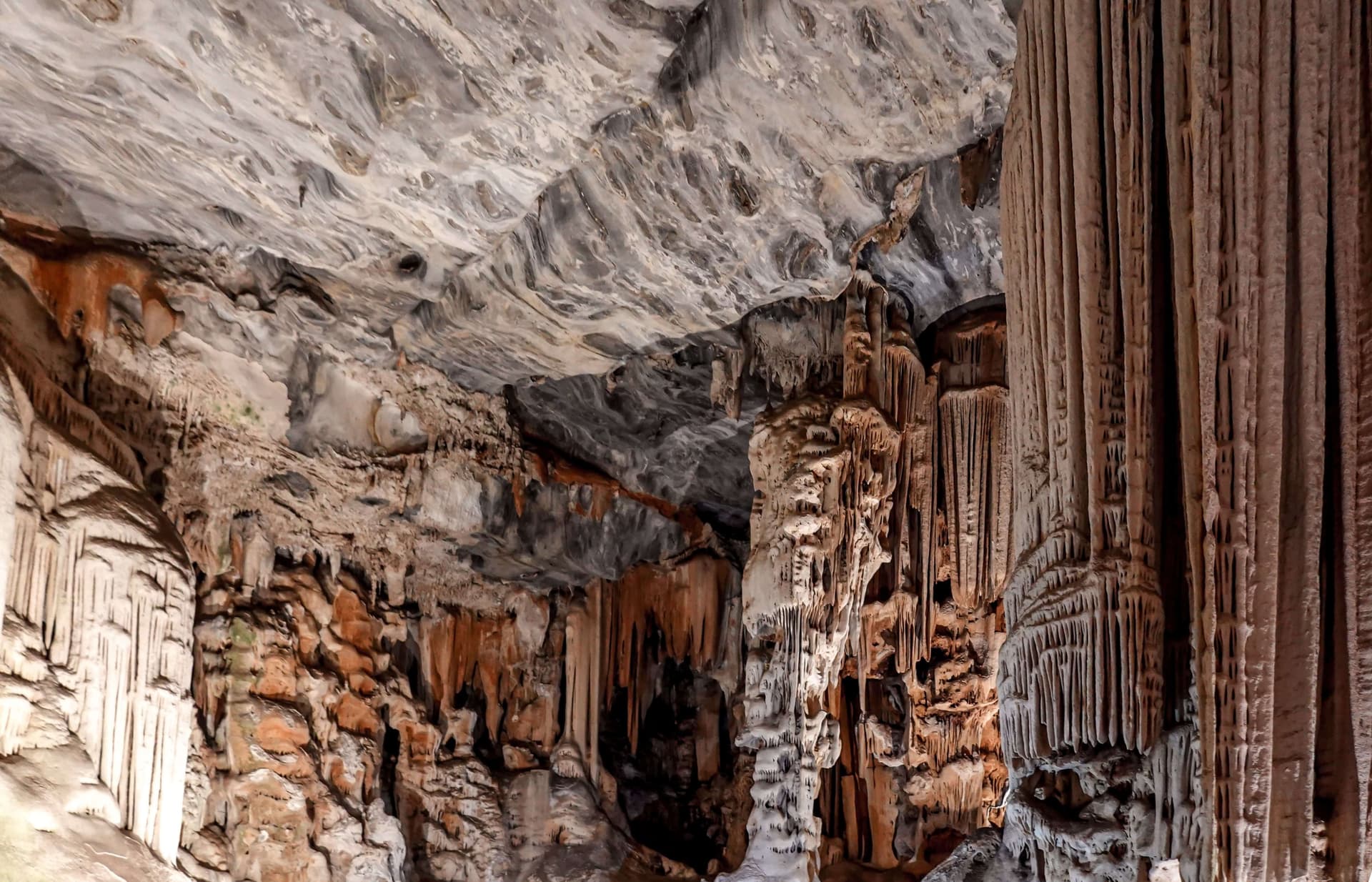
The Rhodope group is covered in detail in our Rhodope Mountains guide and Smolyan guide.
🗺️ Three Regional Clusters
Because Bulgaria's caves are scattered across the country, it makes sense to group them geographically:
| Cluster | Caves | Pair with |
|---|---|---|
| Lovech karst | Prohodna, Devetashka, Saeva Dupka | Krushuna Falls, Pleven |
| Rhodopes | Devil's Throat, Yagodina, Uhlovitsa, Snezhanka | Trigrad Gorge, Smolyan |
| North-west | Ledenika, Magura | Belogradchik, Vratsa |
Note: Bacho Kiro sits on its own near Dryanovo, best paired with a tour of the Central Balkan towns.
⚠️ The Undeveloped Ones: A Safety Note
Beyond the show caves lie several thousand wild caves.
Duhlata, under Vitosha, is the longest cave system in Bulgaria at well over 18 km of surveyed passages across multiple levels — and it is a technical environment reserved strictly for equipped speleologists. Temnata Dupka near Lakatnik in the Iskar Gorge and Orlova Chuka near Ruse are among the other major systems.
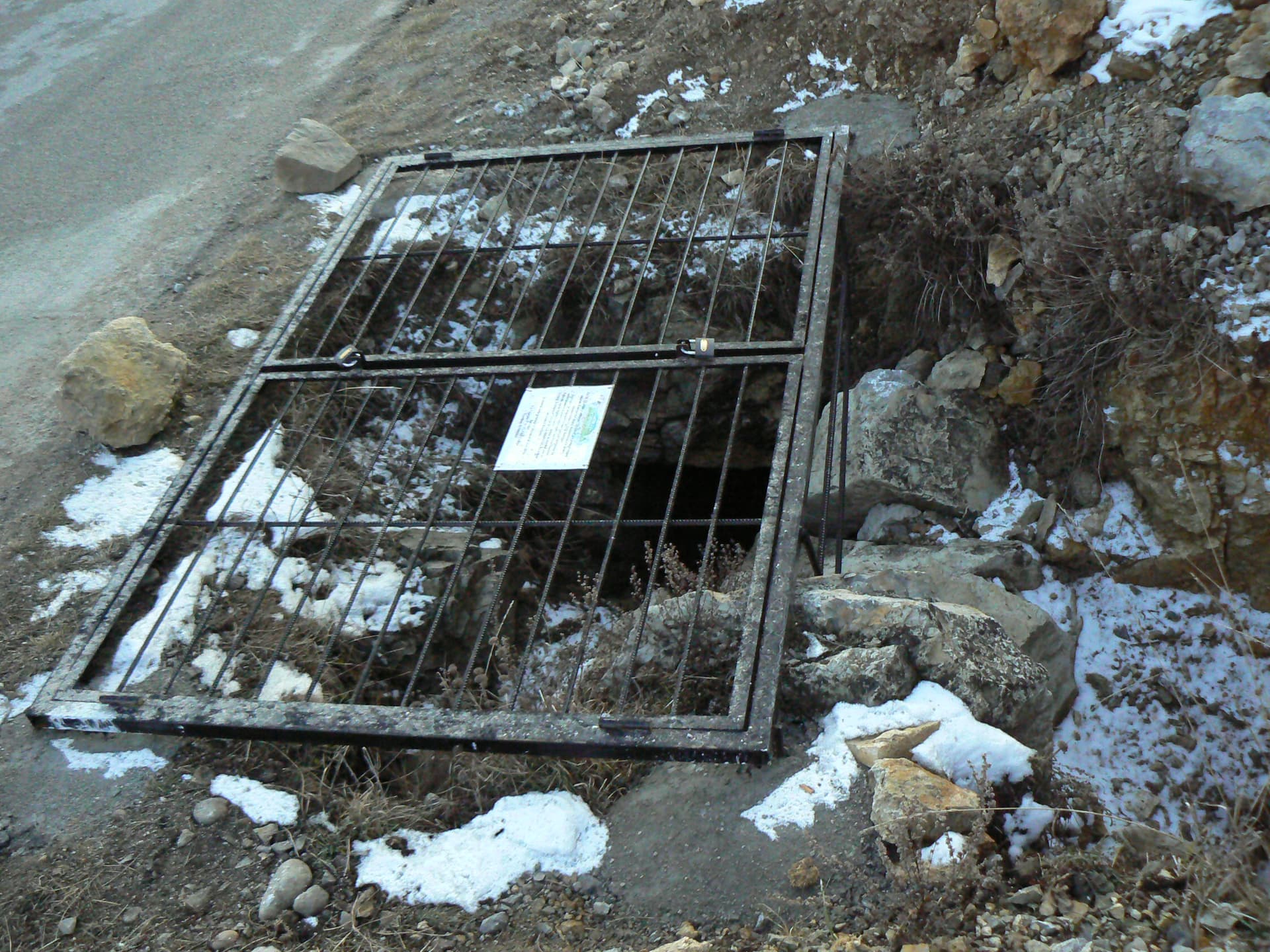
Bulgaria has an active caving-club culture, and joining an organized club is the only safe way to explore undeveloped caves.
⚠️ Warning: Do not enter unlit, undeveloped caves on your own. Bulgaria's karst is full of unmarked vertical shafts, sinkholes, and sudden drops. Without proper gear, training, and local expertise, entering wild caves carries severe safety risks.
🎒 Practical Rules for Visitors
- Bring warm clothes. Most show caves hold 6–12°C year-round. Bring a fleece or jacket even in peak August — arriving in shorts and a t-shirt is the standard visitor mistake.
- Wear appropriate footwear. Cave floors are damp and often slippery. Wear sturdy shoes or boots with good grip, never flip-flops or smooth sandals.
- Tours run on schedules. Most developed caves admit guided groups at set intervals rather than continuously. You may need to wait for a group to assemble.
- Hours are seasonal. Several caves cut back hours in winter, and access roads to higher elevation caves can be affected by snow. Always confirm operating hours before making a long drive.
Exceptions: Prohodna and Devetashka are open landscape features with large entrances — no tickets, set schedules, or guides required.
🗓️ When to Visit
Caves are the single destination in Bulgaria that is completely weather-proof, making them the perfect itinerary choice for rainy days when mountain hiking is off the table.
Winter and spring are best for Ledenika if you want to see the ice formations. Spring is ideal for caves paired with waterfalls, as snowmelt feeds the flows. Summer makes cave visits a welcome escape from lowland heat waves.
Ten caves worth the drive, three geographic clusters to group them into, and one golden rule: bring a jacket. Plan your underground adventure with Mestala.com.
This guide covers 17 places
Want more Mestala in your Google results?
Add mestala.com as a preferred source and our guides will show up more often when you search. Requires a Google account.
Frequently Asked Questions
How many caves are there in Bulgaria?▾
Several thousand have been surveyed — the country is largely limestone, so karst features are everywhere. Only around ten are developed as show caves with lighting, paths, and regular visitor access. The rest range from roadside holes to serious vertical systems for caving clubs.
Which is the most impressive cave in Bulgaria?▾
It depends on what you want. Prohodna has the famous 'God's Eyes' openings; Devetashka is the largest single space and needs no ticket; the Devil's Throat has an underground waterfall and the best legend; Magura has prehistoric paintings. For sheer formations, Yagodina and Saeva Dupka are the pick.
How cold are Bulgarian caves?▾
Most sit between about 6 and 12°C year-round regardless of the weather outside, and several are damp. Ledenika is the coldest and forms ice near its entrance in winter and spring. Bring a warm layer and shoes with grip whatever the season — this is the single most common mistake visitors make.
Are Bulgarian caves suitable for children?▾
Several are. Devetashka and Prohodna are effectively large open spaces with easy access. The developed caves with lit walkways, like Saeva Dupka and Yagodina, are generally fine. Trigrad's Devil's Throat is the exception — the exit involves over 300 steep steps up a shaft, which is a real climb.
Do you need to book a cave visit?▾
Most show caves run guided tours at set intervals rather than free entry, so you may wait for the next group. Opening hours are seasonal and several close or reduce hours in winter. Some require a minimum group size. Check before making a long drive for one specific cave.
Which caves can you combine in one trip?▾
Three natural clusters: the Lovech karst (Prohodna, Devetashka, Saeva Dupka, plus Krushuna Falls), the Rhodopes (Devil's Throat, Yagodina, Uhlovitsa, Snezhanka), and the north-west (Ledenika, Magura, plus Belogradchik). Bacho Kiro sits with the Central Balkan towns.
You might be interested in
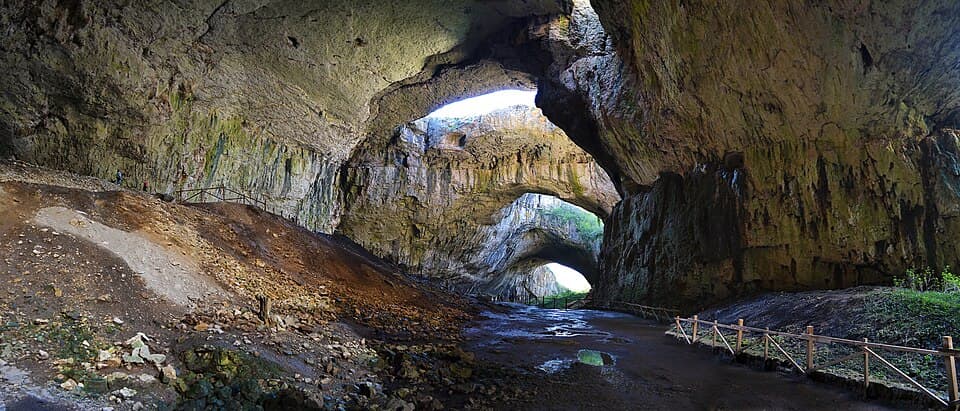
Devetashka Cave & the Lovech Karst: Bulgaria's Cave Country
A guide to the karst country around Lovech: the vast film-famous Devetashka Cave, the turquoise Krushuna Falls and the God's-eyes Prohodna Cave — three of Bulgaria's natural wonders in one day trip.
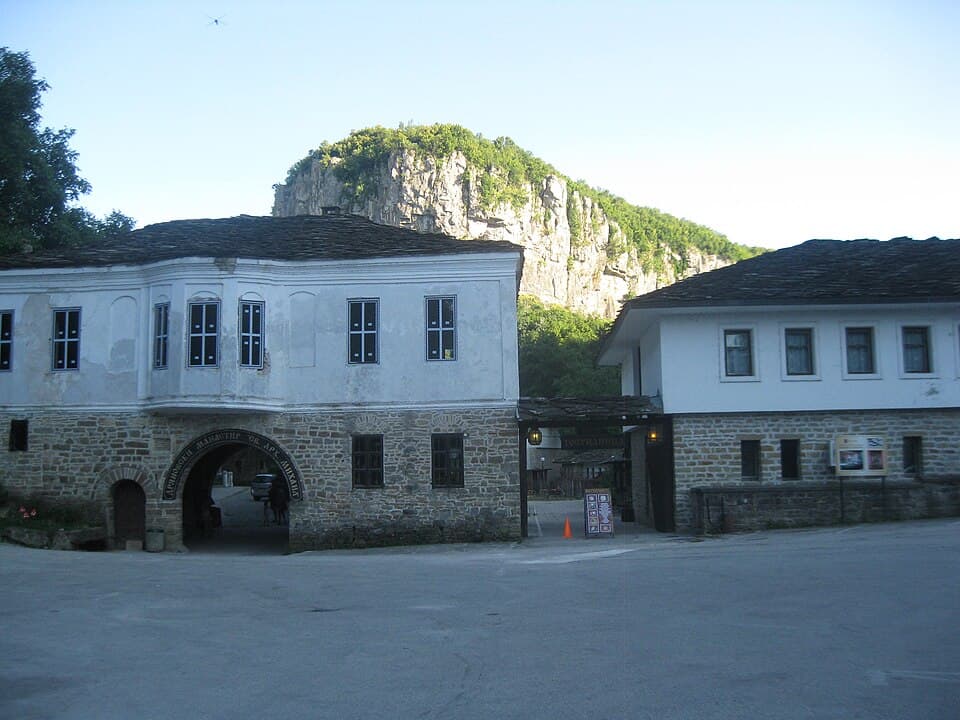
Dryanovo Monastery & Bacho Kiro Cave
A guide to the Dryanovo Monastery and the Bacho Kiro cave in the Andaka gorge: the nine-day siege of 1876, the cave's two lit routes, the 45,000-year-old human remains found inside, and how to walk the gorge trails.
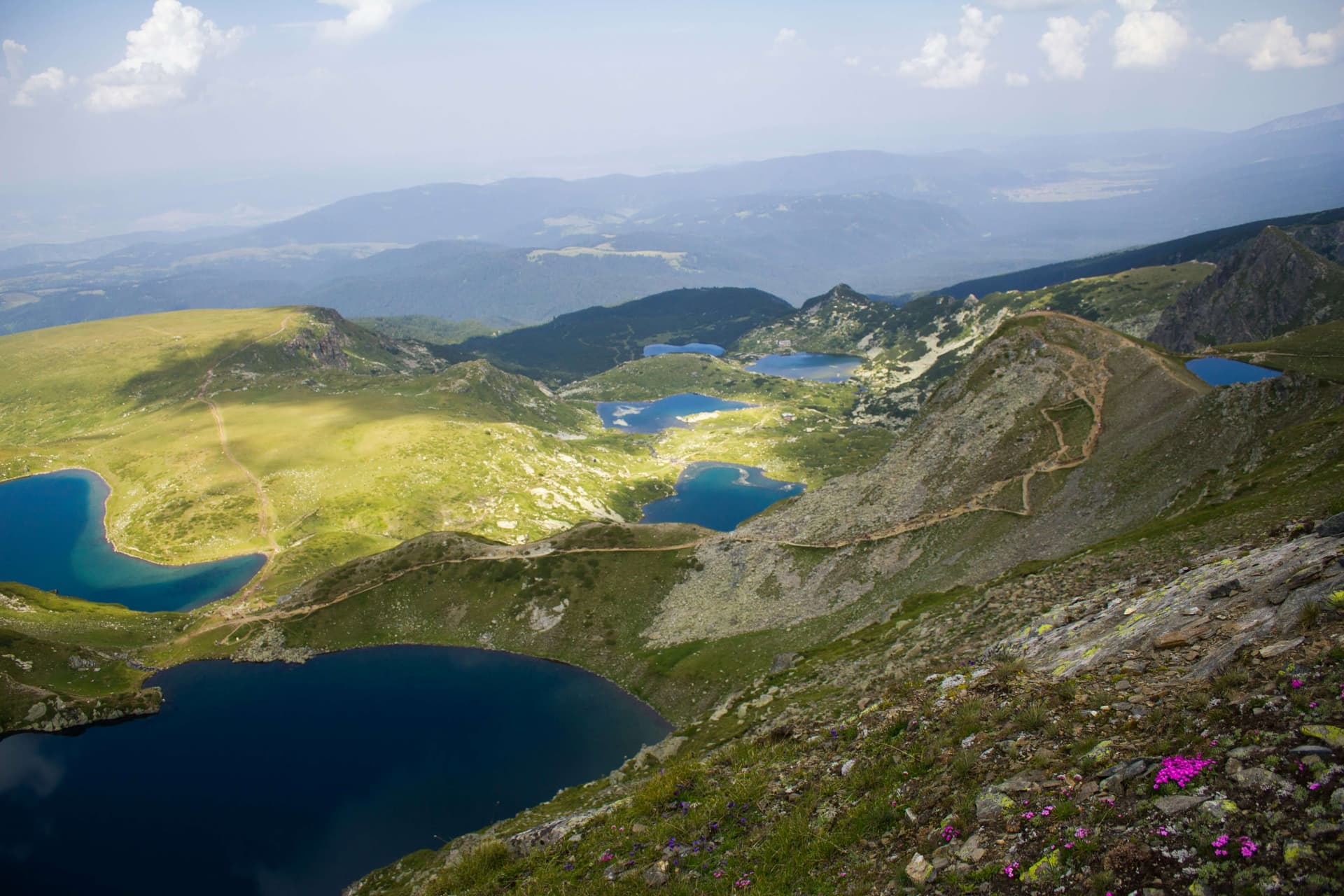
Bulgaria's National & Nature Parks: The Complete Picture
A guide to Bulgaria's three national parks and eleven nature parks — Rila, Pirin, Central Balkan, Vitosha, Vrachanski Balkan, Strandzha, Persina and the rest — what the categories mean and which to visit.
Central Balkan National Park: Bulgaria's Wildest Reserve
A guide to Central Balkan National Park: its nine strict reserves, the UNESCO-listed primeval beech forests of Boatin and Tsarichina, the Dzhendema cliffs, bears and wolves, and which town to enter from.