

Pleven Panorama & Sights: Visiting Bulgaria's Historic Siege Site
In this guide▾
Pleven houses one of the most unique and unexpected cultural monuments in Bulgaria.
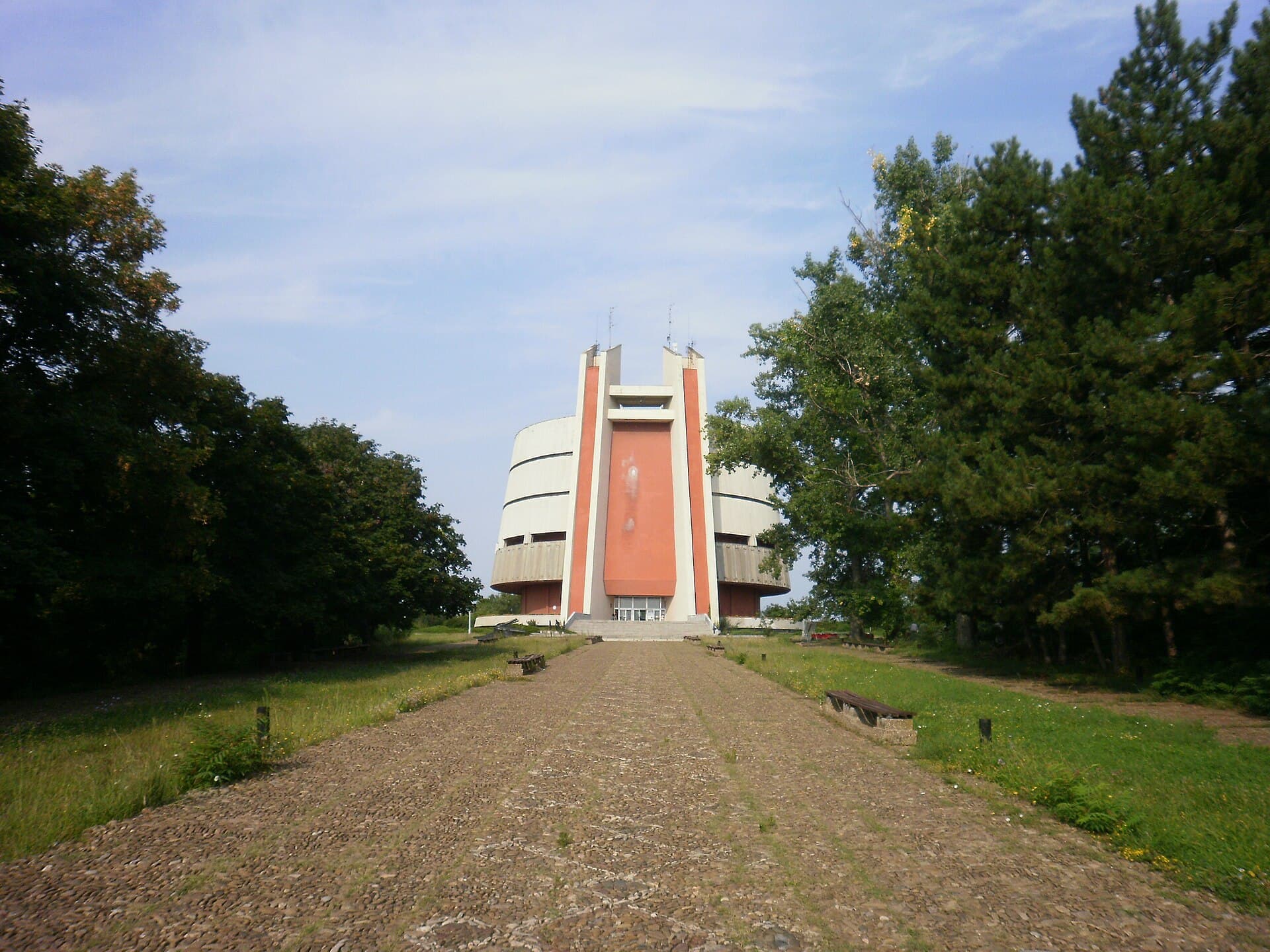
The Pleven Panorama is a monumental circular painting depicting the 1877 Siege of Pleven. What makes it worth the detour is not just the historical significance, but the immersive artistic format: visitors stand on a central platform surrounded by a 360-degree panoramic canvas that seamlessly merges into a physical three-dimensional foreground of earth, weaponry, and trenches.

Very few purpose-built panoramas of this scale exist worldwide, and this is the only one in the Balkans.
📍 Getting There & Location
| From | Distance | Driving time |
|---|---|---|
| Lovech | ~35 km | ~40 min |
| Krushuna Falls | ~50 km | ~1 h |
| Veliko Tarnovo | ~130 km | ~1 h 45 min |
| Vratsa | ~120 km | ~1 h 40 min |
| Sofia | ~170 km | ~2 h |
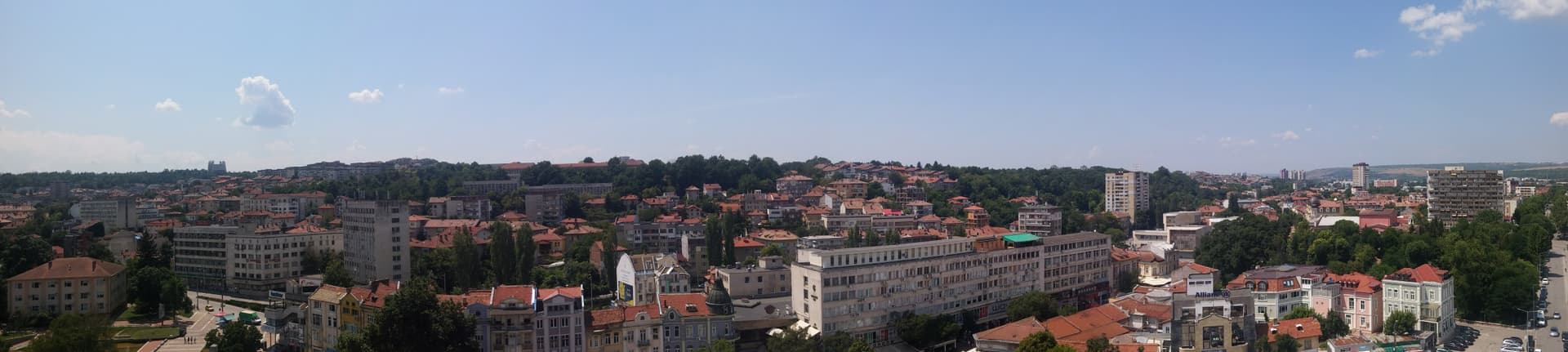
Pleven is situated on the main northern railway line from Sofia, making it one of the easiest regional cities to visit by public transport. The Panorama itself sits in Skobelev Park, perched on the hills just above the city centre, with a free car park beside it.
🖼️ The Pleven Panorama Experience
Opened on 10 December 1977 — exactly 100 years after Osman Pasha surrendered — the building was specially designed around the giant artwork, painted by eleven Russian and two Bulgarian artists.
The canvas, 115 metres long and 15 metres high, wraps around the circular hall, which is 40 metres across. It shows a single episode: the third assault on Pleven, on 11–12 September 1877. Its bottom edge blends directly into a 12-metre-deep physical foreground populated by real cannons, ammunition crates, fallen trees, and earthen mounds. From the middle of the hall, it is nearly impossible to tell where the real objects end and the painted backdrop begins.
The museum is laid out in four halls: an introductory hall with six paintings on the war, the panorama hall, a diorama hall showing the last battle for Pleven on the Vit river on 10 December 1877 (a 17 × 5 m canvas), and a closing hall.

Allow about one hour for your visit. It stands as a fascinating example of 19th-century-style artistic spectacle preserved in a 20th-century landmark.
Tickets & Opening Hours
The Panorama is open with no day off, and closes for a half-hour break at midday:
- April–September: 09:00–12:00 and 12:30–17:30
- October–March: 09:00–12:00 and 12:30–16:30
| Ticket | Price |
|---|---|
| Adults | €5.11 |
| Over 65 | €2.56 |
| Pupils | €1.53 |
| Family — two parents with up to 3 children aged 7–18 | €9.20 |
| Family — one parent with up to 3 children aged 7–18 | €5.11 |
| Children under 7, visitors with disabilities | free |
Extras: a guided talk in a foreign language costs €10.23 (in Bulgarian with translation, €7.16), and information in a foreign language €5.11. Taking photos without flash costs €5.11, filming €25.56. Entry is free on the last Tuesday of each month. Prices checked September 2026; they can change.
⚔️ Historical Context: The Siege of 1877
In 1877, Russian forces crossed the Danube expecting a rapid campaign south. At Pleven, however, they encountered fortified positions established by Osman Pasha. Three major Russian assaults were repulsed with severe casualties on both sides. Realizing the city could not be taken easily, Russian and Romanian armies settled into a five-month siege.
Pleven finally capitulated on 10 December 1877. Its fall broke the main Ottoman defence line in Northern Bulgaria, freeing troops to march south through the Shipka Pass and conclude the war.
Together, Pleven and Shipka form two sides of the same turning point in Bulgarian history — one a prolonged siege, the other a desperate mountain defence.

🎨 Why Were Panoramas Built?
Before the invention of cinema, panoramic rotundas were a popular form of mass entertainment in the 19th century. Specially constructed rotundas opened across Europe and North America, allowing audiences to stand inside painted landscapes or historical battles. When motion pictures arrived in the early 20th century, most panoramas were dismantled or lost.
The Pleven Panorama is unique because it was constructed in 1977 using an art form that had been largely obsolete for decades, chosen specifically for its dramatic scale and immersive impact.
⛪ St. George Mausoleum & City Centre
In Pleven's central square stands the Chapel Mausoleum of St. George the Conqueror, erected to honour the Russian and Romanian soldiers who lost their lives during the siege.


Surrounding the mausoleum, Pleven features a spacious pedestrian zone, a large water cascade complex, the Regional Historical Museum, and historic parklands dotted with 1877 artillery pieces.

🌳 Kaylaka Park
Located on the southern edge of the city, Kaylaka Park occupies a steep limestone gorge. Featuring sheer rock walls, quiet lakes, walking trails, and open-air cafes, it provides a dramatic landscape contrast to the flat plains surrounding Pleven.
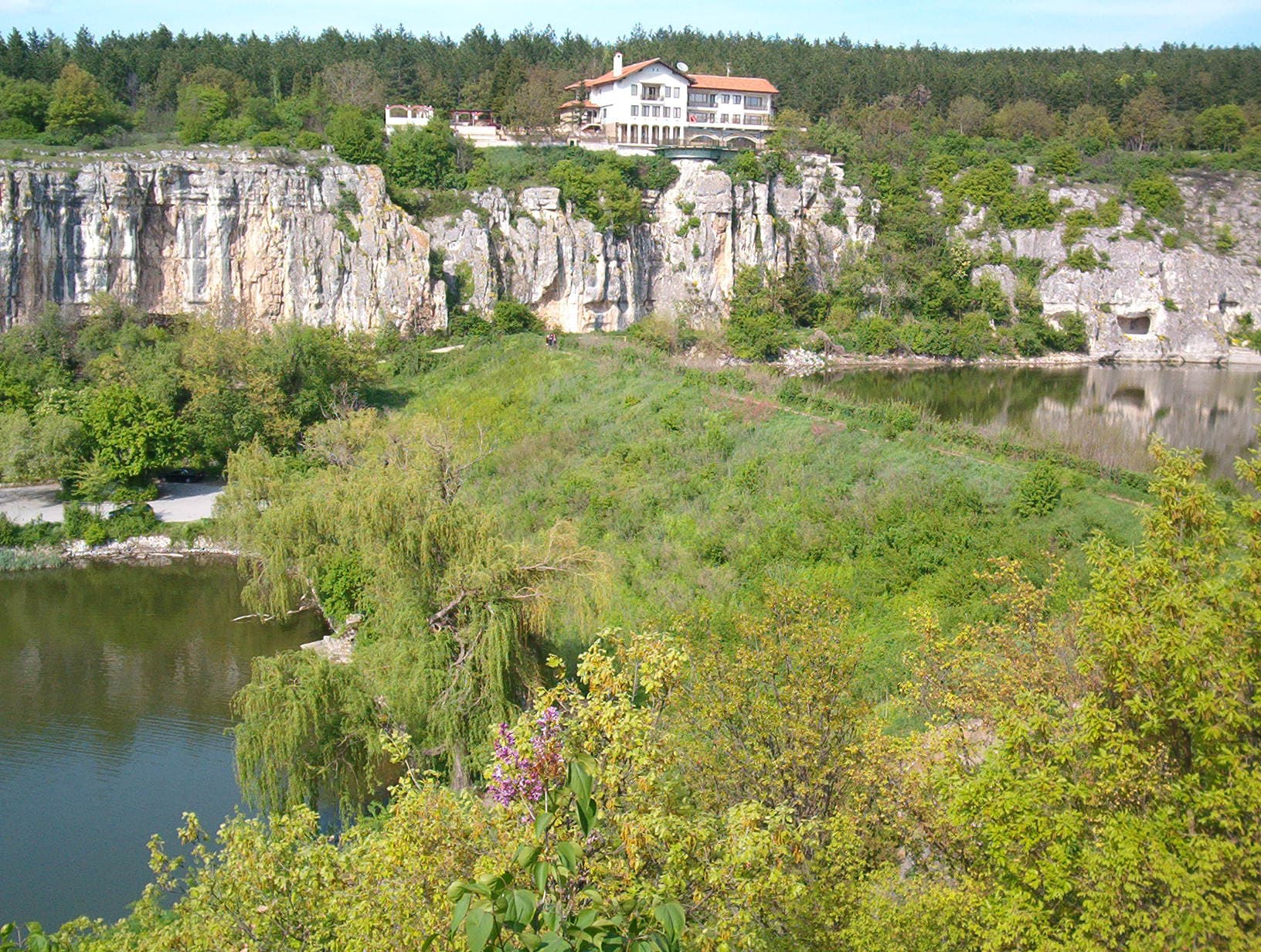
It is Pleven's favourite recreational area and makes a great spot for an afternoon walk after visiting the museums.
🗺️ How to Combine Pleven in Your Itinerary
Pleven works best as a half-day stop on a broader tour of Northern Bulgaria. Natural pairings within an hour's drive include:
- Krushuna Falls (~50 km): Vibrant travertine cascades and forest trails.
- Devetashka Cave (~50 km): A cavernous underground site with open roof skylights.
- Prohodna Cave (God's Eyes) (~60 km).
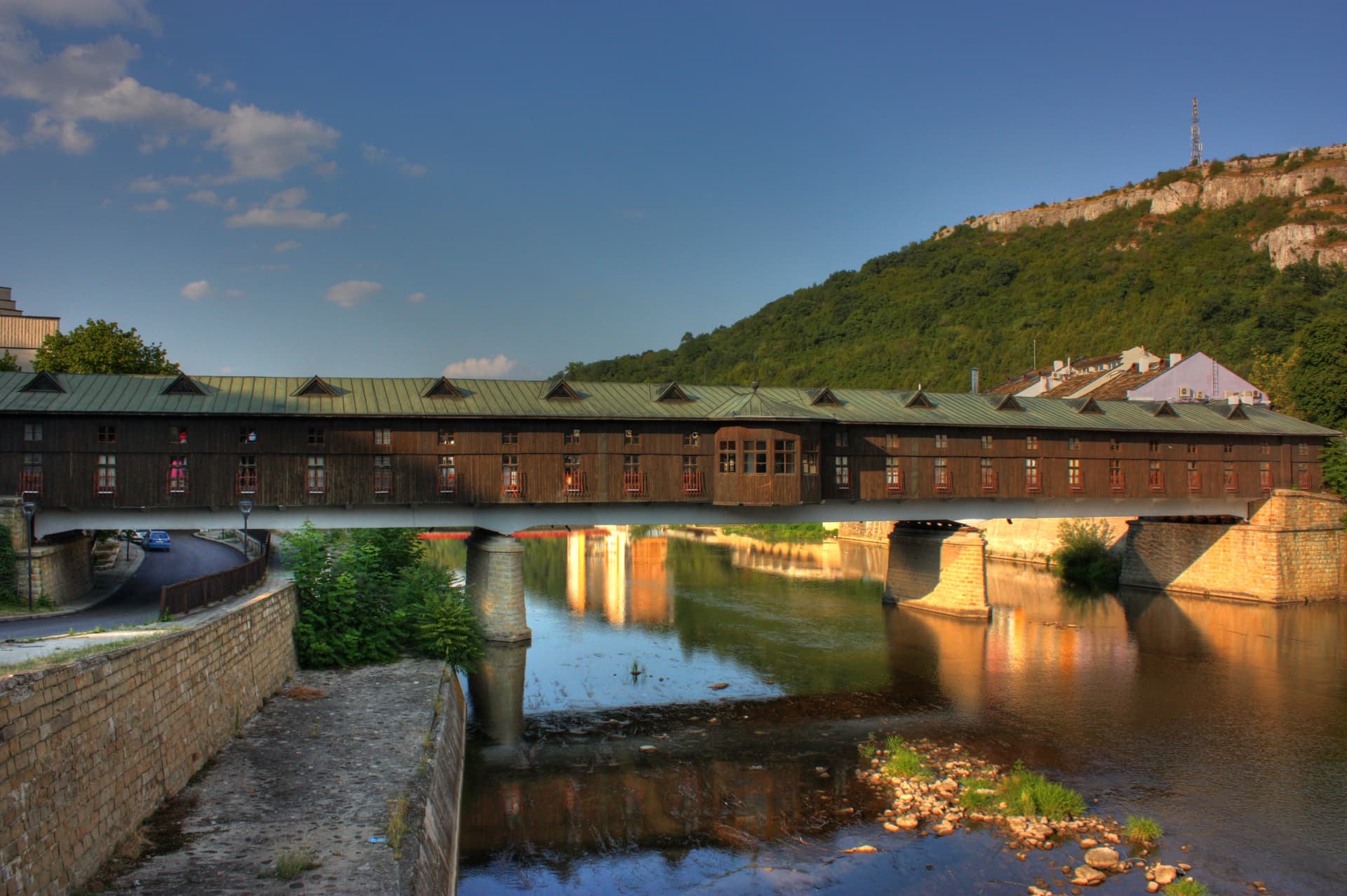
- Lovech (~35 km): Home to the famous Covered Bridge and Hisarya Fortress.
A popular 2-day northern route runs: Sofia → Pleven → Devetashka Cave & Krushuna Falls → Veliko Tarnovo.
🗓️ Best Time to Visit
The Pleven Panorama and central museums are indoor attractions open year-round, making Pleven a great option during rainy days or winter travels.
Spring and autumn offer the most pleasant weather for exploring Kaylaka Park and Skobelev Park. Summer can be warm on the Danubian Plain, making the air-conditioned museum complex a welcome retreat during midday hours.
Explore Bulgaria's pivotal 1877 battle site and plan your trip to Pleven with Mestala.com.
This guide covers 5 places
Want more Mestala in your Google results?
Add mestala.com as a preferred source and our guides will show up more often when you search. Requires a Google account.
Frequently Asked Questions
What is the Pleven Panorama?▾
The Pleven Panorama is a monumental circular painting housed in a purpose-built museum on the 1877 Siege of Pleven. Its 360-degree canvas shows the third assault on the city, on 11–12 September 1877, and blends into a 3D foreground of terrain, weaponry, and realistic props, creating a striking illusion of standing on the battlefield. It opened on 10 December 1977 — 100 years to the day after Osman Pasha surrendered — and is the only monument of its kind in the Balkans.
Where is Pleven and how do you get there?▾
Pleven is located on the Danubian Plain in northern Bulgaria, roughly 170 km northeast of Sofia (about a 2-hour drive) and 130 km from Veliko Tarnovo. It sits on the main rail line from Sofia, making it easy to visit by train as well.
What happened at the Siege of Pleven?▾
During the Russo-Turkish War (1877–1878), Ottoman forces fortified Pleven under Osman Pasha, holding off repeated Russian and Romanian assaults for nearly five months. The eventual fall of Pleven in December 1877 broke Ottoman defenses in northern Bulgaria and paved the way for the liberation of the country.
How long do you need to spend in Pleven?▾
A half-day (3 to 4 hours) is enough to tour the Pleven Panorama, walk around Skobelev Park, and visit the St. George Mausoleum in the city centre. It pairs naturally with visits to nearby Krushuna Falls and Devetashka Cave.
How much does the Pleven Panorama cost and when is it open?▾
Entry is €5.11 for adults, €2.56 for visitors over 65 and €1.53 for pupils; children under 7 go in free, and a family ticket for two parents with up to three children is €9.20. It is free on the last Tuesday of each month. The Panorama has no day off: 09:00–12:00 and 12:30–17:30 from April to September, closing at 16:30 from October to March. Parking is free (checked September 2026).
What is Kaylaka Park?▾
Kaylaka is an expansive park situated in a natural limestone canyon on the southern edge of Pleven. Featuring steep rock cliffs, lakes, walking paths, and shaded promenades, it offers a scenic natural retreat right beside the city.
What else is worth seeing in Pleven?▾
Key highlights include the St. George the Conqueror Chapel Mausoleum, the Regional Historical Museum, the central water cascades, and the historic battlefield monuments scattered across Skobelev Park.
You might be interested in
Where to Eat in Burgas: Best Areas, Seafood & Prices
A complete food guide to Burgas by area: the Sea Garden promenade, the pedestrian center, Krasnodar market, authentic Black Sea seafood, prices, and late-night tips.
Top Things to Do in Gabrovo: Bulgaria's Capital of Humour (Travel Guide)
Discover Gabrovo, Bulgaria: Visit the House of Humour and Satire, Sokolski Monastery, Racho the Blacksmith, and Uzana in the geographic centre of Bulgaria.
Vidin Travel Guide: Baba Vida Castle & Top Things to Do
A complete travel guide to Vidin on the Danube: Explore Baba Vida castle, visit the restored Synagogue (Jules Pascin Centre), and pair it with Belogradchik and Magura Cave.
Kotel and Zheravna Weekend: Revival Houses, Kotel Carpets and Medven
A winter weekend in Kotel and Zheravna: Rakovski's Pantheon, Kotel carpets and the natural history museum, Zheravna's 200 wooden houses and Medven — getting there from Burgas and Varna.