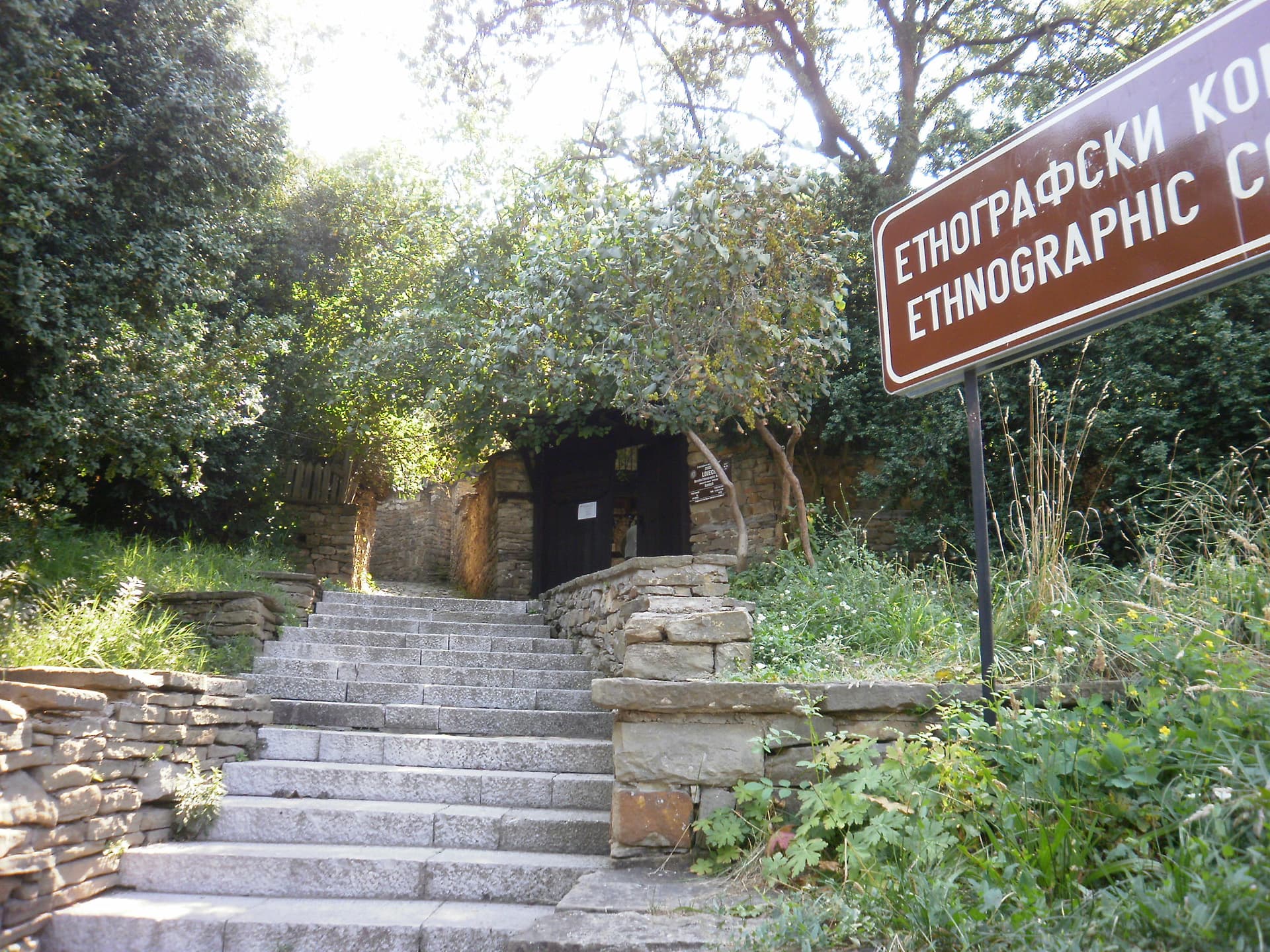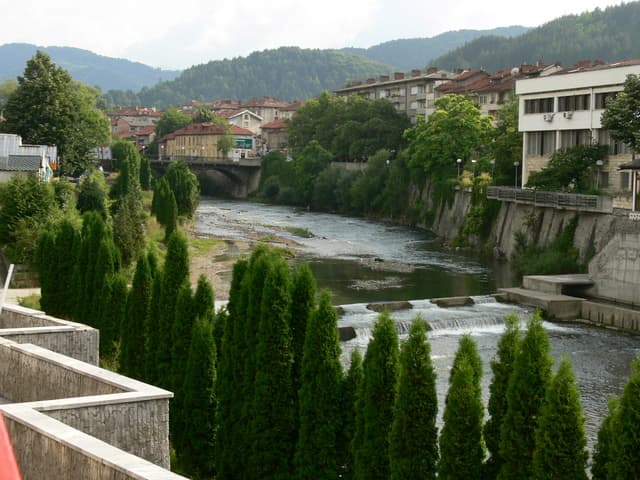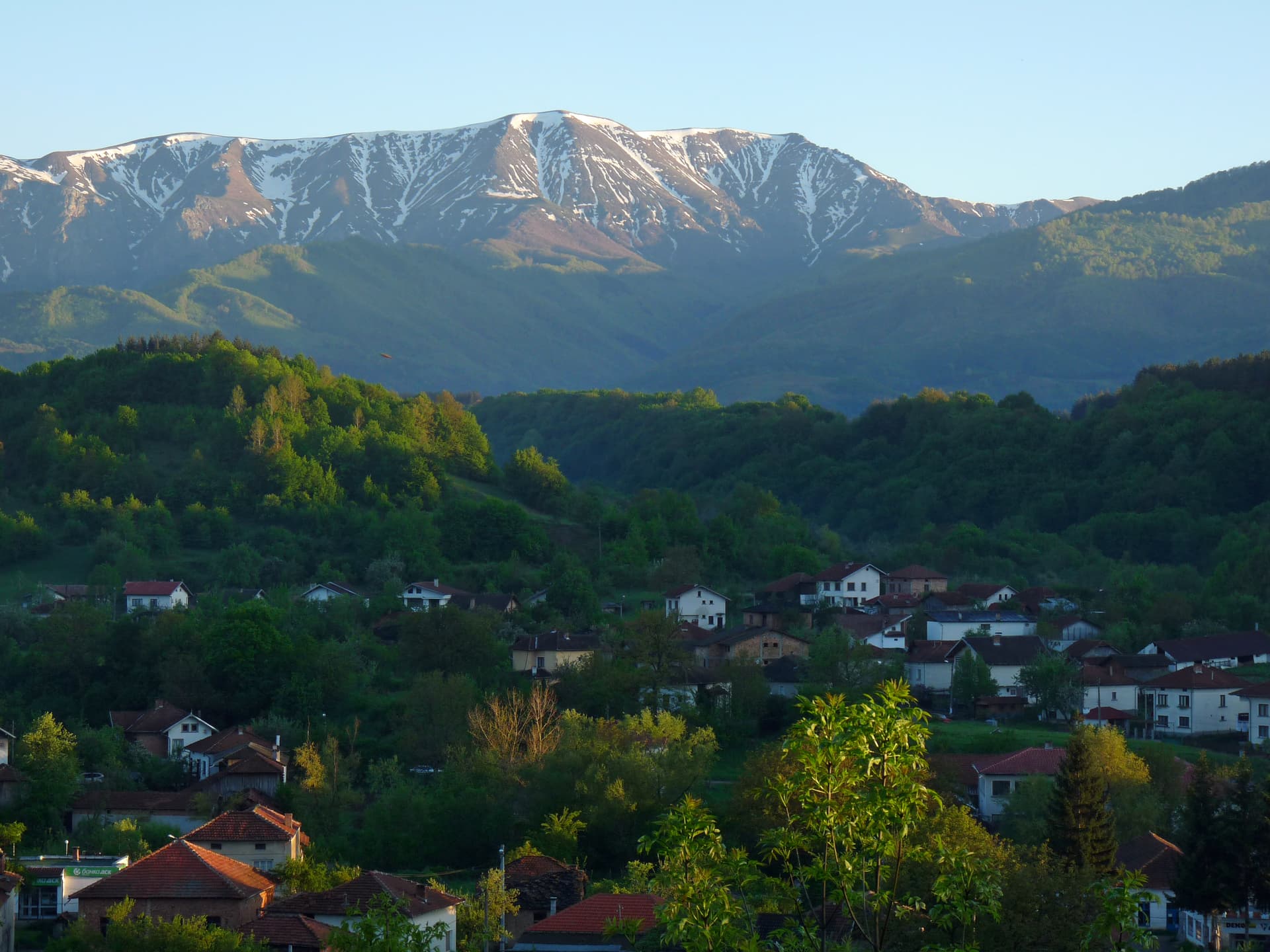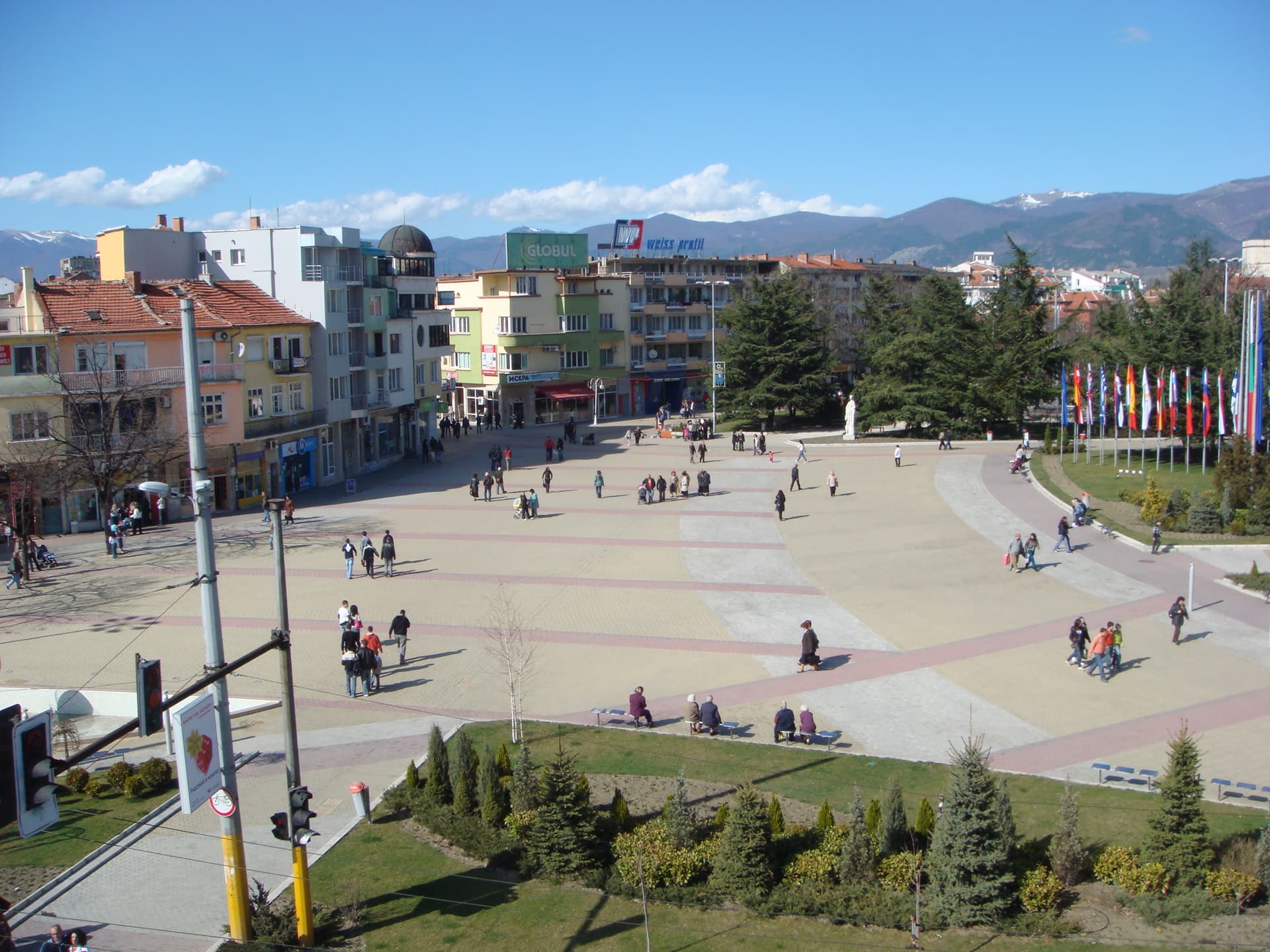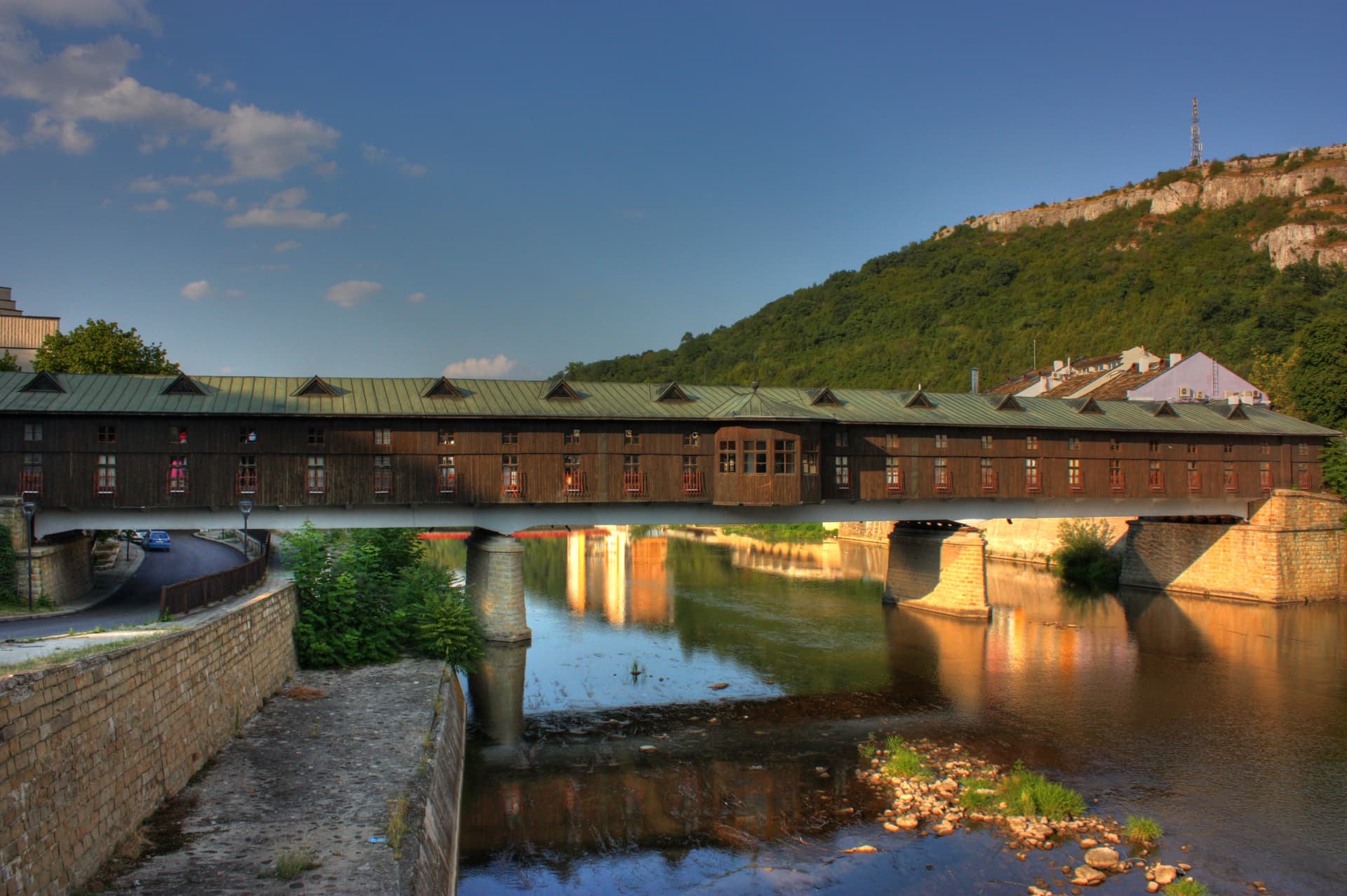
The city of Lovech is one of the most charming and historically significant settlements in Central Northern Bulgaria. Serving as the administrative, cultural, and economic capital of the Lovech Municipality and Province, it is picturesquely divided by the Osam River, positioned right where the foothills of the Balkan Mountains meet the fertile Danube Plain. Due to its remarkable economic prosperity, brilliant architecture, and outstanding crafts during the Ottoman era, the city was proudly called "Altun Lovech" – "Golden Lovech". Since 2015, the Lovech Province has also held the prestigious international title of a World Zone of Mountain Water.
Lovech is among the oldest continuously inhabited sites on the Balkan Peninsula, its development forever shaped by the shelter of the surrounding hills and the vital waters of the river:
The Medieval Lovech Fortress atop Hisarya Hill holds a legendary place in Bulgarian national history.
In 1187, this stronghold became the site of a decisive battle. The Bulgarian rebel forces led by the brothers Asen and Peter successfully withstood a siege by Byzantine Emperor Isaac II Angelos. The signing of the subsequent Treaty of Lovech forced the Byzantine Empire to officially recognize the restoration of the Second Bulgarian Empire.
In the 14th century, Lovech became the personal domain of Despot Ivan Alexander, who was elected Tsar of Bulgaria in 1331. Under his patronage, the nearby "Nativity of the Virgin" (Yastreb) Monastery was established, developing into a prominent literary and educational center. Around 1324–1325, Ivan Alexander’s second son — the future Tsar Ivan Sratsimir of Vidin — was born inside the Lovech Fortress. This stronghold was also one of the very last Bulgarian bastions to fall to the Ottoman conquest, heroically defended by the local boyar Stanko Kosan until approximately 1446.
In the 17th century, the famous Ottoman traveler Evliya Celebi praised Lovech as a highly developed trade and manufacturing hub. He recorded a vibrant town featuring 3,000 solid, beautifully decorated houses along the Osam River (from whose windows residents could comfortably fish), a spectacular covered market (bezisten), numerous caravanserais, public baths, schools for "noble and bright children," and 215 active craft shops. Lovech was famous across the Empire for its colorful textiles and masterfully dyed, highly decorated fine leathers (sahtiyan).
Today, Lovech beautifully preserves its National Revival atmosphere and hosts several highly popular annual cultural celebrations:

Lovech region
0.5 km away
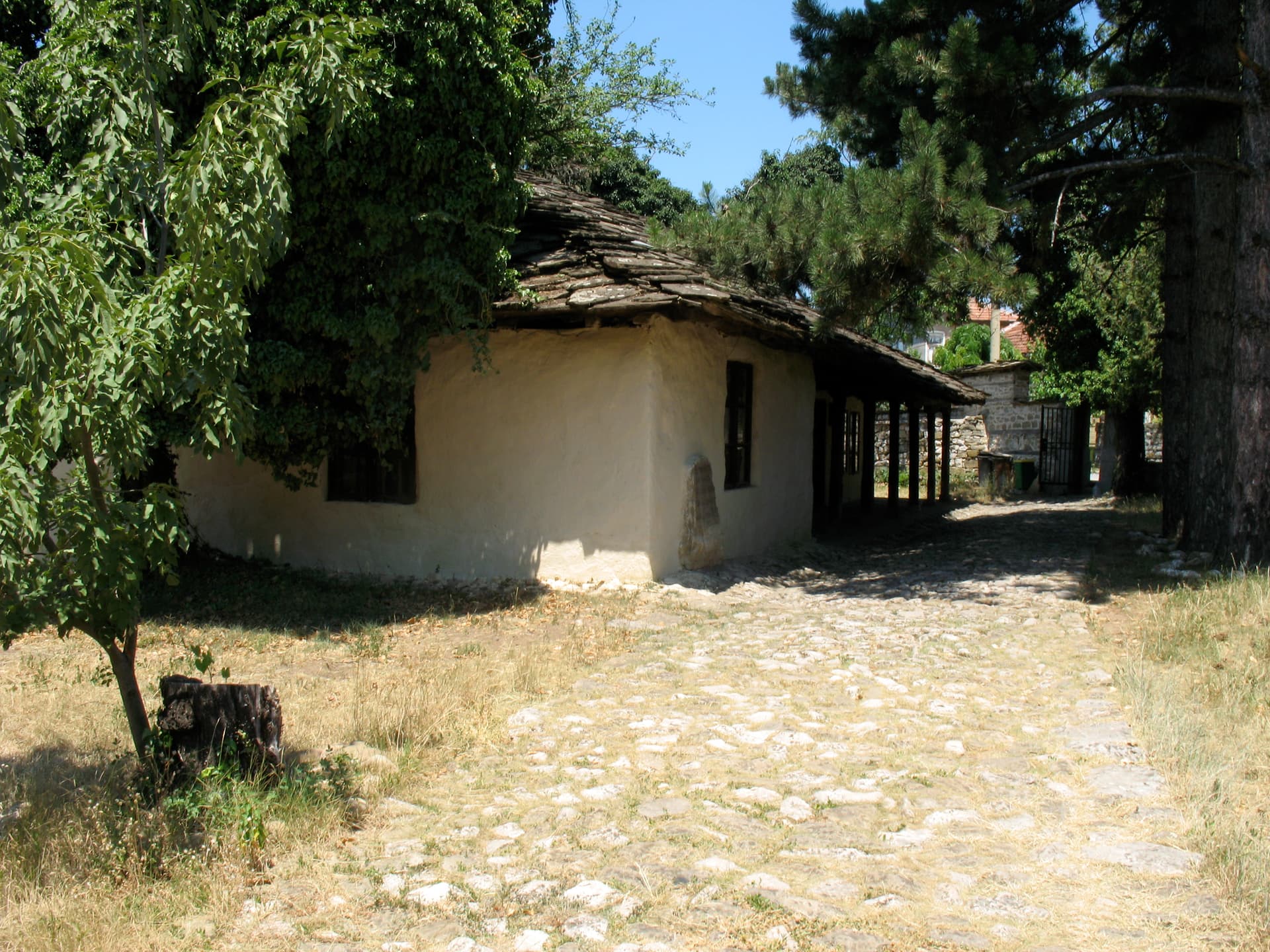
Lovech region
13.8 km away
Pleven region
16.6 km away
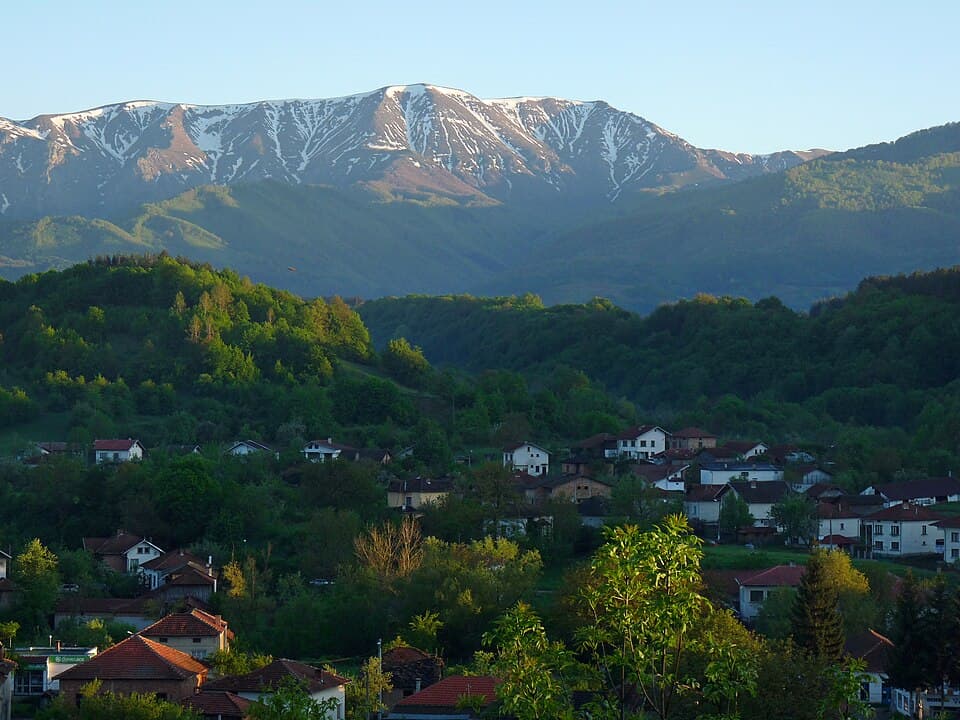
A weekend in Troyan, Oreshak and Apriltsi: Troyan pottery and plum rakia, the crafts museum, the Oreshak exhibition by Troyan Monastery, and Apriltsi as a Balkan base.
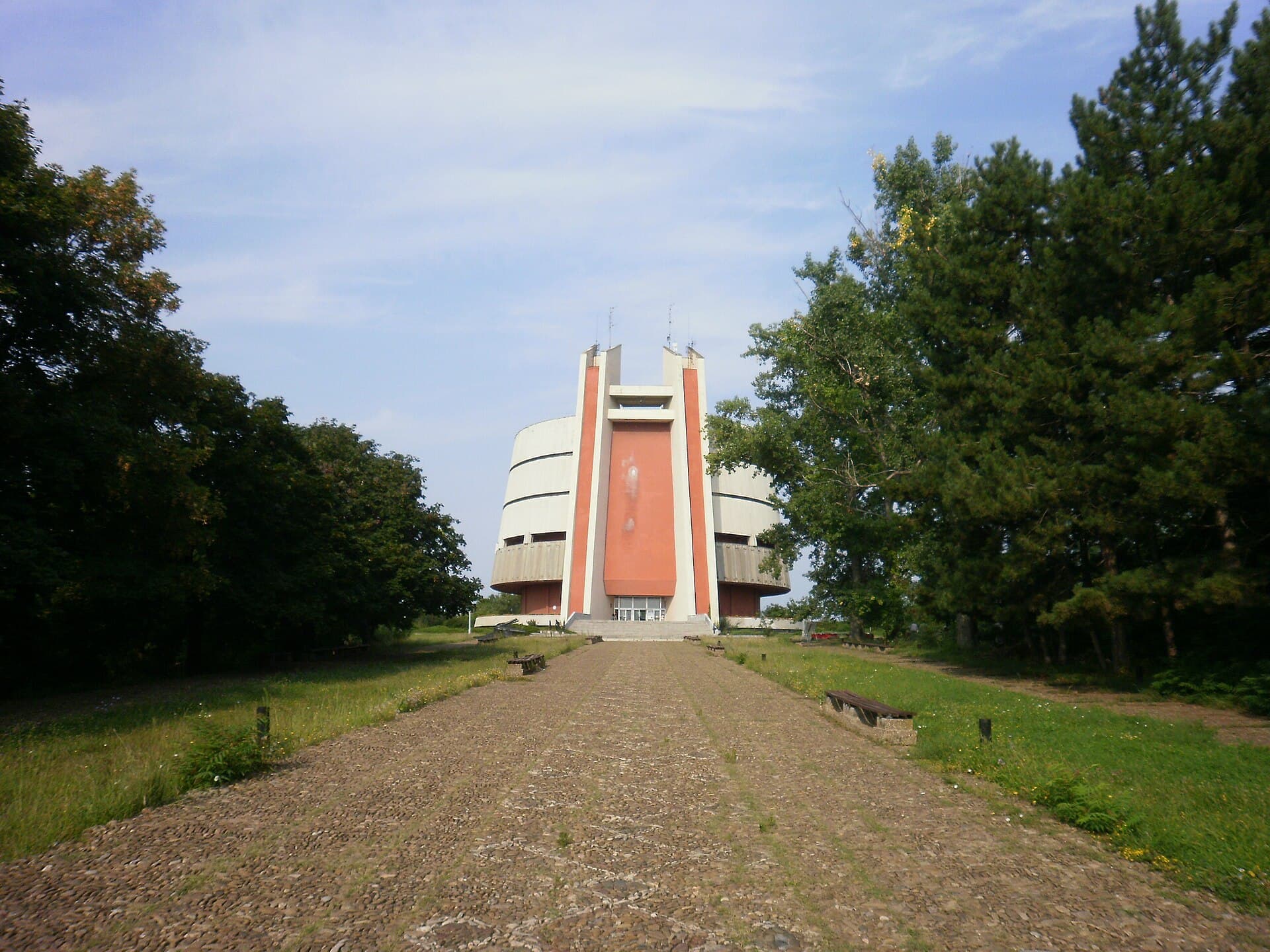
A complete guide to Pleven: Explore the Pleven Panorama, learn about the historic 1877 siege, visit St. George Mausoleum, and relax in Kaylaka Park.
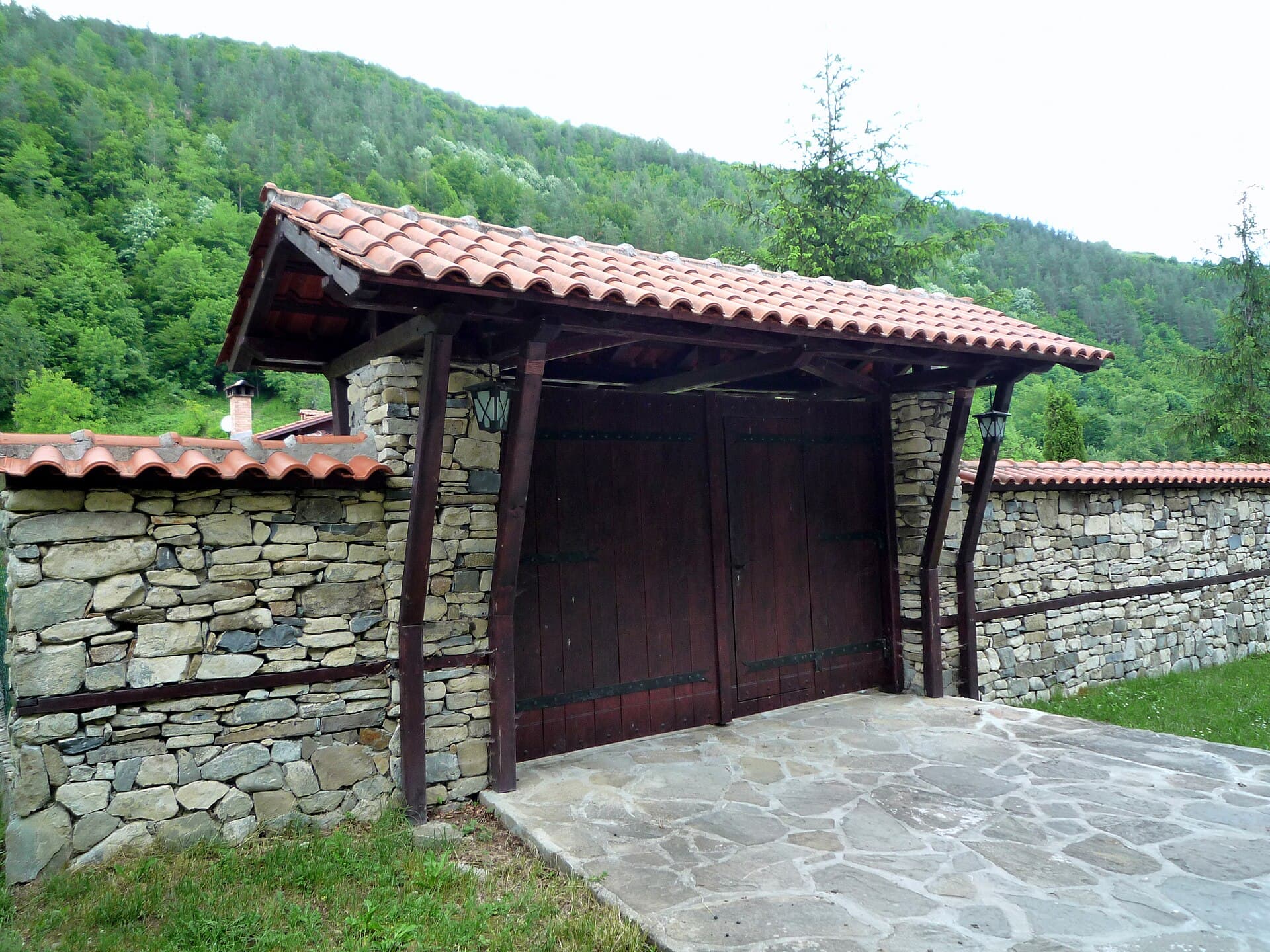
A guide to Teteven and Ribaritsa in the Vit valley: the clifftop Glozhene Monastery, the green cheese of Cherni Vit, access to the Central Balkan reserves, and why this valley stays empty.
Lovech is located in Lovech, Bulgaria.
Lovech is most easily reached by car. Use the coordinates above to navigate, or open the location in OpenStreetMap or your preferred maps app for turn-by-turn directions. Public transport options vary by region — for remote destinations a rental car gives the most flexibility.
Lovech can be visited year-round, but late spring (May–June) and early autumn (September–October) offer the most pleasant weather and fewer tourists. Summer is the busiest season; winter is the quietest, with shorter daylight and possible cold weather.
Bulgarian settlements typically reward unhurried walking — historic centres, churches and monasteries, local markets, and family-run restaurants serving regional dishes. Larger towns often have museums and seasonal cultural events. The local tourist information centre is a good first stop for current opening hours and what's on.