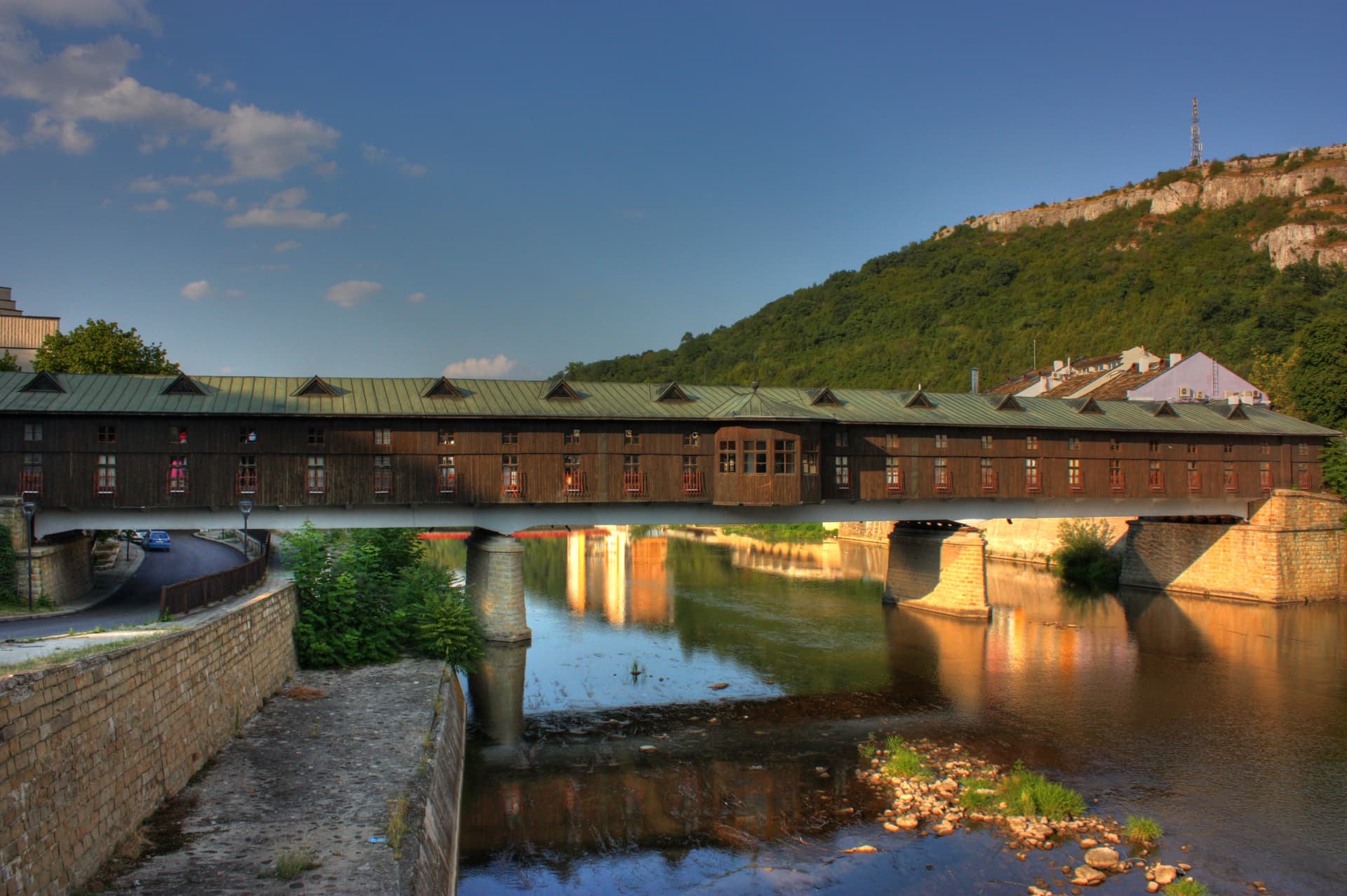
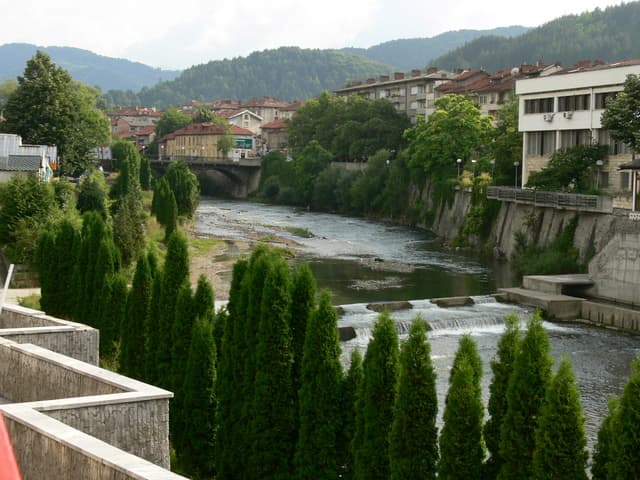
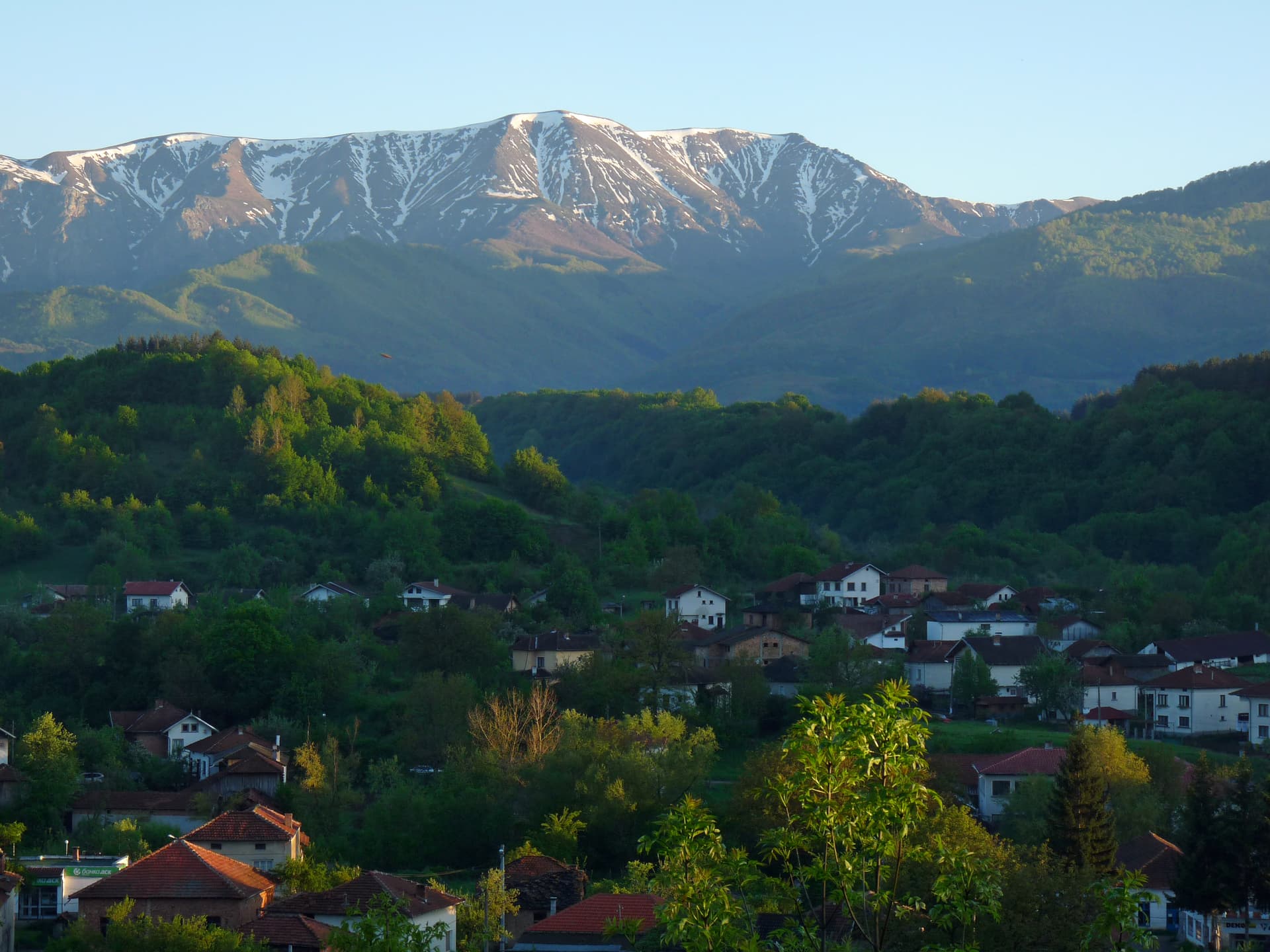
Situated on both banks of the picturesque Zlatna Panega River along the main route connecting Sofia to Pleven and Ruse, the town of Lukovit is a charming regional hub in the Lovech Province. Positioned between the Danubian Plain and the Balkan Foothills, the surrounding area is world-renowned for its dramatic karst formations, ancient caves, and river canyons carved out by the Iskar, Vit, and Zlatna Panega rivers.
Directly adjacent to the town lies Bulgaria's very first geopark—the Iskar-Panega Geopark—developed under the EU PHARE program in partnership with the Bulgarian Academy of Sciences. The geopark encompasses two primary micro-regions: the Roadside Landscape Park "Panega" and the Karlukovo Karst Complex.
Key geological and historical highlights include:
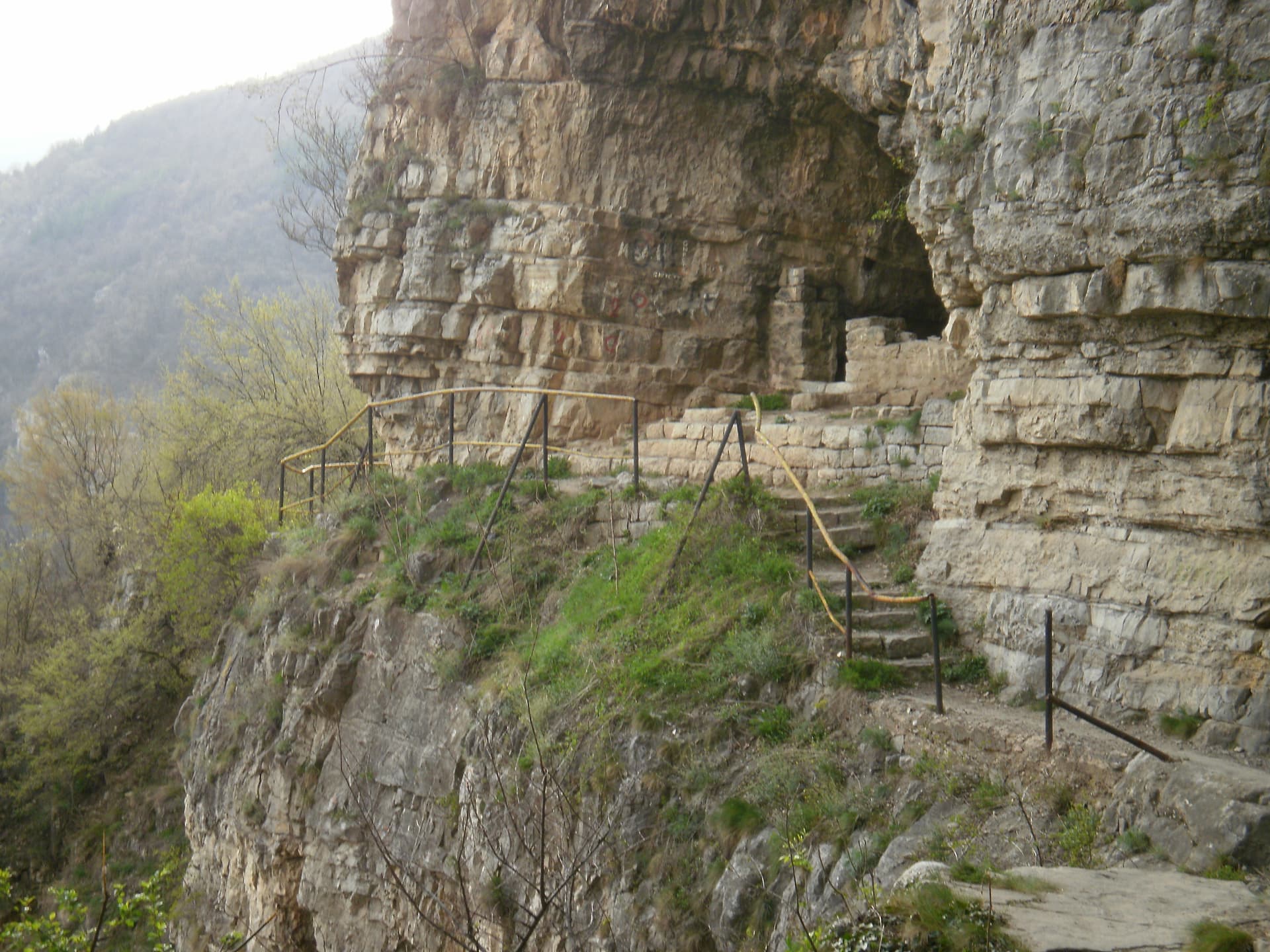
Tucked within the canyon walls are medieval rock-hewn hermitages and cave chapels (such as "Gligora" and "St. Marina") that offered sanctuary to Orthodox hesychast monks during the 14th century.
Lukovit and the surrounding geopark offer a paradise for outdoor enthusiasts and adventure seekers:
Lovech region
2.4 km away

Lovech region
7.7 km away
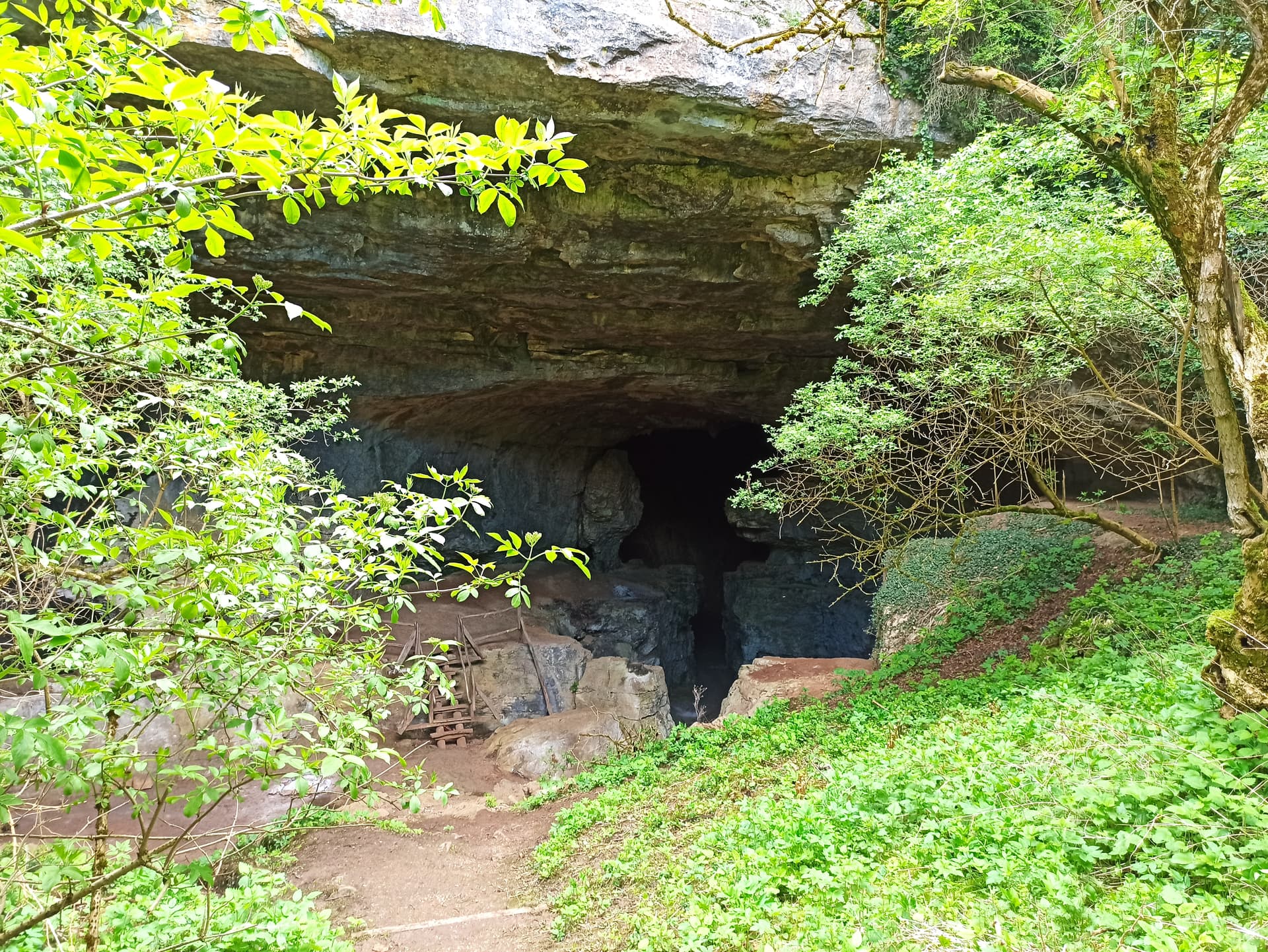
Lovech region
7.9 km away
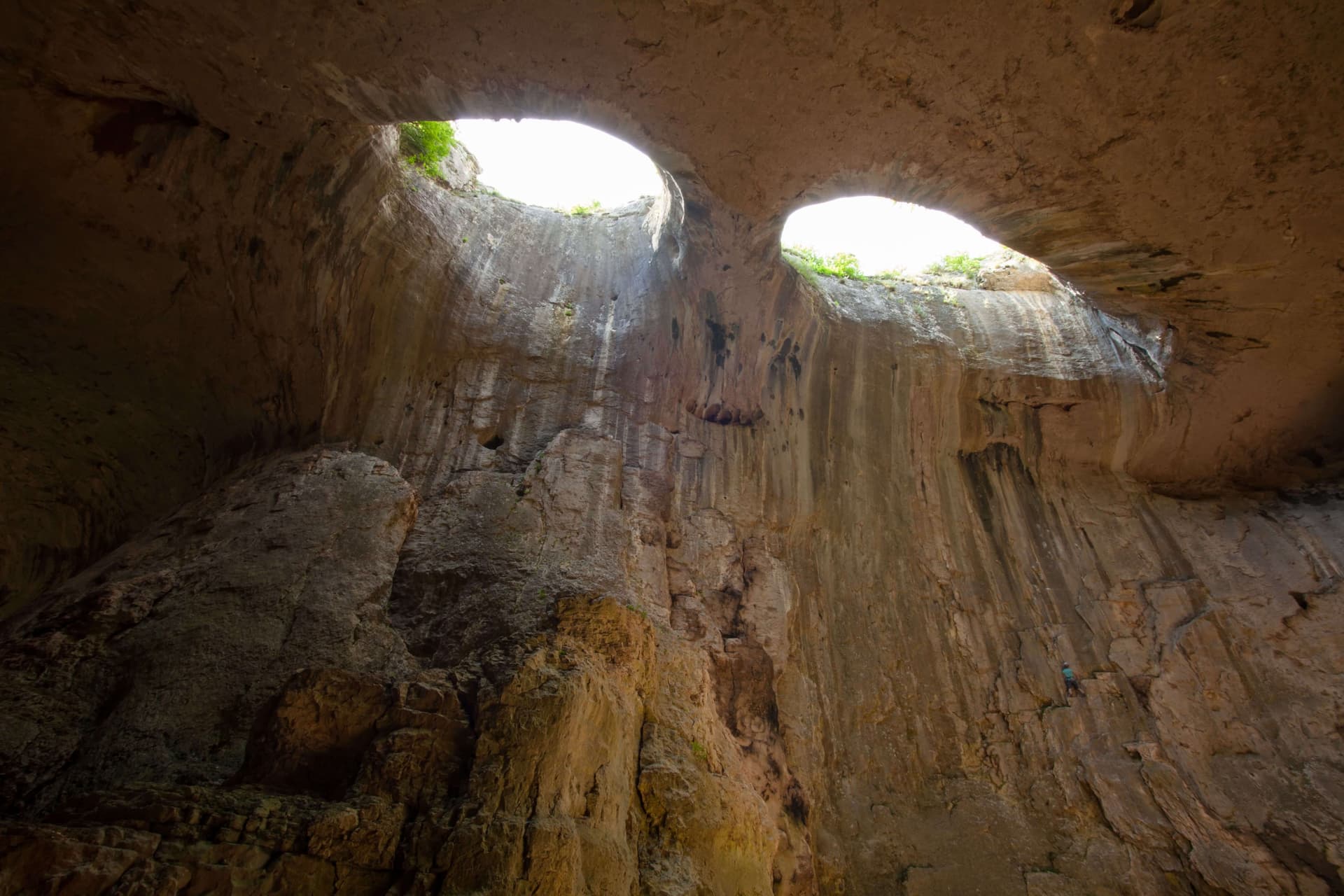
Lovech region
7.9 km away
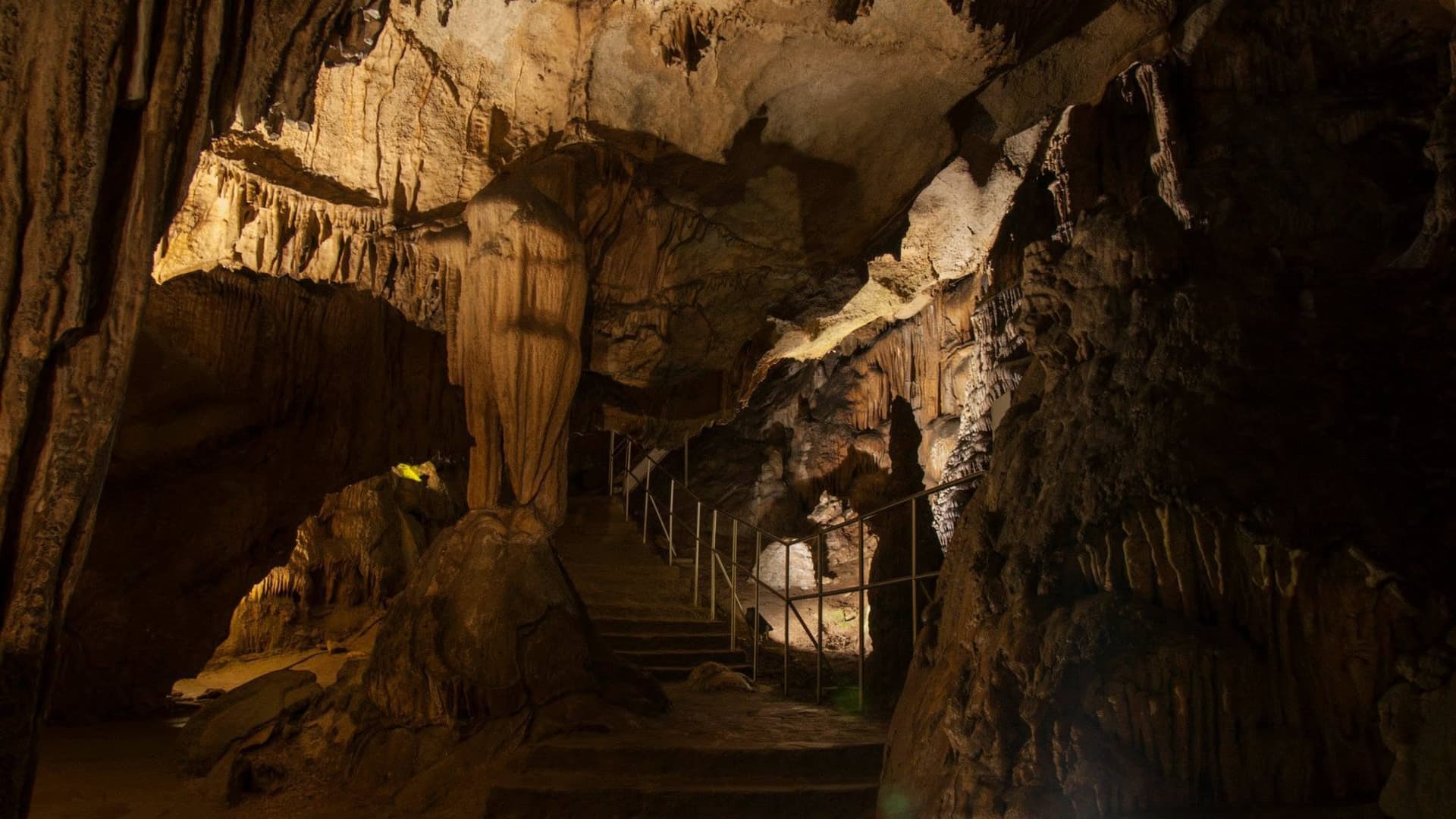
A guide to Bulgaria's show caves — Prohodna, Devetashka, the Devil's Throat, Ledenika, Bacho Kiro, Magura, Yagodina, Saeva Dupka and Snezhanka — with what each one is actually for and how to pair them.
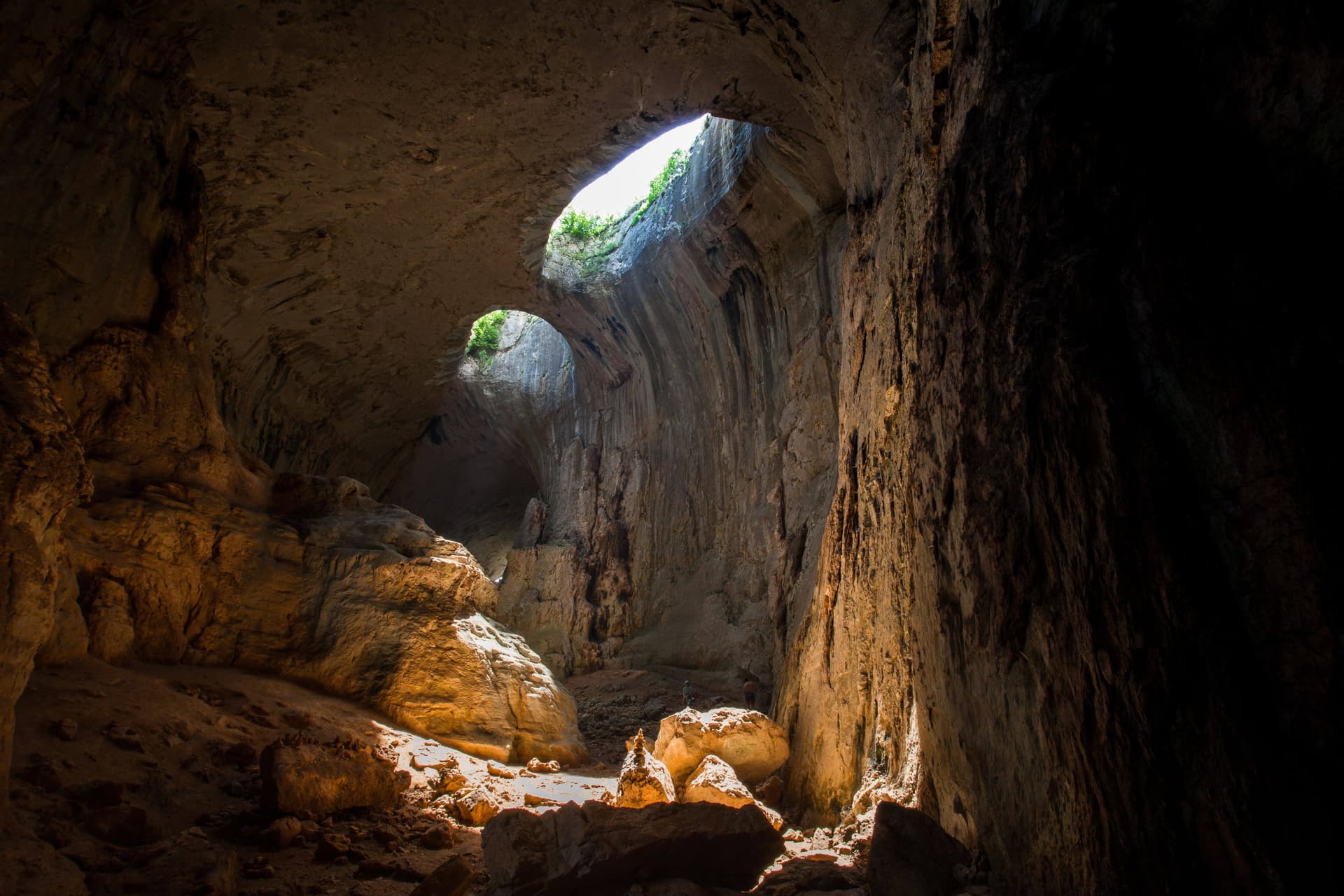
How to visit Prohodna Cave near Karlukovo — the Eyes of God rock formation, Bulgaria's longest cave tunnel: getting there from Sofia, best light for photos, bungee jumps and pairing it with Devetashka Cave and Krushuna Falls.
Lukovit is located in Lovech, Bulgaria.
Lukovit is most easily reached by car. Use the coordinates above to navigate, or open the location in OpenStreetMap or your preferred maps app for turn-by-turn directions. Public transport options vary by region — for remote destinations a rental car gives the most flexibility.
Lukovit can be visited year-round, but late spring (May–June) and early autumn (September–October) offer the most pleasant weather and fewer tourists. Summer is the busiest season; winter is the quietest, with shorter daylight and possible cold weather.
Bulgarian settlements typically reward unhurried walking — historic centres, churches and monasteries, local markets, and family-run restaurants serving regional dishes. Larger towns often have museums and seasonal cultural events. The local tourist information centre is a good first stop for current opening hours and what's on.