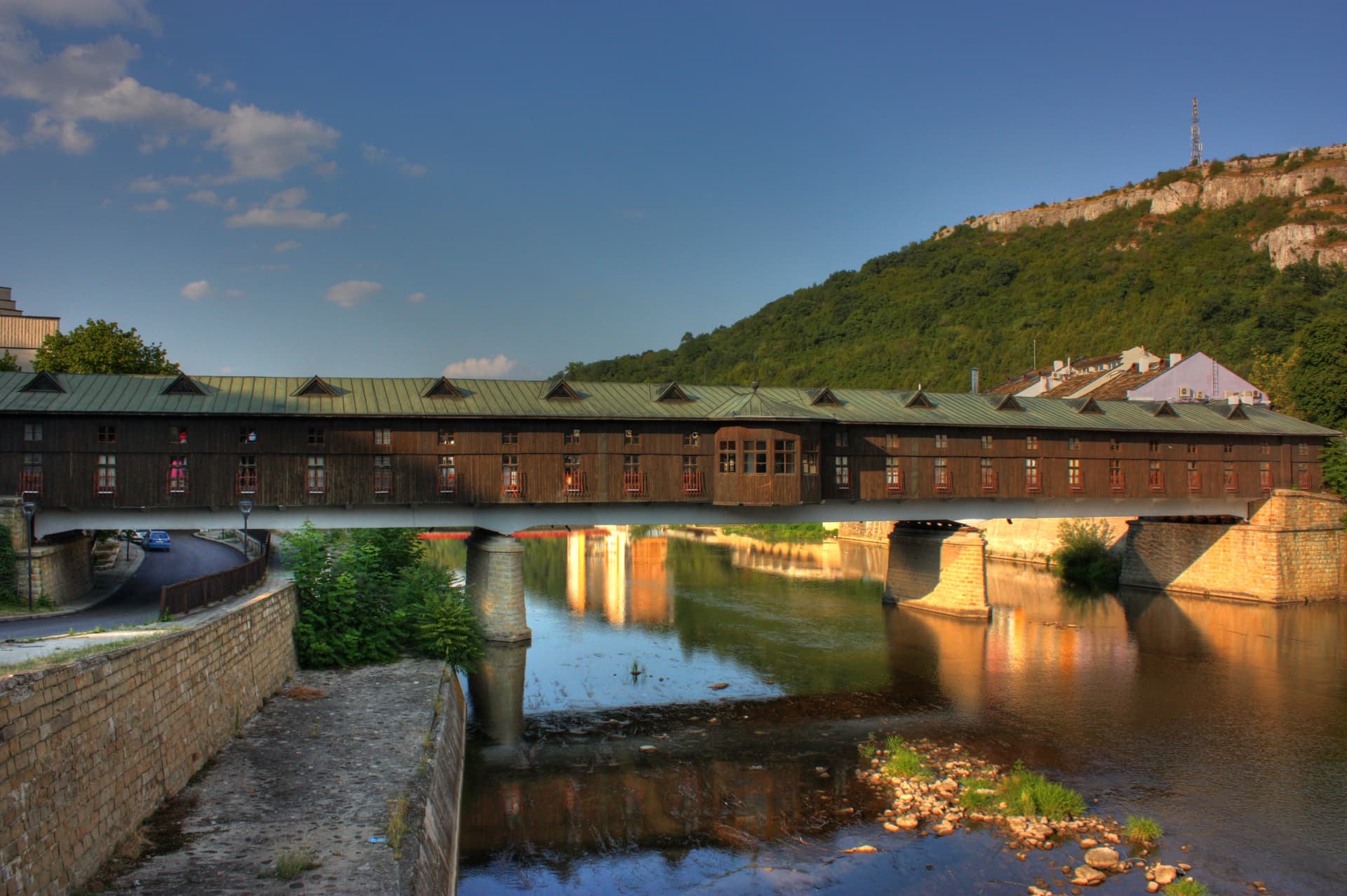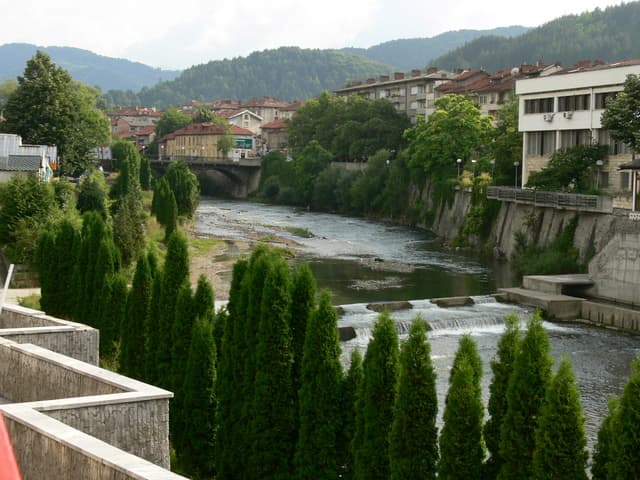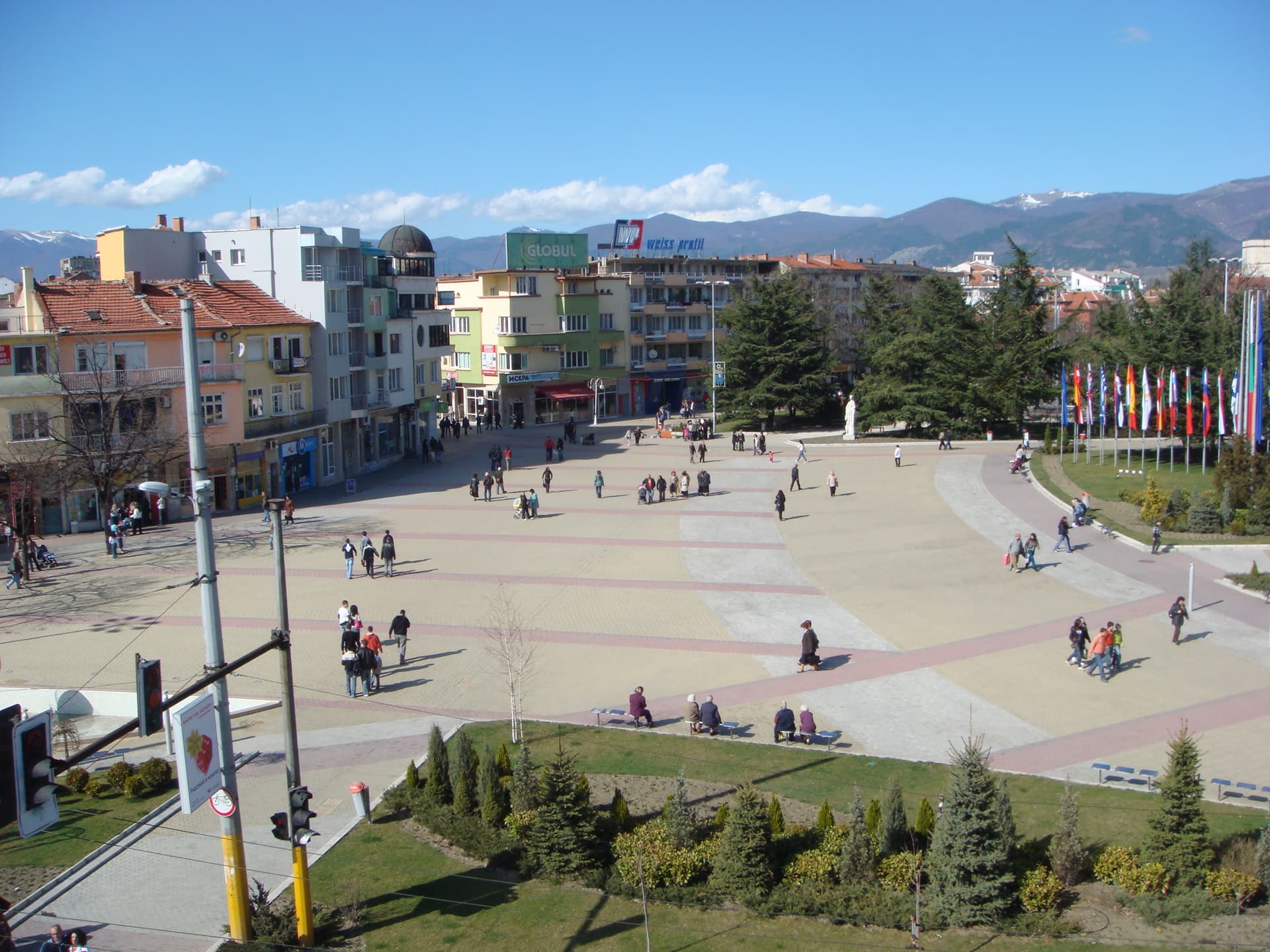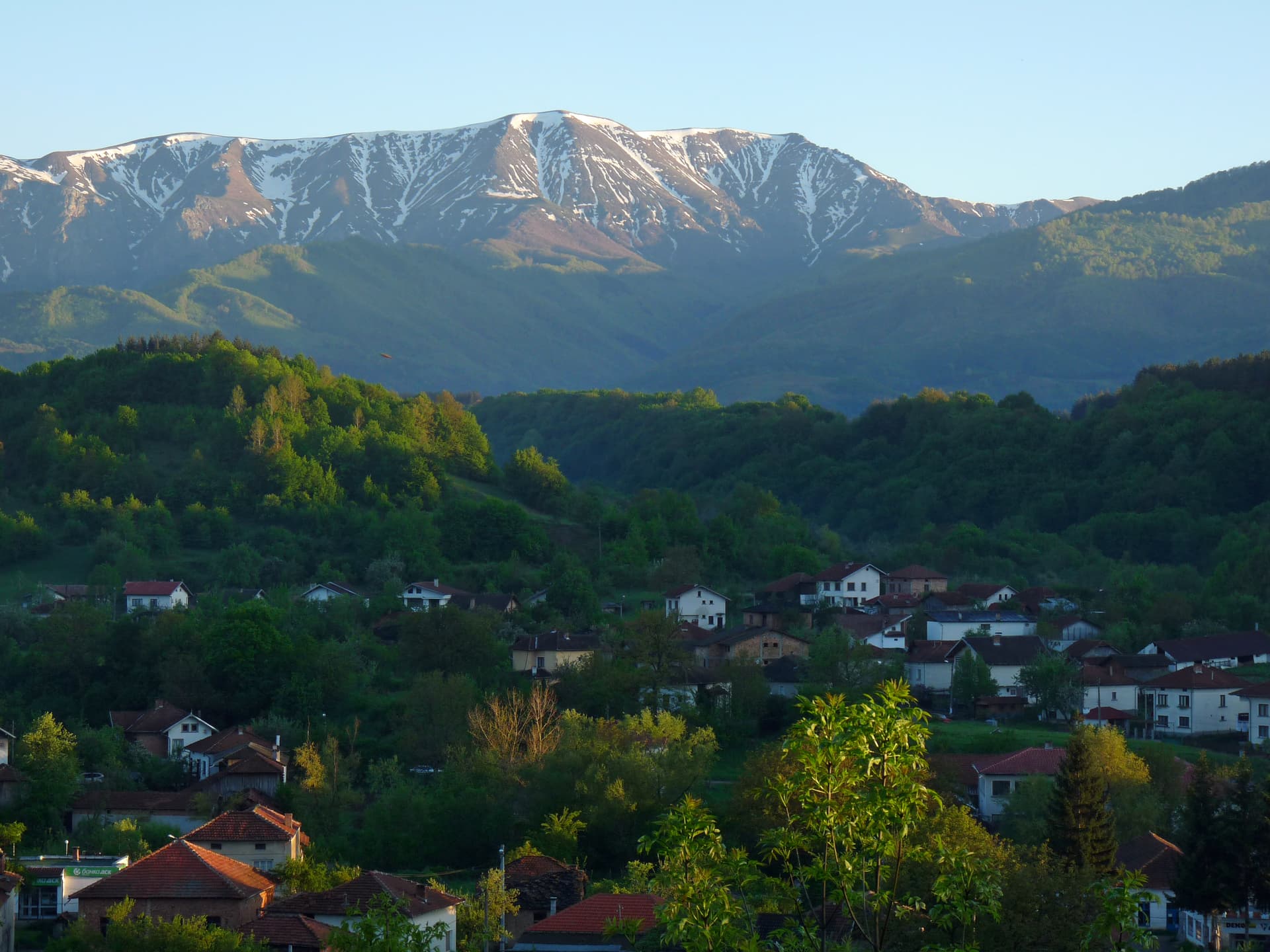
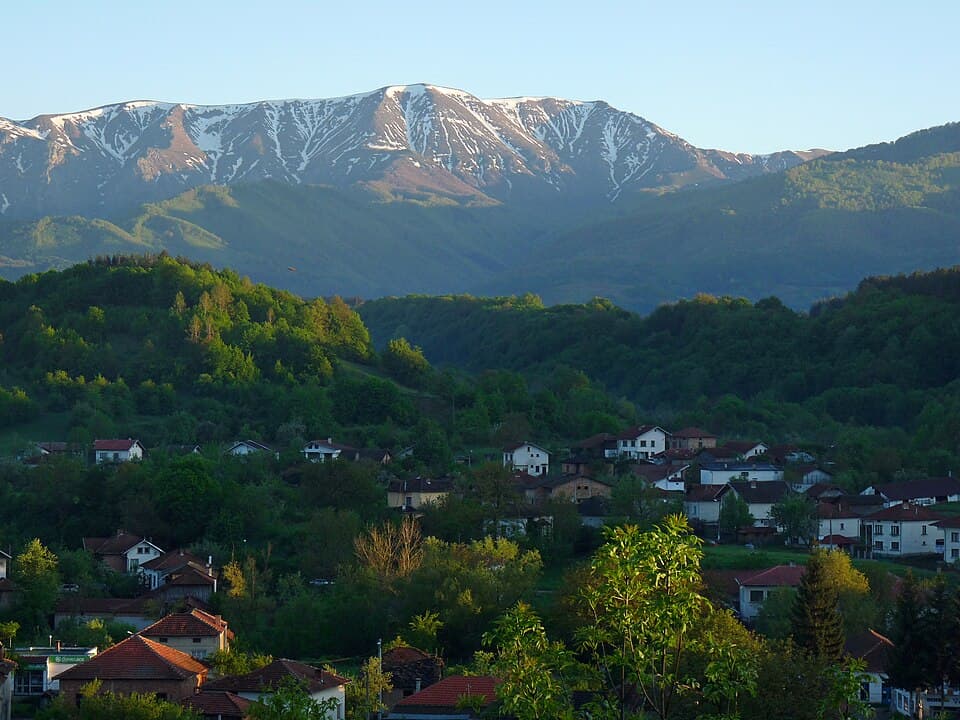
Apriltsi is a charming mountain town located in an expansive valley at the foot of the highest peak in the Balkan Mountains – Botev Peak (2376 m). Formed in 1976 by merging four historical villages (Novo Selo, Zla Reka, Vidima, and Ostretz), today it is a preferred destination for hikers, mountaineers, and nature lovers.
With a length of 22 km along the river valleys, Apriltsi is one of the longest towns in Bulgaria.
The town is named after the brave participants of the April Uprising of 1876. The local spirit and architecture still echo the Bulgarian National Revival period.
Apriltsi serves as the main starting point for several key routes in the Central Balkan National Park, including the trail to Pleven Hut and the spectacular Vidima Waterfall.

Lovech region
10.5 km away

Lovech region
10.9 km away
Lovech region
11.1 km away
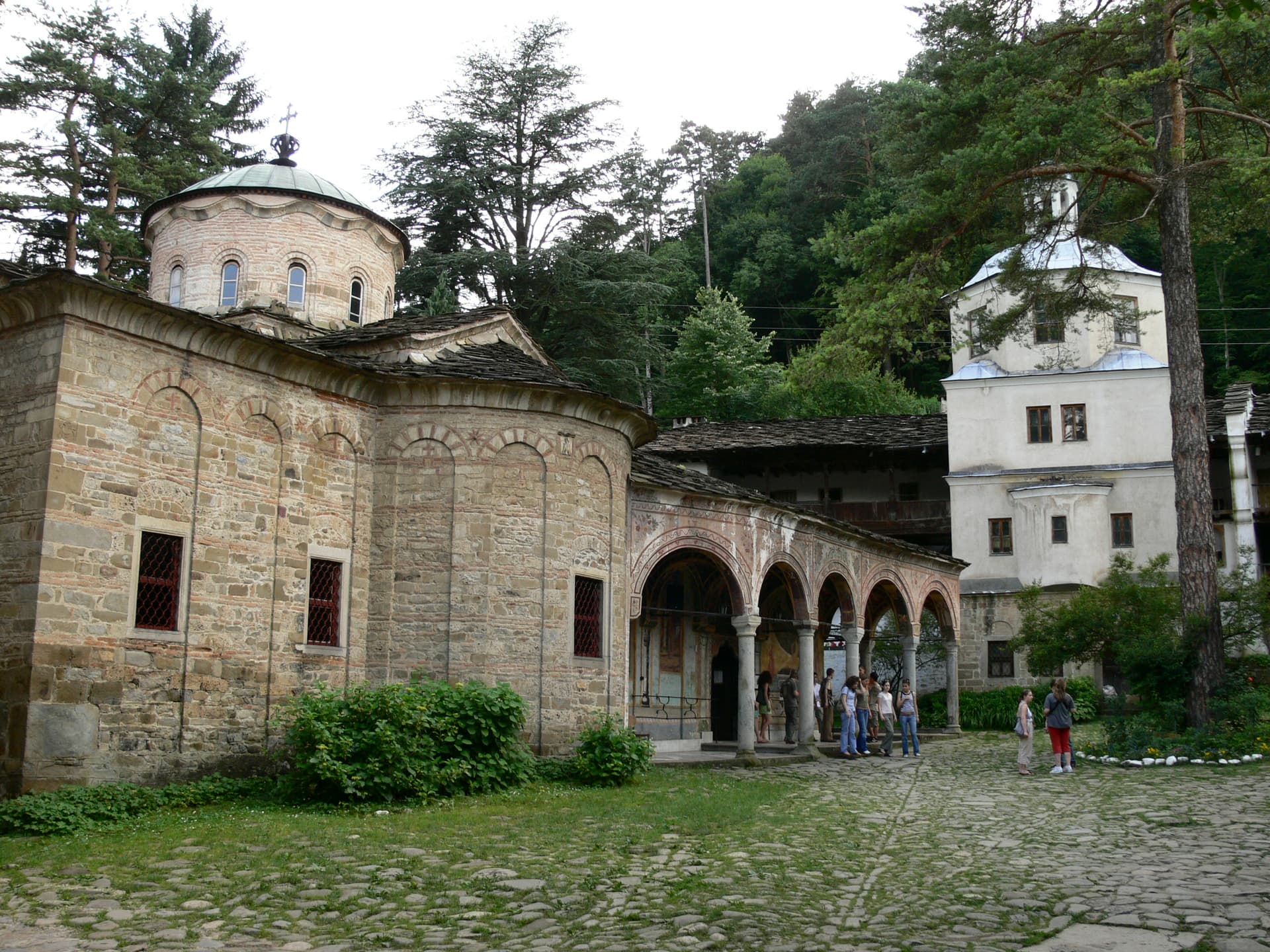
A weekend in Troyan, Oreshak and Apriltsi: Troyan pottery and plum rakia, the crafts museum, the Oreshak exhibition by Troyan Monastery, and Apriltsi as a Balkan base.
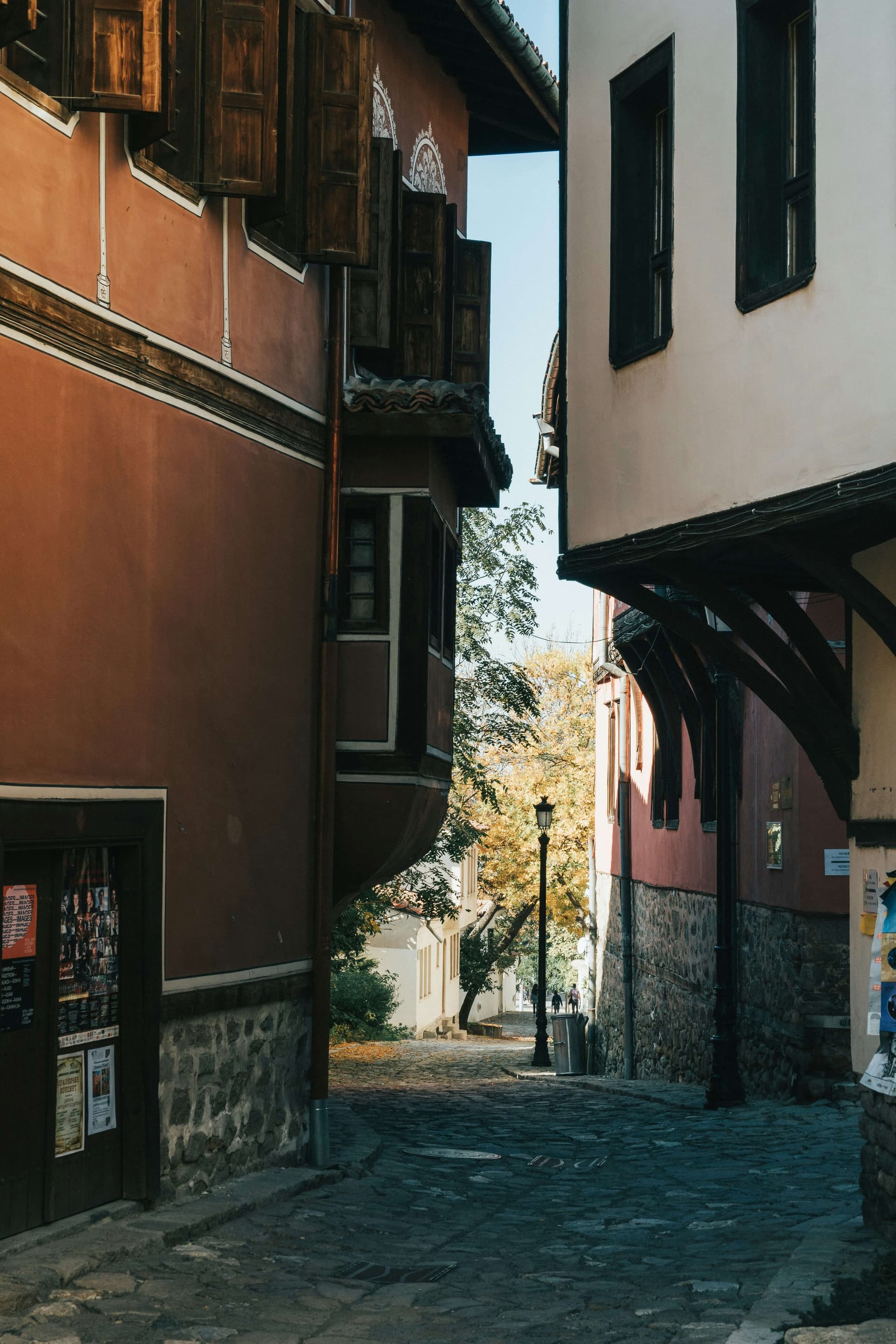
8 overnight getaways from Plovdiv: spa towns, Rhodope villages and caves, Troyan and skiing — with drive times, transport and what is open in winter.
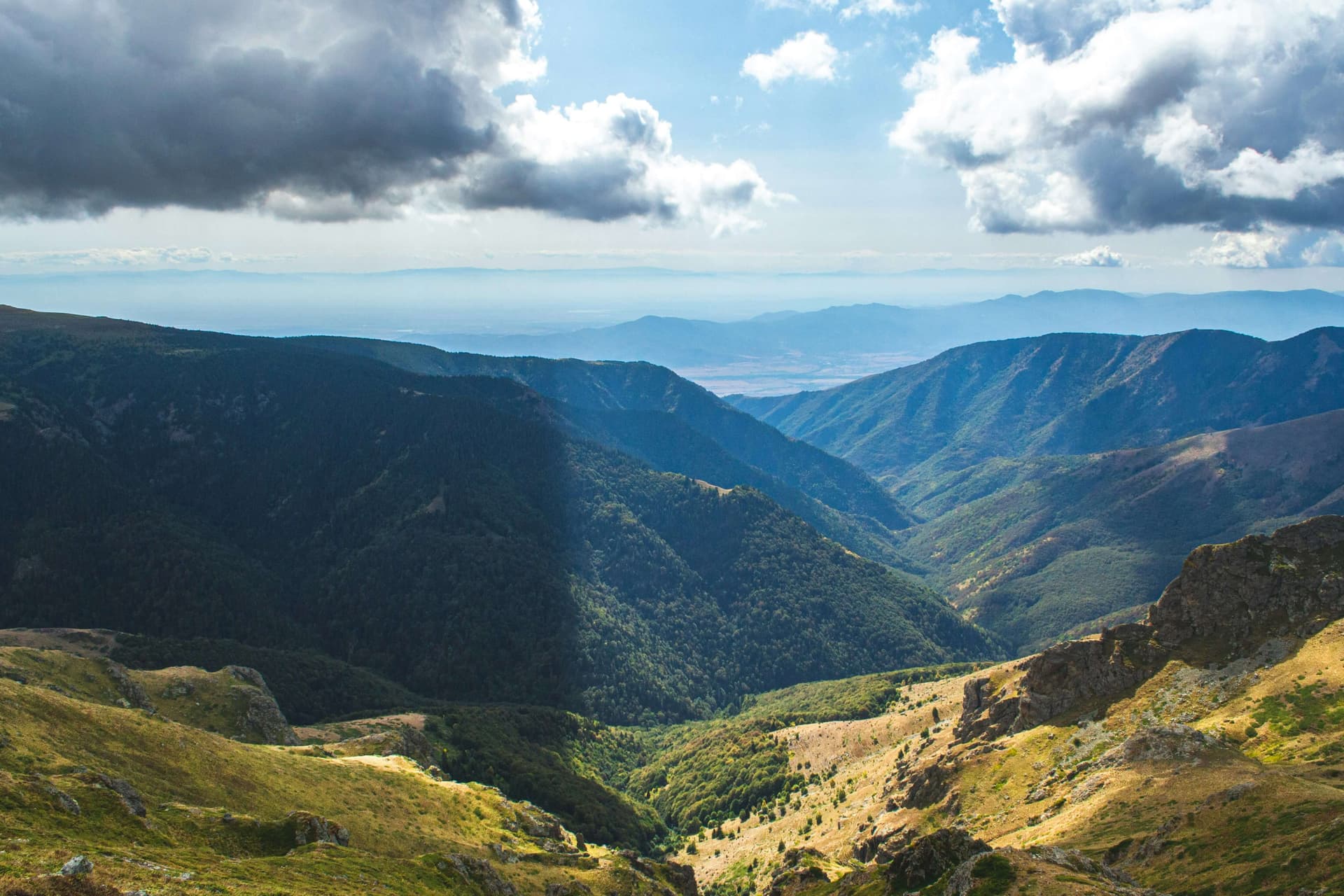
A guide to Central Balkan National Park: its nine strict reserves, the UNESCO-listed primeval beech forests of Boatin and Tsarichina, the Dzhendema cliffs, bears and wolves, and which town to enter from.
Apriltsi is located in Lovech, Bulgaria.
Apriltsi is most easily reached by car. Use the coordinates above to navigate, or open the location in OpenStreetMap or your preferred maps app for turn-by-turn directions. Public transport options vary by region — for remote destinations a rental car gives the most flexibility.
Apriltsi can be visited year-round, but late spring (May–June) and early autumn (September–October) offer the most pleasant weather and fewer tourists. Summer is the busiest season; winter is the quietest, with shorter daylight and possible cold weather.
Bulgarian settlements typically reward unhurried walking — historic centres, churches and monasteries, local markets, and family-run restaurants serving regional dishes. Larger towns often have museums and seasonal cultural events. The local tourist information centre is a good first stop for current opening hours and what's on.