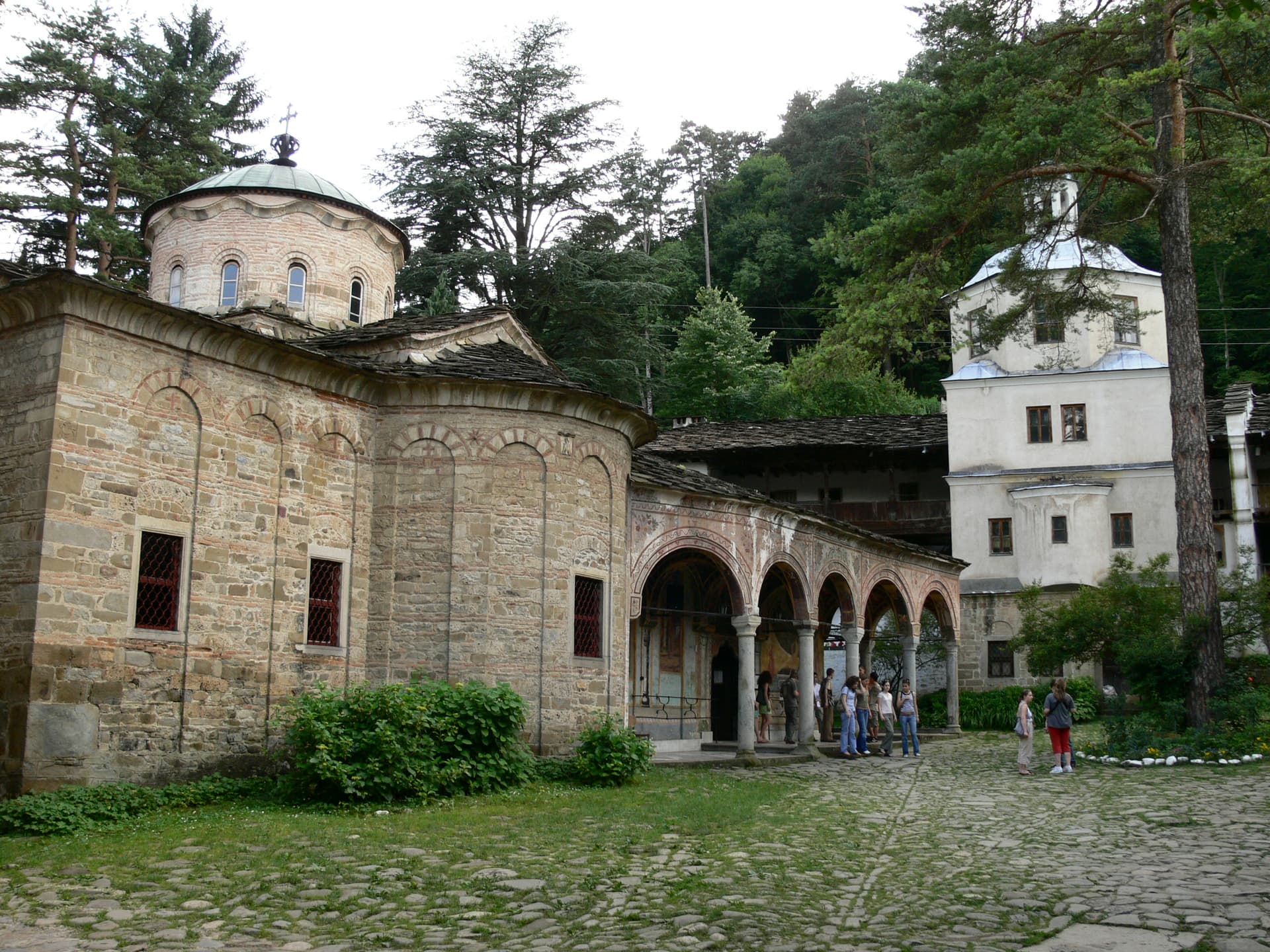
The Troyan Monastery of the Assumption of the Mother of God is the third largest and one of the most spiritually significant Orthodox sanctuaries in Bulgaria. It holds a prestigious stauropegic status, placing it under the direct canonical authority of the Holy Synod of the Bulgarian Orthodox Church. The monastery is picturesquely situated on the banks of the Cherni Osam River in the village of Oreshak, just 10 km from the mountain town of Troyan.
The monastery was established no later than the end of the 16th century (circa 1600), with Abbot Kalistrat recorded as its early spiritual leader. According to local historical chronicles:
A group of Athonite monks traveling toward Wallachia carried a precious holy relic — a miraculous icon of the Three-Handed Virgin Mary (Bogoroditsa Troeruchitsa), which was an exact copy of the famous $14\text{th}$-century icon housed in the Hilandar Monastery on Mount Athos. Captivated by the tranquil beauty of the Balkan Mountains, they chose to settle here, erecting a humble wooden church dedicated to the Nativity of the Blessed Virgin and a small residential wing.
During the 18th century, the monastery entered a period of economic prosperity and educational prominence. A traditional monastery school (kiliyno uchilishte) began operating here, gaining nationwide renown after 1765 under the tutelage of teacher Nikola Varbanov. Under Abbot Hristofor of Sopot, significant architectural additions were made, including a fresh water supply system in 1771, while the subsequent abbot, Pahomiy, oversaw the construction of the first solid stone main church around 1780.
By the dawn of the 19th century, the Troyan Monastery had developed into a monumental complex. It featured rare two- and three-story residential wings in the classic Bulgarian National Revival style, which surrounded a grand inner courtyard and were guarded by a defensive tower in the northwestern corner. On December 4, 1830, the monastery was officially recognized as a stauropegic monastery.
The Troyan Monastery is deeply woven into the fabric of Bulgaria's struggle for independence. The legendary national hero Vasil Levski founded a secret revolutionary committee here, utilizing a hidden room within the residential quarters which remains preserved as a museum display today. Although the monastery did not play a direct role in the April Uprising of 1876 due to the Ottoman garrison stationed within its walls, it became a crucial military hospital and supply hub during the Russo-Turkish Liberation War ($1877–1878$). The resident monks and local villagers provided invaluable intelligence, medical aid, and logistics to the Russian troops led by General Pavel Kartsov during their grueling winter crossing of the formidable Troyan Pass.
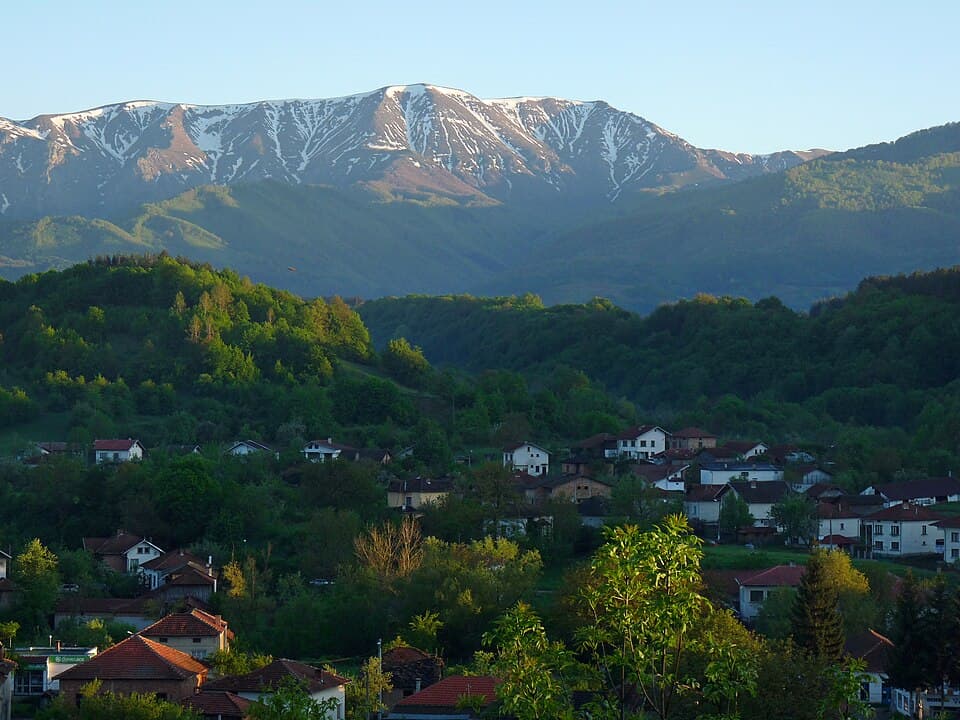
A weekend in Troyan, Oreshak and Apriltsi: Troyan pottery and plum rakia, the crafts museum, the Oreshak exhibition by Troyan Monastery, and Apriltsi as a Balkan base.
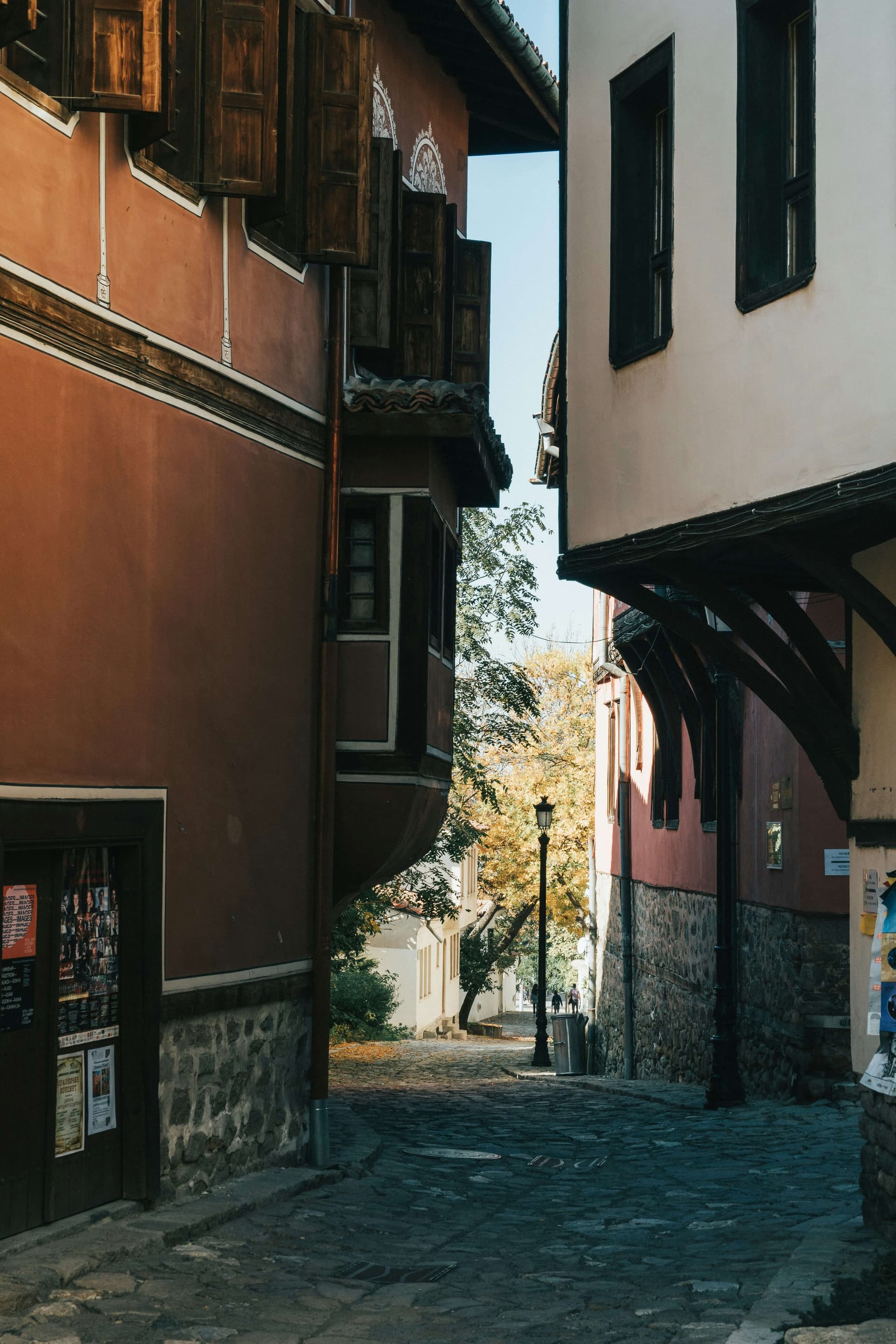
8 overnight getaways from Plovdiv: spa towns, Rhodope villages and caves, Troyan and skiing — with drive times, transport and what is open in winter.
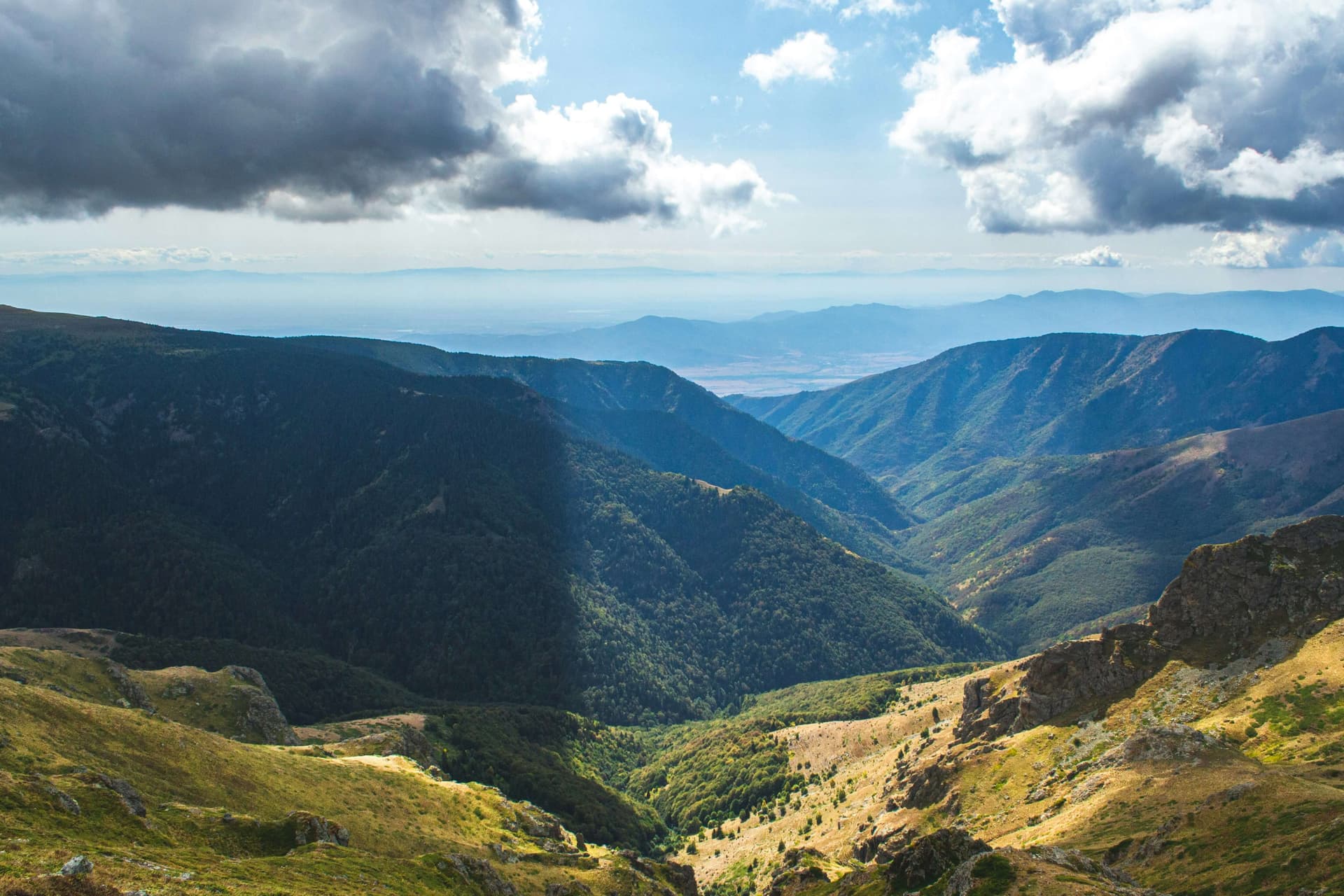
A guide to Central Balkan National Park: its nine strict reserves, the UNESCO-listed primeval beech forests of Boatin and Tsarichina, the Dzhendema cliffs, bears and wolves, and which town to enter from.
Troyan Monastery is located in Lovech, Bulgaria.
Troyan Monastery is most easily reached by car. Use the coordinates above to navigate, or open the location in OpenStreetMap or your preferred maps app for turn-by-turn directions. Public transport options vary by region — for remote destinations a rental car gives the most flexibility.
Troyan Monastery can be visited year-round. Spring and autumn offer the most pleasant conditions for exploring, with mild temperatures and fewer crowds. Summer is ideal for photography and longer day trips; winter visits are possible but weather can limit access at some sites.
Most natural landmarks in Bulgaria are freely accessible and open year-round, though some sites have entrance fees or require a guide. Wear sturdy footwear and bring water, as the terrain can be uneven. Respect any protective barriers and stay on marked paths to preserve the site.