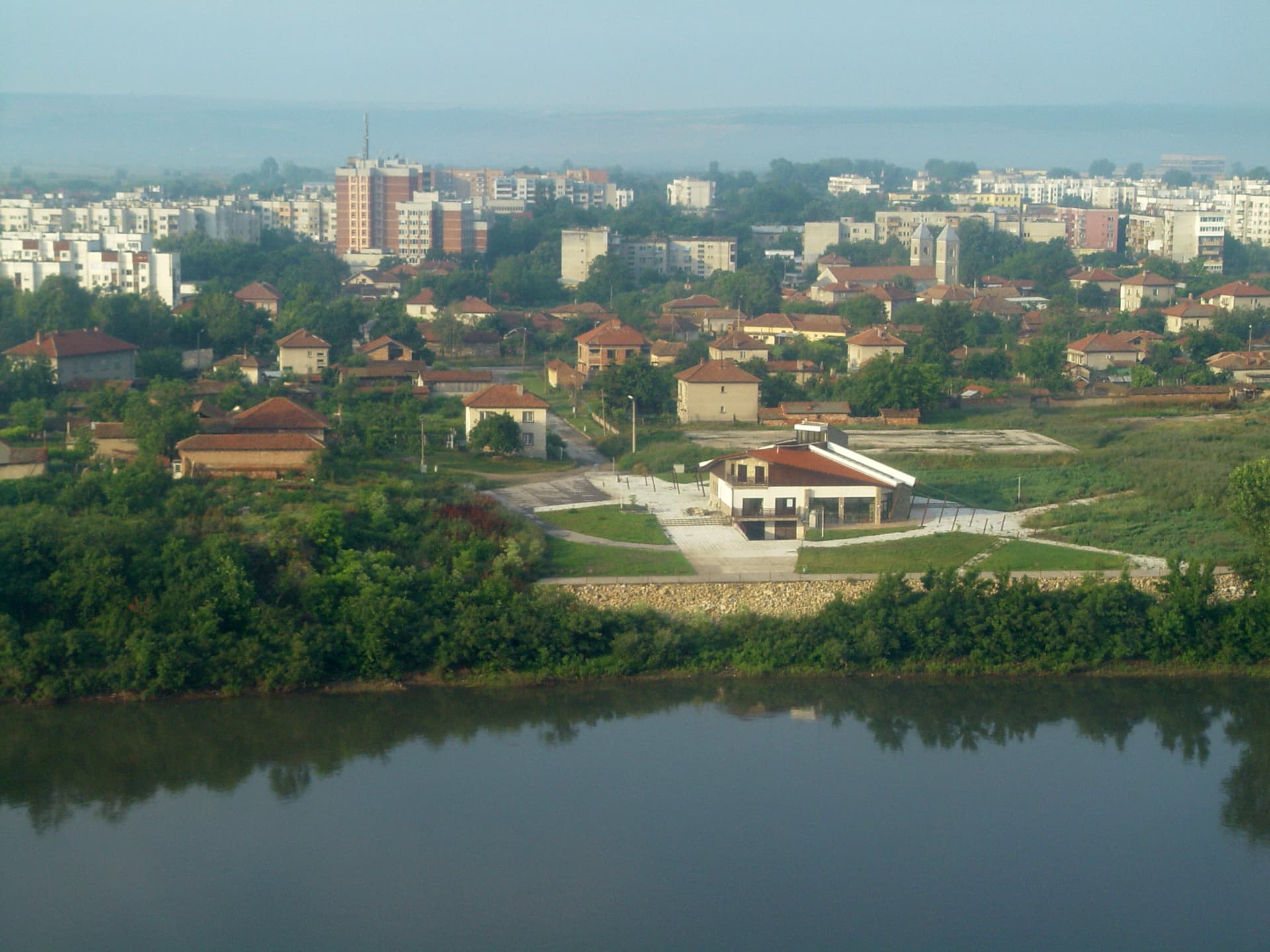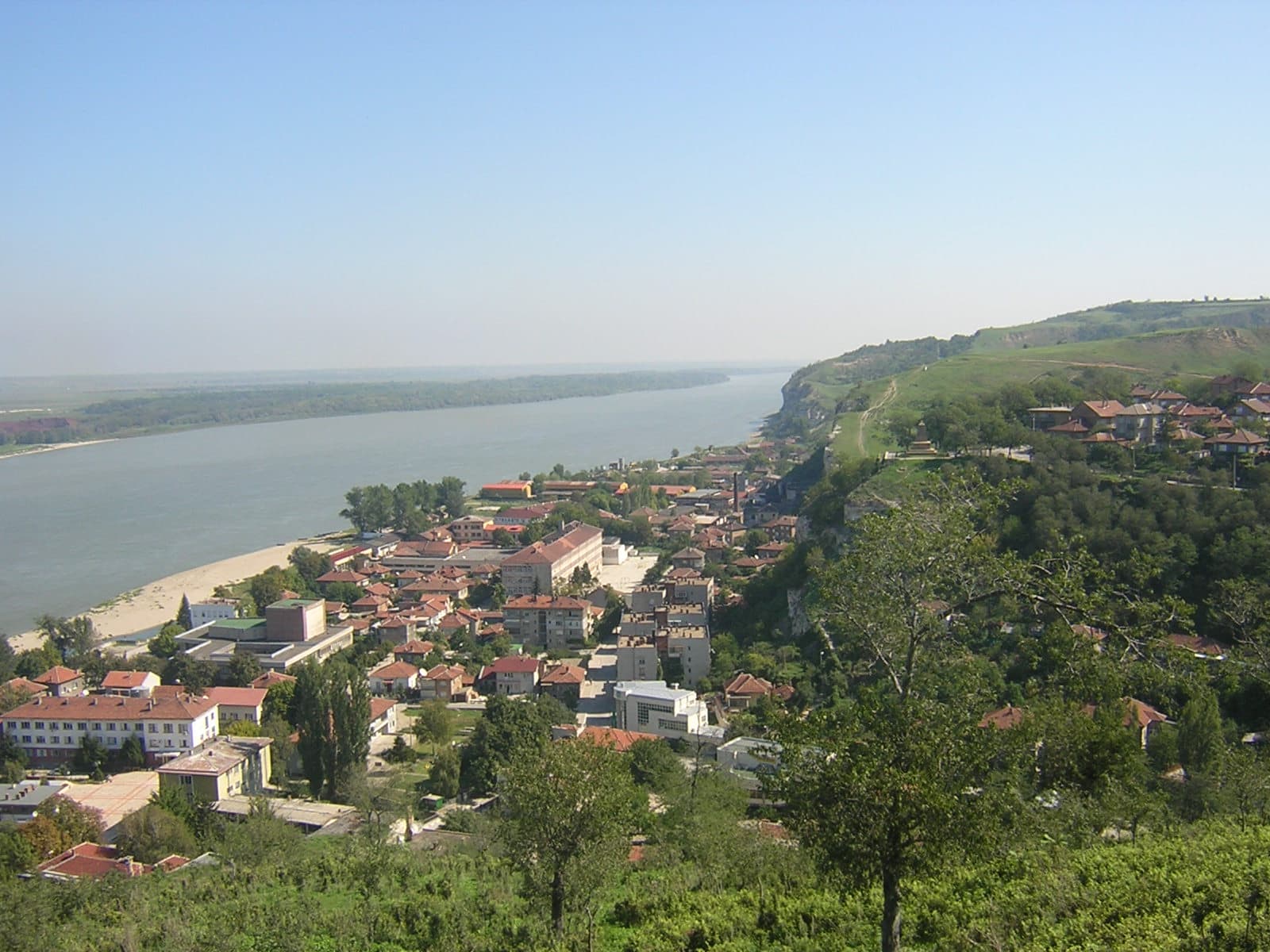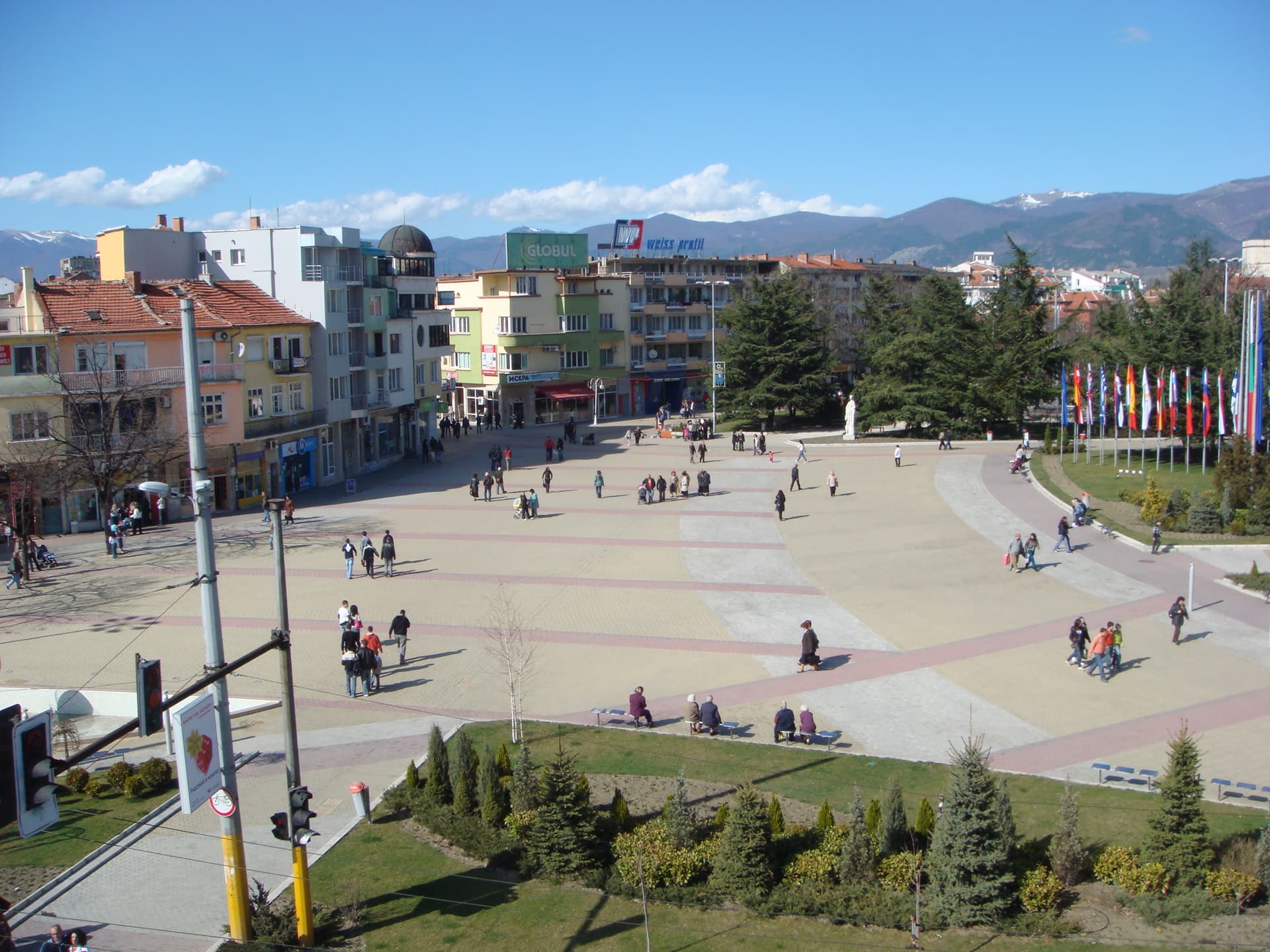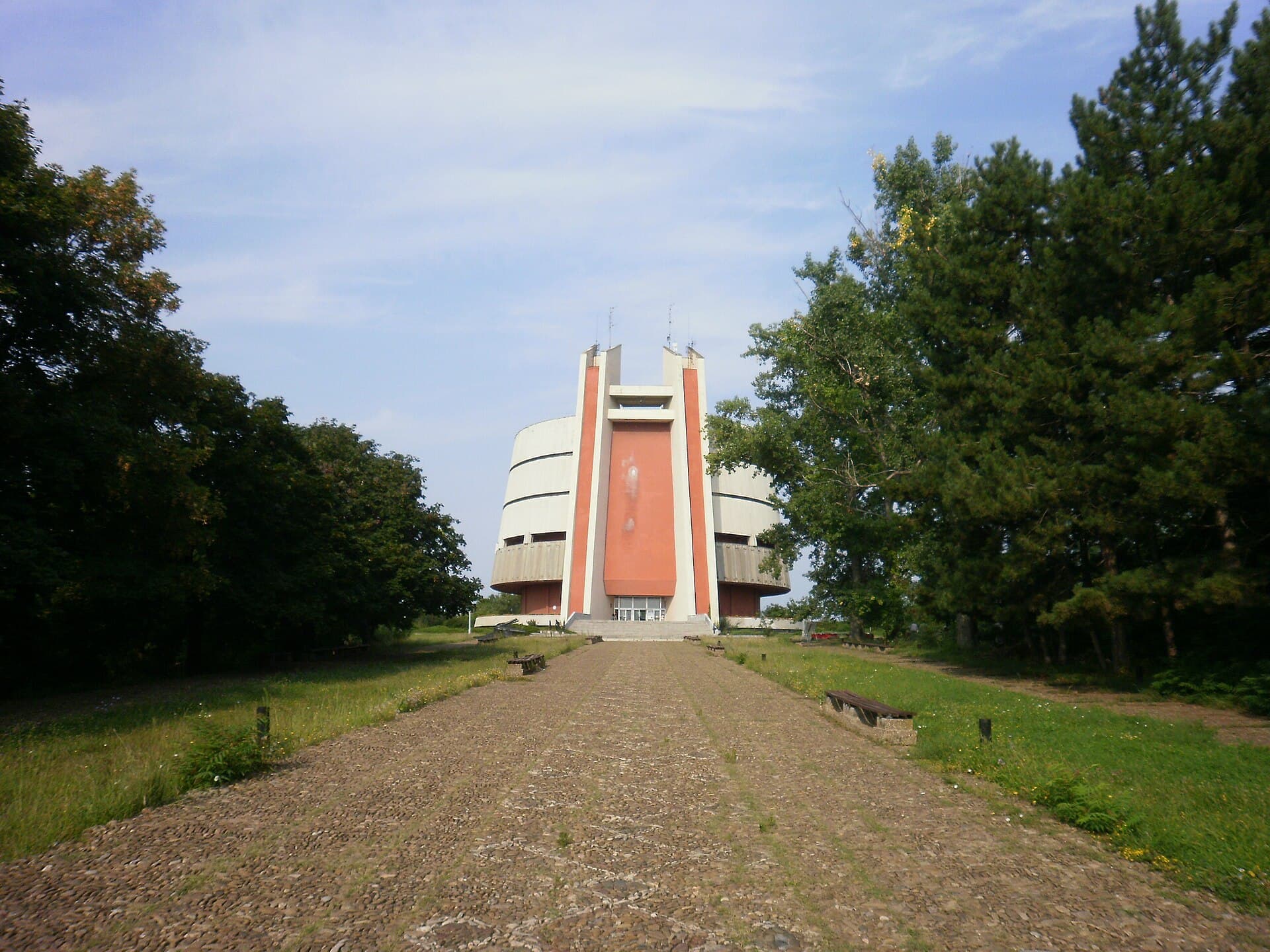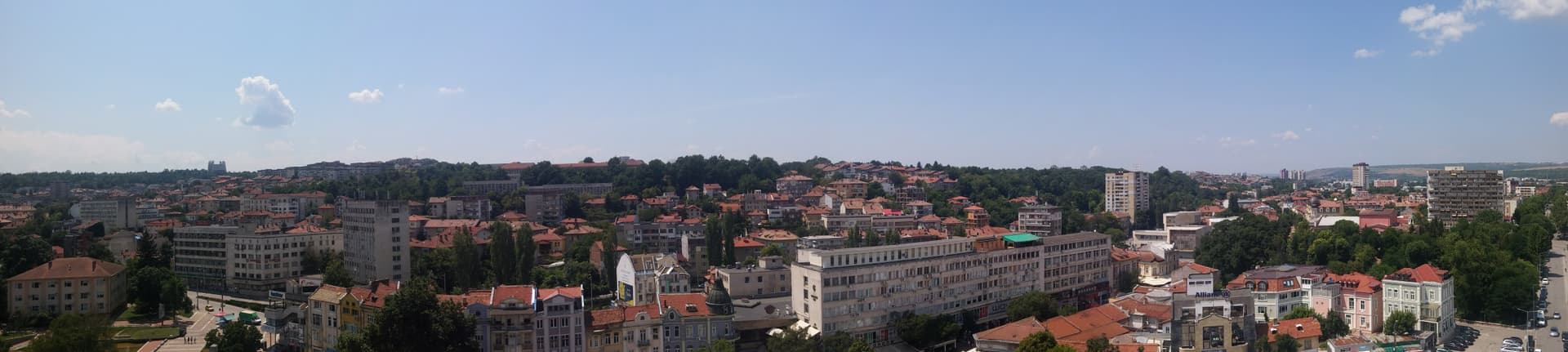
Nestled in the heart of the Danubian Plain along the banks of the Tuchenitsa River, Pleven is Bulgaria's seventh-largest city (with a population of over 88,000) and a major cultural, educational, and transportation hub in Northern Bulgaria. Widely celebrated as the "City of Museums", Pleven combines millennia of history, picturesque urban parks, and grand commemorative monuments.
Equidistant from the Danube River and the Balkan Mountain range, the city has functioned since antiquity as a vital crossroads connecting Sofia (150 km), Varna, Plovdiv, and Ruse.
Human habitation in the Pleven basin dates back to the 5th millennium BC:
During the Ottoman era, Pleven grew into a thriving trade and educational center:
Following Bulgaria's liberation, Pleven rapidly developed into a principal administrative and economic center. During the 20th century, extensive industrial zones were established along the river basin, turning Pleven into a center for machinery, textiles, food processing, and nuclear instrumentation technology.

Pleven region
1.5 km away
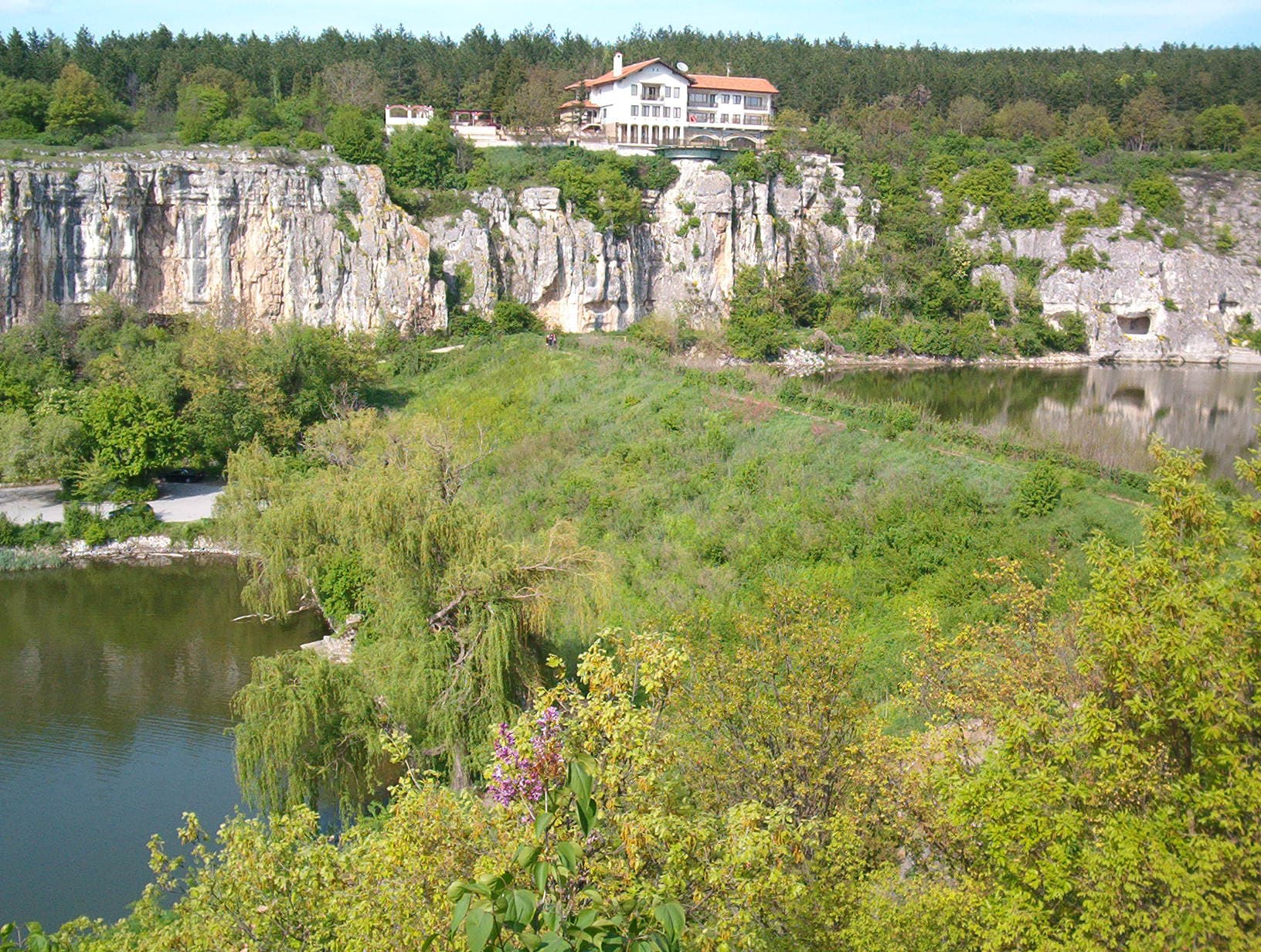
Pleven region
5.8 km away
Pleven is located in Pleven, Bulgaria.
Pleven is most easily reached by car. Use the coordinates above to navigate, or open the location in OpenStreetMap or your preferred maps app for turn-by-turn directions. Public transport options vary by region — for remote destinations a rental car gives the most flexibility.
Pleven can be visited year-round, but late spring (May–June) and early autumn (September–October) offer the most pleasant weather and fewer tourists. Summer is the busiest season; winter is the quietest, with shorter daylight and possible cold weather.
Bulgarian settlements typically reward unhurried walking — historic centres, churches and monasteries, local markets, and family-run restaurants serving regional dishes. Larger towns often have museums and seasonal cultural events. The local tourist information centre is a good first stop for current opening hours and what's on.