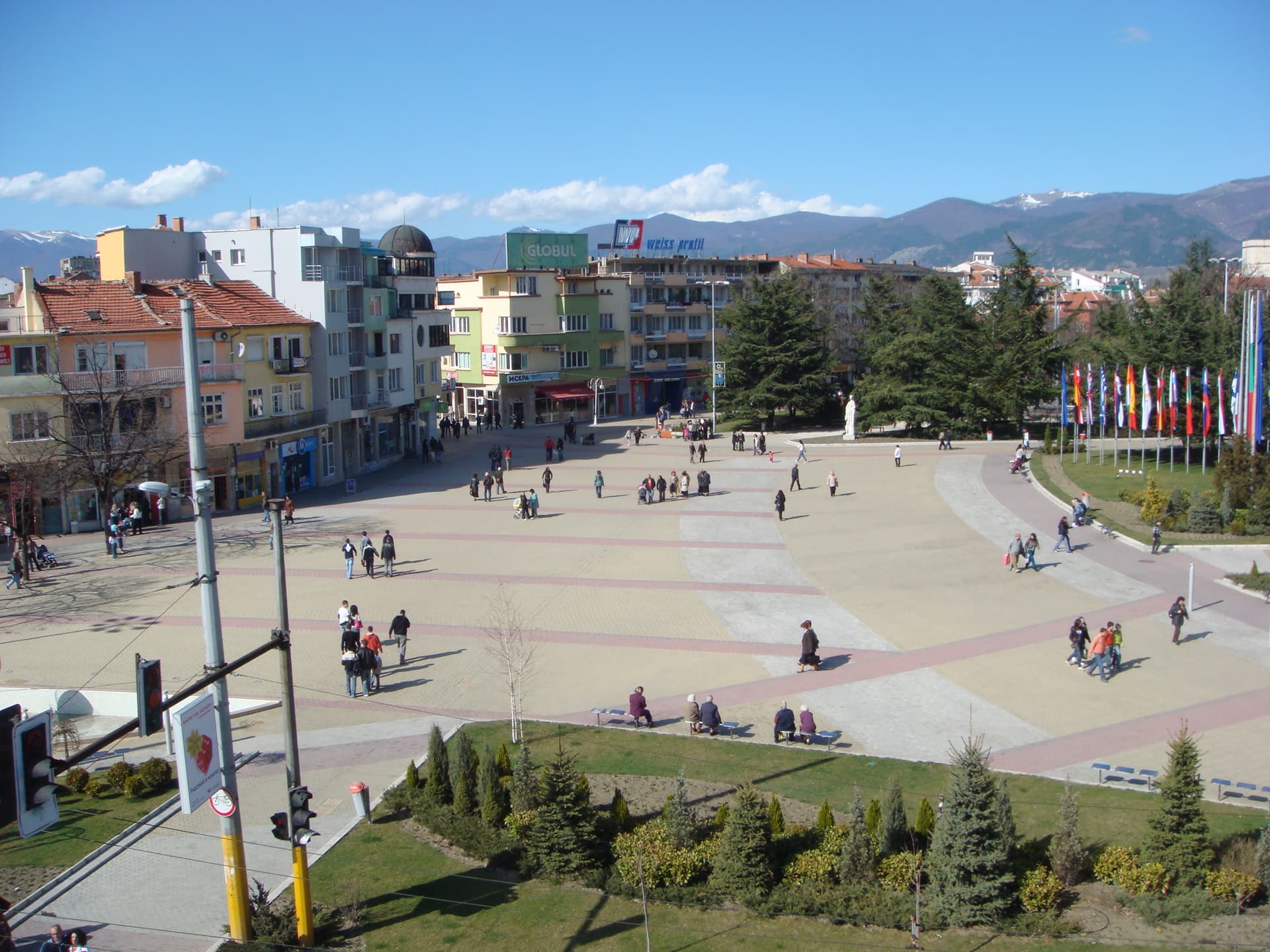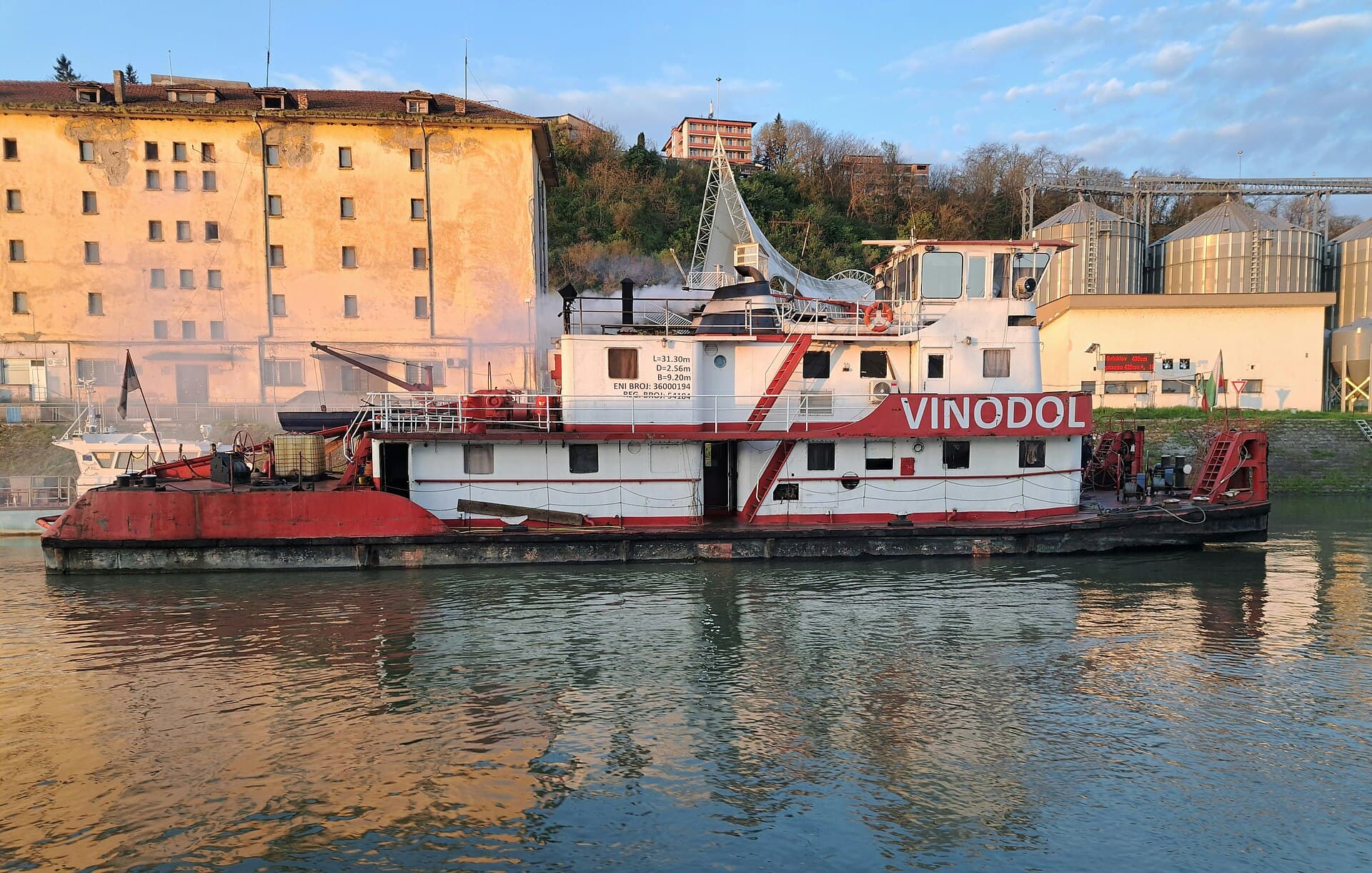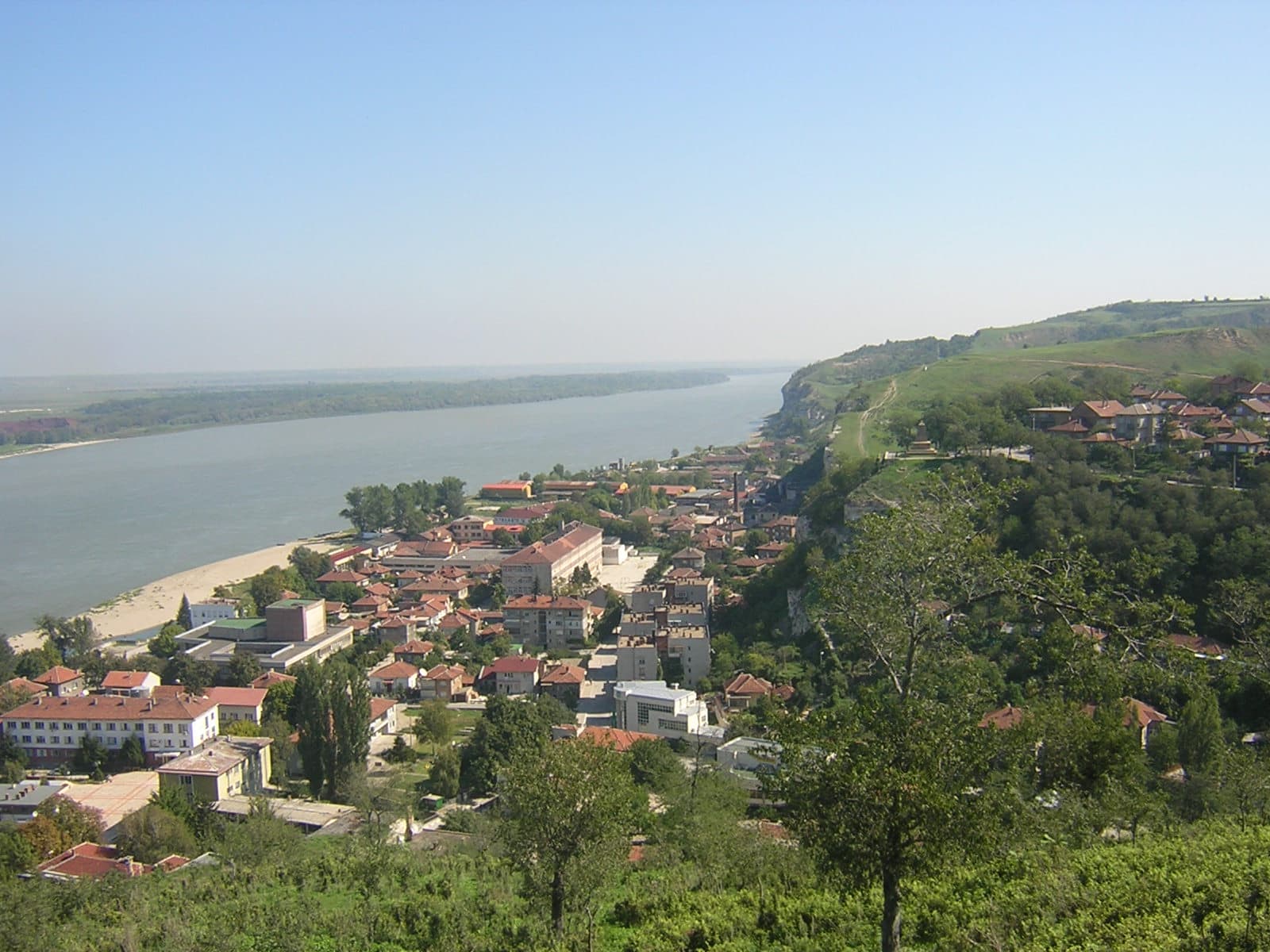
Nikopol (from Greek: City of Victories) is one of the most historically significant towns on the Danube. Nestled among limestone hills in the Pleven region, it bears the legacy of Thracians, Romans, and medieval Tsars who turned it into an impregnable fortress and the final stronghold of the Second Bulgarian Empire.
Founded as a Roman strategic hub in Moesia, Nikopol houses one of the most romantic monuments from the Roman era. The Fountain of Elia, built in the 2nd century, was a tribute from a Roman citizen named Fronton to his beloved wife. It features an ancient sarcophagus with a moving Latin inscription.
After the fall of Tarnovo in 1393, Nikopol became the de facto capital of Bulgaria. It was here that Tsar Ivan Shishman made his final stand against the Ottoman invasion. His execution at the gates of Nikopol in 1395 marked the tragic end of the medieval Bulgarian state.
The town was the site of the last great Crusade of the Middle Ages. In 1396, a coalition of European knights led by King Sigismund of Hungary was defeated by the Ottomans, a turning point that secured Ottoman control over the Balkans for centuries.
During the Russo-Turkish War, Nikopol was a strategic target for the Russian army. After intense battles and the capture of 7,000 Ottoman soldiers on July 16, 1877, the town was liberated, forcing the Ottoman forces to redirect towards Pleven.
Pleven region
19.4 km away

Pleven region
23.6 km away

Pleven region
24.7 km away

Pleven region
25.8 km away
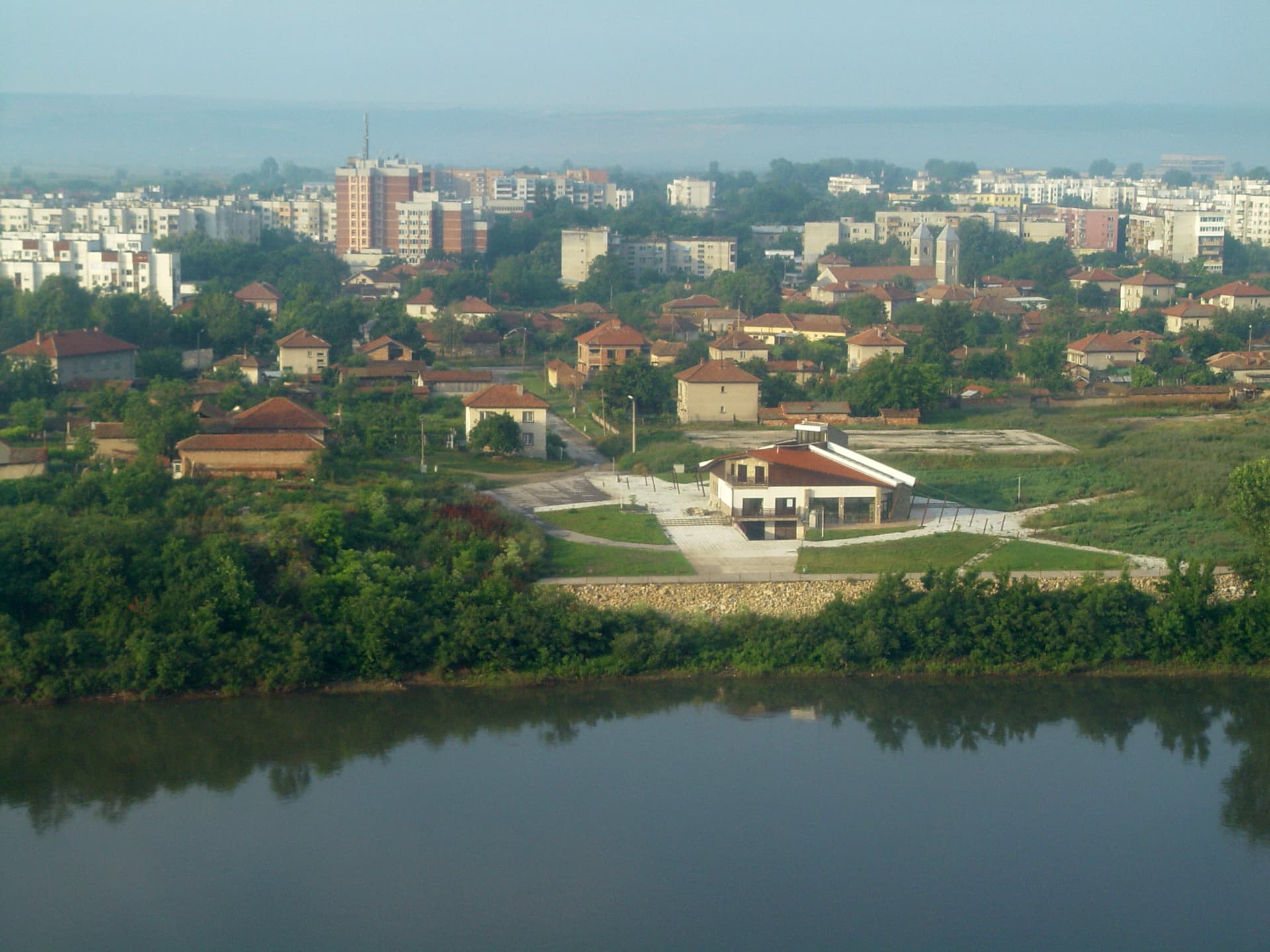
Nikopol is located in Pleven, Bulgaria.
Nikopol is most easily reached by car. Use the coordinates above to navigate, or open the location in OpenStreetMap or your preferred maps app for turn-by-turn directions. Public transport options vary by region — for remote destinations a rental car gives the most flexibility.
Nikopol can be visited year-round, but late spring (May–June) and early autumn (September–October) offer the most pleasant weather and fewer tourists. Summer is the busiest season; winter is the quietest, with shorter daylight and possible cold weather.
Bulgarian settlements typically reward unhurried walking — historic centres, churches and monasteries, local markets, and family-run restaurants serving regional dishes. Larger towns often have museums and seasonal cultural events. The local tourist information centre is a good first stop for current opening hours and what's on.