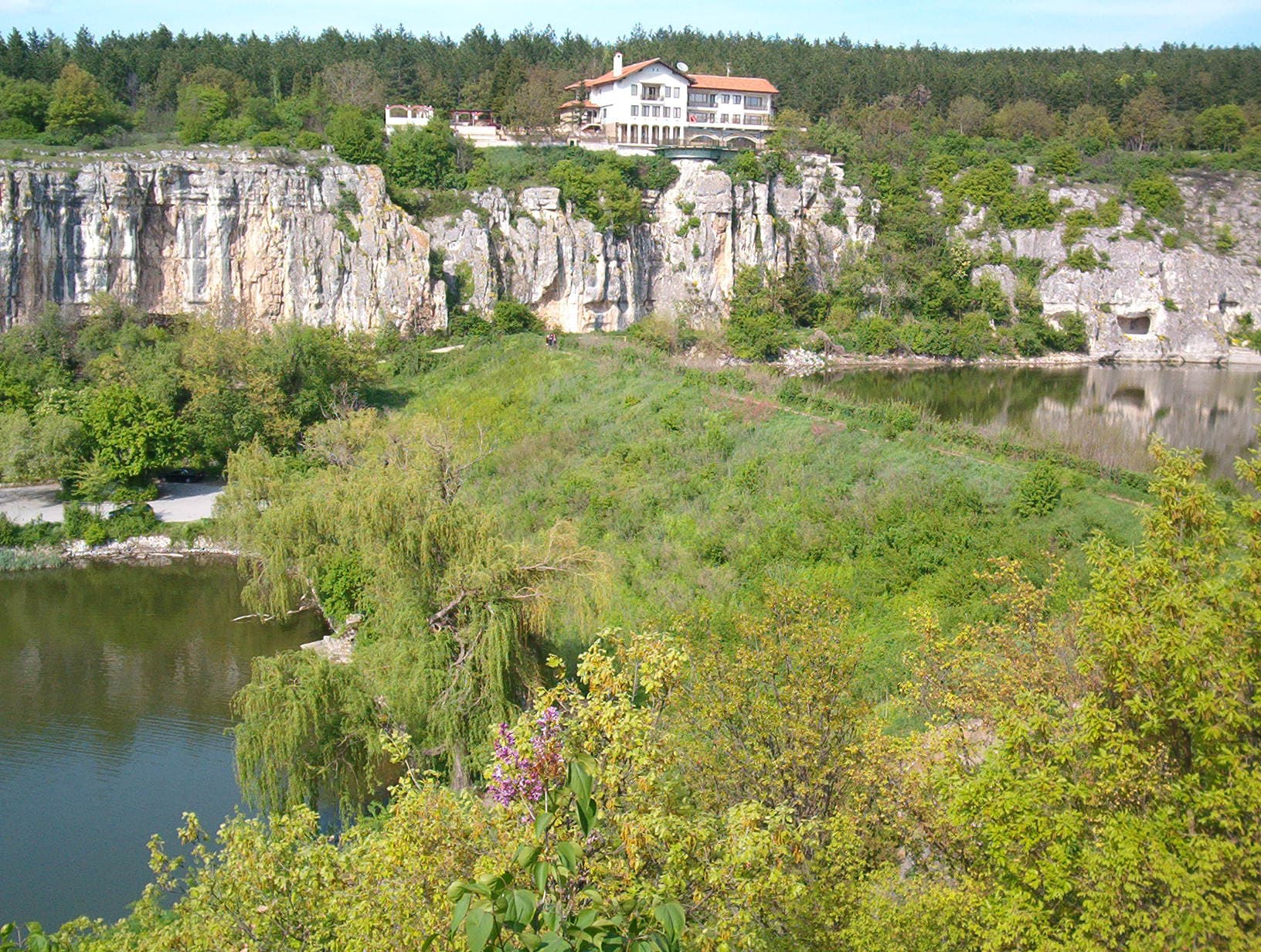
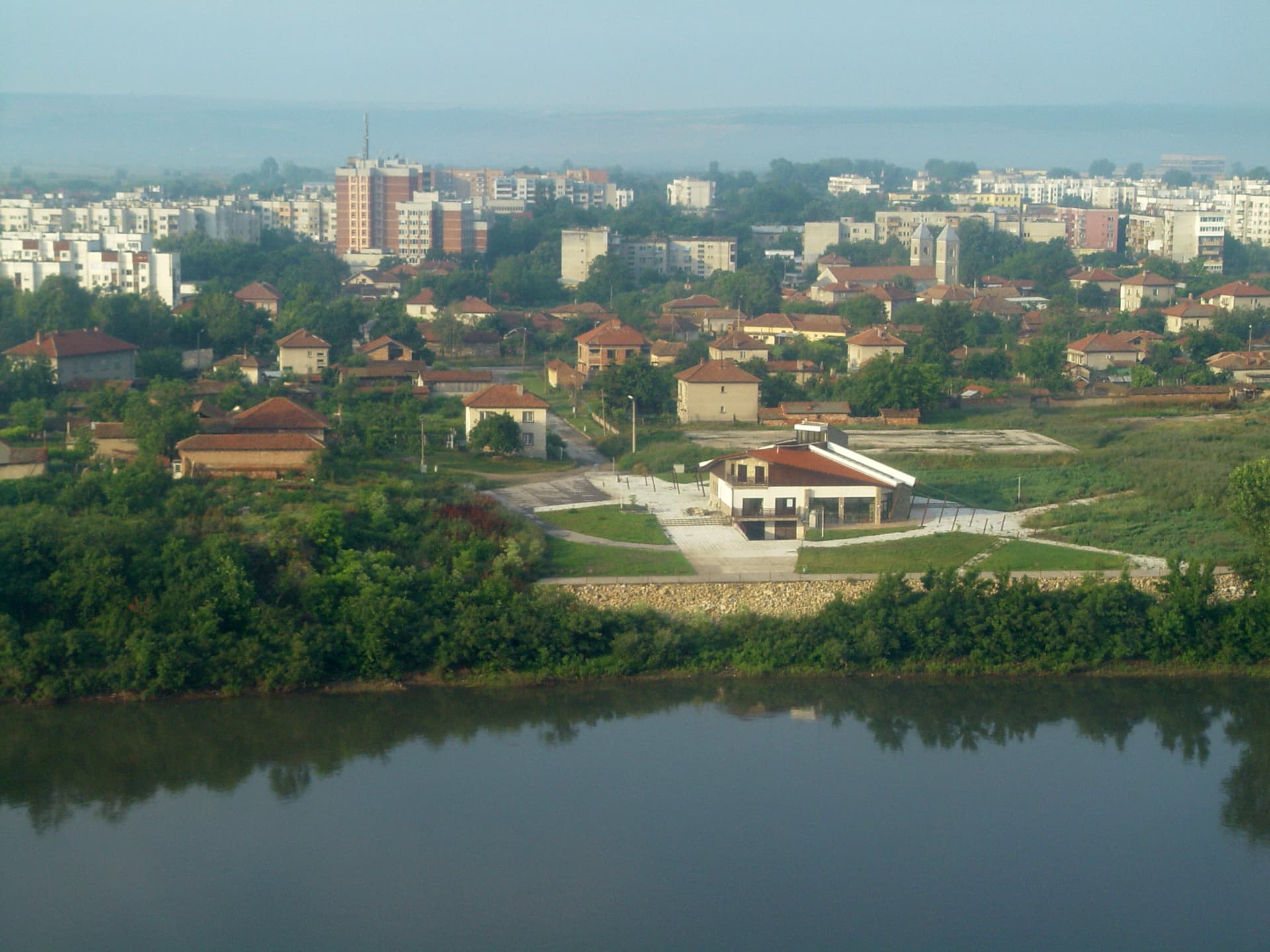
Kitka Reserve lies in the northern part of Belene (Persin) island in the Danube, in the lands of the town of Belene. It was declared in 1981 and covers 27.59 ha inside the Persina Nature Park.
The reserve protects primary riverside vegetation, willow and poplar forest, and a white-tailed eagle nest. The eagle is very sensitive to people, so two reserves were declared on the islands to protect it: Kitka and neighbouring Milka. The Persinski Blata managed reserve is also close by. The area is part of a Ramsar site and of the Persina and Belene Islands Complex Natura 2000 sites.
All activity in the reserve is banned except guarding, scientific visits, walking on marked paths, and collecting seeds and specimens for science. Kitka has no published visitor paths, so there is no entry. Access to Persin island is also controlled, because it holds a working prison; tourism sources report organised group visits with advance permission through Belene municipality. The easiest way to learn about the islands' wildlife is through the Persina Nature Park directorate in Belene.
The reserve is on Persin island, north of Belene. Svishtov is about 13 km away in a straight line.

Pleven region
2.4 km away

Pleven region
2.8 km away
Pleven region
8.4 km away
Kitka Reserve is located in Pleven, Bulgaria.
Kitka Reserve is most easily reached by car. Use the coordinates above to navigate, or open the location in OpenStreetMap or your preferred maps app for turn-by-turn directions. Public transport options vary by region — for remote destinations a rental car gives the most flexibility.
Kitka Reserve is best walked from May through October, when the trail is clear of snow and weather is generally stable. Summer middays can be hot at lower altitudes — start early. Winter walking requires proper gear and route knowledge.
Suitability depends on the specific route. Bulgarian trails range from paved family-friendly paths to multi-day high-mountain crossings. Check the length, elevation gain, and surface before setting off. Sturdy footwear, water, and a basic map (offline or paper) are essential even on short walks.