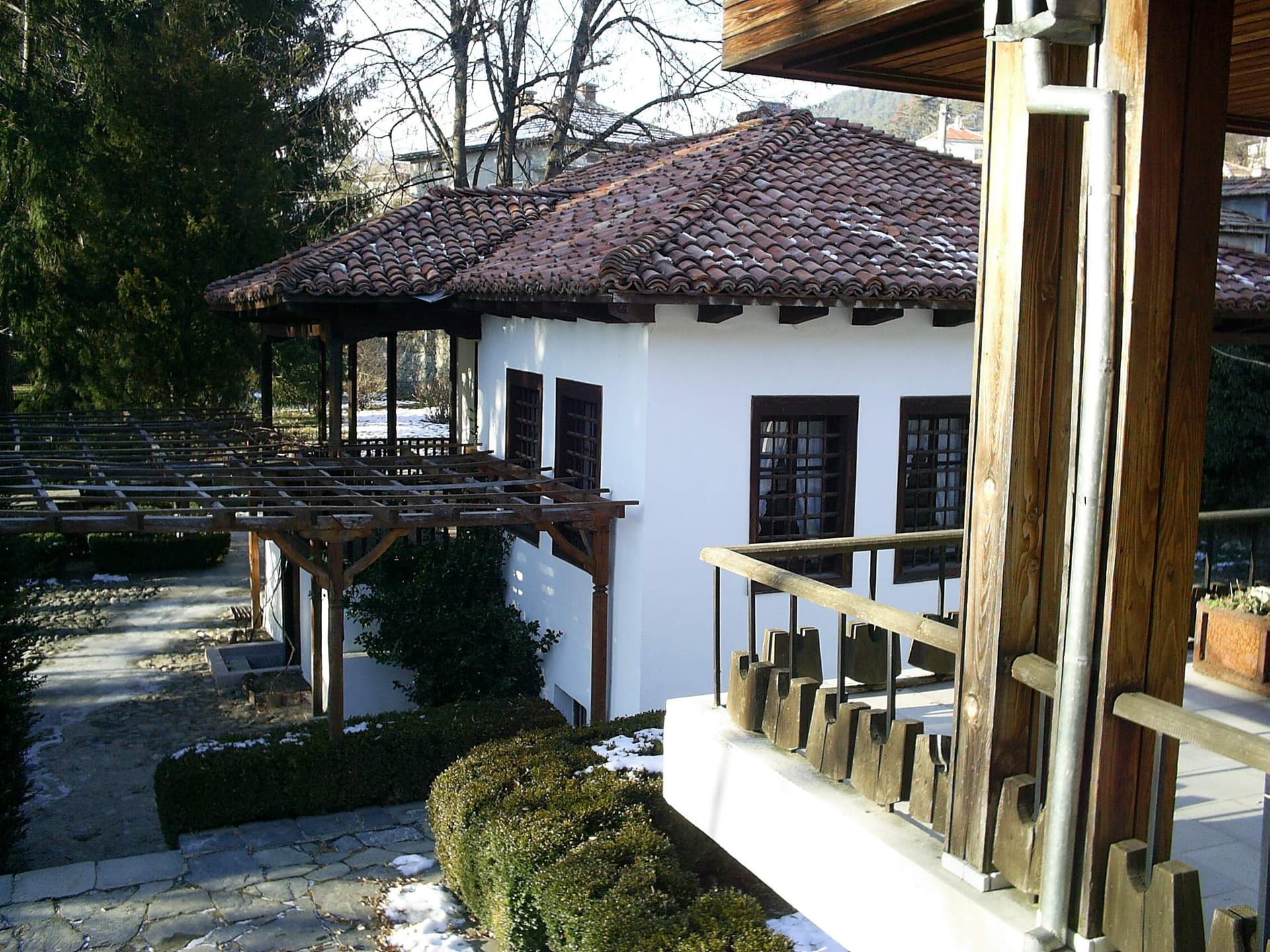
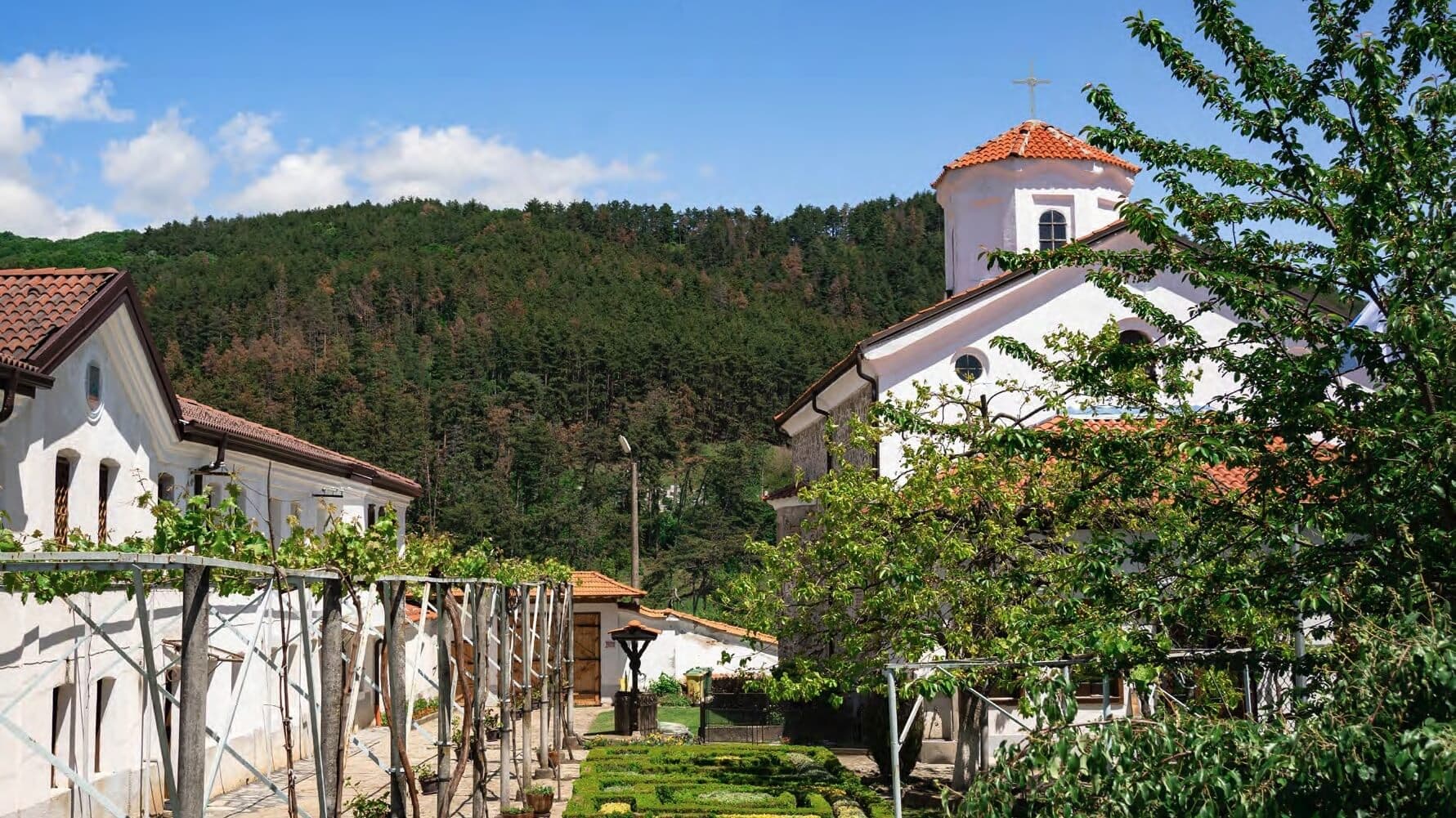
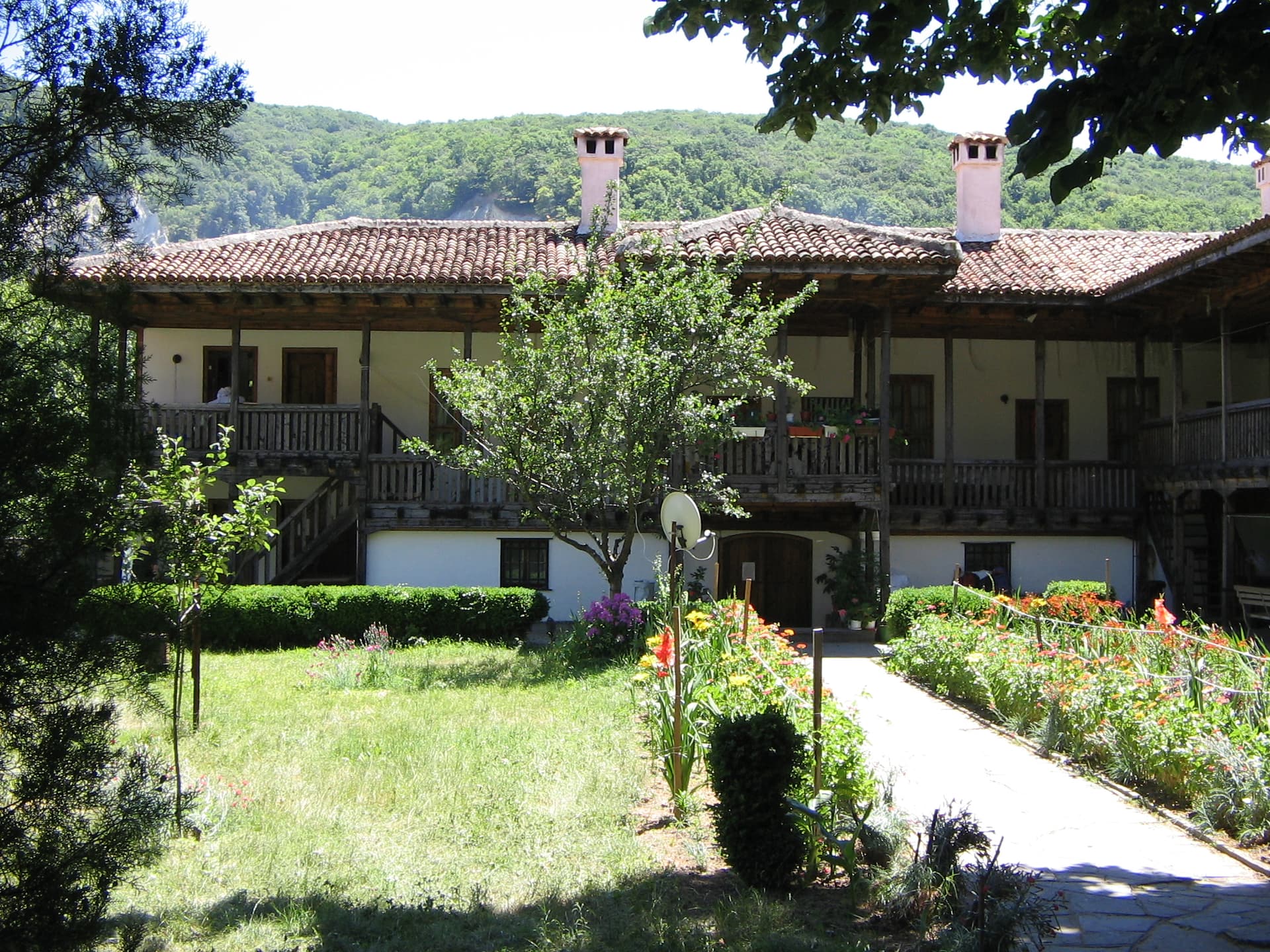
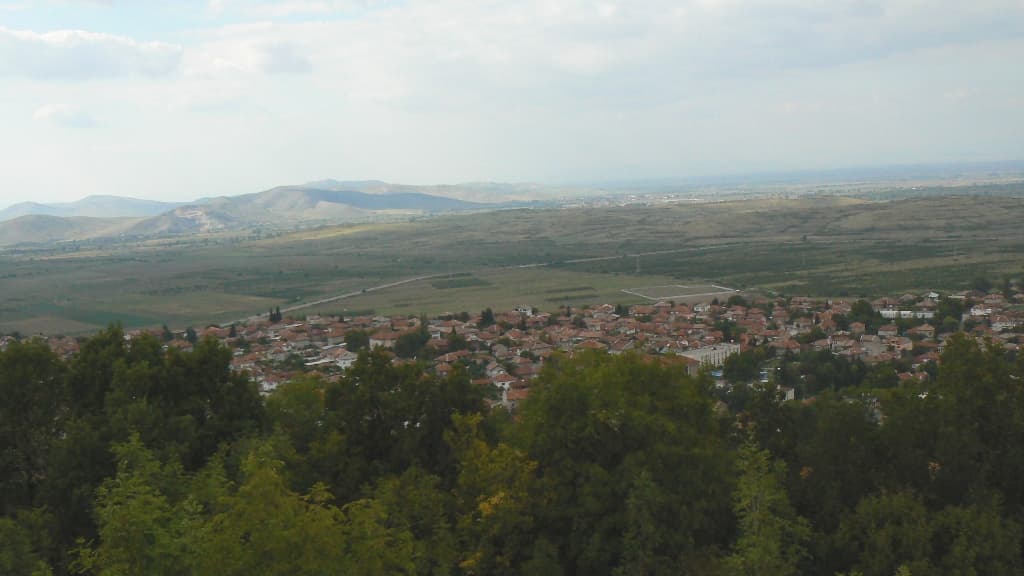
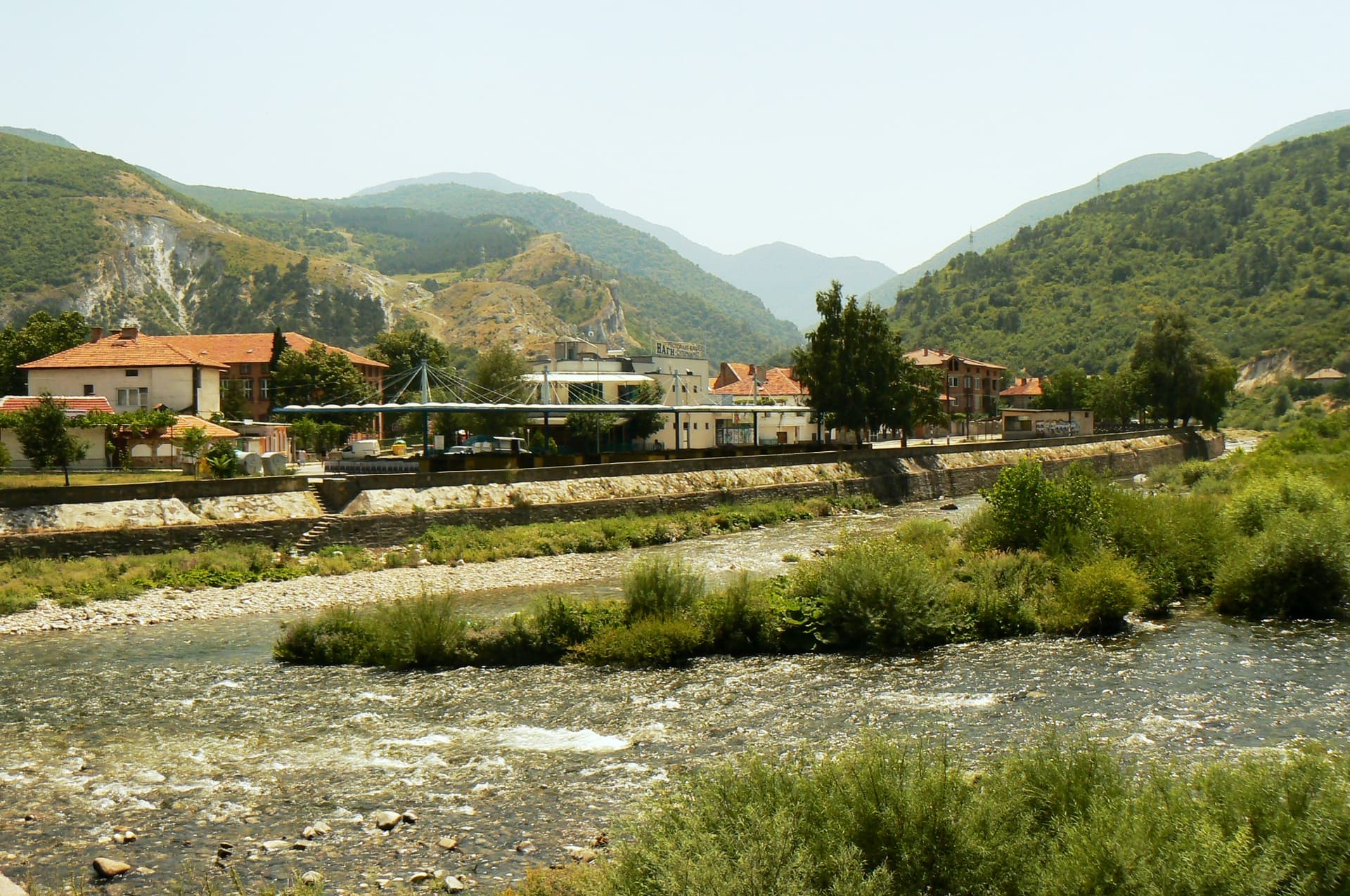
Kalofer is a picturesque National Revival town nestled in the folds of the Balkan Mountains, whose history begins with a captivating legend.
The town is believed to have been founded in 1533 when the brave leader Kalifer Voivoda and his band of haiduks ruled these mountain lands. Since the Ottoman authorities were unable to defeat them, the Sultan granted them permission to settle in the area on the condition that they stop attacking passing caravans. The voivoda accepted the offer, laying the foundations of the town. According to local lore, because these first settlers had no wives, they rode to the neighboring town of Sopot to capture their brides. Thanks to the special privileges the town received early on, it successfully preserved its purely Bulgarian character. Over the centuries, Kalofer grew into a wealthy cultural and trading hub, renowned for its woolen fabric production and strong artisan presence as far as Constantinople. Due to its prosperity, the town was proudly called "Altyn Kalofer" (Golden Kalofer), and records from 1861 describe it as a thriving community of 7,500 residents, all of whom were Bulgarian.
However, Kalofer's path was marked by severe trials and dramatic struggles. The town was burned to the ground three times — first in 1799 by Kardzhali bandits led by Indzhe Voivoda, then in 1804, and finally during the Liberation War in 1877, when a large number of citizens lost their lives. Despite these tragedies, the locals developed an extraordinary resilience and survival mechanisms. After each destruction, the community united to rebuild everything from scratch, moving heavy stones with their bare hands and working through the night, always starting construction with the local churches and monasteries. This unbreakable spirit remains a defining trait of the local people to this day.
Today, Kalofer is a cultural magnet attracting thousands of visitors year-round with its unique museums and vibrant traditions:
The town is globally famous for its authentic and spectacular festivals. The most stunning event takes place on Epiphany, when the men of the town plunge into the freezing waters of the Tundzha River to catch the holy cross, followed by the iconic "Men's Ice Horo" dance performed directly in the river. The local cultural calendar is further enriched by traditional Kukeri (monster) games during Shrovetide, national celebrations on June 2nd (Botev Day), as well as Christmas, New Year, and Easter. In mid-May, tourists can participate in the annual rose harvest, tour an authentic rose distillery, and taste artisan rose jam, syrup, and rose brandy. Every summer, on August 15th, the town hosts the annual Kalofer Lace Festival, preserving the exquisite and delicate craft art of the local women.
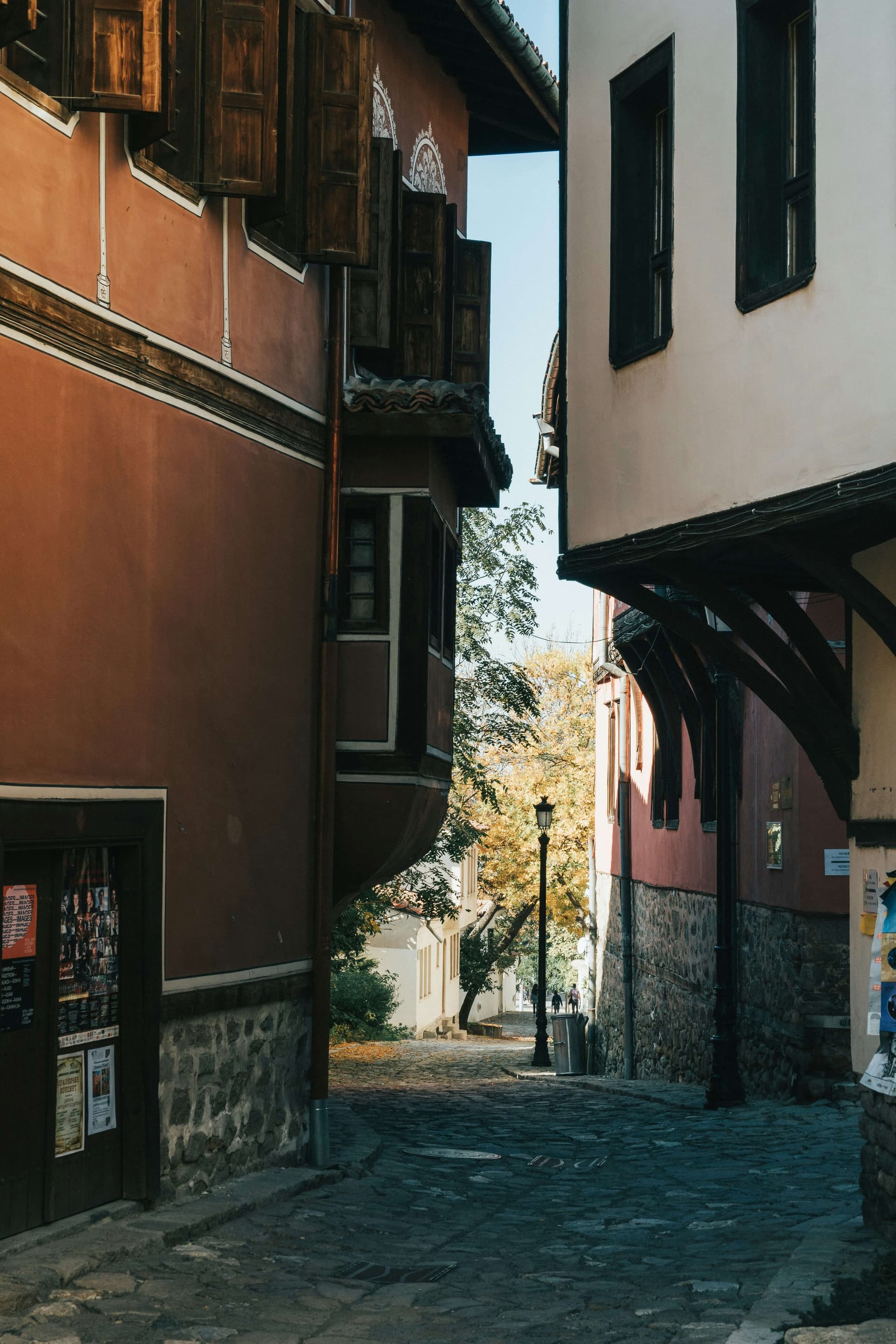
8 overnight getaways from Plovdiv: spa towns, Rhodope villages and caves, Troyan and skiing — with drive times, transport and what is open in winter.
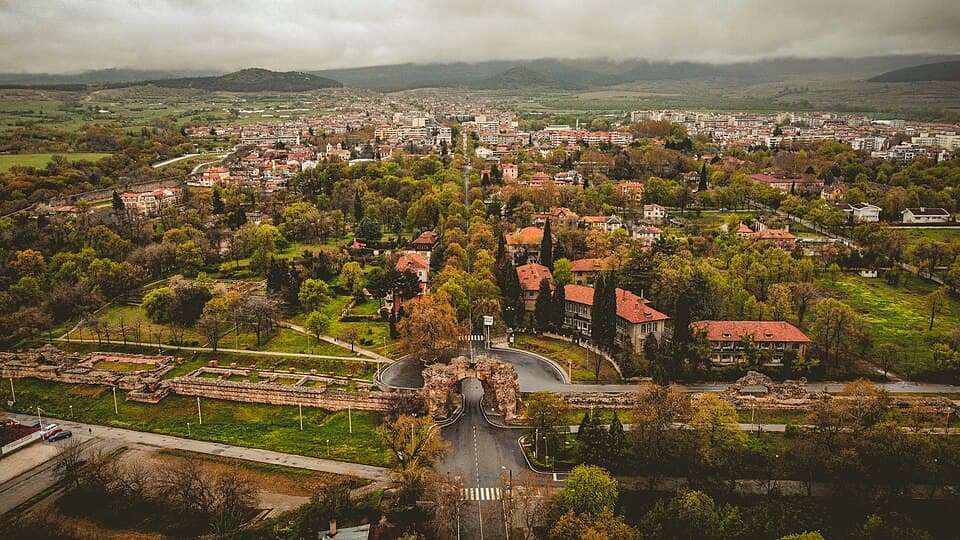
Hisarya or Pavel Banya for a spa weekend: Roman walls and mineral fountains, or a five-star spa base in the Rose Valley — tickets, parking, prices and which to pick.
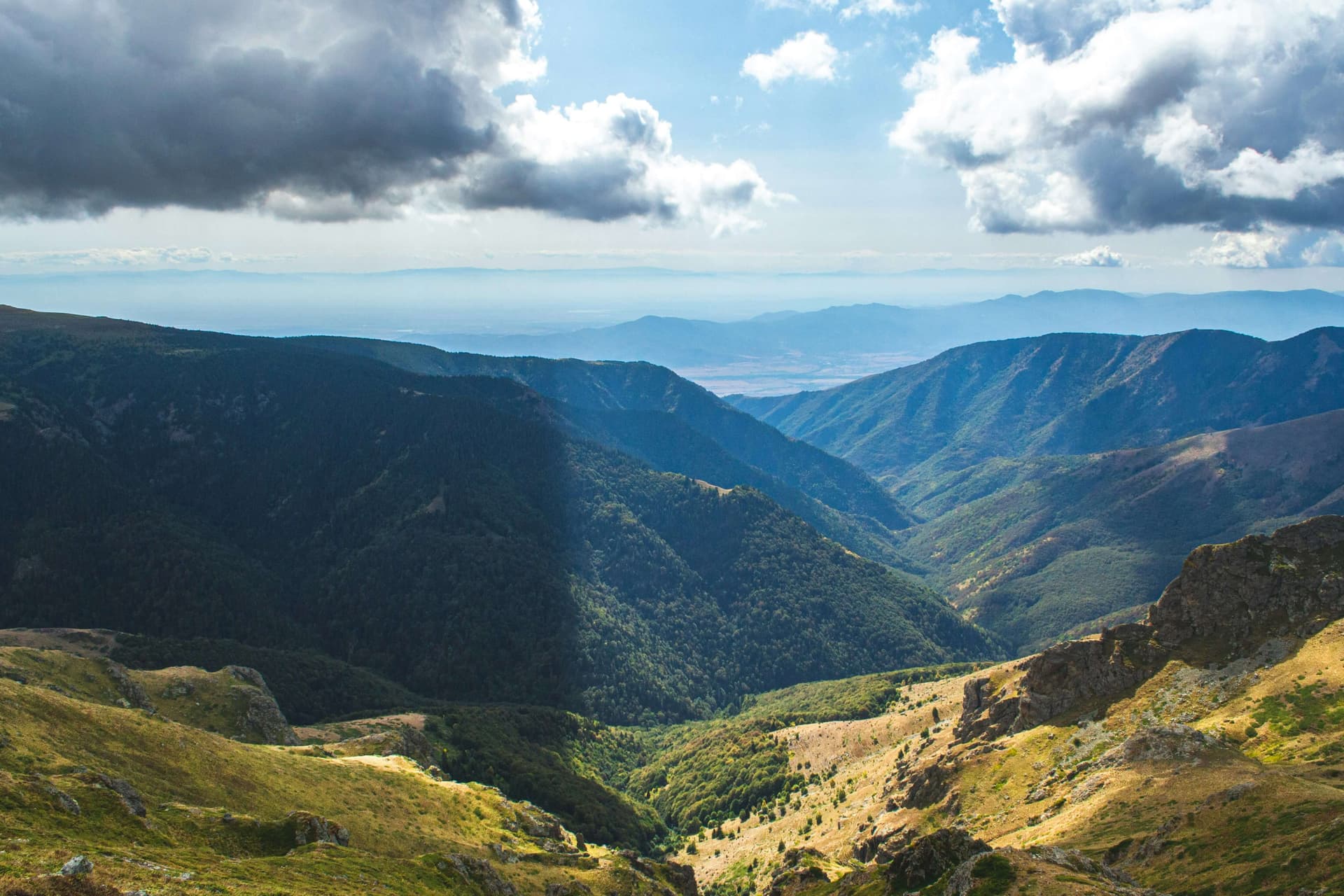
A guide to Central Balkan National Park: its nine strict reserves, the UNESCO-listed primeval beech forests of Boatin and Tsarichina, the Dzhendema cliffs, bears and wolves, and which town to enter from.
Kalofer is located in Plovdiv, Bulgaria.
Kalofer is most easily reached by car. Use the coordinates above to navigate, or open the location in OpenStreetMap or your preferred maps app for turn-by-turn directions. Public transport options vary by region — for remote destinations a rental car gives the most flexibility.
Kalofer can be visited year-round, but late spring (May–June) and early autumn (September–October) offer the most pleasant weather and fewer tourists. Summer is the busiest season; winter is the quietest, with shorter daylight and possible cold weather.
Bulgarian settlements typically reward unhurried walking — historic centres, churches and monasteries, local markets, and family-run restaurants serving regional dishes. Larger towns often have museums and seasonal cultural events. The local tourist information centre is a good first stop for current opening hours and what's on.