

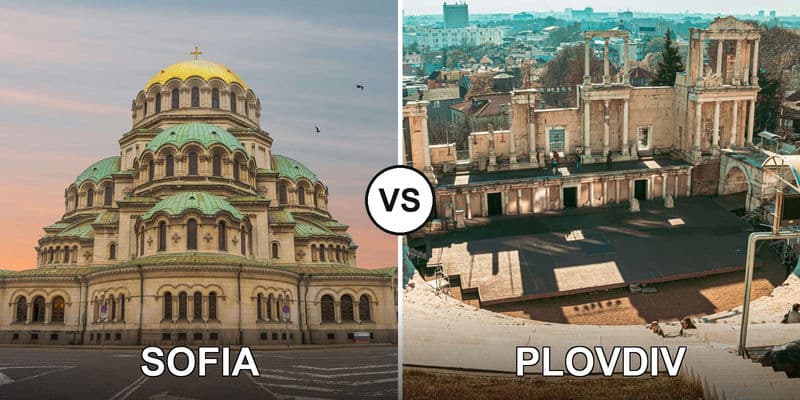
Sofia vs Plovdiv: Which City to Visit?
In this guide▾
Bulgaria may be a small country, but when it comes to urban exploration, it offers a clash between two entirely different worlds. The Sofia vs Plovdiv debate is an eternal classic. On one side, you have a dynamic, sprawling European capital; on the other, a bohemian, ancient city built across historic hills.
Whether you are planning a weekend getaway or wondering which city better aligns with your personal travel style, here is our detailed comparison across the most essential criteria.
🎭 Round 1: Vibe & Pace of Life
Sofia: The Cosmopolitan Pulse of the Capital
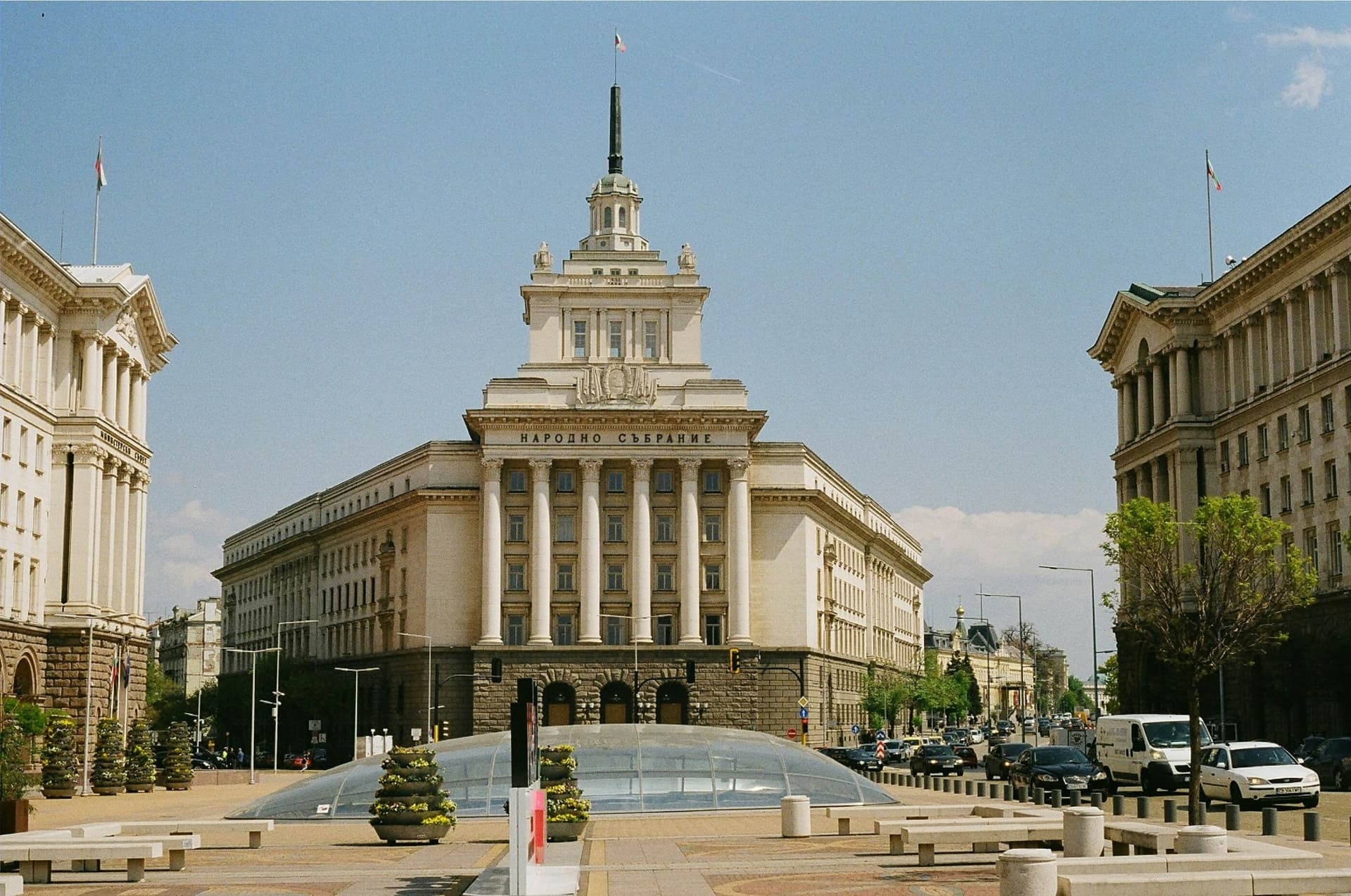
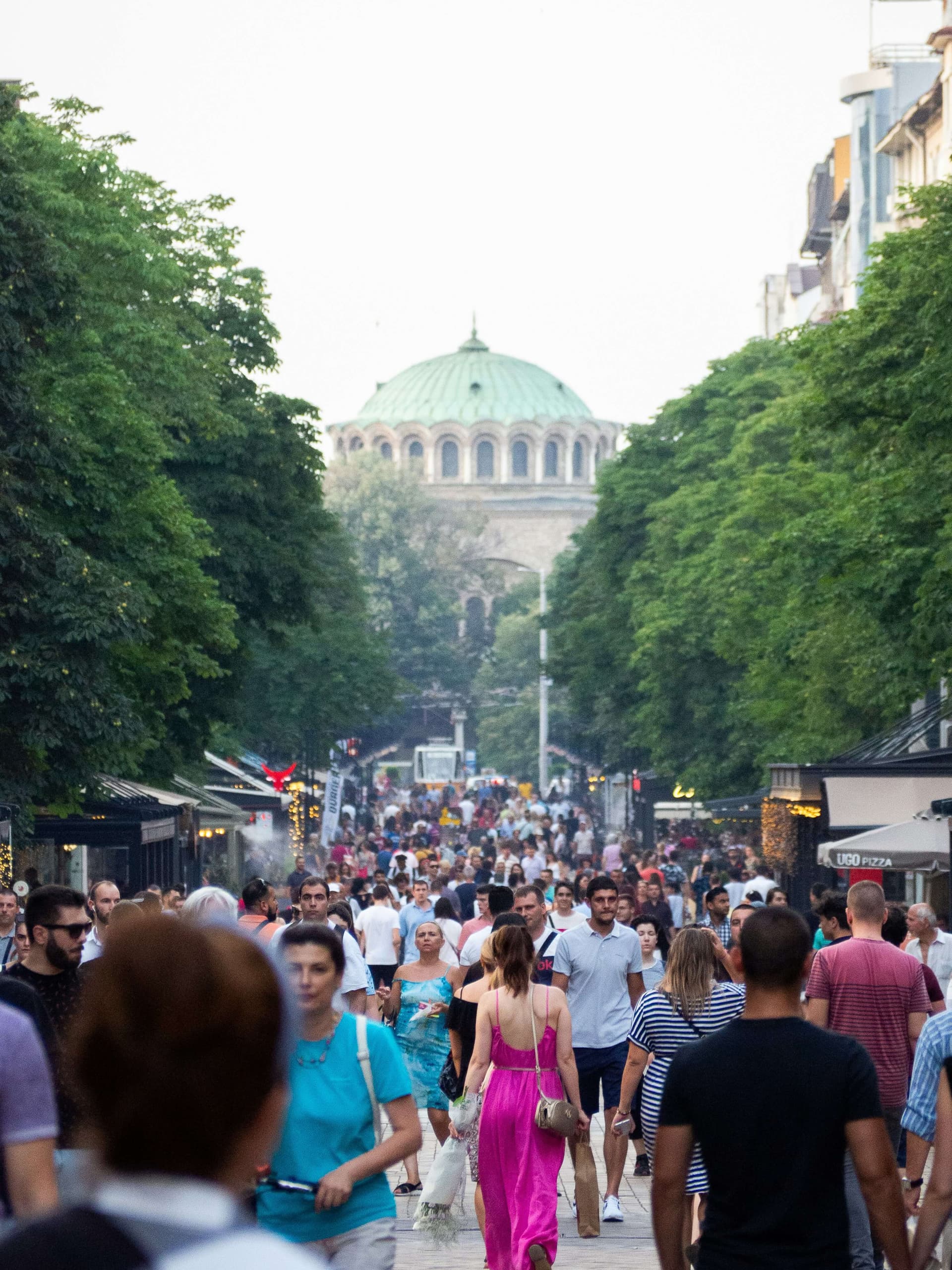
As the capital and largest city in the country, Sofia crackles with energy. The pace here is fast, the streets are wide, and the iconic yellow cobblestones in the center give off the undeniable feel of a grand European metropolis. Sofia offers pure scale—massive green spaces (like the South Park and Borisova Gradina), grand public buildings, and the sense that something is always happening. It is a city of big opportunities, modern businesses, and 24/7 movement.
Plovdiv: The Capital of "Ailyak"
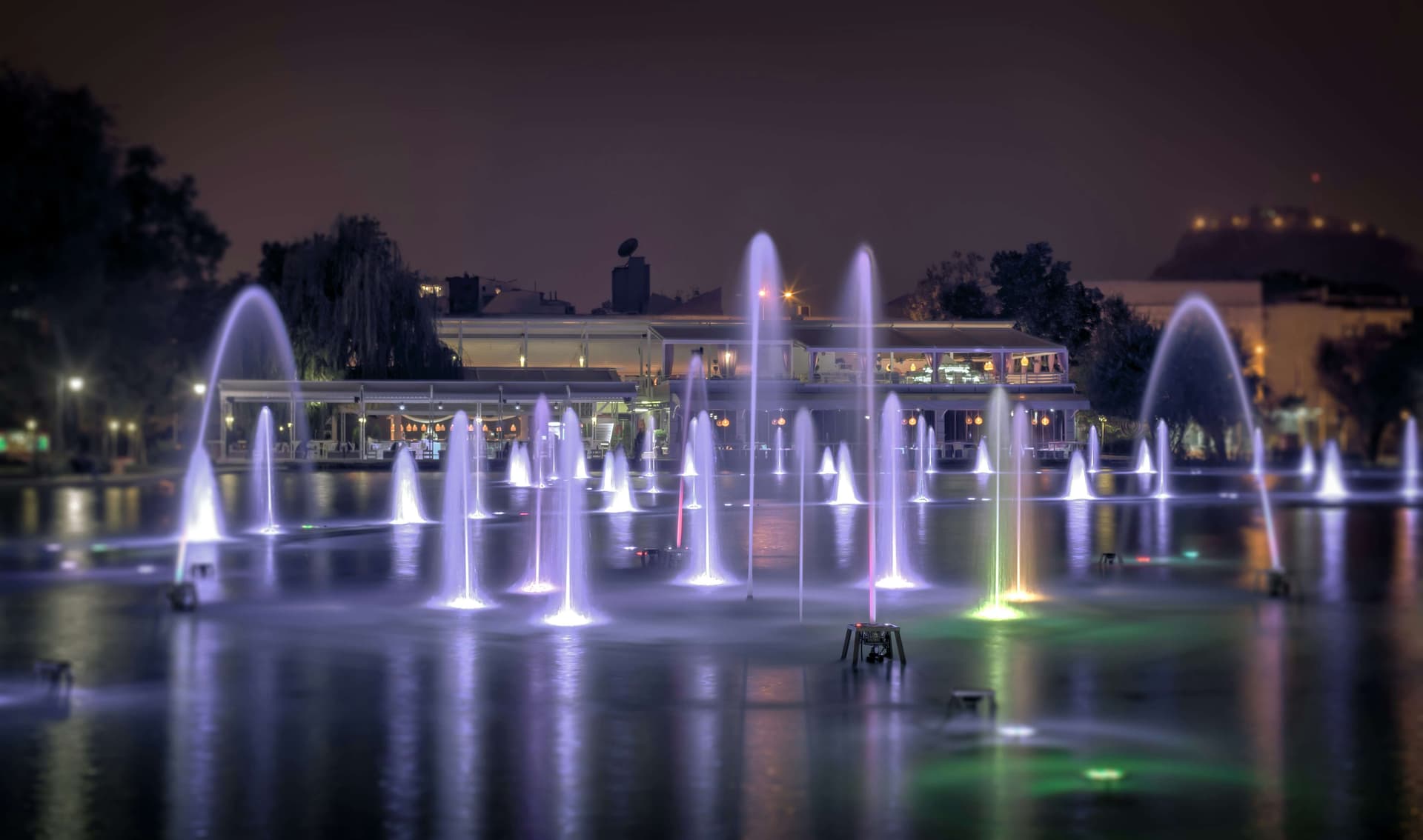
Located just 145 km down the highway from the capital, Plovdiv practices an entirely different philosophy of life. Here, everything happens slower, more casually, and with deliberate enjoyment—a state of mind locals proudly call ailyak. Plovdiv is settled around its seven syenite hills (tepeta) and boasts the longest pedestrian street in Europe. The city naturally coaxes you into aimless strolls, hour-long coffee breaks, and total bohemian tranquility.
🏛️ Round 2: History & Cultural Heritage
Plovdiv: The Oldest Continuously Inhabited City in Europe
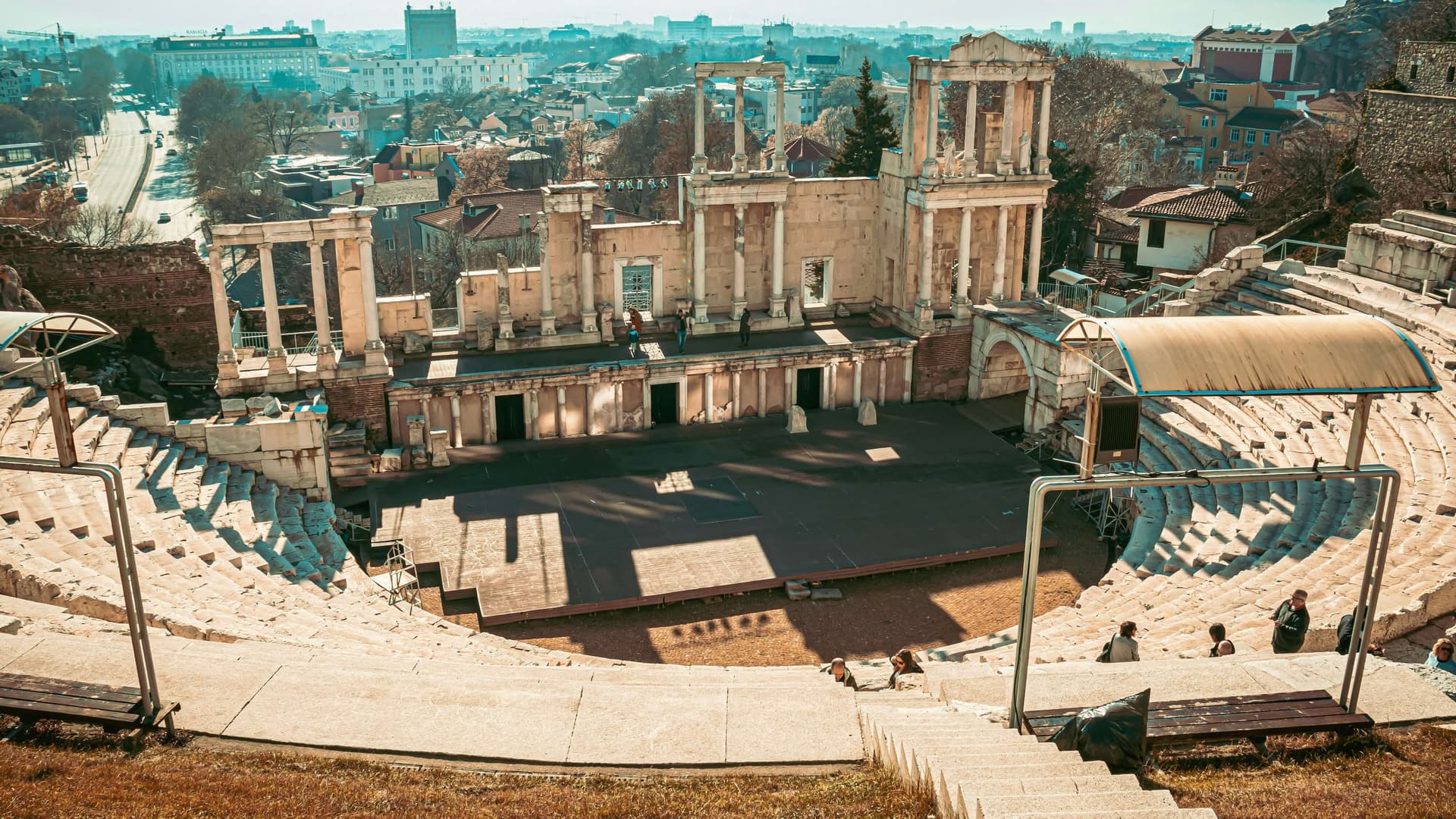
If you are searching for historical density, Plovdiv is the uncontested winner. With over 8,000 years of history, the city is an open-air treasure chest. Right in the town center lies the beautifully preserved Ancient Roman Theatre (which still hosts world-class operas and concerts under the stars today) and the Roman Stadium. Steps away is the "Old Town" architectural reserve—a labyrinth of steep cobblestone lanes bordered by colorful, grand National Revival-style mansions from the 19th century.
Sofia: A Crossroads of Empires
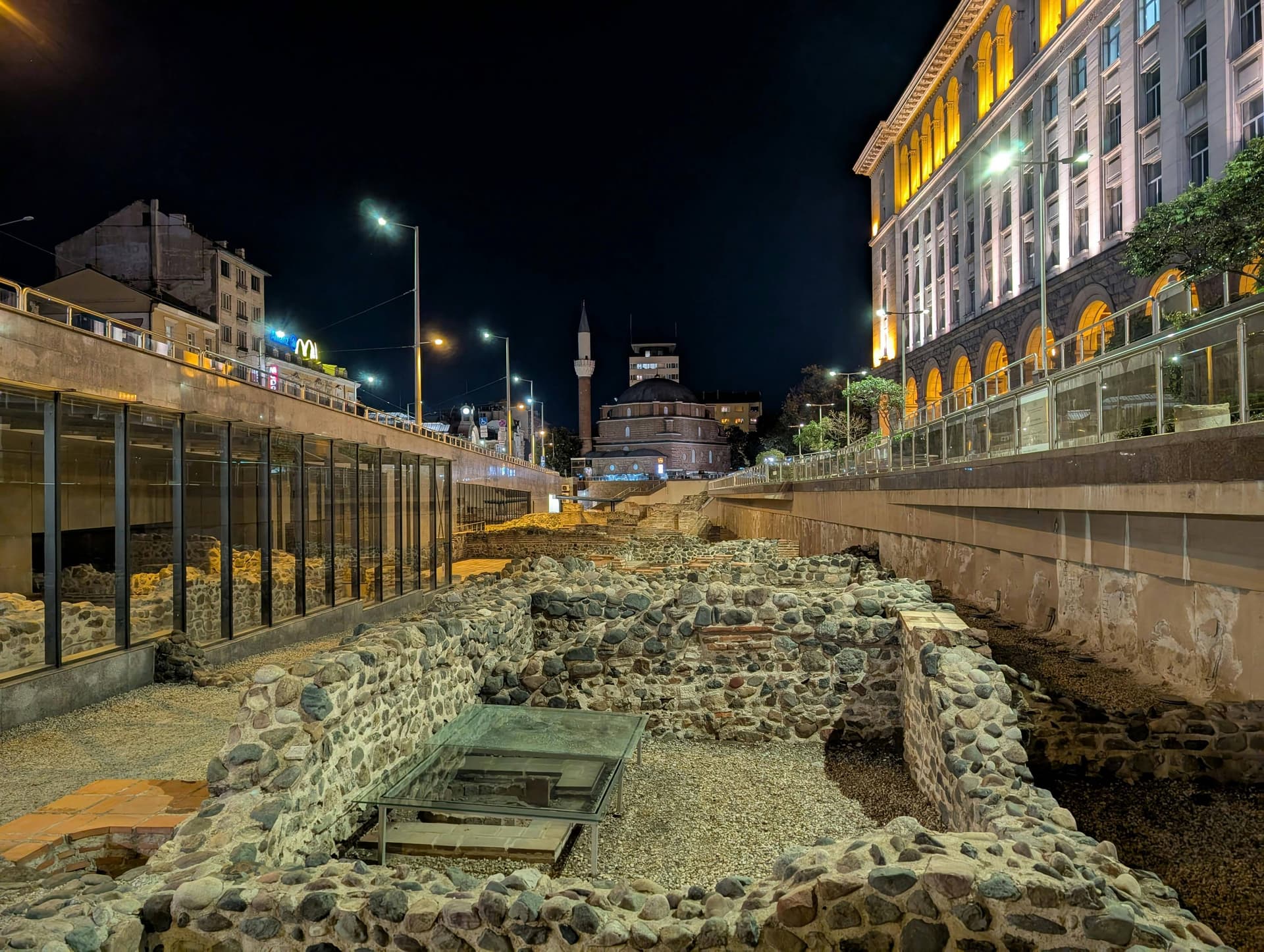
Sofia's history is no less impressive, but it is seamlessly woven into a modern urban grid. Here you will find the famous Largo complex, where the ancient Roman ruins of Serdica lie protected beneath massive glass domes right between the country's main administrative buildings. Sofia impresses with monumental religious architecture—from the golden domes of the St. Alexander Nevsky Cathedral (one of the largest Orthodox cathedrals in the world) to the millennia-old St. George Rotunda, tucked quietly inside the courtyard of the Presidency.
🍽️ Round 3: Food, Cafes & Nightlife
Plovdiv: The "Kapana" Creative District
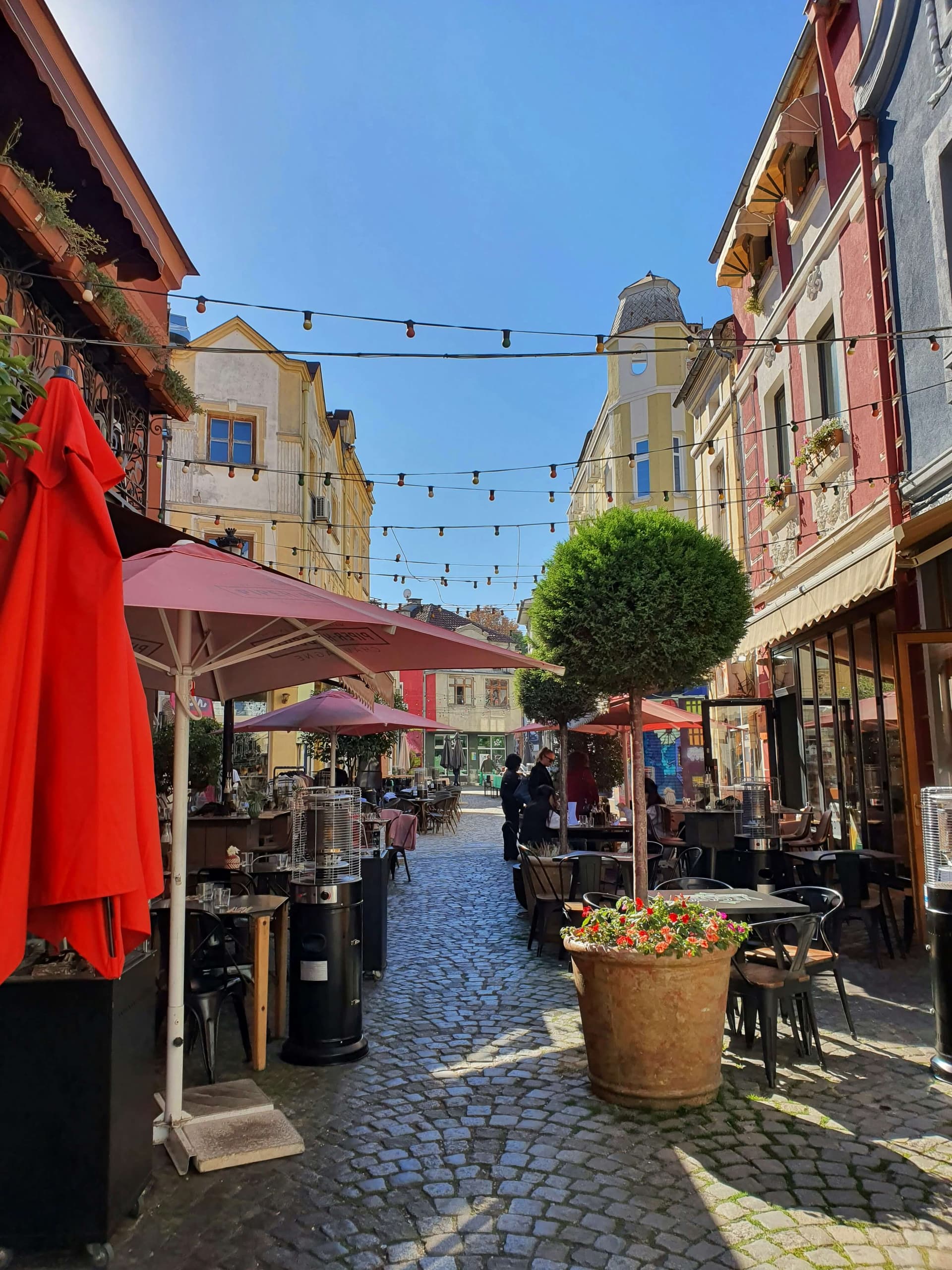
Plovdiv is home to Kapana (literally translated as "The Trap")—Bulgaria's very first designated creative industries district. This is a compact grid of paved pedestrian streets decorated with hanging colored flags. Kapana is the beating heart of Plovdiv's bohemian scene; here you will discover dozens of artisan workshops, specialty coffee spots, cozy bistros serving conceptual cuisine, craft beer bars, and intimate jazz clubs. The atmosphere is warm, personal, and profoundly artistic.
Sofia: World-Class Variety
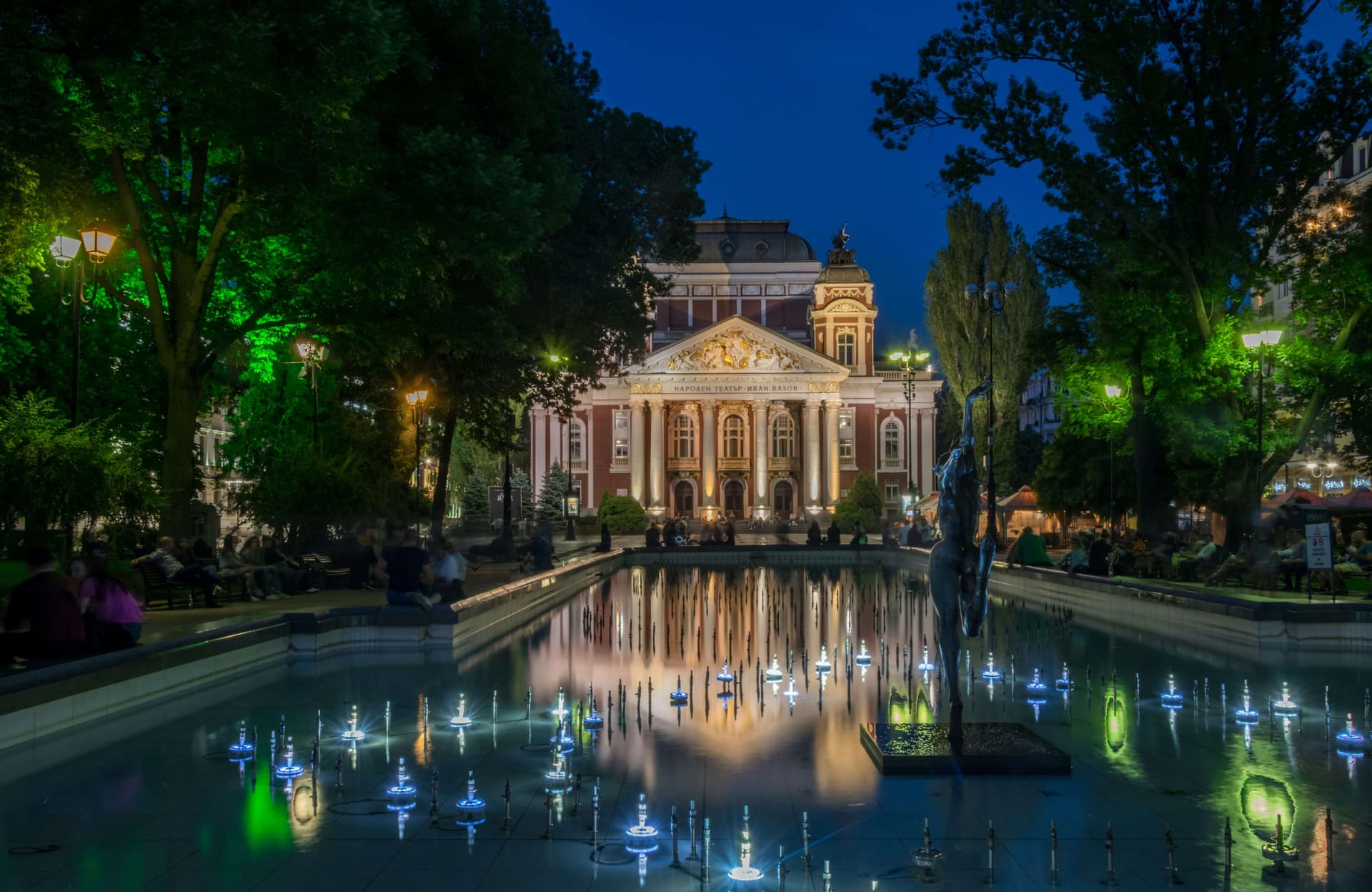
Sofia offers a culinary and nightlife scene on a scale that Plovdiv simply cannot match. Think hidden speakeasy bars requiring passwords for entry, rooftop terraces with panoramic city vistas, and refined gourmet restaurants presenting cuisine from every corner of the globe. The capital's nightlife is legendary—colossal electronic music clubs, indie rock bars, and parties that carry on until dawn, regardless of the day of the week.
🌲 Round 4: Proximity to Nature
- In Sofia: Vitosha Mountain is the ultimate natural asset of the capital. It rises majestically right above the southern neighborhoods and is easily accessible via public transport or car. Vitosha is ideal for quick weekend escapes—offering everything from hiking trails to the Cherni Vrah summit and walks past the Boyana Waterfall to excellent skiing conditions during the winter.
- In Plovdiv: Sitting right on the city's doorstep are the mystical Rhodope Mountains. Within a short 20-to-30-minute drive, you can leave the urban environment to explore the medieval Asen's Fortress, visit the historic Bachkovo Monastery, or immerse yourself in the cooling tranquility of authentic Rhodopean villages.

🎒 Practical Guide & Transportation
- Traveling Between the Cities: The distance is approximately 145 km, which takes about 1 hour and 30 minutes by car via the Trakia highway. Highly regular intercity buses run between Sofia and Plovdiv every hour, alongside convenient train connections.
- Getting Around: Sofia features a modern, efficient Metro system that connects Sofia Airport and the central railway station to the ideal center in minutes. While Plovdiv's airport offers fewer commercial flights and its local public transport is bus-only, the entire historical center, Kapana, and the main shopping promenade are completely pedestrianized, meaning you won't need anything other than a comfortable pair of shoes.
📊 Summary At a Glance
| Criterion | Sofia | Plovdiv |
|---|---|---|
| Main Vibe | Dynamic, cosmopolitan, fast-paced | Bohemian, artistic, relaxed (ailyak) |
| Walkability | Good, but the scale requires the metro or taxis | Perfect—the entire center is a massive pedestrian zone |
| Historic Sites | Roman Serdica, Neo-Byzantine cathedrals, The Largo | Roman Theatre & Stadium, Revival-style Old Town |
| Nightlife | Massive scale, mega-clubs, non-stop 24/7 party | Cozy bars, jazz clubs, and craft beer spots in Kapana |
| Nature Nearby | Vitosha Mountain (integrated into the city) | The Rhodope Mountains (20–30 minutes away) |
🏆 The Verdict: Which One Wins?
Your choice depends entirely on the type of experience you are craving:
- Choose Sofia if you want an intense, culturally packed city break—a weekend filled with high-profile events, massive architecture, luxury shopping, premium dining, legendary nightlife, and a quick trek up a high mountain peak.
- Choose Plovdiv if you are looking for a romantic, leisurely escape—a chance to get lost in cobblestone history, sip local wines under the flags of Kapana, and master the fine art of slowing down.
Which of these two cities holds a special place in your heart? Stay tuned to Mestala.com for more ready-to-use itineraries across Bulgaria's best destinations!
This guide covers 10 places
Want more Mestala in your Google results?
Add mestala.com as a preferred source and our guides will show up more often when you search. Requires a Google account.
Frequently Asked Questions
Sofia or Plovdiv — which city is the better choice to visit?▾
It depends on what you are after. Choose Sofia for an intense city break with grand architecture, premium dining, shopping, and vibrant nightlife, paired with Vitosha Mountain. Choose Plovdiv for a romantic, leisurely escape among the cobblestone lanes of the Old Town, good wine, and the artistic atmosphere of Kapana.
How far apart are Sofia and Plovdiv, and how do you travel between them?▾
The two cities are about 145 km apart. By car it takes around 1 hour 30 minutes via the Trakia highway. There are also highly regular intercity buses (every hour) and convenient train connections.
Which city is better for exploring on foot?▾
Plovdiv. Its entire historic center, Kapana, and the longest pedestrian street in Europe are fully pedestrianized — all you need is comfortable shoes. Sofia is larger and distances often require the metro or a taxi, but it has a modern, efficient metro system.
What are the most important historic sights in Sofia and Plovdiv?▾
In Plovdiv: the beautifully preserved Ancient Roman Theatre, the Roman Stadium, and the National Revival Old Town. In Sofia: the Roman ruins of ancient Serdica at the Largo, the St. Alexander Nevsky Cathedral, and the millennia-old St. George Rotunda.
Which city is closer to nature?▾
Sofia has the advantage of Vitosha Mountain, which rises right above its southern neighborhoods and is easily reached by public transport. From Plovdiv, a 20-to-30-minute drive takes you to the Rhodopes, Asen's Fortress, and Bachkovo Monastery.
What is the Kapana district in Plovdiv?▾
Kapana is Bulgaria's first designated creative industries district — a grid of small pedestrian streets with hanging colored flags, artisan workshops, specialty coffee spots, conceptual bistros, craft beer bars, and jazz clubs. It is the beating heart of Plovdiv's bohemian scene.
You might be interested in
48 Hours in Plovdiv: The Perfect Weekend Itinerary in Europe's Oldest Living City
Planning a weekend in Plovdiv? Discover the best 2-day itinerary: from Kapana and the Old Town to the Singing Fountains, plus driving and parking tips.
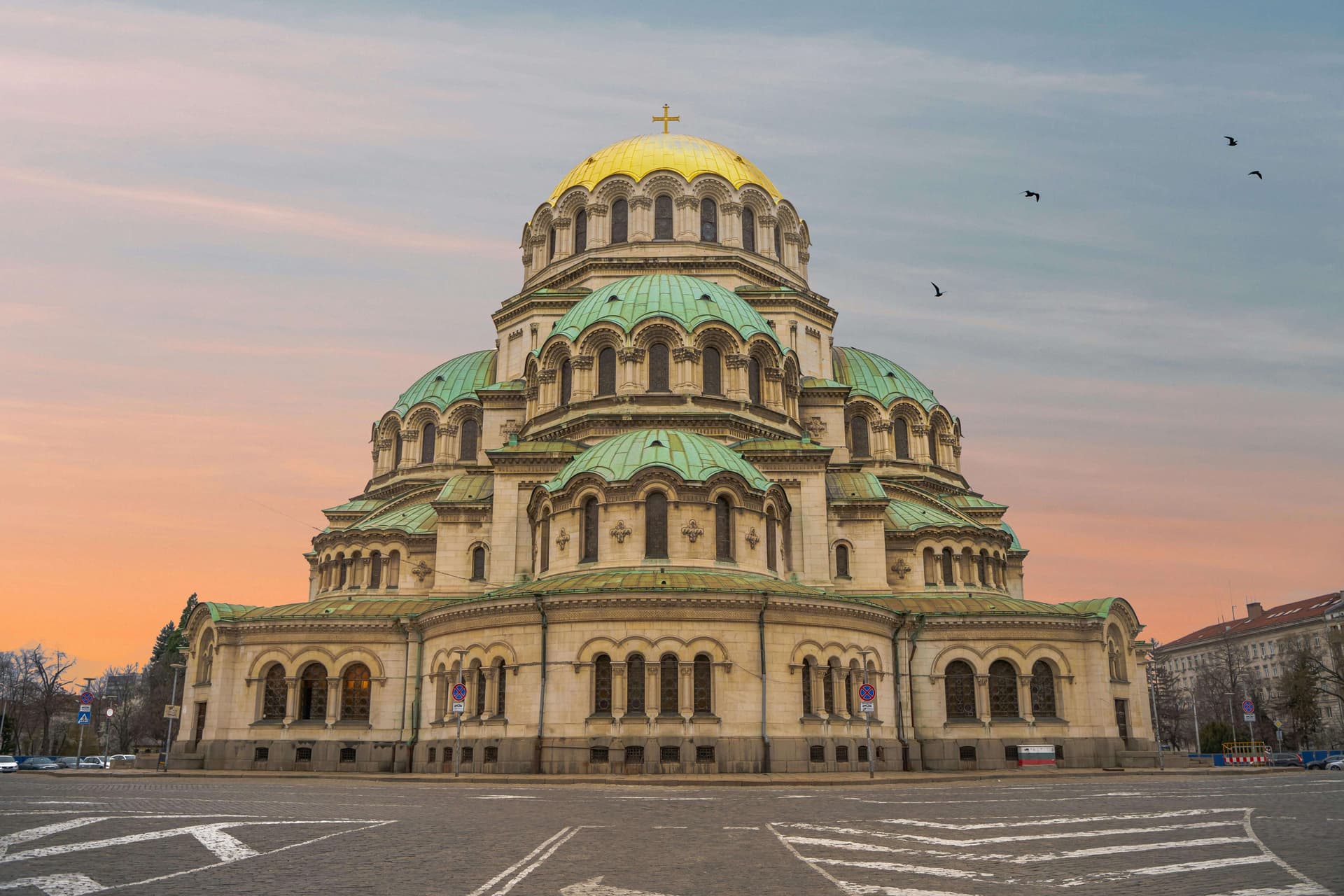
72 Hours in Sofia: The Perfect Weekend Itinerary
The perfect 3-day weekend itinerary for Sofia — from St. Alexander Nevsky and Roman Serdica to Vitosha Mountain and Boyana Church. Plus parking and family tips.
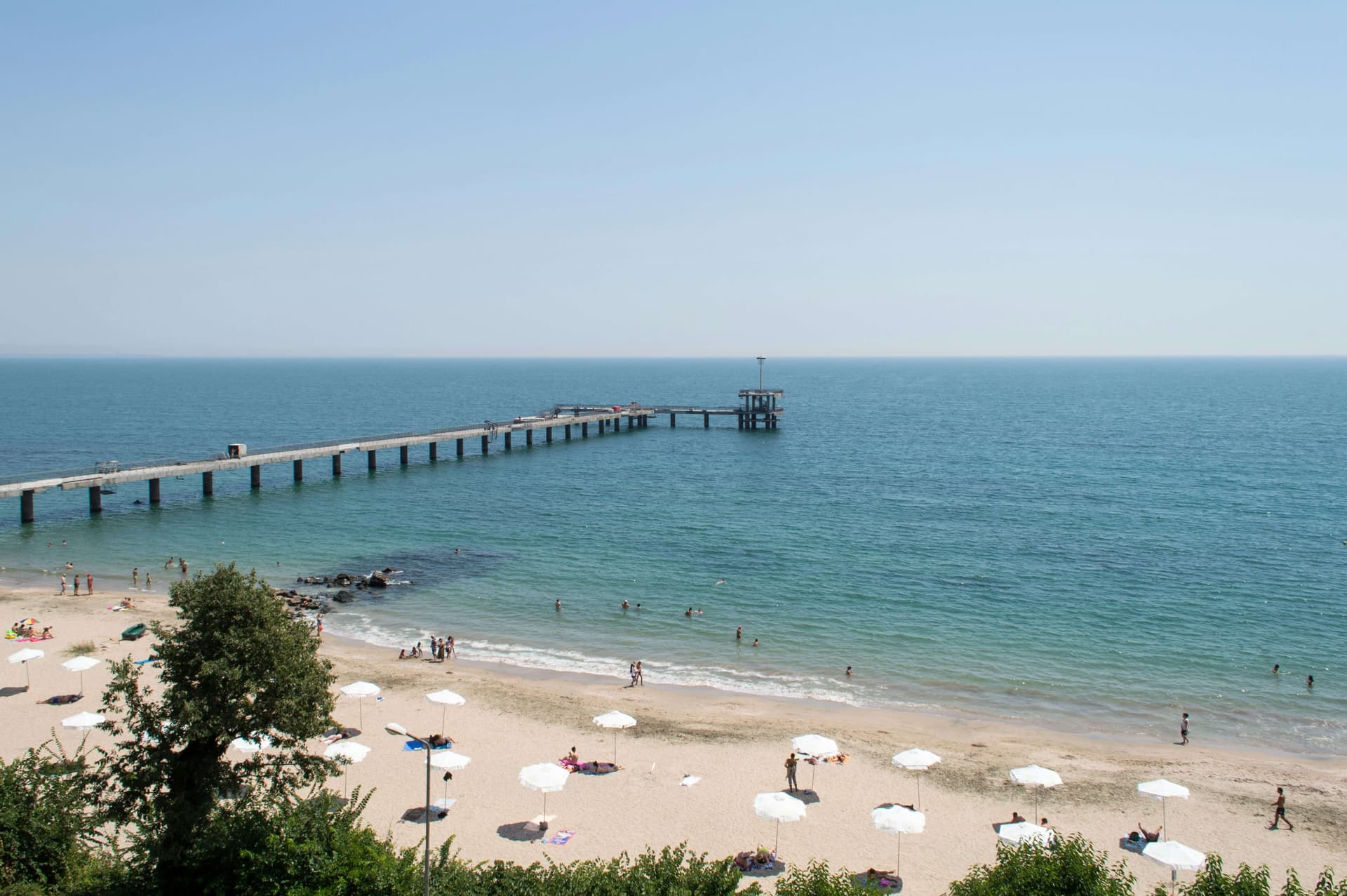
A Weekend in Burgas: Complete 2-Day Itinerary & Parking Tips
Planning a weekend in Burgas? A 2-day itinerary covering the Sea Garden and the Bridge, St. Anastasia Island, the saltworks and the parking zones.
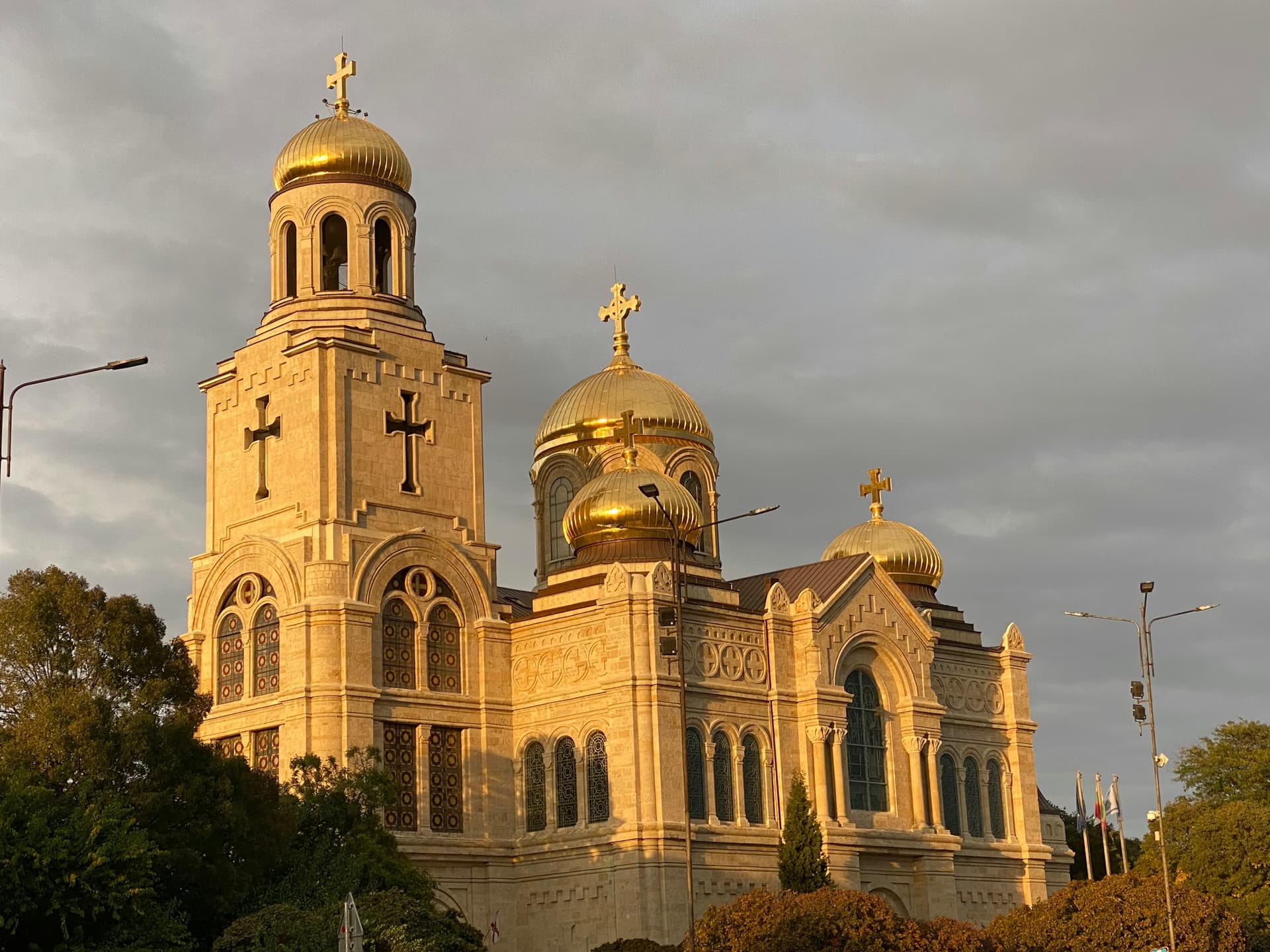
Weekend in Varna: 2-Day Itinerary, Sights & Parking Guide
Planning a weekend in Varna? Our 2-day itinerary covers the Sea Garden, Roman Thermae, Pobiti Kamani, and the best beachfront bars.