The Shashkanite Rock-Cut Monastery stands as one of the most interesting, authentic, and enigmatic monuments of medieval Orthodox asceticism across Northeastern Bulgaria. The landmark occupies a strategic and highly impressive geographical position, situated approximately one kilometer northeast of the contemporary outskirts of the town of Provadia, rising directly above the Sever urban quarter. Due to its outstanding historical, architectural, and cultural significance, the rock-cut monastery within the Shashkanite locality has been officially declared a monument of culture. Architectural Structure and Layout of the Monastic Cells The monastic complex was carved entirely by hand by medieval ascetic monks into the vertical limestone cliff face, at an imposing vertical height of approximately 30 meters from the baseline of the terrain. The overall layout of the monastery incorporates ten individual and grouped eremitic cells, which are distributed along the rocky wall according to the following specific configuration: - First Grouped Section: Comprises three separate cells carved in close proximity to one another. - Individual Chambers: Following the first cluster are two completely isolated and independent rock chambers, utilized for deep solitary contemplation. - Second Grouped Section: This is the largest segment and is formed by a total of five cells. These five chambers are structurally interconnected via narrow passages and tunnels carved directly into the stone. The internal configuration within the second group features distinct altitudinal displacement, as three of the cells position on a single horizontal level, while the fourth and fifth cells are located higher up within the rock crest. Standing out as exceptionally valuable to scholars is the fifth cell of this cluster, which functions as a small medieval tomb, equipped with a stone grave cut into the floor and an Orthodox cross incised in relief upon the wall. Historical Chronology, Accessibility, and Eco-Trails Scientific and archaeological evaluations confirm that the Shashkanite Rock-Cut Monastery was actively inhabited during the 12th and 13th centuries, aligning with the golden era of the Second Bulgarian Kingdom and the expansion of the Hesychasm movement across Bulgarian territories. Throughout that epoch, the complex was exceptionally difficult to access for outsiders, with entry to the cells restricted to rope ladders, wooden scaffolding, or narrow rock ledges, securing the monks their desired isolation and robust defense against enemy incursions. Today, the destination is fully integrated to accommodate the needs of contemporary cultural-historical tourism. A secure metal bridge facility and suspended viewing platforms have been engineered leading to the rock cells, guiding travelers directly into the interior of the chambers while unlocking panoramic views over the Provadia Trough. A well-marked eco-trail leads to the rocky landmark, successfully merging the pedestrian trek with a visit to the other major historical attraction within the district - the majestic medieval Ovech Fortress.
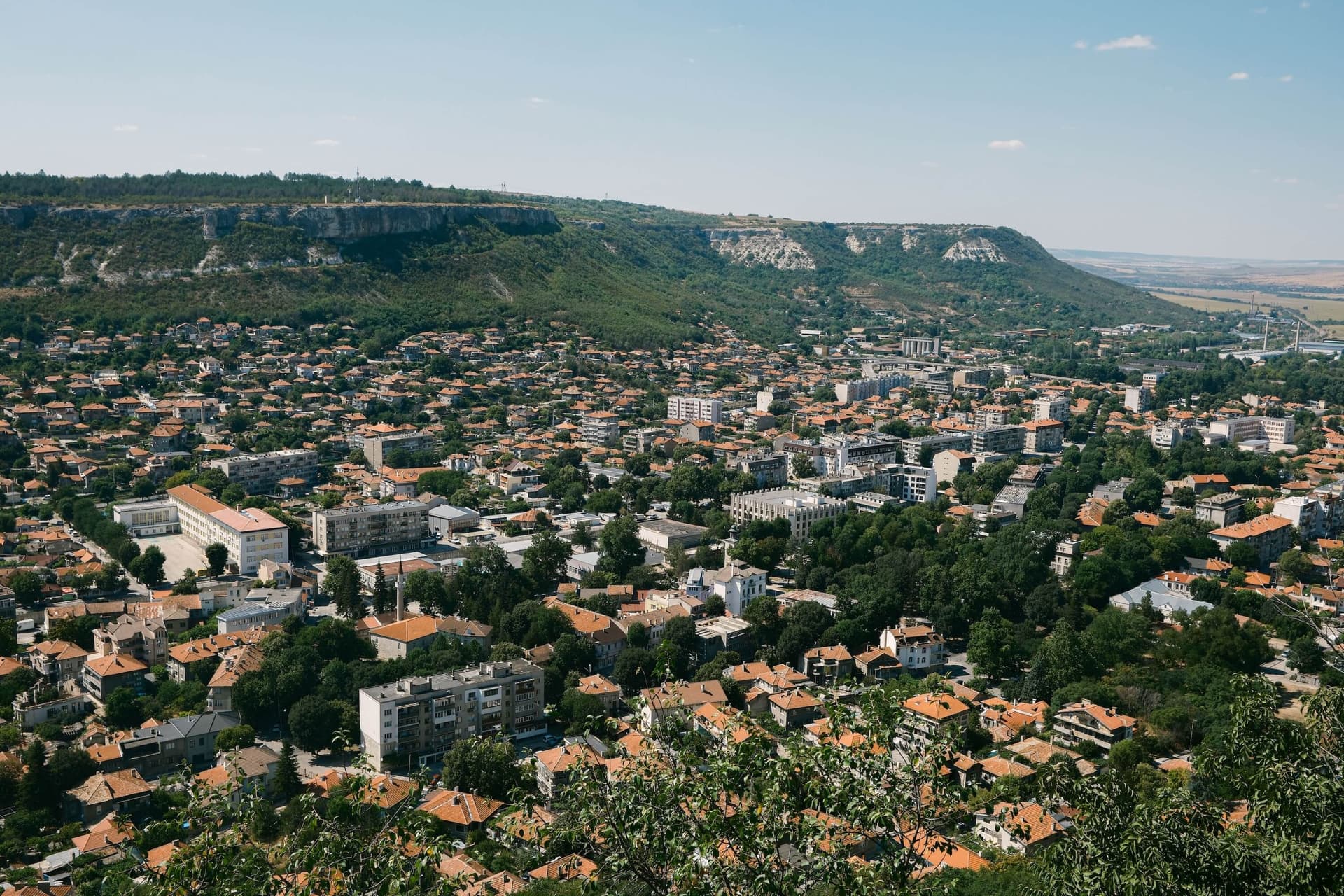
Varna
1.7 km away

Varna
2.1 km away
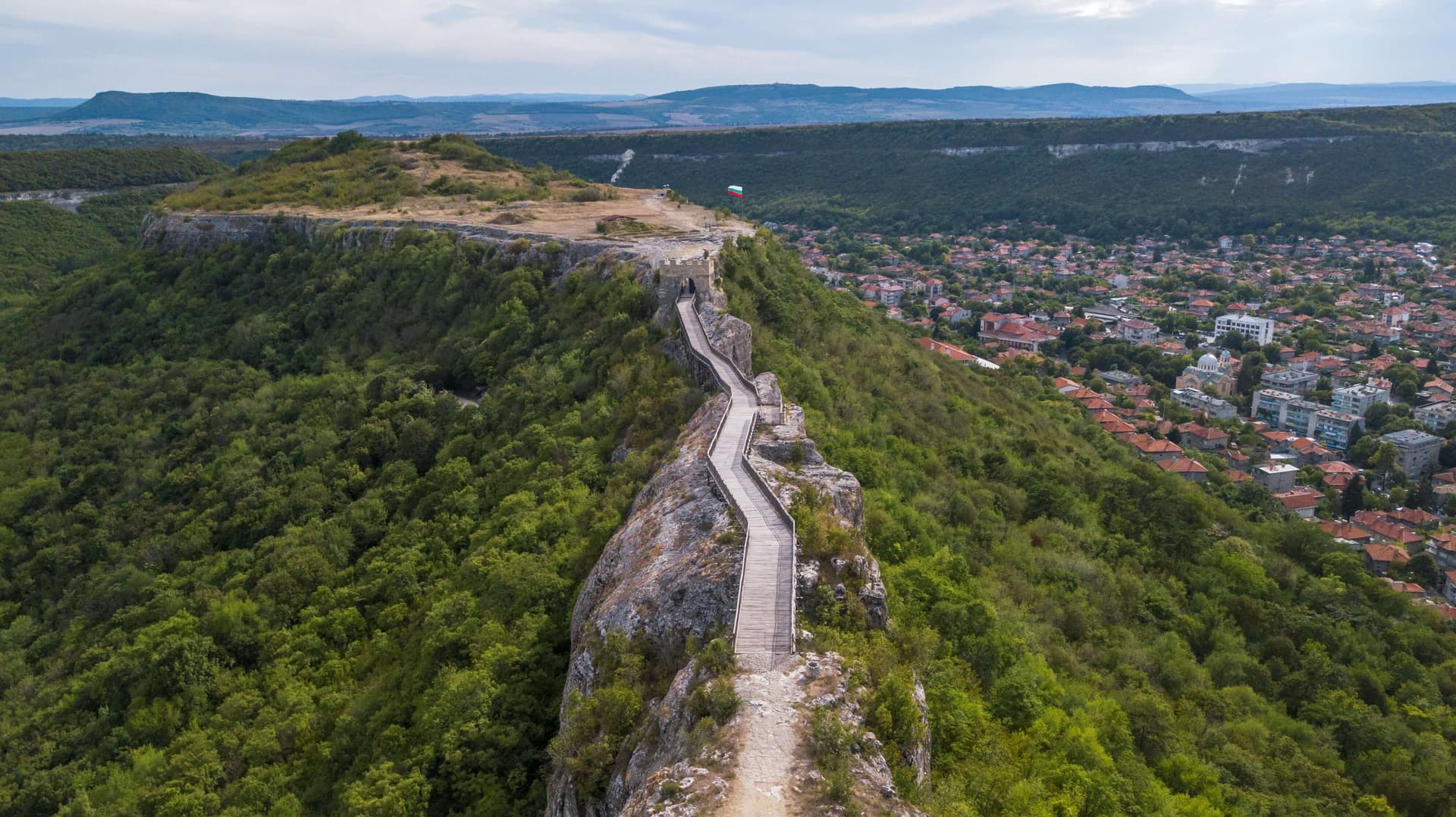
Varna
2.2 km away
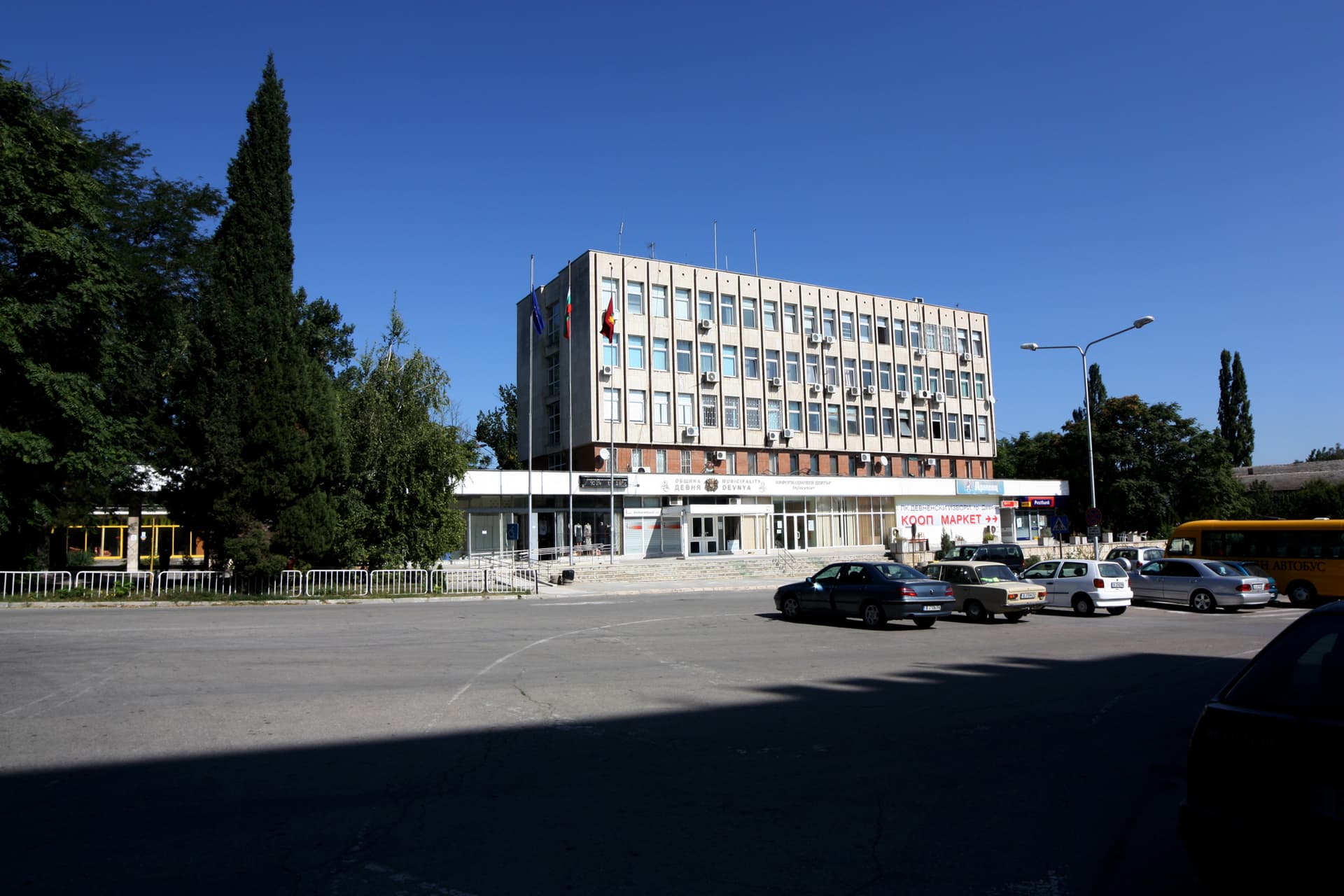
Varna
8.8 km away
Shashkanite is located in Varna, Bulgaria.
Shashkanite is most easily reached by car. Use the coordinates above to navigate, or open the location in OpenStreetMap or your preferred maps app for turn-by-turn directions. Public transport options vary by region — for remote destinations a rental car gives the most flexibility.
Shashkanite can be visited year-round. Spring and autumn offer the most pleasant conditions for exploring, with mild temperatures and fewer crowds. Summer is ideal for photography and longer day trips; winter visits are possible but weather can limit access at some sites.
Most natural landmarks in Bulgaria are freely accessible and open year-round, though some sites have entrance fees or require a guide. Wear sturdy footwear and bring water, as the terrain can be uneven. Respect any protective barriers and stay on marked paths to preserve the site.