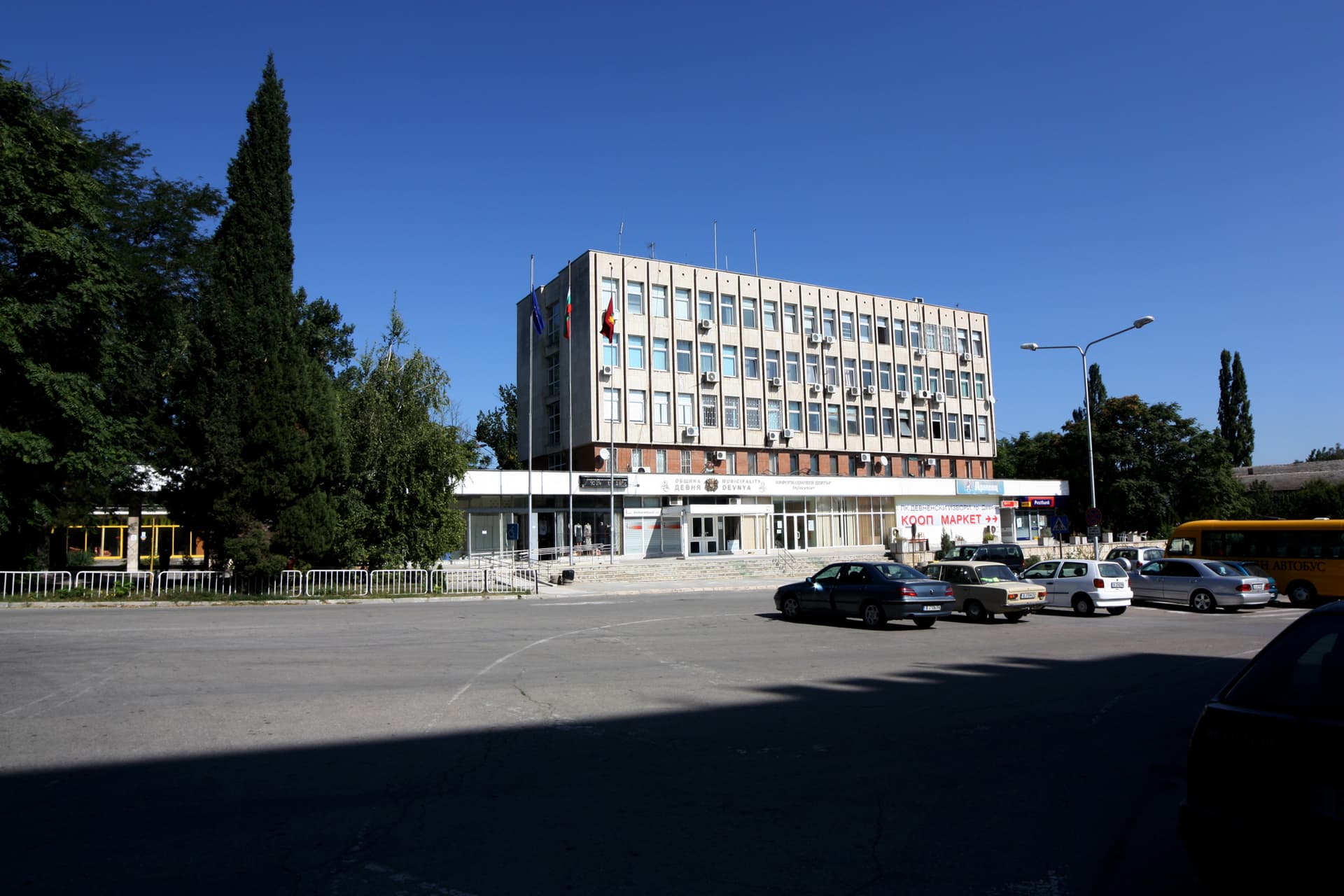
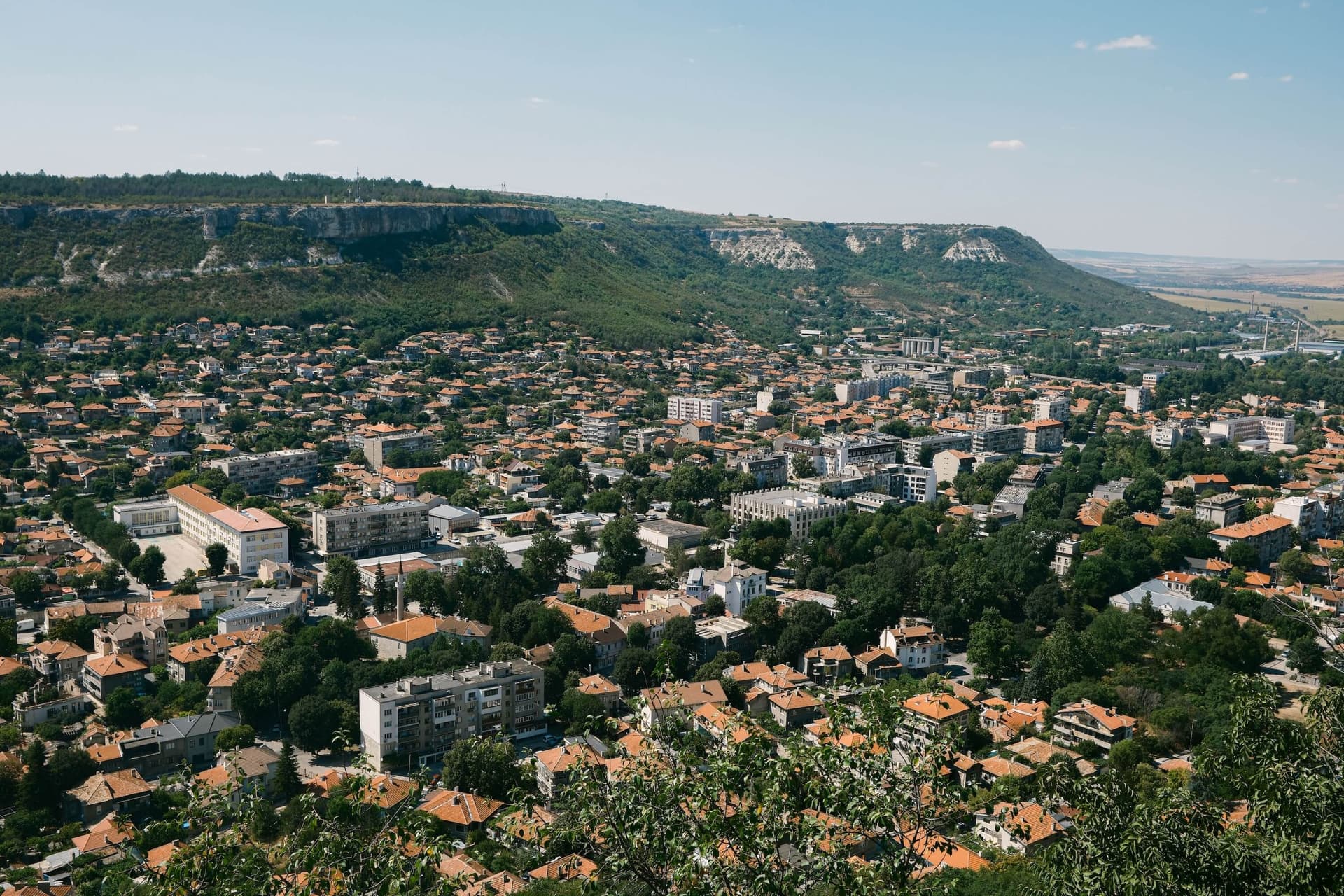
Devnya is a small industrial town about 25 km west of Varna, built over the site of Marcianopolis. The Roman city was founded by Emperor Trajan after his Dacian wars, which ended in 106 AD, and named after his sister, Ulpia Marciana.
Most visitors stop for the Museum of Mosaics, built directly over the floors of a Late Roman villa so the mosaics can be seen where they were laid. The villa dates from the late 3rd or early 4th century AD, and its best-known floor shows the head of the gorgon Medusa.
The town sits on one of Bulgaria's largest groups of karst springs: around 30 springs whose water supplies Devnya, Varna and the local industry.
Devnya is part of the Varna–Devnya industrial zone, with large chemical plants including one of the biggest soda works in Europe, so the town itself is not a place to linger. It works best as a short stop for the mosaics on a drive inland from Varna, and it combines easily with the Pobiti Kamani stone forest on the way.

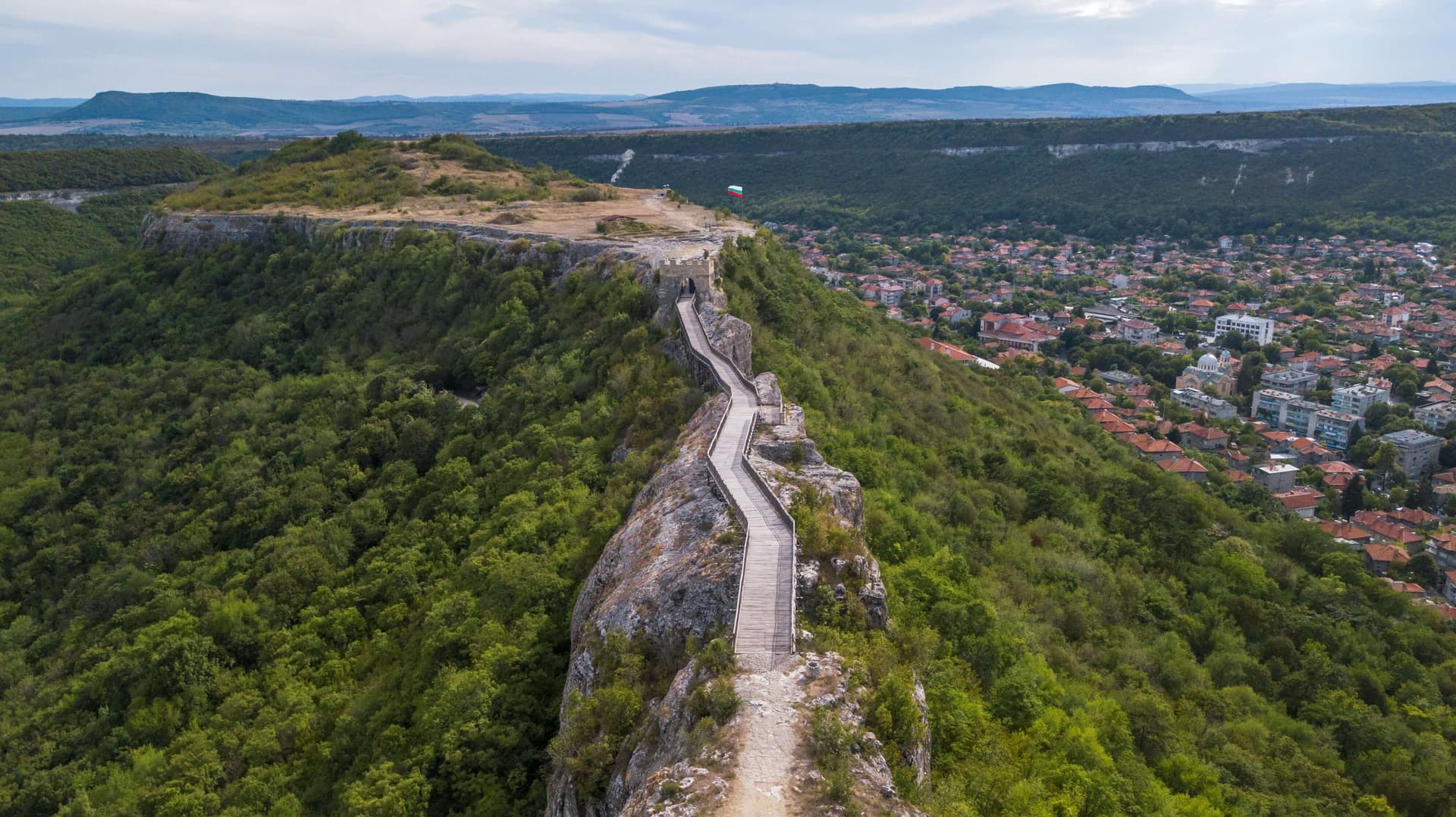
Varna region
8.8 km away
Varna region
10.2 km away
Varna region
10.2 km away
Devnya is located in Varna, Bulgaria.
Devnya is most easily reached by car. Use the coordinates above to navigate, or open the location in OpenStreetMap or your preferred maps app for turn-by-turn directions. Public transport options vary by region — for remote destinations a rental car gives the most flexibility.
Devnya can be visited year-round, but late spring (May–June) and early autumn (September–October) offer the most pleasant weather and fewer tourists. Summer is the busiest season; winter is the quietest, with shorter daylight and possible cold weather.
Bulgarian settlements typically reward unhurried walking — historic centres, churches and monasteries, local markets, and family-run restaurants serving regional dishes. Larger towns often have museums and seasonal cultural events. The local tourist information centre is a good first stop for current opening hours and what's on.