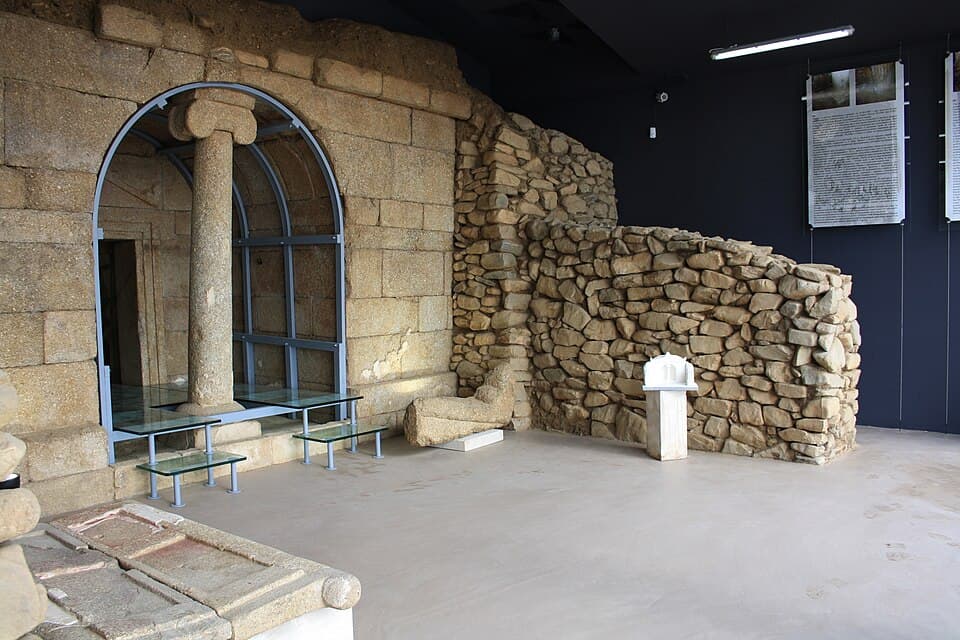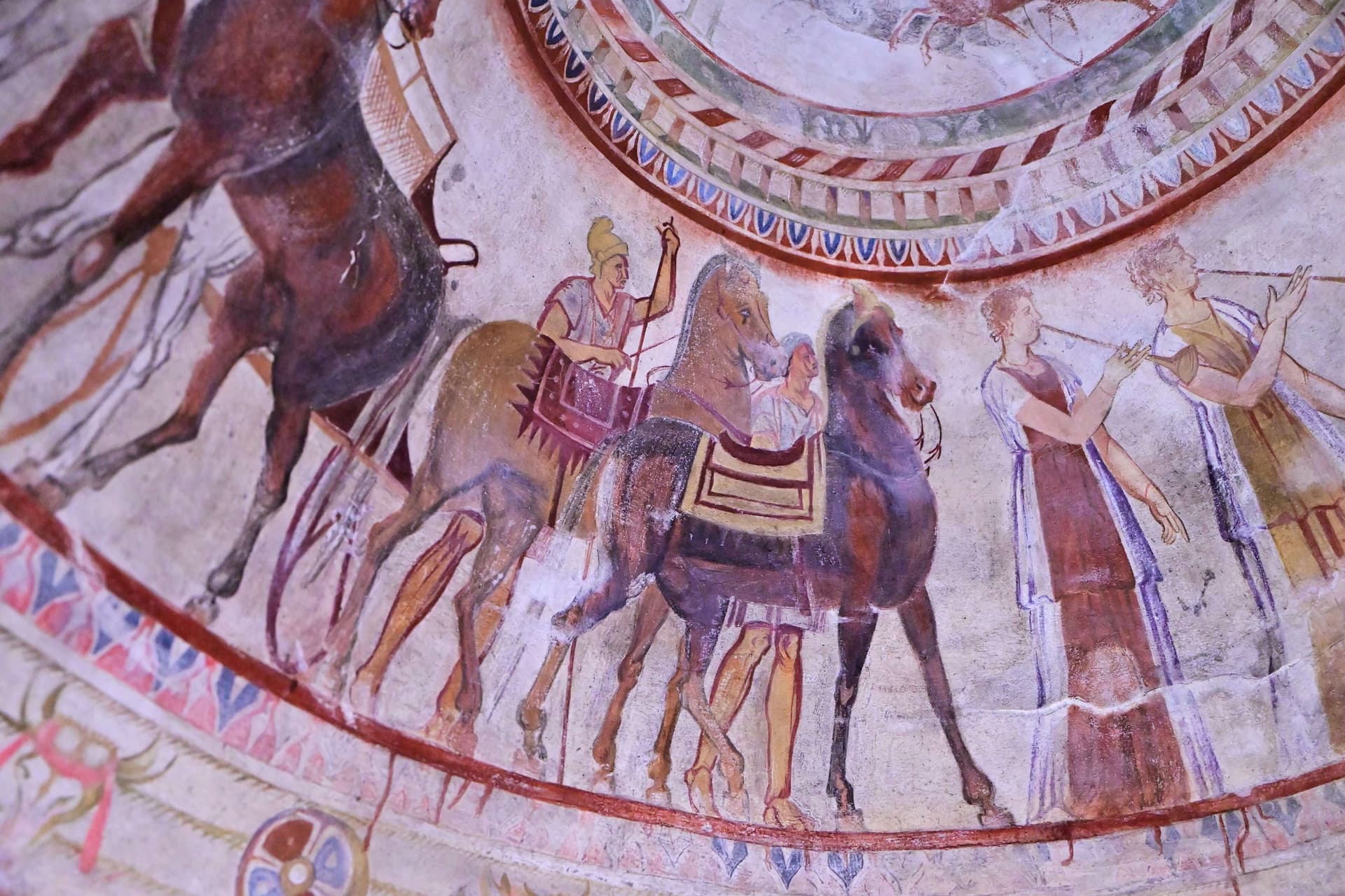
The Valley of the Thracian Rulers, frequently designated within scientific and travel literature as the Valley of the Thracian Kings, is an established geographical and archaeological term defining a region characterized by an exceptionally dense concentration of ancient monuments. This nomenclature was officially introduced into public discourse by the prominent Bulgarian archaeologist Dr. Georgi Kitov, reflecting the unique concentration of cultural assets representing the Thracian civilization within the Kazanlak Valley. Today, the Valley operates as a globally recognized destination for cultural tourism, unlocking the mysteries, architectural achievements, and fine arts of the ancient Thracians. Scale of the Complex and Historical Context Within the perimeter of the Kazanlak Valley, it is estimated that over 1500 Thracian burial mounds exist, with roughly 300 individual monuments systematically excavated and researched by scientists to date. According to historical evaluations, drawing direct structural parallels to the famous Valley of the Kings in Ancient Egypt, the Kazanlak field served across consecutive centuries as the elite resting place where Thracian kings, high military commanders, and noble representatives of the Odrysian dynastic aristocracy were ceremonially interred. Chronology of Landmark Archaeological Discoveries Through the Centuries The scientific exploration of the Valley features a succession of monumental discoveries that fundamentally reshaped global classical studies: - Year 1944: Discovered entirely by chance during the construction of an anti-aircraft shelter, the unique Kazanlak Tomb was exposed, its fine interior frescoes celebrated worldwide as a pinnacle of ancient Hellenistic painting. - Period between 1948 and 1954: During large-scale clearing operations supporting the engineering of the Koprinka Reservoir, the ancient city of Seuthopolis - the custom-built capital of King Seuthes III - was fully excavated and documented. - 1960s to 1980s: The surrounding burial necropolis belonging to the population of Seuthopolis was researched, unearthing two additional rare brick-built tombs. - Year 1965: The Maglizh Tomb and the Kran Tomb were officially excavated. Concurrently during the 1960s, numerous burial mounds dating from the Roman imperial era were explored around the adjacent villages of Tulovo and Dabovo under the scientific supervision of Professor L. Getov. - 1970s Era: Dr. M. Domaradzki investigated an extensive Thracian settlement and its corresponding necropolis based at the scenic Atanasca locality near the village of Tazha. The Era of the TEMP Expedition Managed by Georgi Kitov From 1992 until 2006, the research itinerary in the Kazanlak Valley progressed rapidly via the operations of the Thracian Expedition for Mound Research, widely known by its Bulgarian abbreviation TEMP, led by Senior Research Fellow Dr. Georgi Kitov. This scientific team explored roughly 200 individual burial mounds, recording the structural layout of religious rituals, material cultures, and funerary habits of the Thracians across both the Iron Age and the Roman Period. Among the monuments exposed by the TEMP expedition are more than 15 monumental tombs displaying varying levels of architectural preservation, 3 major stone-built graves, and an array of exceptionally wealthy royal burials. Expanding the Boundaries Along the Tundzha River Basin Major discoveries finalized at the dawn of the 21st century proved that the cultural footprint of the Valley extends much further to the east. The excavation of a magnificent royal burial yielding a unique solid gold death mask inside the Dalakova Mound in 2007 near the Sliven village of Topolchane significantly expanded the research map. This milestone was augmented by the discovery of wealthy aristocratic interments within the Drumeva Mound near Staro Selo and the Yakimova Mound near the village of Krushare, both anchored along the course of the Tundzha River within the Sliven Province. Cultural Continuity and Megalithic Shrines The Valley displays clear indicators of uninterrupted cultural inheritance, with the Thracians adopting sacred landscapes designed by previous populations centuries prior to the crystallization of the Thracian statehood. These ancient markers are beautifully preserved at the rock Megalith above the village of Buzovgrad, widely known as the Door of the Goddess, which scholars suggest was engineered and utilized as a solar observatory and sanctuary between 1800 and 1600 BC. This structural adaptation is further mirrored at Seuthopolis itself, which was constructed directly over the remains of an earlier prehistoric settlement. Global Acclaim and UNESCO World Heritage Applications Currently, the Kazanlak Tomb stands as the only monument within the region to achieve premier international status, inscribed on the official UNESCO World Heritage List. In September 2012, the Municipality of Kazanlak prepared and submitted formal nomination documentation for a major project titled The Valley of the Thracian Kings addressed to UNESCO. The objective of this campaign is to secure the inclusion of the most prominent standing tombs of the region - including Golyama Kosmatka (the permanent tomb of King Seuthes III), Ostrusha, Shushmanets, Helvetia, and Griffins - into the expanded global register of the World Cultural and Natural Heritage. In recent years, field operations managed by Bulgarian archaeological teams have progressed successfully, shifting focus toward the complete unearthing, architectural stabilization, and public conservation of newly discovered Thracian tombs based around the villages of Dolno Izvorovo and Buzovgrad.

Stara Zagora
0.4 km away

Stara Zagora
1.0 km away
Stara Zagora
1.1 km away
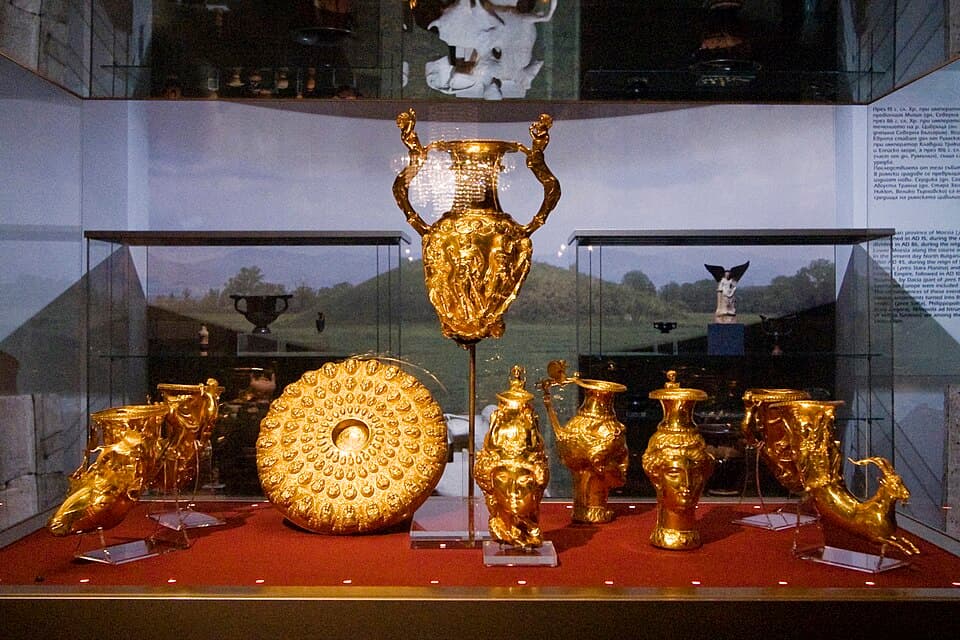
Discover the best sights in Panagyurishte. A practical travel guide featuring the famous Thracian Gold Treasure, museums, parking tips, and family activities.
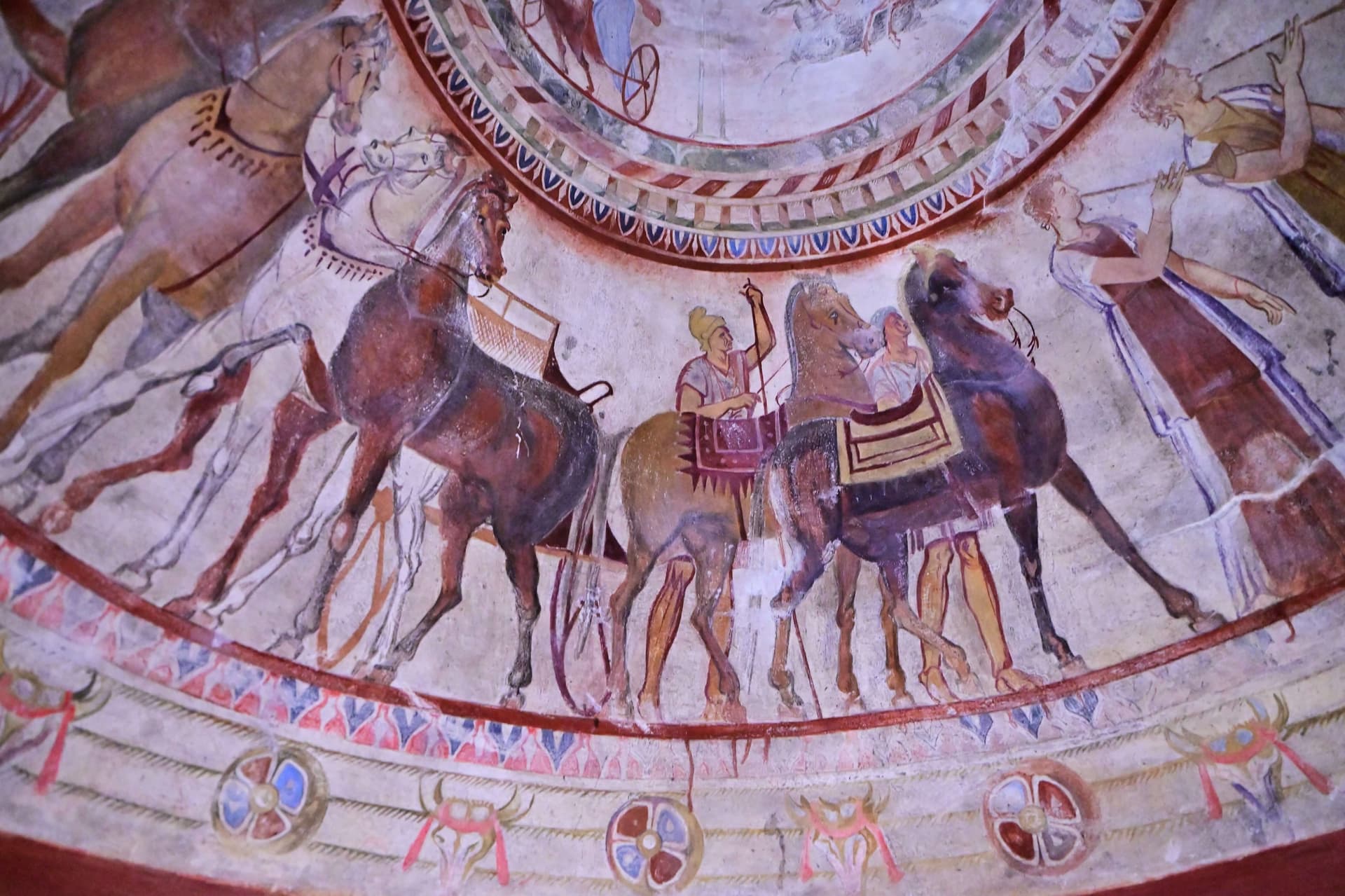
Explore the Valley of the Thracian Kings in Kazanlak: Discover the UNESCO Kazanlak Tomb, Golyama Kosmatka, the sunken city of Seuthopolis, and ancient gold treasures.
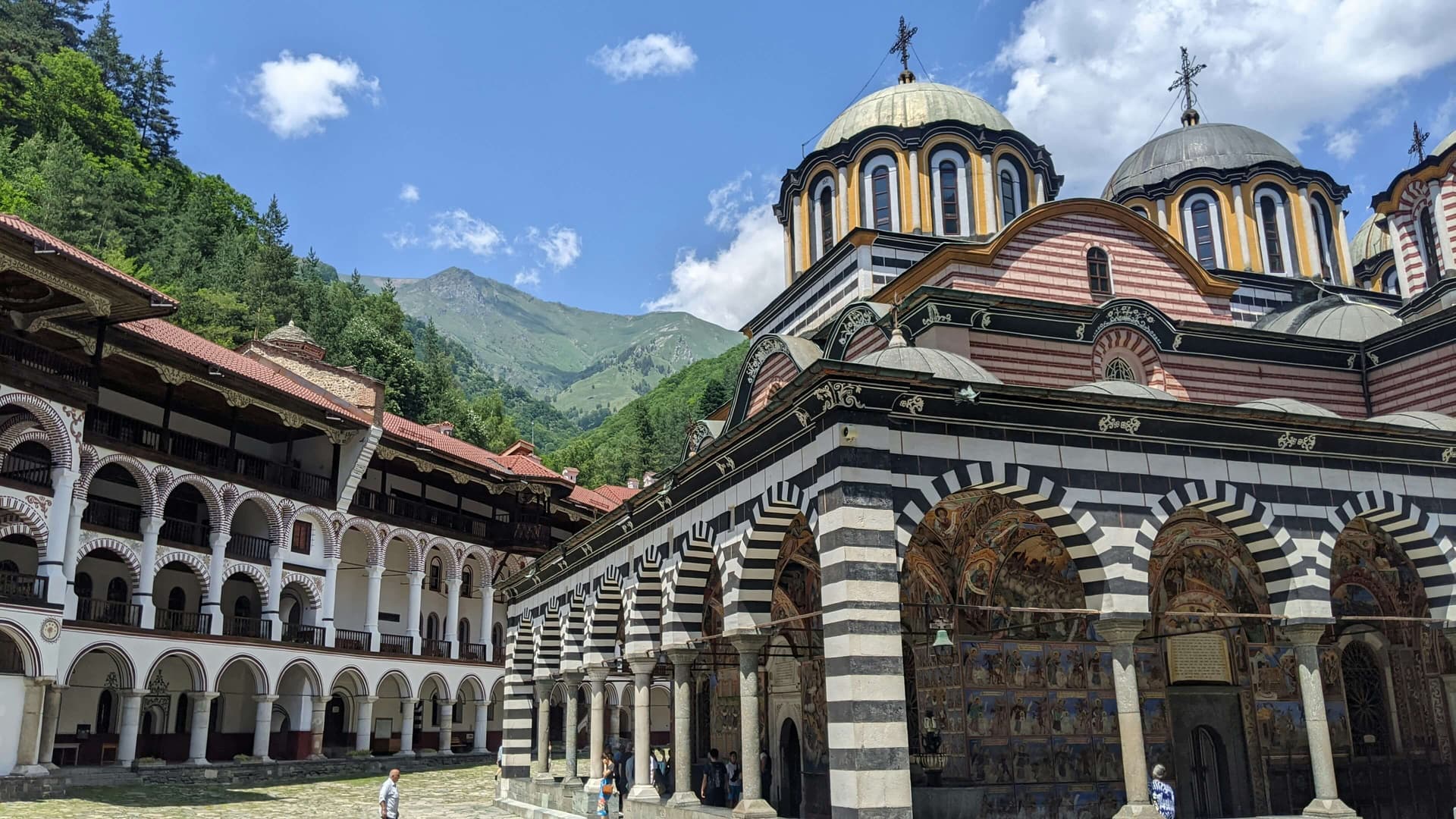
Looking for travel ideas? Discover the 15 most beautiful and iconic landmarks in Bulgaria—from the Rila Lakes to Plovdiv Old Town and Belogradchik.
Valley of the Thracian Rulers is located in Stara Zagora, Bulgaria.
Valley of the Thracian Rulers is most easily reached by car. Use the coordinates above to navigate, or open the location in OpenStreetMap or your preferred maps app for turn-by-turn directions. Public transport options vary by region — for remote destinations a rental car gives the most flexibility.
Valley of the Thracian Rulers can be visited year-round. Verify current opening hours directly with the museum before your visit, as schedules change seasonally and on public holidays.
Opening hours and admission fees vary, and most Bulgarian museums close one day per week (commonly Monday). Verify current schedules and prices directly with the museum or the local tourist information office before visiting Valley of the Thracian Rulers, especially on public holidays.